
 A SCHOLARLY BOOK REPOSITORY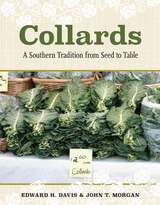
The definitive survey of collards, an iconic southern food.
Food is essential to southern culture, and collard greens play a central role in the South’s culinary traditions. A feast to the famished, a reward to the strong, and a comfort to the weary, collards have long been held dear in the food-loving southern heart. In Collards: A Southern Tradition from Seed to Table, Edward H. Davis and John T. Morgan provide this emblematic and beloved vegetable the full-length survey its fascinating and complex history merits.
The book begins with collards’ obscure origins. Like a good detective story, the search for collards’ home country leads the authors both to Europe and West Africa, where they unravel a tale as surprising and complex as that of southern people themselves. Crossing back over the Atlantic, the authors traverse miles of American back roads, from Arkansas to Florida and from Virginia to Louisiana. They vividly recount visits to homes, gardens, grocers, farms, and restaurants where the many varieties of collards are honored, from the familiar green collards to the yellow cabbage collard and rare purple cultivars.
In uncovering the secrets of growing collards, the authors locate prize-winning patches of the plant, interview “seed savers,” and provide useful tips for kitchen gardeners. They also describe how collards made the leap from kitchen garden staple to highly valued commercial crop.
Collards captures the tastes, smells, and prize-winning recipes from the South’s premier collards festivals. They find collards at the homes of farmers, jazz musicians, governors, and steel workers. Kin to cabbage and broccoli but superior to both in nutritional value, collard greens transcend human divisions of black and white, rich and poor, sophisticated and rustic, and urban and rural.
Food trends may come and go, but collards are a tradition that southerners return to again and again. Richly illustrated in color, Collards demonstrates the abiding centrality of this green leafy vegetable to the foodways of the American South. In it, readers will rediscover an old friend.
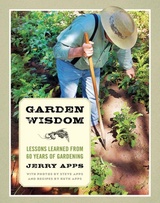
Step into the garden with writer and rural historian Jerry Apps. In this treasure trove of tips, recollections, and recipes, Jerry combines his hard-earned advice for garden success with a discussion of how tending a garden leads to a deeper understanding of nature and the land. From planning and planting to fending off critters and weeds, he walks us through the gardening year, imbuing his story with humor and passion and once again reminding us that working even a small piece of land provides many rewards.

To understand how we got here and how the legal cannabis industry might become more environmentally sustainable, Grass Roots looks at the history of marijuana growing in the American West, from early Mexican American growers on sugar beet farms to today’s sophisticated greenhouse gardens. Over the past eighty years, federal marijuana prohibition has had a multitude of consequences, but one of the most important is also one of the most overlooked—environmental degradation. Grass Roots argues that the most environmentally negligent farming practices—such as indoor growing—were borne out of prohibition. Now those same practices are continuing under legalization.
Grass Roots uses the history of cannabis as a crop to make sense of its regulation in the present, highlighting current efforts to make the marijuana industry more sustainable. In exploring the agricultural history of cannabis, There are many social and political histories of cannabis, but in considering cannabis as a plant rather than as a drug, Grass Roots offers the only agriculturally focused history to date.
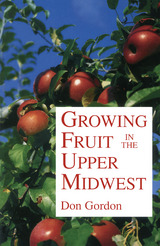
The standard guide to fruit-growing success.
Despite the harsh climate that prevails in the Upper Midwest, even amateur gardeners can successfully grow fruit when armed with some basic information. Focusing on Minnesota, Wisconsin, Iowa, South Dakota, and North Dakota, Growing Fruit in the Upper Midwest is a practical how-to guide to the cultivation of a wide variety of fruit including apples, pears, plums, apricots, strawberries, blueberries, cherries, grapes, currants, gooseberries, and brambles.
To assist readers ranging from home gardeners to small commercial growers, Don Gordon covers site selection, soil types, pruning, fertilization, harvesting, pests, and preventing winter injury as well as describing literally hundreds of excellent species for this region. Many technical aspects of pruning and planting are accompanied with illustrations. Growing Fruit in the Upper Midwest includes maps that indicate the fruit hardiness zones for each state, augmented by an easy-to-use guide to cultivar selection. The introduction is a basic botany lesson, covering plant classifications, growth and development. The section on apple growing, by far the most widely adapted fruit species in this region, will help growers decide which types of trees will thrive on their land. Gordon also provides an overview of interesting and overlooked historic and economic aspects of fruit production across the Upper Midwest. This practical guide is essential reading for home gardeners, small commercial growers, and anyone who has considered this rewarding and fascinating hobby. “The concise information about plant care will assist even the most inexperienced gardener. This book is an excellent reference tool, and I would recommend it highly to anyone growing fruit in Minnesota, Wisconsin, Iowa, North Dakota or South Dakota.” Rochester Post Bulletin
A feast for the eyes and the table, this user-friendly resource traverses the realms of both the garden and the kitchen, addressing the cultivation, storage, and preparation of more than sixty herbs. Practical growing tips, fascinating histories, nutritional information, and classic recipes appear alongside botanical illustrations drawn from the Royal Horticultural Society’s cherished collection. With both familiar varieties and novel options, Herbs for the Gourmet Gardener will inspire you to create a world of new shapes, colors, and tastes.
This book features apple varieties from the Herefordshire Pomona that are still cultivated today. The Pomona—an exquisitely illustrated book of apples and pears—was published at the height of the Victorian era by a small rural naturalists’ club. Its beautiful illustrations and authoritative text are treasured by book collectors and apple experts alike. From the Blenheim Orange and Worcester Pearmain to the less fêted yet scrumptious Ribston Pippin, Margil, and Pitmaston Pine Apple, Heritage Apples is illustrated with the Pomona’s stunning paintings and tells the intriguing stories behind each variety, how they acquired their names, and their merits for eating, cooking, or making cider. Also featuring practical advice on how to choose and grow your own trees, this is the perfect book for apple-lovers and growers alike.

My Vegetable Love offers a detailed daily record of gardenng, loving, and living during a single growing season—from the first outdoor planting in early spring to the final fall harvest shortly after Thanksgiving. Yet Klaus describes far more than the toils and triumphs of tending vegetables, as his observations encompass the day-to-day changes in weather and wildlife as well as the life changes in his pets, his wife, and himself. As Patricia Hampl wrote, “Beneath the simplicity of this beguiling gardener's journal lies the captivating story of good life and true love. In the spirit of M. F. K. Fisher's writing about food and drink, Carl Klaus has found in his garden a model of the enduring passions of life and death.”
From Michael Pollan to locavores, Whole Foods to farmers' markets, today cooks and foodies alike are paying more attention than ever before to the history of the food they bring into their kitchens—and especially to vegetables. Whether it’s an heirloom tomato, curled cabbage, or succulent squash, from a farmers' market or a backyard plot, the humble vegetable offers more than just nutrition—it also represents a link with long tradition of farming and gardening, nurturing and breeding.
In this charming new book, those veggies finally get their due. In capsule biographies of eleven different vegetables—artichokes, beans, chard, cabbage, cardoons, carrots, chili peppers, Jerusalem artichokes, peas, pumpkins, and tomatoes—Evelyne Bloch-Dano explores the world of vegetables in all its facets, from science and agriculture to history, culture, and, of course, cooking. From the importance of peppers in early international trade to the most recent findings in genetics, from the cultural cachet of cabbage to Proust’s devotion to beef-and-carrot stew, to the surprising array of vegetables that preceded the pumpkin as the avatar of All Hallow’s Eve, Bloch-Dano takes readers on a dazzling tour of the fascinating stories behind our daily repasts.
Spicing her cornucopia with an eye for anecdote and a ready wit, Bloch-Dano has created a feast that’s sure to satisfy gardeners, chefs, and eaters alike.
A feast for the eyes and the table, this user-friendly resource traverses the realms of both the garden and the kitchen, addressing the cultivation, storage, and preparation of nearly seventy useful vegetables. Practical growing tips, fascinating histories, nutritional information, and classic recipes appear alongside botanical illustrations drawn from the Royal Horticultural Society’s cherished collection. With both familiar varieties and novel options, Vegetables for the Gourmet Gardener will inspire you to create a world of new shapes, colors, and tastes.
READERS
Browse our collection.
PUBLISHERS
See BiblioVault's publisher services.
STUDENT SERVICES
Files for college accessibility offices.
RECENTLY PUBLISHED






UChicago Accessibility Resources
home | accessibility | search | about | contact us
BiblioVault ® 2001 - 2026
The University of Chicago Press