
 A SCHOLARLY BOOK REPOSITORY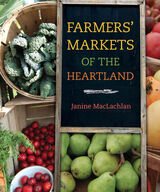
A visual feast of the Midwest's homegrown bounty
In this splendidly illustrated book, food writer and self-described farm groupie Janine MacLachlan embarks on a tour of seasonal markets and farmstands throughout the Midwest, sampling local flavors from Michigan, Ohio, Indiana, Illinois, Missouri, Iowa, Minnesota, and Wisconsin. She conducts delicious research as she meets farmers, tastes their food, and explores how their businesses thrive in the face of an industrial food supply. She tells the stories of a pair of farmers growing specialty crops on a few acres of northern Michigan for just a few months out of the year, an Ohio cattle farm that has raised heritage beef since 1820, and a Minnesota farmer who tirelessly champions the Jimmy Nardello sweet Italian frying pepper. Along the way, she savors vibrant red carrots, slurpy peaches, vast quantities of specialty cheeses, and some of the tastiest pie to cross anyone's lips.
Informed by debates about eating local, seasonal crops, organic farming, sanitation, and biodiversity, Farmers' Markets of the Heartland tantalizes with special recipes from farm-friendly chefs and dozens of luscious color photographs that will inspire you to harvest the homegrown flavors in your own neighborhood.
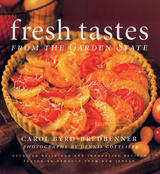
With this cookbook you will have the pleasure of preparing recipes that showcase the delicious bounty of fruit and vegetables that come from New Jersey’s gardens, orchards, and farmstands. While it is the country’s fifth-smallest state, the appropriately named Garden State produces tons of succulent produce every year. What a feast for the senses! The state is ablaze with colors—picture vivid green peppers and inky blueberries. Imagine the intense pleasure of biting into a juicy red tomato or a crisp, tangy apple. Think about the scent of strawberries or the sweet flavor of corn-on-the-cob. Recall the feel of plump, fuzzy peaches and smooth slick cranberries.
Fresh Tastes from the Garden State presents new ways for you to savor the flavors of New Jersey’s top fruits and vegetables and capitalize on the health dividends they pay. Presented in an easy-to-use format, the book features dozens of color photographs. It is conveniently divided into chapters brimming with luscious recipes spotlighting New Jersey berries (strawberries, blueberries, and cranberries), peaches, apples, tomatoes, peppers, and corn. Many of the recipes are quick and easy enough to fit into anyone’s hectic lifestyle and so delectable they’ll become family favorites for everyday. Health-conscious cooks will be happy to know that fat is never used gratuitously and the calorie and nutrient content of each recipe is included. Carol Byrd-Bredbenner also includes information on the history, botany, and safe storage of fruits and vegetables. Every recipe has been kitchen tested and tasted by discerning diners to be certain that they are absolutely delicious. When you serve them, you’ll hear forks clanking, lips smacking, and rave reviews. Enjoy!
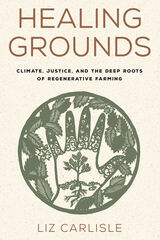
In Healing Grounds, Liz Carlisle tells the stories of Indigenous, Black, Latinx, and Asian American farmers who are reviving their ancestors’ methods of growing food—techniques long suppressed by the industrial food system. These farmers are restoring native prairies, nurturing beneficial fungi, and enriching soil health. While feeding their communities and revitalizing cultural ties to land, they are steadily stitching ecosystems back together and repairing the natural carbon cycle. This, Carlisle shows, is the true regenerative agriculture – not merely a set of technical tricks for storing CO2 in the ground, but a holistic approach that values diversity in both plants and people.
Cultivating this kind of regenerative farming will require reckoning with our nation’s agricultural history—a history marked by discrimination and displacement. And it will ultimately require dismantling power structures that have blocked many farmers of color from owning land or building wealth.
The task is great, but so is its promise. By coming together to restore these farmlands, we can not only heal our planet, we can heal our communities and ourselves.

READERS
Browse our collection.
PUBLISHERS
See BiblioVault's publisher services.
STUDENT SERVICES
Files for college accessibility offices.
RECENTLY PUBLISHED





UChicago Accessibility Resources
home | accessibility | search | about | contact us
BiblioVault ® 2001 - 2025
The University of Chicago Press