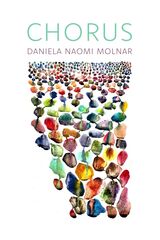
front cover of CHORUS
CHORUS
Daniela Naomi Molnar
Omnidawn, 2022
Poems that incorporate multiple voices to embrace fragmentation, discord, and plurality.
 
At a time of simultaneous isolation and interconnection, this book is an inquiry into the edges of the self. Pushing back on capitalist messages of individuality, CHORUS instead seeks the multifaceted self that engages with the radical diversity that characterizes any healthy ecosystem or society. Moving between a remote canyon in New Mexico, the Pacific Northwest, New York City, the virtual world, the past, and the unstable future, the author asks, “Whose afterimage am I?”

The sprawling, celebratory, mourning chorus of this book is the sum of many voices; the words of other writers, poets, and artists are interwoven with the author’s words. This is a celebration of language’s capacity to supersede bodily limits, mortality, and existential loneliness. Daniela Naomi Molnar’s chorus encompasses violence, love, empathy, fear, a burning planet, a pandemic, heartbreak, desire, joy, and grief. Rather than seeking resolution, these poems look through the lens of a fragmented self, dwelling in plurality, discord, and harmony.
 
CHORUS is the winner of Omnidawn’s 1st /2nd Book Prize, judged by Kazim Ali.
 
[more]

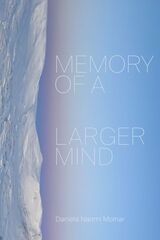
front cover of Memory of a Larger Mind
Memory of a Larger Mind
Daniela Naomi Molnar
Omnidawn, 2026

Poems written outdoors, in the presence of disappearing glaciers—a book of memory, grief, and transformation.


In her new poetry collection, Memory of a Larger Mind, Daniela Naomi Molnar sifts through memory and layered loss—planetary, cultural, familial, and personal—asking how we withstand and how we transform. These are plein air poems, written outdoors in the presence of disappearing glaciers and composed with shifting light, wind, sound, and scent: elegies and love songs, celebrations and laments. Braiding the slow death of glaciers with her grandmother's survival of the Holocaust, the book holds ecological and ancestral loss in a single frame. Alive to our current moment while keeping one foot in geologic time, Molnar exposes genocide and ecocide as expressions of the same logic, the same movement: ice to water to light, grief to love to joy to grief.


Memory of a Larger Mind is part of a larger interdisciplinary project that gathers pigments, language, and memory from “sacrifice zones”—glaciated landscapes, former concentration and incarceration camps, desecrated sacred sites—and transforms them into poems, paintings, and films. The result is work in which all bodies are understood as dynamic, part of a world in which difficult pasts might open toward more peaceful futures, and in which grief, handled with care, might shift to love.


[more]


Send via email Share on Facebook Share on Twitter