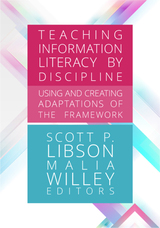
front cover of Hesitant Comrades
Hesitant Comrades
The Irish Revolution and the British Labour Movement
Geoffrey Bell
Pluto Press, 2016
Geoffrey Bell's Hesitant Comrades is the first published history of the policies, actions and attitudes of the British working class towards the Irish national revolution of 1916-21.

Drawing principally on primary sources, Bell brings to light for the first time important incidents in British/Irish history, including how the leaders of British trade unions were complicit in Belfast loyalist sectarianism; the troubled nature of the Labour Party's relations with its Irish community; and how the Bolsheviks criticised British Marxists over their inaction on Ireland. The author also considers socialist debates on the compatibility of Irish nationalism with socialism, as well as the contentious 'Ulster question'. He examines prominent figures of the era, ranging from Ramsay MacDonald to Sylvia Pankhurst. With sources ranging from newly discovered writings to reports of police spies - Hesitant Comrades is a scholarly, provocative and groundbreaking perspective on the fragile relationship between the British left and the Irish revolution.
[more]

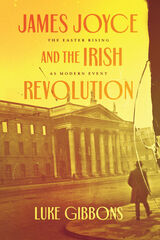
front cover of James Joyce and the Irish Revolution
James Joyce and the Irish Revolution
The Easter Rising as Modern Event
Luke Gibbons
University of Chicago Press, 2023
A provocative history of Ulysses and the Easter Rising as harbingers of decolonization.
 
When revolutionaries seized Dublin during the 1916 Easter Rising, they looked back to unrequited pasts to point the way toward radical futures—transforming the Celtic Twilight into the electric light of modern Dublin in James Joyce’s Ulysses. For Luke Gibbons, the short-lived rebellion converted the Irish renaissance into the beginning of a global decolonial movement. James Joyce and the Irish Revolution maps connections between modernists and radicals, tracing not only Joyce’s projection of Ireland onto the world stage, but also how revolutionary leaders like Ernie O’Malley turned to Ulysses to make sense of their shattered worlds. Coinciding with the centenary of both Ulysses and Irish independence, this book challenges received narratives about the rebellion and the novel that left Ireland changed, changed utterly.
[more]


Send via email Share on Facebook Share on Twitter