Results by title
1415 books match the query 'Medical' and 71 start with d

DOCTRINE OF SIGNATURES
A DEFENSE OF THEORY IN MEDICINEScott Buchanan
University of Illinois Press, 1991
is one of the first and most significant works in our time to show how closely
connected the liberal arts are to clinical medicine. It is the seminal work
in the recent history of the philosophy of medicine, a field that is enjoying
a renaissance throughout the world today."
-- Edmund D. Pellegrino, M.D.
Dangerous Diagnostics
The Social Power of Biological InformationDorothy Nelkin and Laurence Tancredi
University of Chicago Press, 1994
Daring to Care
American Nursing and Second-Wave FeminismSusan Gelfand Malka
University of Illinois Press, 2007
Deadly Dust
Silicosis and the On-Going Struggle to Protect Workers' HealthDavid Rosner and Gerald Markowitz
University of Michigan Press, 2006
Death Foretold
Prophecy and Prognosis in Medical CareNicholas A. Christakis
University of Chicago Press, 2000
"Highly recommended for everyone from patients wrestling with their personal prognosis to any medical practitioner touched by this bioethical dilemma."—Library Journal, starred review
"[T]he first full general discussion of prognosis ever written. . . . [A] manifesto for a form of prognosis that's equal parts prediction-an assessment of likely outcomes based on statistical averages-and prophecy, an intuition of what lies ahead."—Jeff Sharlet, Chicago Reader
"[S]ophisticated, extraordinarily well supported, and compelling. . . . [Christakis] argues forcefully that the profession must take responsibility for the current widespread avoidance of prognosis and change the present culture. This prophet is one whose advice we would do well to heed."—James Tulsky, M.D., New England Journal of Medicine
Death with Dignity
Ethical and Practical Considerations for Caregivers of the Terminally IllPeter A. Clark, S.J
University of Scranton Press, 2010
End-of-life issues and questions are complex and frequently cause confusion and anxiety. In Death with Dignity,theologian, medical ethicist, and pastoral caregiver Peter A. Clark examines numerous issues that are pertinent to patients, family members, and health care professionals, including physiology, consciousness, the definition of death, the distinction between extraordinary and ordinary means, medical futility, “Do Not Resuscitate” orders, living wills, power of attorney, pain assessment and pain management, palliative and hospice care, the role of spirituality in end-of-life care, and physicians’ communication with terminal patients. Patients, family members, medical students, and health care professionals will find in Death with Dignity thepractical and ethical knowledge they need to capably and confidently cope with end-of-life challenges.
Death, Dissection and the Destitute
Ruth Richardson
University of Chicago Press, 2001
Decentering Epistemologies and Challenging Privilege
Critical Care Ethics PerspectivesSophie Bourgault
Rutgers University Press, 2024
This book advances this project by discussing the ways care ethics contributes to the decentering of dominant epistemologies and to the challenging of privilege and by considering how to decenter care ethics itself via an encounter with non-Western philosophical traditions and alternative epistemologies. Written by scholars from different countries, disciplines, and intellectual traditions, the volume offers original care ethics contributions on epistemic injustice, privileged irresponsibility, ecofeminism, settler colonialism, social movements such as BLM, and various racialized and gendered inequities tied to care work.
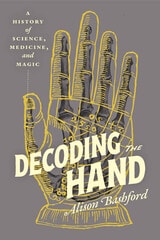
Decoding the Hand
A History of Science, Medicine, and MagicAlison Bashford
University of Chicago Press, 2025
“Delightful.”—Times Literary Supplement • “Intriguing.”—The Sydney Morning Herald • “Fascinating, well-illustrated.”—Nature • “Altogether surprising and hard to categorise.”—London Review of Books • “There are many stories to be told here, and Bashford tells them well.”—Literary Review
The astonishing history of palmistry and biometrics—from occult physicians to the very foundations of modern science and medicine.
Why did Isaac Newton read books on chiromancy, the occult science of hand reading that revealed the secrets of the soul? Why did Charles Darwin claim that the hand gave humans dominion over all other species? Why did psychoanalyst Charlotte Wolff climb into the primate cages of the London Zoo, taking hundreds of delicate palm prints? Why did Francis Galton, the father of fingerprinting, take palm prints too? And why did world-leading geneticists study the geometry of palm lines in their search for the secrets of chromosomal syndromes?
Decoding the Hand is an astounding history of magic, medicine, and science, of an enduring search for how our bodily surfaces might reveal an inner self—a soul, a character, an identity. From sixteenth-century occult physicians influenced by the Kabbalah to twentieth-century geneticists, and from criminologists to eugenicists, award-winning historian Alison Bashford takes us on a remarkable journey into the strange world of hand readers, revealing how signs on the hand—its shape, lines, marks, and patterns—have been elaborately decoded over the centuries. Sometimes learned, sometimes outrageously deceptive, sometimes earnest, and, more often than we ever expected, medically and scientifically trained, these palm readers of the past prove to be essential links in the human quest to peer into bodies, souls, minds, and selves. Not only for fortune-telling palmists were the future and the past, health, and character laid bare in the hand, but for other experts in bodies and minds as well: anatomists, psychiatrists, embryologists, primatologists, evolutionary biologists, geneticists, and more.
Drawing telling parallels between the divination promised by palmistry and the appeal to self-knowledge offered by modern genetic testing, Decoding the Hand also makes clear that palm-reading is far from a relic or simple charlatanism. Bashford’s sagacious history of human hands touching and connecting opens wide the essential human pursuit of what lies within and beyond.

Decolonial Care
Reimagining Caregiving in the French CaribbeanJennifer Boum Make
Rutgers University Press, 2025
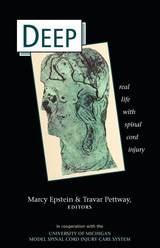
Deep
Real Life with Spinal Cord InjuryMarcy Epstein and Travar Pettway, Editors
University of Michigan Press, 2010
"This project fits into the larger picture of excellence that we wish to accomplish in all dimensions of our health system: groundbreaking and dedicated research, compassionate clinical care, progressive education, and a welcoming environment that includes community with people with disabilities. In Deep, the writers and editors of this book realize this mission with accuracy and clarity."
---Denise G. Tate, Director of Research at the University of Michigan Model Spinal Cord Injury Care System
People with spinal cord injuries experience life beyond their medical and rehabilitative journeys, but these stories are rarely told. Deep: Real Life with Spinal Cord Injury includes the stories of ten men and women whose lives have been transformed by spinal cord injury. Each essay challenges the stereotypes and misconceptions about SCI---with topics ranging from faith to humility to sex and manhood---offering a multitude of voices that weave together to create a better understanding of the diversity of disability and the uniqueness of those individuals whose lives are changed but not defined by their injuries. Life with SCI can be traumatic and ecstatic, uncharted and thrilling, but it always entails a journey beyond previous expectations. This volume captures this sea change, exploring the profound depths of SCI experience.

Delia's Doctors; or, A Glance behind the Scenes
Hannah Gardner Creamer
University of Illinois Press, 2002
This early feminist novel is a wickedly funny slice of mid-nineteenth-century Americana peppered with details of the era’s freakish medical tactics and leavened with a smart and sassy commentary about the societal restraints on women’s physical and intellectual abilities.
First published in 1852, Delia’s Doctors is one of four known novels by Hannah Gardner Creamer, an American writer whose life and career have been all but absent from the annals of American history. In the book, eighteen-year-old Delia Thornton is ill. Her condition, more psychological than physical, worsens during the bitter winter, even as doctor after doctor attempts to cure her.
As Delia typifies the female heroine whose sickness is aggravated by listlessness and inactivity, her brother’s fiancée, Adelaide Wilmot, is Delia’s more robust counterpart. Adelaide thinks she could do anything, if only she were a man, and she dreams of being a physician. Quick to point out the shortcomings of male doctors in treating female illnesses, Adelaide saves Delia and delivers a series of arguments against New England patriarchy.
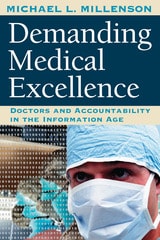
Demanding Medical Excellence
Doctors and Accountability in the Information AgeMichael L. Millenson
University of Chicago Press, 2000
"If you read only one book this year, read Demanding Medical Excellence. It's that good, and the revolution it describes is that important."—Health Affairs
"Millenson has done yeoman's work in amassing and understanding that avalanche of data that lies beneath most of the managed-care headlines. . . . What he finds is both important and well-explained: inconsistency, overlap, and inattention to quality measures in medical treatment cost more and are more dangerous than most cost-cutting measures. . . . [This book] elevates the healthcare debate to a new level and deserves a wide readership."—Library Journal
"An involving, human narrative explaining how we got to where we are today and what lies ahead."—Mark Taylor, Philadelphia Inquirer
"Read this book. It will entertain you, challenge, and strengthen you in your quest for better accountability in health care."—Alex R. Rodriguez, M.D., American Journal of Medical Quality
"Finally, a health-care book that doesn't wring its hands over the decline of medicine at the hands of money-grubbing corporations. . . . This is a readable account of what Millenson calls a 'quiet revolution' in health care, and his optimism makes for a refreshing change."—Publishers Weekly
"With meticulous detail, historical accuracy, and an uncommon understanding of the clinical field, Millenson documents our struggle to reach accountability."—Saty Satya-Murti, M.D., Journal of the American Medical Association
Dementia Caregivers Share Their Stories
A Support Group in a BookLynda A. Markut
Vanderbilt University Press, 2005
Highlighting the ingenuity and resourcefulness of caregivers, the book brims with inspirational stories, practical advice, and creative approaches to problem-solving. Among the issues addressed are:
Becoming a caregiver, whether for a spouse or parent
Dealing with the personality changes caused by dementia, from anxiety and paranoia to hallucinations and impulsive behavior
Keeping dementia sufferers meaningfully involved in life
Handling the emotions and stresses of caregiving
Seeking help through support groups and other sources, including medical professionals, clergy, and other family members The authors, who have both been caregivers themselves, augment their interviewees' stories with connective commentary and their own personal stories. A useful resource section is included to refer readers to associations and help-lines.
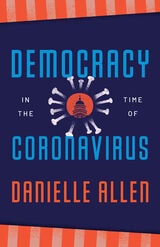
Democracy in the Time of Coronavirus
Danielle Allen
University of Chicago Press, 2022
The COVID-19 pandemic has demonstrated some of the strengths of our society, including the rapid development of vaccines. But the pandemic has also exposed its glaring weaknesses, such as the failure of our government to develop and quickly implement strategies for tracing and containing outbreaks as well as widespread public distrust of government prompted by often confusing and conflicting choices—to mask, or not to mask. Even worse is that over half a million deaths and the extensive economic devastation could have been avoided if the government had been prepared to undertake comprehensive, contextually-sensitive policies to stop the spread of the disease.
In Democracy in the Time of Coronavirus, leading political thinker Danielle Allen untangles the US government’s COVID-19 victories and failures to offer a plan for creating a more resilient democratic polity—one that can better respond to both the present pandemic and future crises. Looking to history, Allen also identifies the challenges faced by democracies in other times that required strong government action. In an analysis spanning from ancient Greece to the Reconstruction Amendments and the present day, Allen argues for the relative effectiveness of collaborative federalism over authoritarian compulsion and for the unifying power of a common cause. But for democracy to endure, we—as participatory citizens—must commit to that cause: a just and equal social contract and support for good governance.

Desert Birthright
A Midwife's MemoirLori Wrankle
University of Utah Press, 2025
Lori Wrankle was sixteen when she helped deliver her first baby. “I witnessed the entire universe unfold at my feet,” she writes in Desert Birthright. Later, working as a hospital doula, Wrankle observed firsthand the suffering inflicted upon birthing women by male-dominated Western childbirth practices, from casual racism to unnecessary and nonconsensual procedures, including the dreaded “husband stitch.” After a traumatic labor and delivery of her own, she decided to take back woman-centered childbirth and start a homebirth midwifery practice.
Desert Birthright traverses twenty-five years of midwifery, often in fundamentalist polygamist circles, weaving together birth stories with childhood memories as Wrankle grapples with her shifting Mormon faith. Her poetic voice shines—a placenta becomes the tree of life, the folds in a baby’s arm layers of sand in the desert. Desert Birthright is a deeply personal story of life, death, and modern womanhood in the rural Southwest, and of one midwife’s journey of faith, self-discovery, and liberation in the face of adversity.
Developing to Scale
Technology and the Making of Global HealthHeidi Morefield
University of Chicago Press, 2023
In 1973, economist E. F. Schumacher published Small Is Beautiful, which introduced a mainstream audience to his theory of “appropriate technology”: the belief that international development projects in the Global South were most sustainable when they were small-scale, decentralized, and balanced between the traditional and the modern. His theory gained widespread appeal, as cuts to the foreign aid budget, the national interests of nations seeking greater independence, postcolonial activism, and the rise of the United States’ tech sector drove stakeholders across public and private institutions toward cheaper tools. In the ensuing decades, US foreign assistance shifted away from massive modernization projects, such as water treatment facilities, toward point-of-use technologies like village water pumps and oral rehydration salts. This transition toward the small scale had massive implications for the practice of global health.
Developing to Scale tells the history of appropriate technology in international health and development, relating the people, organizations, and events that shaped this consequential idea. Heidi Morefield examines how certain technologies have been defined as more or less “appropriate” for the Global South based on assumptions about gender, race, culture, and environment. Her study shows appropriate technology to be malleable, as different constituencies interpreted its ideas according to their own needs. She reveals how policymakers wielded this tool to both constrain aid to a scale that did not threaten Western interests and to scale the practice of global health through the development and distribution of technical interventions.
Developing to Scale
Technology and the Making of Global HealthHeidi Morefield
University of Chicago Press, 2023
The first critical book on “appropriate technology,” Developing to Scale shows how global health came to be understood as a problem to be solved with the right technical interventions.
In 1973, economist E. F. Schumacher published Small Is Beautiful, which introduced a mainstream audience to his theory of “appropriate technology”: the belief that international development projects in the Global South were most sustainable when they were small-scale, decentralized, and balanced between the traditional and the modern. His theory gained widespread appeal, as cuts to the foreign aid budget, the national interests of nations seeking greater independence, postcolonial activism, and the rise of the United States’ tech sector drove stakeholders across public and private institutions toward cheaper tools. In the ensuing decades, US foreign assistance shifted away from massive modernization projects, such as water treatment facilities, toward point-of-use technologies like village water pumps and oral rehydration salts. This transition toward the small scale had massive implications for the practice of global health.
Developing to Scale tells the history of appropriate technology in international health and development, relating the people, organizations, and events that shaped this consequential idea. Heidi Morefield examines how certain technologies have been defined as more or less “appropriate” for the Global South based on assumptions about gender, race, culture, and environment. Her study shows appropriate technology to be malleable, as different constituencies interpreted its ideas according to their own needs. She reveals how policymakers wielded this tool to both constrain aid to a scale that did not threaten Western interests and to scale the practice of global health through the development and distribution of technical interventions.
Developmental Programming for Infants and Young Children
Volume 1. Assessment and ApplicationD. Sue Schafer and Martha S. Moersch, Editors
University of Michigan Press, 1981
Developmental Programming for Infants and Young Children: Volume 1 provides detailed instructions for the use of Volume 2: Early Intervention Developmental Profile, including administration and evaluation techniques, scoring and interpretation of results, validity and reliability of findings, and complete item descriptions. To be used with children functioning in the 0-to-36-month developmental age range. Volume 1 includes the scoring sheet (Volume 2).
Developmental Programming for Infants and Young Children has proven to be an invaluable tool for teachers, therapists, and other professionals who assess and facilitate the development of children functioning primarily in the 0-to-60 month range. The authors address six areas of development: perceptual/fine motor, cognition, language, social/emotional, self-care, and gross motor. Volumes 1, 2, and 3 are designed for use with children functioning in the 0-to-36-month developmental age range, while Volumes 4 and 5 extend assessment and programming guidelines to 5-year (preschool) levels.
Carefully designed and tested by the University of Michigan's Institute for the Study of Mental Retardation and Related Disabilities, all volumes bridge the gap between assessment and program implementation.
Developmental Programming for Infants and Young Children
Volume 3. Stimulation ActivitiesD. Sue Schafer and Martha S. Moersch, Editors
University of Michigan Press, 1981
Developmental Programming for Infants and Young Children: Volume 3 provides a reservoir of ideas for carrying out planned program objectives. Each developmental area contains sequenced develop mental behaviors that would be expected in a normal child, with adaptations for specific handicapping conditions noted. This volume describes ways to handle, stimulate, and interact with a young child functioning in the developmental age range 0-to-36 months. It can be used by parents for at-home activities.
This volume is available as a set in combination with Volumes 1 and 2.
Developmental Programming for Infants and Young Children has proven to be an invaluable tool for teachers, therapists, and other professionals who assess and facilitate the development of children functioning primarily in the 0-to-60 month range. The authors address six areas of development: perceptual/fine motor, cognition, language, social/emotional, self-care, and gross motor. Volumes 1, 2, and 3 are designed for use with children functioning in the 0-to-36-month developmental age range, while Volumes 4 and 5 extend assessment and programming guidelines to 5-year (preschool) levels.
Carefully designed and tested by the University of Michigan's Institute for the Study of Mental Retardation and Related Disabilities, all volumes bridge the gap between assessment and program implementation.
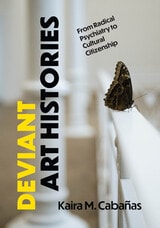
Deviant Art Histories
From Radical Psychiatry to Cultural CitizenshipKaira M. Cabañas
University of Chicago Press, 2027
A groundbreaking examination of the entanglement between psychiatry, art, and art history.
Looking beyond the white walls of art galleries and museums, Kaira M. Cabañas explores art history through the psychiatric wards of the twentieth century, offering a reevaluation of the relationship between madness, making, and the art world and considering the deeply intertwined fields of psychiatry and art.
Putting aside romanticized myths about “outsider art,” Cabañas argues for a radical revisioning that centers artists in psychiatric settings not as deviants and curiosities but rather as skilled, sophisticated innovators and active participants in shared culture. Beginning with the story of legendary art historian Aby Warburg, whose own psychiatric internment and subsequent recovery serve as a point of departure, the narrative then covers the globe, following visionary reformers such as Nise da Silveira in Brazil and Franco and Franca Basaglia in Italy. The book tracks how psychiatrists collaborated with professional artists and patients to turn clinical spaces into laboratories of liberation. By documenting how patient-artists moved from being subjects of clinical study to recognized cultural producers, Deviant Art Histories demonstrates how art was a primary vehicle for reclaiming their agency. Featuring a diverse cast of figures—including Lygia Clark, Ornette Coleman, and Antonin Artaud—the book offers a powerful testament to art’s ability to break the clinical frame and transform the definition of what it means to be a creative citizen in the modern world.

Diagnoses in Assyrian and Babylonian Medicine
Ancient Sources, Translations, and Modern Medical AnalysesTranslated and with Commentary by JoAnn Scurlock and Burton R. Andersen
University of Illinois Press, 2005
The collaboration of medical expert Burton R. Andersen and cuneiformist JoAnn Scurlock makes it finally possible to survey this collected corpus and discern magic from experimental medicine in Ashur, Babylon, and Nineveh. Diagnoses in Assyrian and Babylonian Medicine is the first systematic study of all the available texts, which together reveal a level of medical knowledge not matched again until the nineteenth century A.D. Over the course of a millennium, these nations were able to develop tests, prepare drugs, and encourage public sanitation. Their careful observation and recording of data resulted in a description of symptoms so precise as to enable modern identification of numerous diseases and afflictions.
Diagnosis, Therapy, and Evidence
Conundrums in Modern American MedicineGrob, Gerald N
Rutgers University Press, 2010
Differences in Medicine
Unraveling Practices, Techniques, and BodiesMarc Berg and Annemarie Mol, eds.
Duke University Press, 1998
Combining theoretical work with interviews and direct observation of the activities and interactions of doctors, nurses, technicians, and patients, the contributors to this volume provide comparative studies of specific cases. Individual chapters explore topics such as the contested domain of fetal surgery in a California hospital, the construction of gender identity before transsexual surgery in Germany, and differences in the treatment and definition of pain by two clinics in France. Differences in Medicine advances earlier studies on medicine’s social diversity and regional variations to expose significant differences in the presumptions and decisions that affect patients’ lives, and marks a dramatic development in both the study of medicine and in science studies generally.
Revealing the ways in which the bodies and lives of people are constructed as medical objects by practitioners, technologies, and textbooks, this collection calls for and initiates new, more textured investigations and theories of the body in medicine and the practice of science. It will open new discussions among medical and healthcare professionals as well as scholars in medical anthropology, science studies, sociology, philosophy, and the history of medicine.
Contributors. Isabelle Baszanger, Marc Berg, Geoffrey C. Bowker, Monica J. Casper, Charis M. Cussins, Nicolas Dodier, Stefan Hirschauer, Annemarie Mol, Vicky Singleton, Susan Leigh Star, Stefan Timmermans, Dick Willems

Digestion, Diet, and Disease
Irritable Bowel Syndrome and Gastrointestinal FunctionJoneja, Janice Vickerstaff
Rutgers University Press, 2004
Malfunction in the digestive tract can arise from a variety of causes, and it requires the sciences of immunology, physiology, biochemistry, microbiology, and nutrition to fully explain the basis of the dysfunction as well as effective treatment options. Now Dr. Janice Vickerstaff Joneja has written the first book that:
- Applies current research data in all of the relevant sciences into a practical resource for the management of gastrointestinal disease, in particular irritable bowel syndrome (IBS).
- Supplies complete scientific references for the research scientist, the clinician, and the student.
- Provides specific dietary management strategies for IBS and related dysfunction in the gastrointestinal tract, based on scientific data.
- Includes meal plans, recipes, and dietary advice for balanced nutrition, while avoiding the foods most likely to trigger or exacerbate IBS.
These unique qualities make Digestion, Diet, and Disease the ideal choice for practitioners, educators, and researchers in the field of nutritional medicine, as well as nurses, alternative medicine professionals, and the educated general public suffering from IBS.

Dignity and Health
Nora Jacobson
Vanderbilt University Press, 2012
Dignity and Health examines the processes and structures of dignity violation and promotion, traces their consequences for individual and collective health, and uses the model developed to imagine how we might reform our systems of health and social care.
With its focus on the dignity experiences of those often excluded from the mainstream--people who are poor, or homeless, or dealing with mental health problems--as well as on vulnerabilities like age or sickness or unemployment that threaten to make us all feel "less than," Dignity and Health recognizes dignity as a moral matter embedded in the choices we make every day.

Dioscorides on Pharmacy and Medicine
By John M. Riddle
University of Texas Press, 1985
For 1,600 years Dioscorides (ca. AD 40–80) was regarded as the foremost authority on drugs. He knew mild laxatives and strong purgatives, analgesics for headaches, antiseptics for wounds, emetics to rid one of ingested poisons, chemotherapy agents for cancer treatments, and even oral contraceptives. Why, then, have his works remained obscure in recent centuries? Because of one small oversight (Dioscorides himself thought it was self-evident): he failed to describe his method for organizing drugs by their affinities. This omission led medical authorities to use his materials as a guide to pharmacy while overlooking Dioscorides' most valuable contribution—his empirically derived method for observing and classifying drugs by clinical testing.
Dioscorides' De materia medica, a five-volume work, was written in the first century. Here revealed for the first time is the thesis that Dioscorides wrote more than a lengthy guide book. He wrote a great work of science. He had said that he discovered the natural order and would demonstrate it by his arrangement of drugs from plants, minerals, and animals. Until John M. Riddle's pathfinding study, no one saw the genius of his system. Botanists from the eighteenth century often attempted to find his unexplained method by identifying the sequences of his plants according to the Linnean system but, while there are certain patterns, there remained inexplicable incoherencies. However, Dioscorides' natural order as set down in De materia medica was determined by drug affinities as detected by his acute, clinical ability to observe drug reactions in and on the body. So remarkable was his ability to see relationships that, in some cases, he saw what we know to be common chemicals shared by plants of the same and related species and other natural product drugs from animal and mineral sources.
Western European and Islamic medicine considered Dioscorides the foremost authority on drugs, just as Hippocrates is regarded as the Father of Medicine. They saw him point the way but only described the end of his finger, despite the fact that in the sixteenth century alone there were over one hundred books published on him. If he had explained what he thought to be self-evident, then science, especially chemistry and medicine, would almost certainly have developed differently. In this culmination of over twenty years of research, Riddle employs modern science and anthropological studies innovatively and cautiously to demonstrate the substance to Dioscorides' authority in medicine.
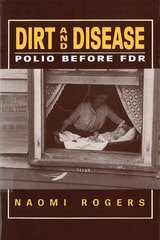
Dirt and Disease
Polio Before FDRRogers, Naomi
Rutgers University Press, 1992
Dirt and Disease is a social, cultural, and medical history of the polio epidemic in the United States. Naomi Rogers focuses on the early years from 1900 to 1920, and continues the story to the present. She explores how scientists, physicians, patients, and their families explained the appearance and spread of polio and how they tried to cope with it. Rogers frames this study of polio within a set of larger questions about health and disease in twentieth-century American culture.
In the early decades of this century, scientists sought to understand the nature of polio. They found that it was caused by a virus, and that it could often be diagnosed by analyzing spinal fluid. Although scientific information about polio was understood and accepted, it was not always definitive. This knowledge coexisted with traditional notions about disease and medicine.
Polio struck wealthy and middle-class children as well as the poor. But experts and public health officials nonetheless blamed polio on a filthy urban environment, bad hygiene, and poverty. This allowed them to hold slum-dwelling immigrants responsible, and to believe that sanitary education and quarantines could lessen the spread of the disease. Even when experts acknowledged that polio struck the middle-class and native-born as well as immigrants, they tried to explain this away by blaming the fly for the spread of polio. Flies could land indiscriminately on the rich and the poor.
In the 1930s, President Franklin Delano Roosevelt helped to recast the image of polio and to remove its stigma. No one could ignore the cross-spread of the disease. By the 1950s, the public was looking to science for prevention and therapy. But Rogers reminds us that the recent history of polio was more than the history of successful vaccines. She points to competing therapies, research tangents, and people who died from early vaccine trials.
Disability and History, Volume 2006
Teresa Meade and David Serlin, eds.
Duke University Press, 0
Drawing on archival research and other primary materials, as well as on methods from labor history, ethnic studies, performance studies, and political biography, this special issue explores how historical forces and cultural contexts have produced disability as a constantly shifting and socially constructed concept. One essay examines how Western definitions of disability imposed during colonial rule shaped Botswanan perceptions of disability. Another looks at labor activism among blind workers in Northern Ireland in the 1930s; a third essay, drawing on previously untranslated political texts by disabled writers and activists from the Weimar era, dispels the simplistic assessment of the disabled as complacent in the face of the Nazis’ rise to power. Other essays interpret U.S. radical Randolph Bourne as a philosopher of disability politics and chronicle the emergence of a disabled feminist theater practice in the 1970s and 1980s.
Contributors. Diane F. Britton, Susan Burch, Sarah E. Chinn, R. A. R. Edwards, Barbara Floyd, David Gissen, Kim Hewitt, J. Douglass Klein, Seth Koven, R. J. Lambrose, Victoria Ann Lewis, Julie Livingston, Paul K. Longmore, Robert McRuer, Teresa Meade, Paul Steven Miller, Natalia Molina, Patricia A. Murphy, Máirtín Ó Catháin, Carol Poore, Geoffrey Reaume, David Serlin, Katherine Sherwood, Ian Sutherland, Geoffrey Swan, Everett Zhang
Disabled Empire
The Colonial Body in First World War BritainHilary R. Buxton
University of Chicago Press, 2026
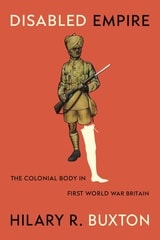
Disabled Empire examines how imperial precedents and racial ideologies shaped the medical treatments that the British state offered to several million Black and brown servicemen during World War I. In recovering the voices and experiences of these soldiers, Hilary R. Buxton illustrates how they navigated the institutional culture of the imperial military and how they helped to shape health and welfare systems well beyond the interwar period.
The Great War was the first time that troops and volunteers from nearly all reaches of the Empire participated in the war effort side-by-side. Despite official attempts at segregation, colonial troops met in trenches, mobile camps, casualty clearing stations, hospital ships, and convalescent homes. Just as importantly, those organizing treatment encountered men of different ethnicities, religions, and cultures from across and beyond the British Empire. For British officials, this moment offered an opportunity to remake colonial efficiency and medical knowledge. Yet, as Buxton shows, colonial servicemen were not passive subjects in a wartime laboratory: they were vocal participants who demanded a say in the therapies prescribed to them, the rations they required, the psychiatric care they received, and the prosthetics with which they were fitted. Together, these encounters profoundly remade colonial relations, reshaping imperial science, administration, and colonial understandings of subjecthood.
Disabled Empire pushes literature on the war and medicine outside its national, Eurocentric focus to confront the colonial logic of global health inequity.
Disalienation
Politics, Philosophy, and Radical Psychiatry in Postwar FranceCamille Robcis
University of Chicago Press, 2021
In Disalienation, Camille Robcis grapples with the historical, intellectual, and psychiatric meaning of the ethics articulated at Saint-Alban by exploring the movement’s key thinkers, including François Tosquelles, Frantz Fanon, Félix Guattari, and Michel Foucault. Anchored in the history of one hospital, Robcis's study draws on a wide geographic context—revolutionary Spain, occupied France, colonial Algeria, and beyond—and charts the movement's place within a broad political-economic landscape, from fascism to Stalinism to postwar capitalism.
Discovering Addiction
The Science and Politics of Substance Abuse ResearchNancy D. Campbell
University of Michigan Press, 2007
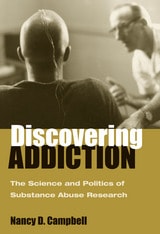
Discovering Addiction brings the history of human and animal experimentation in addiction science into the present with a wealth of archival research and dozens of oral-history interviews with addiction researchers. Professor Campbell examines the birth of addiction science---the National Academy of Sciences's project to find a pharmacological fix for narcotics addiction in the late 1930s---and then explores the human and primate experimentation involved in the succeeding studies of the "opium problem," revealing how addiction science became "brain science" by the 1990s.
Psychoactive drugs have always had multiple personalities---some cause social problems; others solve them---and the study of these drugs involves similar contradictions. Discovering Addiction enriches discussions of bioethics by exploring controversial topics, including the federal prison research that took place in the 1970s---a still unresolved debate that continues to divide the research community---and the effect of new rules regarding informed consent and the calculus of risk and benefit. This fascinating volume is both an informative history and a thought-provoking guide that asks whether it is possible to differentiate between ethical and unethical research by looking closely at how science is made.
Discovery and Explanation in Biology and Medicine
Kenneth F. Schaffner
University of Chicago Press, 1993
Although traditional philosophy of science has regarded scientific discovery—the questions of creativity in science—as a subject for psychological rather than philosophical study, Schaffner argues that recent work in cognitive science and artificial intelligence enables researchers to rationally analyze the nature of discovery. As a philosopher of science who holds an M.D., he has examined biomedical work from the inside and uses detailed examples from the entire range of the life sciences to support the semantic approach to scientific theories, addressing whether there are "laws" in the life sciences as there are in the physical sciences. Schaffner's novel use of philosophical tools to deal with scientific research in all of its complexity provides a distinctive angle on basic questions of scientific evaluation and explanation.

Disease And Medical Care In The Mountain West
Essays On Region, History, And PracticeMartha L. Hildreth
University of Nevada Press, 1998
This collection of eight essays examines the health, disease, and medical care of the American West—an area flanked by the Rocky Mountains, Sierra Nevada, and Cascade Mountains. Topics include Mormons and the Thomsonian Movement in the nineteenth century, the silicosis epidemic in hardrock mining, Native American health, frontier nursing, and Chinese medicine.
Disease Maps
Epidemics on the GroundTom Koch
University of Chicago Press, 2011
In the seventeenth century, a map of the plague suggested a radical idea—that the disease was carried and spread by humans. In the nineteenth century, maps of cholera cases were used to prove its waterborne nature. More recently, maps charting the swine flu pandemic caused worldwide panic and sent shockwaves through the medical community. In Disease Maps, Tom Koch contends that to understand epidemics and their history we need to think about maps of varying scale, from the individual body to shared symptoms evidenced across cities, nations, and the world.
Disease Maps begins with a brief review of epidemic mapping today and a detailed example of its power. Koch then traces the early history of medical cartography, including pandemics such as European plague and yellow fever, and the advancements in anatomy, printing, and world atlases that paved the way for their mapping. Moving on to the scourge of the nineteenth century—cholera—Koch considers the many choleras argued into existence by the maps of the day, including a new perspective on John Snow’s science and legacy. Finally, Koch addresses contemporary outbreaks such as AIDS, cancer, and H1N1, and reaches into the future, toward the coming epidemics. Ultimately, Disease Maps redefines conventional medical history with new surgical precision, revealing that only in maps do patterns emerge that allow disease theories to be proposed, hypotheses tested, and treatments advanced.
Disease Prevention as Social Change
The State, Society, and Public Health in the United States, France, Great Britain, and CanadaConstance A. Nathanson
Russell Sage Foundation, 2007

Disease and Class
Tuberculosis and the Shaping of Modern North American SocietyGeorgina D. Feldberg
Rutgers University Press, 1995

Disease in the History of Modern Latin America
From Malaria to AIDSDiego Armus, ed.
Duke University Press, 2003
Based on the idea that the meanings of sickness—and health—are contestable and subject to controversy, Disease in the History of Modern Latin America displays the richness of an interdisciplinary approach to social and cultural history. Examining diseases in Mexico, Brazil, Argentina, Colombia, Peru, and Bolivia, the contributors explore the production of scientific knowledge, literary metaphors for illness, domestic public health efforts, and initiatives shaped by the agendas of international agencies. They also analyze the connections between ideas of sexuality, disease, nation, and modernity; the instrumental role of certain illnesses in state-building processes; welfare efforts sponsored by the state and led by the medical professions; and the boundaries between individual and state responsibilities regarding sickness and health. Diego Armus’s introduction contextualizes the essays within the history of medicine, the history of public health, and the sociocultural history of disease.
Contributors. Diego Armus, Anne-Emanuelle Birn, Kathleen Elaine Bliss, Ann S. Blum, Marilia Coutinho, Marcus Cueto, Patrick Larvie, Gabriela Nouzeilles, Diana Obregón, Nancy Lays Stepan, Ann Zulawski

Disease, War, and the Imperial State
The Welfare of the British Armed Forces during the Seven Years' WarErica Charters
University of Chicago Press, 2014
In Disease, War, and the Imperial State, Erica Charters demonstrates how disease played a vital role in shaping strategy and campaigning, British state policy, and imperial relations during the Seven Years’ War. Military medicine was a crucial component of the British war effort; it was central to both eighteenth-century scientific innovation and the moral authority of the British state. Looking beyond the traditional focus of the British state as a fiscal war-making machine, Charters uncovers an imperial state conspicuously attending to the welfare of its armed forces, investing in medical research, and responding to local public opinion. Charters shows military medicine to be a credible scientific endeavor that was similarly responsive to local conditions and demands.
Disease, War, and the Imperial State is an engaging study of early modern warfare and statecraft, one focused on the endless and laborious task of managing manpower in the face of virulent disease in the field, political opposition at home, and the clamor of public opinion in both Britain and its colonies.

Diseased States
Epidemic Control in Britain and the United StatesCharles Allan McCoy
University of Massachusetts Press, 2020
To understand why these two nations have handled contemporary disease threats in such different ways, Charles Allan McCoy examines when and how disease control measures were adopted in each country from the nineteenth century onward, which medical theory of disease was dominant at the time, and where disease control was located within the state apparatus. Particular starting conditions put Britain and the United States on distinct trajectories of institutionalization that led to their respective systems of disease control. As McCoy shows, even the seemingly objective matter of contagion is deeply enmeshed in social and political realities, and by developing unique systems of biopower to control the spread of disease, Britain and the United States have established different approaches of exerting political control over citizens' lives and bodies.
Diseases Have No Eyes
Valley Fever and Environmental Health JusticeSarah M. Rios
Temple University Press, 2026
Diseases Have No Eyes investigates how communities in Central Valley, California deal with Valley Fever, a painful illness caused by a soil fungus. The airborne disease’s symptoms can last from two months to a patient’s lifetime and may be fatal. Nearly a third of the national cases are reported in California, where those infected are disproportionately farmworkers and people incarcerated in the region. Poverty, pollution, and prison expose these groups to cumulative environmental and health risks that deny Valley Fever patients adequate medical treatment.
Sarah M. Rios examines how these populations face racial health disparities and develop strategies of care. She connects environmental justice activists as well as prison advocates and abolitionists who mobilize protests and issue calls to action to the past and ongoing efforts for medical autonomy and healthy communities. Diseases Have No Eyes emphasizes that vulnerable groups have developed an expertise and understanding of Valley Fever out of necessity. In the process, these community members offer an alternative public health response that extends beyond the individual body.
In the series Insubordinate Spaces
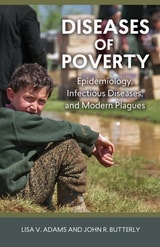
Diseases of Poverty
Epidemiology, Infectious Diseases, and Modern PlaguesLisa V. Adams and John R. Butterly
Dartmouth College Press, 2015

Dizzy
A MemoirRachel Weaver
West Virginia University Press, 2026
Gold Medal Winner, Living Now Book Awards, Inspirational Memoir (Female)
“An arresting new memoir….”
– Maureen Corrigan, NPR’s Fresh Air
Beverly Donofrio, author of Riding in Cars with Boys, says “Dizzy is a testament to the power of hope. Weaver’s courage and strength are so inspiring they encourage the same in the reader. If all of that isn’t enough, the beauty and agility of the prose may make you regret reaching the last page.”
In her early thirties, Rachel Weaver woke up dizzy and unable to function. She spent the next ten years seeing more than thirty medical practitioners before receiving a diagnosis, and then another eight years before finding relief from her condition. Dizzy is amedical mystery and a cautionary tale about our broken healthcare system. It is a story about learning to live with life's uncertainty, persevering in the pursuit of answers, and striving to find joy in an imperfect yet beautiful world.
Do You Really Need Surgery?
A Sensible Guide to Hysterectomy and Other Procedures for WomenMichele C. Moore, M.D., FAAFP and Caroline M. de Costa
Rutgers University Press, 2004
At last, here is a user-friendly guide to gynecologic surgery. The authors' guiding principle is that each woman for whom any kind of surgery is recommended should be well informed about the indications, the risks, and the expected results.
Using anecdotes drawn from a combined fifty years of experience, doctors Moore and de Costa provide clear and accurate information about women's anatomy, physiology, common gynecological ailments, diagnosis, alternative treatments, and, finally, full details about surgery itself. Among the surgeries discussed are removal of the uterus (hysterectomy), removal of the ovaries (oophorectomy), and removal of fibroids. The various ways of performing these procedures are examined, including minimally invasive surgery done through the laparoscope.
The authors also help the patient through the post-operative phase, revealing what to expect, how to make the recovery easier, and how to take care of yourself after the surgery. The result is a book that empowers women as they weigh their options with regard to gynecologic surgery.
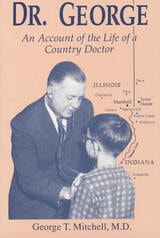
Doctor George
An Account of the Life of a Country DoctorGeorge T. Mitchell, M.D. Foreword by Glen W. Davidson
Southern Illinois University Press, 1993
Dr. George T. Mitchell of Marshall, Illinois, shares with humor and compassion stories and reflections about his medical practice of fifty years.
Having grown up in Marshall, Dr. Mitchell writes of his early experiences in midwestern America: basketball rivalries, school-boy pranks, and the traditions passed down through a family of doctors. Dr. Mitchell tells of his brief detour to obtain a degree in mechanical engineering, his decision to pursue a career in medicine, and his medical school experiences at the George Washington School of Medicine before the days of antibiotics and sophisticated medical technology. He vividly describes his subsequent service in World War II as a young surgeon at a military hospital helping injured soldiers resume normal lives while enduring the frustrations and occasional horrors of military life.
After the war, Dr. Mitchell joined his father’s practice in Marshall, where, he observes, he was among sixteen physicians in a rural county with a population of less than twenty thousand people. Within twenty-five years, the number of doctors had dropped to only four. In this memoir Dr. Mitchell conveys his unwillingness to just sit by and watch the health needs of his community increase while medical and other services decline. He, instead, became a community activist, representing rural concerns to the state medical society, organizing the first emergency medical technician teams in the county, masterminding the planning of a regional medical center, campaigning successfully for improved highway safety, and spurring the extension of reliable telephone service throughout his area.
As Dr. Mitchell recounts the house calls, farm accidents, emergency surgeries, and family counseling that comprised the life of this country doctor, he offers the keen insights of a clinician trained to look beyond what others only see.
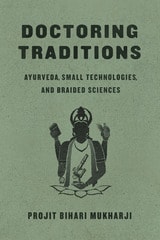
Doctoring Traditions
Ayurveda, Small Technologies, and Braided SciencesProjit Bihari Mukharji
University of Chicago Press, 2016
Rather, Mukharji reveals, what instigated those changes were a number of small technologies that were introduced in the period by Ayurvedic physicians, men who were simultaneously Victorian gentlemen and members of a particular Bengali caste. The introduction of these devices, including thermometers, watches, and microscopes, Mukharji shows, ultimately led to a dramatic reimagining of the body. By the 1930s, there emerged a new Ayurvedic body that was marked as distinct from a biomedical body. Despite the protestations of difference, this new Ayurvedic body was largely compatible with it. The more irreconcilable elements of the old Ayurvedic body were then rendered therapeutically indefensible and impossible to imagine in practice. The new Ayurvedic medicine was the product not of an embrace of Western approaches, but of a creative attempt to develop a viable alternative to the Western tradition by braiding together elements drawn from internally diverse traditions of the West and the East.

Doctoring the Novel
Medicine and Quackery from Shelley to DoyleSylvia A. Pamboukian
Ohio University Press, 2012
Doctoring the Novel explores the ways in which language constructs and stabilizes these slippery terms by examining medical quackery and orthodoxy in works such as Mary Shelley’s Frankenstein, Charles Dickens’s Bleak House and Little Dorrit, Charlotte Brontë’s Villette, Wilkie Collins’s Armadale, and Arthur Conan Doyle’s Stark Munro Letters. Contextualized in both medical and popular publishing, literary analysis reveals that even supposedly medico-scientific concepts such as orthodoxy and quackery evolve not in elite laboratories and bourgeois medical societies but in the rough-and-tumble of the public sphere, a view that acknowledges the considerable, and often underrated, influence of language on medical practices.
Doctoring the West
Women Physicians and the Politics and Practice of MedicineJacqueline D. Antonovich
Rutgers University Press, 2027
In the late nineteenth century, women physicians began migrating to the American West in remarkable numbers. Drawn by early suffrage laws and a booming population of health seekers, they settled across states such as California, Colorado, and Oregon—places where they might finally practice medicine and participate in politics as full and equal citizens. Over the next several decades, these women became central figures in shaping the region's health landscape. They built hospitals and clinics, championed public health reform, and positioned themselves at the center of the era's defining debates over birth control, abortion, and eugenics. Their legacy is as complex as it is consequential. Doctoring the West tells the stories of these women: the power they wielded, the choices they made, the people they cared for—and those they harmed. Their work transformed the health of the American West and defined the medical politics of the nation.
Doctors Serving People
Restoring Humanism to Medicine through Student Community ServiceEckenfels, Edward J
Rutgers University Press, 2008
Doctors Serving People is just such a prescriptive. While a professor at Rush Medical College in Chicago, Edward J. Eckenfels helped initiate and direct a student-driven program in which student doctors worked in the poor, urban communities during medical school, voluntarily and without academic credit. In addition to their core curriculum and clinical rotations, students served the social and health needs of diverse and disadvantaged populations. Now more than ten years old, the program serves as an example for other medical schools throughout the country. Its story provides a working model of how to reform medical education in America.