Results by title
1415 books match the query 'Medical' and 42 start with e
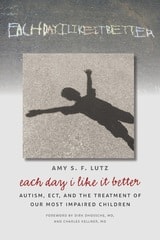
Each Day I Like It Better
Autism, ECT, and the Treatment of Our Most Impaired ChildrenAmy S. F. Lutz
Vanderbilt University Press, 2014
Each Day I Like It Better recounts the journeys of Jonah and seven other children and their families (interviewed by the author) in their quests for appropriate educational placements and therapeutic interventions. The author describes their varied, but mostly successful, experiences with ECT.
A survey of research on pediatric ECT is incorporated into the narrative, and a foreword by child psychiatrist Dirk Dhossche and ECT researcher and practitioner Charles Kellner explains how ECT works, the side effects patients may experience, and its current use in the treatment of autism, catatonia, and violent behavior in children.
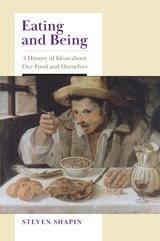
Eating and Being
A History of Ideas about Our Food and OurselvesSteven Shapin
University of Chicago Press, 2024
Eating and Being is a history of Western thinking about food, eating, knowledge, and ourselves. In modern thought, eating is about what is good for you, not about what is good. Eating is about health, not about virtue. Yet this has not always been the case. For a great span of the past—from antiquity through about the middle of the eighteenth century—one of the most pervasive branches of medicine was known as dietetics, prescribing not only what people should eat but also how they should order many aspects of their lives, including sleep, exercise, and emotional management. Dietetics did not distinguish between the medical and the moral, nor did it acknowledge the difference between what was good for you and what was good. Dietetics counseled moderation in all things, where moderation was counted as a virtue as well as the way to health. But during the nineteenth century, nutrition science began to replace the language of traditional dietetics with the vocabulary of proteins, fats, carbohydrates, and calories, and the medical and the moral went their separate ways. Steven Shapin shows how much depended upon that shift, and he also explores the extent to which the sensibilities of dietetics have been lost.
Throughout this rich history, he evokes what it felt like to eat during another historical period and invites us to reflect on what it means to feel about food as we now do. Shapin shows how the change from dietetics to nutrition science fundamentally altered how we think about our food and its powers, our bodies, and our minds.
Eating the Enlightenment
Food and the Sciences in Paris, 1670-1760E. C. Spary
University of Chicago Press, 2012

Eating to Learn, Learning to Eat
The Origins of School Lunch in the United StatesA. R. Ruis
Rutgers University Press, 2017

Ecology and Environmental Management of Lyme Disease
Ginsberg, Howard S
Rutgers University Press, 1993
Lyme disease--virtually unknown in the United States only a decade ago--has now been reported from almost every state; in the Northeast, it has become a major public health crisis. Under the name of borreliosis, the disease is also common in Europe. As Americans have become aware of the hazard they face from Lyme disease, they have become anxious to know how to avoid or control the disease. But the complex ecological interactions of Lyme disease make that extremely difficult. The disease is caused by a microorganism, a spirochete, which is carried by tiny ticks. The ticks, in turn, are transported from place to place by their hosts: humans, deer, white-tailed mice, dogs, lizards, and many other animals and birds. Both ticks and their hosts serve as a reservoir for the disease. As with any tick-borne disease, the best hope of prevention lies in understanding and interrupting the lifecycle of the microorganism, its vectors, and their hosts.
This book is the first attempt to survey the natural history, ecology, population dynamics, geography, and environmental management of Lyme disease. Eighteen leading American researchers on Lyme disease explain the current state of knowledge and comment candidly on the theoretical and practical advantages and difficulties with each technique of surveillance, self-protection, and tick control. The book includes suggestions for personal protection against the disease,
This is an essential resource for naturalists, ecologists, physicians, nurses, epidemiologists, public health officials, entomologists, veterinarians, pest control operators, wildlife managers, town planners, and anyone concerned with Lyme disease.
Economic Aspects of Health
Edited by Victor R. Fuchs
University of Chicago Press, 1982
Economic Dimensions of Personalized and Precision Medicine
Edited by Ernst R. Berndt, Dana P. Goldman, and John Rowe
University of Chicago Press, 2019
This volume explores the intersection of the scientific, clinical, and economic factors affecting the development of PPM, including its effects on the drug pipeline, on reimbursement of PPM diagnostics and treatments, and on funding of the requisite underlying research; and it examines recent empirical applications of PPM.
Educating Black Doctors
A History of Meharry Medical CollegeJames Summerville
University of Alabama Press, 1984
Fr one hundred years, Meharry has provided opportunity to thousands of Black Americans and some others, but the history of the institution is told, not by the changes in the futures of those fortunate men and women who became graduates, but by the action of a few in each generation with the vision to attack the vestiges of slavery, poverty, and excess morbidity through the building and operation of a medical college.
The college was conceived just after the Civil War when many thought the problem of the ex-slaves would soon disappear because their death rate was so great and the absence of health care was not a focus. The institution would be national, but its setting was a bankrupt city that had the fourth worst health statistics in the world. It was started by a missionary who had no money or medical experience at a time when there were more who objected to this work than applauded it. However, the desire of those students who begged that a medical school be started and the future of the many people who would be touched by its services were enough to motivate the founders to embark on this venture.
A number of documents have existed chronicling the events of the institution, but when requested by an academic society to provide one book that gave the most accurate history of the institution, I knew that no recent such book had been written. This book satisfies the need for such facts to be available. It also provides a journalistic, well-documented account of the varying approaches to providing opportunity and improving health for Black Americans.
Educating For Professionalism
Creating A Culture Of Humanism In Medical EducationDelese Wear
University of Iowa Press, 2000
The thirteen essays in Educating for Professionalism examine the often conflicting ethical, social, emotional, and intellectual messages that medical institutions send to students about what it means to be a doctor. Because this disconnection between what medical educators profess and what students experience is partly to blame for the current crisis in medical professionalism, the authors offer timely, reflective analyses of the work and opportunities facing medical education if doctors are to win public trust.
In their drive to improve medical professionalism within the world of academic medicine, editors Delese Wear and Janet Bickel have assembled thought-provoking essays that elucidate the many facets of teaching, valuing, and maintaining medical professionalism in the middle of the myriad challenges facing medicine at the dawn of the twenty-first century.
The collection traces how the values of altruism and service can influence not only mission statements and admission policies but also the content of medical school ethics courses, student-led task forces, and mentoring programs, along with larger environmental issues in medical schools and the communities they serve.
Stanley Joel Reiser
Jack Coulehan
Peter C. Williams
Frederic W. Hafferty
Richard Martinez
Judith Andre
Jake Foglio
Howard Brody
Sheila Woods
Sue Fosson
Lois Margaret Nora
Mary Anne C. Johnston
Tana A. Grady-Weliky
Cynthia N. Kettyle
Edward M. Hundert
Norma E. Wagoner
Frederick A. Miller
William D. Mellon
Howard Waitzkin
Donald Wasylenki
Niall Byrne
Barbara McRobb
Edward J. Eckenfels
Lucy Wolf Tuton
Claudia H. Siegel
Timothy B. Campbell

Education for Nursing
A History of the University of Minnesota SchoolJames Gray
University of Minnesota Press, 1960
Eliciting Care
Health and Power in Northern ThailandBo Kyeong Seo
University of Wisconsin Press, 2020
Using the broader concept of elicitation, Seo analyzes the social encounters and forces that shape caregivers. These dynamics challenge dichotomies of subjugation and resistance, consent and coercion, and dependence and autonomy. The intimate and moving stories at the core of Eliciting Care from patients and providers draw attention to a broader, critically important phenomenon at the hospital level. Seo's poignant ethnography engages with feminist theory on the ethics of care, and in so doing, makes a significant contribution to emerging work in the field of health policy and politics.
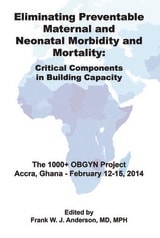
Eliminating Preventable Maternal and Neonatal Morbidity and Mortality
A Plan to Deliver Critical Obstetric CareEdited by Frank W. J. Anderson, MD, MPH
Michigan Publishing Services, 2016
This volume follows the first, entitled Building Academic Partnerships to Reduce Maternal Morbidity and Mortality: ACall to Action and Way Forward (http://amzn.to/22pZ0Wd), which identified the critical components for capacity building in expert women’s health care. Each chapter of this current edition is organized to address these critical components from multiple perspectives including African obstetrician/gynecologists, Ministries of Health and Education, American/European obstetrician/gynecologists and professional organizations.
Within the pages of this book, readers will encounter the tremendous passion African OBGYNs have for expanding their expertise to deal with the tragedies that befall women on a daily basis. The entire specialty of OBGYN is poised to mobilize the educational resources, experience and expertise to support African OBGYNs in their re-invention of Obstetrics and Gynecology in the African context, for the African continent. A complete reading of this book will leave the reader with a deep understanding of the issues and solutions.
The deficit of expert obstetric and gynecologic care in Sub-Saharan Africa leads to the silent suffering of millions of women and families due to unnecessary mortality and debilitating morbidity to women and girls of all ages. Pregnancy and its consequences have significant effects on women and they deserve safe labor and delivery with the expectation of bearing a live-born infant.
In 2016, we are rightly focused on maternal, perinatal and early neonatal mortality. This urgent crisis must continue to be aggressively addressed, but a long-term view would demand that targeted interventions must not occur in a vacuum. The same specialists who provide critical and lifesaving obstetric care are the same ones who can diagnose fetal problems, diagnose and treat ectopic pregnancy both medically and surgically, and treat the myriad medical and surgical issues that face women throughout their lifetime. In essence, they provide the complex, evidence-based interventions that women in most parts of the world enjoy. Current attempts to replace this expert and comprehensive clinical capacity with health workers trained to perform specific tasks has gained favor, and fills an urgent need. But when done without also creating the cadre and institutions for supervision, long-term prospects for impact are poor.
The rich text presented herein will not only tell the story, but will also provide the concrete steps needed to replicate the successful Ghana experience – sustainably - in other African countries. The 1000+ OBGYN Project (www.1000obgyns.org) has brought together a vast array of educational resources and a network of university programs, expert clinical organizations and professional societies to implement this collective wisdom. The group is poised for action to end preventable maternal and neonatal mortality by 2030. We welcome your interest and participation.
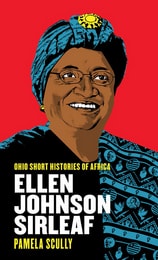
Ellen Johnson Sirleaf
Pamela Scully
Ohio University Press, 2016
In this timely addition to the Ohio Short Histories of Africa series, Pamela Scully takes us from the 1938 birth of Nobel Peace Prize winner and two-time Liberian president Ellen Johnson through the Ebola epidemic of 2014–15. Charting her childhood and adolescence, the book covers Sirleaf’s relationship with her indigenous grandmother and urban parents, her early marriage, her years studying in the United States, and her career in international development and finance, where she developed her skill as a technocrat. The later chapters cover her years in and out of formal Liberian politics, her support for women’s rights, and the Ebola outbreak.
Sirleaf’s story speaks to many of the key themes of the twenty-first century. Among these are the growing power of women in the arenas of international politics and human rights; the ravaging civil wars in which sexual violence is used as a weapon; and the challenges of transitional justice in building postconflict societies. Ellen Johnson Sirleaf is an astute examination of the life of a pioneering feminist politician.

Embargoed Science
Vincent Kiernan
University of Illinois Press, 2006
The popular notion of a lone scientist privately toiling long hours in a laboratory, striking upon a great discovery, and announcing it to the world is a romanticized fiction. Vincent Kiernan's Embargoed Science reveals the true process behind science news: an elite few scholarly journals control press coverage through a mechanism known as an embargo. The journals distribute advance copies of their articles to hundreds and sometimes thousands of journalists around the world, on the condition that journalists agree not to report their stories until a common time, several days later. When the embargo lifts, airwaves and newspaper pages are flooded with stories based on the journal's latest issue.
In addition to divulging the realities behind this collusive practice, Kiernan offers an unprecedented exploration of the embargo's impact on public and academic knowledge of science and medical issues. He surveys twenty five daily U.S. newspapers and relates his in-depth interviews with reporters to examine the inner workings of the embargo and how it structures our understanding of news about science. Kiernan ultimately argues that this system fosters "pack journalism" and creates an unhealthy shield against journalistic competition. The result is the uncritical reporting of science and medical news according to the dictates of a few key sources.
Embodied Politics
Indigenous Migrant Activism, Cultural Competency, and Health Promotion in CaliforniaRebecca J. Hester
Rutgers University Press, 2022
Emotional Bodies
The Historical Performativity of EmotionsEdited by Dolores Martín Moruno and Beatriz Pichel
University of Illinois Press, 2019
Contributors: Jon Arrizabalaga, Rob Boddice, Leticia Fernández-Fontecha, Emma Hutchison, Dolores Martín-Moruno, Piroska Nagy, Beatriz Pichel, María Rosón, Pilar León-Sanz, Bertrand Taithe, and Gian Marco Vidor.
Emotionally Disturbed
A History of Caring for America's Troubled ChildrenDeborah Blythe Doroshow
University of Chicago Press, 2019
Emotionally Disturbed is the first work to examine not only the history of residential treatment but also the history of seriously mentally ill children in the United States. As residential treatment centers emerged as new spaces with a fresh therapeutic perspective, a new kind of person became visible—the emotionally disturbed child. Residential treatment centers and the people who worked there built physical and conceptual structures that identified a population of children who were alike in distinctive ways. Emotional disturbance became a diagnosis, a policy problem, and a statement about the troubled state of postwar society. But in the late twentieth century, Americans went from pouring private and public funds into the care of troubled children to abandoning them almost completely. Charting the decline of residential treatment centers in favor of domestic care–based models in the 1980s and 1990s, this history is a must-read for those wishing to understand how our current child mental health system came to be.
Empire of Care
Nursing and Migration in Filipino American HistoryCatherine Ceniza Choy
Duke University Press, 2003
Choy conducted extensive interviews with Filipino nurses in New York City and spoke with leading Filipino nurses across the United States. She combines their perspectives with various others—including those of Philippine and American government and health officials—to demonstrate how the desire of Filipino nurses to migrate abroad cannot be reduced to economic logic, but must instead be understood as a fundamentally transnational process. She argues that the origins of Filipino nurse migrations do not lie in the Philippines' independence in 1946 or the relaxation of U.S. immigration rules in 1965, but rather in the creation of an Americanized hospital training system during the period of early-twentieth-century colonial rule. Choy challenges celebratory narratives regarding professional migrants’ mobility by analyzing the scapegoating of Filipino nurses during difficult political times, the absence of professional solidarity between Filipino and American nurses, and the exploitation of foreign-trained nurses through temporary work visas. She shows how the culture of American imperialism persists today, continuing to shape the reception of Filipino nurses in the United States.

Empires of Hygiene, Volume 6
Judith Farquhar and Marta E. Hanson, eds.
Duke University Press, 0
Featuring a variety of topics and methods, essays in Empires of Hygiene compare the disease that is physically suffered to that which is scientifically classified and identified as a social problem. Diseases such as leprosy and STDs, which have biomedical identities in Western settings but in Asia emerge as inseparable from certain colonial regimes, are examined. Spermatorrhea—a disease that compromises the male body’s ability to reproduce—is discussed in relation to the disarray of the Chinese Republic during the mid-twentieth century. The collection also addresses imperial themes of prewar Japan in the literary works of Mori Rintaro and Shimazaki Tison.
Contributors. Warwick Anderson, Michael Bourdaghs, Judith Farquhar, Marta Hanson, Thomas LaMarre, Philippa Levine, Hugh Shapiro, Nathan Sivin
Enduring Cancer
Life, Death, and Diagnosis in DelhiDwaipayan Banerjee
Duke University Press, 2020
Enemy in the Blood
Malaria, Environment, and Development in ArgentinaEric D. Carter
University of Alabama Press, 2012
Tracing the Fight Against Malaria and the Making of Modern Argentina.
Enemy in the Blood: Malaria, Environment, and Development in Argentina examines the dramatic yet mostly forgotten history of malaria control in northwest Argentina. Carter traces the evolution of malaria science and policy in Argentina from the disease’s emergence as a social problem in the 1890s to its effective eradication by 1950. Malaria-control proponents saw the campaign as part of a larger project of constructing a modern identity for Argentina. Insofar as development meant building a more productive, rational, and hygienic society, the perceptions of a culturally backwards and disease-ridden interior prevented Argentina from joining the ranks of “modern” nations. The path to eradication, however, was not easy due to complicated public health politics, inappropriate application of foreign malaria control strategies, and a habitual misreading of the distinctive ecology of malaria in the northwest, especially the unique characteristics of the local mosquito vector. Homegrown scientific expertise, a populist public health agenda, and an infusion of new technologies eventually brought a rapid end to malaria’s scourge, if not the cure for regional underdevelopment.
Enemy in the Blood sheds light on the often neglected history of northwest Argentina’s interior, adds to critical perspectives on the history of development and public health in modern Latin America, and demonstrates the merits of integrative social-environmental research.
Engaging the Intersection of Housing and Health
Volume ThreeEdited by Mina Silberberg
University of Minnesota Press, 2021
Researchers often hope that their work will inform social change. The questions that motivate them to pursue research careers in the first place often stem from observations about gaps between the world as we wish it to be and the world as it is, accompanied by a deep curiosity about how it might be made different. Researchers view their profession as providing important information about what is, what could be, and how to get there. However, if research is to inform social change, we must first change the way in which research is done.
Engaging the Intersection of Housing and Health offers case studies of research that is interdisciplinary, stakeholder-engaged and intentionally designed for “translation” into practice. There are numerous ways in which housing and health are intertwined. This intertwining—which is the focus of this volume—is lived daily by the children whose asthma is exacerbated by mold in their homes, the adults whose mental illness increases their risk for homelessness and whose homelessness worsens their mental and physical health, the seniors whose home environment enhances their risk of falls, and the families who must choose between paying for housing and paying for healthcare.
Epidemic City
The Politics of Public Health in New YorkJames Colgrove
Russell Sage Foundation, 2011
Epidemic Invasions
Yellow Fever and the Limits of Cuban Independence, 1878-1930Mariola Espinosa
University of Chicago Press, 2009
In the early fall of 1897, yellow fever shuttered businesses, paralyzed trade, and caused tens of thousand of people living in the southern United States to abandon their homes and flee for their lives. Originating in Cuba, the deadly plague inspired disease-control measures that not only protected U.S. trade interests but also justified the political and economic domination of the island nation from which the pestilence came. By focusing on yellow fever, Epidemic Invasions uncovers for the first time how the devastating power of this virus profoundly shaped the relationship between the two countries.
Yellow fever in Cuba, Mariola Espinosa demonstrates, motivated the United States to declare war against Spain in 1898, and, after the war was won and the disease eradicated, the United States demanded that Cuba pledge in its new constitution to maintain the sanitation standards established during the occupation. By situating the history of the fight against yellow fever within its political, military, and economic context, Espinosa reveals that the U.S. program of sanitation and disease control in Cuba was not a charitable endeavor. Instead, she shows that it was an exercise in colonial public health that served to eliminate threats to the continued expansion of U.S. influence in the world.
Epidemics
The Story of South Africa’s Five Most Lethal Human DiseasesHoward Phillips
Ohio University Press, 2012
This is the first history of epidemics in South Africa, lethal episodes that significantly shaped this society over three centuries. Focusing on five devastating diseases between 1713 and today—smallpox, bubonic plague, “Spanish influenza,” polio, and HIV/AIDS—the book probes their origins, their catastrophic courses, and their consequences in both the short and long terms. The impacts of these epidemics ranged from the demographic—the “Spanish flu,” for instance, claimed the lives of six percent of the country’s population in six weeks—to the political, the social, the economic, the spiritual, the psychological, and the cultural. Moreover, as each of these epidemics occurred at crucial moments in the country’s history—such as during the South African War and World War I—the book also examines how these processes affected and were affected by the five epidemics. To those who read this book, history will not look the same again.
Essential Facts in Cardiovascular Medicine
Board Review and Clinical PearlsYeghiazarians, Yerem
Rutgers University Press, 2018
Essential Facts in Cardiovascular Medicine covers numerous important topics from the basics of Statistics, to factoids in General Cardiology, Physical Exam, EKG, Congenital Heart Disease, Valvular Heart Disease, Heart Failure/Transplant, Acute Coronary Syndromes, Pericardial Diseases, Electrophysiology, Pharmacology, Pregnancy, Pulmonary Hypertension, Peripheral Vascular Disease, Echocardiography, Formulas, Interventional Cardiology and Cardiac Tumors.
Ethics and Law for Neurosciences Clinicians
Foundations and Evolving ChallengesJames E. Szalados
Rutgers University Press, 2019

Ethics at the Bedside
Edited by Charles M. Culver
Brandeis University Press, 1993
Ethics by Committee
A History of Reasoning Together about Medicine, Science, Society, and the StateNoortje Jacobs
University of Chicago Press, 2022
Ethics boards have become obligatory passage points in today’s medical science, and we forget how novel they really are. The use of humans in experiments is an age-old practice that records show goes back to at least the third century BC, and it has been popular as a practice since the early modern period. Yet in most countries around the world, hardly any formal checks and balances existed to govern the communal oversight of experiments involving human subjects until at least the 1960s. Ethics by Committee traces the rise of ethics boards for human experimentation in the second half of the twentieth century.
Using the Netherlands as a case study, historian Noortje Jacobs shows how the authority of physicians to make decisions about clinical research in this period gave way in most developed nations to formal mechanisms of communal decision-making that served to regiment the behavior of individual researchers. This historically unprecedented change in scientific governance came out of the growing international wariness of medical research in the decades after World War II and was meant to solidify a new way of reasoning together in liberal democracies about medicine and science. But what reasoning together meant, and who was invited to participate, changed drastically over time. In detailing this history, Jacobs shows that research ethics committees were originally intended not only to make human experimentation more ethical but also to raise its epistemic quality and intensify the use of new clinical research methods. By examining complex negotiations over the appropriate governance of human subjects research, Ethics by Committee is an important contribution to our understanding of the randomized controlled trial and the history of research ethics and bioethics more generally.
Ethics for International Medicine
A Practical Guide for Aid Workers in Developing CountriesAnji E. Wall
Dartmouth College Press, 2012

Etiology, Concept and Prophylaxis of Childbed Fever
Ignaz Semmelweis; Translated by K. Codell Carter
University of Wisconsin Press, 1983
In 1859 a Hungarian obstetrician named Ignaz Semmelweis, reflecting on his years as resident in the Vienna maternity clinic, wrote a graphic account of his attempt to diagnose and eliminate the then epidemic scourge of childbed fever. The resulting Etiology triggered an immediate and international squall of protest from Semmelweis’s colleagues; today it is recognized as a pioneering classic of medical history. Now, for the first time in many years, Codell Carter makes that classic available to the English-speaking reader in this vivid translation of the 1861 original, augmented by footnotes and an explanatory introduction. For students and scholars of medical history and philosophy, obstetrics and women’s studies, the accessibility of this moving and revolutionary work, important both as an historical document and as a groundbreaking precursor of modern medical theory, is long overdue.
Semmelweis’s exposure to the childbed fever was concurrent with his appointment to the Vienna maternity hospital in 1846. Like many similar hospitals and clinics in the major cities of nineteenth-century Europe and America, where death rates from the illness sometimes climbed as high as 40 percent of admitted patients, the Viennese wards were ravaged by the fever. Intensely troubled by the tragic and baffling loss of so many young mothers, Semmelweis sought answers. The Etiology was testimony to his success. Based on overwhelming personal evidence, it constituted a classic description of a disease, its causes, and its prevention. It also allowed a necessary response to the obstetrician’s already vocal, rabid, and perhaps predictable critics. For Semmelweis’s central thesis was a startling one - the fever, he correctly surmised, was caused not by epidemic or endemic influences but by unsterilized and thus often contaminated hands of the attending physicians themselves.
Carter’s translation of this radical work, judiciously abridged and extensively footnoted, captures all the drama and impassioned conviction of the original. Complementing this translation is a lucid introduction that places Semmelweis’s Etiology in historical perspective and clarifies its contemporary value. That value, Carter argues, is considerable. Important as a model of clinical analysis and as a chronicle of early nineteenth-century obstetrical practices, the Etiology is also a revolutionary polemic in its innovative doctrine of antisepsis and in its unique etiological explanation of disease. As such its recognition and reclamation allows a crucial understanding, one that clarifies the roots and theory of modern medicine and ultimately redeems and important, resolute, pathfinder.
Evaluating Alternative Cancer Therapies
A Guide to the Science and Politics of an Emerging Medical FieldDavid J. Hess, Ph.D.
Rutgers University Press, 1998

Evaluating Public Health Interventions
Edited by Tim Colbourn and James Hargreaves
University College London, 2026
An authoritative student guide for how to evaluate complex public health interventions.
Public health interventions include any effort or policy that attempts to improve the well-being of individuals or an entire population. They can be run by governmental health departments or non-governmental organizations and can include educational programs, screening programs, vaccination programs, environmental improvements, and health promotion campaigns. Interventions that include multiple independent or interacting components are referred to as complex. Evaluating and predicting the efficacy of any public health intervention, as well as calculating the cost effectiveness, is essential. Using examples from multiple published studies conducted around the world, this textbook shows readers how to evaluate public health interventions in real-world settings. It will enable readers to understand how to investigate whether a public health intervention works, for whom, when, where, how, and why. It provides a comprehensive introduction to key areas of evaluation, including understanding complex interventions, developing program theories, community engagement in evaluation, and the main methods used in process, impact, and economic evaluation. It explains how different methods can be used individually and in combination to answer different kinds of evaluation questions and at different phases in an evaluation cycle and considers how the results of evaluations can be brought together to inform action.

Evaluation Of Joint Motion
Methods of Measurement and RecordingDortha Esch
University of Minnesota Press, 1974
Every Last Breath
A Memoir of Two IllnessesJoanne Jacobson
University of Utah Press, 2020
Every Person's Guide to Antioxidants
Smythies, John
Rutgers University Press, 1998
Oxidants are naturally occuring chemicals in our bodies that derive from oxygen to facilitate essential biochemical processes. However, most oxidants are potentially toxic molecules and the body contains a number of antioxidants for protection against these toxic effects. Overproduction of oxidants, or underproduction of antioxidants, leads to oxidative stress, which has been linked to a wide range of chronic diseases, including heart disease, cancer, diabetes, and Alzheimer's. Smythies thoroughly evaluates current scientific work on this subject and suggests that a high proportion of many of these diseases can be prevented, or their onset delayed, by proper intake of antioxidants. He examines the pros and cons of the debate over how this necessary intake should be achieved, by eating more fruits and vegetables or by taking supplements in pill form. Smythies surveys the toxicity of antioxidants and recommends under what circumstances they should be given with caution or not at all. He also discusses whether taking supplements requires medical supervision and lists good sources of antioxidants in fruits and vegetables

Every Person's Guide to Antioxidants
John Smythies, M.D. F.R.C.P.
Rutgers University Press, 1998
Oxidants are naturally occuring chemicals in our bodies that derive from oxygen to facilitate essential biochemical processes. However, most oxidants are potentially toxic molecules and the body contains a number of antioxidants for protection against these toxic effects. Overproduction of oxidants, or underproduction of antioxidants, leads to oxidative stress, which has been linked to a wide range of chronic diseases, including heart disease, cancer, diabetes, and Alzheimer's. Smythies thoroughly evaluates current scientific work on this subject and suggests that a high proportion of many of these diseases can be prevented, or their onset delayed, by proper intake of antioxidants. He examines the pros and cons of the debate over how this necessary intake should be achieved, by eating more fruits and vegetables or by taking supplements in pill form. Smythies surveys the toxicity of antioxidants and recommends under what circumstances they should be given with caution or not at all. He also discusses whether taking supplements requires medical supervision and lists good sources of antioxidants in fruits and vegetables
Everything We Could Do
A NovelDavid McGlynn
Northwestern University Press, 2025
After a decade of miscarriages, Brooke Jensen is finally pregnant—with quadruplets. When she goes into labor after twenty-three weeks, Brooke and her husband rush to the hospital in the small town of Hanover, Wisconsin. For the 203 days that follow, they’re plunged into the terrifying and mysterious netherworld of the neonatal intensive care unit.
As the babies grow and struggle, fall turns to stark upper-Midwest winter. Brooke bonds with Dash, a senior nurse whose son, Landon, had been a patient in the NICU years earlier and is now straining his parents’ abilities to care for him. Both families bend and edge closer to breaking, and the questions mount: What does love look like? What does it mean to save a life?
A fiercely honest portrait of American parenthood, the American healthcare system, and Rust Belt communities, Everything We Could Do lays bare the ways that families are formed and remade in times of crisis.
Everywoman’s Guide to Nutrition
Judith Brown
University of Minnesota Press, 1991
Exhibiting Health
Public Health Displays in the Progressive EraJennifer Lisa Koslow
Rutgers University Press, 2020

Experimental Leukemia and Mammary Cancer
Induction, Prevention, CureCharles Brenton Huggins
University of Chicago Press, 1979
Experimentation with Human Beings
The Authority of the Investigator, Subject, Professions, and State in the Human Experimentation ProcessJay Katz
Russell Sage Foundation, 1972