Results by title
1415 books match the query 'Medical' and 35 start with l

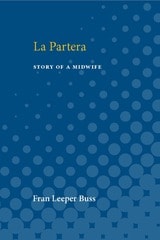
La Partera
Story of a MidwifeFran Leeper Buss
University of Michigan Press, 2001
This is Jesusita's story, told in her own words. She describes her early training as a midwife, her forced departure from home due to two unmarried pregnancies, and her solitary struggle to support her children. La Partera tells how she gradually emerged as a leader in her community, painstakingly building by hand a small maternity center for her patients while gaining the respect of the Anglo medical community.
As Jesusita's story unfolds, so too does the story of the women of the region. Supplemental sections by the author illuminate Jesusita's culture and past, along with a historical account of the network of medical care provided by Hispanic and Anglo female healers. Illustrated with photographs of both people and places, La Partera reflects the culture of an era through the prism of Jesusita's hard and useful life.
Fran Leeper Buss lives and teaches in Tucson, Arizona.
La Partera
Story of a MidwifeFran Leeper Buss
University of Michigan Press, 1980
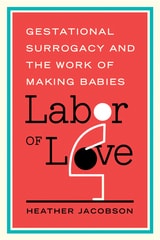
Labor of Love
Gestational Surrogacy and the Work of Making BabiesJacobson, Heather
Rutgers University Press, 2016
For more, visit http://www.heatherjacobsononline.com/
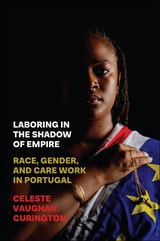
Laboring in the Shadow of Empire
Race, Gender, and Care Work in PortugalCeleste Vaughan Curington
Rutgers University Press, 2024
Winner of the ASA Race, Gender, and Class section's Distinguished Contribution to Scholarship Award
Winner of the ASA Racial and Ethnic Minorities section’s Oliver Cromwell Cox Book Award
Laboring in the Shadow of Empire: Race, Gender, and Care Work in Portugal examines the everyday lives of an African-descendant care service workforce that labors in an ostensibly “anti-racial” Europe and against the backdrop of the Portuguese colonial empire. While much of the literature on global care work has focused on Asian and Latine migrant care workers, there is comparatively less research that explicitly examines African care workers and their migration histories to Europe. Sociologist Celeste Vaughan Curington focuses on Portugal—a European setting with comparatively liberal policies around family settlement and naturalization for migrants. In this setting, rapid urbanization in the late twentieth century, along with a national push to reconcile work and family, has shaped the growth of paid home care and cleaning service industries. Many researchers focus on informal work settings, where immigrant rights are restricted and many workers are undocumented or without permanent residence status. Curington instead examines workers who have accessed citizenship or permanent residence status and also explores African women’s experiences laboring in care and service industries in the formal market, revealing how deeply colonial and intersectional logics of a racialized and international division of reproductive labor in Portugal render these women “hyper-invisible” and “hyper-visible” as “appropriate” workers in Lisbon.
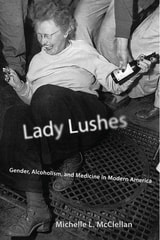
Lady Lushes
Gender, Alcoholism, and Medicine in Modern AmericaMcClellan, Michelle L
Rutgers University Press, 2017
In Lady Lushes, medical historian Michelle L. McClellan traces the story of the female alcoholic from the late-nineteenth through the twentieth century. She draws on a range of sources to demonstrate the persistence of the belief that alcohol use is antithetical to an idealized feminine role, particularly one that glorifies motherhood. Lady Lushes offers a fresh perspective on the importance of gender role ideology in the formation of medical knowledge and authority.
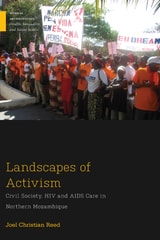
Landscapes of Activism
Civil Society, HIV and AIDS Care in Northern MozambiqueReed, Joel Christian
Rutgers University Press, 2018
Landscapes of Disease
Malaria in Modern GreeceKaterina Gardikas
Central European University Press, 2018
Malaria has existed in Greece since prehistoric times. Its prevalence fluctuated depending on climatic, socioeconomic and political changes. The book focuses on the factors that contributed to the spreading of the disease in the years between independent statehood in 1830 and the elimination of malaria in the 1970s.
By the nineteenth century, Greece was the most malarious country in Europe and the one most heavily infected with its lethal form, falciparum malaria. Owing to pressures on the environment from economic development, agrarian colonization and heightened mobility, the situation became so serious that malaria became a routine part of everyday life for practically all Greek families, further exacerbated by wars. The country’s highly fragmented geography and its variable rainfall distribution created an environment that was ideal for sustaining and spreading of diseases, which, in turn, affected the tolerance of the population to malaria. In their struggle with physical suffering and death, the Greeks developed a culture of avid quinine consumption and were likewise eager to embrace the DDT spraying campaign of the immediate post WW II years, which, overall, had a positive demographic effect.
Last Best Gifts
Altruism and the Market for Human Blood and OrgansKieran Healy
University of Chicago Press, 2006
Last Best Gifts offers a fresh perspective on this ethical dilemma by examining the social organization of blood and organ donation in Europe and the United States. Gifts of blood and organs are not given everywhere in the same way or to the same extent—contrasts that allow Kieran Healy to uncover the pivotal role that institutions play in fashioning the contexts for donations. Procurement organizations, he shows, sustain altruism by providing opportunities to give and by producing public accounts of what giving means. In the end, Healy suggests, successful systems rest on the fairness of the exchange, rather than the purity of a donor’s altruism or the size of a financial incentive.
Launching Global Health
The Caribbean Odyssey of the Rockefeller FoundationSteven Palmer
University of Michigan Press, 2010

Law at the End of Life
The Supreme Court and Assisted SuicideCarl E. Schneider, Editor
University of Michigan Press, 2000
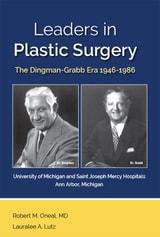
Leaders in Plastic Surgery
The Dingman-Grabb Era 1946-1986Robert M. Oneal, MD, and Lauralee A. Lutz
Michigan Publishing Services, 2017
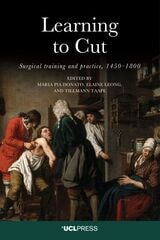
Learning to Cut
Surgical Training and Practice, 1450–1800Edited by Maria Pia Donato, Elaine Leong, and Tillmann Taape
University College London, 2026
The first-ever volume to offer a broader European narrative on surgical training and education in the early modern era.
This volume brings together case studies from the French, Italian, German, and English contexts to reveal diverse modes of surgical teaching and learning that were shaped by local contexts in early modern towns and cities. The chapters reveal the many spaces where practitioners learned and experienced surgery, shedding new light on the practice of early modern surgery.
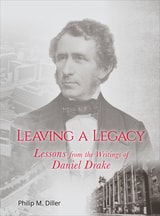
Leaving a Legacy
Lessons from the Writings of Daniel DrakePhilip Diller
University of Minnesota Press, 2019
Leaving a Legacy: Lessons from the Writings of Daniel Drake is a selective collection of excerpts from the vast writings from the nineteenth-century doctor and medical pioneer Daniel Drake. From Drake’s life, documented here in his own words from excerpts of lectures, personal journal entries, presentations, speeches, books, and letters to his children, readers learn about the scope of his accomplishments in medicine, contributions to his community, and dedication to his family. Diller goes beyond biography to contextualize Drake’s life choices and what made him a role model for today’s physicians. Diller selected one hundred and eighty thematically arranged excerpts, which he paired with original reflection questions to guide the reader through thought-provoking prompts. In doing so, Diller presents the lessons from Drake’s remarkable life and work as a guide for others who wish to build an enduring legacy.
Legitimating Life
Adoption in the Age of Globalization and Biotechnologyvan Wichelen, Sonja
Rutgers University Press, 2019
Lesser Harms
The Morality of Risk in Medical ResearchSydney A. Halpern
University of Chicago Press, 2004
Today's scientists follow federal guidelines for research on human subjects developed during the 1960s and 1970s. But long before these government regulations, medical investigators observed informal rules when conducting human research. They insisted that the dangers of natural disease should outweigh the risks of a medical intervention, and they struggled to accurately assess the relative hazards. Halpern explores this logic of risk in immunization controversies extending as far back as the eighteenth century. Then, focusing on the period between 1930 and 1960, she shows how research physicians and their sponsors debated the moral quandaries involved in moving vaccine use from the laboratory to the clinic.
This probing work vividly describes the efforts of clinical investigators to balance the benefits and dangers of untested vaccines, to respond to popular sentiment about medical hazards, and to strategically present risk laden research to sponsors and the public.
Lessons in Mortality
Doctors and Patients Struggling TogetherAllen B. Weisse, M.D.
University of Missouri Press, 2006
Lethal Decisions
The Unnecessary Deaths of Women and Children from HIV/AIDSArthur J. Ammann
Vanderbilt University Press, 2017
Inexplicably, the World Health Organization recommended withholding treatment for the majority of HIV-infected individuals in poor countries, and clinical researchers embarked on studies to evaluate inferior treatment approaches even while the pandemic continued to claim the lives of millions of women and children. Why did it take an additional twenty years for international health organizations to recommend the treatment and prevention measures that had had such a profound impact on the pandemic in wealthy countries? The surprising answers are likely to be debated by medical historians and ethicists.
At last, in 2015, came a universal call for treating all HIV-infected individuals with triple-combination antiretroviral drugs. But this can only be accomplished if the mistakes of the past are rectified. The book ends with recommendations on how the pediatric HIV/AIDS epidemic can finally be brought to an end.
Life And Death In Intensive Care
Joan Cassell
Temple University Press, 2005

Life Atomic
A History of Radioisotopes in Science and MedicineAngela N. H. Creager
University of Chicago Press, 2013
Life beyond Medicine
The Joys and Challenges of Physician RetirementSharon Romm
Dartmouth College Press, 2018
Life on Ice
A History of New Uses for Cold BloodJoanna Radin
University of Chicago Press, 2017
The Cold War projects Radin tracks were meant to form an enduring total archive of indigenous blood before it was altered by the polluting forces of modernity. Freezing allowed that blood to act as a time-traveling resource. Radin explores the unique cultural and technical circumstances that created and gave momentum to the phenomenon of life on ice and shows how these preserved blood samples served as the building blocks for biomedicine at the dawn of the genomic age. In an era of vigorous ethical, legal, and cultural debates about genetic privacy and identity, Life on Ice reveals the larger picture—how we got here and the promises and problems involved with finding new uses for cold human blood samples.

Life with AIDS
Rose Weitz
Rutgers University Press, 1991
Weitz describes how these people are affected by and respond to the changes in their bodies and their social relationships, from the time when they realize that they are at risk of infection to the time when death approaches. It covers such issues as how individuals obtain diagnoses, develop their initial ideas about what the future will bring, and come to terms with their impending deaths. To put this into a broader context, she also explores the moral status of illness in general and looks at why some illnesses, including HIV disease, have become especially stigmatized.
The author also explores how doctors are affected by and cope with the unique pressures of treating persons with HIV disease. The concluding chapter theorizes about how changes in the social construction, demographic distribution, and treatment of HIV disease are changing the lives of people with AIDS.
Liminal Lives
Imagining the Human at the Frontiers of BiomedicineSusan Merrill Squier
Duke University Press, 2004
Drawing on archival materials of twentieth-century biology; little-known works of fiction and science fiction; and twentieth- and twenty-first century U.S. and U.K. government reports by the National Institutes of Health, the Parliamentary Advisory Group on the Ethics of Xenotransplantation, and the President’s Council on Bioethics, she examines a number of biomedical changes as each was portrayed by scientists, social scientists, and authors of fiction and poetry. Among the scientific developments she considers are the cultured cell, the hybrid embryo, the engineered intrauterine fetus, the child treated with human growth hormone, the process of organ transplantation, and the elderly person rejuvenated by hormone replacement therapy or other artificial means. Squier shows that in the midst of new phenomena such as these, literature helps us imagine new ways of living. It allows us to reflect on the possibilities and perils of our liminal lives.
Lincoln and Medicine
Glenna R. Schroeder-Lein
Southern Illinois University Press, 2012
Since his assassination in 1865, Lincoln has been diagnosed with no less than seventeen conditions by doctors, historians, and researchers, including congestive heart failure, epilepsy, Marfan syndrome, and mercury poisoning. Schroeder-Lein offers objective scrutiny of the numerous speculations and medical mysteries that continue to be associated with the president’s physical and mental health, from the recent interest in testing Lincoln’s DNA and theories that he was homosexual, to analysis of the deep depressions, accidents, and illnesses that plagued his early years. Set within the broader context of the prevailing medical knowledge and remedies of the era, Lincoln and Medicine takes into account new perspectives on the medical history of Abraham Lincoln and his family, offering an absorbing and informative view into a much-mythologized, yet underinvestigated, dimension of one of the nation’s most famous leaders.
Best of the Best by the Univeristy Press Books for Public and Secondary School Libraries, 2013
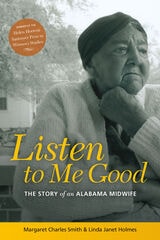
Listen to Me Good
The Story of an Alabama MidwifeMargaret Charles Smith and Linda Janet Holmes
The Ohio State University Press, 1996
Margaret Charles Smith, a ninety-one-year-old Alabama midwife, has thousands of birthing stories to tell. Sifting through nearly five decades of providing care for women in rural Greene County, she relates the tales that capture the life-and-death struggle of the birthing experience and the traditions, pharmacopeia, and spiritual attitudes that influenced her practice. She debunks images of the complacent southern “granny” midwife and honors the determination, talent, and complexity of midwifery.
Fascinating to read, this book is part of the new genre of writing that recognizes the credibility of midwives who have emerged from their own communities and were educated through apprenticeship and personal experience. Past descriptions of southern black midwives have tended to denigrate their work in comparison with professional established medicine. Believed to be the oldest living (though retired) traditional African American midwife in Alabama, Smith is one of the few who can recount old-time birthing ways. Despite claims that midwives contributed to high infant mortality rates, Smith’s story emphasizes midwives' successes in facing medical challenges and emergencies.
Listening to the Whispers
Re-thinking Ethics in HealthcareEdited by Christine Sorrell Dinkins and Jeanne Merkle Sorrell
University of Wisconsin Press, 2006
Listening to the Whispers gives voice to scholars in philosophy, medical anthropology, physical therapy, and nursing, helping readers re-think ethics across the disciplines in the context of today's healthcare system. Diverse voices, often unheard, challenge readers to enlarge the circle of their ethical concerns and look for hidden pathways toward new understandings of ethics. Essays range from a focus on the context of corporatization and managed care environments to a call for questioning the fundamental values of society as these values silently affect many others in healthcare. Each chapter is followed by a brief essay that highlights issues useful for scholarly research and classroom discussion. The conversations of interpretive research in healthcare contained in this volume encourage readers to re-think ethics in ways that will help to create an ethical healthcare system with a future of new possibilities.
Outstanding Academic Title, Choice Magazine
Living With Cancer
A Practical GuideVisel, Dave
Rutgers University Press, 2006
In this essential guide, Dave Visel draws on expertise hard-won during his wife’s battle with lymphoma. He provides an overview of the varieties of cancer and all the basic types of treatments available. Chapters dispel common myths associated with these treatments and provide tips on nutrition and physical fitness. Visel also moves beyond the hospital to provide information and strategies to help with the emotional, practical, and financial effects of a diagnosis. Cancer patients will find the tools they need to make well-informed decisions on questions ranging from the right time to tell coworkers to whether to travel for treatment. Because medical bankruptcies affect nearly two million Americans each year, Visel devotes several chapters to financial issues. He also addresses the effects of cancer on relationships, such as how to deal with a difficult parent or whether to reconcile with an estranged spouse. In addition, Living with Cancer provides a comprehensive overview of the most useful corporate, government, and non-profit resources available. Anyone looking for help in understanding the full range of personal, professional, and legal issues associated with cancer will welcome this book. As inspiring as it is informative, it is a survival guide in the truest sense.
Living and Dying in São Paulo
Immigrants, Health, and the Built Environment in BrazilJeffrey Lesser
Duke University Press, 2025
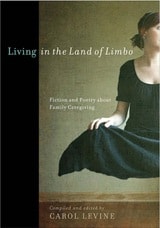
Living in the Land of Limbo
Fiction and Poetry about Family CaregivingCarol Levine
Vanderbilt University Press, 2014
Many of the authors are well-known poets and writers, but others have not been published in mainstream media. They represent a range of cultural backgrounds. Although their works approach caregiving in very different ways, the authors share a commitment to emotional truth, unvarnished by societal ideals of what caregivers should feel and do. These stories and poems paint profoundly moving and revealing portraits of family caregivers.

Living with Polio
The Epidemic and Its SurvivorsDaniel J. Wilson
University of Chicago Press, 2005
Living with Polio is the first book to focus primarily on the personal stories of the men and women who had acute polio and lived with its crippling consequences. Writing from personal experience, polio survivor Daniel J. Wilson shapes this impassioned book with the testimonials of more than one hundred polio victims, focusing on the years between 1930 and 1960. He traces the entire life experience of the survivors—from the alarming diagnosis all the way to the recent development of post-polio syndrome, a condition in which the symptoms of the disease may return two or three decades after they originally surfaced.
Living with Polio follows every physical and emotional stage of the disease: the loneliness of long separations from family and friends suffered by hospitalized victims; the rehabilitation facilitieswhere survivors spent a full year or more painfully trying to regain the use of their paralyzed muscles; and then the return home, where they were faced with readjusting to school or work with the aid of braces, crutches, or wheelchairs while their families faced the difficult responsibilities of caring for and supporting a child or spouse with a disability.
Poignant and gripping, Living with Polio is a compelling history of the enduring physical and psychological experience of polio straight from the rarely heard voices of its survivors.
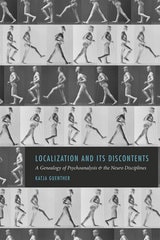
Localization and Its Discontents
A Genealogy of Psychoanalysis and the Neuro DisciplinesKatja Guenther
University of Chicago Press, 2015
Given these differences, it is remarkable that both fields found resources for their development in the same tradition of late nineteenth-century German medicine: neuropsychiatry. In Localization and Its Discontents, Katja Guenther investigates the significance of this common history, drawing on extensive archival research in seven countries, institutional analysis, and close examination of the practical conditions of scientific and clinical work. Her remarkable accomplishment not only reframes the history of psychoanalysis and the neuro disciplines, but also offers us new ways of thinking about their future.
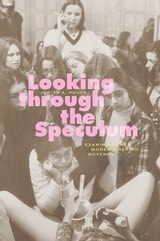
Looking through the Speculum
Examining the Women’s Health MovementJudith A. Houck
University of Chicago Press, 2024
The women’s health movement in the United States, beginning in 1969 and taking hold in the 1970s, was a broad-based movement seeking to increase women’s bodily knowledge, reproductive control, and well-being. It was a political movement that insisted that bodily autonomy provided the key to women’s liberation. It was also an institution-building movement that sought to transform women’s relationships with medicine; it was dedicated to increasing women’s access to affordable health care without the barriers of homophobia, racism, and sexism. But the movement did not only focus on women’s bodies. It also encouraged activists to reimagine their relationships with one another, to develop their relationships in the name of personal and political change, and, eventually, to discover and confront the limitations of the bonds of womanhood.
This book examines historically the emergence, development, travails, and triumphs of the women’s health movement in the United States. By bringing medical history and the history of women’s bodies into our emerging understandings of second-wave feminism, the author sheds light on the understudied efforts to shape health care and reproductive control beyond the hospital and the doctor’s office—in the home, the women’s center, the church basement, the bookshop, and the clinic. Lesbians, straight women, and women of color all play crucial roles in this history. At its center are the politics, institutions, and relationships created by and within the women’s health movement, depicted primarily from the perspective of the activists who shaped its priorities, fought its battles, and grappled with its shortcomings.
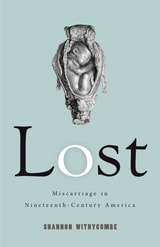
Lost
Miscarriage in Nineteenth-Century AmericaWithycombe, Shannon
Rutgers University Press, 2019
In Lost, medical historian Shannon Withycombe weaves together women’s personal writings and doctors’ publications from the 1820s through the 1910s to investigate the transformative changes in how Americans conceptualized pregnancy, understood miscarriage, and interpreted fetal tissue over the course of the nineteenth century. Withycombe’s pathbreaking research reveals how Americans construed, and continue to understand, miscarriage within a context of reproductive desires, expectations, and abilities. This is the first book to utilize women’s own writings about miscarriage to explore the individual understandings of pregnancy loss and the multiple social and medical forces that helped to shape those perceptions. What emerges from Withycombe’s work is unlike most medicalization narratives.
Lousy Sex
Gerald N. Callahan
University Press of Colorado, 2013
In his stories about where we came from and who we are, Callahan uses autobiographical episodes to illustrate his scientific points. Through stories about the sex lives of wood lice, the biological advantages of eating dirt, the question of immortality, the relationship between syphilis and the musical genius of Beethoven, and more, this book creates another way, a chimeric way, of seeing ourselves. The general reader with an interest in science will find Lousy Sex fascinating.
Low Protein Cookery for Phenylketonuria
Virginia E. Schuett
University of Wisconsin Press, 1997
The major new feature of the third edition is entirely new nutrient calculations. The available food supply has changed significantly in the past fifteen years, and nutrient information is much better now. The nutrient calculations in this edition of the cookbook are based on the updated 1995 Low Protein Food List for PKU compiled by the author, which is the most widely used food list for the PKU diet in the United States. Some of the changes in nutrient values are subtle, others more significant; all reflect the best information currently available.
Low Protein Cookery for PKU offers recipes that appeal to a wide range of ages, suit a wide range of individual diet requirements, and facilitate integration of the diet into normal family eating routines. Many of the recipes are suitable for the entire family; others include instructions for adapting the recipe to suit the needs of family members not on the diet, or are accompanied by recipes for the preparation of similar non-diet items. The recipes provide gram weights when appropriate, for greater accuracy in preparing the recipes and in maintaining the diet.