Results by title
3071 books match the query 'Business & Economics' and 135 start with r
R&D and Productivity
The Econometric EvidenceZvi Griliches
University of Chicago Press, 1998
Griliches began his studies of productivity growth during the 1950s, adding a variable of "knowledge stock" to traditional production function models, and his work has served as the point of departure for much of the research into R&D and productivity. This collection of essays documents both Griliches's distinguished career as well as the history of this line of thought.
As inputs into production increasingly taking the form of "intellectual capital" and new technologies that are not as easily measured as traditional labor and capital, the methods Griliches has refined and applied to R&D become crucial to understanding today's economy.
R&D, Patents and Productivity
Edited by Zvi Griliches
University of Chicago Press, 1984
RSF
The Russell Sage Foundation Journal of the Social Sciences: A Half a Century of Change in the Lives of American WomenMartha J. Bailey
Russell Sage Foundation, 2016
The contributors examine trends in women’s participation in the labor market, focusing on how working both shapes and is shaped by women’s roles within their families. Tanya Byker investigates the so-called “opt-out revolution” and finds that, surpringly, the rate of “opting out” has been constant for the last twenty years even as women’s labor-force participation and pay has increased. Ipshita Pal and Jane Waldfogel show that the “motherhood penalty” is shrinking and may even reversing for mothers who are married, white, or highly educated. And while marriages in which women out-earned their husbands were once more susceptible to divorce, Christine Schwartz and Pilar Gonalons-Pons show that this relationship has essentially disappeared, suggesting that the growing economic advantage of a high-earning wife has facilitated a revolution in traditional gender roles. Despite these gains, Kim Weeden and co-authors show that the growth of jobs requiring more than 50 hours of work per week, which are disproportionately filled by men, has played an increasing role in perpetuating the gender pay gap. Similarly, Katherine Michelmore and Sharon Sassler find that within STEM fields, a gender pay gap persists partly because women are still more likely to work in lower-paid occupations.
The rapid advancement of women in education and the workforce was a distinguishing feature of the twentieth century, even though barriers to opportunities for women still exist. . Together, the articles in this issue of RSF provide insightful context for these achievements and describe women’s evolving status in society.
RSF
The Russell Sage Foundation Journal of the Social Sciences: Administrative Burden and Inequality in Policy implementationPamela Herd
Russell Sage Foundation, 2023
Administrative burdens are the learning, compliance, and psychological costs that individuals incur during encounters with public services. While some burdens are created unintentionally, others are deliberately constructed as barriers to limit claims to programs and services. Often, burdens fall most heavily on marginalized groups, preventing them from resources they need. In this double issue of RSF public administration scholar Pamela Herd, economist Hilary Hoynes, political scientists Jamila Michener and Donald Moynihan, and an interdisciplinary group of contributors explore how administrative burdens shape inequality.
Issue 1 examines how administrative burdens impact Medicaid and health inequality, student loan repayment programs, and immigration to the U.S. Emily Rauscher and Ailish Burns find that combinations of reforms to reduce administrative burdens in the late 1980s increased Medicaid enrollment and improved infant health nearly as much as Medicaid expansion. Adam Goldstein and colleagues show that administrative burdens in enrolling in income-driven repayment student loan programs causes borrowers with lower socioeconomic status to be disproportionately excluded from these programs. Lilly Yu finds that dramatic changes to immigration law and policy during the Trump Administration led immigration lawyers to inadvertently exacerbate inequality among undocumented and vulnerable immigrants’ access to legal representation.
Issue 2 looks at the role of administrative burdens in experiences with child and family support programs, the child welfare system, disaster and housing relief programs, and housing support programs. Carolyn Barnes and colleagues find that mothers’ perceptions of the costs and benefits of participation in the Special Supplemental Nutrition Assistance Program for Women, Infants, and Children (WIC) vary over time and influence whether they choose to enroll or continue participating in the program. Ethan J. Raker and Tyler M. Woods find applications from poor communities of color for Federal Emergency Management Agency (FEMA) housing aid after Hurricanes Katrina and Rita were disproportionately denied or delayed due to burdensome program requirements and implementation. Stephanie Casey Pierce and Stephanie Moulton reveal that reforms to reduce administrative burden in foreclosure programs are associated with a significant increase in the rate of benefit receipt and decrease in the foreclosure rate. Frank Edwards and colleagues show child welfare system-involved parents must navigate considerable administrative burdens in order to retain custody of their children.
This volume of RSF sheds light on the origins, experiences, and consequences of administrative burdens.
RSF
The Russell Sage Foundation Journal of the Social Sciences: Administrative Burden and Inequality in Policy implementationPamela Herd
Russell Sage Foundation, 2023
Administrative burdens are the learning, compliance, and psychological costs that individuals incur during encounters with public services. While some burdens are created unintentionally, others are deliberately constructed as barriers to limit claims to programs and services. Often, burdens fall most heavily on marginalized groups, preventing them from resources they need. In this double issue of RSF public administration scholar Pamela Herd, economist Hilary Hoynes, political scientists Jamila Michener and Donald Moynihan, and an interdisciplinary group of contributors explore how administrative burdens shape inequality.
Issue 1 examines how administrative burdens impact Medicaid and health inequality, student loan repayment programs, and immigration to the U.S. Emily Rauscher and Ailish Burns find that combinations of reforms to reduce administrative burdens in the late 1980s increased Medicaid enrollment and improved infant health nearly as much as Medicaid expansion. Adam Goldstein and colleagues show that administrative burdens in enrolling in income-driven repayment student loan programs causes borrowers with lower socioeconomic status to be disproportionately excluded from these programs. Lilly Yu finds that dramatic changes to immigration law and policy during the Trump Administration led immigration lawyers to inadvertently exacerbate inequality among undocumented and vulnerable immigrants’ access to legal representation.
Issue 2 looks at the role of administrative burdens in experiences with child and family support programs, the child welfare system, disaster and housing relief programs, and housing support programs. Carolyn Barnes and colleagues find that mothers’ perceptions of the costs and benefits of participation in the Special Supplemental Nutrition Assistance Program for Women, Infants, and Children (WIC) vary over time and influence whether they choose to enroll or continue participating in the program. Ethan J. Raker and Tyler M. Woods find applications from poor communities of color for Federal Emergency Management Agency (FEMA) housing aid after Hurricanes Katrina and Rita were disproportionately denied or delayed due to burdensome program requirements and implementation. Stephanie Casey Pierce and Stephanie Moulton reveal that reforms to reduce administrative burden in foreclosure programs are associated with a significant increase in the rate of benefit receipt and decrease in the foreclosure rate. Frank Edwards and colleagues show child welfare system-involved parents must navigate considerable administrative burdens in order to retain custody of their children.
This volume of RSF sheds light on the origins, experiences, and consequences of administrative burdens.
RSF
The Russell Sage Foundation Journal of the Social Sciences: Big Data in Political EconomyHoward Rosenthal
Russell Sage Foundation, 2016
Among other topics, the articles in this issue demonstrate how large-scale data sources can be used to analyze campaign contributions and political participation. Adam Bonica outlines the development of a comprehensive “map” of the American political system that collects, processes, and organizes data on politicians’ campaign finances, policy positions, and voting records, and makes such information available to voters. Drew Dimmery and Andrew Peterson show how web-based data-gathering techniques can augment such a map to include political contributions made by nonprofits, which are often overlooked or not fully transparent. Deniz Igan links campaign contribution data to both policymakers’ voting records and financial institutions’ lending behavior and shows that legislators who were heavily lobbied by institutions engaging in risky lending, such as subprime lenders, were more likely to vote for deregulation. Chris Tausanovitch connects big data on voters’ income and policy preferences to the voting records of their congressional representatives in order to study how effectively the political system represents voters of different income levels. And Sharyn O’Halloran and coauthors discuss how big data can augment traditional observational research by replacing tedious hand coding of volumes of text with automated procedures.
As research in political economy increasingly focuses on the role of money in shaping the outcomes of elections and policymaking, new methods of aggregating and examining financial data have become central. Together, the papers in this volume show how big data provides unprecedented opportunities for social scientists to better understand the links between politics and markets.
RSF
The Russell Sage Foundation Journal of the Social Sciences: Changing Job Quality: Causes, Consequences, and ChallengesDavid R. Howell
Russell Sage Foundation, 2019
As a result of technological changes and outsourcing, unpredictable and uncertain work schedules are now widespread. Contributors Cathy Yang Liu and Luísa Nazareno demonstrate that workers in nonstandard employment arrangements earn less and work fewer hours than full-time workers. Susan Lambert, Julia Henly, and Jaesung Kim demonstrate that in addition to the financial insecurity caused by precarious work schedules, those who experience shortfalls in hours are increasingly distrustful of societal institutions. Other contributors examine job quality for women and people of color. David S. Pedulla and Katariina Mueller-Gastell study the rates at which various groups of workers apply for nonstandard jobs, and find that black and Hispanic workers are overrepresented in such positions. Michael Schultz examines mobility out of low-wage work and finds that women and nonwhites are the most entrenched in such jobs. He shows that there is greater mobility out of low-wage work where unions foster the use of job ladders and pay scales.
The issue recommends a slate of policies for creating better jobs, including increasing the federal minimum wage; strengthening collective and individual bargaining, especially through unions; and widening access to health insurance, paid sick and family leave, and childcare. In the absence of family-friendly policies at the federal level, sociologists Rachel Dwyer and Erik Olin Wright propose investments in the “social and solidarity” economy, including NGOs, nonprofit organizations, social enterprises, and worker cooperatives.
Given the centrality of work to human welfare, enhancing the quality of jobs is of urgent concern to workers, employers, and society at large. This issue of RSF helps us better understand the reasons for and consequences of declining job quality and suggests policies that would protect the most vulnerable workers.
RSF
The Russell Sage Foundation Journal of the Social Sciences: Financial Reform: Preventing the Next CrisisMichael S. Barr
Russell Sage Foundation, 2017
Several contributors evaluate the Dodd-Frank bill which mandated greater federal oversight of banks, increased regulation of credit rating agencies, and established the Consumer Financial Protection Bureau (CFPB), among other measures. Martin Baily and coauthors conclude that measures that require greater transparency and oversight in derivatives transactions have made financial institutions more resilient. Yet, the bill’s attempts to consolidate the fragmented financial regulatory system have not gone far enough.
Lauren Willis argues that instead of simply issuing disclosures, financial service providers should be required to meet more rigorous performance standards, such as proving through third-party testing that customers understand their fees and surcharges. John Macey advocates reforms that would afford home mortgage borrowers the same protections as investors in the securities market, including regulations that prevent brokers from encouraging borrowers to refinance their mortgages to collect fees.
The issue also addresses global financial regulation. Viral Achara examines the financial sectors in the U.S., Europe, and Asia, and assesses their vulnerability to capital shortfalls in the event of a future crisis. Niamh Moloney finds that institutions established in the wake of the crash, such as the European Supervisory Authorities, have improved European-level prudential and consumer financial regulations and have the potential to increase the EU’s influence in international financial governance.
The effects of the financial crisis continue to reverberate around the world today. Together, the articles in this issue document the steps necessary for creating a more robust financial system that works better for all consumers, investors and the financial system itself.
RSF
The Russell Sage Foundation Journal of the Social Sciences: Improving Employment and Earnings in Twenty-First Century Labor MarketsErica L. Groshen
Russell Sage Foundation, 2019
Contributors George Borjas and Richard Freeman analyze how the introduction of industrial robots and the influx of immigrants have affected jobs and earnings in the manufacturing industry. They find that the effects of robots are greater than those of immigrants in terms of depressing earnings and reducing employment, suggesting the need for policies that can help workers adjust to automation. Thomas Kochan and William Kimball note the lower density of unions and their declining impact on wages, even as surveys show strong worker preference for union representation and other forms of “voice” regarding wages, compensation, training, and other working conditions.
Informal work, which includes traditional activities like babysitting as well as newer ones like driving for an online platform, is an important means of helping families make ends meet. Katharine Abraham and Susan Houseman show that over a quarter of the workforce hold jobs aside from their main employment, and a higher share of less-educated, minority, low-income, and unemployed workers rely on informal work. Lawrence Katz and Alan Krueger show a modest upward trend in the share of the U.S. workforce in alternative work arrangements over the last twenty years; they also demonstrate that current survey tools miss many instances of multiple job holding.
David Weil demonstrates how the rise of “the fissured workplace”--where businesses outsource key facets of their operations to staffing agencies and other third-party entities--contributes to wage inequality. Contracted workers have lower earnings and fewer opportunities for upward mobility. The U.S. is the only industrialized country that does not provide paid leave for new parents, and low-income families with children spend 30 percent or more of their incomes on childcare expenses. Elizabeth Doran, Ann Bartel, and Jane Waldfogel propose a payroll tax to support family-friendly policies, such as paid leave and child care, as well as modest employer mandates for scheduling control and flexibility.
Editors Groshen and Holzer provide evidence-based policy recommendations that include greater support for public higher education; adjusting federal wage and hour laws as well as those governing labor relations; limiting the effects of past incarceration on workers; and stronger youth employment programs and policies. American workers face many challenges, but there are many policies analyzed in this issue of RSF that hold promise for improving employment and earnings for American workers.
RSF
The Russell Sage Foundation Journal of the Social Sciences: Low-Income Families in the Twenty-first Century: Effective Public Policy ResponsesMarcy Carlson
Russell Sage Foundation, 2021
The nine articles in this issue examine various aspects of contemporary work and family life for low-income families, the challenges they face, and whether current policies help to mitigate these challenges. Sigird Luhr and colleagues find that unpredictable work schedules were associated with increased difficulty arranging childcare, work-life conflict, and missed work for working mothers. Elizabeth O. Ananat and colleagues show that Emeryville, California's Fair Workweek Ordinance decreased working parents' schedule unpredictability, and improved their well-being without reducing worker hours. Pamela Joshi and colleagues find that less than a quarter of low-income, full-time working families earn enough to cover a basic family budget, compared to two-thirds of all full-time working families. Katherine M. Michelmore and Natasha V. Pilkauskas reveal that nearly 60% of children in lower-income families reside in households with a complex family structure that may result in difficulty filing for important tax credits like the Earned Income Tax Credit (EITC) that can help increase their incomes. Jennifer Randles shows that income and public aid are insufficient for many mothers to cover the cost of one of children’s basic needs - diapers - and suggests policies to help bridge this gap in the face of widespread economic insecurity.
This volume of RSF illuminates the many obstacles faced by lower-income families due to changes in the labor market and family patterns as well as the ways in which public policy can better respond to alleviate these obstacles.
RSF
The Russell Sage Foundation Journal of the Social Sciences: New Immigrant Labor Market NichesSusan Eckstein
Russell Sage Foundation, 2018
Several articles survey the history of immigrant labor market niches and how they have affected local economies. Siobhan O’Keefe and Sarah Quincy investigate a labor niche—farming—created by Russian Jews in rural New Jersey in the nineteenth century that revitalized local markets and reduced the outmigration of natives from the area. Zai Liang and Bo Zhou study the occupational niches held by Chinese immigrants from the turn of the century to present day. They show that restaurants have historically provided, and continue to provide, a major source of employment for low-skilled Chinese immigrants and that these immigrants tend to use new job-finding services such as employment agencies and internet advertising. These services have also allowed Chinese-owned restaurants to expand into new geographical locations.
Other contributors analyze the divisions between high and low-skill labor market niches. In his ethnographic study of restaurants in Los Angeles, Eli Wilson finds that Mexican immigrants primarily work “back of the house” jobs performing low-wage manual labor with few opportunities for advancement, while English-speaking whites hold higher-paid “front of the house” jobs interacting with customers. However, bilingual second-generation Latinos are often able to bridge these two roles, increasing their chances for promotions and greater job responsibilities. Yasmin Ortiga explores the effects of programs designed to recruit middle-skill nurses from the Philippines. She finds that because the United States only accepts a certain number of nurses, these programs have contributed to an oversupply of trained nurses in the Philippines and increased joblessness and underemployment there.
Together, the studies in this issue contribute to a deeper understanding of how and why new immigrants gravitate to specific lines of work. They also reveal how these labor niches influence markets both within the United States and abroad.
RSF
The Russell Sage Foundation Journal of the Social Sciences: Opportunity, Mobility, and Increased InequalityKatharine Bradbury
Russell Sage Foundation, 2016
Several contributors investigate how rising inequality in parental investments in children, lack of public resources for low-income families, and the high cost of postsecondary education limit the futures of many. Janet L. Yellen, Chair of the Federal Reserve Board, reviews trends in income and wealth inequality since the 1980s and shows how lack of access to key resources such as high-quality childhood education, affordable college, private business ownership, and inheritances for those in the lower half of the wealth distribution has significantly restricted economic opportunity in the U.S. Isabel Sawhill and Richard Reeves find that the socioeconomic status of one’s parents strongly predicts where one will end up on the income ladder as an adult, particularly for those at the very bottom and top of the income distribution. Timothy Smeeding shows that black men, children of never-married mothers, and children of parents lacking high school diplomas are likely to both begin life in the bottom quartile of the income distribution and remain there as adults.
Other contributors explore how inequality of opportunity begins in childhood, where family conditions and neighborhood quality influence children’s life outcomes. Katherine Magnuson and Greg Duncan show that even prior to kindergarten, low-income children lag behind their affluent peers in math and reading skills, in part because they lack access to high-quality preschool education. Greg Duncan and Richard Murnane find that affluent children’s advantages are further amplified during their school years, in part because their parents invest more time and resources in their educational and extra-curricular activities. They also show that increased residential segregation has led to higher concentrations of children with behavioral problems in low-income areas, which negatively affects their classmates’ ability to learn. Patrick Sharkey reviews research on the correlation between child neighborhood conditions and adult economic outcomes and confirms that the longer low-income children reside in bad neighborhoods, the more their disadvantages are compounded.
This issue of RSF offers new insights into how, despite our persistent belief in the American Dream, economic opportunity and mobility have stagnated for a growing number of citizens.
RSF
The Russell Sage Foundation Journal of the Social Sciences: Severe Deprivation in AmericaMatthew Desmond is associate professor of sociology and social sciences at Harvard University and codirector of the Justice and Poverty Project.
Russell Sage Foundation, 2015
Widening inequality has received much attention recently, but most of the focus has been on the top one percent or the middle class. The problems of those at the very bottom of society remain largely invisible. Along with the Great Recession, factors such as rising housing costs, welfare reform, mass incarceration, suppressed wages, and pervasive joblessness have contributed to deepening poverty in America. In this inaugural double issue of RSF: The Russell Sage Foundation Journal of the Social Sciences, a distinguished roster of poverty scholars from multiple disciplines focuses on families experiencing “severe deprivation”: acute, compounded, and persistent economic hardship.
Over twenty million families in America live in deep poverty, on incomes below half the federal poverty threshold, yet Liana Fox and colleagues find that government taxes and transfers lift millions of families out of deep poverty each year. Searching even further below the poverty line, Luke Shaefer, Kathryn Edin, and Elizabeth Talbert find that the number of children in households experiencing chronic extreme poverty—living on $2 or less per day—increased by over 240 percent between 1996 and 2012. Focusing on the elderly, Helen Levy shows that failing health exacerbates low-income seniors’ hardship by driving up their out-of-pocket medical spending. Other contributors examine the relationship between violence and severe deprivation.
Through longitudinal interviews with former prisoners in Boston, Bruce Western reveals the ubiquity of violence in the life course of disadvantaged young men. And Laurence Ralph draws on years of ethnography in Chicago to document how families and communities cope with the trauma of gun violence. Other studies in this
issue show that mass incarceration has changed the nature of poverty in recent decades, with consequences ranging from increased levels of deprivation among children of incarcerated parents to housing insecurity among parolees, which increases their risk for recidivism. Finally, several papers devise novel methods and concepts relevant to the study of severe deprivation. Kristin Perkin and Robert Sampson develop an innovative measure of “compounded disadvantage” that groups individual and ecological hardship, while Megan Comfort and colleagues pioneer a new approach to ethnographic fieldwork that combines embedded social work with participant observation.
This issue provides in-depth analyses of the causes and human costs of extreme disadvantage in one of the richest countries in the world and offers a new paradigm for understanding the changing face of poverty in America. In an age of economic extremes, understanding how and why severe deprivation persists will be vital for policymakers and practitioners attempting to deliver relief to the nation’s most marginalized families.
RSF
The Russell Sage Foundation Journal of the Social Sciences: Severe Deprivation in AmericaMatthew Desmond is associate professor of sociology and social sciences at Harvard University and codirector of the Justice and Poverty Project.
Russell Sage Foundation, 2015
Widening inequality has received much attention recently, but most of the focus has been on the top one percent or the middle class. The problems of those at the very bottom of society remain largely invisible. Along with the Great Recession, factors such as rising housing costs, welfare reform, mass incarceration, suppressed wages, and pervasive joblessness have contributed to deepening poverty in America. In this inaugural double issue of RSF: The Russell Sage Foundation Journal of the Social Sciences, a distinguished roster of poverty scholars from multiple disciplines focuses on families experiencing “severe deprivation”: acute, compounded, and persistent economic hardship.
Over twenty million families in America live in deep poverty, on incomes below half the federal poverty threshold, yet Liana Fox and colleagues find that government taxes and transfers lift millions of families out of deep poverty each year. Searching even further below the poverty line, Luke Shaefer, Kathryn Edin, and Elizabeth Talbert find that the number of children in households experiencing chronic extreme poverty—living on $2 or less per day—increased by over 240 percent between 1996 and 2012. Focusing on the elderly, Helen Levy shows that failing health exacerbates low-income seniors’ hardship by driving up their out-of-pocket medical spending. Other contributors examine the relationship between violence and severe deprivation.
Through longitudinal interviews with former prisoners in Boston, Bruce Western reveals the ubiquity of violence in the life course of disadvantaged young men. And Laurence Ralph draws on years of ethnography in Chicago to document how families and communities cope with the trauma of gun violence. Other studies in this
issue show that mass incarceration has changed the nature of poverty in recent decades, with consequences ranging from increased levels of deprivation among children of incarcerated parents to housing insecurity among parolees, which increases their risk for recidivism. Finally, several papers devise novel methods and concepts relevant to the study of severe deprivation. Kristin Perkin and Robert Sampson develop an innovative measure of “compounded disadvantage” that groups individual and ecological hardship, while Megan Comfort and colleagues pioneer a new approach to ethnographic fieldwork that combines embedded social work with participant observation.
This issue provides in-depth analyses of the causes and human costs of extreme disadvantage in one of the richest countries in the world and offers a new paradigm for understanding the changing face of poverty in America. In an age of economic extremes, understanding how and why severe deprivation persists will be vital for policymakers and practitioners attempting to deliver relief to the nation’s most marginalized families.
RSF
The Russell Sage Foundation Journal of the Social Sciences: The Social and Political Impact of the Covid-19 PandemicBeth Redbird
Russell Sage Foundation, 2022
The 11 articles in this issue examine how information about the pandemic was disseminated, the disparate impacts of COVID-19 on different groups, and the government’s response to the pandemic. Courtney Page-Tan and colleagues find that people who relied on information from close social networks and trusted formal institutions, such as the CDC, were more likely to engage in behavior aimed at curbing the spread of COVID-19, such as staying home and avoiding crowded areas. Laura E. Evans and colleagues find that while Native Americans were disproportionately impacted by COVID-19, states in which Native Americans had greater representation and political power in state politics saw fewer COVID-19 cases on tribal lands. They also find that there were fewer COVID-19 cases on tribal lands with strong networks of community-based and tribally controlled health facilities. Claire Kamp Dush and colleagues find that individuals who identify as non-White or non-heterosexual experienced higher levels of COVID-19 stress and racial trauma stress, both of which are associated with poorer mental health outcomes. Sarah James and colleagues find that state variation in the collection and publication of COVID-19 data reflected state capacity. Yet the main driver of variation in state policy response and implementation of mitigation measures was primarily partisanship. Elizabeth Suhay and colleagues find that trust in federal, state, and local government all fell during the first year of the pandemic. However, individuals with more trust in state government and local health officials were more likely to engage in protective health behaviors, while those with higher trust in the federal government were less likely to engage in such behaviors.
While the impacts of the COVID-19 pandemic will continue for years to come, this volume of RSF begins the investigation into how the pandemic has altered social, cultural, and political dynamics in American society.
RSF
The Russell Sage Foundation Journal of the Social Sciences: The Socioeconomic Impacts of the COVID-19 PandemicSchneider, Daniel
Russell Sage Foundation, 2023
The 11 articles in this issue examine the impacts of the COVID-19 pandemic and federal and local responses to the crisis on social safety net usage, unemployment insurance (UI) recipiency, parenting and gender disparities, housing, and experiences with the criminal justice system. Marianne P. Bitler and colleagues find that during the pandemic, participation in the Supplemental Nutrition Assistance Program (SNAP) increased more in counties that experienced larger employment shocks, however, the SNAP pandemic benefit increases were less generous to Black and Hispanic SNAP participants as compared to White participants. Alex Bell and colleagues show while the UI recipiency rate increased substantially across the U.S. during the pandemic, wealthier states had higher recipiency rates and states with higher shares of Black residents had lower recipiency rates. Liana Christin Landivar and colleagues reveal that remote schooling was associated with reduced employment among mothers compared to fathers and women without children, with Black mothers experiencing the largest reduction in employment. Vincent J. Reina and Yeonhwa Lee find that low-income renters who received emergency rental assistance during the pandemic had lower arrears, a lower likelihood of having rent-related debt, and a lower likelihood of experiencing debilitating anxiety. Samantha Plummer and colleagues show that individuals leaving jail or who had criminal cases during the early phase of the pandemic suffered high levels of housing and food insecurity as well as joblessness, but those with co-occurring mental illness and substance abuse problems experienced the highest levels of material hardship.
This issue of RSF sheds light on how the pandemic and the corresponding government response have both reinforced and reshaped socioeconomic inequality in the United States.
RSF
The Russell Sage Foundation Journal of the Social Sciences: The U.S. Labor Market During and After the Great RecessionArne L. Kalleberg
Russell Sage Foundation, 2017
Contributors explore a number of changes to the labor market and union density during and after the Great Recession. Jesse Rothstein investigates the factors contributing to persistently high unemployment and finds that reduced employer demand for workers was more important than labor mismatch—or unemployed workers lacking the appropriate skills for available jobs. Ruth Milkman and Stephanie Luce find increased hostility to unions among employers and steep job losses in traditionally unionized industries, both of which constricted organized labor during and after the Great Recession.
Other articles examine the effects of job loss on unemployed individuals’ mental health and family lives. Kelsey J. O’Connor finds that declining income and rising unemployment contributed to the lowest level of reported happiness in 2010, particularly for men, older people, and Hispanics. William Dickens and coauthors evaluate families’ ability to weather job losses during the Great Recession by relying on savings and find that most had insufficient wealth to buffer large earnings losses for more than a short period of time. Gokce Basbug and Ofer Sharone explore the extent to which the negative emotional toll of long-term unemployment is shaped by gender and marital status. They find that marriage tends to boost the well-being of both men and women during times of unemployment. Among married men, however, this benefit disappeared when controlling for household income, suggesting that the benefits of marriage are related more to additional income than to other forms of intangible or emotional support.
The duration and severity of the Great Recession sets it apart from earlier economic downturns and, as this issue shows, it has had long-term consequences for workers and their families.
RSF
The Russell Sage Foundation Journal of the Social Sciences: Three Decades Since 'Making Ends Meet': What We Know about How Single Mothers Survive TodayElizabeth O. Ananat
Russell Sage Foundation, 2026
In their seminal 1995 book Making Ends Meet: How Low-Income Single Mothers Survive Welfare and Low-Wage Employment, Kathryn Edin and Laura Lein laid bare the strategies and challenges of low-income single mothers who were struggling to provide for their families. Even in an era when cash welfare was a federal entitlement, these women struggled to get by. In the thirty years since the book’s publication, many single parents wrestle with volatility and precarious resources from work, informal and formal supports. In this double issue of RSF, economist Elizabeth O. Ananat, political scientist and public policy scholar Carolyn Y. Barnes, sociologists Sandra K. Danziger and Kathryn Edin, and an interdisciplinary group of contributors examine how the policy landscape has changed since welfare reform and how it impacts low-income single mothers’ ability to make ends meet today.
Issue 1 has 8 articles that examine how the traditional safety net has evolved and new supports that have been developed since Making Ends Meet. For example, Sarah K. Bruch and colleagues assess changes to the social safety net since welfare reform in the 1990s and find that benefits have become more exclusive, have more constraints, and are less generous. Kelley Fong and Nora McCarthy reveal that, in an attempt to decrease child maltreatment, the child welfare system increasingly provides material resources to system-involved parents, including in-kind donations and assistance accessing childcare. However, parents often avoid obtaining resources through the system because it opens them up to increased state surveillance. Heather D. Hill and colleagues show that access to paid family and medical leave (PFML) varies greatly for single mothers, with two-thirds of single mothers living in states without PMFL. For those who live in states with PFML, the accessibility and generosity of benefits vary greatly.
Issue 2 has 5 articles that look at lessons that can be learned from COVID Era policies, how single mothers currently try to make ends meet, and men’s contributions to families. For example, Natasha V. Pilkauskas and Kevin Bruey find that low-income single mothers, with and without employment, utilize a variety of public and private resources to make ends meet. Despite this, both groups face high levels of material hardship, including food and housing insecurity. Hope Harvey examines how members of doubled up households understand their economic and social relationships and reveals that there are often disagreements about shared resources, such as money and food. However, it is not just the precise contributions that cause conflict, but how the exchanges are interpreted within the context of household members’ relationships. Allison Dwyer Emory and colleagues show that nonresident fathers often have trouble making ends meet themselves and are unable to make up for the loss of cash support post-welfare reform.
This double issue of RSF showcases the persistence of precarity that low-income families face since Making Ends Meet.
Note: This copy refers to both issues of the journal double issue.
RSF
The Russell Sage Foundation Journal of the Social Sciences: Three Decades Since 'Making Ends Meet': What We Know about How Single Mothers Survive TodayElizabeth O. Ananat
Russell Sage Foundation, 2026
In their seminal 1995 book Making Ends Meet: How Low-Income Single Mothers Survive Welfare and Low-Wage Employment, Kathryn Edin and Laura Lein laid bare the strategies and challenges of low-income single mothers who were struggling to provide for their families. Even in an era when cash welfare was a federal entitlement, these women struggled to get by. In the thirty years since the book’s publication, many single parents wrestle with volatility and precarious resources from work, informal and formal supports. In this double issue of RSF, economist Elizabeth O. Ananat, political scientist and public policy scholar Carolyn Y. Barnes, sociologists Sandra K. Danziger and Kathryn Edin, and an interdisciplinary group of contributors examine how the policy landscape has changed since welfare reform and how it impacts low-income single mothers’ ability to make ends meet today.
Issue 1 has 8 articles that examine how the traditional safety net has evolved and new supports that have been developed since Making Ends Meet. For example, Sarah K. Bruch and colleagues assess changes to the social safety net since welfare reform in the 1990s and find that benefits have become more exclusive, have more constraints, and are less generous. Kelley Fong and Nora McCarthy reveal that, in an attempt to decrease child maltreatment, the child welfare system increasingly provides material resources to system-involved parents, including in-kind donations and assistance accessing childcare. However, parents often avoid obtaining resources through the system because it opens them up to increased state surveillance. Heather D. Hill and colleagues show that access to paid family and medical leave (PFML) varies greatly for single mothers, with two-thirds of single mothers living in states without PMFL. For those who live in states with PFML, the accessibility and generosity of benefits vary greatly.
Issue 2 has 5 articles that look at lessons that can be learned from COVID Era policies, how single mothers currently try to make ends meet, and men’s contributions to families. For example, Natasha V. Pilkauskas and Kevin Bruey find that low-income single mothers, with and without employment, utilize a variety of public and private resources to make ends meet. Despite this, both groups face high levels of material hardship, including food and housing insecurity. Hope Harvey examines how members of doubled up households understand their economic and social relationships and reveals that there are often disagreements about shared resources, such as money and food. However, it is not just the precise contributions that cause conflict, but how the exchanges are interpreted within the context of household members’ relationships. Allison Dwyer Emory and colleagues show that nonresident fathers often have trouble making ends meet themselves and are unable to make up for the loss of cash support post-welfare reform.
This double issue of RSF showcases the persistence of precarity that low-income families face since Making Ends Meet.
Note: This copy refers to both issues of the journal double issue.
RSF
The Russell Sage Foundation Journal of the Social Sciences: Wealth Inequality and Child Development: Implications for Policy and PracticeChristina Gibson-Davis
Russell Sage Foundation, 2021
Contributors Fabian Pfeffer and Nora Waitkus find that child wealth inequality is far worse in the U.S. than in other industrialized countries. Editors Gibson-Davis and Hill show that a relatively small group of American parents—mostly White—control the lion’s share of wealth, with Black and Hispanic parents having only pennies on the dollar for every dollar of White parental wealth. Nina Bandelj and Angelina Grigoryeva show how White parents with above median wealth are more likely than other parents to practice “financially intensive parenting,” saving and borrowing in ways that promote child achievement. After controlling for other measures of family resources and socioeconomic status, Portia Miller and colleagues demonstrate that family wealth is uniquely related to both academic and behavioral development throughout childhood and adolescence and that wealth helps buffer the negative effects of low family income. Jordan Conwell and Leafia Zi Ye find equalizing wealth is not sufficient to eliminate race- and ethnic-based gaps in academic achievement: even among families with the same levels of wealth Black and Hispanic children often have significantly worse scores than Whites.
High levels of childhood wealth inequality are not inevitable; they are the consequence of laws and practices that favor wealth accumulation among few, primarily White, families. Jin Huang and coauthors look at one of the few policy models for increasing savings in low-income child households, Child Development Accounts, which have been shown to increase educational savings and improve maternal mental health, but they have yet to be adopted nationwide. Two studies in this issue, by Margot Jackson and colleagues and by Katherine Michelmore and Leonard Lopoo, find that large-scale income-support programs, the EITC and Medicaid, have positive spillovers onto asset accumulation, but policies designed to fundamentally alter the distribution of wealth among families with children will require more expansive changes to the tax code and program asset caps.
This issue of RSF expands our understanding of wealth inequality and its effects on children, and provides important insights into policies and practices that either directly or indirectly boost wealth acquisition among child households.
RSF
The Russell Sage Foundation Journal of the Social Sciences: Wealth Inequality: Economic and Social DimensionsFabian T. Pfeffer
Russell Sage Foundation, 2016
Several contributors investigate the growing chasm in wealth between the rich and the middle class. Edward Wolff attributes much of the recent wealth loss among the middle class to the housing market crash, as housing accounts for a much greater share of their total wealth than it does for the rich. Jonathan Fisher and coauthors show that wealth inequality is far higher than inequality in income and consumption, and argue that because wealth acts as a buffer to income changes, it is perhaps the most relevant measure of economic inequality. Others explore the persistent racial wealth gap. Alexandra Killewald and Brielle Bryan show that the average wealth return on home ownership for African Americans is only a quarter of the return for whites. Bryan Sykes and Michelle Maroto find that the incarceration of a family member is associated with reduced family wealth, exacerbating the racial wealth gap because of racial disparities in incarceration.
Other articles focus on the effects of wealth inequality on families and relationships. Emily Rauscher finds that that parents’ financial support for their children’s education, which has positive effects on children’s educational attainment, is increasingly connected to parental wealth, tightening the link between wealth inequality and inequality of opportunity. And Alicia Eads and Laura Tach find that while greater family wealth is associated with more stable marriages, lack of wealth—particularly in the form of unsecured debt—is associated with marital instability.
As wealth inequality has increased, it is increasingly important to understand its origins and manifold social and economic consequences for current and future generations.
Race and Retail
Consumption across the Color LineBay, Mia
Rutgers University Press, 2015
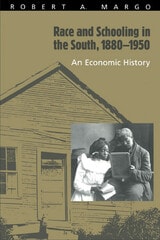
Race and Schooling in the South, 1880-1950
An Economic HistoryRobert A. Margo
University of Chicago Press, 1990
"A concise, lucid account of the bases of racial inequality in the South between Reconstruction and the Civil Rights era. . . . Deserves the careful attention of anyone concerned with historical and contemporary race stratification."—Kathryn M. Neckerman, Contemporary Sociology
"Margo has produced an excellent study, which can serve as a model for aspiring cliometricians. To describe it as 'required reading' would fail to indicate just how important, indeed indispensable, the book will be to scholars interested in racial economic differences, past or present."—Robert Higgs, Journal of Economic Literature
"Margo shows that history is important in understanding present domestic problems; his study has significant implications for understanding post-1950s black economic development."—Joe M. Richardson, Journal of American History

Race on the Line
Gender, Labor, and Technology in the Bell System, 1880–1980Venus Green
Duke University Press, 2001
More than a simple story of the impact of technology, Race on the Line combines oral history, personal experience, and archival research to weave a complicated history of how skill is constructed and how its meanings change within a rapidly expanding industry. Green discusses how women faced an environment where male union leaders displayed economic as well as gender biases and where racism served as a persistent system of division. Separated into chronological sections, the study moves from the early years when the Bell company gave both male and female workers opportunities to advance; to the era of the “white lady” image of the company, when African American women were excluded from the industry and feminist working-class consciousness among white women was consequently inhibited; to the computer era, a time when black women had waged a successful struggle to integrate the telephone operating system but faced technological displacement and unrewarding work.
An important study of working-class American women during the twentieth century, this book will appeal to a wide audience, particularly students and scholars with interest in women’s history, labor history, African American history, the history of technology, and business history.
Race to Zero
How Companies Can Lead the Way to Climate NeutralityMarian Krüger and Benedict Probst
Campus Verlag, 2025
Race to Zero is an essential guide for businesses navigating the complex path to sustainability. While cutting emissions is essential, complete carbon dioxide neutrality remains an elusive goal for many industries. Conventional carbon offsetting is not enough—what’s needed are groundbreaking technologies that actively remove greenhouse gases from the atmosphere.
In this book, Marian Krüger and Benedict Probst discuss promising carbon removal solutions available today, from direct air capture to regenerative practices, and offer clear, actionable strategies for companies committed to meaningful climate action. With a focus on innovation and feasibility, Race to Zero provides business leaders with the tools to integrate these technologies into their operations and take a leadership role in the fight against climate change.
A blueprint for executives and policymakers, this book unites climate ambition and real-world implementation, showing how businesses can drive the transition to a truly climate-neutral economy.
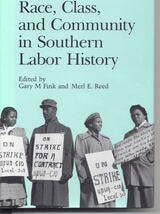
Race, Class, and Community in Southern Labor History
Gary M. Fink
University of Alabama Press, 1994
Exploring the intertwined histories of race, labor, and community in the American South.
Under the leadership of Gary M. Fink and Merl E. Reed, Georgia State University hosts the Southern Labor Studies Conferences approximately every two years. The conferences have yielded two previous volumes, published in 1977 and 1981, and this volume, which contains selected papers from the seventh conference held in 1991.
As evidence by the quality of these essays, the field of southern labor history has come into its own. Research interest is peaking: the practitioners are younger scholars, and much of their work emphasizes the new social and political history. While the topics covered in this volume usually reflect that methodology, their chronology ranges from the antebellum period to the 1970s, suggesting the variety of sources and changing research approaches that can be used in rendering new meaning to the past. Although the subject of gender was generally a minor theme in these sessions, work now being done leaves no doubt that at some future conference gender will attract a commanding amount of attention.
In introducing and describing their respective areas, the associate editors, Robert H. Zieger (textile workers), Joe W. Trotter (African Americans), and Clifford Kuhn (labor politics), have provided a rich historiographical background.
The essays in this volume will enlighten the reader on many important aspects of the history of southern labor, and they will also raise new questions to be explained by other scholars and future conferences.
Race, Ethnicity, and Economic Statistics for the 21st Century
Edited by Randall Akee, Lawrence F. Katz, and Mark A. Loewenstein
University of Chicago Press, 2026
Categorizing race and ethnicity for twenty-first-century statistics and economics.
The increasing racial and ethnic diversity of the US population raises the question of whether the race and ethnicity categories and definitions used by federal statistical agencies to create demographic statistics on which government officials, business decision-makers, and private citizens rely fully reflect the changing population. Official definitions of existing race and ethnic groups do not always command wide agreement, and over time, some definitions that were once widely accepted may become less so based on political, legal, and social factors. Comparable measures of race and ethnicity over time are needed to accurately track historical changes in economic and social outcomes, as well as racial and ethnic segregation.
This volume explores the production of economic statistics that accurately depict the complex racial and ethnic diversity of the US population in the twenty-first century. The chapters examine the consequences for economic analyses of different measurement choices concerning race and ethnicity, assess the likely implications of the 2024 changes in federal race and ethnicity measurement standards, introduce new data sets with richer demographic information, and compare measures of race and ethnicity in administrative versus survey data. They also apply existing data in creative ways to develop alternative characterizations of the changing US workforce and to illuminate important policy questions related to criminal justice, immigration, labor market discrimination, the social safety net, health care, and child welfare.
Race, Liberalism, and Economics
David Colander, Robert E. Prasch, and Falguni A. Sheth, Editors
University of Michigan Press, 2009
The contributors show how the evolution of racist ideas has been a subtle process that is woven into larger movements in the development of scientific thought; economic thinking is embedded in a larger social milieu. Previous discussions of policies toward race have been constrained by that social milieu, and, since World War II, have largely focused on ending legislated and state-sanctioned discrimination. In the past decade, the broader policy debate has moved on to questions about the existence and relative importance of intangible sources of inequality, including market structure, information asymmetries, cumulative processes, and cultural and/or social capital. This book is a product of, and a contribution to, this modern discussion. It is uniquely transdisciplinary, with contributions by and discussions among economists, philosophers, anthropologists, and literature scholars.
The volume first examines the early history of work on race by economists and social scientists more generally. It continues by surveying American economists on race and featuring contributions that embody more modern approaches to race within economics. Finally it explores several important policy issues that follow from the discussion.
". . . adds new insights that contribute significantly to the debate on racial economic inequality in the U.S. The differing opinions of the contributors provide the broad perspective needed to examine this extremely complex issue."
--James Peoples, University of Wisconsin-Milwaukee
"There is an immense economic literature on racial discrimination, employing a variety of models and decomposition methods. This volume makes a unique contribution by focusing on the philosophical assumptions at the root of this analysis and by presenting many sides of the very vigorous debate surrounding these controversial issues."
--Thomas Maloney, University of Utah
"By focusing upon the progress of analytical technique, historians of economic thought have grossly neglected the symbiotic relation of economics to public policy and ideology. This collection of essays offers a most welcome breach of disciplinary apartheid. Seizing upon recent research in the almost forgotten writings about race of Classical economists and their contemporaries, it relates nineteenth-century ideas to current debates about economic discrimination and other manifestations of racism. As the writing is both learned and lively, the book should appeal both to the generally educated reader and to teachers of courses in multiculturalism."
--Melvin Reder, Isidore Brown and Gladys J. Brown Professor Emeritus of Urban and Labor Economics, University of Chicago

Radical Protest and Social Structure
The Southern Farmers' Alliance and Cotton Tenancy, 1880-1890Michael Schwartz
University of Chicago Press, 1988
Radio's Second Century
Past, Present, and Future PerspectivesJohn Allen Hendricks
Rutgers University Press, 2020
One of the first books to examine the status of broadcasting on its one hundredth anniversary, Radio’s Second Century investigates both vanguard and perennial topics relevant to radio’s past, present, and future. As the radio industry enters its second century of existence, it continues to be a dominant mass medium with almost total listenership saturation despite rapid technological advancements that provide alternatives for consumers. Lasting influences such as on-air personalities, audience behavior, fan relationships, and localism are analyzed as well as contemporary issues including social and digital media. Other essays examine the regulatory concerns that continue to exist for public radio, commercial radio, and community radio, and discuss the hindrances and challenges posed by government regulation with an emphasis on both American and international perspectives. Radio’s impact on cultural hegemony through creative programming content in the areas of religion, ethnic inclusivity, and gender parity is also explored. Taken together, this volume compromises a meaningful insight into the broadcast industry’s continuing power to inform and entertain listeners around the world via its oldest mass medium--radio.
Railroad Labor Disputes
The Beginnings of Federal Strike PolicyGerald G. Eggert
University of Michigan Press, 1967

Railroaded
A Motorman's Story of the New York City SubwayFred S. Naiden
Rutgers University Press, 0
“A fascinating insider’s view of a vital and dangerous profession.” —The Wall Street Journal
“An instant classic of labor and transportation history.” —Library Journal, starred review
The New York City subway system is one of the largest and oldest in the world, still carrying traces of the transport systems that came before it. Some of its elevated tracks are remnants of steam railroads, and some tunnels run where canoes served as ferries. For passengers, riding the subway can feel like stepping into another world, dark and dank and sometimes dangerous. Now just imagine what it’s like to work there every day.
One of the few subway workers who went on to earn a PhD from Harvard, historian Fred Naiden gives readers a firsthand look at what it was like to work as a subway porter, a motorman, and a locomotive engineer during the 1980s. He recounts the labor activism of his fellow MTA employees, who advocated for better conditions, higher pay, and less institutional racism. He also shares wild stories about the riders he encountered, from a homeless former realtor who worked as a mob frontman to an angry passenger who pulled a gun on him while the train was stuck at a stop signal. Above all, Railroaded will answer many questions about the New York subway system, including how it could be improved.

Raising Cane in the 'Glades
The Global Sugar Trade and the Transformation of FloridaGail M. Hollander
University of Chicago Press, 2008
Using, among other sources, interviews, government and corporate documents, and recently declassified U.S. State Department memoranda, Gail M. Hollander demonstrates that the development of Florida’s sugar region was the outcome of pitched battles reaching the highest political offices in the U.S. and in countries around the world, especially Cuba—which emerges in her narrative as a model, a competitor, and the regional “other” to Florida’s “self.” Spanning the period from the age of empire to the era of globalization, the book shows how the “sugar question”—a label nineteenth-century economists coined for intense international debates on sugar production and trade—emerges repeatedly in new guises. Hollander uses the sugar question as a thread to stitch together past and present, local and global, in explaining Everglades transformation.
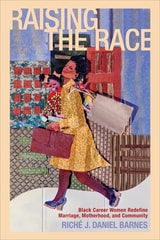
Raising the Race
Black Career Women Redefine Marriage, Motherhood, and CommunityBarnes, Riché J. Daniel
Rutgers University Press, 2015
Popular discussions of professional women often dwell on the conflicts faced by the woman who attempts to “have it all,” raising children while climbing up the corporate ladder. Yet for all the articles and books written on this subject, there has been little work that focuses on the experience of African American professional women or asks how their perspectives on work-family balance might be unique.
Raising the Race is the first scholarly book to examine how black, married career women juggle their relationships with their extended and nuclear families, the expectations of the black community, and their desires to raise healthy, independent children. Drawing from extensive interviews with twenty-three Atlanta-based professional women who left or modified careers as attorneys, physicians, executives, and administrators, anthropologist Riché J. Daniel Barnes found that their decisions were deeply rooted in an awareness of black women’s historical struggles. Departing from the possessive individualistic discourse of “having it all,” the women profiled here think beyond their own situation—considering ways their decisions might help the entire black community.
Giving a voice to women whose perspectives have been underrepresented in debates about work-family balance, Barnes’s profiles enable us to perceive these women as fully fledged individuals, each with her own concerns and priorities. Yet Barnes is also able to locate many common themes from these black women’s experiences, and uses them to propose policy initiatives that would improve the work and family lives of all Americans.
Rational Choice
Edited by Robin M. Hogarth and Melvin W. Reder
University of Chicago Press, 1987

Rational Expectations and Econometric Practice
Volume 1Robert E. Lucas Jr. and Thomas J. Sargent, Editors
University of Minnesota Press, 1981
Rational Expectations and Econometric Practice was first published in 1981. Minnesota Archive Editions uses digital technology to make long-unavailable books once again accessible, and are published unaltered from the original University of Minnesota Press editions.
Assumptions about how people form expectations for the future shape the properties of any dynamic economic model. To make economic decisions in an uncertain environment people must forecast such variables as future rates of inflation, tax rates, government subsidy schemes and regulations. The doctrine of rational expectations uses standard economic methods to explain how those expectations are formed.
This work collects the papers that have made significant contributions to formulating the idea of rational expectations. Most of the papers deal with the connections between observed economic behavior and the evaluation of alternative economic policies.
Robert E. Lucas, Jr., is professor of economics at the University of Chicago. Thomas J. Sargent is professor of economics at the University of Minnesota and adviser to the Federal Reserve Bank of Minnesota.
Rational Expectations and Economic Policy
Edited by Stanley Fischer
University of Chicago Press, 1982
"This is a most timely and valuable contribution. . . . The contributors and commentators are highly distinguished and the editor has usefully collated comments and the ensuing discussion. Unusually for a conference proceedings the book is well indexed and it is also replete with numerous and up-to-date references. . . . This is the first serious book to examine the rational expectations thesis in any depth, and it will prove invaluable to anyone involved with macroeconomic policy generally and with monetary economics in particular."—G. K. Shaw, The Economic Journal

Raw Material
Working Wool in the WestStephany Wilkes
Oregon State University Press, 2018
What begins as a search for local yarn becomes a dirty, unlikely, and irresistible side job. Wilkes leaves her high tech job for a way of life considered long dead in the American West. Along the way, she meets ornery sheep that weigh more than she does, carbon-sequestering ranchers, landless grazing operators, rare breed stewards, and small-batch yarn makers struggling with drought, unfair trade agreements, and faceless bureaucracies as they work to bring eco-friendly fleece to market.
Raw Material demonstrates that the back must break to clothe the body, and that excellence often comes by way of exhaustion. With humor and humility, Wilkes follows wool from the farm to the factory, through the hands of hardworking Americans trying to change the culture of clothing. Her story will appeal to anyone interested in the fiber arts or the textile industry, and especially to environmentally conscious consumers, as it extends the concerns of the sustainable food movement to fleece, fiber, and fashion.
Re-Centring the City
Urban Mutations, Socialist Afterlives and the Global EastEdited by Jonathan Bach and Michal Murawski
University College London, 2019
By drawing our attention back to the center as an object of analytical and empirical study, this book counters a long-term trend in both planning and urban scholarship that emphasizes decentralization as the hallmark of the twenty-first-century city. It argues that such a “centrifugal” turn in urban studies is neither empirically accurate nor normatively incontestable, especially when one looks beyond the West. Rather, as the contributions to this volume show, decentering obscures the ways in which the center continues to exert a powerful influence on cities of today. The concise chapters, situated at the intersection of urban studies, social anthropology, architecture, and art theory, provide new perspectives on the role of the center in defining the city’s terrain. Together, they constitute a collection of sharp, provocative interventions into debates about the transformation of global urban forms in the twenty-first century.
Readings in Managerial Psychology
Edited by Harold J. Leavitt, Louis R. Pondy, and David M. Boje
University of Chicago Press, 1988
Readings in Managerial Psychology is designed for managers in business and industry, students of management, public and university administrators, and executives in other organizations. The collection can be used independently or as a companion volume to Harold J. Leavitt and Homa Bahrami's Managerial Psychology: Managing Behavior in Organizations (5th edition, 1988), also published by the University of Chicago Press.
Readings in Public Choice Economics
Jac C. Heckelman, Editor
University of Michigan Press, 2004
Public choice analysis applies the methodology of economics to issues in political science and the policy process. The readings in this anthology cover topics in both institutional political economy and social choice theory and are comprehensible to nonspecialists and advanced undergraduates with a background in basic economic theory. Readings are taken from academic journals and book chapters and are reproduced in their entirety. They are selected to ensure they contain a minimal amount of notation and are free of advanced econometrics.
The anthology contains two to three readings each to explore the areas of rent seeking, collective action, bureaucracy, elections and the economy, choosing decision rules, majority rule, alternative voting procedures, and the calculus of voting. Each part contains a brief introduction to the general theme, and questions are presented as a guide to each reading. Additional suggested readings are provided to develop these concepts further.
Jac C. Heckelman is Associate Professor of Economics, Wake Forest University.
Ready-to-Wear and Ready-to-Work
A Century of Industry and Immigrants in Paris and New YorkNancy L. Green
Duke University Press, 1997
Green focuses on issues of fashion and fabrication as they involve both the production and consumption of clothing. Traditionally, much of the urban garment industry has been organized around small workshops and flexible homework, and Green emphasizes the effect this labor organization had on the men and mostly women who have sewn the garments. Whether considering the immigrant Jews, Italians, Puerto Ricans, Dominicans, and Chinese in New York or the Chinese-Cambodians, Turks, Armenians, and Russian, Polish, and Tunisian Jews in Paris, she outlines similarities of social experience in the shops and the unions, while allowing the voices of the workers, in all their diversity to be heard.
A provocative examination of gender and ethnicity, historical conflict and consensus, and notions of class and cultural difference, Ready-to-Wear and Ready-to-Work breaks new ground in the methodology of comparative history.

Real del Monte
A British Silver Mining Venture in MexicoBy Robert W. Randall
University of Texas Press, 1972
To speak of mining in newly independent Mexico is to speak of silver. And silver, historically abundant in the Real del Monte–Pachuca district, was the object of the Company of Adventurers in the Mines of Real del Monte. Organized in response to a plea by Pedro Romero de Terreros for help in rehabilitating his famous family’s once-rich properties, the English Real del Monte was led by men convinced that the application of English capital, management practices, and technology to those ruined mines and mills would reap them a profit and would revitalize the new nation’s most promising industry.
The adventurers were to be disappointed. The story of the English company is one of financial disaster: the loss of more than $5 million between its beginning in 1824 and its dissolution in 1849. Yet this failure was ironic, for upon the foundations of the English company was built a modern concern that yielded great rewards to Mexican and American successors to the hapless Englishmen.
A full account of a single risky venture, this inquiry is a microcosm of early foreign economic penetration into the Mexican mining industry. It offers specific solutions to poorly understood historical problems concerning the wave of capital that flowed from Great Britain into Latin America upon the disruption of the Spanish Empire, problems hitherto treated only in generalizations.

Reality Squared
Televisual Discourse on the RealFriedman, James
Rutgers University Press, 2002
“Reality Squared develops the scholarly discussion of the aesthetic of realism, documentary conventions, and modes of television broadcasting, in sophisticated new directions. Friedman’s historical perspective is especially valuable since so much discussion of the new aesthetic of realism on television fails to take into account similar trends throughout television history.”—Ellen Seiter, professor of communication, University of California at San Diego
“Reality Squared offers a rich variety of insights into the way television and new media make us believe in the worlds they represent. Spanning across the decades of early live TV to contemporary digital culture, this volume is an important history, not only of media but alsoof our perception of reality itself.”—Lynn Spigel, University of Southern California and author of Welcome to the Dreamhouse
Through the 1980s and 1990s, the television industry and its critics have identified and promoted the re-emergence of “reality-based” television. During the past two decades, this type of programming has come to play a major role in both production decisions and network strategy. At the beginning of the twenty-first century, viewers’ desire for “reality TV” shows no signs of diminishing, as evidenced by the meteoric rise of shows such as Who Wants to be a Millionaire, Survivor, and MTV’s Real World.
Although debates concerning the relationship between representational media and reality have occupied scholars and artists for quite some time, a surprisingly small number of books have examined this subject. As the title suggests, Reality Squared examines the representation of reality within the squared televisual viewing frame, as
well as the exponential growth of these representational programs on broadcast, cable TV, and even beyond, to the worldwide web. The contributors approach the issues surrounding television and reality from a wide range of theoretical and methodological perspectives. Topics include: the internet, the impact of global news events, weather predictions on the Weather Channel, and the representation of criminality on America’s
Most Wanted. This diverse volume contributes to the ongoing conversation about reality and representation, history and fiction, text and context, and the “inside” and “outside” of that box we call television.
Realizing Equality in Policy
Edited by Alexander Kaufman
University of Michigan Press, 2025
With contributions from scholars of both luck and relational egalitarianism, the essays reexamine a number of basic assumptions regarding social and economic policy from an egalitarian perspective. They explore gender-based discrimination, international justice, and the possibility for engagement between socialist and left-liberal thought. Rather than focusing on the subtle distinctions that divide egalitarian views, this volume shows that both views have the potential to offer important insights about how differences might be overcome and gaps might be closed. In offering new directions for solving wealth inequality through policy, Realizing Equality in Policy contributes to ongoing conversations in political theory, economic theory, and moral philosophy.
Reassembling the UAW
Insurgency, Contention, and the Struggle for Unionism in the American SouthAbe Walker
Temple University Press, 2026
Abe Walker chronicles the organizing campaign from its origin in 2014 to the union’s breakthrough victory in 2024, illustrating what went wrong—and what went right—along the way. Walker provides a systematic analysis of the strategic challenges and tactical shifts, showing the patterns that persisted across three election cycles while highlighting their differences, from global-level alliances to local labor issues.
Reassembling the UAW also demonstrates how rebel rank-and-file workers ousted the old-guard leadership and transformed the UAW into a militant union to achieve results. Ultimately, Walker offers valuable lessons for organizational strategy, the power of collective action, and the future of the labor movement.
Recasting Welfare Capitalism
Economic Adjustment in Contemporary France and GermanyMark I. Vail
Temple University Press, 2009
Vail finds that these respective evolutions involve interrelated changes in social and economic policies and are characterized by political relationships that are continuously renegotiated—often in unpredictable ways. In the process, he presents a compelling reconceptualization of change in both the welfare state and the broader political economy during an age of globalization.
Reclaiming the State
A Progressive Vision of Sovereignty for a Post-Neoliberal WorldWilliam Mitchell and Thomas Fazi
Pluto Press, 2017
Many of our assumptions—about ideology, democracy, trade, and globalization—are being thrown into doubt, deposed by populism, nationalism, and racism. In response to these challenging times, economist Bill Mitchell and political theorist Thomas Fazi propose a reconceptualization of the sovereign state as a vehicle for change. They offer a progressive view of sovereignty based not on the demonization of the other, but as a way to bring the economy back under democratic control. With nationalism gaining support across the United States with each passing week, Reclaiaming the State provides innovative ideas to mobilize and reenergize a tired, divided Left.

Reconstructing Europe's Trade and Payments
The European Payments UnionBarry Eichengreen
University of Michigan Press, 1993
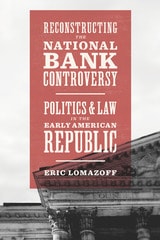
Reconstructing the National Bank Controversy
Politics and Law in the Early American RepublicEric Lomazoff
University of Chicago Press, 2018
With Reconstructing the National Bank Controversy, Eric Lomazoff offers a far more robust account of the constitutional politics of national banking between 1791 and 1832. During that time, three forces—changes within the Bank itself, growing tension over federal power within the Republican coalition, and the endurance of monetary turmoil beyond the War of 1812 —drove the development of our first major debate over the scope of federal power at least as much as the formal dimensions of the Constitution or the absence of a shared legal definition for the word “necessary.” These three forces—sometimes alone, sometimes in combination—repeatedly reshaped the terms on which the Bank’s constitutionality was contested. Lomazoff documents how these three dimensions of the polity changed over time and traces the manner in which they periodically led federal officials to adjust their claims about the Bank’s constitutionality. This includes the emergence of the Coinage Clause—which gives Congress power to “coin money, regulate the value thereof”—as a novel justification for the institution. He concludes the book by explaining why a more robust account of the national bank controversy can help us understand the constitutional basis for modern American monetary politics.