Results by title
1017 books match the query 'Reference' and 53 start with s
SOFT IN THE MIDDLE
CONTEMPORARY SOFTCORE FEATURE IN ITS CONTEXTSDAVID ANDREWS
The Ohio State University Press, 2006
In meticulous detail, Soft in the Middle demonstrates that softcore’s under-the-radar success and pervasive cultural devaluation may be understood in terms of the “postfeminist” strategies employed by successive generations of producers and distributors, each intent on overcoming obstacles to the mainstream distribution of pornographic material. Softcore and its American precursors became more “feminized” and “female friendly” as their distribution widened, a process hastened in the 1980s by the industry’s transition to private, non-theatrical modes of distribution and exhibition (e.g., home-video outlets and premium-cable networks like Cinemax). One of the byproducts of this development is that contemporary softcore has frequently resorted to what are arguably anti-male or “misandristic” attitudes and depictions. Clearly, the genre challenges traditional assumptions about pornography, including those held by feminists on both sides of “the porn debates.”
Drawing on original industrial research, extensive sampling, and wide-ranging scholarship, Soft in the Middle offers a nuanced look at a discreetly indecent genre whose central commodity has always been female nudity. The book examines the genre’s history, describes its deflationary trajectory, and differentiates the reading patterns of its disparate audiences, including “cult” critics and feminist critics. Naturally, the book also considers the genre’s formal and ideological conventions, surveying its most exemplary subgenres, styles, and motifs—and lavishing particular attention on its most influential studios, directors, and texts.

Samskrta-Subodhini
A Sanskrit PrimerMadhav M. Deshpande
University of Michigan Press, 1999
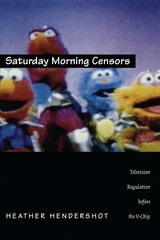
Saturday Morning Censors
Television Regulation before the V-ChipHeather Hendershot
Duke University Press, 1999
Drawing on archival studio material, interviews with censors and animators, and social science research, Hendershot analyzes media activist strategies, sexism and racism at the level of cartoon manufacture, and the product-linked cartoons of the 1980s, such as Strawberry Shortcake and Transformers. But in order to more fully examine adult reception of children’s TV, she also discusses “good” programs like Sesame Street and Fat Albert and the Cosby Kids. Providing valuable historical context for debates surrounding such current issues as the V-chip and the banning of Power Rangers toys in elementary schools, Saturday Morning Censors demonstrates how censorship can reveal more fears than it hides.
Saturday Morning Censors will appeal to educators, parents, and media activists, as well as to those in cultural studies, television studies, gender studies, and American social history.
Scholars and Their Kin
Historical Explorations, Literary ExperimentsEdited by Stéphane Gerson
University of Chicago Press, 2025
Historians have often been discouraged from writing about their relatives, subjects who are deemed too close for objective analysis. But new work by scholars interested in their own families raises fascinating questions about subjectivity—and how historians might put it to use. It also invites historians to abandon traditional aspects of academic writing and draw, instead, on literary forms more equipped to highlight the relationships between scholar and material, feeling and reason.
Scholars and Their Kin embraces diverse approaches to such writing, bringing into the open the personal, professional, and historiographic complexities that ensue when scholars write intimate yet self-aware histories about their families. The first book devoted to this genre, which editor Stéphane Gerson terms “personal family history,” this anthology features ten essays and an afterword by scholars working in this vein. The contributors—varied in their disciplines, themes, and nationalities—reflect on their motivations and methodological choices, the politics of family history, and the institutional constraints they have sometimes faced. Making full use of the creative possibilities of voice and form, they expand the literary ambitions of personal family history, provide readers with narrative models, and address questions of shame, responsibility, love, gendered and racial violence, family archives, as well as the tall tales, myths, misrepresentations, memories, and omissions that suffuse family lives. Scholars and Their Kin will interest historians, scholars in other disciplines, and readers interested in family histories that open broader worlds.

Science and Technology Encyclopedia
The University of Chicago Press
University of Chicago Press, 2000
It includes:
*More than 6,500 authoritative A-Z entries covering earth and life sciences (including natural history, physics, chemistry, medicine, information technology, and other disciplines)
*Biographical entries for more than 850 famous scientists, detailing their careers and achievements
*Over 20,000 cross-references
*More than 250 detailed illustrations, including schematic diagrams, representational natural history artwork, and technical cutaway diagrams
Scientific Style and Format
The CSE Manual for Authors, Editors, and Publishers, Eighth EditionCouncil of Science Editors
University of Chicago Press, 2014
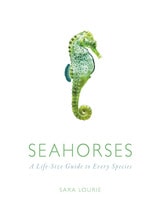
Seahorses
A Life-Size Guide to Every SpeciesSara A. Lourie
University of Chicago Press, 2016
Seahorses celebrates the remarkable variety of seahorse species as well as their exquisiteness. 57 species, including seadragons and pipefish, are presented in lush, life-size photographs alongside descriptive drawings, and each entry includes detailed and up-to-date information on natural history and conservation. Sara Lourie, a foremost expert on seahorse taxonomy, presents captivating stories of species that range from less than an inch to over a foot in height, while highlighting recent discoveries and ecological concerns. Accessibly written, but comprehensive in scope, this book will be a stunning and invaluable reference on seahorse evolution, biology, habitat, and behavior.
Masters of camouflage and rarely seen, seahorses continue to be a fascinating subject of active research. This visually rich and informative book is certain to become the authoritative guide to these charming and unusual wonders of the sea, beloved at aquariums the world over.
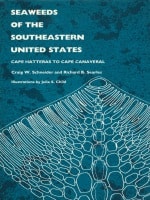
Seaweeds of the Southeastern United States
Cape Hatteras to Cape CanaveralCraig W. Schneider and Richard B. Searles
Duke University Press, 1991
The southeastern Atlantic coast is home to 334 species of seaweed flora. The greatest diversity occurs along the North Carolina coast between Cape Lookout and Cape Fear. With the exception of a few additional species south of Cape Fear, there is not a marked change in the flora until the more tropical waters and seaweeds of southern Florida. The barrier island system of the region and the enclosed shallow water sounds extend the miles of shoreline available for study.
This book, the product of a twenty-year collaboration, is the first comprehensive guide to appear in over seventy years and includes the addition of nearly one hundred species to the region, including twenty-five described by the authors.
Secrets to Writing Great Papers
Judi Kesselman-Turkel and Franklynn Peterson
University of Wisconsin Press, 2003
Secrets to Writing Great Papers illustrates how to work with ideas—develop them, hone them, and transform them into words. It provides techniques and exercises for brainstorming, choosing the right approach, working with an unknown or boring assigned topic, overcoming writer’s block, and selecting the best point of view.
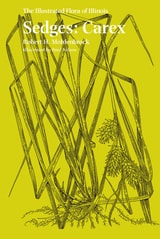
Sedges
CarexRobert H. Mohlenbrock. Illustrated by Paul Nelson
Southern Illinois University Press, 1999
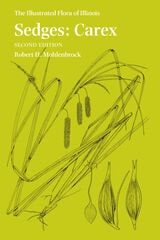
Unique in several respects, Carex is by far the most numerous genus of plants in Illinois. Because of the vast number of species, the similarity of many of the species, and the relatively small size of the critical reproductive structures, the members of this genus are extremely confusing to identify. This book, with its detailed descriptions, key, and precise illustrations, should aid the interested person in the identification of these plants.
Since more than three-fourths of the species of Carex in Illinois are inhabitants of wetlands, an understanding of the genus is critical for those working in wetlands. Amateur and professional botanists will find the information extremely valuable, as well as environmental and conservation groups, garden clubs, farm bureaus, home extension groups, scout organizations, and school libraries. Persons working in natural areas programs and in rare and endangered species programs and those working on environmental impact assessments and wildlife management projects will also find the information pertinent.
Sedges
CarexRobert H. Mohlenbrock
Southern Illinois University Press, 2011
Since the volume’s original publication in 1999, thirty-four additional species of plants have been recognized in Illinois. Some are discoveries from recent field work, some are from more thorough searches of herbaria, and others are from different taxonomic philosophies.
For each species of Carex in Illinois, there is a full illustration showing the habit of the plant and close-ups of various vegetative and reproductive structures that are crucial for the identification of the individual species. There is also a complete description of each species as well as a detailed discussion of the nomenclature and habitats. Range maps show the county distribution of each species in Illinois. A new and detailed key is provided for identification of the species.
Semantic Properties of Diagrams and Their Cognitive Potentials
Atsushi Shimojima
CSLI, 2015
Shakespeare's Critics
From Jonson to Auden, A Medley of JudgmentsA. M. Eastman and G. B. Harrison, Editors
University of Michigan Press, 1964

Sherlock Holmes, Esq., and John H. Watson, M.D.
An Encyclopaedia of Their AffairsOrlando Park
Northwestern University Press, 1962
Shooting Stars of the Small Screen
Encyclopedia of TV Western Actors, 1946–PresentBy Douglas Brode
University of Texas Press, 2009
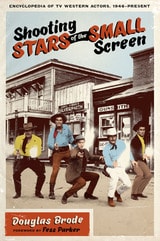
Since the beginning of television, Westerns have been playing on the small screen. From the mid-1950s until the early 1960s, they were one of TV's most popular genres, with millions of viewers tuning in to such popular shows as Rawhide, Gunsmoke, and Disney's Davy Crockett. Though the cultural revolution of the later 1960s contributed to the demise of traditional Western programs, the Western never actually disappeared from TV. Instead, it took on new forms, such as the highly popular Lonesome Dove and Deadwood, while exploring the lives of characters who never before had a starring role, including anti-heroes, mountain men, farmers, Native and African Americans, Latinos, and women.
Shooting Stars of the Small Screen is a comprehensive encyclopedia of more than 450 actors who received star billing or played a recurring character role in a TV Western series or a made-for-TV Western movie or miniseries from the late 1940s up to 2008. Douglas Brode covers the highlights of each actor's career, including Western movie work, if significant, to give a full sense of the actor's screen persona(s). Within the entries are discussions of scores of popular Western TV shows that explore how these programs both reflected and impacted the social world in which they aired. Brode opens the encyclopedia with a fascinating history of the TV Western that traces its roots in B Western movies, while also showing how TV Westerns developed their own unique storytelling conventions.
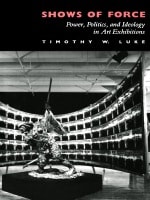
Shows of Force
Power, Politics, and Ideology in Art ExhibitionsTimothy W. Luke
Duke University Press, 1992
The first section, “Envisioning a Past, Imagining the West,” looks at art exhibitions devoted to artworks about or from the American West. Luke shows how these exhibitions—displaying nineteenth- and early-twentieth century works by artists such as George Caleb Bingham, Frederic Remington, Frederic Edwin Church, and Georgia O’Keefe—express contemporary political agendas in the way the portray “the past” and shape new visions of “the West.”
In “Developing the Present, Defining a World,” Luke considers artists from the post-1945 era, including Ilya Kabokov, Hans Haacke, Sue Coe, Roger Brown, and Robert Longo. Recent art exhibits, his analysis reveals, attempt to develop politically charged conceptions of the present, which in turn struggle to define the changing contemporary world and art’s various roles within it.
Luke brings to light the contradictions encoded in the exhibition of art and, in doing so, illuminates the political realities and cultural ideologies of the present. Shows of Force offers a timely and surely controversial contribution to current discussions of the politics of exhibiting art.

Shrubs and Vines of Iowa
Peter J. van der Linden, Donald R. Farrar
University of Iowa Press, 2016
Like trees, shrubs and vines are woody plants that are easy to observe year round. The first part of this book will help you identify them. Illustrated keys take you through the identification process one step at time; these are followed by images and descriptions of all but the rarest species. Noted naturalists Peter van der Linden and Donald Farrar also provide information about each species’ distribution, ecology, and uses. Summer and winter features are covered separately to facilitate identification at these two very different times of year.
Chapters about the culture and natural history of shrubs and vines explain why the plants grow where they do in nature and show how to use them effectively in outdoor spaces. Plants native to Iowa have much to offer to the landscaper: winter hardiness, resistance to drought and climatic extremes, and food and shelter for native wildlife and pollinators. Many natives are ornamental as well, providing attractive flowers, bright autumn displays, and colorful stems or fruits in winter. The authors offer tips for selecting, planting, and caring for these plants effectively. With native plants, you can create a landscape that is sustainable, authentic to place, and satisfying to you.
Iowa and midwestern arborists, conservationists, horticulturists, landscape architects, gardeners, and all those who appreciate the beauty and value of native plants will find Shrubs and Vines of Iowa immensely useful.
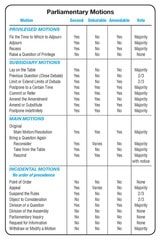
Simplified Chart of Parliamentary Motions
Jim Slaughter, Gaut Ragsdale, Jon Ericson
Southern Illinois University Press, 2012
Small Places, Large Issues
An Introduction to Social and Cultural AnthropologyThomas Hylland Eriksen
Pluto Press, 2015
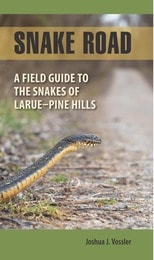
Snake Road
A Field Guide to the Snakes of LaRue-Pine HillsJoshua J. Vossler
Southern Illinois University Press, 2021
Twice a year, spring and fall, numerous species of reptiles and amphibians migrate between the LaRue–Pine Hills’ towering limestone bluffs and the Big Muddy River’s swampy floodplain in southern Illinois. Snakes, especially great numbers of Cottonmouths, give the road that separates these distinct environments its name. Although it is one of the best places in the world to observe snakes throughout the year, spring and fall are the optimal times to see a greater number and variety. Among the many activities that snakes can be observed doing are sunning themselves on rocks, lying in grasses, sheltering under or near fallen tree limbs, or crossing the road. In this engaging guide, author Joshua J. Vossler details what to expect and how to make the most of a visit to what is known around the world as Snake Road.
Vossler catalogs twenty-three native snake species by both common and scientific names, lists identifying features, and estimates the probability of spotting them. Throughout this book, stunning color photographs of each species’ distinctive physical characteristics enable identification by sight only, an important feature, since Illinois law prohibits the handling, harming, or removal of reptiles and other wildlife on and around the road. Since snakes are visually variable—individual snakes of the same species can differ tremendously in size, color, and pattern—photographs of as many variations as possible are included. To aid in identification, eleven sets of photographs contrast the features of similar species and point out how and why these snakes may be easily confused. Visitors can keep track of the snakes they have identified by using the checklist in the back of the book. A list of recommended reading provides sources of additional information about snakes in southern Illinois and beyond.
Social Research in the Judicial Process
Cases, Readings, and TextWallace D. Loh
Russell Sage Foundation, 1984
Solo
The Everything Guide to Writing, Performing, and Producing Your One-Person ShowArlene Malinowski and Julie Ganey
Northwestern University Press, 2026
The art of solo performance has exploded in the last twenty years as an immediate and accessible art form. The number of solo festivals grows every year, and artists are hungry for the opportunity to center their own voices and experiences. Solo is designed to feed that hunger.
Seasoned theater educators and performers Arlene Malinowski and Julie Ganey have compiled an invaluable guide for students and practitioners alike. Topics include high-stakes narratives, compelling characters, and the role of narrators, as well as practical exercises, interviews with performers at every stage of their careers, and examples from real one-person shows. Performers will also find advice on collaborating with directors, incorporating technical elements, and producing and marketing strategies.
Whether you’re just starting out or are a seasoned professional looking to refine your show-in-progress, Solo is an essential volume for anyone ready to bring their story to life onstage.
Solving Problems in Technical Communication
Edited by Johndan Johnson-Eilola and Stuart A. Selber
University of Chicago Press, 2012
The field of technical communication is rapidly expanding in both the academic world and the private sector, yet a problematic divide remains between theory and practice. Here Stuart A. Selber and Johndan Johnson-Eilola, both respected scholars and teachers of technical communication, effectively bridge that gap.
Sound Reporting, Second Edition
The NPR Guide to Broadcast, Podcast and Digital JournalismJerome Socolovsky
University of Chicago Press, 2024
A lot has changed in media in recent years, but one thing that remains steadfast is National Public Radio’s (NPR) position as a trusted source of news in the United States. Now producing dozens of shows and podcasts, plus livestreams and coverage on other media platforms, NPR is the leading authority on reporting, writing, and delivering audio news and storytelling to today's diverse audiences. In this completely revised guide, audio journalism trainer Jerome Socolovsky offers a look into just how NPR does it, following the same journey a story would from idea to the moment it reaches its listeners.
Based on more than eighty interviews with producers, reporters, editors, hosts, and other NPR staffers, Sound Reporting reveals how stories get pitched; how they are reported, produced, written, edited, voiced, and tailored to multiple media formats; and how shows and podcasts are put together. It begins with a presentation of NPR's values and includes a new chapter on journalist safety, a topic of timely importance. Podcasts, now part of the mainstream of the media universe, are treated alongside traditional programs throughout.
In these pages, the voices of NPR staff offer a glimpse into their profession. Discover how correspondent Ruth Sherlock overcame seemingly insurmountable odds as she raced to the scene of a devastating earthquake in Turkey, the four main ways Ramtin Arablouei incorporates music into podcasts, and how “Weekend Edition” host Ayesha Rascoe touches listeners so deeply she received a pair of homemade potholders in the mail from one of them. Reading this book is like sitting in a room full of top-notch producers, seasoned correspondents, trusted hosts, and rigorous editors—all telling you inspiring stories about their craft to help you learn from their experience.
At a time when the legitimacy and authority of journalism are under critique, transparency into how the news is made is more important than ever. This book offers a fascinating look behind the scenes at a premier public media organization and will be a trusted resource for anyone in or exploring a future in audio journalism.
Sourcebook on the Environment
A Guide to the LiteratureKenneth A. Hammond, George Macinko, and Wilma B. Fairchild
University of Chicago Press, 1978
Beginning with an introduction to various philosophies and perspectives, the Sourcebook examines major elements of the environment and selected case studies of human alteration of our surroundings. The essential references in each field are carefully presented, and directions are given for examining more advanced and specialized works. Appendixes on selected periodicals, the latest relevant federal legislation, and environmental organizations point to further areas of investigation. To maintain its value in this volatile area, this indispensable work will be periodically revised and updated.
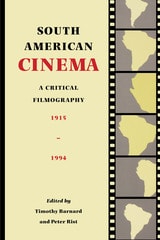
South American Cinema
A Critical Filmography, 1915-1994Edited by Timothy Barnard and Peter Rist
University of Texas Press, 1999
Originally issued in hardcover in 1996 by Garland Publishing, this important reference work is now available in paperback for a wider audience. A distinguished team of contributors has compiled entries on 140 significant South American feature films from the silent era until 1994. The entries discuss each film's subject matter, critical reception, and social and political contexts, as well as its production, distribution, and exhibition history, including technical credits. The entries are grouped by country and arranged chronologically. Both fiction and documentary films (some no longer in existence) are included, as well as extensive title, name, and subject indexes and glossaries of film and foreign terms.
South Asian Civilizations
A Bibliographic SynthesisMaureen L. P. Patterson
University of Chicago Press, 1981
This information is organized in accord with indigenous South Asian concepts and categories within the threefold dimensions of time, space, and topic. These units and their interrelationships are first laid out in an outline of headings that constitutes, in the aggregate, a self-contained reference outline of Indic civilization. Each unit and its subdivisions are then presented as the headings for the bibliographic sections that form the main body of the book. This conceptual structure, in combination with the author and subject indexes, offers the reader several means of access to the entries themselves, making South Asian Civilizations a work that will be of great use to a wide audience.
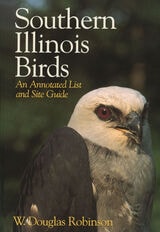
Southern Illinois Birds
An Annotated List and Site GuideW. Douglas Robinson
Southern Illinois University Press, 1996
Designed to help bird watchers in the field and at home discover the significance of their observations, Southern Illinois Birds documents current knowledge of the birds of southern Illinois by surveying both the published literature on the subject and the unpublished field notes of active observers summarizing many important observations that are not readily available elsewhere.
Bordered on three sides by major rivers, with both upland and lowland forests and dramatic topographic relief in the unglaciated Shawnee Hills, southern Illinois offers a wide variety of habitats and birds unusual to Illinois and the Midwest in general. Compared with studies in central and northern Illinois, there have been few active field observers in the south; yet the contributions of those who worked in southern Illinois have been considerable. Robinson displays their efforts convincingly in this book.
Southern Illinois Birds includes information on early arrival and late departure dates of migrants, the highest reported single-day counts in each season, and records of all vagrants. In addition, Robinson includes maps and guides to some of the best birding areas in the region to encourage birders and others to explore the many birding and scenic attractions in southern Illinois.
Robinson has produced a definitive reference for ornithologists and amateur bird watchers, conservation and government agencies, college students in biology, and future researchers who wish to determine the status and abundance of southern Illinois birds.
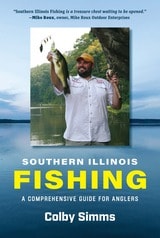
Southern Illinois Fishing
A Comprehensive Guide for AnglersColby Simms
Southern Illinois University Press, 2025
The ultimate resource for sport fishing in southern Illinois
Southern Illinois’s many waterways teem with an incredible variety of fish species, and award-winning fisherman and journalist Colby Simms knows exactly where and how to catch them all.
Within these pages, Simms shares the secrets he’s gleaned from years of hard-won experience: colossal catfish dominate the Mississippi River; monstrous muskies rule over Kinkaid Lake. Rend gives up record crappie and bowfin, while Crab Orchard produces excellent largemouth bass fishing and Cedar offers huge striped bass. Whether you’re powerboating a large lake or paddling an out-of-the-way oxbow, the region presents countless opportunities for different styles of fishing. Wondering which bait and tackle will produce the best results, or how seasonal weather affects fish migration patterns? Simms has already conferred with fellow fishing pros as well as biologists, outdoor sports media figures, and other experts to bring you the most current, site-specific information possible. From fishing fundamentals to the most advanced, cutting-edge techniques, he presents a battle plan for attacking the waters, big and small, of the lower Prairie State, which will benefit all anglers—from beginners to seasoned tournament competitors.
Nestled between the critical information and detailed instructions, you’ll find stories from Simms and additional professional anglers, state fisheries staff, recreational fishers, and others. You’ll find encouragement and motivation to put away life’s modern distractions and get back to nature. Southern Illinois Fishing brims with enthusiasm, humor, and heart, and is sure to educate and inspire readers to lose themselves in the ancient tradition and modern sport of fishing.
Spirituality and Health Research
Methods, Measurements, Statistics, and ResourcesHarold G Koenig
Templeton Press, 2011
In Spirituality and Health Research: Methods, Measurement, Statistics, and Resources, Dr. Harold G. Koenig leads a comprehensive overview of this complex subject. Dr. Koenig is one of the world’s leading authorities on the relationship between spirituality and health, and a leading researcher on the topic. As such, he is distinctively qualified to author such a book.
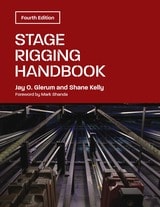
Stage Rigging Handbook, Fourth Edition
Jay O. Glerum and Shane Kelly with a foreword by Mark Shanda
Southern Illinois University Press, 2024
Updating the industry standard stage rigging text for a new generation
First published in 1987 and revised in 1997 and 2007, Stage Rigging Handbook remains the only book in any language that covers the design, operation, and maintenance of stage rigging equipment. Though often unnoticed, these systems are critical in both easing the workload of stage technicians and creating storytelling magic for the audience. This landmark text imparts the foundations for understanding and implementing rigging systems, such that upon completion of the book, the reader is ready to begin hands-on training and practice.
Organized into four sections, the handbook combines research and practical experience to guide riggers through their work. It begins by explaining the construction and care of basic lifting media. Part two analyzes types of rigging systems; then the handbook details the forces that impact rigging, from Newtonian physics to calculating expansive modern systems. Finally, it presents day-to-day best safety practices, including brand new sections on risk assessment and fall protection.
This reorganized and greatly expanded fourth edition of Jay O. Glerum’s industry standard text updates much of the information in the previous editions with the addition of chapters on truss (the framework that supports lighting, screens, and other accessories), motorized chain hoists, hardware, and job safety, including fall protection systems. Award-winning production manager Shane Kelly preserves Glerum’s voice while bringing fresh information to a new generation of riggers, supplementing the text with updated versions of earlier photographs and drawings as well as an additional one hundred illustrations. The handbook facilitates the development of a rigging practice rooted in safety, precision, and professionalism.
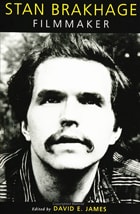
Stan Brakhage
FilmmakerDavid James
Temple University Press, 2005
Starting and Running a Nonprofit Organization
Joan M. Hummel
University of Minnesota Press, 1996
Starting and Running a Nonprofit Organization is a book for people who are forming new small nonprofits; thinking about converting an informal, grassroots group into tax-exempt status; reorganizing an existing agency; or currently managing a nonprofit. It provides practical and basic how-to information on legal, tax, organizational, and other issues particular to nonprofits.
This one-of-a-kind resource has been a valuable guide to nonprofit management for decades. While much of the information originated in an earlier era of nonprofit formation, it remains highly useful for gaining an overview and creating an action plan for people entering this realm of organizational management. Its compact format provides information in an easy-to-understand style. The book describes, step-by-step, the typical phases of creating and operating a new nonprofit, including incorporation, establishing a board of directors, writing bylaws, obtaining tax-exempt status, creating a strategic plan, budgeting and grant seeking, understanding accounting principles, managing human resources, and creating a community relations plan.
The Center for Nonprofit Management is a department of the Graduate School of Business at the University of St. Thomas in Minneapolis and St. Paul. It provides training and guidance in all aspects of the nonprofit sector to existing organizations as well as individuals or groups who are seeking help in starting a nonprofit.

States at War, Volume 1
A Reference Guide for Connecticut, Maine, Massachusetts, New Hampshire, Rhode Island, and Vermont in the Civil WarEdited by Richard F. Miller
University Press of New England, 2013

States at War, Volume 2
A Reference Guide for New York in the Civil WarEdited by Richard F. Miller
University Press of New England, 2014

States at War, Volume 3
A Reference Guide for Pennsylvania in the Civil WarEdited by Richard F. Miller
University Press of New England, 2014

States at War, Volume 4
A Reference Guide for Delaware, Maryland, and New Jersey in the Civil WarEdited by Richard F. Miller
University Press of New England, 2015

States at War, Volume 5
A Reference Guide for Ohio in the Civil WarEdited by Richard F. Miller
University Press of New England, 2015

States at War, Volume 6
The Confederate States Chronology and a Reference Guide for South Carolina in the Civil WarEdited by Richard F. Miller
University Press of New England, 2018

States at War
A Reference Guide for Michigan in the Civil WarRichard F. Miller
University of Michigan Press, 2020
Unlike most books about the Civil War, which address individual battles or the war at the national level, States at War: A Reference Guide for Michigan in the Civil War chronicles the actions of an individual state government and its citizenry coping with the War and its ramifications, from transformed race relations and gender roles, to the suspension of habeas corpus, to the deaths of over 10,000 Michigan fathers, husbands, sons, and brothers who had been in action. The book compiles primary source material—including official reports, legislative journals, executive speeches, special orders, and regional newspapers—to provide an exhaustive record of the important roles Michigan and Michiganders had in the War. Though not burdened by marching armies or military occupation like some states to the southeast, Michigan nevertheless had a fascinating Civil War experience that was filled with acute economic anxieties, intense political divisions, and vital contributions on the battlefield. This comprehensive volume will be the essential starting point for all future research into Michigan’s Civil War-era history.
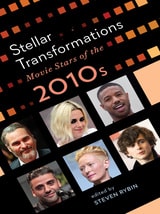
Stellar Transformations
Movie Stars of the 2010sSteven Rybin
Rutgers University Press, 2022
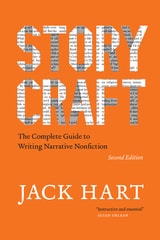
Storycraft, Second Edition
The Complete Guide to Writing Narrative NonfictionJack Hart
University of Chicago Press, 2021
In this new edition, Hart has expanded the book’s range to delve into podcasting and has incorporated new insights from recent research into storytelling and the brain. He has also added dozens of new examples that illustrate effective narrative nonfiction.
This edition of Storycraft is also paired with Wordcraft, a new incarnation of Hart’s earlier book A Writer’s Coach, now also available from Chicago.
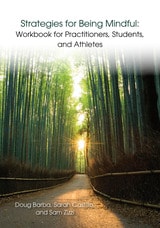
Strategies for Being Mindful
Workbook for Practitioners, Students, and Athletes, First EditionDouglas Barba
FiT Publishing, 2021
Written exclusively as a companion set for graduate and undergraduate students, Strategies for Being Mindful workbook, together with Being Mindful in Sport and Exercise Psychology (2017) presents and analyzes foundational mindfulness skills in real case studies and provides hands-on exercises that put these mindfulness concepts and techniques into practice.
The text teaches readers to view experiences objectively, and allow for the development of an open, nonjudging, and curious attitude, which has been shown to improve performance in sport and in daily life. Ultimately, strategies in this companion set aim to help the reader cultivate a more compassionate outlook, reduce anxiety, and increase tolerance for and acceptance of emotions, and beliefs that may hamper performance in sport and in life.
The companion workbook provides specific and effective techniques to help students better understand and accept uncomfortable emotions and beliefs, and to handle a range of issues athletes may experience in their careers. Students can work at their own pace to identify the values that align with their personal lives and goals to develop routines that can lead to lasting results for themselves, and—ultimately as practitioners—for their athletes, team, and clients.
Strategies of American Water Management
Gilbert F. White
University of Michigan Press, 1969
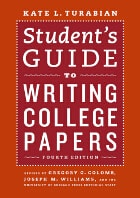
Student's Guide to Writing College Papers
Fourth EditionKate L. Turabian
University of Chicago Press, 2010
High school students, two-year college students, and university students all need to know how to write a well-reasoned, coherent research paper—and for decades Kate Turabian’s Student’s Guide to Writing College Papers has helped them to develop this critical skill. In the new fourth edition of Turabian’s popular guide, the team behind Chicago’s widely respected The Craft of Research has reconceived and renewed this classic for today’s generation. Designed for less advanced writers than Turabian’s Manual of Writers of Research Papers, Theses, and Dissertations, Seventh Edition, Gregory G. Colomb and Joseph M. Williams here introduce students to the art of defining a topic, doing high-quality research with limited resources, and writing an engaging and solid college paper.
The Student’s Guide is organized into three sections that lead students through the process of developing and revising a paper. Part 1, "Writing Your Paper," guides students through the research process with discussions of choosing and developing a topic, validating sources, planning arguments, writing drafts, avoiding plagiarism, and presenting evidence in tables and figures. Part 2, "Citing Sources," begins with a succinct introduction to why citation is important and includes sections on the three major styles students might encounter in their work—Chicago, MLA, and APA—all with full coverage of electronic source citation. Part 3, "Style," covers all matters of style important to writers of college papers, from punctuation to spelling to presenting titles, names, and numbers.
With the authority and clarity long associated with the name Turabian, the fourth edition of Student’s Guide to Writing College Papers is both a solid introduction to the research process and a convenient handbook to the best practices of writing college papers. Classroom tested and filled with relevant examples and tips, this is a reference that students, and their teachers, will turn to again and again.
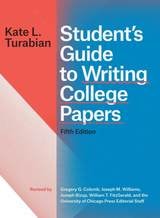
Student’s Guide to Writing College Papers, Fifth Edition
Kate L. Turabian
University of Chicago Press, 2019
This new edition includes fresh examples of research topics, clarified terminology, more illustrations, and new information about using online sources and citation software. It features updated citation guidelines for Chicago, MLA, and APA styles, aligning with the latest editions of these popular style manuals. It emphasizes argument, research, and writing as extensions of activities that students already do in their everyday lives. It also includes a more expansive view of what the end product of research might be, showing that knowledge can be presented in more ways than on a printed page.
Friendly and authoritative, the fifth edition of Student’s Guide to Writing College Papers combines decades of expert advice with new revisions based on feedback from students and teachers. Time-tested and teacher-approved, this book will prepare students to be better critical thinkers and help them develop a sense of inquiry that will serve them well beyond the classroom.
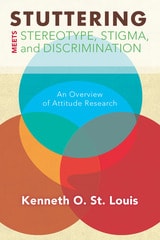
Stuttering Meets Sterotype, Stigma, and Discrimination
An Overview of Attitude ResearchKenneth O. St. Louis
West Virginia University Press, 2015
Stuttering Meets Stereotype, Stigma, and Discrimination: An Overview of Attitude Research is the only reference work to date devoted entirely to the topic of stuttering attitudes. It features comprehensive review chapters by St. Louis, Boyle and Blood, Gabel, Langevin, and Abdalla; an annotated bibliography by Hughes; and experimental studies by other seasoned and new researchers. The book leads the reader through a maze of research efforts, emerging with a clear understanding of the important issues involved and ideas of where to go next. Importantly, the evidence base for stuttering attitude research extends beyond research in this fluency disorder to such areas as mental illness, obesity, and race. Thus, although of interest primarily to those who work, interact, or otherwise deal with stuttering, the book has potential for increasing understanding, ameliorating negative attitudes, and informing research on any of a host of other stigmatized conditions.
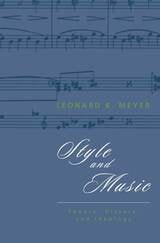
Style and Music
Theory, History, and IdeologyLeonard B. Meyer
University of Chicago Press, 1997
Meyer devotes the latter part of his book to a sketch-history of nineteenth-century music. He shows explicitly how the beliefs and attitudes of Romanticism influenced the choices of composers from Beethoven to Mahler and into our own time.
"A monumental work. . . . Most authors concede the relation of music to its cultural milieu, but few have probed so deeply in demonstrating this interaction."—Choice
"Probes the foundations of musical research precisely at the joints where theory and history fold into one another."—Kevin Korsyn, Journal of American Musicological Society
"A remarkably rich and multifaceted, yet unified argument. . . . No one else could have brought off this immense project with anything like Meyer's command."—Robert P. Morgan, Music Perception
"Anyone who attempts to deal with Romanticism in scholarly depth must bring to the task not only musical and historical expertise but unquenchable optimism. Because Leonard B. Meyer has those qualities in abundance, he has been able to offer fresh insight into the Romantic concept."—Donal Henahan, New York Times
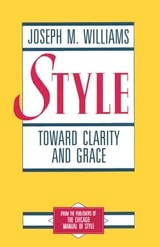
Style
Toward Clarity and GraceJoseph M. Williams
University of Chicago Press, 1990
"Buy Williams's book. And dig out from storage your dog-eared old copy of The Elements of Style. Set them side by side on your reference shelf."—Barbara Walraff, Atlantic
"Let newcoming writers discover this, and let their teachers and readers rejoice. It is a practical, disciplined text that is also a pleasure to read."—Christian Century
"An excellent book....It provides a sensible, well-balanced approach, featuring prescriptions that work."—Donald Karzenski, Journal of Business Communication
"Intensive fitness training for the expressive mind."—Booklist

Styles of Scientific Thought
The German Genetics Community, 1900-1933Jonathan Harwood
University of Chicago Press, 1992
The first book-length treatment of genetics in Germany, Styles of Scientific Thought demonstrates the influence of culture on science by comparing the American with the German scientific traditions. Harwood examines the structure of academic and research institutions, the educational backgrounds of geneticists, and cultural traditions, among many factors, to explain why the American approach was much more narrowly focussed than the German.
This tremendously rich book fills a gap between histories of the physical sciences in the Weimar Republic and other works on the humanities and the arts during the intellectually innovative 1920s, and it will interest European historians, as well as sociologists and philosophers of science.