Results by title
4155 books match the query 'State & Local' and 196 start with w
W. C. McKern and the Midwestern Taxonomic Method
Written by R. Lee Lyman and Michael J. O'Brien
University of Alabama Press, 2002
Explores W. C. McKern's use of Linnaean taxonomy as the model for development of a pottery classification system
By the early 20th century, North American archaeologists had found evidence of a plethora of prehistoric cultures displaying disparate geographic and chronological distributions. But there were no standards or algorithms for specifying when a culture was distinct or identical to another in a nearby or distant region.
Will Carleton McKern of the Milwaukee Public Museum addressed this fundamental problem of cultural classification beginning in 1929. He modeled his solution—known as the Midwestern Taxonomic Method—on the Linnaean biological taxonomy because he wanted the ability to draw historical and cultural "relationships" among cultures. McKern was assisted during development of the method by Carl E. Guthe, Thorne Deuel, James B. Griffin, and William Ritchie.
This book studies the 1930s correspondence between McKern and his contemporaries as they hashed out the method's nuances. It compares the several different versions of the method and examines the Linnaean biological taxonomy as it was understood and used at the time McKern adapted it to archaeological problems. Finally, this volume reveals how and why the method failed to provide the analytical solution envisioned by McKern and his colleagues and how it influenced the later development of Americanist archaeology.
Wabanaki Homeland and the New State of Maine
The 1820 Journal and Plans of Survey of Joseph TreatMicah A. Pawling
University of Massachusetts Press, 2007
Edited, annotated, and with an introduction by Micah Pawling, this volume includes a complete transcription of Treat's journal, reproductions of dozens of hand-drawn maps, and records pertaining to the 1820 treaty between the Penobscot Nation and the governing authorities of Maine. As Pawling points out, Treat's journal offers more than the observations of a state agent conducting a survey. It re-creates a dialogue between Euro-Americans and Native peoples, showing how different perceptions of the land were negotiated and disseminated, and exposing the tensions that surfaced when assumptions and expectations clashed. In large part because of Neptune's influence, the maps, in addition to detailing the location of Wabanaki settlements, reflect a river-oriented Native perspective that would later serve as a key to Euro-American access to the region's interior.
The groundwork for cooperation between Treat and Neptune had been laid during the 1820 treaty negotiations, in which both men participated and which were successfully concluded just over a month before their expedition departed from Bangor, Maine. Despite conflicting interests and mutual suspicions, they were able to work together and cultivate a measure of trust as they traveled across northern Maine and western New Brunswick, mapping an old world together while envisioning its uncertain future.
Waikiki Dreams
How California Appropriated Hawaiian Beach CulturePatrick Moser
University of Illinois Press, 2024
Despite a genuine admiration for Native Hawaiian culture, white Californians of the 1930s ignored authentic relationships with Native Hawaiians. Surfing became a central part of what emerged instead: a beach culture of dressing, dancing, and acting like an Indigenous people whites idealized.
Patrick Moser uses surfing to open a door on the cultural appropriation practiced by Depression-era Californians against a backdrop of settler colonialism and white nationalism. Recreating the imagined leisure and romance of life in Waikīkī attracted people buffeted by economic crisis and dislocation. California-manufactured objects like surfboards became a physical manifestation of a dream that, for all its charms, emerged from a white impulse to both remove and replace Indigenous peoples. Moser traces the rise of beach culture through the lives of trendsetters Tom Blake, John “Doc” Ball, Preston “Pete” Peterson, Mary Ann Hawkins, and Lorrin “Whitey” Harrison while also delving into California’s control over images of Native Hawaiians via movies, tourism, and the surfboard industry.
Compelling and innovative, Waikīkī Dreams opens up the origins of a defining California subculture.
Waiting for the Cemetery Vote
The Fight to Stop Election Fraud in ArkansasTom Glaze
University of Arkansas Press, 2011
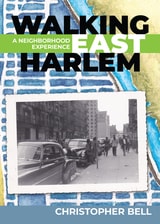
Walking East Harlem
A Neighborhood ExperienceChristopher Bell
Rutgers University Press, 2025
Now East Harlem native Christopher Bell takes you on a tour of his beloved neighborhood. He takes you on three separate walking tours, each visiting a different part of East Harlem and each full of stories about its theaters, museums, art spaces, schools, community centers, churches, mosques, and synagogues. You’ll also learn about the famous people who lived in El Barrio, such as actress Cecily Tyson, opera singer Marian Anderson, portrait artist Alice Neel, incomparable poet Julia De Burgos, and King of Latin Music Tito Puente.
Lavishly illustrated with over fifty photos, Walking East Harlem points out not only the many architectural and cultural landmarks in the neighborhood but also the historical buildings that have since been demolished. Whether you are a tourist or a resident, this guide will give you a new appreciation for El Barrio’s exciting history, cultural diversity, and continued artistic vibrancy.
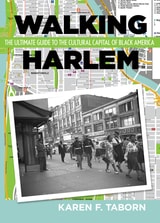
Walking Harlem
The Ultimate Guide to the Cultural Capital of Black AmericaTaborn, Karen
Rutgers University Press, 2018
This illustrated guide takes readers on five separate walking tours of Harlem, covering ninety-one different historical sites. Alongside major tourist destinations like the Apollo Theater and the Abyssinian Baptist Church, longtime Harlem resident Karen Taborn includes little-known local secrets like Jazz Age speakeasies, literati, political and arts community locales. Drawing from rare historical archives, she also provides plenty of interesting background information on each location.
This guide was designed with the needs of walkers in mind. Each tour consists of eight to twenty-nine nearby sites, and at the start of each section, readers will find detailed maps of the tour sites, as well as an estimated time for each walk. In case individuals would like to take a more leisurely tour, it provides recommendations for restaurants and cafes where they can stop along the way.
Walking Harlem gives readers all the tools they need to thoroughly explore over a century’s worth of this vital neighborhood’s cultural, political, religious, and artistic heritage. With its informative text and nearly seventy stunning photographs, this is the most comprehensive, engaging, and educational walking tour guidebook on one of New York’s historic neighborhoods.
Walking Towards Walden
A Pilgrimage in Search of PlaceJohn Hanson Mitchell
University Press of New England, 2015
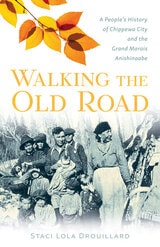
Walking the Old Road
A People's History of Chippewa City and the Grand Marais AnishinaabeStaci Lola Drouillard
University of Minnesota Press, 2019
The story of a once vibrant, now vanished off-reservation Ojibwe village—and a vital chapter of the history of the North Shore
“We do this because telling where you are from is just as important as your name. It helps tie us together and gives us a strong and solid place to speak from. It is my hope that the stories of Chippewa City will be heard, shared, and remembered, and that the story of Chippewa City and the Grand Marais Chippewa will continue to grow. By being a part of the living narrative, Bimaadizi Aadizookaan, together we can create a new story about what was, what is, and, ultimately, what will be.” —from the Prologue
At the turn of the nineteenth century, one mile east of Grand Marais, Minnesota, you would have found Chippewa City, a village that as many as 200 Anishinaabe families called home. Today you will find only Highway 61, private lakeshore property, and the one remaining village building: St. Francis Xavier Church. In Walking the Old Road, Staci Lola Drouillard guides readers through the story of that lost community, reclaiming for history the Ojibwe voices that have for so long, and so unceremoniously, been silenced.
Blending memoir, oral history, and narrative, Walking the Old Road reaches back to a time when Chippewa City, then called Nishkwakwansing (at the edge of the forest), was home to generations of Ojibwe ancestors. Drouillard, whose own family once lived in Chippewa City, draws on memories, family history, historical analysis, and testimony passed from one generation to the next to conduct us through the ages of early European contact, government land allotment, family relocation, and assimilation.
Documenting a story too often told by non-Natives, whether historians or travelers, archaeologists or settlers, Walking the Old Road gives an authentic voice to the Native American history of the North Shore. This history, infused with a powerful sense of place, connects the Ojibwe of today with the traditions of their ancestors and their descendants, recreating the narrative of Chippewa City as it was—and is and forever will be—lived.
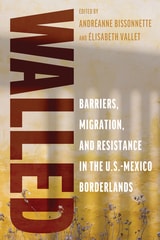
Walled
Barriers, Migration, and Resistance in the U.S.-Mexico BorderlandsEdited by Andréanne Bissonnette and Élisabeth Vallet
University of Arizona Press, 2025
From the bustling San Diego–Tijuana region to the borderlands of Brownsville-Matamoros, the U.S.-Mexico border is marked by extensive stretches of walls. Over the past thirty years, these walls have evolved from purely physical barriers into multifaceted systems encompassing administrative, legal, legislative, and biometric components. This volume invites readers to reflect on the transformations of the border since the construction of the initial fourteen miles of wall, and the subsequent addition of 1,940 miles. It provides a comprehensive exploration of the border’s evolution, and its profound and lasting impacts.
Bringing together recognized scholars in border studies, Walled delves into the varied manifestations and lived experiences associated with U.S.-Mexico border walls. The introduction by Andréanne Bissonnette and Élisabeth Vallet offers a thorough review of the border walls’ thirty-year history, placing it within a global context. Contributions offer diverse perspectives of the border experience, from state policies and migrant experiences to the daily lives of border residents. Topics such as militarization, migration, artistic resistance, and humanitarian aid are carefully examined. This volume is an essential resource for policymakers, activists, scholars, and anyone seeking to understand the intricate realities of border communities and the far-reaching consequences of border policies.
Contributors
Susana Báez-Ayala
Andréanne Bissonnette
Mathilde Bourgeon
Silvia M. Chávez-Baray
Irasema Coronado
Thalia D’Aragon-Giguère
Erin Hoekstra
Anthony Jimenez
T. Mark Montoya
Eva M. Moya
Scott Nicol
Héctor Antonio Padilla Delgado
Lisa Sun-Hee Park
Tony Payan
Patricia Ravelo-Blancas
David A. Shirk
Allyson Teague
Élisabeth Vallet
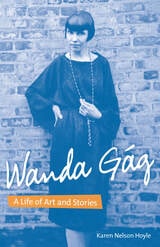
Wanda Gág
A Life of Art and StoriesKaren Nelson Hoyle
University of Minnesota Press, 2009
Now in paper.
At the young age of just 15, Wanda Gág received her dying father's last wish that she take up his dream of becoming a successful artist: "What papa couldn't do, Wanda would have to finish." Wanda assumed the role of head of the household and became the sole means of support for her sick mother and six siblings. Although times were tough, Wanda persevered and eventually became a celebrated artist and author living in New York City.
Karen Nelson Hoyle tells the story of Wanda Gág's eccentric life as a children's book author and traces the significant contributions she made to the genre. Drawn from extensive research of the artist's personal and professional papers and correspondence with friends and contemporaries, Hoyle presents a rich portrait of a gifted artist.
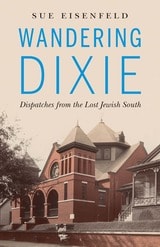
Wandering Dixie
Dispatches from the Lost Jewish SouthSue Eisenfeld
The Ohio State University Press, 2020
From South Carolina to Arkansas, she explores the small towns where Jewish people once lived and thrived. She visits the site of her distant cousin and civil rights activist Andrew Goodman’s murder during 1964’s Freedom Summer. She also talks with the only Jews remaining in some of the “lost” places, from Selma to the Mississippi Delta to Natchitoches, and visits areas with no Jewish community left—except for an old temple or overgrown cemetery. Eisenfeld follows her curiosity about Jewish Confederates and casts an unflinching eye on early southern Jews’ participation in slavery. Her travels become a journey of revelation about our nation’s fraught history and a personal reckoning with the true nature of America.
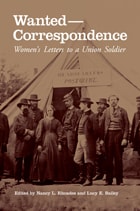
Wanted—Correspondence
Women’s Letters to a Union SoldierNancy L. Rhoades
Ohio University Press, 2009
A unique collection of more than 150 letters written to an Ohio serviceman during the American Civil War that offers glimpses of women’s lives as they waited, worked, and wrote from the Ohio home front. The letters reveal fascinating details of the lives of mostly young, single women—friends, acquaintances, love interests, and strangers who responded to one Union soldier’s advertisement for correspondents. Almost all of the women who responded to Lieutenant Edwin Lewis Lybarger’s lonely-hearts newspaper advertisement lived in Ohio and supported the Union. Lybarger carried the collection of letters throughout three years of military service, preserved them through his life, and left them to be discovered in an attic trunk more than a century after Lee’s surrender.
Women’s letter writing functioned as a form of “war work” that bolstered the spirits of enlisted men and “kinship work” that helped forge romantic relationships and sustain community bonds across the miles. While men’s letters and diaries abound in Civil War history, less readily available are comprehensive collections of letters from middle-class and rural women that survived the weathering of marches, camp life, and battles to emerge unscathed from men’s knapsacks at war’s end.
The collection is accompanied by a detailed editorial introduction that highlights significant themes in the letters. Together, they contribute to the still-unfolding historical knowledge concerning Northern women’s lives and experiences during this significant period in American history.
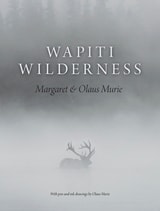
Wapiti Wilderness
Margaret Murie
University Press of Colorado, 1987
For over 37 years, Margaret and Olaus Murie made their home in the mountainous wilderness of the Tetons, where Olaus Murie conducted his famous studies of the American elk: the wapiti. Through these years their home was almost a nature-conservation shrine to thousands of Americans interested in outdoors, animals, and nature. Wapiti Wilderness, begun by Mrs. Murie as a sequel to her book Two in the Far North, which told of the Muries' life and expeditions in Alaska, became a collaborative effort by both the Muries.
In alternate chapters, Olaus tells of his work as a field biologist for the old U.S. Bureau of Biological Survey and recounts stories of his studies of not only elk but also other great animals. And Mrs. Murie, from her side, describes their life together on the trail and in the various camps and nature adventures in that wilderness during all four seasons. The book is replete with stories of Jackson Hole residents, “pioneer poets,” and the wild creatures that made their way into the Murie household. Olaus Murie's evocative pen-and-ink drawings illuminate each chapter, and four pages of photographs help complete the picture of what life was like in the wapiti wilderness.
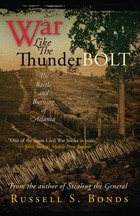
War Like the Thunderbolt
The Battle and Burning of AtlantaRussell S. Bonds
Westholme Publishing, 2009
A masterpiece of prose and research, the definitive history of the struggle for Atlanta during the Civil War, an episode immortalized by the novel Gone with the Wind
Called “the greatest event of the Civil War” by New York diarist George Templeton Strong, the epic struggle for the city of Atlanta in the bloody summer of 1864 was a pivotal moment in American history. Union commander William Tecumseh Sherman’s relentless fight for the city secured the reelection of Abraham Lincoln, sealed the fate of the Southern Confederacy, and set a precedent for military campaigns that endures today. Its depiction in the novel and motion picture Gone with the Wind established the fight for Atlanta as an iconic episode in our nation’s most terrible war. In War Like the Thunderbolt: The Battle and Burning of Atlanta, award-winning author Russell S. Bonds takes the reader behind the lines and across the smoky battlefields of Peachtree Creek, Atlanta, Ezra Church, and Jonesboro, and into the lives of fascinating characters, both the famous and the forgotten, including the fiery and brilliant Sherman; General John Bell Hood, the Confederacy’s last hope to defend Atlanta; Benjamin Harrison, the diminutive young Indiana colonel who would rise to become President of the United States; Patrick Cleburne, the Irishmanturned- Southern officer; and ten-year-old diarist Carrie Berry, who bravely withstood and bore witness to the fall of the city. Here also is the dramatic story of the ordeal of Atlanta itself—the five-week artillery bombardment, the expulsion of its civilian population, and the infamous fire that followed. Based on new research in diaries, newspapers, previously unpublished letters, and other archival sources, War Like the Thunderbolt is a combination of captivating narrative and insightful military analysis—a stirring account of the battle and burning of the “Gate City of the South.”

War and Wartime Changes
The Transformation of Arkansas, 1940–1945C. Calvin Smith
University of Arkansas Press, 1986
This is a lively history of specific social, political, ad economic changes that all-out war brought to the home front in mid-America. Drawing from letters to the editor in local and state papers, from editorials, from personal interviews, and from the manuscript collections left by state political leaders, Calvin Smith brings into focus the impact of wartime not only upon agricultural and business economics but also upon particular social groups and the lives of individuals.
The war generated the beginnings of a rights revolution in black communities throughout the nation. The author takes a careful look at the resulting strain on relations between the state’s black and white citizens. No less important is the consideration of Japanese Americans from the West Coast who were relocated to camps in Arkansas, and of the Jehovah’s Witnesses who would not take part in the war effort either on the battlefield or at home.
War and Wartime Changes illuminates a fascinating and sometimes embarrassing segment of history which until now has not been presented in a single, cohesive work. The author details the unique experiences Arkansas had at this time as well as the patriotism its citizens felt for their country.
Here is the story for the historian, for every student of society and its ways, and for anyone who wants to understand or remember the patriotic fervor of Americans during World War II. Calvin Smith has created, with persistent and imaginative research, a rare admixture of nostalgia and solid scholarship.
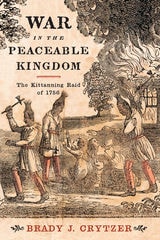
War in the Peaceable Kingdom
The Kittanning Raid of 1756Brady J. Crytzer
Westholme Publishing, 2016
On the morning of September 8, 1756, a band of about three hundred volunteers of a newly created Pennsylvania militia led by Lt. Col. John Armstrong crept slowly through the western Pennsylvania brush. The night before they had reviewed a plan to quietly surround and attack the Lenape, or Delaware, Indian village of Kittanning. The Pennsylvanians had learned that several prominent Delaware who had led recent attacks on frontier settlements as well as a number of white prisoners were at the village. Seeking reprisal, Armstrong’s force successfully assaulted Kittanning, killing one of the Delaware they sought, but causing most to flee—along with their prisoners. Armstrong then ordered the village burned. The raid did not achieve all of its goals, but it did lead to the Indians relocating their villages further away from the frontier settlements. However, it was a major victory for those Pennsylvanians—including some Quaker legislators—who believed the colony must be able to defend itself from outside attack, whether from the French, Indians, or another colony.
In War in the Peaceable Kingdom: The Kittanning Raid of 1756, historian Brady J. Crytzer follows the two major threads that intertwined at Kittanning: the French and Indian War that began in the Pennsylvania frontier, and the bitter struggle between pacifist Quakers and those Quakers and others—most notably, Benjamin Franklin—who supported the need to take up arms. It was a transformational moment for the American colonies. Rather than having a large, pacifist Pennsylvania in the heart of British North America, the colony now joined the others in training soldiers for defense. Ironically, it would be Pennsylvania soldiers who, in the early days of the American Revolution, would be crucial to the survival of George Washington’s army.
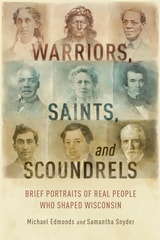
Warriors, Saints, and Scoundrels
Brief Portraits of Real People Who Shaped WisconsinMichael Edmonds
Wisconsin Historical Society Press, 2017

Was This Heaven?
A Self-Portrait of Iowa on Early PostcardsLyell D. Jr. Henry
University of Iowa Press, 1995
In the early decades of the twentieth century, Iowans all across the Hawkeye State succumbed to the nationwide craze for exchanging photographic postcards, mailing each other thousands of images—serious and whimsical—of Uncle Bob and Baby Dora, the Sunday school outing, train wrecks, the Fourth of July celebration, the merchants' carnival, the record-setting blizzard following the bin-busting harvest, the new courthouse, Ackley's Sauer-Kraut Band. Now, thanks to the generosity of David A. Wilson, whose ample collection of photographic cards would be the envy of those early Iowans, Lyell Henry has organized more than two hundred postcards into eight reflective chapters that create a beguiling collective portrait of Iowa life and culture from 1905 to 1919.

Washington Gladden
Prophet of the Social GospelJacob H. Dorn
The Ohio State University Press, 1966
Gladden was one of the first among clergymen to respond to the intellectual and social currents that arose to challenge traditional modes of Protestant thought and social action. By the end of the nineteenth century, when both liberal theology and the Social Gospel had, in a sense, triumphed as the dominant forces in American Protestantism, he had achieved recognition as one of the earliest, most constant, and most influential exponents of both movements. He was, in addition, one of their chief popularizers; and his copious writings—some forty books and hundreds of articles—represent classic examples of the liberal, socially-conscious Protestantism that distinguished his age.
Mr. Dorn has provided the first comprehensive study of Gladden’s spectacular career. He traces his life and its influences from his birth in Pennsylvania to his long and successful pastorate at the First Congregational Church in Columbus, Ohio, where he gained national fame in stormy encounters with such prominent figures as the redoubtable Billy Sunday and his wife “Ma,” and for his lucid and vigorous positions on national issues such as the “tainted money” controversy that brought him into conflict with Standard Oil.

Waste is a Terrible Thing to Mind
Risk, Radiation, and Distrust of GovernmentWeingart, John
Rutgers University Press, 2007
It is an unenviable task, but one that all state governments face: finding a final “resting place” for low-level nuclear waste from power plants, hospitals, university laboratories, and other industries. John Weingart was the official in New Jersey who for many years led this onerous charge. This book is the story of how he and a commission appointed by the governor, instead of imposing a top-down solution, designed an approach that would confront public fears by seeking a community that would volunteer to host a disposal facility. Initially, this novel approach was surprisingly successful, as leaders in a dozen municipalities stepped forward to say they might be interested. Once their interest became known, however, the process in each town derailed. Residents demanded assurances of zero-percent risk and expressed profound distrust of government assertions and promises.
Waste Is a Terrible Thing to Mind is a compelling, suspenseful, and amusing insider’s account of New Jersey policy and politics, but it is also a larger saga of the challenges facing society in the post–9/11 era when the public’s distrust of government is increasing at the same time that its sensitivity to health and safety threats is heightened.
For more information, see: http://wasteisaterriblethingtomind.com/
"Written with a wry sense of humor, it is a pleasure to read and could provide the blueprint for future efforts to find locations for controversial land uses."
- Marie Curtis, Executive Director, New Jersey Environmental Lobby
"A penetrating look at one state's struggle with radioactive waste ... offering some tantalizing reflections on the public understanding of science and how we, in a democratic society, deal with complexity and uncertainty."
- Jay Kaufman, State Senator, Massachusetts State Legislature
"A provocative story, laced with humor, demonstrates how public distrust of government can make it impotent. It should be read by anyone working on public policy issues, especially planning, growth, and the environment."
- Harriet Keyserling, Former Energy Committee Chair, South Carolina State Legislature
"Readers interested in environmental policy, land use and how governments make decisions will learn much from this fine reflective insider's account. It's also a primer on how to survive and thrive in state government."
- David N. Kinsey, Visiting Professor, Woodrow Wilson School Princeton University
"... a fascinating case study of how a government agency creatively tried to solve an intractable public issue. Although the agency failed in its quest to recruit a town to host a low-level radioactive waste site, Weingart's detailed and often humorous narrative of the agency's efforts is a clear winner."
- Jack Sabatino, Judge, New Jersey Superior Court
"... a very engaging and sometimes discouraging case study about the pitfalls and perils of trying to site a controversial facility the right way."
- Gregg Larson, Administrator, Center for Biometric Research, University of Minnesota
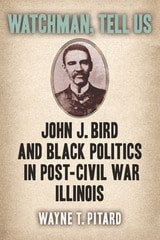
Watchman, Tell Us
John J. Bird and Black Politics in Post-Civil War IllinoisWayne T. Pitard
Southern Illinois University Press, 2024
The most influential Black leader in 19th century southern Illinois
This key biography of John J. Bird unveils the forgotten story of a remarkable Black political figure in post-Civil War Illinois. Emerging as a leader in Cairo, the city with Illinois’ second-largest Black community, Bird played a pivotal role in advancing civil rights within the state, also becoming Illinois’ first Black elected judge and first Black trustee of the University of Illinois. Watchman, Tell Us deftly examines Bird’s lifetime of service and advocacy for a vulnerable community and the ways in which he successfully advocated for and protected voting rights, educational opportunity, and public access for the Black residents of southern Illinois.
Bird arrived in Cairo at age twenty during the Civil War to aid the 2,000 Black refugees from the South living there. By 1870, he had established the city’s substantial Black Republican wing, providing the Black community with unprecedented political influence in this hostile, majority white, Democratic town. Under Bird’s leadership, the Black Republicans pressed for policies that improved the well-being of the African American population, including the early establishment of a Black public school, the rise of an integrated judicial system, and the ability to access public and private businesses. Bird became influential across Illinois as a judge and university trustee, a leader in the Black convention movement, and a significant newspaper editor in Cairo and Springfield. When Bird died in 1912, the nation he loved had once again betrayed its Black citizens, and it appeared that most of the achievements he had fought for had collapsed. But the work of Bird and the other civil rights workers of the nineteenth century created the foundation upon which the movements of the twentieth century could stand.
Water Panthers, Bears, and Thunderbirds
Exploring Wisconsin's Effigy MoundsBobbie Malone and Amy Rosebrough
Wisconsin Historical Society Press, 2003
Based on recent archaeological interpretation, this standards-based resource enriches material covered in Native People of Wisconsin. Water Panthers, Bears, and Thunderbirds introduces young readers to effigy mound sites in five southern Wisconsin counties. Suggested activities encourage students to graph, compare, contrast, and analyze the ways these mound groups vary from county to county.
Water Politics in Northern Nevada
A Century of Struggle, Second EditionLeah J. Wilds
University of Nevada Press, 2014
Water Politics in Northern Nevada examines the Newlands Project, its unintended consequences, and decades of litigation over the abatement of these problems and fair allocation of water. Negotiations and federal legislation brought about the Truckee River Operating Agreement in 2008. This revised edition brings the reader up to date on the implementation of the agreement, including ongoing efforts to preserve and enhance Pyramid Lake. The second edition now also includes a discussion of the Walker River basin, following a major project undertaken to address concerns about the health and viability of Walker Lake. The approaches taken to save these two desert treasures, Pyramid Lake and Walker Lake, are offered as models for resolving similar water-resource conflicts in the West.
Leah J. Wilds’s study is crucial reading for students and scholars of water politics and environmental issues, not just in Nevada but throughout the western United States.
Water and Agriculture in Colorado and the American West
First in Line for the Rio GrandeDavid Stiller
University of Nevada Press, 2021
David Stiller’s thoughtful study focuses on the history of agricultural water use of the Rio Grande in Colorado’s San Luis Valley. After surveying the practices of early farmers in the region, he focuses on the impacts of Euro-American settlement and the ways these new agrarians endeavored to control the river. Using the Rio Grande as a case study, Stiller offers an informed and accessible history of the development of practices and technologies to store, distribute, and exploit water in Colorado and other western states, as well as an account of the creation of water rights and laws that govern this essential commodity throughout the West to this day. Stiller’s work ranges from meticulously monitored fields of irrigated alfalfa and potatoes to the local and state water agencies and halls of Congress. He also includes perceptive comments on the future of western water as these arid states become increasingly urbanized during a period of worsening drought and climate change.
An excellent read for anyone curious about important issues in the West, Water and Agriculture in Colorado and the American West offers a succinct summary and analysis of Colorado’s use of water by agricultural interests, in addition to a valuable discussion of the past, present, and future of struggles over this necessary and endangered resource.
Water in the Hispanic Southwest
A Social and Legal History, 1550-1850Michael C. Meyer
University of Arizona Press, 1984
Waterfront Porch
Reclaiming Detroit's Industrial Waterfront as a Gathering Place for AllJohn H. Hartig
Michigan State University Press, 2019

Waterfront Workers of New Orleans
Race, Class, and Politics, 1863-1923Eric Arnesen
University of Illinois Press, 1991
Winner of the John H. Dunning Prize in United States History
During the nineteenth century, American and foreign travelers often found New Orleans a delightful, exotic stop on their journeys. Few failed to marvel at the riverfront, the center of the city's economic activity. But historical memory overlooks the immigrants and Black migrants who served in the riverfront's army of laborers and provided the essential human power that kept the cotton, sugar, and other goods flowing. Eric Arnesen examines the diverse group of 10,000 to 15,000 cotton screwmen, longshoremen, cotton and round freight teamsters, cotton yardmen, railroad freight handlers, and Mississippi River roustabouts that formed the backbone of the Crescent City's trade and economic life.
We Always Had a Union
The New York Hotel Workers' Union, 1912-1953Shaun Richman
University of Illinois Press, 2025
From the start, New York’s organized hotel workers experimented with and adapted how they organized and governed members and related to other labor unions. Richman follows union fortunes from early IWW activity through the Communist-led affiliates of the American Federation of Labor in the 1920s and 1930s, the shaping of breakthrough negotiating strategies, and the postwar era. As Richman shows, workers adopted a radicalism and militancy seldom associated with an AFL organization while openly negotiating the Communist Party’s power and influence within the union, until the Party’s eclipse in the 1950s.
An inspiring story of action and perseverance, We Always Had a Union profiles a foundational American labor union and offers lessons for today’s workers and organizers.
We Are a College at War
Women Working for Victory in World War IIMary Weaks-Baxter, Christine Bruun, and Catherine Forslund
Southern Illinois University Press, 2010
We Are a College at War weaves together the individual World War II experiences of students and faculty at the all-female Rockford College (now Rockford University) in Rockford, Illinois, to draw a broader picture of the role American women and college students played during this defining period in U.S. history. It uses the Rockford community’s letters, speeches, newspaper stories, and personal recollections to demonstrate how American women during the Second World War claimed the right to be everywhere—in factories and other traditionally male workplaces, and even on the front lines—and links their efforts to the rise of feminism and the fight for women’s rights in the 1960s and 1970s.
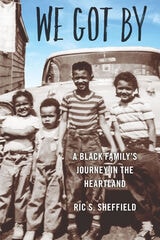
We Got By
A Black Family’s Journey in the HeartlandRic S. Sheffield
The Ohio State University Press, 2022
Spanning four generations and assessing the legacies of traumatic events (arrests, murders, suicide) that are inextricable from the racial dynamics of the small community his family called home, this gripping memoir is a heartfelt, clear-eyed, and rare chronicle of Black life in the rural Midwest. Experiencing the burden of racism among people who refused to accept that such a thing existed only made the isolation feel that much worse to Sheffield and his relatives. And yet, they overcame the obstacles and managed to persist: they got by.
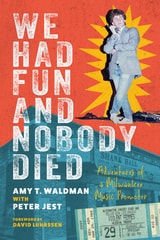
We Had Fun and Nobody Died
Adventures of a Milwaukee Music PromoterAmy T. Waldman
Wisconsin Historical Society Press, 2024
The entertaining and inspiring story of a stubbornly independent promoter and club owner
This irreverent biography provides a rare window into the music industry from a promoter’s perspective. From a young age, Peter Jest was determined to make a career in live music, and despite naysayers and obstacles, he did just that, bringing national acts to his college campus at UW–Milwaukee, booking thousands of concerts across Wisconsin and the Midwest, and opening Shank Hall, the beloved Milwaukee venue named after a club in the cult film This Is Spinal Tap.
This funny, nostalgia-inducing book details the lasting friendships Jest established over the years with John Prine, Arlo Guthrie, and Milwaukee’s own Violent Femmes, among others. It also shines a light into the seldom-seen world of music promotion, as Jest attempts to manage a turbulent band on the road, negotiates with agents, deals with fires (both real and metaphorical), struggles through a pandemic, and takes pleasure in presenting music of all kinds—from world-famous acts to up-and-coming local bands. In addition to photos of celebrated musicians, the book includes concert posters, tickets, and backstage passes documenting decades of rock, folk, and alternative shows that helped put Milwaukee on the live music map.
As the music industry has become dominated by profit-driven corporations, We Had Fun and Nobody Died chronicles the career of a one-of-a-kind independent promoter whose hardheadedness and love of music have helped him keep it real and make it in the music business for more than forty years.
"[An] adventure-filled biography of music promoter Peter Jest. . . . Reflecting decades of changes to the music business, We Had Fun and Nobody Died is a fascinating biography of a passionate promoter’s work to transform Milwaukee’s music scene."
—Foreword Reviews
“Amy Waldman and Peter Jest weave a thrilling tale of fanhood gone pro. Dreams followed, dragons slain, and the roof of a venerable venue repeatedly blown sky-high. We’re proud to have provided the name [for Shank Hall]; it took men and women of sterner stuff to do the heavy lifting.”
—Michael McKean, actor and comedian, This Is Spinal Tap
“We Had Fun and Nobody Died is a fantastic journey of a Midwest boy, his love of music, and his excitement to be part of it all.”
—Kevn Kinney, lead singer and guitarist of Drivin N Cryin
“Peter Jest’s story is one that conveys a winning combination of friendship, determination, and entrepreneurial insights that led him to a lifelong career in support of the live music industry and the community that comes together in common appreciation of it.”
—Shana Morrison, singer-songwriter
We Had Fun and Nobody Died
Adventures of a Milwaukee Music PromoterAmy T. Waldman
Wisconsin Historical Society Press, 2025
The entertaining and inspiring story of a stubbornly independent promoter and club owner
This irreverent biography provides a rare window into the music industry from a promoter’s perspective. From a young age, Peter Jest was determined to make a career in live music, and despite naysayers and obstacles, he did just that, bringing national acts to his college campus at UW–Milwaukee, booking thousands of concerts across Wisconsin and the Midwest, and opening Shank Hall, the beloved Milwaukee venue named after a club in the cult film This Is Spinal Tap.
This funny, nostalgia-inducing book details the lasting friendships Jest established over the years with John Prine, Arlo Guthrie, and Milwaukee’s own Violent Femmes, among others. It also shines a light into the seldom-seen world of music promotion, as Jest attempts to manage a turbulent band on the road, negotiates with agents, deals with fires (both real and metaphorical), struggles through a pandemic, and takes pleasure in presenting music of all kinds—from world-famous acts to up-and-coming local bands.
As the music industry has become dominated by profit-driven corporations, We Had Fun and Nobody Died chronicles the career of a one-of-a-kind independent promoter whose hardheadedness and love of music have helped him keep it real and make it in the music business for more than forty years.
"[An] adventure-filled biography of music promoter Peter Jest. . . . Reflecting decades of changes to the music business, We Had Fun and Nobody Died is a fascinating biography of a passionate promoter’s work to transform Milwaukee’s music scene."
—Foreword Reviews
“Amy Waldman and Peter Jest weave a thrilling tale of fanhood gone pro. Dreams followed, dragons slain, and the roof of a venerable venue repeatedly blown sky-high. We’re proud to have provided the name [for Shank Hall]; it took men and women of sterner stuff to do the heavy lifting.”
—Michael McKean, actor and comedian, This Is Spinal Tap
“We Had Fun and Nobody Died is a fantastic journey of a Midwest boy, his love of music, and his excitement to be part of it all.”
—Kevn Kinney, lead singer and guitarist of Drivin N Cryin
“Peter Jest’s story is one that conveys a winning combination of friendship, determination, and entrepreneurial insights that led him to a lifelong career in support of the live music industry and the community that comes together in common appreciation of it.”
—Shana Morrison, singer-songwriter
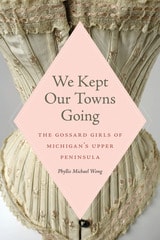
We Kept Our Towns Going
The Gossard Girls of Michigan's Upper PeninsulaPhyllis Michael Wong
Michigan State University Press, 2022
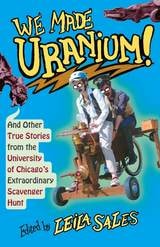
We Made Uranium!
And Other True Stories from the University of Chicago's Extraordinary Scavenger HuntEdited by Leila Sales
University of Chicago Press, 2018
Item #74: Enter a lecture class in street clothes. Receive loud phone call. Shout “I NEED TO GO, THE CITY NEEDS ME!” Remove street clothes to reveal superhero apparel. Run out for the good of the land.
Item #293: Hypnotizing a chicken seems easy, but if the Wikipedia article on the practice is to be believed, debate on the optimal method is heated. Do some trials on a real chicken and submit a report . . . for science of course.
Item #234: A walking, working, people-powered but preferably wind-powered Strandbeest.
Item #188: Fattest cat. Points per pound.
The University of Chicago’s annual Scavenger Hunt (or “Scav”) is one of the most storied college traditions in America. Every year, teams of hundreds of competitors scramble over four days to complete roughly 350 challenges. The tasks range from moments of silliness to 1,000-mile road trips, and they call on participants to fully embrace the absurd. For students it is a rite of passage, and for the surrounding community it is a chance to glimpse the lighter side of a notoriously serious university.
We Made Uranium! shares the stories behind Scav, told by participants and judges from the hunt’s more than thirty-year history. The twenty-three essays range from the shockingly successful (a genuine, if minuscule, nuclear reaction created in a dorm room) to the endearing failures (it’s hard to build a carwash for a train), and all the chicken hypnotisms and permanent tattoos in between. Taken together, they show how a scavenger hunt once meant for blowing off steam before finals has grown into one of the most outrageous annual traditions at any university. The tales told here are absurd, uplifting, hilarious, and thought-provoking—and they are all one hundred percent true.
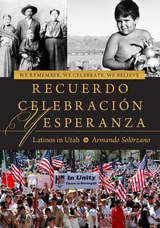
We Remember, We Celebrate, We Believe / Recuerdo, Celebración, y Esperanza
Latinos in UtahArmando Solórzano
University of Utah Press, 2014
As Armando Solórzano and other researchers conducted oral history interviews with Mexicans, Mexican Americans, and other Latinos throughout the state, a number of participants began giving the team photographs, some dating back to 1895, which provided an opportunity to begin reconstructing a history through pictures, as a community project. Within two years, Solórzano and his colleagues were able to create the pictorial history of Mexican-Americans and Latinos in Utah and launched their efforts as a photo-documentary exhibit. This book collects photographs to represent different historical periods and the manifold contributions of Latinos to the state of Utah.
Readers who delve into this book may see these photos as artistic expressions or artifacts of history and photographic technique. Some readers will see images of their relatives and precursors who labored to create a better life in Utah. The images evoke both nostalgia for a time gone by and the possibility of reconstructing history with a fairer premise. The book does not tell the full story of Latinos in Utah but should prove to be a catalyst, inspiring others to continue documenting and reconstructing the neglected threads of Utah’s history, making it truly the history of all of us.
Recipient of the Meritorious Book Award from the Utah Division of State History.
We Should Soon Become Respectable
Nashville's Own Timothy DemonbreunElizabeth Elkins
Vanderbilt University Press, 2022
Lightly called a "fur trader," he came to the city to make his fortune and fame, much like songwriters today. Looking back, it would be easy to call Demonbreun, the son of French Canadian near-royalty and brother to two nuns, a spoiled child who did what he wanted, a classic-case misogynist and polygamist, a conceited adventurer. He was a man who conned the Spanish governor out of a war, carried on graceful correspondence with Thomas Jefferson and Alexander Hamilton, owned several slaves, may have served as a spy, and was a decorated veteran. He fought in the Revolutionary War, extraordinarily so it seems, given the number of land grants he received across Kentucky and Tennessee.
He's also known around Nashville as the guy who lived in a cave.
Author Elizabeth Elkins sorts through the legends and nails down the facts in order to present the true story of "Nashville's First Citizen."
We Should Soon Become Respectable
Nashville's Own Timothy DemonbreunElizabeth Elkins
Vanderbilt University Press, 2022
Lightly called a "fur trader," he came to the city to make his fortune and fame, much like songwriters today. Looking back, it would be easy to call Demonbreun, the son of French Canadian near-royalty and brother to two nuns, a spoiled child who did what he wanted, a classic-case misogynist and polygamist, a conceited adventurer. He was a man who conned the Spanish governor out of a war, carried on graceful correspondence with Thomas Jefferson and Alexander Hamilton, owned several slaves, may have served as a spy, and was a decorated veteran. He fought in the Revolutionary War, extraordinarily so it seems, given the number of land grants he received across Kentucky and Tennessee.
He's also known around Nashville as the guy who lived in a cave.
Author Elizabeth Elkins sorts through the legends and nails down the facts in order to present the true story of "Nashville's First Citizen."
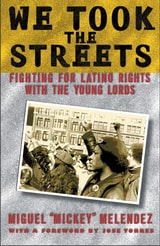
We Took the Streets
Fighting for Latino Rights with the Young LordsMiguel "Mickey" Melendez
Rutgers University Press, 0
In this memoir, Melendez describes with the unsparing eye of an insider the idealism, anger, and vitality of the Lords as they rose to become the most respected and powerful voice of Puerto Rican empowerment in the country. He also traces the internal ideological disputes that led the group, but not the mission, to fracture in 1972. Written with passion and compelling detail, We Took the Streets tells the story of how one group took on the establishment—and won.
In 1968 Miguel “Mickey” Melendez was a college student, developing pride in his Cuban and Puerto Rican cultural identity and becoming increasingly aware of the effects of social inequality on Latino Americans. Joining with other like-minded student activists, Melendez helped form the central committee of the New York branch of the Young Lords, one of the most provocative and misunderstood radical groups to emerge during the 1960s. Incorporating techniques of direct action and community empowerment, the Young Lords became a prominent force in the urban northeast. From their storefront offices in East Harlem, they defiantly took back the streets of El Barrio. In addition to running clothing drives, day-care centers, and food and health programs, they became known for their media-savvy tactics and bold actions, like the takeovers of the First People’s Church and Lincoln Hospital.
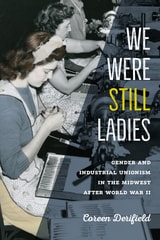
We Were Still Ladies
Gender and Industrial Unionism in the Midwest after World War IICoreen Derifield
University of Iowa Press, 2025
How did this transition into industrial work affect a woman’s sense of self? How did this new workforce change the dynamic of families and communities? While women choosing to work outside of the home may seem to have been a mundane decision, it caused tremendous change within families and with household roles. These alterations in daily life rippled throughout midwestern culture and society, even changing the landscape of small towns into decentralized industrial centers.
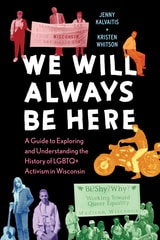
We Will Always Be Here
A Guide to Exploring and Understanding the History of LGBTQ+ Activism in WisconsinJenny Kalvaitis
Wisconsin Historical Society Press, 2021
We Will Always Be Here shines a light on powerful and often untold stories from Wisconsin’s history, featuring individuals across a wide spectrum of identities and from all corners of the state. The LGBTQ+ people, allies, and activists in this guide changed the world by taking steps that young people can take today—by educating themselves, telling their own stories, being true to themselves, building communities, and getting active. The aim of this celebratory book is not only to engage young people in Wisconsin’s LGBTQ+ history, but also to empower them to make positive change in the world.

We'll Be the Last Ones to Let You Down
Memoir of a Gravedigger’s DaughterRachael Hanel
University of Minnesota Press, 2013
Rachael Hanel’s name was inscribed on a gravestone when she was eleven years old. Yet this wasn’t at all unusual in her world: her father was a gravedigger in the small Minnesota town of Waseca, and death was her family’s business. Her parents were forty-two years old and in good health when they erected their gravestone—Rachael’s name was simply a branch on the sprawling family tree etched on the back of the stone. As she puts it: I grew up in cemeteries.
And you don’t grow up in cemeteries—surrounded by headstones and stories, questions, curiosity—without becoming an adept and sensitive observer of death and loss as experienced by the people in this small town. For Rachael Hanel, wandering among tombstones, reading the names, and wondering about the townsfolk and their lives, death was, in many ways, beautiful and mysterious. Death and mourning: these she understood. But when Rachael’s father—Digger O’Dell—passes away suddenly when she is fifteen, she and her family are abruptly and harshly transformed from bystanders to participants. And for the first time, Rachael realizes that death and grief are very different.
At times heartbreaking and at others gently humorous and uplifting, We’ll Be the Last Ones to Let You Down presents the unique, moving perspective of a gravedigger’s daughter and her lifelong relationship with death and grief. But it is also a masterful meditation on the living elements of our cemeteries: our neighbors, friends, and families—the very histories of our towns and cities—and how these things come together in the eyes of a young girl whose childhood is suffused with both death and the wonder of the living.
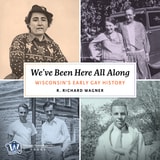
We've Been Here All Along
Wisconsin's Early Gay HistoryR. Richard Wagner
Wisconsin Historical Society Press, 2020
In We’ve Been Here All Along, R. Richard Wagner draws on historical research and materials from his own extensive archive to uncover previously hidden stories of gay Wisconsinites. This book honors their legacy and confirms that they have been foundational to the development and evolution of the state since its earliest days
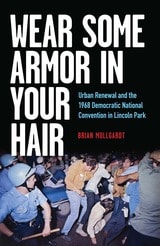
Wear Some Armor in Your Hair
Urban Renewal and the 1968 Democratic National Convention in Lincoln ParkBrian Mullgardt
Southern Illinois University Press, 2024
WINNER, 2025 Illinois State Historical Society Russell P. Strange Book of the Year Award!
Police brutality, gentrification, and grassroots activism in 1960s Chicago
In August of 1968, approximately 7,000 people protested the Vietnam War against the backdrop of the Democratic National Convention in Chicago. This highly televised event began peacefully but quickly turned into what was later termed a “police riot.” Brian Mullgardt’s investigation of this event and the preceding tensions shines a light on the ministers, Yippies, and community members who showed up and stood together against the brutality of the police. Charting a complex social history, Wear Some Armor in Your Hair brings together Chicago history, the 1960s, and urbanization, focusing not on the national leaders, but on the grassroots activists of the time.
Beginning in 1955, two competing visions of urban renewal existed, and the groups that propounded each clashed publicly, but peacefully. One group, linked to city hall, envisioned a future Lincoln Park that paid lip service to diversity but actually included very little. The other group, the North Side Cooperative Ministry, offered a different vision of Lincoln Park that was much more diverse in terms of class and race. When the Yippies announced anti-war protests for the summer of ‘68, the North Side Cooperative Ministry played an instrumental role. Ultimately, the violence of that week altered community relations and the forces of gentrification won out.
Mullgardt’s focus on the activists and community members of Lincoln Park, a neighborhood at the nexus of national trends, broadens the scope of understanding around a pivotal and monumental chapter of our history. The story of Lincoln Park, Chicago, is in many ways the story of 1960s activism writ small, and in other ways challenges us to view national trends differently.
Weather in Texas
The Essential HandbookBy George W. Bomar
University of Texas Press, 2017
Only in Texas could a snowstorm pelt the Panhandle at the very moment abrasive dust is scouring the Permian Basin while searing heat is wilting the Winter Garden region in the south. The state’s large size and central location within North America subject it to a great variety of weather occurrences. Texas state meteorologist George W. Bomar has been observing Texas weather for nearly half a century, and in Weather in Texas, he provides the essential guide to all of the state’s weather phenomena.
Writing in lively layman’s language, Bomar fully explains both how the weather works and how Texans can prepare for and stay safe during extreme weather events. He describes the forces that shape Texas weather from season to season, including the influence of tropical cyclones, frontal boundaries, El Niño, and the polar jet stream. Bomar puts specific weather events in historical context, using a ranking system to illustrate how recent droughts, snowstorms, hurricanes, flash floods, and tornadoes compare with those of previous generations. He also includes comprehensive tabulations of weather data for every area of Texas, quantifying what constitutes “normal” weather, as well as the extreme limits of variables such as low and high temperatures, rain days, snow accumulations, and earliest and latest freezes. With everything from the latest science on climate change and weather modification to dramatic stories about landmark weather events, Weather in Texas is a must-have reference for all Texans..
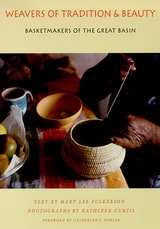
Weavers of Tradition and Beauty
Basketmakers of the Great BasinMary Lee Fulkerson
University of Nevada Press, 1995
Weavers of Tradition and Beauty presents new information on contemporary Native American basketry of the Great Basin, largely from the viewpoint of the weavers themselves. In collecting their stories, Kathleen Curtis and Mary Lee Fulkerson traveled throughout Nevada, never dreaming their odyssey over back-roads and to reservations would stretch into years. Finding a deep connection to the people of the sage, the authors accompanied the weavers as they gathered and prepared their special willow, dyed the bracken fern root, and wove their baskets. Baskets—and the people who weave them—have always been revered and honored by Native Americans. Fulkerson and Curtis depict, in text and full color and black and white photographs, how their art prevails—even over adverse environmental, social, and economic conditions. Today, contemporary weavers continue their work by creating baskets in the manner of their ancestors. Teaching their children and grandchildren how to weave baskets, these artisans carry on a long and strong tradition. By documenting the basketry of Nevada's native people, the authors make a significant contribution in preserving this ancient and beautiful craft. Foreword by Catherine S. Fowler.

Weimar Under the Palms
Pacific Palisades, German Exiles, and the Invention of HollywoodThomas Blubacher
Brandeis University Press, 2025
In the early twentieth century, Pacific Palisades was home to America’s most modern film studio of the time as well as the proposed site of the world’s largest Christian center. But by the end of the 1920s, the Los Angeles neighborhood had become the refuge of the rich and beautiful as German and Austrian filmmakers, among them Salka and Berthold Viertel, settled there. They were soon followed by cultural and intellectual giants of the Weimar Republic who were fleeing Europe, such as Max Reinhardt, Hanns Eisler, or Max Horkheimer. These great minds turned Pacific Palisades into a “Weimar under the palm trees.” Though many were successful in exile—including Vicki Baum, Thomas Mann, and Lion Feuchtwanger—others felt as if they were in a “sun prison” far from home.
Recounting a story of glamor and great minds, Thomas Blubacher tells of the history of German-speaking exiles that is still alive there today, going on a foray through the film industry, taking us on a journey to this special place that was so recently devastated by fire. Many of the homes in this book have now gone, but Marta Feuchtwanger’s Villa Aurora and the Thomas Mann house still stand as a testament to luck, resilience, and history.
Weird City
Sense of Place and Creative Resistance in Austin, TexasBy Joshua Long
University of Texas Press, 2010
Austin, Texas, at the beginning of the twenty-first century, is experiencing one of the most dynamic periods in its history. Wedged between homogenizing growth and a long tradition of rebellious nonconformity, many Austinites feel that they are in the midst of a battle for the city's soul.
From this struggle, a movement has emerged as a form of resistance to the rapid urban transformation brought about in recent years: "Keep Austin Weird" originated in 2000 as a grassroots expression of place attachment and anti-commercialization. Its popularity has led to its use as a rallying cry for local business, as a rhetorical tool by city governance, and now as the unofficial civic motto for a city experiencing rapid growth and transformation.
By using "Keep Austin Weird" as a central focus, Joshua Long explores the links between sense of place, consumption patterns, sustainable development, and urban politics in Austin. Research on this phenomenon considers the strong influence of the "Creative Class" thesis on Smart Growth strategies, gentrification, income inequality, and social polarization made popular by the works of Richard Florida. This study is highly applicable to several emerging "Creative Cities," but holds special significance for the city considered the greatest creative success story, Austin.
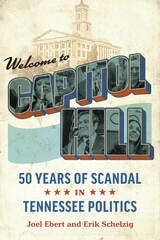
Welcome to Capitol Hill
Fifty Years of Scandal in Tennessee PoliticsJoel Ebert and Erik Schelzig
Vanderbilt University Press, 2023
Veteran political reporters Joel Ebert and Erik Schelzig draw from interviews, archival documents, and never-before-seen federal investigative files to provide readers with a handy resource about the wrongdoings of our elected officials.

Welcome to Capitol Hill
Fifty Years of Scandal in Tennessee PoliticsJoel Ebert and Erik Schelzig
Vanderbilt University Press, 2024
Veteran political reporters Joel Ebert and Erik Schelzig draw from interviews, archival documents, and never-before-seen federal investigative files to provide readers with a handy resource about the wrongdoings of our elected officials.
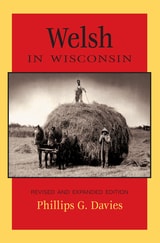
Welsh in Wisconsin
Phillips G. Davies
Wisconsin Historical Society Press, 2006
Between 1840 and 1890, many Welsh looked to Wisconsin for relief where they could purchase inexpensive, productive land. With large Welsh landowners controlling most of the arable land in Wales and Corn Laws, which prohibited importation of cheap food, domestic food prices increased dramatically and left the typical tenant-farming family with fields full of grain but empty cupboards. Once in Wisconsin, the newcomers kept to themselves, maintained their native language and national traditions and worshipped together in close-knit communities.
This addition to the People of Wisconsin series weaves period letters from the Owen family and Private John Jones, who served in the Union army in the Civil War, into the narration. Welsh in Wisconsin also contains anecdotes from early immigrant life and photographs depicting Welsh churches in Wisconsin.