Results by title
25 books match the query 'Specific Ingredients'

Baking Powder Wars
The Cutthroat Food Fight that Revolutionized CookingLinda Civitello
University of Illinois Press, 2017
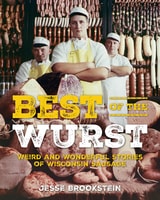
Best of the Wurst
Weird and Wonderful Stories of Wisconsin SausageJesse Brookstein
Wisconsin Historical Society Press, 2026
Sink your teeth into a big, bold, and unabashed celebration of a quintessential Wisconsin food.
Wisconsin is famous for its world-class cheeses and its “beer state” moniker. But every Wisconsinite knows that no tailgate party or backyard barbecue is complete without a grill full of sizzling hot brats. Or Polish sausages. Or good ol’ Oscar Mayer wieners. From charcuterie boards to chorizo, sausage is an essential ingredient in the state’s cultural identity. In this lively, comprehensive ode to the link, writer and storyteller Jesse Brookstein embarks on a quest to show why Wisconsin is the sausage maker to the world.
Best of the Wurst traces the long arc of sausage making in the state, starting with First Nations communities who used pemmican as a staple food source. It features subsequent immigrant groups—German, Polish, Italian, Thai, Mexican, and more—who brought their own sausage recipes and traditions, and lands squarely on today’s bustling sausage scene. A final chapter, “The Future of Sausage,” explores emerging trends, tastes, and technologies—offering a peek at what’s next for Wisconsin’s revered food.
Brookstein travels the state to meet the people behind the links and captures the culture, craft, and quirks that make Wisconsin sausages unlike those found anywhere else. Profiles of standout producers are threaded throughout, from household names like Usinger’s and Johnsonville to family-run shops that have fed communities for generations. Brookstein also highlights the professionals shaping the field today, including graduates of UW–Madison’s Master Meat Crafter Program and chefs who feature local sausage in their menus with pride.
Readers will get insights from master butchers, small-town sausage savants, big-name producers, and superfans reflecting on hotly debated topics like seasonings, casings, and the eternal question: “Should you parboil?” And memorable traditions—such as Sheboygan’s double brat on a hard roll, the ceremonial slicing of La Crosse’s Golden Brat, Madison’s world’s largest Brat Fest, and the show-stealing Milwaukee Brewers’ Famous Racing Sausages—showcase the sausage’s indelible mark on the state.
Featuring 150 color photos and packed with humor and an insider’s appreciation for the art of stuffing a perfect link, Best of the Wurst encases these stories, people, and places in a perfect blend of history and heart. Wisconsinites love eating sausages—and now you can enjoy reading about them too.
Cheese
The Making of a Wisconsin TraditionJerry Apps
University of Wisconsin Press, 2020
In this updated edition of a classic, Apps examines tumultuous changes in the business over the past twenty years, including the impacts of corporate megafarms and the rise of artisanal producers. Vivid historical photographs and striking portraits of modern family-operated factories reveal the delicate balance between art and science that goes into the process of turning ordinary milk into a wide variety of flavors, from the ubiquitous cheddar to sublime delicacies. Through these stories, we can come to better appreciate the remarkable farmers and producers that shaped cheesemaking into the thriving industry it is today.
Culinary Herbs and Spices of the World
Ben-Erik van Wyk
University of Chicago Press, 2014
Desert Terroir
Exploring the Unique Flavors and Sundry Places of the BorderlandsBy Gary Paul Nabhan
University of Texas Press, 2012
Why does food taste better when you know where it comes from? Because history—ecological, cultural, even personal—flavors every bite we eat. Whether it’s the volatile chemical compounds that a plant absorbs from the soil or the stories and memories of places that are evoked by taste, layers of flavor await those willing to delve into the roots of real food. In this landmark book, Gary Paul Nabhan takes us on a personal trip into the southwestern borderlands to discover the terroir—the “taste of the place”—that makes this desert so delicious.
To savor the terroir of the borderlands, Nabhan presents a cornucopia of local foods—Mexican oregano, mesquite-flour tortillas, grass-fed beef, the popular Mexican dessert capirotada, and corvina (croaker or drum fish) among them—as well as food experiences that range from the foraging of Cabeza de Vaca and his shipwrecked companions to a modern-day camping expedition on the Rio Grande. Nabhan explores everything from the biochemical agents that create taste in these foods to their history and dispersion around the world. Through his field adventures and humorous stories, we learn why Mexican oregano is most potent when gathered at the most arid margins of its range—and why foods found in the remote regions of the borderlands have surprising connections to foods found by his ancestors in the deserts of the Mediterranean and the Middle East. By the end of his movable feast, Nabhan convinces us that the roots of this fascinating terroir must be anchored in our imaginations as well as in our shifting soils.
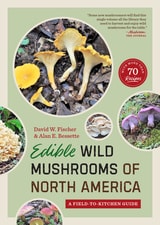
Edible Wild Mushrooms of North America
A Field-to-kitchen GuideBy David W. Fischer and Alan E. Bessette
University of Texas Press, 1992
Unusual shapes and colors make many mushrooms alluring to the eye, while the exotic flavors and textures of edible mushrooms are a gourmet delicacy for the palate. Yet many people never venture beyond the supermarket offerings, fearing that all other mushrooms are poisonous.
With amateur mushroom hunters especially in mind, David Fischer and Alan Bessette have prepared Edible Wild Mushrooms of North America. This field guide presents more than 100 species of the most delicious mushrooms, along with detailed information on how to find, gather, store, and prepare them for the table. More than 70 savory recipes, ranging from soups and salads to casseroles, canapes, quiches, and even a dessert, are included.
Throughout, the authors constantly emphasize the need for correct identification of species for safe eating. Each species is described in detailed, nontechnical language, accompanied by a list of key identifying characteristics that reliably rule out all but the target species. Superb color photographs also aid in identification. Poisonous "lookalikes" are described and illustrated, and the authors also assess the risks of allergic or idiosyncratic reactions to edible species and the possibilities of chemical or bacterial contamination.

Fixin Fish
A Guide to Handling, Buying, Preserving, and Preparing FishJeffrey Gunderson
University of Minnesota Press, 1984
Fixin' Fish was first published in 1984. Minnesota Archive Editions uses digital technology to make long-unavailable books once again accessible, and are published unaltered from the original University of Minnesota Press editions.
Whether you catch it yourself or buy it, fish can be a delicious, nutritious meal or an experience you'd rather forget. Because fish are delicate and perishable, preserving their fresh-caught flavor requires careful handling. Fixin' Fish provides anglers and fish buyers with helpful techniques, not covered in most cookbooks, for handling, cleaning, preserving, preparing, and buying fish of all kinds. Topics covered include: maintaining the quality of fresh fish, building a smokehouse, smoking, canning, pickling, making fish jerky and caviar, and checking fish for parasites. Sport fishermen will find the section on field dressing and packing especially useful.
Minnesota and neighboring states have an abundance of fish that are usually overlooked as a food source. These underutilized fish, which include suckers, eelpout (burbot), carp, bullheads, herring, and freshwater drum, can be delicious if handled and prepared properly. The special techniques described in this book will help anyone make good use of this inexpensive and tasty source of protein.
Fixin' Fish is published by the University of Minnesota Sea Grant Extension Program. This new edition updates the text and adds information on parasites that can be found on freshwater fish in the Minnesota region.
Herbs for the Gourmet Gardener
A Practical Resource from the Garden to the TableCaroline Holmes
University of Chicago Press, 2014
A feast for the eyes and the table, this user-friendly resource traverses the realms of both the garden and the kitchen, addressing the cultivation, storage, and preparation of more than sixty herbs. Practical growing tips, fascinating histories, nutritional information, and classic recipes appear alongside botanical illustrations drawn from the Royal Horticultural Society’s cherished collection. With both familiar varieties and novel options, Herbs for the Gourmet Gardener will inspire you to create a world of new shapes, colors, and tastes.
Honey, I'm Homemade
Sweet Treats from the Beehive across the Centuries and around the WorldEdited by May Berenbaum, Illustrated by Nils Cordes
University of Illinois Press, 2010
Michigan Herb Cookbook
Suzanne Breckenridge and Marjorie Snyder
University of Michigan Press, 2001
If you're interested in cooking with herbs and want to use the best of Michigan and the Midwest's seasonal foods, then this is the cookbook for you.
The recipe section is written for both the novice and the more experienced cook. Each recipe has helpful information about serving suggestions and menu ideas. Scattered throughout the book are handy tips related to foods, herbs, and cooking. In addition, Michigan Herb Cookbook includes a section on herb growing and designing in which planting, growing, freezing, drying, and storage tips for over thirty herbs are explained in detail.
You will find over 150 recipes in the book's seven chapters. More than half are low-fat, and there are many vegetarian favorites. Also, a chapter devoted to condiments and "little extras" contains various herb blend, vinegar, chutney, pesto, and sauce recipes, such as Sun-Dried-Tomato Pesto and Roasted Red Pepper Sage Sauce.
Suzanne Breckenridge, formerly a ceramics and cooking instructor, is now a food stylist and caterer. Marjorie Snyder is a freelance food writer, a cooking teacher at a junior college, and cofounder and president of the Madison Wisconsin Herb Society.
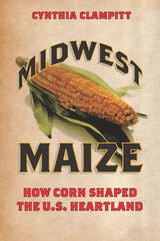
Midwest Maize
How Corn Shaped the U.S. HeartlandCynthia Clampitt
University of Illinois Press, 2015
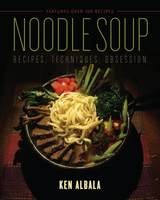
Noodle Soup
Recipes, Techniques, ObsessionKen Albala
University of Illinois Press, 2018
This primer offers the recipes and techniques for mastering quick-slurper staples and luxurious from-scratch feasts. Albala made a different noodle soup every day for two years. His obsession yielded all you need to know about making stock bases, using dried or fresh noodles, and choosing from a huge variety of garnishes, flavorings, and accompaniments. He lays out innovative techniques for mixing and matching bases and noodles with grains, vegetables, and other ingredients drawn from an international array of cuisines. In addition to recipes both cutting edge and classic, Albala describes new soup discoveries he created along the way. There's advice on utensils, cooking tools, and the oft-overlooked necessity of matching a soup to the proper bowl. Finally, he sprinkles in charming historical details that cover everything from ancient Chinese millet noodles to that off-brand Malaysian ramen at the back of the ethnic grocery store.
Filled with more than seventy color photos and dozens of recipes, Noodle Soup is an indispensable guide for cooking, eating, and loving a universal favorite.
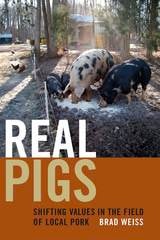
Real Pigs
Shifting Values in the Field of Local PorkBrad Weiss
Duke University Press, 2016
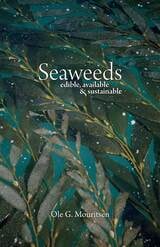
Seaweeds
Edible, Available, and SustainableOle G. Mouritsen
University of Chicago Press, 2013
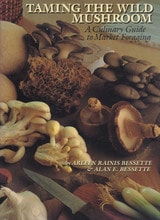
Taming the Wild Mushroom
A Culinary Guide to Market ForagingBy Arleen Rainis Bessette and Alan E. Bessette
University of Texas Press, 1993
Many mushroom hunters prefer to do their foraging in the marketplace, where all the mushrooms are clearly labeled and safely edible. With this fact in mind, Arleen and Alan Bessette have written Taming the Wild Mushroom, one of the first cooking guides devoted exclusively to choosing and preparing the mushroom species now available in many grocery stores, supermarkets, and natural and whole foods markets.
A dozen wild and cultivated species are covered in the book, including White Button, King Bolete, Oyster, Chanterelle, Morel, Paddy Straw, Wood Ear, Shiitake, Enokitake, White Matsutake, Black Truffle, and Wine-cap Stropharia. Easy-to-understand descriptions and excellent color photographs of each species help market foragers choose mushrooms in peak condition. Fifty-seven original, species-specific recipes, from appetizers, soups, and salads to meat and vegetarian entrees to sauces and accompaniments, offer dozens of ways to savor the familiar and exotic flavors of these mushrooms. A mouth-watering photograph accompanies each recipe.
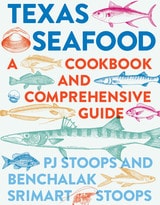
Texas Seafood
A Cookbook and Comprehensive GuideBy PJ Stoops and Benchalak Srimart Stoops
University of Texas Press, 2019
The abundance of seafood available from the northwest Gulf of Mexico includes hundreds of delicious species that are often overlooked by consumers. Celebrating this regional bounty, Texas Seafood showcases the expertise of longtime fishmongers and chefs PJ and "Apple Srimart" Stoops. Readers will find familiar fish like Red Snapper along with dozens of little-known finfish and invertebrates, including tunas, mackerels, rays, and skates, as well as bivalves, shrimps, crabs, and other varieties, many of which are considered “bycatch” (seafood that a fisher didn’t intend to catch), but that are no more difficult to prepare and just as delicious as those commonly found at your local supermarket.
The Stoopses provide a complete primer on sourcing these wild-caught delicacies, with fascinating details about habitats and life cycles as well as practical advice on how to discern quality. Texas Seafood concludes with simple, delectable recipes, many infused with the flavors of Apple’s Thai heritage. Dishes such as Steamed Curried Crab, Crispy White Shrimp, Escolar on a Grill with Green Mango Salad, Cast-Iron-Roasted Shortfin Mako Shark with Rio Grande Grapefruit, and Chicken-Fried Ribbonfish are just a few ways to savor the best of the Gulf.
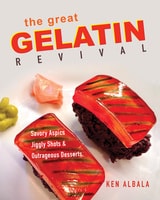
The Great Gelatin Revival
Savory Aspics, Jiggly Shots, and Outrageous DessertsKen Albala
University of Illinois Press, 2023
A lighthearted manifesto for the new age of aspics, The Great Gelatin Revival rattles our very understanding of what food can be.

The Herb Garden Cookbook
The Complete Gardening and Gourmet Guide, Second EditionBy Lucinda Hutson
University of Texas Press, 2003
Indulge your senses with the lively flavors, vivid colors, and tantalizing aromas of fresh herbs. This comprehensive guide gives you creative, festive recipes as well as valuable gardening information. With Lucinda Hutson's expert advice you'll discover how to:
- Grow robust and flavorful herbs using organic gardening techniques.
- Harvest and store herbs.
- Prepare more than 150 delicious and innovative recipes.
- Create intensely flavored herb butters and savory vinegars.
- Garnish and flavor recipes with beautiful edible flowers.
- Grow and use exotic herbs from Mexico and Southeast Asia.
- Design menus for special occasions such as a fiesta for friends or a feast for two.
- Find the best sources, including websites, for buying plants, seeds, and gourmet products.
Savor the Tuscan-inspired Panzanella, the continental Celebratory Niçoise Salad, or the Southwestern-spirited Pollo Picado. Lucinda's suggested recipe variations will turn you into a kitchen quick-change artist. Ideas for dazzling presentations make your meals as pleasing to the eye as they are to the palate. From rosemary and thyme to Mexican mint marigold and Thai basil, this is an essential guide for cooks and gardeners alike!
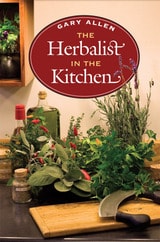
The Herbalist in the Kitchen
Gary Allen
University of Illinois Press, 2006
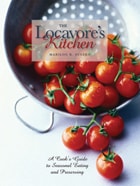
The Locavore’s Kitchen
A Cook’s Guide to Seasonal Eating and PreservingMarilou K. Suszko
Ohio University Press, 2011
More and more Americans are becoming dedicated locavores, people who prefer to eat locally grown or produced foods and who enjoy the distinctive flavors only a local harvest can deliver. The Locavore’s Kitchen invites readers to savor homegrown foods that come from the garden, the farm stand down the road, or local farmers’ markets through cooking and preserving the freshest ingredients.
In more than 150 recipes that highlight seasonal flavors, Marilou K. Suszko inspires cooks to keep local flavors in the kitchen year round. From asparagus in the spring to pumpkins in the fall, Suszko helps readers learn what to look for when buying seasonal homegrown or locally grown foods as well as how to store fresh foods, and which cooking methods bring out fresh flavors and colors. Suszko shares tips and techniques for extending seasonal flavors with detailed instructions on canning, freezing, and dehydrating and which methods work best for preserving texture and flavor.
The Locavore’s Kitchen is an invaluable reference for discovering the delicious world of fresh, local, and seasonal foods.
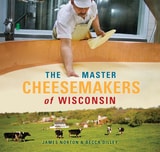
The Master Cheesemakers of Wisconsin
James Norton and Becca Dilley
University of Wisconsin Press, 2009
Certification as a Master Cheesemaker typically takes almost fifteen years. An applicant must hold a cheesemaking license for at least ten years, create one or two chosen varieties of cheese for at least five years, take more than two years of university courses, consent to constant testing of their cheese and evaluation of their plant, and pass grueling oral and written exams to be awarded the prestigious title.
James Norton and Becca Dilley interviewed these dairy artisans, listened to their stories, tasted their cheeses, and explored the plants where they work. They offer here profiles of forty-three active Master Cheesemakers of Wisconsin, as well as a glossary of cheesemaking terms, suggestions of operations that welcome visitors for tours, tasting notes and suggested food pairings, and tasty nuggets (shall we say curds?) of information on everything to do with cheese.
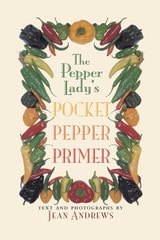
The Pepper Lady's Pocket Pepper Primer
Text and photographs by Jean Andrews
University of Texas Press, 1998
More than a quarter of the people on earth eat peppers every day of their lives, and true pepper lovers are always looking for better-tasting, hotter peppers. This handy, reliable guide makes finding them easy, as capsicum expert Jean Andrews shows you how to identify and use 42 peppers, both fresh and dried, commonly available in North American markets.
Andrews describes each pepper in detail, starting with its size, color, fruit shape, flesh, and pungency. She gives its common names, sources, and uses, and indicates other peppers that can substitute for it in recipes. Drawing on her vast store of pepper lore, she also includes notes and anecdotes about each pepper. Her color photographs illustrate all of the peppers.
In addition to the species descriptions, Andrews offers practical guidance on selecting and storing, roasting and rehydrating, and growing and harvesting peppers. She explains pepper nomenclature, describes the pungency factor, and notes the significance of color, aroma, flavor, and nutrition.
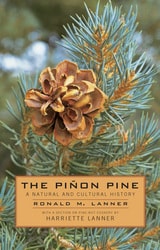
The Pinon Pine
A Natural And Cultural HistoryRonald M. Lanner
University of Nevada Press, 1981
An engaging look at the history of the piñon pine and its ecosystem. Combining natural history and observations of the cultural importance of the tree to both native Indians and European settlers, Lanner provides information on the management of the tree and its interdependence with the birds and animals of the piñon-juniper woodland. Science, cultural history, and ecologicall issues, plus delicious recipes using the piñon pine nuts, make for a concise natural and cultural history of the piñon pine.
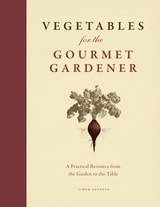
Vegetables for the Gourmet Gardener
A Practical Resource from the Garden to the TableSimon Akeroyd
University of Chicago Press, 2014
A feast for the eyes and the table, this user-friendly resource traverses the realms of both the garden and the kitchen, addressing the cultivation, storage, and preparation of nearly seventy useful vegetables. Practical growing tips, fascinating histories, nutritional information, and classic recipes appear alongside botanical illustrations drawn from the Royal Horticultural Society’s cherished collection. With both familiar varieties and novel options, Vegetables for the Gourmet Gardener will inspire you to create a world of new shapes, colors, and tastes.
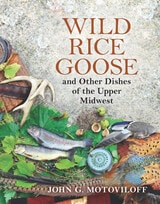
Wild Rice Goose and Other Dishes of the Upper Midwest
John G. Motoviloff
University of Wisconsin Press, 2014
Wild Rice Goose also revives overlooked dishes popular in times past. If you have carp, redhorse, smelt, or turtle, dandelion greens or mulberries, you can turn these humble finds into tasty treats with tips from experienced fishermen and foragers. Cooks will appreciate the clear, kitchen-tested recipes, and fans of sporting literature will enjoy the lyrical writing.
You’ll find here:
• more than 100 recipes for wildfoods from asparagus to venison
• sidebars on regional foods, specialty preparations, and folk history
• tips on finding and cleaning game, fish, and wild edibles
• advice on freezing and drying
• a list of Upper Midwest wildfoods vendors.
Best Regional Special Interest Books, selected by the American Association of School Librarians
Best Regional General Interest Books, selected by the Public Library Reviewers