Cloth: 978-0-226-85829-6 | Paper: 978-0-226-85830-2 | eISBN: 978-0-226-85831-9 (all)
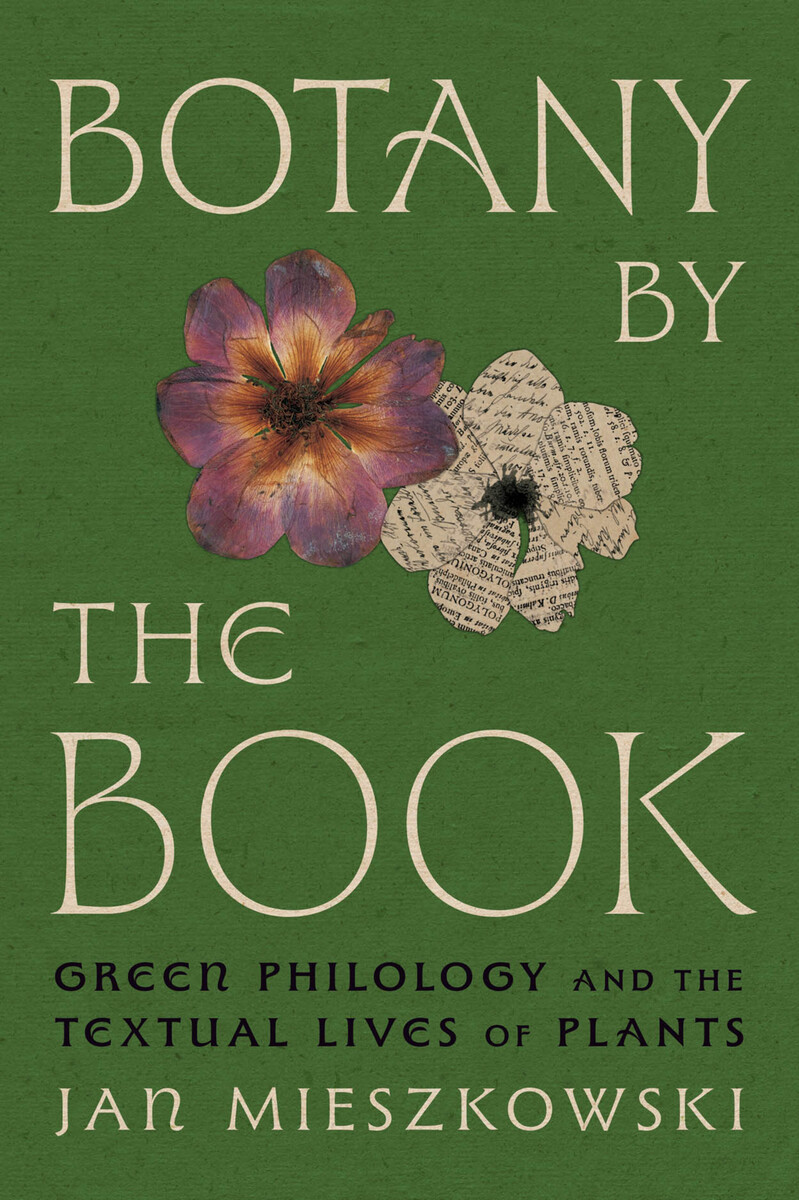
Drawing on philosophers and poets with a passion for botany, this book shows that the study of plants has always been a study of language as much as of living things.
At a moment when environmental thought is struggling to move beyond inherited assumptions about nature and humanity’s place within it, Botany by the Book offers a new perspective on the history of ecological thinking. Bringing together a diverse range of writers, it uncovers a long and largely forgotten tradition of “green philology” in which empirical inquiry and literary reflection developed side by side. Figures such as Locke, Rousseau, Goethe, Mill, Dickinson, Akhmatova, Luxemburg, Celan, and Heidegger were avid botanizers, collecting specimens and in some cases meticulously curating herbaria. Spanning centuries, this hidden conversation links poets, philosophers, and naturalists whose intellectual kinship was often stronger than they themselves realized.
Tracing a line from Carl Linnaeus’s love of metaphor to Emily Dickinson’s adolescent herbarium to the contemporary politics of floral aesthetics, Jan Mieszkowski reveals how efforts to conceptualize plant life raise fundamental questions about power and knowledge. He also takes up contemporary writers, such as Hanif Abdurraqib and Ross Gay, whose flower poems refuse to play by the rules. Ultimately, Mieszkowski shows that botany has inspired a green philology, its distinctive reflections on language and epistemology offering fertile soil for ecocriticism today. Going beyond traditional distinctions between the sciences and the humanities, Botany by the Book argues that reckoning honestly with how we represent nature is inseparable from imagining more livable ecological futures.
See other books on: Book | Literary Criticism | Mieszkowski, Jan | Plants
See other titles from University of Chicago Press