Cloth: 978-1-5179-2190-3 | Paper: 978-1-5179-2191-0 | eISBN: 978-1-4529-7778-2 (EPUBMOBI)
Rethinking the theoretical and political deployment of madness in the late twentieth century through the critical work of black women novelists
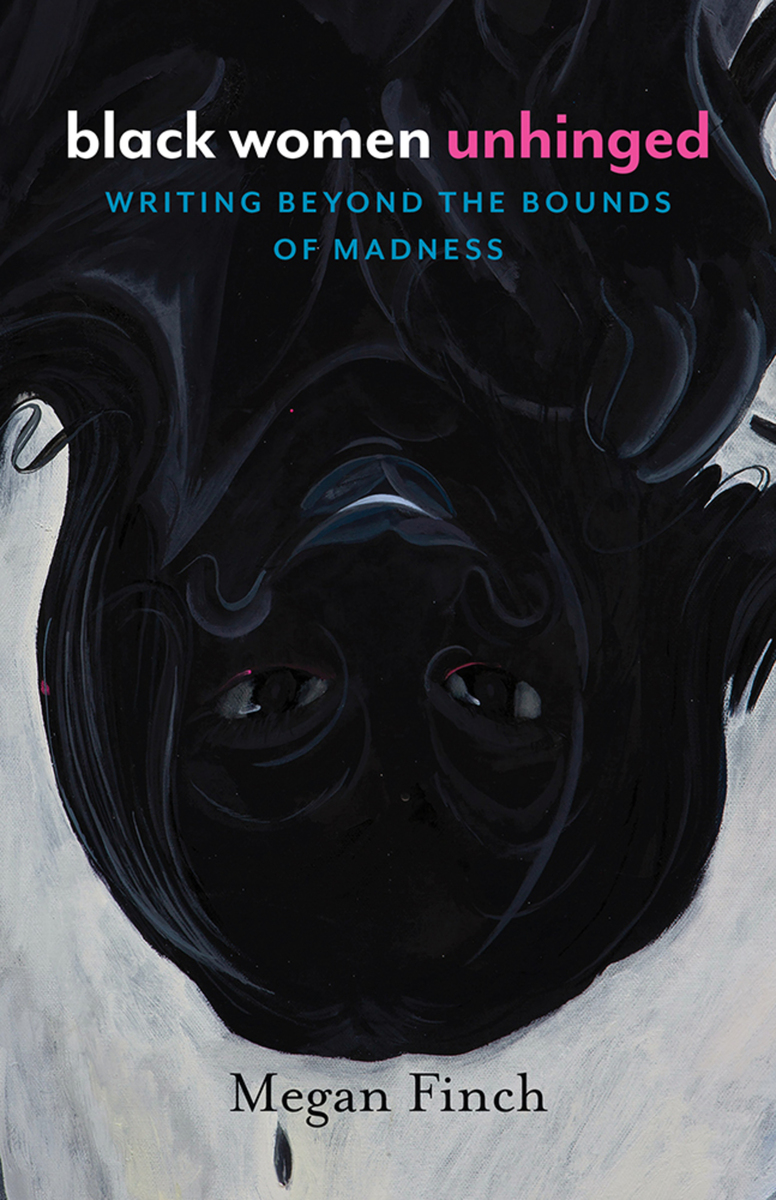
Black Women Unhinged revisits the “black women’s literary renaissance” to offer new terms at the intersection of gender, race, and madness before and beyond its crystallization into discourses of mental health and disability. Reconstructing the cultural zeitgeist of the 1960s–1980s, when madness emerged as a radical position in the work of Michel Foucault, Gilles Deleuze, Luce Irigaray, and David Cooper, and in the politics of feminists and Black Power activists, Black Women Unhinged reassesses black women’s overlooked contributions to this politics of madness. Megan Finch reads this renaissance’s catalogue of ostensibly mad literary characters—schizophrenic girls, infanticidal and drug-addicted mothers, castrating murderesses, and suicidal revolutionaries—beyond madness’s philosophical and political bounds.
Centering the relationship between Reason and the multiple forms of unReason central to modern politics, Finch traces the deployment of madness by the Black Power/Art’s movements and second-wave feminists to fortify black men’s and white women’s civic inclusion while dismissing black women’s politics as irremediable folly. Finch argues that black women’s novels of the period—including Toni Morrison’s The Bluest Eye and Beloved, Gayl Jones’s Corregidora and Eva’s Man, Toni Cade Bambara’s The Salt Eaters, and Nettie Jones’s Fish Tales—depict characters who exceed the category of madness and are unhinged from the curative politics of inclusion purchased through another’s abjection. Black Women Unhinged reckons with black women’s literary and theoretical contributions to the politics of madness and their attempts, past and present, to move beyond them to something akin to freedom.
Retail e-book files for this title are screen-reader friendly.
See other books on: African American & Black | Bounds | Intersectionality | Madness | Women Authors
See other titles from University of Minnesota Press