Cloth: 978-1-9788-4033-1 | Paper: 978-1-9788-4032-4 | eISBN: 978-1-9788-4034-8 (ePub) | eISBN: 978-1-9788-4035-5 (PDF)
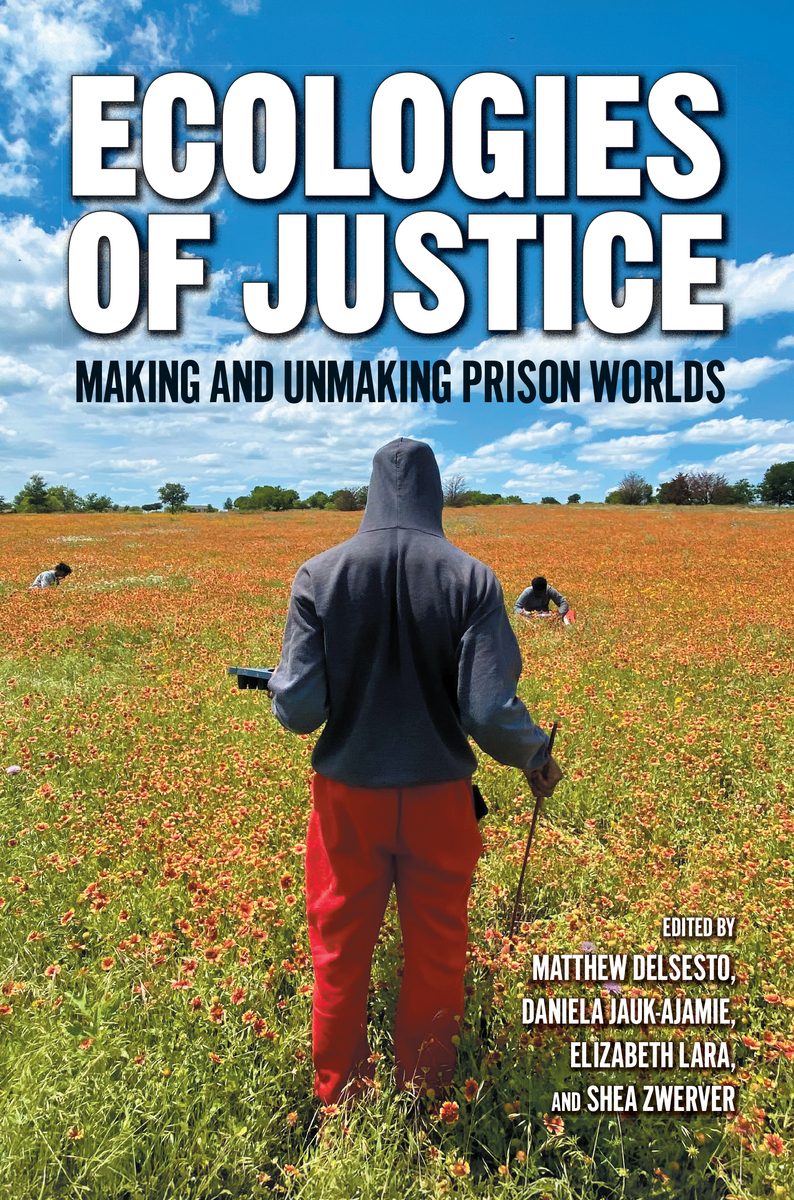
What is the role of multi-species ecologies in creating spaces that counteract the violence in carceral systems and environmental destruction? This book brings together, for the first time, contributions on issues related to prison, jail, and reentry programs, community-based interventions, environmental justice, and sustainability. Through rigorous analysis, detailed case studies, poetry, and personal reflections, the book offers ways of thinking and acting at the intersection of environmental issues and the carceral system. It gathers hard-earned wisdom and insight of researchers, activists, practitioners, and community leaders from within and beyond prison walls who have taken up their projects despite profound institutional constraints.
Approaches in the book range from reform to abolition, as authors detail both practical interventions and imaginative courses of action. More than a contribution to academic knowledge, the book also uniquely highlights voices of those who are incarcerated, survivors of crime, and institutional stakeholders. In addition to writing about the carceral system based on research and personal experience, authors describe practices that are creating transformative spaces of environmental education, building effective pipelines for green workforce development, and sustaining reciprocal relationships for eco-social healing.
See other books on: Agriculture & Food | Ecologies | Justice | Penology | Phillips, Sam
See other titles from Rutgers University Press