
 A SCHOLARLY BOOK REPOSITORY
226 start with W start with W

In this book, naturalist Joanna Burger takes us on a series of delightful trips through the Pine Barrens. From the Albany Pine Bush, the Long Island Barrens, and the New Jersey Pine Barrens in the Northeast, to the pinelands of South Carolina and Florida, Burger describes in lively detail how these habitats have come to harbor such a unique assemblage of species.
She introduces us to amphibians and reptiles, neotropical migrants and other birds, and a range of common and unusual mammals. Burger also traces the regions’ historic and geologic backgrounds, and the impact of human occupation from the time of the paleo-Indians to the present. She revisits the tension between development and preservation, reminding us that a healthy pine barren region requires uninterrupted land and rejuvenating fires, both of which are increasingly jeopardized.
Whispers in the Pines is essential reading for everyone concerned with the history and preservation of these unique landscapes and their wildlife.

Since the clear-cutting era, naturalists, foresters, and scientists have taken up the quest to restore the great white pine forests. White Pine follows this centuries-long endeavor, illuminating how the efforts shaped Americans’ understanding of key scientific ideas, from forest succession to the importance of fire. With his keen naturalist’s eye, Pastor shows us why restoring the vitality of these forests has not been simple: a host of other creatures depend on white pine and white pine depends on them. In weaving together cultural and natural history, White Pine celebrates the way humans are connected to the forest—and to the larger natural world.
Today, white pine forests have begun to recover, but face the growing threat of climate change. White Pine shows us that hope for healthy forests lies in understanding the lessons of history, so that iconic species survive as a touchstone for future generations.


Global warming has finally made clear the true costs of using our atmosphere as a giant sponge to soak up unwanted by-products of industrial activity. As nations, businesses, and citizens seek workable yet fair solutions for reducing carbon emissions, the question of who should pay -- and how -- looms large. Yet the surprising truth is that a system for protecting the atmosphere could be devised that would yield cash benefits to us all.
In Who Owns the Sky?, visionary entrepreneur Peter Barnes redefines the debate about the costs and benefits of addressing climate change. He proposes a market-based institution called a Sky Trust that would set limits on carbon emissions and pay dividends to all of us, who collectively own the atmosphere as a commons. The Trust would be funded by requiring polluters to pay for the right to emit carbon dioxide, and managed by a non-governmental agency. Dividends would be paid annually, in much the same way that residents of Alaska today receive cash benefits from oil companies that drill in their state.
Employing the same spirit of innovation that brought millions of dollars to the nonprofit sector through his company Working Assets, Barnes sets forth a practical new approach to protecting our shared inheritance -- not only the atmosphere, but water, forests, and other life-sustaining and economically valuable common resources. He shows how we can use markets and property rights to preserve and share the vast wealth around us, allowing us not only to profit from it, but to pass it on, undiminished, to future generations.
Who Owns the Sky? is a remarkable look at the future of our economy, one in which we can retain capitalism's virtues while mitigating its vices. Peter Barnes draws on his personal experience as a successful entrepreneur to offer viable solutions to some of our most pressing environmental and social concerns.
The United States Congress appears to be in perpetual gridlock on environmental policy, notes Sara Rinfret, editor of the significant collection, Who Really Makes Environmental Policy? As she and her contributors explain, however, most environmental policy is not made in the halls of Congress. Instead, it is created by agency experts in federal environmental agencies and it is implemented at the state level. These individuals have been delegated the authority to interpret vague congressional legislation and write rules—and these rules carry the same weight as congressional law.
Who Really Makes Environmental Policy? brings together top scholars to provide an explanation of rulemaking processes and regulatory policy, and to show why this context is important for U.S. environmental policy. Illustrative case studies about oil and gas regulations in Colorado and the regulation of coal ash disposal in southeastern states apply theory to practice. Ultimately, the essays in this volume advance our understanding of how U.S. environmental policy is made and why understanding regulatory policy matters for its future.
Why Do Bees Buzz? reports on the mysterious "colony collapse disorder" that has affected honey bee populations, as well as other captivating topics, such as their complex, highly social lives, and how other species of bees are unique and different from honey bees. Organized in chapters that cover everything from these provocative pollinators' basic biology to the aggressive nature of killer bees, this insightful question and answer guide provides a honeycomb of compelling facts.
With clarity and depth, bee biologist Elizabeth Capaldi Evans and coauthor Carol A. Butler examine the lives of honey bees, as well as other species such as orchid bees, bumblebees, and stingless bees. Accessible to readers on every level, and including the latest research and theory for the more sophisticated reader, the authors reveal more than one hundred critical answers to questions about the lives of bees.
Concepts about speciation, evolutionary adaptation and pollination, as well as historical details about topics such as Mayan beekeeping and the appearance of bees in rock art, are arranged in easy-to-follow sidebars that highlight the text. Color and black and white photographs and drawings enhance the beauty and usefulness of Why Do Bees Buzz?
Highlighting key principles in ecology—from species extinction to the sun’s role in powering ecosystems—each chapter introduces a general question, illustrates that question with real-world examples, and links it to pressing ecological issues in which humans play a central role, such as the spread of invasive species, climate change, overfishing, and biodiversity conservation. While other introductions to ecology are rooted in complex theory, math, or practice and relegate discussions of human environmental impacts and their societal implications to sidebars and appendices, Why Ecology Matters interweaves these important discussions throughout. It is a book rooted in our contemporary world, delving into ecological issues that are perennial, timeless, but could not be more timely.

During the past two centuries, these rivers changed dramatically, mostly due to human interaction. Crops replaced native vegetation; excess snowmelt and rainfall carried fertilizers and pesticides into streams; and levees, dams, and drainage altered distribution. These changes cascaded through networks, starting in small headwater tributaries, and reduced the ability of rivers to supply the clean water, fertile soil, and natural habitats they had provided for centuries. Understanding how these rivers, and rivers in general, function and how these functions have been altered over time will allow us to find innovative approaches to restoring river ecosystems.
The environmental changes in the South Platte and the Illinois reflect the relentless efforts by humans to control the distribution of water: to enhance surface water in the arid western prairie and to limit the spread of floods and drain the wetlands along the rivers in the water-abundant east. Wide Rivers Crossed looks at these historical changes and discusses opportunities for much-needed protection and restoration for the future.
Forests have been at the fault lines of contact between African peasant communities in the Tanzanian coastal hinterland and outsiders for almost two centuries. In recent decades, a global call for biodiversity preservation has been the main challenge to Tanzanians and their forests.
Thaddeus Sunseri uses the lens of forest history to explore some of the most profound transformations in Tanzania from the nineteenth century to the present. He explores anticolonial rebellions, the world wars, the depression, the Cold War, oil shocks, and nationalism through their intersections with and impacts on Tanzania’s coastal forests and woodlands. In Wielding the Ax, forest history becomes a microcosm of the origins, nature, and demise of colonial rule in East Africa and of the first fitful decades of independence.
Wielding the Ax is a story of changing constellations of power over forests, beginning with African chiefs and forest spirits, both known as “ax–wielders,” and ending with international conservation experts who wield scientific knowledge as a means to controlling forest access. The modern international concern over tropical deforestation cannot be understood without an awareness of the long–term history of these forest struggles.
The National Wild and Scenic Rivers Act is one of the most important natural areas protection programs ever established at the federal level. It has resulted in the creation of the National Wild and Scenic Rivers System -- a rich American legacy that includes many of our finest waterways. This book is the definitive resource on the National Wild and Scenic Rivers System. Topics covered include:
- the importance of protecting river ecosystems
- state and local protection systems
- the history of the National Wild and Scenic Rivers System
- descriptions of each of the major rivers in the system
- how and why rivers are chosen for inclusion
- river management
- continuing threats to rivers
- what can be done to make the system more effective and more inclusive

In Wild and Wonderful, social anthropologist Vanessa Manceron investigates an understudied but indispensable scientific practice: getting to know and recognize the living worlds around us. Her research takes her to England, where a longstanding naturalist tradition brings together professionals, academics, and amateurs to study the world around them. Observing the natural world here is regarded not as a simple hobby, but as a necessary activity. This is participatory science, an itinerant brand of scholarship that immerses itself in a specific and delimited territory, meticulously documenting the species living there and how they develop and expand their domain or regress and disappear. Manceron leads us through woods and fields, showing us another way of looking, of paying attention to minute differences, sounds, and variations of color. Her book is both a contribution to the anthropology of science and an opportunity to take a fresh look at our relationship with nature, affording us a glimpse of another way of living and living with.
At the beginning of the twentieth century, the wild animal story emerged in Canadian literature as a distinct genre, in which animals pursue their own interests—survival for themselves, their offspring, and perhaps a mate, or the pure pleasure of their wildness.
Bringing together some of the most celebrated wild animal stories, Ralph H. Lutts places them firmly in the context of heated controversies about animal intelligence and purposeful behavior. Widely regarded as entertaining and educational, the early stories—by Charles G. D. Roberts, Ernest Thompson Seton, John Muir, Jack London and others—had an avid readership among adults and children. But some naturalists and at least one hunter—Theodore Roosevelt—discredited these writers as "nature fakers," accusing them of falsely portraying animal behavior.
The stories and commentaries collected here span the twentieth century. As present day animal behaviorists, psychologists, and the public attempt to sort out the meaning of what animals do and our obligations to them, Ralph Lutts maps some of the prominent features of our cultural landscape.
•
•
•
Other selections include essays by Theodore Roosevelt, John Burroughs, Margaret Atwood, and Ralph H. Lutts.
postamble();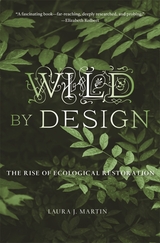
“A fascinating book—far-reaching, deeply researched, and probing.” —Elizabeth Kolbert, author of Under a White Sky
“Outstandingly well-researched and deeply thoughtful . . . An essential read.” —John Dupré, Los Angeles Review of Books
“Makes a strong case for restoration’s enduring value.” —Michelle Nijhuis, New York Review of Books
Today environmental restoration is a global pursuit. Governments, nonprofits, and corporations spend billions of dollars each year to remove invasive species, build wetlands, and reintroduce species driven from their habitats.
In Wild by Design, historian Laura J. Martin uncovers the origins of restoration science and policy. She explores how restorationists struggled with the problem of caring for biodiversity without romanticizing nature as an untouched Eden. Could humans intervene in nature for nature’s own sake? What natural baselines should be restored? Was it possible to design nature without destroying wildness? In illuminating restoration’s past, Wild by Design not only provides vital lessons for our future in a changing climate—it makes an urgent call for environmental restoration that is socially just.
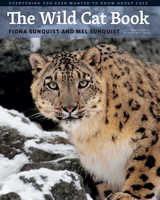
Illustrated throughout with Terry Whittaker’s spectacular color photographs as well as unique photos from biologists in the field—some the highest quality images ever captured of exceptionally rare species—The Wild Cat Book not only tantalizes with the beauty of cats, but also serves as a valuable and accessible reference on cat behavior and conservation. Comprehensive entries for each of the thirty-seven cat species include color distribution maps and up-to-date information related to the species’ IUCN conservation and management statuses, while informative sidebars reveal why male lions have manes (and why dark manes are sexiest), how cats see with their whiskers, the truth behind our obsession with white lions and tigers, and why cats can’t be vegetarians. The Wild Cat Book also highlights the grave threats faced by the world’s wild cats—from habitat destruction to human persecution.
From the extraordinary acrobatics of the arboreal margay—able to cling to a tree branch by a single paw thanks to its unusually flexible ankles—to modern declines in African lion populations, The Wild Cat Book is an instructive and revealing ode to felines of every size and color. Combining science, behavioral observations, and stunning photography, this book will captivate cat fanciers the world over.
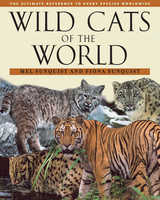
Wild Cats of the World is a treasure trove of answers to questions like these, and many others, for anyone who's interested in learning more about the world's felids, including the ones with whom we share our homes. Mel and Fiona Sunquist have spent more than a decade gathering information about cats from every available source, many of them quite difficult to find, including scientific papers, descriptions of hunts, archeological findings, observations by naturalists and travelers, reports from government agencies, and newsletters from a wide variety of organizations. Weaving information from these sources together with their own experiences observing wild cats around the world, the Sunquists have created the most comprehensive reference on felids available. Each of their accounts of the 36 species of cat contains a description of the cat, including human interactions with it, as well as detailed data on its distribution, ecology and behavior, status in the wild, and efforts to conserve it. Numerous photographs, including more than 40 in full color, illustrate these accounts.
Ranging from the two-pound black-footed cat to the five-hundred-pound tiger, and from the African serval with its satellite-dish ears to the web-footed fishing cat of Asia, Wild Cats of the World will fascinate and educate felid fans of any stripe (or spot).

In Wild Delicate Seconds, Charles Finn captures twenty-nine chance encounters with the everyday—and not so everyday—animals, birds, and insects of North America.

A collection of essays on themes central to Ghosh’s work: imperialism and decolonization, climate change, and the stories of ordinary people making lives amid these historical forces.
Wild Fictions brings together Amitav Ghosh’s extraordinary writings on subjects that have obsessed him over the last twenty-five years: literature and language; climate change and the environment; and human lives, travel, and discoveries. Threaded throughout the collection are his reflections on the spaces that we inhabit and how we occupy them. From the significance of the commodification of the clove to the diversity of the mangrove forests in Bengal and the radical fluidity of multilingualism, Wild Fictions is a powerful refutation of imperial violence, a fascinating exploration of the fictions we weave to absorb history, and a reminder of the importance of sensitivity and empathy.
With the combination of moral passion, intellectual curiosity, and literary elegance that defines his writing, Ghosh makes readers understand the world in new and urgent ways. Together, the pieces in Wild Fictions chart a course that allows us to heal our relationships and restore the delicate balance with the volatile landscapes to which we all belong.
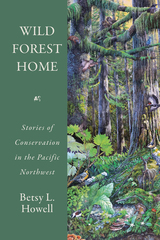
The twenty-five essays in Wild Forest Home chronicle Howell’s career and personal experiences studying the wildlife of the Pacific Northwest during the litigious listing of the northern spotted owl and marbled murrelet under the Endangered Species Act and the Clinton administration’s adoption of the seminal 1994 Northwest Forest Plan. Meanwhile, Howell toiled on fire crews, searched for rare species, helped to monitor fishers reintroduced to the Olympic Peninsula, tested amphibians for deadly diseases, became a writer, and mourned the deaths of her parents. This captivating memoir seamlessly blends story and science to reveal a unique portrait of the struggles and joys of one wildlife biologist.
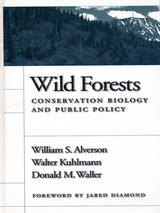
Wild Forests presents a coherent review of the scientific and policy issues surrounding biological diversity in the context of contemporary public forest management. The authors examine past and current practices of forest management and provide a comprehensive overview of known and suspected threats to diversity.
In addition to discussing general ecological principles, the authors evaluate specific approaches to forest management that have been proposed to ameliorate diversity losses. They present one such policy -- the Dominant Use Zoning Model incorporating an integrated network of "Diversity Maintenance Areas" -- and describe their attempts to persuade the U.S. Forest Service to adopt such a policy in Wisconsin.
Drawing on experience in the field, in negotiations, and in court, the authors analyze the ways in which federal agencies are coping with the mandates of conservation biology and suggest reforms that could better address these important issues. Throughout, they argue that wild or unengineered conditions are those that are most likely to foster a return to the species richness that we once enjoyed.
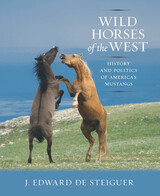
In Wild Horses of the West, J. Edward de Steiguer provides an entertaining and well-researched look at one of the most controversial animal welfare issues of our time—the protection of free-roaming horses on the West’s public lands. This is the first book in decades to include the entire story of these magnificent animals, from their evolution and biology to their historical integration into conquistador, Native American, and cowboy cultures. And the story isn’t over. De Steiguer goes on to address the modern issues— ecology, conservation, and land management—surrounding wild horses in the West today.
Featuring stunning color photographs of wild horses, this extremely thorough and engaging blend of history, science, and politics will appeal to students of the American West, conservation activists, and anyone interested in the beauty and power of these striking animals.

A new view of what’s “wild,” and a new path for environmentalism.
At the very heart of American respect for nature, historically and philosophically, is the notion of the wild. This notion comes under scrutiny in Wild Ideas, a collection of essays that bring a fresh and refreshing perspective to the wilderness paradoxically at the center of our civilization.
Blending well-known and new voices, the volume surveys classical and romantic concepts of wilderness, from the scary to the sublime, and shows why neither serves us anymore. Instead, the authors argue for a “wild culture,” in which nature is not opposed to humanity, a mere matter of resources and consumers. A cogent reassessment of the ideas that drive the conservation movement, Wild Ideas points out a new direction for future environmentalism.Among the topics discussed are the confluence of wilderness, empire, and race in the United States; the way the ecology movement uses language; gendered views of the wilderness; maps and topology, and how they affect our view of the wild; healing by the wilderness experience; and the idea of an urban wilderness. Contributors: David Abram; Douglas Buege, U of Wisconsin; Denis Cosgrove, U of London; Robert Greenway, Sonoma State U; Ed Grumbine, Sierra Institute; Marvin Henberg, Linfield College; Irene Klaver, Montana State U; Andrew Light, U of Alberta; Lois Lorentzen, U of San Francisco; Max Oelschlaeger, U of North Texas; R. Murray Schafer; Tom Wolf.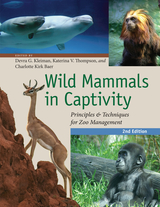
Zoos, aquaria, and wildlife parks are vital centers of animal conservation and management. For nearly fifteen years, these institutions have relied on Wild Mammals in Captivity as the essential reference for their work. Now the book reemerges in a completely updated second edition. Wild Mammals in Captivity presents the most current thinking and practice in the care and management of wild mammals in zoos and other institutions. In one comprehensive volume, the editors have gathered the most current information from studies of animal behavior; advances in captive breeding; research in physiology, genetics, and nutrition; and new thinking in animal management and welfare.
In this edition, more than three-quarters of the text is new, and information from more than seventy-five contributors is thoroughly updated. The standard text for all courses in zoo biology, Wild Mammals in Captivity will, in its new incarnation, continue to be used by zoo managers, animal caretakers, researchers, and anyone with an interest in how to manage animals in captive conditions.
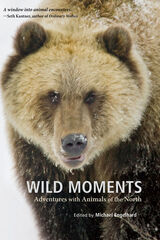
It is nearly impossible to live in Alaska without being influenced by its natural environment. Residents have no choice but to coexist with the Alaska wilderness and its animal inhabitants, and this extraordinary experience—along with the stunning landscape—is what often draws people to Alaska. Wild Moments offers a fascinating range of creative nonfiction essays that describe the chance meetings that bring Alaska residents face to face with their animal neighbors. These imaginative accounts speak to the ability of nature to transform the human experience, and the authors urge us through their works to protect these often threatened creatures who share our planet.
The contributors to this collection include some of Alaska’s most prestigious nature writers, such as Peggy Shumaker, Ned Rozell, Nick Jans, Debbie S. Miller, Craig Childs, Richard Nelson, and Drew Pogge. Wild Moments presents some of the best and most innovative nonfiction writing in an environmental context, and it will be of interest to all readers with a passion and concern for the natural world.
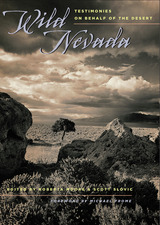
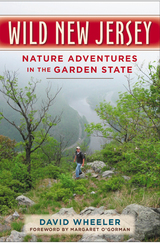
Wild New Jersey invites readers along Wheeler’s whirlwind year-long tour of the most ecologically diverse state for its size in America. Along with the expert guidance of charismatic wildlife biologists and local conservationists, he explores mountains, valleys, beaches, pine barrens, caves, rivers, marshlands, and more—breathtaking landscapes and the state’s Noah’s Ark of fascinating creatures.
This isn’t your ordinary ride on the Jersey Turnpike. Fasten your seatbelts and join Wheeler as he . . .
- Kayaks through the Meadowlands under the watchful eye of the Empire State Building,
- Pans for cretaceous fossils in a hidden brook once home to mastodons and giant sloths,
- Rides a fishing boat in the frigid snows of winter on a high-seas quest for Atlantic puffins,
- Trudges through the eerie darkness of a bog on a mysterious night hike,
- Dogsleds across the windswept alpine slopes in the haunts of the porcupine and bobcat.
With Wheeler’s compelling narrative, in-depth background details, and eye for revealing the offbeat, you can count this as the first nature book to paint the extraordinary picture of New Jersey’s unlikely wilderness in all its glory. Come along for all the adventure and insight in Wild New Jersey!
Best of Show Award, Society for Technical Communication International
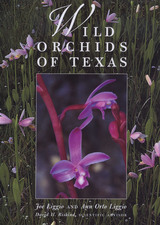
From the East Texas swamps and forests to the Edwards Plateau canyons and the Trans-Pecos mountains, Texas hosts a surprising number of native orchids. Their exquisite beauty endears them to everyone from wildflower lovers to professional botanists and conservationists.
This beautifully illustrated book presents all 54 wild orchids of Texas. The species descriptions that accompany Joe Liggio's lovely color photos discuss the plant's flowers, blooming season, pollinators, typical habitats, and range (also shown by map), including its distribution within and beyond Texas. The species are grouped by genus and also listed by color, county, and habitat for easy reference.
In addition to the species accounts, the authors offer a general natural history of Texas orchids that discusses such topics as pollination and reproduction, special growing requirements, and threats to orchids from loss of habitats and careless collecting. They also describe the many orchid habitats in Texas and the species that grow in each. This wide variety of information, which has never before been collected in one volume for a general readership, makes this book the essential guide to Texas' wild orchids.
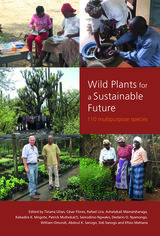
The publication forms one of the main dissemination achievements of The MGU–Useful Plants Project, developed under Kew’s Millennium Seed Bank partnership, to conserve and use sustainably wild plants important for rural communities in Botswana, Kenya, Mali, South Africa, and Mexico. Institutional partners led the project in each country, involving rural communities, local authorities, and schools. A scientific approach was applied throughout.
The core of this book presents detailed species profiles of 110 plants selected for their importance to communities and livelihoods. The profiles are structured in a clear and consistent format, providing information on taxonomy and nomenclature, plant descriptions, fruit and seed structures, distribution, habitat, uses, known hazards and safety, conservation status, seed conservation, propagation, and trading, along with key references from the literature.
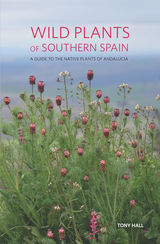
Drawing on more than fifteen years of fieldwork in the region, Tony Hall details over five hundred different species in this volume, presenting all essential botanical information alongside more than six hundred photographs and distribution maps. No one interested in the plants of this region will be able to forego this book.
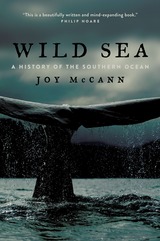
So begins Joy McCann’s Wild Sea, the remarkable story of the world’s remote Southern, or Antarctic, Ocean. Unlike the Pacific, Atlantic, Indian, and Arctic Oceans with their long maritime histories, little is known about the Southern Ocean. This book takes readers beyond the familiar heroic narratives of polar exploration to explore the nature of this stormy circumpolar ocean and its place in Western and Indigenous histories. Drawing from a vast archive of charts and maps, sea captains’ journals, whalers’ log books, missionaries’ correspondence, voyagers’ letters, scientific reports, stories, myths, and her own experiences, McCann embarks on a voyage of discovery across its surfaces and into its depths, revealing its distinctive physical and biological processes as well as the people, species, events, and ideas that have shaped our perceptions of it. The result is both a global story of changing scientific knowledge about oceans and their vulnerability to human actions and a local one, showing how the Southern Ocean has defined and sustained southern environments and people over time.
Beautifully and powerfully written, Wild Sea will raise a broader awareness and appreciation of the natural and cultural history of this little-known ocean and its emerging importance as a barometer of planetary climate change.
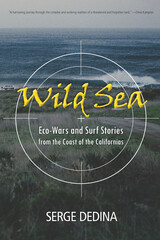
Dedina grew up in Imperial Beach, California, just north of the Mexican border, and he feels equally at home in Mexico and the States. An expert on gray whales, he eloquently describes the fight he helped to lead against the Mitsubishi Corporation, whose plan to build a salt-processing plant in the San Ignacio Lagoon in Baja California would have destroyed the world’s last undeveloped gray whale lagoon. With similar fervor, Dedina describes helping to construct the unlikely coalition that succeeded in defeating a proposed toll road that would have decimated a legendary California surf spot.
In between, he writes about the first surfers in Baja, the Great Baja Land Rush of the 1990s, Tijuana’s punk music scene, the pop-culture wrestling phenomenon lucha libre, the reasons why ocean pollution must be stopped, and the way HBO took over his hometown. Anyone interested in what’s happening to our natural places or just yearning to read about someone really making a difference in the world will find this a book worth sinking their teeth into.
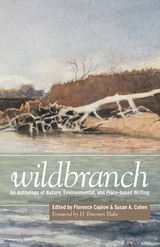
Wildbranch: An Anthology of Nature, Environmental, and Place-based Writing is a powerful collection of mostly unpublished essays and poetry by both prominent American environmental writers and exciting new voices. The poetry and essays by more than fifty contributors offer the reader glimpses into places as diverse as a forest in West Africa, the moors of Ireland, the canyons of the Sonoran desert mountains, and the fields of New England, and they reflect the varied perspectives of field biologists, hunters, farmers, environmental educators, wilderness guides, academics, writers, and artists.
The collection is an intimate portrait of the natural world drawn through the wisdom, ecological consciousness, and open hearts of these exceptional contributors. The Wildbranch Writing Workshop, cosponsored by Orion magazine and Sterling College, has encouraged thoughtful natural history, outdoor, and environmental writing for more than twenty years. The Wildbranch faculty has included its founder E. Anne Proulx, the essayists Edward Hoagland, Janisse Ray, and Scott Russell Sanders, the poet Alison Hawthorne Deming, and many other notable authors. Many have work included in the anthology.
Winner of the New Mexico Book Association's Southwest Book Design & Production Awards for Excellence in the category Trade Books: Non-illustrated.
This book aims to introduce to a larger audience issues that are too often limited to scholarly circles. A thought-provoking collection of essays by some of the environmental movement's preeminent thinkers, The Wilderness Condition explores the dynamic tension between wild nature and civilization, offering insights into why the relationship has become adversarial and suggesting creative means for reconciliation. Contributors include Paul Shepard, Curt Meine, Max Oelschlaeger, and George Sessions.
To further understanding of the meanings and values of wilderness, this volume explores wilderness and its significance to humans from myriad viewpoints, based on a meeting of the North American Interdisciplinary Wilderness Conference.

The critically acclaimed biography of this venerable naturalist and writer.
The first biography of this venerable naturalist and writer.
Sigurd Olson (1899-1982) was acknowledged during his lifetime as a leader of the American environmental movement, an emblematic figure for an entire generation of activists. A Wilderness Within is the first biography of this writer, teacher, and activist who was a harbinger of the opening of America’s ecological consciousness.From opposing the building of roads in the wilderness to preserving America’s most treasured wild rivers, Olson was involved in fierce battles over the environment throughout his life. He testified before Congress, spoke at town meetings, and was once even hanged in effigy.But Olson is best known for his many essays that express the wonder, awe, and peace he found in the wilderness. The lyricism and evocative beauty of his prose became a model for nature writers like Barry Lopez and Annie Dillard. Olson’s popular books, including The Singing Wilderness, Listening Point, and Reflections from the North Country, are beloved by generations of readers, with over 300,000 copies sold. A Wilderness Within looks beyond the environmental battles and books to expose the inner forces that drove Sigurd Olson. He rejected his father’s path as a minister and agonized over his own spiritual life, struggled with school and work. Backes details Olson’s painful path to becoming a writer, and the physical and emotional tolls that his activism and writing took of him. For this biography, Backes conducted interviews with Olson’s family and had complete access to Olson’s papers, diaries, correspondence, and photographs. This research is what makes A Wilderness Within the authoritative portrait of one of the greatest environmentalists of the twentieth century.A stunning look at a man with a vision for the natural world and a vision for himself, A Wilderness Within will be essential reading for Olson fans, historians, and outdoors people around the country.David Backes is the author of Canoe Country: An Embattled Wilderness (1991) and The Wilderness Companion (1992).424 pages Translation Rights: University of Minnesota Press
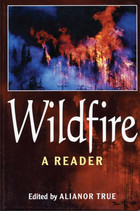
During the summer of 2000, Americans from coast to coast witnessed the worst fire season in recorded history. Daily news reports brought dramatic images of vast swaths of land going up in smoke, from the mountains of Montana and Wyoming, to the scrublands of Texas, to Los Alamos, New Mexico, where a controlled burn gone awry threatened forests, homes, and even our nation's nuclear secrets. As they have for centuries, wildfires captured our attention and our imagination, reminding us of the power of the natural forces that shape our world.
In Wildfire: A Reader nature writer and wildland firefighter Alianor True gathers together for the first time some of the finest stories and essays ever written about wildfire in America. From Mark Twain to Norman Maclean to Edward Abbey, writers featured here depict and record wildfires with remarkable depth and clarity. An ecological perspective is well represented through the works of John Muir, Aldo Leopold, and John McPhee. Ed Engle, Louise Wagenknecht, and Gretchen Yost, firefighters from the front lines, give us exciting first-person perspectives, reliving their on-the-ground encounters with forest fires.
The works gathered in Wildfire not only explore the sensory and aesthetic aspects of fire, but also highlight how much attitudes have changed over the past 200 years. From Native Americans who used fire as a tool, to early Americans who viewed it as a frightening and destructive force, to Aldo Leopold and other conservationists whose ideas caused us to rethink the value and role of fire, this rich collection is organized around those shifts in thinking.
Capturing the fury and the heat of a raging inferno, or the quiet emergence of wildflowers sprouting from ashes, the writings included in Wildfire represent a vital and compelling addition to the nature writing and natural history bookshelf.
In clear and accessible prose, authors Sylvan Runkel and Dean Roosa provide common, scientific, and family names; the Latin or Greek meaning of the scientific names; habitat and blooming times; and a complete description. Plants are presented by habitat (terrestrial or aquatic), then refined by habit (e.g., emergent, floating, or submerged) or taxonomic group (e.g., ferns and allies or trees, shrubs, and vines). Particularly interesting is the information on the many ways in which Native Americans and early pioneers used these plants for everything from pain relief to tonics to soup and the ways that wildlife today use them for food and shelter. Each of the more than 150 species accounts is accompanied by a brilliant full-page color photograph by botanist Thomas Rosburg, who has also updated the nomenclature and descriptions for certain species.
After decades of being considered an enemy of the settler, the farmer, and the citizen, Iowa’s wetlands have come into their own. We are finally caring for these important habitats. Runkel and Roosa’s updated field companion will be a valuable guide to today’s preservation and restoration initiatives.
Winner, Carroll Abbott Memorial Award, Native Plant Society of Texas, 2002
Many visitors to Texas beaches see only the sands between the surf and the first low dunes. Because few plants grow there, it's easy to get the impression that Texas beaches consist mostly of barren sand—while just the opposite is true. Beyond the dunes grow an amazing variety and abundance of native plants. Many of them, like Indian Blanket, Goldenrod, and Seaside Gerardia, produce great splashes of flowering color. Others display more modest flowers or are interesting for their growing habits. In all, over seven hundred species of flowering plants grow on Texas beaches and islands.
This handy field guide will aid you in identifying some 275 common and/or noteworthy flowering plants of the Texas beaches and islands from the Rio Grande to the Louisiana border. Each plant is illustrated by a color photograph, accompanied by a description of its appearance, habitat, and blooming time. The plants are grouped by families, which in turn are arranged according to relationships and similarities for easy reference. An introduction to beach habitats and plant life, references for further reading, and a glossary of terms make this book fully useful for everyone who wants a good, general understanding of beach plant life and wildflowers.
You'll find them throughout the year in Houston—lyre-leaf sage, Drummond skullcap, silver-leaf nightshade, snow-on-the-prairie, lemon beebalm, scarlet pimpernel, plains wild indigo, spring ladies'-tresses, deer pea vetch.
These wildflowers and hundreds of other species flourish in this part of Texas, but until this book was published in 1993 no guide had focused exclusively on the Houston area. John and Gloria Tveten spent years seeking out both the common and the rare flowers. They describe here more than 200 plants. A color photograph of each one will make identification easy.
The guide is arranged by color, with each entry tracing the history and lore of a species. Many plants—for example, prairie Indian plantain and self-heal—were used by Native Americans for medicinal purposes. Others, like poke-weed and wapato, are edible. Southern dewberry and giant ragweed are used as natural dyes. And some, like rattlebush and milkweed, are poisonous.
At the end of each species account is a list of key identifying characteristics for quick reference in the field. Summaries of plant families are also included, as well as tips on where and when to look for wildflowers.
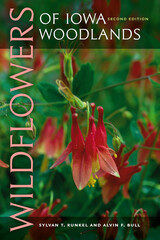
The species accounts are accompanied by brilliant full-page color photographs by Larry Stone, Thomas Rosburg, and Carl Kurtz. In clear, straightforward, and accessible prose, authors Sylvan Runkel and Alvin Bull provide common, scientific, and family names; the Latin or Greek meaning of the scientific names; habitat and blooming times; and a complete description of plant, flower, and fruit. Particularly interesting is the information on the many ways in which Native Americans and early pioneers used these plants for everything from pain relief to insecticides to tonics.
Iowa’s original savannas, woodlands, and forests were cleared with amazing thoroughness, yet enough beauty and diversity remain to give joy to hikers, birders, and mushroomers. Wildflowers of Iowa Woodlands will inspire both amateurs and professionals with the desire to learn more about the wonders of today’s woodlands.
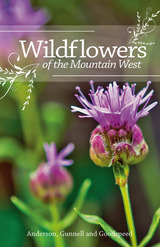
Many recreational hikers have stopped along the trail to admire a wildflower only to wonder what, exactly, they are looking at. Wildflowers of the Mountain West is a useful field guide that makes flower identification easy for the general outdoor enthusiast.
Many available plant guides are too technical or cumbersome for non-specialists to embrace. Covering New Mexico, Colorado, Wyoming, Idaho, Utah, Nevada and Oregon, this book is perfect for the enthusiasts who has little botanical knowledge but would like to know more about the wildflowers they are seeing. Organized by flower color for easy reference, plant records include the common and scientific names, a description of typical characteristics, habitat information and distribution maps, look-alike species, color photographs, and informative commentary. In addition, the book provides a useful introduction to the Mountain West region, along with line drawings to illustrate basic flower parts, shapes, and arrangements; a glossary of common botanical terms; a quick search key; and an index.
The book is spiral-bound, making it easy to bring along while hiking, backpacking, or biking, and stunning full color photographs make visual confirmation of flower type simple and straightforward.
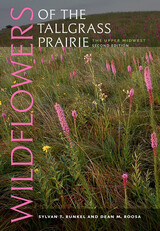
This classic of midwestern natural history is back in print with a new format and new photographs. Originally published in 1989, Wildflowers of the Tallgrass Prairie introduced many naturalists to the beauty and diversity of the native plants of the huge grasslands that once stretched from Manitoba to Texas. Now redesigned with updated names and all-new photographs, this reliable field companion will introduce tallgrass prairie wildflowers to a new generation of outdoor enthusiasts in the Upper Midwest.
Each species account is accompanied by a brilliant full-page color photograph by botanist Thomas Rosburg. In clear, straightforward, and accessible prose, authors Sylvan Runkel and Dean Roosa provide common, scientific, and family names; the Latin or Greek meaning of the scientific names; habitat and blooming times; and a complete description of plant, flower, and fruit. Particularly interesting is the information on the many ways in which Native Americans and early pioneers used these plants for everything from pain relief to dyes to hairbrushes.
Runkel and Roosa say that prairies can be among the most peaceful places on earth; certainly they are among the most beleaguered. Wildflowers of the Tallgrass Prairie will inspire both amateurs and professionals with the desire to learn more about the wonders of the prairie landscape.
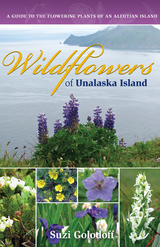
Each species is introduced and clearly defined and is accompanied by a photograph and line drawings. Many of these plants occur across a wide range of coastal Alaska; others are unique to the Aleutians. The introduction includes background on the unique geologic history, climate, and habitats of the archipelago to fully round out the user’s appreciation of the dramatic environment in which these hardy plants thrive.
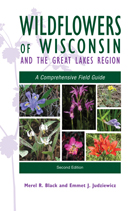
• more than 1,100 species from 459 genera in 100 families
• many rare and previously overlooked species
• 2,100 color photographs and 300 drawings
• Wisconsin distribution maps for almost all plants
• brief descriptions including distinguishing characteristics of the species
• Wisconsin status levels for each species of wildflower (native, invasive, endangered, etc.)
• derivation of Latin names.
Americans are having an increasing impact on the rural landscape as development further encroaches in former wilderness areas. This disruptive land use is causing a decline in wildlife and wildlife habitats. Wildlife and Habitats in Managed Landscapes presents a new strategy for solving this problem by redefining habitats to include the concept of landscape. Employing this strategy, natural resource managers apply tools of planning, management, and design to entire landscapes to meet the needs of both wildlife and humans.

Wildlife and Recreationists defines and clarifies the issues surrounding the conflict between outdoor recreation and the health and well-being of wildlife and ecosystems. Contributors to the volume consider both direct and indirect effects of widlife-recreationist interactions, including:
- wildlife responses to disturbance, and the origins of these responses
- how specific recreational activities affect diverse types of wildlife
- the human dimensions of managing recreationists
- the economic importance of outdoor recreation
- how wildlife and recreationists might be able to coexist
As human populations around the world continue to expand, reconciling nature conservation with human needs and aspirations is imperative. The emergence in recent decades of the academic field of human dimensions of fish and wildlife management is a proactive response to this complex problem.
Wildlife and Society brings together leading researchers in the range of specialties that are relevant to the study of human dimensions of fish and wildlife work around the globe to provide theoretical and historical context as well as a demonstration of tools, methodologies, and idea-sharing for practical implementation and integration of practices.
Chapters document the progress on key issues and offer a multifaceted presentation of this truly interdisciplinary field. The book
• presents an overview of the changing culture of fish and wildlife management;
• considers social factors creating change in fish and wildlife conservation;
• explores how to build the social component into the philosophy of wildlife management;
• discusses legal and institutional factors;
• examines social perspectives on contemporary fish and wildlife management issues.
Wildlife and Society is uniquely comprehensive in its approach to presenting the past, present, and future of human dimensions of fish and wildlife research and application. It offers perspectives from a wide variety of academic disciplines as well as presenting the views of practitioners from the United States, Europe, Africa, and Latin America. It is an important new reference for anyone concerned with fish and wildlife management or environmental conservation and protection.
The editors and contributors to Wildlife Crime examine topical issues from extinction to trafficking in order to understand the ecological, economic, political, and social costs and consequences of these crimes. Drawing from diverse theoretical perspectives, empirical and methodological developments, and on-the-ground experiences of practitioners, this comprehensive volume looks at how conservationists and law enforcement grapple with and combat environmental crimes and the profitable market for illegal trade.
Chapters cover criminological perspectives on species poaching, unregulated fishing, the trading of ivory and rhino horns, the adoption of conservation technologies, and ranger workplaces and conditions. The book includes firsthand experiences and research from China, Indonesia, Kenya, Madagascar, Morocco, Peru, Russia, South Africa, Tanzania, and the United States. The result is a significant book about the causes of and response to wildlife crime.
Contributors include: Johan Bergenas, Avi Brisman, Craig Forsyth, Meredith Gore, Georg Jaster, Alex Killion, Kasey Kinnard, Antony C. Leberatto, Barney Long, Nerea Marteache, Gohar Petrossian, Jonah Ratsimbazafy, Gary Roloff, Viviane Seyranian, Louise Shelley, Rohit Singh, Nicole Sintov, Nigel South, Milind Tambe, Daan van Uhm, Greg Warchol, Rodger Watson, Rob White, Madelon Willemsen, and the editor.
Elephants rarely breed in captivity and are not considered domesticated, yet they interact with people regularly and adapt to various environments. Too social and sagacious to be objects, too strange to be human, too captive to truly be wild, but too wild to be domesticated—where do elephants fall in our understanding of nature?
In Wildlife in the Anthropocene, Jamie Lorimer argues that the idea of nature as a pure and timeless place characterized by the absence of humans has come to an end. But life goes on. Wildlife inhabits everywhere and is on the move; Lorimer proposes the concept of wildlife as a replacement for nature. Offering a thorough appraisal of the Anthropocene—an era in which human actions affect and influence all life and all systems on our planet— Lorimer unpacks its implications for changing definitions of nature and the politics of wildlife conservation. Wildlife in the Anthropocene examines rewilding, the impacts of wildlife films, human relationships with charismatic species, and urban wildlife. Analyzing scientific papers, policy documents, and popular media, as well as a decade of fieldwork, Lorimer explores the new interconnections between science, politics, and neoliberal capitalism that the Anthropocene demands of wildlife conservation.
Imagining conservation in a world where humans are geological actors entangled within and responsible for powerful, unstable, and unpredictable planetary forces, this work nurtures a future environmentalism that is more hopeful and democratic.

This revised and expanded second edition retains key sections from the first edition, describing basic legal concepts while offering important updates that address recent legal topics. New chapters cover timely issues such as private wildlife reserves and game ranches, and the increased prominence of nuisance species as well as an expanded discussion of the Endangered Species Act, now more than 40 years old. Chapter sidebars showcase pertinent legal cases illustrating real-world application of the legal concepts covered in the main text.
Accessibly written, this is an essential, groundbreaking reference for professors and students in natural resource and wildlife programs, land owners, and wildlife professionals.
The plains ungulates are the main focus of this book—especially the Tibetan antelope, or chiru, whose migrations define this ecosystem much as those of the wildebeest define the Serengeti. Schaller's descriptions of mammal numbers and distribution, behavior, and ecology provide baseline information that may allow wildlife, grasslands, and pastoralists to continue to coexist harmoniously in this region.
This project led to the creation of the 130,000-square-mile Chang Tang Reserve by the Tibetan government in 1993, and Wildlife of the Tibetan Steppe should help promote future studies as well as conservation and management efforts.
"Schaller makes significant contributions to an understanding of the origins and ecology of Tibetan wildlife that will thrill specialists. . . . Schaller's book is much more than an ecological synthesis. It is a quest for conservation, a case history by a very brave and capable man, driven by no small passion to prevent the tragedy of extinction that looms over Tibet's fauna. His book touches not only the mind but also the heart, and in the context of conservation and the future it raises questions to torture the soul. . . . Wildlife of the Tibetan Steppe will long remain a unique, important source of biological, but also sociological, insights and challenges. I found it well written and difficult to put down."—Valerius Geist, Nature
"The topics in Wildlife of the Tibetan Steppe are at least as diverse as the topography; they range from geology and paleoecology to descriptions of ungulates and carnivores unknown to most of the non-Chinese speaking world. Individual chapters focus on kiangs, Bactrian camels, yaks, chirus, blue sheep, and Tibetan argalis and gazelles. Not only is much of the biological information new, but subsumed within these chapters are current and past estimates of population sizes both in the Chang Tang Reserve and in protected and nonprotected areas of 'the' plateau. Insights are provided into social structure, and speculations about the evolution and adaptive bases of behavior are carefully offered. Subsequent chapters involve discussions of carnivore communities and interactions between people and wildlife, including the localized but devastating effects of poachers. . . . This book has something for all audiences. . . . [A]n exciting testimony to the past and present status of a biologically spectacular region."—Joel Berger, Conservation Biology
In the heart of Wyoming sprawls the ancient homeland of the Eastern Shoshone Indians, who were forced by the U.S. government to share a reservation in the Wind River basin and flanking mountain ranges with their historical enemy, the Northern Arapahos. Both tribes lost their sovereign, wide-ranging ways of life and economic dependence on decimated buffalo. Tribal members subsisted on increasingly depleted numbers of other big game—deer, elk, moose, pronghorn, and bighorn sheep. In 1978, the tribal councils petitioned the U.S. Fish and Wildlife Service to help them recover their wildlife heritage. Bruce Smith became the first wildlife biologist to work on the reservation. Wildlife on the Wind recounts how he helped Native Americans change the course of conservation for some of America's most charismatic wildlife.
This volume presents the results of a five-year study of wildlife-management policies in national parks. It synthesizes interviews with individuals inside and outside the National Park Service, provides a comprehensive review of published and unpublished literature, and draws on the collective experience of the authors with various units of the system over the past three decades. Among the topics examined are:
- the structure and history of the National Park System and Service
- wildlife "problems" in the parks
- the role of science in formulating policies and in management
- recommendations for changes in policy formulation, management, and scientific research procedures
Wildlife Restoration links restoration ecology and wildlife management in an accessible and comprehensive guide to restoring wildlife and the habitats upon which they depend. It offers readers a thorough overview of the types of information needed in planning a wildlife-habitat restoration project and provides the basic tools necessary for developing and implementing a rigorous monitoring program. The book:
- explains the concepts of habitat and niche: their historic development, components, spatial-temporal relationships, and role in land management
- reviews how wildlife populations are identified and counted
- considers captive breeding, reintroduction, and translocation of animals
- discusses how wildlife and their habitat needs can be incorporated into restoration planning
- develops a solid justification for monitoring and good sampling design in restoration projects
- discusses and critiques case histories of wildlife analysis in restoration projects
The author does not offer a "cookbook" approach, but rather provides basic tools for understanding ecological concepts that can be used to design restoration projects with specific goals for wildlife. He focuses on developing an integrated approach to large-scale landscape restoration. In addition, he provides guidance on where more advanced and detailed literature can be found.
Wildlife Restoration sets forth a clear explanation of key principles of wildlife biology for the restorationist, and will allow wildlife biologists to bring the insights of their field to restoration projects. It is an essential source of information for everyone involved with studying, implementing, or managing wildlife restoration projects, including students, ecologists, administrators, government agency staff, and volunteer practitioners.
National Audubon Society sanctuaries across the United States preserve the unique combinations of plants, climates, soils, and water that endangered birds and other animals require to survive. Their success stories include the recovery of the common and snowy egrets, wood storks, Everglade kites, puffins, and sandhill cranes, to name only a few.
In this book, Frosty Anderson describes the development of fifteen NAS sanctuaries from Maine to California and from the Texas coast to North Dakota. Drawn from the newsletter "Places to Hide and Seek," which he edited during his tenure as Director/Vice President of the Wildlife Sanctuary Department of the NAS, these profiles offer a personal, often humorous look at the daily and longer-term activities involved in protecting bird habitats. Collectively, they record an era in conservation history in which ordinary people, without benefit of Ph.Ds, became stewards of the habitats in which they had lived all their lives. It's a story worth preserving, and it's entertainingly told here by the man who knows it best.
Written by agricultural journalist Brian DeVore, the book is based on interviews he has conducted at farms, wildlife refuges, laboratories, test plots, and gardens over the past twenty-five years. He documents innovations in cover cropping, managed rotational grazing, perennial polyculture, and integrated pest management. His accounts provide insight into the impacts regenerative farming methods can have on wildlife, water, landscape, soils, and rural communities and suggest ways all of us can support wildly successful farmers.
This book charts a different path. Exploring how people can become attuned to the wild community of life and also contribute to the well-being of the wild places in which we live, work, and play, Wildness brings together esteemed authors from a variety of landscapes, cultures, and backgrounds to share their stories about the interdependence of everyday human lifeways and wildness. As they show, far from being an all or nothing proposition, wildness exists in variations and degrees that range from cultivated soils to multigenerational forests to sunflowers pushing through cracks in a city alley. Spanning diverse geographies, these essays celebrate the continuum of wildness, revealing the many ways in which human communities can nurture, adapt to, and thrive alongside their wild nonhuman kin.
From the contoured lands of Wisconsin’s Driftless region to remote Alaska, from the amazing adaptations of animals and plants living in the concrete jungle to indigenous lands and harvest ceremonies, from backyards to reclaimed urban industrial sites, from microcosms to bioregions and atmospheres, manifestations of wildness are everywhere. With this book, we gain insight into what wildness is and could be, as well as how it might be recovered in our lives—and with it, how we might unearth a more profound, wilder understanding of what it means to be human.
Wildness: Relations of People and Place is published in association with the Center for Humans and Nature, an organization that brings together some of the brightest minds to explore and promote human responsibilities to each other and the whole community of life. Visit the Center for Humans and Nature's Wildness website for upcoming events and a series of related short films.
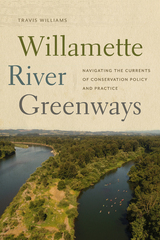
Travis Williams, executive director of Willamette Riverkeeper, has spent countless hours paddling the Willamette, becoming familiar with its flora, fauna, and human neighbors. In Willamette River Greenways, he combines personal narrative about his experiences on the river with nuanced consideration of the controversies and challenges of the Greenway Program. Williams sheds light on current land stewardship practices, revealing the institutional and leadership failures that endanger the river’s water quality and habitat, and looks to the program’s future. He also takes readers with him onto the water, sharing what it’s like to travel the river by canoe, paying homage to the river’s natural beauty and the host of wildlife species that call it home.
Part policy analysis, part advocacy, and all love letter to one of Oregon’s great rivers, Willamette River Greenways offers valuable perspective to policymakers, land use managers, and recreational river users alike.
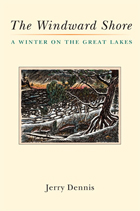
If you have been enchanted by Jerry Dennis’s earlier work on sailing the Great Lakes, canoeing, angling, and the natural wonders of water and sky—or you have not yet been lucky enough to enjoy his engaging prose—you will want to immerse yourself in his powerful and insightful new book on winter in Great Lakes country.
Grounded by a knee injury, Dennis learns to live at a slower pace while staying in houses ranging from a log cabin on Lake Superior’s Keweenaw Peninsula to a $20 million mansion on the northern shore of Lake Michigan. While walking on beaches and exploring nearby woods and villages, he muses on the nature of time, weather, waves, agates, books, words for snow and ice, our complex relationship with nature, and much more.
From the introduction: “I wanted to present a true picture of a complex region, part of my continuing project to learn at least one place on earth reasonably well, and trusted that it would appear gradually and accumulatively—and not as a conventional portrait, but as a mosaic that included the sounds and scents and textures of the place and some of the plants, animals, and its inhabitants. Bolstered by the notion that a book is a journey that author and reader walk together, I would search for promising trails and follow them as far as my reconstructed knee would allow.”

A unique guide to Florida's frontier history along Indian River.
The Winter Sailor is a historical adventure that details the yearly winter travels of Francis R. Stebbins to Florida's Indian River. Stebbins, a writer from Michigan, visited Florida in March of 1878 and became entranced by its pristine beauty. Subsequently, Stebbins and his traveling companions made annual visits to Indian River—until 1888 when tragedy struck and ended Stebbins' yearly journeys.
Being an observant traveler, Stebbins began a series of descriptive articles for his hometown newspaper that chronicled his journeys to the Indian River area. Stebbins's articles tell of his own personal experiences during his leisurely visits, which included such activities as hunting and fishing, studying the natural surroundings, and excavating Indian mounds. What Stebbins enjoyed most was sailing down the river interviewing townspeople and examining local attractions as he went. His articles also detail the lifestyle of the region, food, fashion, industry, history, environment, and changes that occurred over time. Stebbins's articles not only entertained and informed but also became a travelogue for his readers. He inspired northern travelers to go south and visit Florida, which contributed to the beginnings of large-scale tourism in the region.
The Winter Sailor combines Stebbins's 49 articles along with three by his companions, to provide an enjoyable, historical guide. Unique among 19th-century travelogues, this fascinating look into Florida's past documents a decade of change to the Indian River wilderness and becomes Stebbins's gift to the present.

A journey into the soul of the coldest season.
The locus of Jim dale Huot-Vickery’s life is a remote cabin in the northern wilderness of Minnesota’s Boundary Waters region. More often than not, it is winter here, a fierce, beautiful season that dominates all living things with its relentless cold grip. This is the inspiration for Winter Sign, the profound story of fifteen years of surviving the seven-month-long odyssey of winter in the far north.
“We know parkas, mukluks, mittens, snowshoes, skis, and sled dogs,” Huot-Vickery writes. “Snow sparkles gold on cloudless winter mornings. There are shell-pink sunsets. Stars glimmer among northern lights. . . . For those of us who know this land, however, beauty is only part of the winter story. There are those long nights, those we rarely speak about, that surely and irrevocably shift the soul.”Against this backdrop, Huot-Vickery writes authoritatively on the ecology of the area and philosophically about winter’s probing of the human spirit. He explores the world of nature and the constant struggle for survival, including his own interactions with white-tailed deer and wolves.Huot-Vickery circles around paradoxes and themes that invade the land and his life: nature’s beauty and bounty pitted against danger and death; the challenge of self-reliance and the depths of isolation; loss and restoration. And always there is the unrelenting winter, filled with wonder and terror. At turns poignant and harrowing, Winter Sign explores the solitude of the dark night of the soul, and the sustenance and inspiration winter’s wild beauty provides. ISBN 0-8166-2969-2 Paper $15.95192 pages 5 x 8 NovemberTranslation inquiries: University of Minnesota Press
"I'm embarrassed to say I thought I knew anything substantial about Wisconsin agriculture or its history before I read this book. 'Wisconsin Agriculture' should be required reading in history classes from high school to the collegiate level. It makes me thankful that Jerry Apps has such a sense of commitment to Wisconsin's agricultural heritage--and to getting the story right." --Pam Jahnke, Farm Director, Wisconsin Farm Report Radio
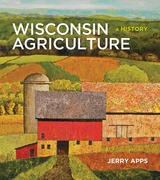
Wisconsin has been a farming state from its very beginnings. And though it's long been known as "the Dairy State," it produces much more than cows, milk, and cheese. In fact, Wisconsin is one of the most diverse agricultural states in the nation.
The story of farming in Wisconsin is rich and diverse as well, and the threads of that story are related and intertwined. In this long-awaited volume, celebrated rural historian Jerry Apps examines everything from the fundamental influences of landscape and weather to complex matters of ethnic and pioneer settlement patterns, changing technology, agricultural research and education, and government regulations and policies. Along with expected topics, such as the cranberry industry and artisan cheesemaking, "Wisconsin Agriculture" delves into beef cattle and dairy goats, fur farming and Christmas trees, maple syrup and honey, and other specialty crops, including ginseng, hemp, cherries, sugar beets, mint, sphagnum moss, flax, and hops. Apps also explores new and rediscovered farming endeavors, from aquaculture to urban farming to beekeeping, and discusses recent political developments, such as the 2014 Farm Bill and its ramifications. And he looks to the future of farming, contemplating questions of ethical growing practices, food safety, sustainability, and the potential effects of climate change.
Featuring first-person accounts from the settlement era to today, along with more than 200 captivating photographs, "Wisconsin Agriculture" breathes life into the facts and figures of 150 years of farming history and provides compelling insights into the state's agricultural past, present, and future.
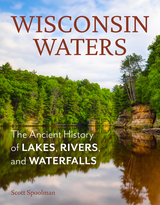
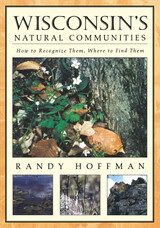
Cattails grow in a marsh, pitcher plants grow in a bog, jewelweed grows in a swamp, right? Do sandhill cranes live among sandy hills? Frogs live near lakes and ponds, but can they live on prairies, too? What is a pine barrens, an oak opening, a calcareous fen?
Wisconsin’s Natural Communities is an invitation to discover, explore, and understand Wisconsin’s richly varied natural environment, from your backyard or neighborhood park to stunning public preserves.Part 1 of the book explains thirty-three distinct types of natural communities in Wisconsin—their characteristic trees, beetles, fish, lichens, butterflies, reptiles, mammals, wildflowers—and the effects of geology, climate, and historical events on these habitats. Part 2 describes and maps fifty natural areas on public lands that are outstanding examples of these many different natural communities: Crex Meadows, Horicon Marsh, Black River Forest, Maribel Caves, Whitefish Dunes, the Blue Hills, Avoca Prairie, the Moquah Barrens and Chequamegon Bay, the Ridges Sanctuary, Cadiz Springs, Devil’s Lake, and many others.
Intended for anyone who has a love for the natural world, this book is also an excellent introduction for students. And, it provides landowners, public officials, and other stewards of our environment with the knowledge to recognize natural communities and manage them for future generations.
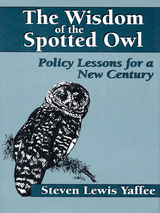
The controversy over the management of national forests in the Pacific Northwest vividly demonstrates the shortcomings of existing management institutions and natural resource policies. The Wisdom of the Spotted Owl explores the American policymaking process through the case of the spotted owl -- a case that offers a striking illustration of the failure of our society to cope with long-term, science-intensive issues requiring collective choices.
Steven Lewis Yaffee analyzes the political and organizational dynamics from which the controversy emerged and the factors that led to our stunning inability to solve it. He examines the state of resource management agencies and policy processes, providing insight into questions such as:
- What caused the extreme polarization of opinion and lack of communication throughout the 1980s and early 1990s?
- How can the inadequate response of government agencies and the failure of the decisionmaking process be explained?
- What kinds of changes must be made to enable our resource policy institutions to better deal with critical environmental issues of the 1990s and beyond?


Some parks, preserves, and other natural areas serve people well; others are disappointing. Successful design and management requires knowledge of both people and environments.
With People in Mind explores how to design and manage areas of "everyday nature" -- parks and open spaces, corporate grounds, vacant lots and backyard gardens, fields and forests -- in ways that are beneficial to and appreciated by humans. Rachel Kaplan and Stephen Kaplan, leading researchers in the field of environmental psychology, along with Robert Ryan, a landscape architect and urban planner, provide a conceptual framework for considering the human dimensions of natural areas and offer a fresh perspective on the subject. The authors examine.
physical aspects of natural settings that enhance preference and reduce fear ways to facilitate way-finding how to create restorative settings that allow people to recover from the stress of daily demands landscape elements that are particularly important to human needs techniques for obtaining useful public input
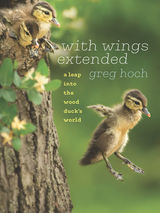
A century ago, many people had given up on the wood duck, dooming it to extinction along with the passenger pigeon and Carolina parakeet. Today, it’s one of the most familiar and most harvested ducks in the eastern half of the country, and one of America’s great conservation success stories.
In With Wings Extended, Minnesota conservationist Greg Hoch introduces readers to a duck they probably recognize but may not know well. This book shows how almost anyone can get involved in conservation and do something for wildlife beyond writing checks to conservation organizations. Hoch illustrates the complexities of wildlife and habitat management that landowners as well as state and federal wildlife agencies deal with on a daily basis, and takes readers through the life stages of what is largely considered the most beautiful duck in the world. In this fascinating and practical read, Hoch blends the historical literature about the species with modern science, and also shows how our views of conservation have changed over the last century.
Most people who write about our ethical obligations concerning animals base their arguments on emotional appeals or contentious philosophical assumptions; Bernstein, however, argues from reasons but carries little theoretical baggage. He considers the issues in a religious context, where he finds that Judaism in particular has the resources to ground moral obligations to animals. Without a Tear also makes novel use of feminist ethics to add to the case for drawing animals more closely into our ethical world.
Bernstein details the realities of factory farms, animal-based research, and hunting fields, and contrasting these chilling facts with our moral imperatives clearly shows the need for fundamental changes to some of our most basic animal institutions. The tightly argued, provocative claims in Without a Tear will be an eye-opening experience for animal lovers, scholars, and people of good faith everywhere.
As wolf populations have rebounded, scientific studies of them have also flourished. But there hasn't been a systematic, comprehensive overview of wolf biology since 1970. In Wolves, many of the world's leading wolf experts provide state-of-the-art coverage of just about everything you could want to know about these fascinating creatures. Individual chapters cover wolf social ecology, behavior, communication, feeding habits and hunting techniques, population dynamics, physiology and pathology, molecular genetics, evolution and taxonomy, interactions with nonhuman animals such as bears and coyotes, reintroduction, interactions with humans, and conservation and recovery efforts. The book discusses both gray and red wolves in detail and includes information about wolves around the world, from the United States and Canada to Italy, Romania, Saudi Arabia, Israel, India, and Mongolia. Wolves is also extensively illustrated with black and white photos, line drawings, maps, and fifty color plates.
Unrivalled in scope and comprehensiveness, Wolves will become the definitive resource on these extraordinary animals for scientists and amateurs alike.
Combining behavioral data, thousands of hours of original field observations, research in the literature, a wealth of illustrations, and—in the e-book edition and online—video segments from cinematographer Robert K. Landis, the authors create a compelling and complex picture of these hunters. The wolf is indeed an adept killer, able to take down prey much larger than itself. While adapted to hunt primarily hoofed animals, a wolf—or especially a pack of wolves—can kill individuals of just about any species. But even as wolves help drive the underlying rhythms of the ecosystems they inhabit, their evolutionary prowess comes at a cost: wolves spend one-third of their time hunting—the most time consuming of all wolf activities—and success at the hunt only comes through traveling long distances, persisting in the face of regular failure, detecting and taking advantage of deficiencies in the physical condition of individual prey, and through ceaseless trial and error, all while risking injury or death.
By describing and analyzing the behaviors wolves use to hunt and kill various wild prey—including deer, moose, caribou, elk, Dall sheep, mountain goats, bison, musk oxen, arctic hares, beavers, and others—Wolves on the Hunt provides a revelatory portrait of one of nature’s greatest hunters.
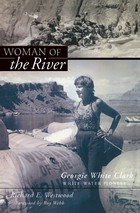
Georgie White Clark-adventurer, raconteur, eccentric--first came to know the canyons of the Colorado River by swimming portions of them with a single companion. She subsequently hiked and rafted portions of the canyons, increasingly sharing her love of the Colorado River with friends and acquaintances. At first establishing a part-time guide service as a way to support her own river trips, she went on to become perhaps the canyons' best-known river guide, introducing their rapids to many others-on the river, via her large-capacity rubber rafts, and across the nation, via magazine articles and movies. Georgie Clark saw the river and her sport change with the building of Glen Canyon Dam, enormous increases in the popularity of river running, and increased National Park Service regulation of rafting and river guides. Adjusting, though not always easily, to the changes, she helped transform an elite adventure sport into a major tourist activity.

Animal rights is one of the fastest growing social movements today. Women greatly outnumber men as activists, yet surprisingly, little has been written about the importance and impact of gender on the movement. Women and the Animal Rights Movement combats stereotypes of women activists as mere sentimentalists by exploring the political and moral character of their advocacy on behalf of animals.
Emily Gaarder analyzes the politics of gender in the movement, incorporating in-depth interviews with women and participant observation of animal rights organizations, conferences, and protests to describe struggles over divisions of labor and leadership. Controversies over PETA advertising campaigns that rely on women's sexuality to "sell" animal rights illustrate how female crusaders are asked to prioritize the cause of animals above all else. Gaarder underscores the importance of a paradigm shift in the animal liberation movement, one that seeks a more integrated vision of animal rights that connects universally to other issues--gender, race, economics, and the environment--highlighting that many women activists recognize and are motivated by the connection between the oppression of animals and other social injustices.
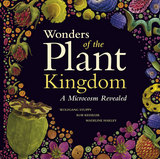
With Wonders of the Plant Kingdom, the naked eye gets an unforgettable boost. A stunning collaboration between science and art, this gorgeous book presents hundreds of images of plants taken with a scanning electron microscope and hand-colored by artist Rob Kesseler to reveal the awe-inspiring adaptations all around us. The surface of a peach—with its hairs, or trichomes, and sunken stomata, or breathing pores—emerges from these pages in microscopic detail. The dust-like seeds of the smallest cactus species in the world, the Blossfeldia liliputana—which measures just twelve millimeters fully grown—explode here with form, color, and character, while the flower bud of a kaffir lime, cross-sectioned, reveals the complex of a flower bud with the all-important pistil in the center.
Accompanying these extraordinary images are up-to-date explanations of the myriad ways that these plants have ensured their own survival—and, by proxy, our own. Gardeners and science buffs alike will marvel at this wholly new perspective on the world of plant diversity.
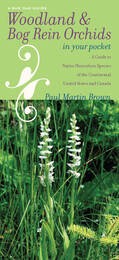
Native orchids are increasingly threatened by pressure from population growth and development but, nonetheless, still present a welcome surprise to observant hikers in every state and province. Compiled and illustrated by long-time orchid specialist Paul Martin Brown, this pocket guide to the woodland and bog rein orchids forms part of a series that will cover all the wild orchids of the continental United States and Canada.
Brown provides a description, general distributional information, time of flowering, and habitat requirements for each species as well as a complete list of hybrids and the many different growth and color forms that can make identifying orchids so challenging. For the woodland and bog rein orchids, which make up some of the most delicate and subtly colored of all wild orchids, he includes information on nineteen species, four subspecies and varieties, and seven hybrids.
The genus Platanthera is the largest genus of orchids to be found in North America north of Mexico; the woodland and bog rein orchids comprise a significant group of species found throughout much of temperate U.S. and Canada. The luminously green rein orchids, so-called because of the resemblance of some of the flowers to the reins used on horses, are especially abundant in rich woodlands, wetlands, and bogs in the more northerly and cooler habitats. Most are easy to identify based upon their general appearance, range, and time of flowering. Answering three simple questions—when, where, and how does it grow?—and comparing the living plants with the striking photos in this backpack-friendly laminated guide and the information in the simple key should enable both professional and amateur naturalists to achieve the satisfaction of identifying a specific orchid.

A manual to identify trees and shrubs in winter when the lack of leaves, fruits, and flowers makes them least identifiable, Woody Plants in Winter has become a classic for naturalists, botanists, gardeners, and hobbyists. Earl L. Core and Nell P. Ammons, both West Virginia University Professors of distinction, originally published this book with The Boxwood Press in 1958. Now in its fifteenth printing, the title has come home to West Virginia University Press.
A comprehensive guide that includes a vast range of species and plant communities and employs thorough, original keys. Based primarily on vegetative characteristics, the keys don't require that flowers or other reproductive features be present, like many plant guides. And this guide's attention to woody plants as a whole allows one to identify a much greater variety of plants. That especially suits an arid region such as Utah with less diverse native trees. Woody plants are those that have stems that persist above ground even through seasons that don't favor growth, due to low precipitation or temperatures.
Woody Plants of Utah employs dichotomous identification keys that are comparable to a game of twenty questions. They work through a process of elimination by choosing sequential alternatives.
Detailed, illustrated plant descriptions complement the keys and provide additional botanical and environmental information in relation to a useful introductory categorization of Utah plant communities. Supplementary tools include photos, distribution maps, and an illustrated glossary.
The lavish array of organisms known as "biodiversity" is an intricately linked web that makes the earth a uniquely habitable planet. Yet pressures from human activities are destroying biodiversity at an unprecedented rate. How many species can be lost before the ecological systems that nurture life begin to break down?
In The Work of Nature, noted science writer Yvonne Baskin examines the threats posed to humans by the loss of biodiversity. She summarizes and explains key findings from the ecological sciences, highlighting examples from around the world where shifts in species have affected the provision of clean air, pure water, fertile soils, lush landscapes, and stable natural communities.
As Baskin makes clear, biodiversity is much more than number of species -- it includes the complexity, richness, and abundance of nature at all levels, from the genes carried by local populations to the layout of communities and ecosystems across the landscape. Ecologists are increasingly aware that mankind's wanton destruction of living organisms -- the planet's work force -- threatens to erode our basic life support services. With uncommon grace and eloquence, Baskin demonstrates how and why that is so.
Distilling and bringing to life the work of the world's leading ecologists, The Work of Nature is the first book of its kind to clearly explain the practical consequences of declining biodiversity on ecosystem health and function.
READERS
Browse our collection.
PUBLISHERS
See BiblioVault's publisher services.
STUDENT SERVICES
Files for college accessibility offices.
RECENTLY PUBLISHED






UChicago Accessibility Resources
home | accessibility | search | about | contact us
BiblioVault ® 2001 - 2025
The University of Chicago Press