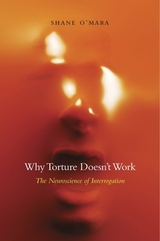
Torture is banned because it is cruel and inhumane. But as Shane O’Mara writes in this account of the human brain under stress, another reason torture should never be condoned is because it does not work the way torturers assume it does.
In countless films and TV shows such as Homeland and 24, torture is portrayed as a harsh necessity. If cruelty can extract secrets that will save lives, so be it. CIA officers and others conducted torture using precisely this justification. But does torture accomplish what its defenders say it does? For ethical reasons, there are no scientific studies of torture. But neuroscientists know a lot about how the brain reacts to fear, extreme temperatures, starvation, thirst, sleep deprivation, and immersion in freezing water, all tools of the torturer’s trade. These stressors create problems for memory, mood, and thinking, and sufferers predictably produce information that is deeply unreliable—and, for intelligence purposes, even counterproductive. As O’Mara guides us through the neuroscience of suffering, he reveals the brain to be much more complex than the brute calculations of torturers have allowed, and he points the way to a humane approach to interrogation, founded in the science of brain and behavior.
Torture may be effective in forcing confessions, as in Stalin’s Russia. But if we want information that we can depend on to save lives, O’Mara writes, our model should be Napoleon: “It has always been recognized that this way of interrogating men, by putting them to torture, produces nothing worthwhile.”