logo for American Library Association
Assistive Technologies in the Library
Barbara T. Mates
American Library Association, 2011

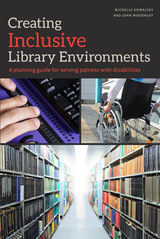
front cover of Creating Inclusive Library Environments
Creating Inclusive Library Environments
A Planning Guide for Serving Patrons with Disabilities
Michelle Kowalsky
American Library Association, 2016

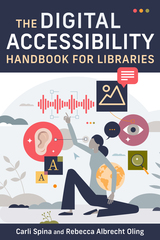
front cover of Digital Accessibility Handbook for Libraries
Digital Accessibility Handbook for Libraries
Carli Spina and Rebecca Albrecht Oling
American Library Association, 2025
A complicated topic encompassing many disparate facets, digital accessibility in libraries is in constant flux as new technologies emerge and design standards continue to evolve. This makes it challenging for library workers to ensure that their libraries meet legal requirements while also fostering inclusion for all their community members. Incorporating advice from a range of outside accessibility experts and practitioners, this guide is here to help. It delves into practical steps you can take to ensure that your library’s online presence is welcoming to everyone and that all your digital offerings avoid barriers that can exclude users with disabilities. No matter your level of experience or type of library, from this book you will
  • come to understand what is meant by disability and why libraries have obligations to support disabled users;
  • learn about a wide range of software and hardware for creating inclusive spaces and services regardless of your budget limitations or staffing levels;
  • get comfortable with the overarching principles of online accessibility and how they specifically apply to library websites, digital media and files, digital communications, and emerging technologies such as augmented reality, virtual reality, and artificial intelligence (AI);
  • discover how libraries can verify the accessibility of the tools they develop or subscribe to, including best practices for working with vendors to optimize the accessibility of their library products;
  • be invited to reflect upon the future of digital accessibility, particularly concerning education and hiring to ensure that accessibility remains central to the work done at all libraries.
Both Spina and Oling have worked within SUNY - The State University of New York to hone skills and thinking in this area, resulting in the Library Procurement Accessibility Toolkit, an ongoing project. They currently co-chair a subcommittee reviewing the SUNY libraries' implementation of the Electronic Information Accessibility Policy.

[more]

logo for American Library Association
Implementing Cost-Effective Assistive Computer Technology
A How-To-Do-It Manual for Librarians
Jane Vincent
American Library Association, 2012

logo for Assoc of College & Research Libraries
Librarians Serving Diverse Populations
Challenges And
Lori Mestre
Assoc of College & Research Libraries, 2011

logo for American Library Association
Revised Standards and Guidelines of Service for the Library of Congress Network of Libraries for the Blind and Physically Handicapped
Association of Specialized and Cooperative Library Agencies
American Library Association, 2017

logo for American Library Association
REVISED STANDARDS AND GUIDELINES OF SERVICE for the Library of Congress Network of Libraries for the Blind and Physically Handicapped
American Library Association
American Library Association, 2011

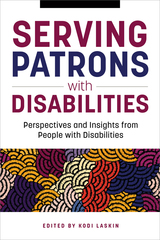
front cover of Serving Patrons with Disabilities
Serving Patrons with Disabilities
Perspectives and Insights from People with Disabilities
Edited by Kodi Laskin
American Library Association, 2023
Ensuring accessibility is more important than ever; however, answering questions of what needs to be done and why to make a library accessible can be an uncomfortable and daunting hurdle to true inclusion. This book is a safe, nonjudgmental tool for overcoming this awkwardness, offering readers practical, to-the-point information and guidance that complies with the Americans with Disabilities Act (ADA). Its contributors showcase real-world stories and viewpoints that illustrate ways to provide excellent customer service and a safe environment to all patrons regardless of ability. Readers will learn about
  • bridging the gap between people with disabilities and those without, through empathy, patience, and understanding;
  • techniques for training staff and overcoming discomfort;
  • making your library accessible for people with mobility issues;
  • how to interact with and assist a person with limited sight or hearing;
  • guidance for interacting with a service animal handler;
  • advice on library programming for people with learning differences; and
  • best practices for effective service to patrons who use a speech assistance device.
[more]


Send via email Share on Facebook Share on Twitter