Results by title
1445 books match the query 'Life Sciences' and 90 start with p
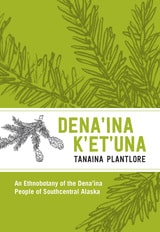
Plantlore/Dena'ina K'et'una
An Ethnobotany of the Dena'ina People of Southcentral AlaskaPriscilla N. Russell
University of Alaska Press, 2020
This book is the culmination of more than a decade of ethnobotanical study and provides accounts of the traditional lore associated with these plants based on a wealth of interviews with Dena’ina people. This new edition includes new graphical content consolidating practical plant information and traditional uses.
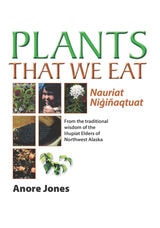
Plants That We Eat
Nauriat Nigiñaqtaut - From the traditional wisdom of the Iñupiat Elders of Northwest AlaskaAnore Jones
University of Alaska Press, 2010
Plants for Food and Medicine
Edited by H. D. V. Prendergast, N. L. Etkin, D. R. Harris, and P. J. Houghton
Royal Botanic Gardens, Kew, 2000
Plants from the Past
Works Of Leonard W. Blake & Hugh C. CutlerLeonard W. Blake and Hugh C. Cutler; With an Introduction by Gayle J. Fritz and Patty Jo Watson
University of Alabama Press, 2001
Plants from the Past is a fascinating, comprehensive record of the work of two dedicated plant scientists who were instrumental in the establishment of archaeobotany and paleoethnobotany as vigorous subdisciplines within American archaeology. Hugh Carson Cutler and Leonard Watson Blake worked together for many decades at the Missouri Botanical Garden in St. Louis, identifying and interpreting plant remains from archaeological sites all over North America.
Covering a period of 30 years and tracing the development of the study of plant remains from archaeological sites, the volume will give archaeologists access to previously unavailable data and interpretations. It features the much-sought-after extensive inventory "Plants from Archaeological Sites East of the Rockies," which serves as a reference to archaeobotanical collections curated at the Illinois State Museum. The chapters dealing with protohistory and early historic foodways and trade in the upper Midwest are especially relevant at this time of increasing attention to early Indian-white interactions.
The editors' introduction provides coherence and historical context for the papers and points to the book's potential as a resource for future research. Graced by Dr. Blake's brief introductions to each chapter, Plants from the Past neatly compiles the earliest research in archaeobotany by two originators of the science.
Plants of the World
Maarten J. M. Christenhusz, Michael F. Fay, and Mark W. Chase
Royal Botanic Gardens, Kew, 2017
Plants of the World
An Illustrated Encyclopedia of Vascular PlantsMaarten J. M. Christenhusz, Michael F. Fay, and Mark W. Chase
University of Chicago Press, 2017
Plasticity in the Life Sciences
Antonine Nicoglou
University of Chicago Press, 2024
Plasticity has become an important topic in biology, with some even wondering if it has now acquired the theoretical importance in biology that the concept of the gene enjoyed at the beginning of the last century. In this historical and epistemological study, philosopher Antonine Nicoglou shows how the recurrence of the general idea of plasticity—throughout the history of the life sciences—indicates its essential role in the way we think about life processes. Although plasticity has become a key element in new evolutionary thinking, she argues, its role in contemporary biology is also not insignificant. Rather, as mobilized in contemporary biology, plasticity most often seeks to account for the specific nature of living systems.
The book is divided into two parts. The first takes up the history of plasticity from Aristotle to contemporary biology; the second part offers an original way of distinguishing between different phenomena described by “plasticity.” In the process, the author explores what has led some biologists to speak of plasticity as a way of overcoming genetic determinism.
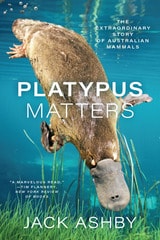
Platypus Matters
The Extraordinary Story of Australian MammalsJack Ashby
University of Chicago Press, 2022
Think of a platypus: They lay eggs (that hatch into so-called platypups), produce milk without nipples and venom without fangs, and can detect electricity. Or a wombat: Their teeth never stop growing, they poop cubes, and they defend themselves with reinforced rears. And what about antechinuses—tiny marsupial carnivores whose males don’t see their first birthday, as their frenzied sex lives take so much energy that their immune systems fail? Platypuses, possums, wombats, echidnas, devils, kangaroos, quolls, dibblers, dunnarts, kowaris: Australia has some truly astonishing mammals, with incredible, unfamiliar features. But how does the world regard these creatures? And what does that mean for their conservation?
In Platypus Matters, naturalist Jack Ashby shares his love for these often-misunderstood animals. Informed by his own experiences meeting living marsupials and egg-laying mammals during fieldwork in Tasmania and mainland Australia, as well as his work with thousands of zoological specimens collected for museums over the last two-hundred-plus years, Ashby’s tale not only explains historical mysteries and debunks myths (especially about the platypus), but also reveals the toll these myths can take. Ashby makes clear that calling these animals “weird” or “primitive”—or incorrectly implying that Australia is an “evolutionary backwater,” a perception that can be traced back to the country’s colonial history—has undermined conservation: Australia now has the worst mammal extinction rate of any place on Earth. Important, timely, and written with humor and wisdom by a scientist and self-described platypus nerd, this celebration of Australian wildlife will open eyes and change minds about how we contemplate and interact with the natural world—everywhere.
Playing God?
Human Genetic Engineering and the Rationalization of Public Bioethical DebateJohn H. Evans
University of Chicago Press, 2001
Playing God? asks why and explores the social forces that have led to the thinning out of public debate over human genetic engineering. John H. Evans contends that the problem lies in the structure of the debate itself. Disputes over human genetic engineering concern the means for achieving assumed ends, rather than being a healthy discussion about the ends themselves. According to Evans, this change in focus occurred as the jurisdiction over the debate shifted from scientists to bioethicists, a change which itself was caused by the rise of the bureaucratic state as the authority in such matters. The implications of this timely study are twofold. Evans not only explores how decisions about the ethics of human genetic engineering are made, but also shows how the structure of the debate has led to the technological choices we now face.

Playing the Ponies and Other Medical Mysteries Solved
Stuart B. Mushlin, MD, FACP
Rutgers University Press, 2017
With over forty years of experience as a sought after diagnostician, Dr. Stuart Mushlin has cracked his share of medical mysteries, ones in which there are bigger gambles than playing the ponies at the track. Some of his patients show up with puzzling symptoms, calling for savvy medical detective work. Others seem to present cut-and-dry cases, but they turn out to be suffering from rare or serious conditions.
In Playing the Ponies and Other Medical Mysteries Solved, Dr. Mushlin shares some of the most intriguing cases he has encountered, revealing the twists and turns of each patient’s diagnosis and treatment process. Along the way, he imparts the secrets to his success as a medical detective—not specialized high-tech equipment, but time-honored techniques like closely observing, touching, and listening to patients. He also candidly describes cases where he got things wrong, providing readers with honest insights into both the joys and dilemmas of his job.
Dr. Mushlin does not just treat diseases; he treats people. And this is not just a book about the ailments he diagnosed; it is also about the scared, uncertain, ailing individuals he helped in the process. Filled with real-life medical stories you’ll have to read to believe, Playing the Ponies is both a suspenseful page-turner and a heartfelt reflection on a life spent caring for patients.
Poisonous Plants and Venomous Animals of Alabama and Adjoining States
Whit Gibbons, Robert R. Haynes, and Joab L. Thomas
University of Alabama Press, 1989
The essential guide to identifying and understanding the Southeast's toxic plants and venomous wildlife.
Wisteria, mistletoe, oleander, milkweed, narcissus, yellow Jessamine, wild hydrangea, trillium, all are plants easily recognized by most people. But these and more that 200 other plants in Alabama and the Southeast can cause systemic poisoning if ingested by human beings and livestock. This book describes these poisonous plants, including various mushrooms, and discusses the toxic properties, symptoms of poisoning, habitat occurrence, and geographic distribution. One chapter describes plants that cause dermatitis or other allergic reactions-plants including poison ivy, poison sumac, ragweed, clematis, and red maple.
Other chapters of the book discuss venous animals-not only the six venomous snakes of the Southeast but also certain jellyfishes, centipedes, spiders, scorpions, stinging caterpillars, wasps, hornets, bees, catfishes, stingrays, and others- that might be encountered by people during recreation or work. The authors describe habitat occurrence, geographic distribution, and general life history and behavior for these animals. Numerous color photographs and drawings of both plants and animals are included for identification, as well as hundreds of range maps.
The authors encourage an appreciation for the protective mechanisms hat help plants and animals defend themselves against predators or other threats. Although people must be able to recognize a poisonous plant or venomous animal in order to avoid suffering unwary contact, the book reassures the reader that Alabama’s flora and fauna gives us little cause to worry on a relative scale. The information provided increases our understanding of and admiration for these species and their environments.
Political Descent
Malthus, Mutualism, and the Politics of Evolution in Victorian EnglandPiers J. Hale
University of Chicago Press, 2014
These two traditions, Hale shows, developed in a context of mutual hostility, debate, and refutation. Participants disagreed not only about evolutionary processes but also on broader questions regarding the kind of creature our evolution had made us and in what kind of society we ought therefore to live. Significantly, and in spite of Darwin’s acknowledgement that natural selection was “the doctrine of Malthus, applied to the whole animal and vegetable kingdoms,” both sides of the debate claimed to be the more correctly “Darwinian.” By exploring the full spectrum of scientific and political issues at stake, Political Descent offers a novel approach to the relationship between evolution and political thought in the Victorian and Edwardian eras.
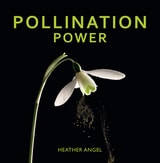
Pollination Power
Heather Angel
University of Chicago Press, 2016
In stunning full-color images, employing the latest photographic techniques, esteemed photographer Heather Angel has captures the intimate interactions of plants with their floral pollinators. The plants come not only from Angel’s Surrey backyard and the Royal Botanic Garden at Kew, but from twenty countries where Angel has travelled—from the rich floral kingdoms of the Cape of South Africa to the diversity of China and the Americas. The photos illustrate the varied techniques that flowers use to communicate with their pollinators. Some, for example, change color when the flower no longer has rewards to offer. Others control precisely when pollinators enter or leave by timing when they open and close their petals or when they emit a scent. This fascinating array of pollination repertoires crossfertilizes Angel’s photos with a descriptive text.
Featuring both common and exotic plants and temperate and tropical floral, Pollination Power will entice anyone with a passion for botanicals, from gardeners to botanists alike.
Pond and Brook
A Guide to Nature in Freshwater EnvironmentsMichael J. Caduto
University Press of New England, 1990
Population Dynamics in Ecological Space and Time
Olin E. Rhodes Jr., Ronald K. Chesser, and Michael H. Smith
University of Chicago Press, 1996
This volume is the first to integrate mathematical and biological approaches to these crucial topics. The editors include not only a wide variety of theoretical approaches, but also a broad range of experimental and field studies, with chapters written by renowned experts in community ecology, ecological modeling, population genetics, and conservation biology.
In addition to providing new insights into well-known topics such as migration, the authors also introduce some less familiar subjects, including bacterial population genetics and ecotoxicology. For anyone interested in the study, management, and conservation of populations, this book will prove to be a valuable resource.
Population Ecology of Roosevelt Elk
Conservation and Management in Redwood National and State ParksButch Weckerly
University of Nevada Press, 2017
In a study spanning more than twenty years, Weckerly made key observations and conducted various investigations under a multitude of ecological conditions. Few authors have dedicated this much time and effort into a single research area. It is a testament to perseverance that his groundbreaking study of the Roosevelt elk was so successful. He was able to document the independent dynamics of several herds of female elk, experience the extinction of one of their subpopulations, and record scientific conclusions in the context of resiliency and redundancy of the elk population.
This book will be of considerable interest to those who investigate the ecology of big game animals, including naturalists, hunters, and individuals with particular interest in Redwood State and National Parks. It is an important book that contributes substantially to the persistence and viability of Roosevelt elk in the parks and the surrounding area.
Population Fluctuations in Rodents
Charles J. Krebs
University of Chicago Press, 2013

Population Genetics, Molecular Evolution, and the Neutral Theory
Selected PapersMotoo Kimura
University of Chicago Press, 1994
Kimura's neutral theory, first presented in 1968, challenged the notion that natural selection was the sole directive force in evolution. Arguing that mutations and random drift account for variations at the level of DNA and amino acids, Kimura advanced a theory of evolutionary change that was strongly challenged at first and that eventually earned the respect and interest of evolutionary biologists throughout the world. This volume includes the seminal papers on the neutral theory, as well as many others that cover such topics as population structure, variable selection intensity, the genetics of quantitative characters, inbreeding systems, and reversibility of changes by random drift.
Background essays by Naoyuki Takahata examine Kimura's work in relation to its effects and recent developments in each area.
Population Viability Analysis
Edited by Steven R. Beissinger and Dale R. McCullough
University of Chicago Press, 2002
In this book, many of the world's leading conservation and population biologists evaluate what has become a key tool in estimating extinction risk and evaluating potential recovery strategies—population viability analysis, or PVA. PVA integrates data on the life history, demography, and genetics of a species with information on environmental variability, using computer models ranging from simple measures of population growth rate to complex spatial simulations, to predict whether a given population will remain viable (i.e., not go extinct) under various management options. A synthetic and objective overview of the latest theoretical and methodological advances, Population Viability Analysis will be crucial reading for conservationists, land managers, and policy makers.
Positive Youth Development and Spirituality
From Theory to ResearchRichard M. Lerner
Templeton Press, 2008
<p>Bringing together a never-before-assembled network of biologists, psychologists, and sociologists, <em>Positive Youth Development and Spirituality</em> scientifically examines how spirituality and its cultivation may affect the positive development of adolescents. </p>
<p>Chapters provide groundbreaking new discussions of conceptual, theoretical, definitional, and methodological issues that need to be addressed when exploring the relationships between spirituality and development. Throughout the book, contributors recommend ways in which the research on the spirituality/positive youth development connection may be integral in building the larger field of spiritual development as a legitimate and active domain of developmental science. This volume, which is sure to be seen as a seminal contribution to a field in need of theoretical underpinnings, will be of interest to scholars and scientists in the fields of biology and the social and behavioral sciences.</p>
<p>Contributors include: Mona Abo-Zena, Jeffrey Jensen Arnnett, Peter L. Benson, Marina Umaschi Bers, Aerika Brittian, William Damon, Angela M. DeSilva, Jacquelynne S. Eccles, David Henry Feldman, Simon Gächter, Elena L. Grigorenko, Sonia S. Isaac, Lene Arnett Jensen, Carl N. Johnson, Linda Juang, Pamela Ebstyne King, Richard M. Lerner, Jennifer Menon, Na'ilah Sued Nasir, Guerda Nicolas, Toma´š Paus, Stephen C. Peck, Erin Phelps, Alan P. Poey, Robert W. Roeser, W. George Scarlett, Lonnie R. Sherrod, Gabriel S. Spiewak, Chris Starmer, Moin Syed, Janice L. Templeton, Heather L. Urry, and Richard Wilkinson.</p>
Postgenomics
Perspectives on Biology after the GenomeSarah S. Richardson and Hallam Stevens, editors
Duke University Press, 2015
Contributors. Russ Altman, Rachel A. Ankeny, Catherine Bliss, John Dupré, Michael Fortun, Evelyn Fox Keller, Sabina Leonelli, Adrian Mackenzie, Margot Moinester, Aaron Panofsky, Sarah S. Richardson, Sara Shostak, Hallam Stevens
Power in the Wild
The Subtle and Not-So-Subtle Ways Animals Strive for Control over OthersLee Alan Dugatkin
University of Chicago Press, 2022
The quest for power in animals is so much richer, so much more nuanced than who wins what knock-down, drag-out fight. Indeed, power struggles among animals often look more like an opera than a boxing match. Tracing the path to power for over thirty different species on six continents, writer and behavioral ecologist Lee Alan Dugatkin takes us on a journey around the globe, shepherded by leading researchers who have discovered that in everything from hyenas to dolphins, bonobos to field mice, cichlid fish to cuttlefish, copperhead snakes to ravens, and meerkats to mongooses, power revolves around spying, deception, manipulation, forming and breaking up alliances, complex assessments of potential opponents, building social networks, and more. Power pervades every aspect of the social life of animals: what they eat, where they eat, where they live, whom they mate with, how many offspring they produce, whom they join forces with, and whom they work to depose. In some species, power can even change an animal’s sex. Nor are humans invulnerable to this magnificently intricate melodrama: Dugatkin’s tales of the researchers studying power in animals are full of unexpected pitfalls, twists and turns, serendipity, and the pure joy of scientific discovery.
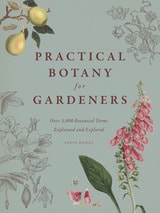
Practical Botany for Gardeners
Over 3,000 Botanical Terms Explained and ExploredGeoff Hodge
University of Chicago Press, 2013
Practical Botany for Gardeners provides an elegant and accessible introduction to the world of botany. It presents the essentials that every gardener needs to know, connecting explanations of scientific facts with useful gardening tips. Flip to the roots section and you’ll not only learn how different types of roots support a plant but also find that adding fungi to soil aids growth. The pruning section both defines “lateral buds” and explains how far back on a shoot to cut in order to propagate them.
The book breaks down key areas and terminology with easy-to-navigate chapters arranged by theme, such as plant types, plant parts, inner workings, and external factors. “Great Botanists” and “Botany in Action” boxes delve deeper into the fascinating byways of plant science. This multifaceted book also includes two hundred botanical illustrations and basic diagrams that hearken to the classic roots of botany.
Part handbook, part reference, Practical Botany for Gardeners is a beautifully captivating read. It’s a must for garden lovers and backyard botanists who want to grow and nurture their own plant knowledge.

Practical Healthcare Epidemiology
Third EditionEdited by Ebbing Lautenbach, Keith F. Woeltje, and Preeti N. Malani
University of Chicago Press, 2010
In recent years, issues of infection prevention and control, patient safety, and quality-of-care have become increasingly prominent in healthcare facilities. Practical Healthcare Epidemiology takes a practical, hands-on approach to these issues, addressing all aspects of infection surveillance and prevention in clear, straightforward terms. This fully revised third edition brings together the expertise of more than fifty leaders in healthcare epidemiology who provide clear, sound guidance on infection prevention and control for the full range of patients in all types of healthcare facilities, including those in settings with limited resources. A powerful resource for practitioners in any branch of medicine or public health who are involved in infection prevention and control, whether they are experienced in healthcare epidemiology or new to the field.
“A handy desk reference and an up-to-date primer for trainees and experts alike” —The Journal of the American Medical Association
“An essential for anyone in the field.”—Thomas R. Talbot, Chief Hospital Epidemiologist, Vanderbilt University Medical Center
Preliminary List of the Compositae in Northeastern Brazil
D. J. Nicholas Hind and Elaine B. Miranda
Royal Botanic Gardens, Kew, 2000
Preliminary List of the Cyperaceae in Northeastern Brazil
A. C. Araujo, E. César, and D. Simpson
Royal Botanic Gardens, Kew, 2000
Preliminary List of the Leguminosae in Northeastern Brazil
Edgley A. César, Fabricio S. Juchum, and Gwilym Lewis
Royal Botanic Gardens, Kew, 2006
For the purposes of this checklist, the second in the series, 9,066 specimens were examined and 869 species are recorded in 135 genera.
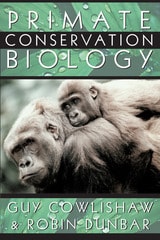
Primate Conservation Biology
Guy Cowlishaw and Robin I. M. Dunbar
University of Chicago Press, 2000
Primate Conservation Biology begins with detailed overviews of the diversity, life history, ecology, and behavior of primates and the ways these factors influence primate abundance and distribution. Cowlishaw and Dunbar then discuss the factors that put primates at the greatest risk of extinction, especially habitat disturbance and hunting. The remaining chapters present a comprehensive review of conservation strategies and management practices, highlighting the key issues that must be addressed to protect primates for the future.
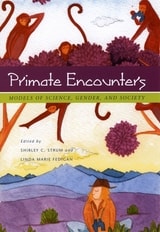
Primate Encounters
Models of Science, Gender, and SocietyEdited by Shirley C. Strum and Linda Marie Fedigan
University of Chicago Press, 2000
"[A] fascinating study . . . on how and why ideas about primate society have changed. The volume consists of dialogues among scientists from different disciplines, national traditions, scientific culture, generations, standpoints, and genders. . . . A wonderful reflection on the discipline of primatology and on science in general."—Science Books and Films
"Primate Encounters should be required reading for anyone about to embark on a career in the field. But it equally valuable for its miscellany of opinions, recollections and off-the-cuff remarks, as well as for its thoughtful observations, 'outrageous ravings' and humour (from the elders in the field). It gives us a glimpse of how scientists work together to understand their place in the world."—Deborah L. Mazolillo, Times Literary Supplement
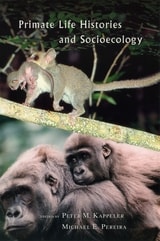
Primate Life Histories and Socioecology
Edited by Peter M. Kappeler and Michael E. Pereira
University of Chicago Press, 2003
Exploring these issues and many others, the contributors to Primate Life Histories and Socioecology provide the first systematic attempt to understand relationships among primate life histories, ecology, and social behavior conjointly. Topics covered include how primate life histories interact with rates of evolution, predator pressure, and diverse social structures; how the slow maturation of primates affects the behavior of both young and adult caregivers; and reciprocal relationships between large brains and increased social and behavioral complexity. The first collection of its kind, this book will interest a wide range of researchers, from anthropologists and evolutionary biologists to psychologists and ecologists.
Contributors:
Paul-Michael Agapow, Susan C. Alberts, Jeanne Altmann, Robert A. Barton, Nicholas G. Blurton Jones, Robert O. Deaner, Robin I. M. Dunbar, Jörg U. Ganzhorn, Laurie R. Godfrey, Kristen Hawkes, Nick J. B. Isaac, Charles H. Janson, Kate E. Jones, William L. Jungers, Peter M. Kappeler, Susanne Klaus, Phyllis C. Lee, Steven R. Leigh, Robert D. Martin, James F. O'Connell, Sylvia Ortmann, Michael E. Pereira, Andy Purvis, Caroline Ross, Karen E. Samonds, Jutta Schmid, Stephen C. Stearns, Michael R. Sutherland, Carel P. van Schaik, and Andrea J. Webster.
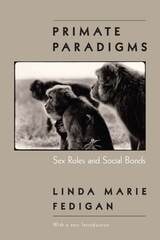
Primate Paradigms
Sex Roles and Social BondsLinda Marie Fedigan
University of Chicago Press, 1992
"A book that properly illuminates in rich detail not only developmental and socioecological aspects of primate behavior but also how and why certain questions are asked. In addition, the book frequently focuses on insufficiently answered questions, especially those concerned with the evolution of primate sex differences. Fedigan's book is unique . . . because it places primate adaptations and our explanation of those patterns in a larger intellectual framework that is easily and appropriately connected to many lines of research in different fields (sociology, psychology, anthropology, neurobiology, endocrinology, and biology)—and not in inconsequential ways, either."—James McKenna, American Journal of Primatology
"This is the feminist critique of theories of primate and human evolution."—John H. Cook, Nature
Primate Societies
Edited by Barbara B. Smuts, Dorothy L. Cheney, Robert M. Seyfarth, Richard W. Wr
University of Chicago Press, 1986
information on primate socioecology and its theoretical and
empirical significance, spanning the disciplines of behavioral
biology, ecology, anthropology, and psychology. It is a very rich
source of ideas about other taxa.
"A superb synthesis of knowledge about the social lives of
non-human primates."—Alan Dixson, Nature

Primitive Classification
Emile Durkheim and Marcel Mauss
University of Chicago Press, 1967
"[Primitive Classification] will impress the reader with its quiet elegance, its direct, logical form, its clarity of style, its spirit of careful, yet bold, exploration."—Harry Alpert, American Journal of Sociology
"Particularly instructive for anyone who wonders what social anthropology is: how, if at all, it differs from sociology and whether it has any unifying theoretical problem."—F. K. Lehman, American Sociological Review
Principles of Animal Behavior, 4th Edition
Lee Alan Dugatkin
University of Chicago Press, 2020
As Principles of Animal Behavior makes clear, the tapestry of animal behavior is created from weaving all of these components into a beautiful whole. With Dugatkin’s exquisitely illustrated, comprehensive, and up-to-date fourth edition, we are able to admire that beauty anew.
Principles of Animal Behavior, 5th Edition
Lee Alan Dugatkin
University of Chicago Press, 2025
So much has happened in the field of animal behavior since the last edition of this definitive textbook was published in 2020. In this fifth edition, Lee Alan Dugatkin continues to draw on cutting-edge new research not only to update and expand on the studies presented but also to reinforce the previous editions’ focus on ultimate and proximate causation as well as the book’s unique emphasis on natural selection, learning, and cultural transmission in nonhuman animals. The result is an essential update to the leading textbook on animal behavior that explains underlying concepts accessibly and with scientific rigor.
Completely new features include:
- Anthropogenic Connection Boxes. Humans are changing the planet. We are clearing forests, polluting the oceans, irrigating deserts, poisoning the soils, and driving a dramatic increase in global temperatures. All of these changes alter both the habitats where animals live and the species themselves as they evolve in response to our impact on their surroundings. Students will dig deep into how anthropogenic evolution affects animal behavior.
- Social Network Connection Boxes. Researchers have discovered that social networks play a critical role in almost every aspect of animal life: what they eat, how they protect themselves, who they mate with, the dynamics of parent-offspring relations, aggression, navigation, communication, play, cooperation, culture, and more. Students will discover how social network studies enrich our understanding of the wondrous complexity of animal behavior.
Principles of Soundscape Ecology
Discovering Our Sonic WorldBryan C. Pijanowski
University of Chicago Press, 2024
What do the sounds of a chorus of tropical birds and frogs, a clap of thunder, and a cacophony of urban traffic have in common? They are all components of a soundscape, acoustic environments that have been identified by scientists as a combination of the biophony, geophony, and anthrophony, respectively, of all of Earth’s sound sources. As sound is a ubiquitous occurrence in nature, it is actively sensed by most animals and is an important way for them to understand how their environment is changing. For humans, environmental sound is a major factor in creating a psychological sense of place, and many forms of sonic expression by people embed knowledge and culture. In this book, soundscape ecology pioneer Bryan C. Pijanowski presents the definitive text for both students and practitioners who are seeking to engage with this thrilling new field. Principles of Soundscape Ecology clearly outlines soundscape ecology’s critical foundations, key concepts, methods, and applications. Fundamentals include concise and valuable descriptions of the physics of sound as well as a thorough elucidation of all sounds that occur on Earth. Pijanowski also presents a rich overview of the ecological, sociocultural, and technical theories that support this new science, illustrating the breadth of this amazingly transdisciplinary field. In methods, he describes the principles of data mining, signal processing, and mixed methods approaches used to study soundscapes in ecological, social, or socio-ecological contexts. The final section focuses on terrestrial, aquatic, urban, and music applications, demonstrating soundscape ecology’s utility in nearly all spaces.
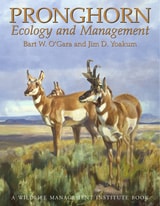
Pronghorn
Ecology & Mangemt: Ecology and ManagementBart W. O'Gara
University Press of Colorado, 2004
Full chapters are devoted to distribution, nutrition and food, diseases and parasites, ecosystem management, hunting, and much more. The principal authors—the world’s preeminent pronghorn biologists, Bart W. O’Gara and Jim D. Yoakum—conclude with a thorough discussion of the future of pronghorn and their management. With 23 chapters that include contributions by 10 other wildlife professionals and more than 850 illustrations, including original artwork by Edson Fichter and Daniel P. Metz, Pronghorn: Ecology and Management is the definitive work on the species.
A Wildlife Management Institute Book
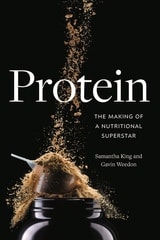
Protein
The Making of a Nutritional SuperstarSamantha King and Gavin Weedon
Duke University Press, 2026
Protein is everywhere—praised as a muscle builder, a weight-loss miracle, an anti-aging elixir, and the catch-all solution for everything from exercise recovery to global malnutrition. In Protein, Samantha King and Gavin Weedon argue that protein’s rise to nutritional superstardom has less to do with human dietary needs and more to do with how its indeterminate, adhesive qualities are marshalled towards commercial, scientific, and social imperatives. Tracing its path from nineteenth-century biochemistry to the status it enjoys today, they expose how protein has been marketed as a cure for global hunger, repackaged as an eco-friendly meat alternative, and wielded as a symbol of masculinity in the fitness industry. From whey waste in industrial farming to longevity drugs for aging bodies, Protein unpacks the myths behind the macronutrient and challenges what we think we know about food, health, and the forces that shape our diets.
Psychological Science and Christian Faith
Insights and Enrichments from Constructive DialogueMalcolm A. Jeeves
Templeton Press, 2018
Because Christianity and psychology deal with different levels of truth and speak vastly different languages, efforts to unify them often create more problems than they solve. What is needed is a better way to think about the relationship—an approach that does justice to the emerging insights from psychological science and biblical scholarship and that can enrich our understanding of both. In this volume, two accomplished psychologists show how this complementary dialogue can unfold, giving us a broader, deeper understanding of ourselves, our relationships, and our place in the cosmos.
.

Public Reactions to Nuclear Waste
Citizens’ Views of Repository SitingRiley E. Dunlap, Michael E. Kraft, and Eugene A. Rosa, eds.
Duke University Press, 1993
A much-needed supplement to the largely technical literature on this problem, the book provides extensive studies of the reaction of citizens--whether rural or urban, near-site residents or prospective visitors--to proposed nuclear waste sites around the nation, particularly Nevada's Yucca Mountain. Conducted by distinguished sociologists, psychologists, political scientists, and economists, these studies constitute the most comprehensive account available of the impact of public perceptions and opinions on the nuclear waste policy process in the United States. As such, the collection will clarify the politics of nuclear waste siting and will give impetus to the stalled debate over the issue.
Contributors. Rodney K. Baxter, Julia G. Brody, Bruce Clary, Lori Cramer, William H. Desvousges, Riley E. Dunlap, Douglas Easterling, Judy K. Fleishman, James Flynn, William R. Freudenburg, Michael E. Kraft, Richard S. Krannich, Howard Kunreuther, Mark Layman, Ronald L. Little, Robert Cameron Mitchell, Alvin H. Mushkatel, Joanne M. Nigg, K. David Pijawka, Eugene A. Rosa, Paul Slovic