Results by title
603 books match the query 'Discrimination (incl. Prejudice, Racism, Colorism, etc.)' and 110 start with t
The Greenlining of Staten Island
Environmental Preservation and Racial Segregation, 1945–1995Patrick D. Nugent
University of Chicago Press, 2026
Illuminates how borough residents, urban planners, and politicians used environmental policy to cement a racially restrictive landscape.
Though it was once home to the world’s largest landfill, today Staten Island boasts thousands of acres of parklands, dozens of public-private conservation arrangements, and four ecological zoning districts. In this book, Patrick D. Nugent details the political forces that gave rise to this wealth of greenery in a famously dense city. He demonstrates how postwar economic and political trajectories intersected in the 1960s with the rising consciousness of environmentalism to create a distinctive laboratory in Staten Island, where white communities and politicians heeded the rising call for the preservation of green space—but often as a tool to maintain racial segregation. Ecological zoning, public-private park management, conservation easement, environmental litigation, and other strategies created a lush, discriminatory landscape. Nugent refers to these policies as greenlining.
The Greenlining of Staten Island shows that the political and environmental history of Staten Island is key to understanding how environmentalism has been used to reinforce racial discrimination, not just in New York City, but nationwide. By the mid-1970s, conservationists had embraced urban planning that preserved low-density housing districts and bolstered the sprawling and segregated landscape that took shape in metropolitan America over the coming decades. In exploring the gap between the modern environmental movement’s ambitious goals and its tangible outcomes, Nugent excavates important lessons for contemporary city dwellers debating zoning reform and planning for climate change’s impending effects.
The Impact of College Diversity
Struggles and Successes at Age 30Elizabeth Aries
Temple University Press, 2023
The Impact of College Diversity details how exposure to diversity in college helped shape Black and white graduates process issues of economic and racial privilege and inequality at age 30. She investigates how college diversity experiences also facilitate the attainment of upward social mobility in lower-income students and the role that mobility played in their relationships with family and friends in their home communities. Aries further examines how interactions with peers of another race and class influenced development of citizenship skills and civic engagement, as well as Black students’ ability to cope with the challenges they faced in the professional world.
Aries concludes her study with a discussion of why elite colleges have been beneficial in promoting upward mobility in lower-income students, and the importance of achieving equity and inclusion in making diversity initiatives successful.
The Inclusion Marathon
On Diversity and Equity in the WorkplaceZoë Papaikonomou
Amsterdam University Press, 2023
In The Inclusion Marathon, Kauthar Bouchallikht and Zoë Papaikonomou interview 41 practitioners and researchers about their knowledge and experience within the field of diversity, equity and inclusion in the Netherlands. These experts discuss different approaches and the bumps and barriers they come across. The Inclusion Marathon is a revealing book exploring the persistent lack of diversity and equity within many organisations. At the same time, it is a constructive, concrete guide to how organisations may become more diverse, equitable and inclusive.
The Inclusion Marathon is an extensive English summary of the Dutch book De inclusiemarathon.
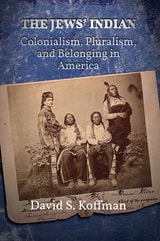
The Jews’ Indian
Colonialism, Pluralism, and Belonging in AmericaKoffman, David S
Rutgers University Press, 2019
Honorable Mention, 2021 Saul Viener Book Prize
The Jews’ Indian investigates the history of American Jewish relationships with Native Americans, both in the realm of cultural imagination and in face-to-face encounters. These two groups’ exchanges were numerous and diverse, proving at times harmonious when Jews’ and Natives people’s economic and social interests aligned, but discordant and fraught at other times. American Jews could be as exploitative of Native cultural, social, and political issues as other American settlers, and historian David Koffman argues that these interactions both unsettle and historicize the often triumphant consensus history of American Jewish life. Focusing on the ways Jewish class mobility and civic belonging were wrapped up in the dynamics of power and myth making that so severely impacted Native Americans, this books is provocative and timely, the first history to critically analyze Jewish participation in, and Jews’ grappling with the legacies of Native American history and the colonial project upon which America rests.
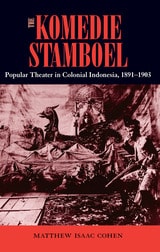
The Komedie Stamboel
Popular Theater in Colonial Indonesia, 1891–1903Matthew Isaac Cohen
Ohio University Press, 2006
Originating in 1891 in the port city of Surabaya, the Komedie Stamboel, or Istanbul-style theater, toured colonial Indonesia, Singapore, and Malaysia by rail and steamship. The company performed musical versions of the Arabian Nights, European fairy tales and operas such as Sleeping Beauty and Aida, as well as Indian and Persian romances, Southeast Asian chronicles, true crime stories, and political allegories. The actors were primarily Eurasians, the original backers were Chinese, and audiences were made up of all races and classes. The Komedie Stamboel explores how this new hybrid theater pointed toward possibilities for the transformation of self in a colonial society and sparked debates on moral behavior and mixed-race politics.
While audiences marveled at spectacles involving white-skinned actors, there were also racial frictions between actors and financiers, sexual scandals, fights among actors and patrons, bankruptcies, imprisonments, and a murder.
Matthew Isaac Cohen's evocative social history situates the Komedie Stamboel in the culture of empire and in late nineteenth-century itinerant entertainment. He shows how the theater was used as a symbol of cross-ethnic integration in postcolonial Indonesia and as an emblem of Eurasian cultural accomplishment by Indische Nederlanders. A pioneering study of nineteenth-century Southeast Asian popular culture, The Komedie Stamboel gives a new picture of the region's arts and culture and explores the interplay of currents in global culture, theatrical innovation, and movement in colonial Indonesia.ABOUT THE AUTHOR---Matthew Isaac Cohen is senior lecturer in Drama and Theatre Studies at Royal Holloway University of London. His articles on Southeast Asian performance have appeared in New Theatre Quarterly, Asian Theatre Journal, Journal of the Royal Asiatic Society, and Archipel. As a practicing shadow puppeteer, he has performed in the United States, Europe, and Asia.
The Ku Klux Klan in 1920s Arkansas
How Protestant White Nationalism Came to Rule a StateKenneth C. Barnes
University of Arkansas Press, 2021
Winner, 2022 J.G. Ragsdale Book Award, Arkansas Historical Association
The Ku Klux Klan established a significant foothold in Arkansas in the 1920s, boasting more than 150 state chapters and tens of thousands of members at its zenith. Propelled by the prominence of state leaders such as Grand Dragon James Comer and head of Women of the KKK Robbie Gill Comer, the Klan established Little Rock as a seat of power second only to Atlanta. In The Ku Klux Klan in 1920s Arkansas, Kenneth C. Barnes traces this explosion of white nationalism and its impact on the state’s development.
Barnes shows that the Klan seemed to wield power everywhere in 1920s Arkansas. Klansmen led businesses and held elected offices and prominent roles in legal, medical, and religious institutions, while the women of the Klan supported rallies and charitable activities and planned social gatherings where cross burnings were regular occurrences. Inside their organization, Klan members bonded during picnic barbeques and parades and over shared religious traditions. Outside of it, they united to direct armed threats, merciless physical brutality, and torrents of hateful rhetoric against individuals who did not conform to their exclusionary vision.
By the mid-1920s, internal divisions, scandals, and an overzealous attempt to dominate local and state elections caused Arkansas’s Klan to fall apart nearly as quickly as it had risen. Yet as the organization dissolved and the formal trappings of its flamboyant presence receded, the attitudes the Klan embraced never fully disappeared. In documenting this history, Barnes shows how the Klan’s early success still casts a long shadow on the state to this day.

The Machinery of Whiteness
Studies in the Structure of RacializationAuthored by Steve Martinot
Temple University Press, 2010
In this follow up to his book, The Rule of Racialization—which considered the way class structure is formed in the U.S.—Steve Martinot now examines how the structures of racialization reside at the core of all social, cultural, and political institutions in the U.S. In The Machinery of Whiteness, Martinot examines how race and racism are produced in the United States, analyzing the politics of racialization, and the preponderance of racial segregation and racial deprivation that have kept the U.S. a white dominated society throughout its history. Martinot dedicates this work to expunging white supremacy from the earth.
The Machinery of Whiteness investigates how “whiteness” came to be as foundational to the process that then produced the modern concept of race. Martinot addresses the instrumentalization of women as a necessary step in its formation, furthering the debates regarding the relationships of race and gender. And he addresses U.S. international interventionism, the anti-immigrant movements, and white racist populism to describe the political forms that white supremacy takes.
Martinot puts these together to analyze the underlying cultural structures of racialization that have driven and conditioned the resurgence of white supremacy and white entitlement in the wake of the Civil Rights movements. This book is a call to transform the cultural structures of the U.S. to make justice and democracy, which depend on inclusion and not segregation, possible.
The Magic Key
The Educational Journey of Mexican Americans from K-12 to College and BeyondEdited by Ruth Enid Zambrana and Sylvia Hurtado
University of Texas Press, 2015
Mexican Americans comprise the largest subgroup of Latina/os, and their path to education can be a difficult one. Yet just as this group is often marginalized, so are their stories, and relatively few studies have chronicled the educational trajectory of Mexican American men and women. In this interdisciplinary collection, editors Zambrana and Hurtado have brought together research studies that reveal new ways to understand how and why members of this subgroup have succeeded and how the facilitators of success in higher education have changed or remained the same.
The Magic Key’s four sections explain the context of Mexican American higher education issues, provide conceptual understandings, explore contemporary college experiences, and offer implications for educational policy and future practices. Using historical and contemporary data as well as new conceptual apparatuses, the authors in this collection create a comparative, nuanced approach that brings Mexican Americans’ lived experiences into the dominant discourse of social science and education. This diverse set of studies presents both quantitative and qualitative data by gender to examine trends of generations of Mexican American college students, provides information on perceptions of welcoming university climates, and proffers insights on emergent issues in the field of higher education for this population. Professors and students across disciplines will find this volume indispensable for its insights on the Mexican American educational experience, both past and present.
The Making and Unmaking of Whiteness
Birgit Brander Rasmussen, Eric Klinenberg, Irene J. Nexica, and Matt Wray, eds.
Duke University Press, 2001
With essays devoted to theories of racial domination, comparative global racisms, and transnational white identity, the geographical reach of the volume is significant and broad. Dalton Conley writes on “How I Learned to Be White.” Allan Bérubé discusses the intersection of gay identity and whiteness, and Mab Segrest describes the spiritual price white people pay for living in a system of white supremacy. Other pieces examine the utility of whiteness as a critical term for social analysis and contextualize different attempts at antiracist activism. In a razor-sharp introduction, the editors not only raise provocative questions about the intellectual, social, and political goals of those interested in the study of whiteness but assess several of the topic’s major recurrent themes: the visibility of whiteness (or the lack thereof); the “emptiness” of whiteness as a category of identification; and conceptions of whiteness as a structural privilege, a harbinger of violence, or an institutionalization of European imperialism.
Contributors. William Aal, Allan Bérubé, Birgit Brander Rasmussen, Dalton Conley, Troy Duster, Ruth Frankenberg, John Hartigan Jr., Eric Klinenberg, Eric Lott, Irene J. Nexica, Michael Omi, Jasbir Kaur Puar, Mab Segrest, Vron Ware, Howard Winant, Matt Wray
The Making of Lawyers' Careers
Inequality and Opportunity in the American Legal ProfessionRobert L. Nelson, Ronit Dinovitzer, Bryant G. Garth, Joyce S. Sterling, David B. Wilkins, Meghan Dawe, and Ethan Michelson
University of Chicago Press, 2023
An unprecedented account of social stratification within the US legal profession.
How do race, class, gender, and law school status condition the career trajectories of lawyers? And how do professionals then navigate these parameters?
The Making of Lawyers’ Careers provides an unprecedented account of the last two decades of the legal profession in the US, offering a data-backed look at the structure of the profession and the inequalities that early-career lawyers face across race, gender, and class distinctions. Starting in 2000, the authors collected over 10,000 survey responses from more than 5,000 lawyers, following these lawyers through the first twenty years of their careers. They also interviewed more than two hundred lawyers and drew insights from their individual stories, contextualizing data with theory and close attention to the features of a market-driven legal profession.
Their findings show that lawyers’ careers both reflect and reproduce inequalities within society writ large. They also reveal how individuals exercise agency despite these constraints.

The Melting Pot and the Altar
Marital Assimilation in Early Twentieth-Century WisconsinRichard M. Bernard
University of Minnesota Press, 1981
The Melting Pot and the Altar was first published in 1981. Minnesota Archive Editions uses digital technology to make long-unavailable books once again accessible, and are published unaltered from the original University of Minnesota Press editions.
Recent studies of assimilation in nineteenth-century America have focused on the ways in which immigrant groups maintained separate identities rather than on their absorption in American society. In The Melting Pot and the Altar Richard M. Bernard puts to test the theory of the melting pot. He concludes that although cultural and structural pluralism deserves attention so does interaction between the host society and the immigrants
Through extensive quantitative analysis of census reports and marriage records Bernard studies the pattern of intergroup marriage - the ultimate test of assimilation - during a period of massive migration to this country. His research on eleven immigrant groups and the native-born population in Wisconsin suggests that there was considerable intergroup mixing. Moreover, once allowance is made for differing times of arrival, immigration generations, and rural or urban residences, the assimilative patterns of Western and Eastern European groups were remarkably similar. An examination of several factors, such as occupation, age, location, and birthplace of parents, shows that certain demographic and social characteristics rather than any particular ethnic identification increased the likelihood that an individual would marry outside his or her group.
The Melting Pot and the Altar is the first multiple variable analysis of marital assimilation in an entire state whose immigration patterns is similar to that of the nation. Both historians and sociologist will find this work of interest as an example of quantitative methodology and for its new evidence on an important subject.
The Neoliberal Deluge
Hurricane Katrina, Late Capitalism, and the Remaking of New OrleansCedric Johnson
University of Minnesota Press, 2011
Katrina was not just a hurricane. The death, destruction, and misery wreaked on New Orleans cannot be blamed on nature’s fury alone. This volume of essays locates the root causes of the 2005 disaster squarely in neoliberal restructuring and examines how pro-market reforms are reshaping life, politics, economy, and the built environment in New Orleans.
The authors—a diverse group writing from the disciplines of sociology, political science, education, public policy, and media theory—argue that human agency and public policy choices were more at fault for the devastation and mass suffering experienced along the Gulf Coast than were sheer forces of nature. The harrowing images of flattened homes, citizens stranded on rooftops, patients dying in makeshift hospitals, and dead bodies floating in floodwaters exposed the moral and political contradictions of neoliberalism—the ideological rejection of the planner state and the active promotion of a new order of market rule.
Many of these essays offer critical insights on the saga of postdisaster reconstruction. Challenging triumphal narratives of civic resiliency and universal recovery, the authors bring to the fore pitched battles over labor rights, gender and racial justice, gentrification, the development of city master plans, the demolition of public housing, policing, the privatization of public schools, and roiling tensions between tourism-based economic growth and neighborhood interests. The contributors also expand and deepen more conventional critiques of “disaster capitalism” to consider how the corporate mobilization of philanthropy and public good will are remaking New Orleans in profound and pernicious ways.
Contributors: Barbara L. Allen, Virginia Polytechnic U; John Arena, CUNY College of Staten Island; Adrienne Dixson, Ohio State U; Eric Ishiwata, Colorado State U; Avis Jones-Deweever, National Council of Negro Women; Chad Lavin, Virginia Polytechnic U; Paul Passavant, Hobart and William Smith Colleges; Linda Robertson, Hobart and William Smith Colleges; Chris Russill, Carleton U; Kanchana Ruwanpura, U of Southampton; Nicole Trujillo-Pagán, Wayne State U; Geoffrey Whitehall, Acadia U.
The New Black Middle Class in the Twenty-First Century
Landry, Bart
Rutgers University Press, 2018
The New Electoral Politics of Race
Matthew Justin Streb
University of Alabama Press, 2002
Historically, race has always been at the heart of American politics, and southern politics more specifically. Southern elections revolved almost entirely around racial issues during the 1950s and 1960s as debates raged over integration of schools, voting rights, and busing patterns. The election of George Wallace as governor of Alabama in 1962 underscored the electoral power of ruthless racial rhetoric, not only in Alabama, but throughout the South and the entire country. Almost 40 years later, segregation is no longer legal, tensions between blacks and whites have lessened, and the influx of large numbers of African Americans into the electorate has forced politicians to court black voters.
Matthew Streb finds, however, that although extreme racial rhetoric has disappeared from the modern campaign trail, voters are still polarized along racial lines. By comparing gubernatorial campaigns in four southern and three northern states-Alabama, Georgia, Arkansas, Virginia, Ohio, Iowa, and Massachusetts-the author examines how candidates use, or fail to use, race in their campaign strategies. He demonstrates that race indeed remains a significant factor in American elections, couched in alternative issues, such as affirmative action, profiling, and social welfare.
Streb's analysis of the appeal by politicians for the elite vote and the public vote reveals that class has replaced race as a definitive issue in American politics. This book will, therefore, be important not only to academic libraries and students and scholars of political science, southern history, and civil rights, but also to pollsters, campaign strategists, and state political party officials.
The New Race Question
How the Census Counts Multiracial IndividualsJoel Perlmann
Russell Sage Foundation, 2002
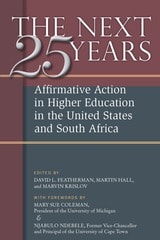
The Next Twenty-five Years
Affirmative Action in Higher Education in the United States and South AfricaDavid L. Featherman, Martin Hall, and Marvin Krislov, editors
University of Michigan Press, 2009
"Ambitious, provocative, and wide-ranging, this rich collection of essays from U.S. and South African perspectives reflects the thinking of thoughtful advocates of affirmative action."
---William G. Bowen, President Emeritus, The Andrew W. Mellon Foundation, and President Emeritus, Princeton University
"Thoughtful commentary from outstanding experts on affirmative action’s future in two countries struggling to overcome a legacy of racial injustice."
---Derek Bok, 300th Anniversary University Research Professor, and President Emeritus, Harvard University
"An enormously important comparative study and reflection on affirmative (U.S.) and corrective (South Africa) action with exhaustive and sensitive treatment of a vital topic."
---Kader Asmal, Professor of Law, University of the Western Cape, Cape Town, and former Minister of Education, South Africa
A penetrating exploration of affirmative action's continued place in 21st-century higher education, The Next Twenty-five Years assembles the viewpoints of some of the most influential scholars, educators, university leaders, and public officials. Its comparative essays span the political spectrum and dissect debates in two nations to elucidate the legal, political, social, economic, and moral dimensions of affirmative action in higher education and its role in contributing to a just, equitable, and vital society.
David L. Featherman is Professor of Sociology and Psychology and Founding Director of the Center for Advancing Research and Solutions for Society at the University of Michigan.
Martin Hall is Vice-Chancellor of the University of Salford, Greater Manchester, and previously was Deputy Vice-Chancellor at the University of Cape Town.
Marvin Krislov is President of Oberlin College and previously was Vice President and General Counsel at the University of Michigan.
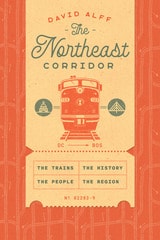
The Northeast Corridor
The Trains, the People, the History, the RegionDavid Alff
University of Chicago Press, 2024
Traversed by thousands of trains and millions of riders, the Northeast Corridor might be America’s most famous railway, but its influence goes far beyond the right-of-way. David Alff welcomes readers aboard to see how nineteenth-century train tracks did more than connect Boston to Washington, DC. They transformed hundreds of miles of Atlantic shoreline into a political capital, a global financial hub, and home to fifty million people. The Northeast Corridor reveals how freight trains, commuter rail, and Amtrak influenced—and in turn were shaped by—centuries of American industrial expansion, metropolitan growth, downtown decline, and revitalization.
Paying as much attention to Canton, Trenton, New Rochelle, and Providence as to New York City, Philadelphia, and Baltimore, Alff provides narrative thrills for history buffs, train enthusiasts, and adventurers alike. What’s more, he offers a glimpse into the future of the corridor. New infrastructural plans—supported by President Joe Biden, famously Amtrak’s biggest fan—envision ever-faster trains zipping along technologically advanced rails. Yet those tracks will literally sit atop a history that links the life of Frederick Douglass, who fled to freedom by boarding a train in Baltimore, to the Frederick Douglass Tunnel, which is expected to be the newest link in the corridor by 2032.
Trains have long made the places that make America, and they still do.
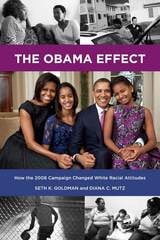
The Obama Effect
How the 2008 Campaign Changed White Racial AttitudesSeth K. Goldman
Russell Sage Foundation, 2014
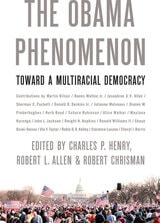
The Obama Phenomenon
Toward a Multiracial DemocracyEdited by Charles P. Henry, Robert L. Allen, and Robert Chrisman
University of Illinois Press, 2011

The Palestinian Idea
Film, Media, and the Radical ImaginationGreg Burris
Temple University Press, 2019
Is there a link between the colonization of Palestinian lands and the enclosing of Palestinian minds? The Palestinian Idea argues that it is precisely through film and media that hope can occasionally emerge amidst hopelessness, emancipation amidst oppression, freedom amidst apartheid. Greg Burris employs the work of Edward W. Said, Jacques Rancière, and Cedric J. Robinson in order to locate Palestinian utopia in the heart of the Zionist present.
He analyzes the films of prominent directors Annemarie Jacir (Salt of This Sea, When I Saw You) and Hany Abu-Assad (Paradise Now) to investigate the emergence and formation of Palestinian identity. Looking at Mais Darwazah’s documentary My Love Awaits Me By the Sea, Burris considers the counterhistories that make up the Palestinian experience—stories and memories that have otherwise been obscured or denied. He also examines Palestinian (in)visibility in the global media landscape, and how issues of Black-Palestinian transnational solidarity are illustrated through social media, staged news spectacles, and hip hop music.

The Passion of Tiger Woods
An Anthropologist Reports on Golf, Race, and Celebrity ScandalOrin Starn
Duke University Press, 2012
The Possessive Investment in Whiteness
How White People Profit from Identity PoliticsGeorge Lipsitz
Temple University Press, 2018
George Lipsitz’s classic book The Possessive Investment in Whiteness argues that public policy and private prejudice work together to create a possessive investment in whiteness that is responsible for the racialized hierarchies of our society. Whiteness has a cash value: it accounts for advantages that come to individuals through profits made from housing secured in discriminatory markets, through the unequal educational opportunities available to children of different races, through insider networks that channel employment opportunities to the friends and relatives of those who have profited most from past and present discrimination, and especially through intergenerational transfers of inherited wealth that pass on the spoils of discrimination to succeeding generations. White Americans are encouraged to invest in whiteness, to remain true to an identity that provides them with structured advantages.
In this twentieth anniversary edition, Lipsitz provides a new introduction and updated statistics; as well as analyses of the enduring importance of Hurricane Katrina; the nature of anti-immigrant mobilizations; police assaults on Black women, the killings of Trayvon Martin, Michael Brown, and Freddie Gray; the legacy of Obama and the emergence of Trump; the Charleston Massacre and other hate crimes; and the ways in which white fear, white fragility, and white failure have become drivers of a new ethno-nationalism.
As vital as it was upon its original publication, the twentieth anniversary edition of The Possessive Investment in Whiteness is an unflinching but necessary look at white supremacy.
The Power to Heal
Civil Rights, Medicare, and the Struggle to Transform America's Health Care SystemDavid Barton Smith
Vanderbilt University Press, 2016
The book draws the reader into the struggles of the unsung heroes of the transformation, black medical leaders whose stubborn courage helped shape the larger civil rights movement. They demanded an end to federal subsidization of discrimination in the form of Medicare payments to hospitals that embraced the "separate but equal" creed that shaped American life during the Jim Crow era. Faced with this pressure, the Kennedy and Johnson Administrations tried to play a cautious chess game, but that game led to perhaps the biggest gamble in the history of domestic policy. Leaders secretly recruited volunteer federal employees to serve as inspectors, and an invisible army of hospital workers and civil rights activists to work as agents, making it impossible for hospitals to get Medicare dollars with mere paper compliance. These triumphs did not come without casualties, yet the story offers lessons and hope for realizing this transformational dream.
This book is the recipient of the Norman L. and Roselea J. Goldberg Prize from Vanderbilt University Press for the best book in the area of medicine.
The Price of Nice
How Good Intentions Maintain Educational InequityAngelina E. Castagno
University of Minnesota Press, 2019
How being “nice” in school and university settings works to reinforce racialized, gendered, and (dis)ability-related inequities in education and society
Being nice is difficult to critique. Niceness is almost always portrayed and felt as a positive quality. In schools, nice teachers are popular among students, parents, and administrators. And yet Niceness, as a distinct set of practices and discourses, is not actually good for individuals, institutions, or communities because of the way it maintains and reinforces educational inequity.
In The Price of Nice, an interdisciplinary group of scholars explores Niceness in educational spaces from elementary schools through higher education to highlight how this seemingly benign quality reinforces structural inequalities. Grounded in data, personal narrative, and theory, the chapters show that Niceness, as a raced, gendered, and classed set of behaviors, functions both as a shield to save educators from having to do the hard work of dismantling inequity and as a disciplining agent for those who attempt or even consider disrupting structures and ideologies of dominance.
Contributors: Sarah Abuwandi, Arizona State U; Colin Ben, U of Utah; Nicholas Bustamante, Arizona State U; Aidan/Amanda J. Charles, Northern Arizona U; Jeremiah Chin, Arizona State U; Sally Campbell Galman, U of Massachusetts; Frederick Gooding Jr., Texas Christian U; Deirdre Judge, Tufts U; Katie A. Lazdowski; Román Liera, U of Southern California; Sylvia Mac, U of La Verne; Lindsey Malcolm-Piqueux, California Institute of Technology; Giselle Martinez Negrette, U of Wisconsin–Madison; Amber Poleviyuma, Arizona State U; Alexus Richmond, Arizona State U; Frances J. Riemer, Northern Arizona U; Jessica Sierk, St. Lawrence U; Bailey B. Smolarek, U of Wisconsin–Madison; Jessica Solyom, Arizona State U; Megan Tom, Arizona State U; Sabina Vaught, U of Oklahoma; Cynthia Diana Villarreal, U of Southern California; Kristine T. Weatherston, Temple U; Joseph C. Wegwert, Northern Arizona U; Marguerite Anne Fillion Wilson, Binghamton U; Jia-Hui Stefanie Wong, Trinity College; Denise Gray Yull, Binghamton U.
The Prism of Race
The Politics and Ideology of Affirmative Action in BrazilDavid Lehmann
University of Michigan Press, 2018
Brazil has developed a distinctive response to the injustices inflicted by the country’s race relations regime. Despite the mixed racial background of most Brazilians, the state recognizes people’s racial classification according to a simple official scheme in which those self-assigned as black, together with “brown” and “indigenous” (preto-pardo-indigena), can qualify for specially allocated resources, most controversially quota places at public universities. Although this quota system has been somewhat successful, many other issues that disproportionately affect the country’s black population remain unresolved, and systemic policies to reduce structural inequality remain off the agenda.
In The Prism of Race, David Lehmann explores, theoretically and practically, issues of race, the state, social movements, and civil society, and then goes beyond these themes to ask whether Brazilian politics will forever circumvent the severe problems facing the society by co-optation and by tinkering with unjust structures. Lehmann disrupts the paradigm of current scholarly thought on Brazil, placing affirmative action disputes in their political and class context, bringing back the concept of state corporatism, and questioning the strength and independence of Brazilian civil society.
The Pursuit of Racial and Ethnic Equality in American Public Schools
Mendez, Brown, and BeyondKristi L. Bowman
Michigan State University Press, 2015
The Racial Order Of Things
Cultural Imaginaries Of The Post-Soul EraRoopali Mukherjee
University of Minnesota Press, 2006
The Returned
Former U.S. Migrants’ Lives in Mexico CityClaudia Masferrer
Russell Sage Foundation, 2025
Masferrer, Hamilton, and Denier draw on interviews with former U.S. migrants living in Mexico City to better understand the experience of return migration to urban areas. Each of the migrants they spoke with lived in the United States for long periods with noncitizen status during the last four decades. During this time, U.S. immigration policy became increasingly focused on restriction and enforcement, which made it difficult for migrants to safely move back and forth across the border for work or to visit family without documentation. The authors find that upon their return, migrants in Mexico City felt disoriented and lost and had difficulty adapting to a massive urban environment where there is little support for returnees. They struggled to translate their work experience from their time in the U.S. to find quality jobs. Additionally, many found their family lives upended as they reunited with or formed families in the U.S.. Some found themselves separated from family members still in the U.S. with no ability to legally visit them. Others brought their families back to Mexico, some of whom were U.S. citizens and had never been to Mexico before. They, too, struggled to adapt and integrate to life in Mexico City.
The authors use the experiences of return migrants to discuss policies and practices that would improve their lives and ease their reintegration. To help with the disorientation they experience, returnees proposed ongoing psychological support with mental health professionals who have knowledge and training in the social and legal issues that return migrants face. Return migrants also advocated for policies to enhance skill matching, job creation, and entrepreneurship, as many felt the occupational skills they developed in the U.S. were undervalued in Mexico. To address family separation, returnees argued for legal and policy reform to accommodate family reunification.
The Returned is an illuminating account of the difficulties faced by return migrants and their families in Mexico City.
The Rise of the Ku Klux Klan
Right-Wing Movements and National PoliticsRory McVeigh
University of Minnesota Press, 2009
The Road to Citizenship
What Naturalization Means for Immigrants and the United StatesAptekar, Sofya
Rutgers University Press, 2015
The Roots of Rough Justice
Origins of American LynchingMichael J. Pfeifer
University of Illinois Press, 2014
The Rural Face of White Supremacy
BEYOND JIM CROWMark Schultz
University of Illinois Press, 2007
The School-Prison Trust
Sabina E. Vaught
University of Minnesota Press, 2022
Considers colonial school–prison systems in relation to the self-determination of Native communities, nations, and peoples
The School–Prison Trust describes interrelated histories, ongoing ideologies, and contemporary expressions of what the authors call the “school–prison trust”: a conquest strategy encompassing the boarding school and juvenile prison models, and deployed in the long war against Native peoples. At its heart, the book is a constellation of stories of Indigenous self-determination in the face of this ongoing conquest.
Following the stories of an incarcerated young man named Jakes, the authors consider features of school–prison relations for young Native people to ask urgent questions about Indigenous sovereignty, conquest, survivance, and refusal.
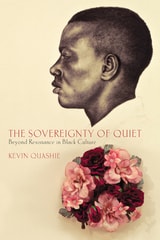
The Sovereignty of Quiet
Beyond Resistance in Black CultureQuashie, Kevin
Rutgers University Press, 2012
The book revisits such iconic moments as Tommie Smith and John Carlos’s protest at the 1968 Mexico City Olympics and Elizabeth Alexander’s reading at the 2009 inauguration of Barack Obama. Quashie also examines such landmark texts as Gwendolyn Brooks’s Maud Martha, James Baldwin’s The Fire Next Time, and Toni Morrison’s Sula to move beyond the emphasis on resistance, and to suggest that concepts like surrender, dreaming, and waiting can remind us of the wealth of black humanity.
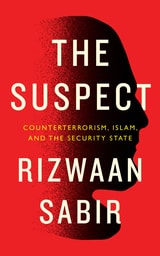
The Suspect
Counterterrorism, Islam, and the Security StateRizwaan Sabir
Pluto Press, 2021
What impact has two decades' worth of policing and counterterrorism had on the state of mind of Muslims in Britain? The Suspect draws on the author's lived experiences of being suspected of terrorism to take the reader on a journey through British counterterrorism practices and the policing of Muslims.
Rizwaan Sabir describes what led to his arrest for suspected terrorism, his time in detention, and the surveillance he was subjected to on release from custody, including stop and frisk on the roadside, detentions at the border, and monitoring by police and government departments throughout his research.
Writing publicly for the first time about the traumatizing mental health effects of these experiences, he argues that these harmful outcomes are not the result of errors in government planning, but the consequences of using a counterinsurgency warfare approach to surveillance. If we are to break this injustice, we need to resist counterterrorism policy and practice.

The Tropics Bite Back
Culinary Coups in Caribbean LiteratureValérie Loichot
University of Minnesota Press, 2013
The ubiquitous presence of food and hunger in Caribbean writing—from folktales, fiction, and poetry to political and historical treatises—signals the traumas that have marked the Caribbean from the Middle Passage to the present day. The Tropics Bite Back traces the evolution of the Caribbean response to the colonial gaze (or rather the colonial mouth) from the late nineteenth century to the twenty-first. Unlike previous scholars, Valérie Loichot does not read food simply as a cultural trope. Instead, she is interested in literary cannibalism, which she interprets in parallel with theories of relation and creolization.
For Loichot, “the culinary” is an abstract mode of resistance and cultural production. The Francophone and Anglophone authors whose works she interrogates—including Patrick Chamoiseau, Suzanne Césaire, Aimé Césaire, Maryse Condé, Edwidge Danticat, Édouard Glissant, Lafcadio Hearn, and Dany Laferrière—“bite back” at the controlling images of the cannibal, the starved and starving, the cunning cook, and the sexualized octoroon with the ultimate goal of constructing humanity through structural, literal, or allegorical acts of ingesting, cooking, and eating.
The Tropics Bite Back employs cross-disciplinary methods to rethink notions of race and literary influence by providing a fresh perspective on forms of consumption both metaphorical and material.
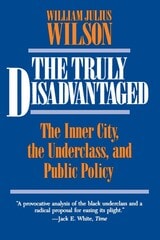
The Truly Disadvantaged
The Inner City, the Underclass, and Public PolicyWilliam Julius Wilson
University of Chicago Press, 1987
"'Must reading' for civil-rights leaders, leaders of advocacy organizations for the poor, and for elected officials in our major urban centers."—Bernard C. Watson, Journal of Negro Education
"Required reading for anyone, presidential candidate or private citizen, who really wants to address the growing plight of the black urban underclass."—David J. Garrow, Washington Post Book World
Selected by the editors of the New York Times Book Review as one of the sixteen best books of 1987.
Winner of the 1988 C. Wright Mills Award of the Society for the Study of Social Problems.
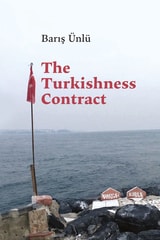
The Turkishness Contract
Baris Ünlü
Temple University Press, 2025
Ünlü uses Critical Race Theory to present a historical–sociological model to examine not only the historical constitution and contemporary functioning of the Turkish nation-state, but also the affective and bodily modalities of being Turkish. He also develops a framework for rethinking the complex relations between the socio-genesis of the Turkish nation and state and the psycho-genesis of the Turkish people, their cognitive habits and emotional orientations, and the structural privileges and unconsciousness strategies of Turkishness.
The Turkishness Contract addresses broader theoretical concerns including histories of colonialism, ethnic/racial social contracts, privilege, Armenian Genocide and the Kurdish question, as well as the unraveling of Turkey’s social contract at a moment of contemporary right-wing authoritarianism.
In the series Critical Race, Indigeneity, and Relationality
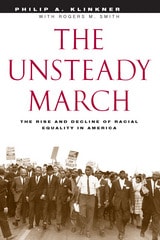
The Unsteady March
The Rise and Decline of Racial Equality in AmericaPhilip A. Klinkner and Rogers M. Smith
University of Chicago Press, 1999
"[An] unflinching portrait of the leviathan of American race relations. . . . This important book should be read by all who aspire to create a more perfect union."—Publishers Weekly, starred review
"Could it be that our unswerving belief in the power of our core values to produce racial equality is nothing but a comforting myth? That is the main argument put forth by Philip Klinkner and Rogers Smith . . . The Unsteady March is disturbing because it calls into question our cherished national belief and does so convincingly. . . . [It] is beautifully written, and the social history it provides is illuminating and penetrating."—Aldon Morris, American Journal of Sociology
Winner of the Horace Mann Bond Award of the W.E.B. Du Bois Institute for Afro-American Research at Harvard University.
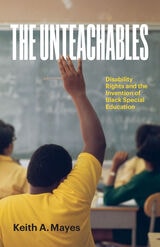
The Unteachables
Disability Rights and the Invention of Black Special EducationKeith A. Mayes
University of Minnesota Press, 2023
How special education used disability labels to marginalize Black students in public schools
The Unteachables examines the overrepresentation of Black students in special education over the course of the twentieth century. As African American children integrated predominantly white schools, many were disproportionately labeled educable mentally retarded (EMR), learning disabled (LD), and emotionally behavioral disordered (EBD). Keith A. Mayes charts the evolution of disability categories and how these labels kept Black learners segregated in American classrooms.
The civil rights and the educational disability rights movements, Mayes shows, have both collaborated and worked at cross-purposes since the beginning of school desegregation. Disability rights advocates built upon the opportunity provided by the civil rights movement to make claims about student invisibility at the level of intellectual and cognitive disabilities. Although special education ostensibly included children from all racial groups, educational disability rights advocates focused on the needs of white disabled students, while school systems used disability discourses to malign and marginalize Black students.
From the 1940s to the present, social science researchers, policymakers, school administrators, and teachers have each contributed to the overrepresentation of Black students in special education. Excavating the deep-seated racism embedded in both the public school system and public policy, The Unteachables explores the discriminatory labeling of Black students, and how it indelibly contributed to special education disproportionality, to student discipline and push-out practices, and to the school-to-prison pipeline effect.
The War on Drugs and the Global Colour Line
Edited by Kojo Koram
Pluto Press, 2019
While laws prohibiting the production, sale and use of particular drugs are presented as politically neutral and objective, this collection reveals the racist impact of the War on Drugs across multiple continents and in numerous situations. From racialised drugs policing at festivals in the UK to the necropolitical wars in Juarez, Mexico and from the exchange of drug policing programs between the United States and Israel to the management of black bodies in Brazil, this collection proves that the regulation of drugs and race is an international, and intentional, disaster.
Pushing forward the debate and activism led by groups such as Black Lives Matter and calling for radical changes in drug policy legislation and prison reform, both nationally and internationally, this collection cuts deep and rings true for all people fighting racism today.
The White Savior Film
Content, Critics, and ConsumptionMatthew Hughey
Temple University Press, 2014
In The White Savior Film, Matthew Hughey provides a cogent, multipronged analysis of this subgenre of films to investigate the underpinnings of the Hollywood-constructed images of idealized (and often idealistic) white Americans.
Hughey considers the production, distribution, and consumption of white savior films to show how the dominant messages of sacrifice, suffering, and redemption are perceived by both critics and audiences. Examining the content of fifty films, nearly 3,000 reviews, and interviews with viewer focus groups, he accounts for the popularity of this subgenre and its portrayal of "racial progress."
The White Savior Film shows how we as a society create and understand these films and how they reflect the political and cultural contexts of their time.
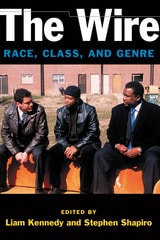
The Wire
Race, Class, and GenreEdited by Liam Kennedy and Stephen Shapiro
University of Michigan Press, 2012
Few other television series have received as much academic, media, and fan celebration as The Wire, which has been called the best dramatic series ever created. The show depicts the conflict between Baltimore's police and criminals to raise a warning about race; drug war policing; deindustrialization; and the inadequacies of America’s civic, educational, and political institutions. The show's unflinching explorations of a city in crisis and its nuanced portrayals of those affected make it a show all about race and class in America.
The essays in this volume offer a range of astute critical responses to this television phenomenon. More consistently than any other crime show of its generation, The Wire challenges viewers' perceptions of the racialization of urban space and the media conventions that support this. The Wire reminds us of just how remarkably restricted the grammar of race is on American television and related media, and of the normative codings of race---as identity, as landscape---across urban narratives, from documentary to entertainment media.
Theorizing Discrimination in an Era of Contested Prejudice
Discrimination in the United StatesSamuel Roundfield Lucas
Temple University Press, 2009
Despite several decades of attention, there is still no consensus on the effects of racial or sexual discrimination in the United States. In this landmark work, the well-known sociologist Samuel Lucas shows how discrimination is not simply an action that one person performs in relation to another individual, but something far more insidious: a pervasive dynamic that permeates the environment in which we live and work.
Challenging existing literature on the subject, Lucas makes a clear distinction between prejudice and discrimination. He maintains that when an era of “condoned exploitation” ended, the era of “contested prejudice,” as he terms it, began. He argues that the great strides made in the 1950s and 1960s repudiated prejudice, but not discrimination. Drawing on critical race theory, feminist theory, and a critique of dominant perspectives in the social sciences and law, Lucas offers a new understanding of racial and sexual discrimination that can guide our actions and laws into a more just future.

They Call You Back
A Lost History, A Search, A MemoirTim Z. Hernandez
University of Arizona Press, 2024
A haunting, an obsession, a calling: Tim Z. Hernandez has been searching for people his whole life. Now, in this highly anticipated memoir, he takes us along on an investigative odyssey through personal and collective history to uncover the surprising conjunctions that bind our stories together.
Hernandez’s mission to find the families of the twenty-eight Mexicans who were killed in the 1948 plane wreck at Los Gatos Canyon formed the basis for his acclaimed documentary novel All They Will Call You, which the San Francisco Chronicle dubbed “a stunning piece of investigative journalism,” and the New York Times hailed as “painstaking detective work by a writer who is the descendant of farmworkers.”
In this riveting new work, Hernandez continues his search for the plane crash victims while also turning the lens on himself and his ancestral past, revealing the tumultuous and deeply intimate experiences that have fueled his investigations—a lifelong journey haunted by memory, addiction, generational trauma, and the spirit world.
They Call You Back is the true chronicle of one man’s obsession to restore dignity to an undignified chapter in America’s past, while at the same time making a case for why we must heal our personal wounds if we are ever to heal our political ones.
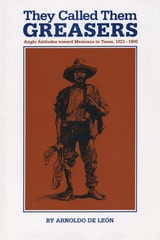
They Called Them Greasers
Anglo Attitudes toward Mexicans in Texas, 1821–1900by Arnoldo De León
University of Texas Press, 1983
Tension between Anglos and Tejanos has existed in the Lone Star State since the earliest settlements. Such antagonism has produced friction between the two peoples, and whites have expressed their hostility toward Mexican Americans unabashedly and at times violently.
This seminal work in the historical literature of race relations in Texas examines the attitudes of whites toward Mexicans in nineteenth-century Texas. For some, it will be disturbing reading. But its unpleasant revelations are based on extensive and thoughtful research into Texas' past. The result is important reading not merely for historians but for all who are concerned with the history of ethnic relations in our state.
They Called Them Greasers argues forcefully that many who have written about Texas's past—including such luminaries as Walter Prescott Webb, Eugene C. Barker, and Rupert N. Richardson—have exhibited, in fact and interpretation, both deficiencies of research and detectable bias when their work has dealt with Anglo-Mexican relations. De León asserts that these historians overlooled an austere Anglo moral code which saw the morality of Tejanos as "defective" and that they described without censure a society that permitted traditional violence to continue because that violence allowed Anglos to keep ethnic minorities "in their place."
De León's approach is psychohistorical. Many Anglos in nineteenth-century Texas saw Tejanos as lazy, lewd, un-American, subhuman. In De León's view, these attitudes were the product of a conviction that dark-skinned people were racially and culturally inferior, of a desire to see in others qualities that Anglos preferred not to see in themselves, and of a need to associate Mexicans with disorder so as to justify their continued subjugation.
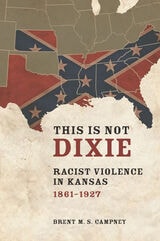
This Is Not Dixie
Racist Violence in Kansas, 1861-1927Brent M.S. Campney
University of Illinois Press, 2018
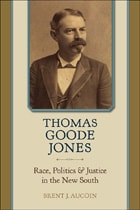
Thomas Goode Jones
Race, Politics, and Justice in the New SouthBrent J. Aucoin
University of Alabama Press, 2016
Thomas Goode Jones of Alabama is the first comprehensive biography of a key Alabama politician and federal jurist whose life and times embody the conflicts and transformations in the Deep South between the Civil War and World War I.
A man who both represented and differed from his class, Thomas Goode Jones offers contemporary readers and scholars an ideal subject of study to understand a period of southern history that still shapes American life today. Often overshadowed by the pharaonic antebellum period, the Civil War, and the luminous heights of the civil rights movement, the deceptively placid decades at the turn of the century were, in fact, a period when southerners fiercely debated the course of the South’s future. In tracing Jones’s career, Brent J. Aucoin offers vivid accounts of the great events and trends of that pivotal period: Reconstruction, the birth of the “Solid South,” the Populist Revolt, and the establishment of racial disenfranchisement and segregation.
Born in 1844, Jones served in the Confederate army and after the war identified as a conservative “Bourbon” Democrat. He served as Alabama's governor from 1890 to 1894 and as a federal judge from 1901 until his death in 1914. As a veteran, politician, and judge, Jones embodied numerous roles in the shifting political landscape of the South.
Jones was not, however, a reflexive conformist and sometimes pursued policies at odds with his party. Jones’s rhetoric and support of African American civil rights were exceptional and earned him truculent criticism from unrepentant racist factions in his party. His support was so fearless that it inspired Booker T. Washington to recommend Jones to Republican president Theodore Roosevelt as a federal judge. On the bench, Jones garnered national attention for his efforts to end peonage and lynching, and yet he also enabled the establishment of legalized segregation in Alabama, confounding attempts easily to categorize him as an odious reactionary or fearless progressive.
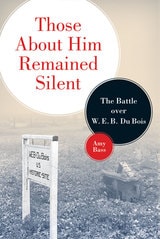
Those About Him Remained Silent
The Battle over W. E. B. Du BoisAmy Bass
University of Minnesota Press, 2012
On the eve of Martin Luther King Jr.’s 1963 March on Washington, W. E. B. Du Bois died in exile in Ghana at the age of 95, more than a half century after cofounding the NAACP. Five years after his death, residents of Great Barrington, the small Massachusetts town where Du Bois was born in 1868, proposed recognizing his legacy through the creation of a memorial park on the site of his childhood home. Supported by the local newspaper and prominent national figures including Harry Belafonte and Sydney Poitier, the effort to honor Du Bois set off an acrimonious debate that bitterly divided the town. Led by the local chapter of the Veterans of Foreign Wars, opponents compared Du Bois to Hitler, vilifying him as an anti-American traitor for his communist sympathies, his critique of American race relations, and his pan-Africanist worldview.
In Those About Him Remained Silent, Amy Bass provides the first detailed account of the battle over Du Bois and his legacy, as well as a history of Du Bois’s early life in Massachusetts. Bass locates the roots of the hostility to memorialize Du Bois in a cold war worldview that reduced complicated politics to a vehement hatred of both communism and, more broadly, anti-Americanism. The town’s reaction was intensified, she argues, by the racism encoded within cold war patriotism.
Showing the potency of prevailing, often hidden, biases, Those About Him Remained Silent is an unexpected history of how racism, patriotism, and global politics played out in a New England community divided on how—or even if—to honor the memory of its greatest citizen.
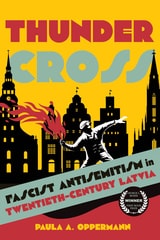
Thunder Cross
Fascist Antisemitism in Twentieth-Century LatviaPaula A. Oppermann
University of Wisconsin Press, 2025
Thunder Cross is the most comprehensive study of Latvia’s fascist movement in English to date, and the only work that investigates the often neglected continuities of fascist antisemitism after World War II. Formulated as an empirical case study, this book draws on international and interdisciplinary secondary literature and sources in seven languages to broaden our understanding of fascism, antisemitism, and mass violence from Germany and Italy to the larger European context.