Grand Army of Labor: Workers, Veterans, and the Meaning of the Civil War
University of Illinois Press, 2021
Cloth: 978-0-252-04374-1 | Paper: 978-0-252-08573-4 | eISBN: 978-0-252-05264-4 (standard)
Library of Congress Classification HD8072.S783 2021
Dewey Decimal Classification 322.2097309034
Cloth: 978-0-252-04374-1 | Paper: 978-0-252-08573-4 | eISBN: 978-0-252-05264-4 (standard)
Library of Congress Classification HD8072.S783 2021
Dewey Decimal Classification 322.2097309034
ABOUT THIS BOOK | AUTHOR BIOGRAPHY | REVIEWS | TOC
ABOUT THIS BOOK
Enlisting memory in a new fight for freedom
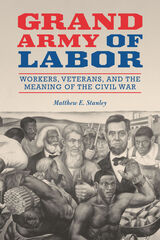
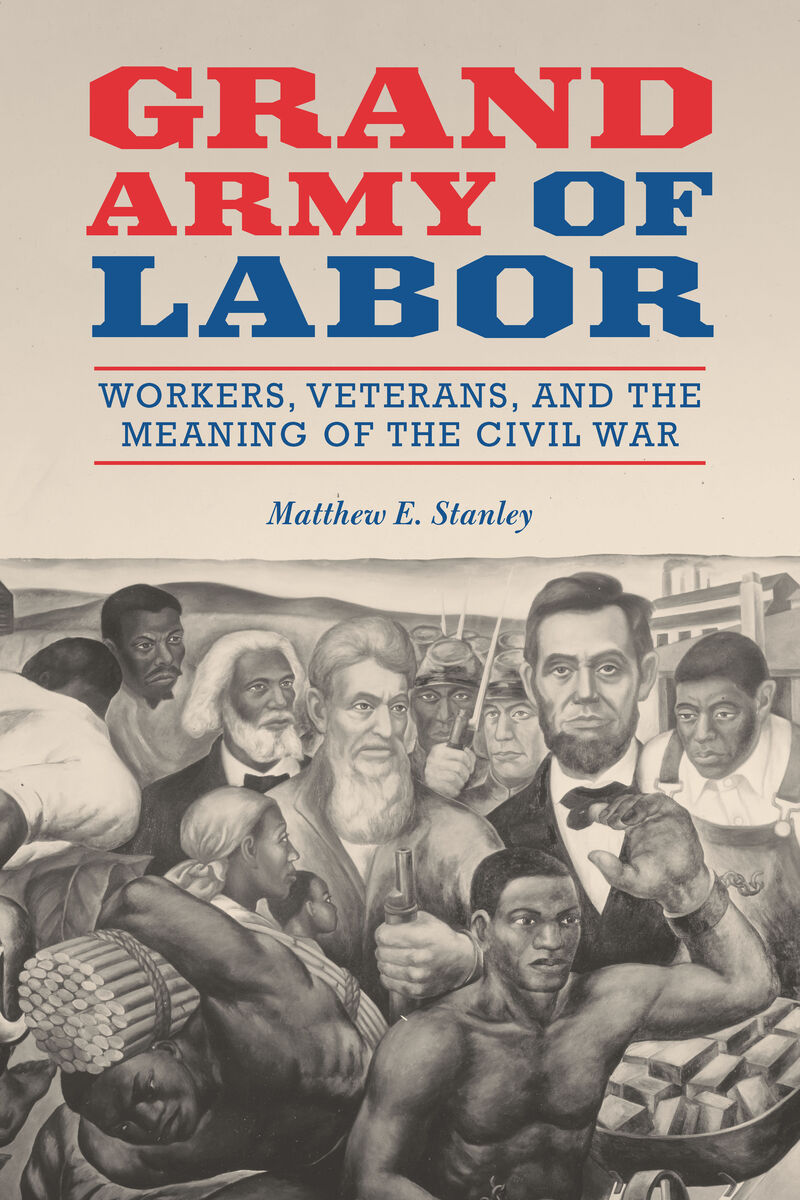
From the Gilded Age through the Progressive era, labor movements reinterpreted Abraham Lincoln as a liberator of working people while workers equated activism with their own service fighting for freedom during the war. Matthew E. Stanley explores the wide-ranging meanings and diverse imagery used by Civil War veterans within the sprawling radical politics of the time. As he shows, a rich world of rituals, songs, speeches, and newspapers emerged among the many strains of working class cultural politics within the labor movement. Yet tensions arose even among allies. Some people rooted Civil War commemoration in nationalism and reform, and in time, these conservative currents marginalized radical workers who tied their remembering to revolution, internationalism, and socialism.
From the Gilded Age through the Progressive era, labor movements reinterpreted Abraham Lincoln as a liberator of working people while workers equated activism with their own service fighting for freedom during the war. Matthew E. Stanley explores the wide-ranging meanings and diverse imagery used by Civil War veterans within the sprawling radical politics of the time. As he shows, a rich world of rituals, songs, speeches, and newspapers emerged among the many strains of working class cultural politics within the labor movement. Yet tensions arose even among allies. Some people rooted Civil War commemoration in nationalism and reform, and in time, these conservative currents marginalized radical workers who tied their remembering to revolution, internationalism, and socialism.
An original consideration of meaning and memory, Grand Army of Labor reveals the complex ways workers drew on themes of emancipation and equality in the long battle for workers’ rights.
See other books on: Labor movement | Radicalism | Stanley, Matthew E. | Veterans | Workers
See other titles from University of Illinois Press