Cloth: 978-0-472-07523-2 | Paper: 978-0-472-05523-4 | eISBN: 978-0-472-90274-3 (OA) | eISBN: 978-0-472-12997-3 (standard)
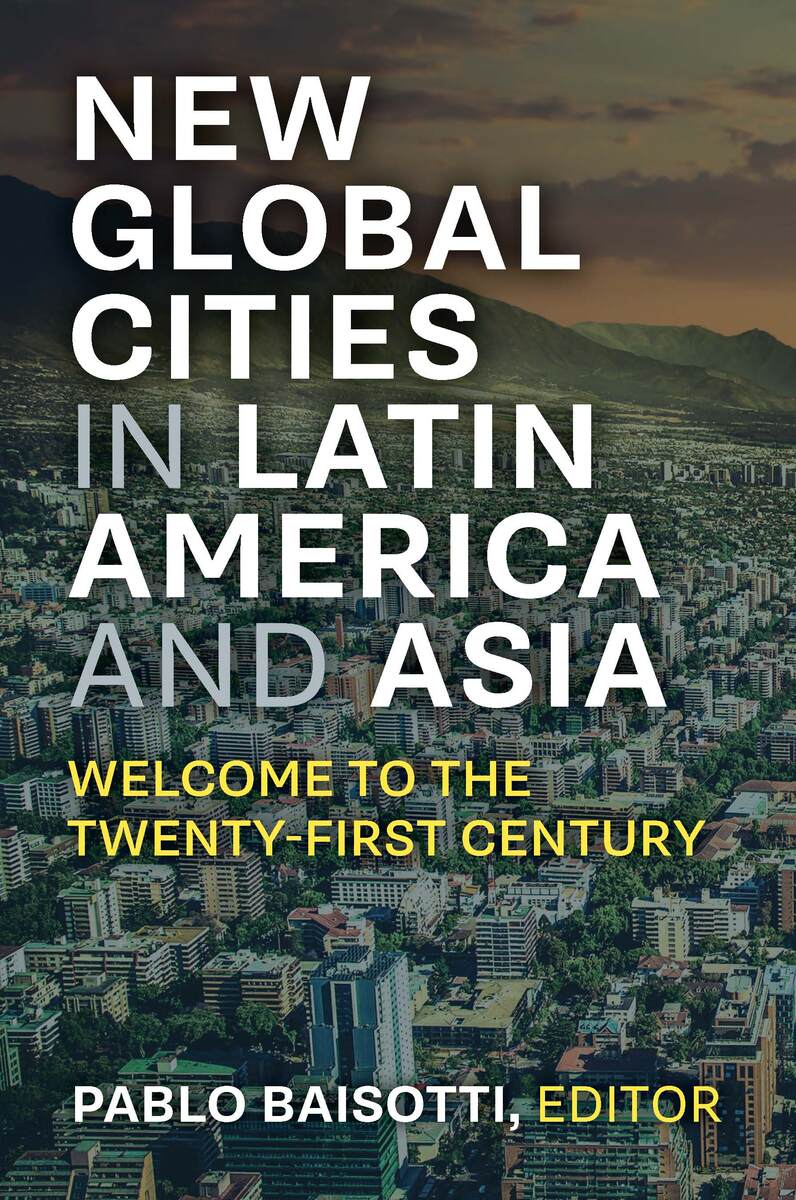
New Global Cities in Latin America and Asia: Welcome to the Twenty-First Century proposes new visions of global cities and regions historically considered “secondary” in the international context. The arguments are not only based on material progress made by these metropolises, but also on the growing social difficulties experienced (e.g., organized crime, drug trafficking, slums, economic inequalities). The book illustrates the growth of cities according to these problems arising from the modernity of the new century, comparing Latin American and Asian cities.
This book analyzes the complex relationships within cities through an interdisciplinary approach, complementing other research and challenging orthodox views on global cities. At the same time, the book provides new theoretical and methodological tools to understand the progress of “Third World” cities and the way of understanding “globality” in the 21st century by confronting the traditional views with which global cities were appreciated since the 1980s. Pablo Baisotti brings together researchers from various fields who provide new interpretative keys to certain cities in Latin America and Asia.
See other books on: Baisotti, Pablo | Caribbean & Latin American | City Planning & Urban Development | Twenty - First Century | Welcome
See other titles from University of Michigan Press