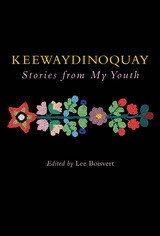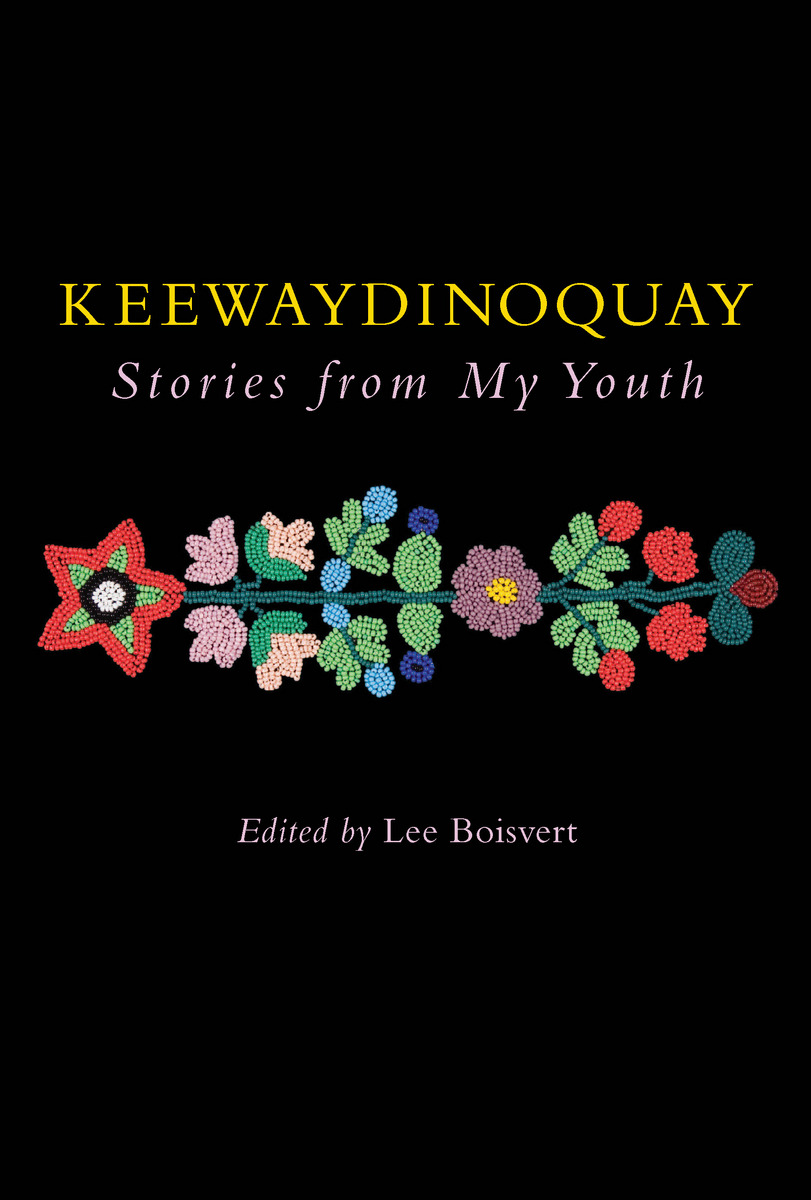
Keewaydinoquay, Stories from My Youth
University of Michigan Press, 2006
Cloth: 978-0-472-09920-7 | Paper: 978-0-472-06920-0 | eISBN: 978-0-472-90558-4 (OA)
Library of Congress Classification E99.C6K425 2006
Dewey Decimal Classification 977.00497333
Cloth: 978-0-472-09920-7 | Paper: 978-0-472-06920-0 | eISBN: 978-0-472-90558-4 (OA)
Library of Congress Classification E99.C6K425 2006
Dewey Decimal Classification 977.00497333
ABOUT THIS BOOK | AUTHOR BIOGRAPHY | TOC | REQUEST ACCESSIBLE FILE
ABOUT THIS BOOK
Michael Blake's Dances with Wolves transformed denigrating Indian sterotypes and created widespread interest in Native American culture. The subsequent popularity of books on this topic underscores the power of a tale well told. While Blake's story relates the early chapters of Native Americans' survival struggles, later accounts of this struggle remain untold.
The Indians of Hungry Hollow authentically presents these later chapters. The days of Hungry Hollow have long passed, but the opportunity to capture its lessons of community, strong values, and an urge to thrive in matters of the heart and soul are still very much with us.
These are stories of survival, community, sharing, and caring. The situations are often dire: winter in the middle of the Depression; an Indian settlement illegally taken from its inhabitants and set on fire; boaters stranded by bad weather and threatened with death. But if the situations are extreme, the telling of the stories is consistently optimistic yet completely without self-pity or sentimentality, and the characters always find a way through the darkness.
Dunlop's unique style of storytelling is compelling and informative, and these historically significant stories help to elucidate the transition of the American Indian culture from post-tribal days to the present.
Bill Dunlop is a respected Ottawa elder and storyteller. Marcia Fountain-Blacklidge is a professional writer, counselor, and consultant.
See other books on: My Youth | Ojibwa Indians | Ojibwa philosophy | Ojibwa women | Stories
See other titles from University of Michigan Press