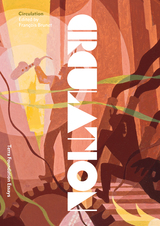
Delirium and Resistance: Activist Art and the Crisis of Capitalism
Pluto Press, 2017
Cloth: 978-0-7453-3688-6 | Paper: 978-0-7453-3684-8
Library of Congress Classification N72.P6S535 2017
Dewey Decimal Classification 700.411
Cloth: 978-0-7453-3688-6 | Paper: 978-0-7453-3684-8
Library of Congress Classification N72.P6S535 2017
Dewey Decimal Classification 700.411
ABOUT THIS BOOK | AUTHOR BIOGRAPHY | REVIEWS | TOC
ABOUT THIS BOOK
In the aftermath of the 2016 US election, Brexit, and a global upsurge of nationalist populism, it is evident that the delirium and the crisis of neoliberal capitalism is now the delirium and crisis of liberal democracy and its culture. And though capitalist crisis does not begin within art, art can reflect and amplify its effects to positive and negative ends.
In this follow-up to his influential 2010 book, Dark Matter: Art and Politics in the Age of Enterprise Culture, Sholette engages in critical dialogue with artists’ collectives, counter-institutions, and activist groups to offer an insightful firsthand account of the relationship between politics and art in neoliberal society. Sholette lays out clear examples of art’s deep involvement in capitalism: the dizzying prices achieved by artists who pander to the financial elite, the proliferation of museums that contribute to global competition between cities in order to attract capital, and the strange relationship between art and rampant gentrification that restructures the urban landscape.
With a preface by noted author Lucy R. Lippard and an introduction by theorist Kim Charnley, Delirium and Resistance draws on over thirty years of critical debates and practices both in and beyond the art world to historicize and advocate for the art activist tradition that radically—and, at times, deliriously—entangles the visual arts with political struggles.
See other books on: Art & Politics | Art and society | Crisis | Radicalism | Resistance
See other titles from Pluto Press