Cloth: 978-1-64642-956-1 | eISBN: 978-1-64642-957-8 (ePub) | eISBN: 978-1-64642-958-5 (PDF)
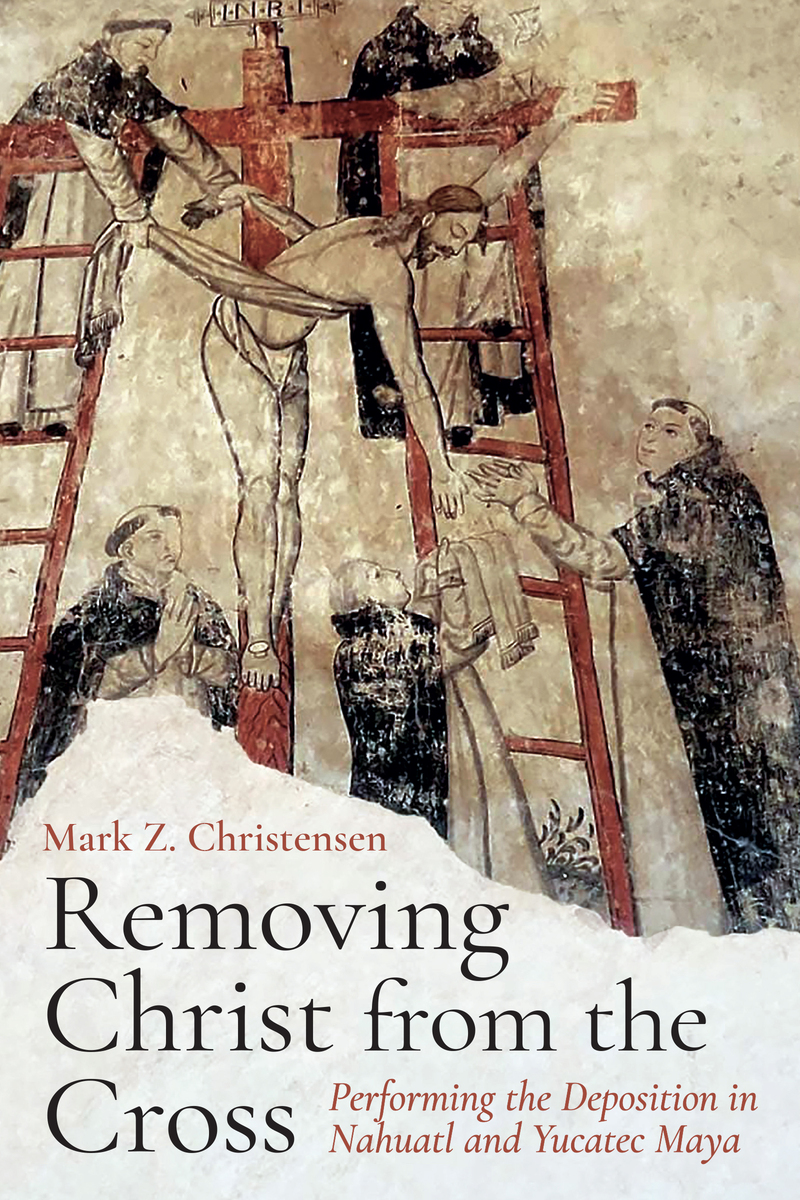
Employed on Good Friday, the texts provided mute actors with roles and props with which to reenact the removal of Christ from his cross, his placement into the arms of his grieving mother, and his burial—his Deposition. Through rare translations, vivid historical accounts, and rich cultural insight, the book uncovers how these ceremonies moved audiences to tears, shaped local Catholicisms, and still have the power to stir hearts today.
Such theatrical reenactments were common among Nahuas and Mayas during the colonial period only to become largely overlooked by the scholarly literature on religion. The texts examined here provide not only examples of performances but also insight into how translation altered their content and meaning. More than simply plays or sermons, these performative sermons merged European tradition with Nahua and Maya storytelling, creating unforgettable moments of faith, grief, and beauty. Familiarized through local worldviews, concerns, preferences, and language, these texts provide additional and important insights into myriad issues including those of gender, agency, and how Christianity adopted its message of the Deposition to accommodate Indigenous audiences of different cultures. Christensen also mines the deep well of existing European literature on the subject to clearly illustrate the aspects derived from the Old World and those from the New.
The first book examining how the Aztec and Maya were taught about and engaged in the Deposition, Removing Christ from the Cross exposes the colonial origins of modern Latin American commemorations, showing the past clearly reflected in the present and making a significant contribution to the larger literature on the evangelization of New Spain. This is more than history—it is the rediscovery of performances that connected worlds.
See other books on: Ceremony & Spiritual Practice | Christensen, Mark Z. | Colonial History & Interaction with Nations, Tribes, Bands & Communities | Cross | Nahuatl
See other titles from University Press of Colorado