eISBN: 978-1-68575-827-1 (ePub) | eISBN: 978-1-68575-828-8 (PDF)
Examining how former prisons became tourist destinations and what that means for past, present, and future carceral spaces
Beginning in the 1970s, the U.S. War on Drugs and tougher crime policies drove incarceration rates to unprecedented levels, leading to severe prison overcrowding and a surge in prison construction. As new facilities opened, many older prisons, some dating to the nineteenth century, were closed and abandoned. Communities faced difficult decisions about their future. Demolition was expensive, and adaptive reuse was often constrained by the distinctive architecture of confinement.
One response, often inspired by the success of institutions such as Alcatraz Island and Eastern State Penitentiary, has been to preserve former prisons as historic sites and tourist attractions, welcoming visitors and using tours and exhibits to shape public understanding of incarceration. Today former prisons operating as such exist in every region of the United States. For many visitors, these sites provide a primary point of contact with the history and realities of imprisonment.
Yet transforming places of confinement into destinations for tourism and heritage raises important questions. How should these sites interpret difficult histories? For whom? What responsibilities do they have to the formerly incarcerated, previous staff, and affected communities? How can they balance education, commemoration, entertainment, and economic development?
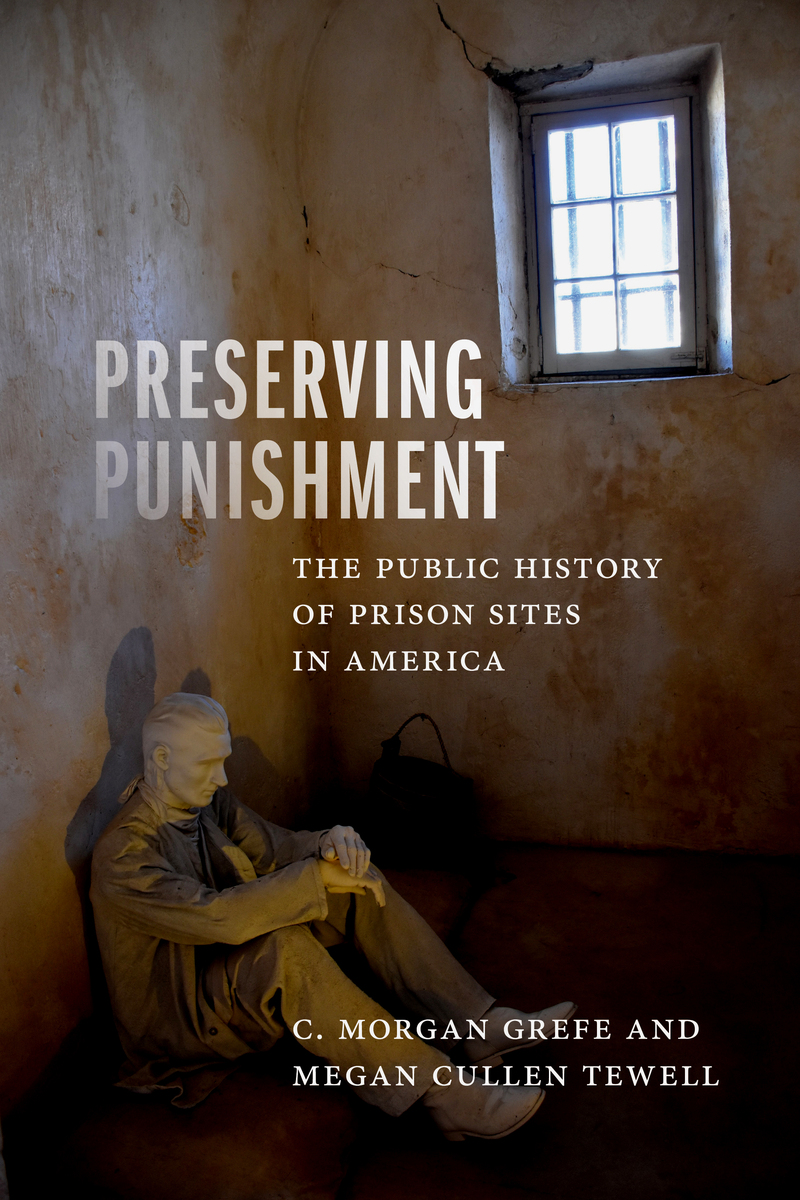
Preserving Punishment offers the first sustained historical study of prison museums in the United States. Examining how these institutions preserve, interpret, and present the history of incarceration, C. Morgan Grefe and Megan Cullen Tewell highlight the role of preservationists and public historians in shaping narratives, addressing ethical challenges, and fostering critical engagement with America's past and present systems of punishment. Grounded in local and regional contexts, they argue that historic prison sites are uniquely positioned to encourage informed public conversations about incarceration, memory, and criminal justice.
See other books on: 20th Century | Activism & Social Justice | America | Public History | United States
See other titles from University of Massachusetts Press