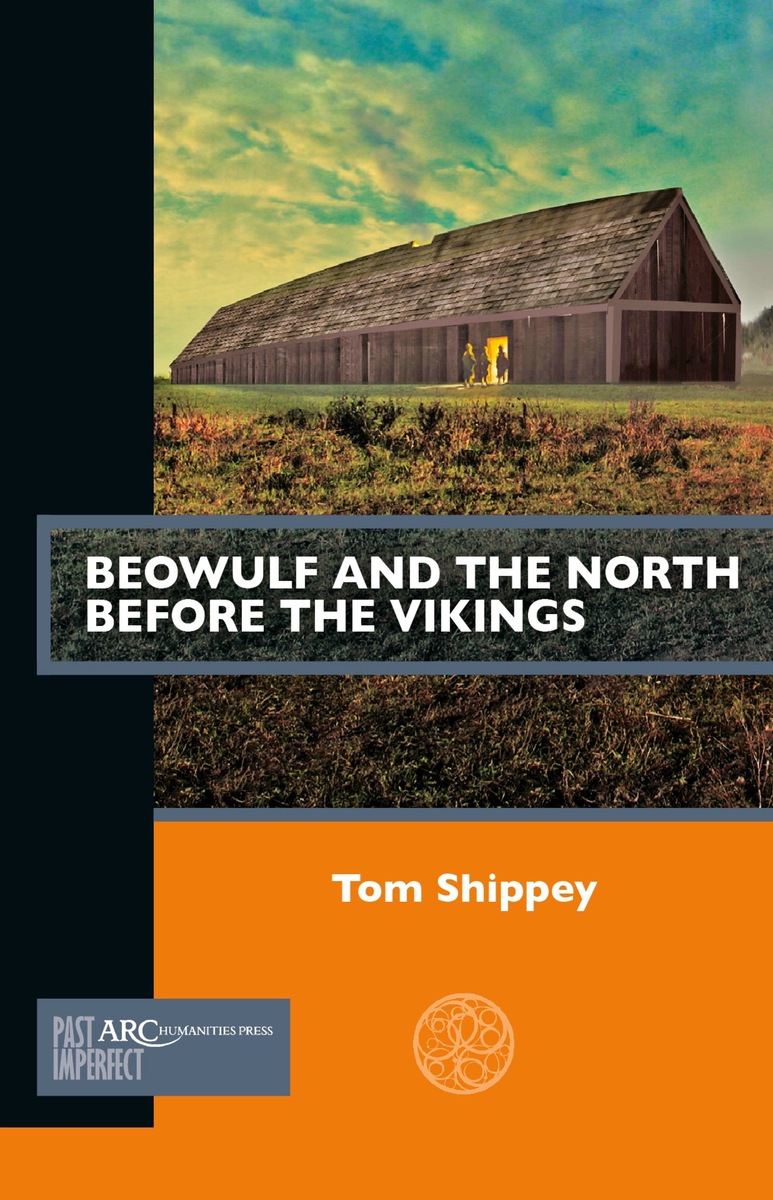
Beowulf and the North before the Vikings
Arc Humanities Press, 2022
Paper: 978-1-80270-013-8 | eISBN: 978-1-80270-055-8 (ePub) | eISBN: 978-1-80270-054-1 (PDF)
Library of Congress Classification PR1587.S28S45 2022
Dewey Decimal Classification 948.01
Paper: 978-1-80270-013-8 | eISBN: 978-1-80270-055-8 (ePub) | eISBN: 978-1-80270-054-1 (PDF)
Library of Congress Classification PR1587.S28S45 2022
Dewey Decimal Classification 948.01
ABOUT THIS BOOK | AUTHOR BIOGRAPHY | TOC
ABOUT THIS BOOK
Ever since Tolkien’s famous lecture in 1936, it has been generally accepted that the poem Beowulf is a fantasy, and of no use as a witness to real history. This book challenges that view, and argues that the poem provides a plausible, detailed, and consistent vision of pre-Viking history which is most unlikely to have been the poet’s invention, and which has moreover received strong corroboration from archaeology in recent years. Using the poem as a starting point, historical, archaeological, and legendary sources are combined to form a picture of events in the North in the fifth and sixth centuries: at once a Dark and a Heroic Age, and the time of the formation of nations. Among other things, this helps answer two long-unasked questions: why did the Vikings come as such a shock? And what caused the previous 250 years of security from raiders from the sea?
See other books on: 392-814 | Beowulf | Civilization, Viking | Europe, Northern | Scandinavia
See other titles from Arc Humanities Press