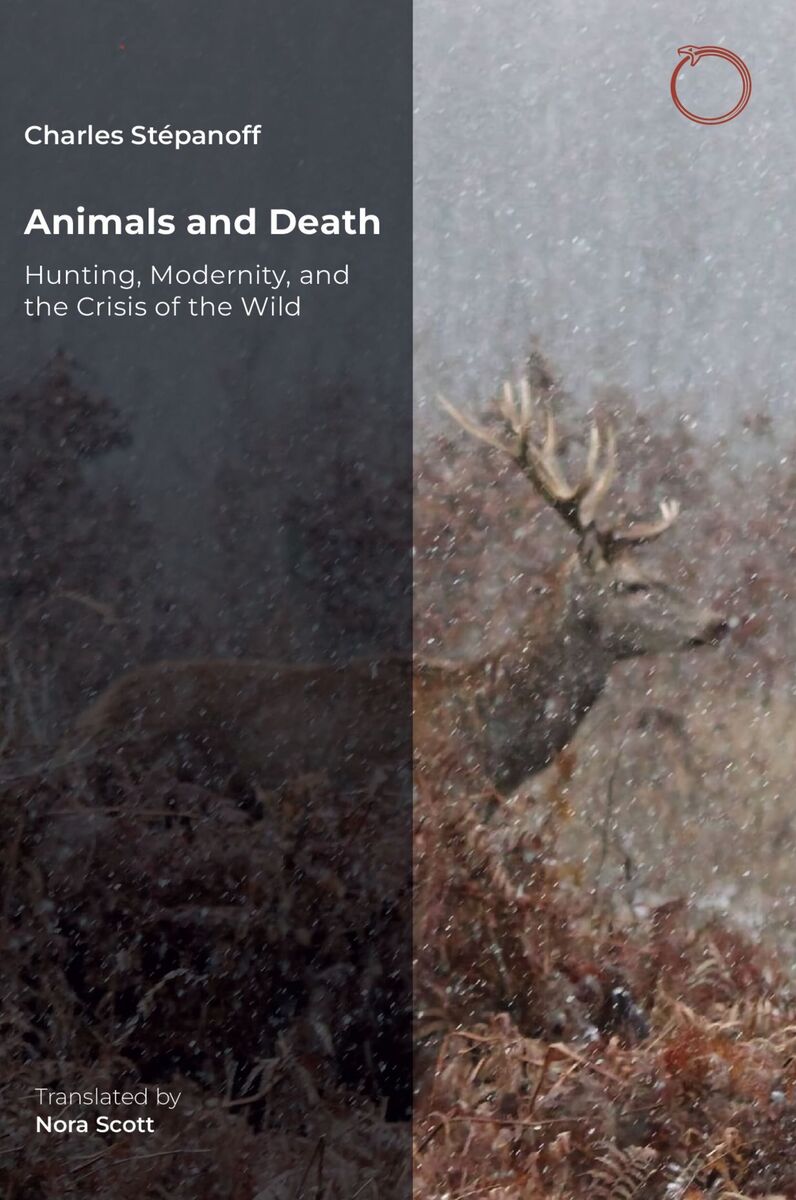
Animals and Death: Hunting, Modernity, and the Crisis of the Wild
HAU, 2026
Paper: 978-1-914363-53-5 | eISBN: 978-1-914363-54-2
Paper: 978-1-914363-53-5 | eISBN: 978-1-914363-54-2
ABOUT THIS BOOK | AUTHOR BIOGRAPHY | REVIEWS | TOC
ABOUT THIS BOOK
From pets to prey to food, the hierarchy of animals' relationship to humans has profound anthropological and ecological implications.
Modernity has divided animals into two categories: those deemed worthy of protection and affection, and those reduced to raw material for industry. How can we make sense of this strange split between protective love and intensive exploitation? Hunting, which both predates this opposition and continues to unsettle it, provides an exceptional vantage point from which to examine our contradictory relationship with living beings in the midst of an ecological crisis. Drawing on an immersive field study, Charles Stépanoff documents the accelerated erosion of rural biodiversity, and the paradoxical relationships between hunting, protection, and compassion. Over the course of this rich journey, he sheds new light on the anthropological and ecological foundations of the violence inflicted on living beings, as well as on the wild origins of political sovereignty. Ultimately, by questioning the peculiar moral hierarchy that this violence produces today, Stépanoff gives our moral and emotional perception a deeper field of vision.