Cloth: 979-8-89948-144-4 | Paper: 979-8-89948-143-7 | eISBN: 979-8-89948-145-1
A perceptive new look at the perennial subject of selfhood
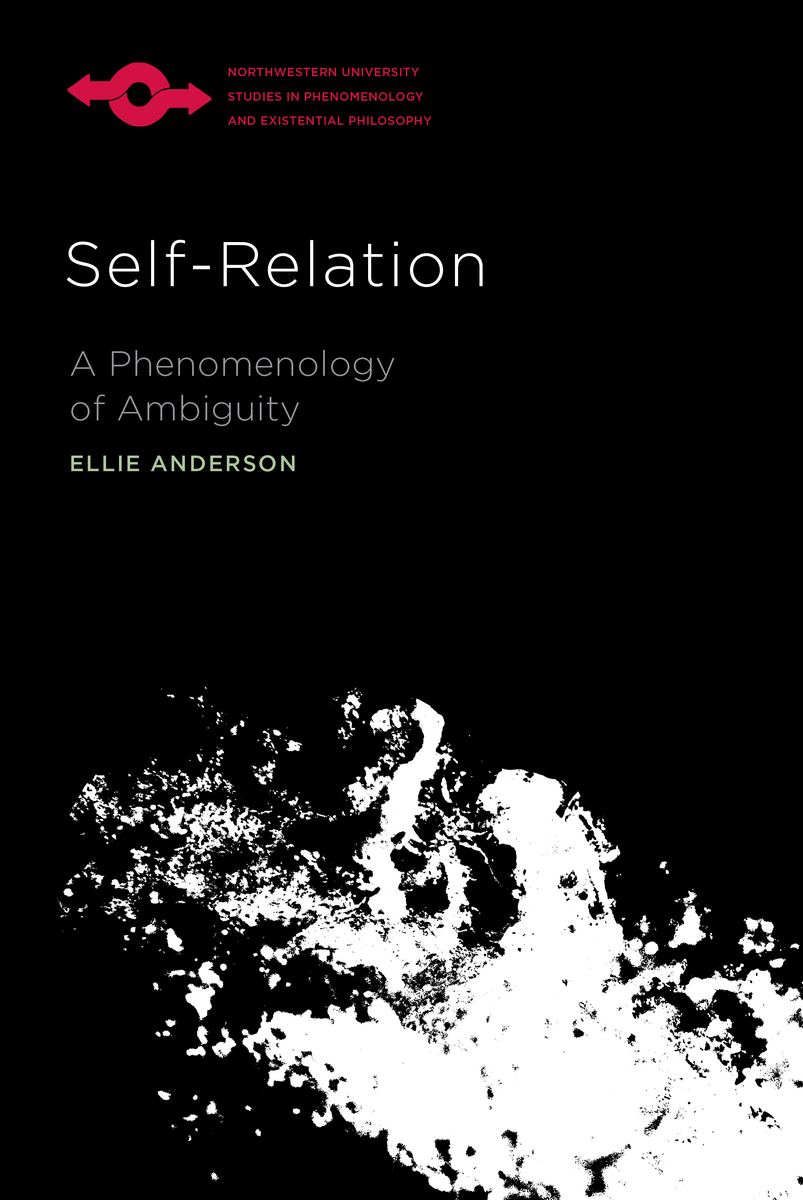
In the wake of the so-called death of the subject, some philosophers within or adjacent to phenomenology have come to embrace the idea that the self does indeed exist but is multiplicitous in nature. Many today appeal to the idea that the self is therefore relational: that the self exists only in and through its relations to others. Though this is true, there is also more to the relationality of the self than the fact that we are always relating to what is beyond ourselves. In this book, Ellie Anderson argues that the defining feature of the self is that it is self-relating. That is, the self has identity by virtue of its own self-relationality.
Anderson develops a relational account of the self, drawing on the French philosophical tradition of existential phenomenology—in particular, Jean-Paul Sartre, Maurice Merleau-Ponty, and Simone de Beauvoir. Anderson contends that a throughline in their work is an emergent account of self-relation, which both provides a phenomenologically grounded alternative to some of the more popular views of the self today and highlights the ethical character of the self. Through novel approaches to the topics of self-objectification, bad faith, self-affection, and responsibility, Self-Relation develops an account of the self as having a peculiar kind of identity—ipseity—that is grounded in the structure of consciousness, and a selfhood that not only accommodates but also requires difference.
See other books on: Ambiguity | Existentialism | Movements | Phenomenology | Philosophy
See other titles from Northwestern University Press