
 A SCHOLARLY BOOK REPOSITORY
242 start with B start with B

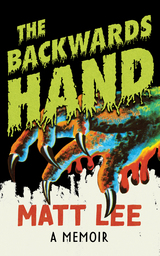
Told in lyric fragments, The Backwards Hand traces Matt Lee’s experience living in the United States for more than thirty years with a rare congenital defect. Weaving in historical research and pop culture references, Lee dissects how the disabled body has been conflated with impurity, worthlessness, and evil. His voice swirls amid those of artists, criminals, activists, and philosophers. With a particular focus on horror films, Lee juxtaposes portrayals of fictitious monsters with the real-life atrocities of the Nazi regime and the American eugenics movement. Through examining his struggles with physical and mental health, Lee confronts his own beliefs about monstrosity and searches for atonement as he awaits the birth of his son.
The Backwards Hand interrogates what it means to be a cripple in a predominantly ableist society, deconstructing how perceptions of disability are—and are not—reflected in art and media.
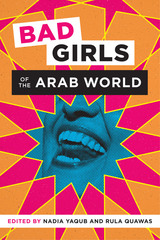
Women’s transgressive behaviors and perspectives are challenging societal norms in the Arab world, giving rise to anxiety and public debate. Simultaneously, however, other Arab women are unwillingly finding themselves labeled “bad” as authority figures attempt to redirect scrutiny from serious social ills such as patriarchy and economic exploitation, or as they impose new restrictions on women’s behavior in response to uncertainty and change in society. Bad Girls of the Arab World elucidates how both intentional and unintentional transgressions make manifest the social and cultural constructs that define proper and improper behavior, as well as the social and political policing of gender, racial, and class divisions.
The works collected here address the experiences of women from a range of ages, classes, and educational backgrounds who live in the Arab world and beyond. They include short pieces in which the women themselves reflect on their experiences with transgression; academic articles about performance, representation, activism, history, and social conditions; an artistic intervention; and afterwords by the acclaimed novelists Laila al-Atrash and Miral al-Tahawy. The book demonstrates that women’s transgression is both an agent and a symptom of change, a site of both resistance and repression. Showing how transnational forces such as media discourses, mobility and confinement, globalization, and neoliberalism, as well as the legacy of colonialism, shape women’s badness, Bad Girls of the Arab World offers a rich portrait of women’s varied experiences at the boundaries of propriety in the twenty-first century.
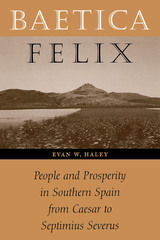
Baetica, the present-day region of Andalusia in southern Spain, was the wealthiest province of the Roman Empire. Its society was dynamic and marked by upward social and economic mobility, as the imperial peace allowed the emergence of a substantial middle social and economic stratum. Indeed, so mutually beneficial was the imposition of Roman rule on the local population of Baetica that it demands a new understanding of the relationship between Imperial Rome and its provinces.
Baetica Felix builds a new model of Roman-provincial relations through a socio-economic history of the province from Julius Caesar to the end of the second century A.D. Describing and analyzing the impact of Roman rule on a core province, Evan Haley addresses two broad questions: what effect did Roman rule have on patterns of settlement and production in Baetica, and how did it contribute to wealth generation and social mobility? His findings conclusively demonstrate that meeting the multiple demands of the Roman state created a substantial freeborn and ex-slave "middle stratum" of the population that outnumbered both the super-rich elite and the destitute poor.
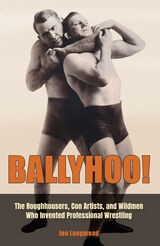
Ballyhoo! The Roughhousers, Con Artists, and Wildmen Who Invented Professional Wrestling is a history of professional wrestling’s formative period in the U.S., from roughly 1874 to 1941, and the contested interplay of wrestlers and promoters who built the “sport” as we know it. During this period, the major conventions that would define wrestling to the present day were perfected and codified, as wrestling morphed from a rough sport practiced on farms and at town gatherings to melodramatic mass entertainment that reliably drew large crowds in cities across the nation.
The narrative uses the life and career of Jack Curley—a boxing promoter whose fortune took a turn for the better when he began promoting wrestling matches—as a compass as it charts the development of wrestling. By the late 1910s, Curley’s shows were selling out Madison Square Garden monthly. Ballyhoo chronicles his competition with the other promoters, as well as the lives of colorful athletes like “Strangler” Ed Lewis, Frank Gotch, the “Masked Marvel,” Jim Londos, “Gorgeous George” Wagner, “Farmer” Martin Burns, and “Dynamite” Gus Sonnenberg.

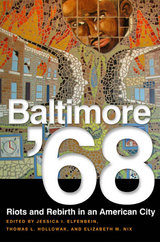
In 1968, Baltimore was home to a variety of ethnic, religious, and racial communities that, like those in other American cities, were confronting a quickly declining industrial base. In April of that year, disturbances broke the urban landscape along lines of race and class.
This book offers chapters on events leading up to the turmoil, the riots, and the aftermath as well as four rigorously edited and annotated oral histories of members of the Baltimore community. The combination of new scholarship and first-person accounts provides a comprehensive case study of this period of civil unrest four decades later.
This engaging, broad-based public history lays bare the diverse experiences of 1968 and their effects, emphasizing the role of specific human actions. By reflecting on the stories and analysis presented in this anthology, readers may feel empowered to pursue informed, responsible civic action of their own.
Baltimore '68 is the book component of a larger public history project, "Baltimore '68 Riots: Riots and Rebirth." The project's companion website (http://archives.ubalt.edu/bsr/index.html ) offers many more oral histories plus photos, art, and links to archival sources. The book and the website together make up an invaluable teaching resource on cities, social unrest, and racial politics in the 1960s. The project was the corecipient of the 2009 Outstanding Public History Project Award from the National Council on Public History.
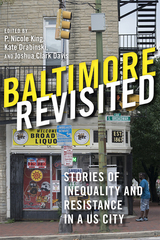
To help untangle these apparent paradoxes, the editors of Baltimore Revisited have assembled a collection of over thirty experts from inside and outside academia. Together, they reveal that Baltimore has been ground zero for a slew of neoliberal policies, a place where inequality has increased as corporate interests have eagerly privatized public goods and services to maximize profits. But they also uncover how community members resist and reveal a long tradition of Baltimoreans who have fought for social justice.
The essays in this collection take readers on a tour through the city’s diverse neighborhoods, from the Lumbee Indian community in East Baltimore to the crusade for environmental justice in South Baltimore. Baltimore Revisited examines the city’s past, reflects upon the city’s present, and envisions the city’s future.

A close look at the lives of working musicians who aren’t the center of their stage.
Secret (and not-so-secret) weapons, side-of-the-stagers, rhythm and horn sections, backup singers, accompanists—these and other “band people” are the anonymous but irreplaceable character actors of popular music. Through interviews and incisive cultural critique, writer and musician Franz Nicolay provides a portrait of the musical middle class. Artists talk frankly about their careers and attitudes toward their craft, work environment, and group dynamics, and shed light on how support musicians make sense of the weird combination of friend group, gang, small business consortium, long-term creative collaboration, and chosen family that constitutes a band. Is it more important to be a good hang or a virtuoso player? Do bands work best as democracies or autocracies? How do musicians with children balance their personal and professional lives? How much money is too little? And how does it feel to play on hundreds of records, with none released under your name? In exploring these and other questions, Band People gives voice to those who collaborate to create and dissects what it means to be a laborer in the culture industry.

As readers of classic Russian literature know, the nineteenth century was a time of pervasive financial anxiety. With incomes erratic and banks inadequate, Russians of all social castes were deeply enmeshed in networks of credit and debt. The necessity of borrowing and lending shaped perceptions of material and moral worth, as well as notions of social respectability and personal responsibility. Credit and debt were defining features of imperial Russia’s culture of property ownership. Sergei Antonov recreates this vanished world of borrowers, bankrupts, lenders, and loan sharks in imperial Russia from the reign of Nicholas I to the period of great social and political reforms of the 1860s.
Poring over a trove of previously unexamined records, Antonov gleans insights into the experiences of ordinary Russians, rich and poor, and shows how Russia’s informal but sprawling credit system helped cement connections among property owners across socioeconomic lines. Individuals of varying rank and wealth commonly borrowed from one another. Without a firm legal basis for formalizing debt relationships, obtaining a loan often hinged on subjective perceptions of trustworthiness and reputation. Even after joint-stock banks appeared in Russia in the 1860s, credit continued to operate through vast networks linked by word of mouth, as well as ties of kinship and community. Disputes over debt were common, and Bankrupts and Usurers of Imperial Russia offers close readings of legal cases to argue that Russian courts—usually thought to be underdeveloped in this era—provided an effective forum for defining and protecting private property interests.
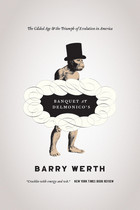
In Banquet at Delmonico’s, Barry Werth draws readers inside the circle of intellectuals, scientists, politicians, businessmen, and clergymen who brought Charles Darwin’s controversial ideas to post-Civil-War America. Each chapter is dedicated to a crucial intellectual encounter, culminating with an exclusive farewell dinner held in English philosopher Herbert Spencer’s honor at the venerable New York restaurant Delmonico’s in 1882. In this thought-provoking and nuanced account, Werth firmly situates social Darwinism in the context of the Gilded Age. Banquet at Delmonico’s is social history at its finest.
"White's Barack Obama's America eloquently captures both the important nuances of the current political scene and its long-term consequences."
---Richard Wirthlin, former pollster for Ronald Reagan
"This delightfully written and accessible book is the best available account of the changes in culture, society, and politics that have given us Barack Obama's America."
---Stan Greenberg, pollster for Bill Clinton and Chairman and CEO of Greenberg Quinlan Rosner Research
"From one of the nation's foremost experts on how values shape our politics, a clear and compelling account of the dramatic shifts in social attitudes that are transforming American political culture. White's masterful blend of narrative and data illuminates the arc of electoral history from Reagan to Obama, making a powerful case for why we are entering a new progressive political era."
---Matthew R. Kerbel, Professor of Political Science, Villanova University, and author of Netroots
"John Kenneth White is bold. He asks the big questions . . . Who are we? What do we claim to believe? How do we actually live? What are our politics? John Kenneth White writes compellingly about religion and the role it played in making Barack Obama president. White's keen insight into America's many faiths clarifies why Barack Obama succeeded against all odds. It is a fascinating description of religion and politics in twenty-first-century America---a must-read."
---Kathleen Kennedy Townsend, former Lieutenant Governor of Maryland and author of Failing America's Faithful
"In Barack Obama's America, John Kenneth White has written the political equivalent of Baedeker or Michelin, the definitive guide to and through the new, uncharted political landscape of our world. White captures and explains what America means---and what it means to be an American---in the twenty-first century."
---Mark Shields, nationally syndicated columnist and political commentator for PBS NewsHour
"John White has always caught important trends in American politics that others missed. With his shrewd analysis of why Barack Obama won, he's done it again."
---E. J. Dionne, Jr., Senior Fellow, Brookings Institution, and University Professor in the Foundations of Democracy and Culture at Georgetown University
The election of Barack Obama to the presidency marks a conclusive end to the Reagan era, writes John Kenneth White in Barack Obama's America. Reagan symbolized a 1950s and 1960s America, largely white and suburban, with married couples and kids at home, who attended church more often than not.
Obama's election marks a new era, the author writes. Whites will be a minority by 2042. Marriage is at an all-time low. Cohabitation has increased from a half-million couples in 1960 to more than 5 million in 2000 to even more this year. Gay marriages and civil unions are redefining what it means to be a family. And organized religions are suffering, even as Americans continue to think of themselves as a religious people. Obama's inauguration was a defining moment in the political destiny of this country, based largely on demographic shifts, as described in Barack Obama's America.
John Kenneth White is Professor of Politics at the Catholic University of America in Washington, D.C.
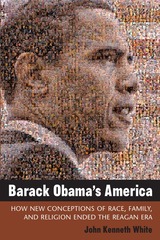
Cover image: "Out of many, we are one: Dare to Hope: Faces from 2008 Obama Rallies" by Anne C. Savage, view and buy full image at http://revolutionaryviews.com/obama_poster.html.
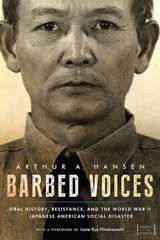
What historically was benignly termed the “Japanese American Evacuation” was in fact a social disaster, which, unlike a natural disaster, is man-made. Examining the emotional implications of targeted systemic incarceration, Hansen highlights the psychological traumas that transformed Japanese American identity and culture for generations after the war. While many accounts of Japanese American incarceration rely heavily on government documents and analytic texts, Hansen’s focus on first-person Nikkei testimonies gathered through powerful oral history interviews gives expression to the resistance to this social disaster.
Analyzing the evolving historical memory of the effects of wartime incarceration, Barbed Voices presents a new scholarly framework of enduring value. It will be of interest to students and scholars of oral history, US history, public history, and ethnic studies as well as the general public interested in the WWII experience and civil rights.

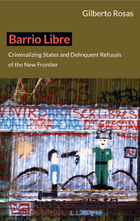
Rosas argues that although these youths participate in the victimization of others, they should not be demonized. They are complexly and adversely situated. The effects of NAFTA have forced many of them, as well as other Mexicans, to migrate to Nogales. Moving fluidly with the youths through the spaces that they inhabit and control, he shows how the militarization of the border actually destabilized the region and led Barrio Libre to turn to increasingly violent activities, including drug trafficking. By focusing on these youths and their delinquency, Rosas demonstrates how capitalism and criminality shape perceptions and experiences of race, sovereignty, and resistance along the US-Mexico border.
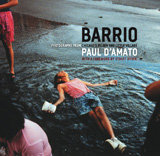
Barrio collects ninety of these striking color images along with D’Amato’s fascinating account of his time photographing Mexican Chicago and his acceptance—often grudging, after threatened violence—into the heart of the city’s Mexican community. Some of the photos here are beautifully composed and startling—visual narratives that are surreal and dreamlike, haunting and mythic. Others, like those D’Amato took while shadowing graffiti artists in the subway, are far more immediate and improvisational. With a foreword by author Stuart Dybek that places D’Amato’s work in the context of the Pilsen and Little Village that Dybek has elsewhere captured so memorably, this book offers a penetrating, evocative, and overall streetwise portrait of two iconic and enduring Hispanic neighborhoods.
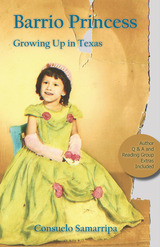
"Made in Mexico, born in America," Barrio Princess shares heartwarming family stories, cultural tradition stories, learning English by total immersion, socialization as a minority, education, stories of her mother as a single parent, and women’s stories from a minority point of view.
Mexican communities in the Midwestern United States have a history that extends back to the turn of the twentieth century, when a demand for workers in several mass industries brought Mexican agricultural laborers to jobs and homes in the cities. This book offers a comprehensive social, labor, and cultural history of these workers and their descendants, using the Mexican barrio of "San Pablo" (St. Paul) Minnesota as a window on the region.
Through extensive archival research and numerous interviews, Dennis Valdés explores how Mexicans created ethnic spaces in Midwestern cities and how their lives and communities have changed over the course of the twentieth century. He examines the process of community building before World War II, the assimilation of Mexicans into the industrial working class after the war, the Chicano Movement of the 1960s and 1970s, and more recent changes resulting from industrial restructuring and unprecedented migration and population growth. Throughout, Valdés pays particular attention to Midwestern Mexicans' experiences of inequality and struggles against domination and compares them to Mexicans' experiences in other regions of the U.S.
A classic account of life on the Texas-Mexico border, Batos, Bolillos, Pochos, and Pelados offers the fullest portrait currently available of the people of the South Texas/Northern Mexico borderlands. First published in 1999, the book is now extensively revised and updated throughout to cover developments since 2000, including undocumented immigration, the drug wars, race relations, growing social inequality, and the socioeconomic gap between Latinos and the rest of American society—issues of vital and continuing national importance.
An outgrowth of the Borderlife Research Project conducted at the University of Texas Rio Grande Valley, Batos, Bolillos, Pochos, and Pelados uses the voices of several hundred Valley residents, collected by embedded student researchers and backed by the findings of sociological surveys, to describe the lives of migrant farmworkers, colonia residents, undocumented domestic servants, maquiladora workers, and Mexican street children. Likewise, it explores social, racial, and ethnic relations in South Texas among groups such as Latinos, Mexican immigrants, wealthy Mexican visitors, Anglo residents or tourists, and Asian and African American residents of South Texas. With this firsthand material and an explanatory focus that utilizes and applies social-science theoretical concepts, the book thoroughly addresses the future composition and integration of Latinos into the society and culture of the United States.
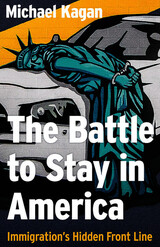
The Battle to Stay in America is the story of a community coming to grips with the federal government’s crackdown on immigrants, and learning how to defend itself. Informative and personal, this is a story about mothers and fathers, lawyers and activists, local police and federal agencies, and a struggle for the identity of a nation. This is the quintessential story of the war on immigrants, as fought and felt on the front lines in the heart of America.
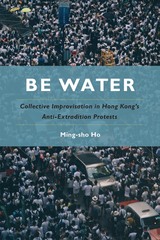
In Be Water, Ming-sho Ho examines the dynamics of the city-wide uprising from the perspective of agency power. He seeks to understand how numerous and anonymous Hongkongers contributed to this epoch-making campaign as well as how they responded to the full-scale state repression that enveloped them. Ho praises and questions the durability of the inventive Be Water Revolution and how the activists encouraged protests spontaneously, through interpersonal networks and by voluntarily collaborating with strangers at great personal risk.
Ho posits a new concept of “collective improvisation” to make sense of such a decentralized yet creative way of protesting. Be Water seeks to understand the rise and long afterlife of this movement and illustrate its efficacy. As Ho shows, these dynamics of collective improvisation have implications for contemporary protest movements around the world.

According to popular media and scholarship, Detroit, the once-vibrant city that crumbled with the departure of the auto industry, is where dreams can be reborn. It is a place that, like America itself, is gritty and determined. It has faced the worst kind of adversity, and supposedly now it’s back. But what does this narrative of “new Detroit” leave out? Beautiful Wasteland reveals that the contemporary story of Detroit’s rebirth is an upcycled version of the American Dream, which has long imagined access to work, home, and upward mobility as race-neutral projects. They’re not. As Rebecca J. Kinney shows, the narratives of Detroit’s rise, decline, and potential to rise again are deeply steeped in material and ideological investments in whiteness.
By remapping the narratives of contemporary Detroit through an extension of America’s frontier mythology, Kinney analyzes a cross-section of twentieth and twenty-first century cultural locations—an Internet forum, ruin photography, advertising, documentary film, and print and online media. She illuminates how the stories we tell about Detroit as a frontier of possibility enable the erasure of white privilege and systemic racism. By situating Detroit as a “beautiful wasteland,” both desirable and distressed, this shows how the narrative of ruin and possibility form a mutually constituted relationship: the city is possible precisely because of its perceived ruin.
Beautiful Wasteland tackles the key questions about the future of postindustrial America. As cities around the country reckon with their own postindustrial landscapes, Rebecca Kinney cautions that development that elides considerations of race and class will only continue to replicate uneven access to the city for the poor, working class, and people of color.
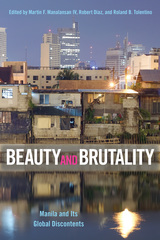
Beauty and Brutality provides an exciting, original, and critical encounter with this labyrinthine city’s imagined and material landscape. The authors and contributors investigate the “messy, fleshy, recalcitrant, mercurial, and immeasurable qualities of the city,” examining its urban space and smell: how it is represented in films, literature, music, and urban streetart; how it has endured the politics of colonialism, U.S. imperialism, neoliberalism, and globalization; as well as how its queer citizens engage with digital media platforms to communicate and connect with each other.
The first volume to offer a cultural and urban studies approach to Manila, Beauty and Brutality considers the tensions of the Filipino diaspora as they migrate and “re-turn,” as well as the citizens’ responses to the Marcos (and post-Marcos) dictatorship, President Duterte’s authoritarianism, and “Drug War.” Essays also map out of geographies of repression and resistance in the urban war of classes, genders and sexualities, ethnicities and races, and generations, along with the violence of urban life and growth. Ultimately, Beauty and Brutality frames Manila as a vibrant and ever-evolving metropolis that, even in the face of its difficulties, instills hope.
Contributors: Paul Michael Leonardo Atienza, Christine Bacareza Balance, Vanessa Banta, Rosa Cordillera A. Castillo, Roland Sintos Coloma, Gary C. Devilles, Faith R. Kares, John B. Labella, Raffy Lerma, Bliss Cua Lim, Ferdinand M. Lopez, Paul Nadal, Jema M. Pamintuan, Oscar Tantoco Serquiña, Jr., Louise Jashil R. Sonido, and the editors.
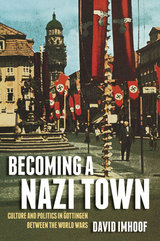
Becoming a Nazi Townreveals the ways in which ordinary Germans changed their cultural lives and their politics from the mid-1920s to the mid-1930s. Casting the origins of Nazism in a new light, David Imhoof charts the process by which Weimar and Nazi culture flowed into each other. He analyzes this dramatic transition by looking closely at three examples of everyday cultural life in the mid-sized German city of Göttingen: sharpshooting, an opera festival, and cinema.
Imhoof draws on individual and community experiences over a series of interwar periods to highlight and connect shifts in culture, politics, and everyday life. He demonstrates how Nazi leaders crafted cultural policies based in part on homegrown cultural practices of the 1920s and argues that overdrawn distinctions between “Weimar” and “Nazi” culture did not always conform to most Germans’ daily lives. Further, Imhoof presents experiences in Göttingen as a reflection of the common reality of many German towns beyond the capital city of Berlin.

In 2000, the United States census allowed respondents for the first time to tick a box marked “African American” in the race category. The new option marked official recognition of a term that had been gaining currency for some decades. Africa has always played a role in black identity, but it was in the tumultuous period between the two world wars that black Americans first began to embrace a modern African American identity.
Following the great migration of black southerners to northern cities after World War I, the search for roots and for meaningful affiliations became subjects of debate and display in a growing black public sphere. Throwing off the legacy of slavery and segregation, black intellectuals, activists, and organizations sought a prouder past in ancient Egypt and forged links to contemporary Africa. In plays, pageants, dance, music, film, literature, and the visual arts, they aimed to give stature and solidity to the American black community through a new awareness of the African past and the international black world. Their consciousness of a dual identity anticipated the hyphenated identities of new immigrants in the years after World War II, and an emerging sense of what it means to be a modern American.
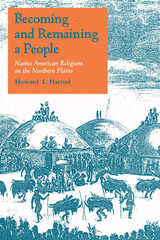
This book offers a bold new interpretation of anthropological studies, demonstrating how religious traditions and ritual processes became sources of group and individual identity for many people. Harrod reconstructs the long religious development of two village peoples, the Mandans and the Hidatsas, describing how their oral traditions enabled them to reinterpret their experiences as circumstances changed. He then shows how these and other groups on the Northern Plains remained distinct peoples in the face of increased interactions with Euro-Americans, other Indians,.and the new religion of Christianity.
Harrod proposes that other interpretations of culture change may fail to come to terms with the role that religion plays in motivating both cultural conservatism and social change. For Northern Plains peoples, religion was at the heart of social identity and thus resisted change, but religion was also the source of creative reinterpretation, which produced culture change. Viewed from within the group, such change often seemed natural and was understood as an elaboration of traditions having roots in a deeper shared past. In addition to demonstrating religious continuity and change among the Mandans and the Hidatsas, he also describes instances of religious and social transformation among the peoples who became the Crows and the Cheyennes.
Becoming and Remaining a People adopts a challenging analytical approach that draws on the author's creative interpretations of rituals and oral traditions. By enabling us to understand the relation of religion both to the construction of social identity and to the interpretation of social change, it reveals the richness, depth, and cultural complexity of both past Native American people and their contemporary successors.
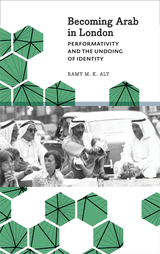
Drawing on the work of Judith Butler, Aly emphasizes the need to move away from the concept of identity and toward the idea of race, gender, and class as performance. Based on seven years of fieldwork, during which time the author immersed himself in London’s Arab community, Becoming Arab in London is an innovative and necessary contribution to the study of diaspora and difference in contemporary Britain.


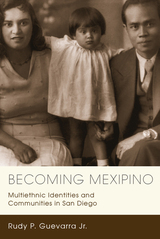
Through racially restrictive covenants and other forms of discrimination, both groups, regardless of their differences, were confined to segregated living spaces along with African Americans, other Asian groups, and a few European immigrant clusters. Within these urban multiracial spaces, Mexicans and Filipinos coalesced to build a world of their own through family and kin networks, shared cultural practices, social organizations, and music and other forms of entertainment. They occupied the same living spaces, attended the same Catholic churches, and worked together creating labor cultures that reinforced their ties, often fostering marriages. Mexipino children, living simultaneously in two cultures, have forged a new identity for themselves. Their lives are the lens through which these two communities are examined, revealing the ways in which Mexicans and Filipinos interacted over generations to produce this distinct and instructive multiethnic experience. Using archival sources, oral histories, newspapers, and personal collections and photographs, Guevarra defines the niche that this particular group carved out for itself.

On the surface, Mexican Americans and Mexican immigrants to the United States seem to share a common cultural identity but often make uneasy neighbors. Discrimination and assimilationist policies have influenced generations of Mexican Americans so that some now fear that the status they have gained by assimilating into American society will be jeopardized by Spanish-speaking newcomers. Other Mexican Americans, however, adopt a position of group solidarity and work to better the social conditions and educational opportunities of Mexican immigrants.
Focusing on the Mexican-origin, working-class city of La Puente in Los Angeles County, California, this book examines Mexican Americans' everyday attitudes toward and interactions with Mexican immigrants—a topic that has so far received little serious study. Using in-depth interviews, participant observations, school board meeting minutes, and other historical documents, Gilda Ochoa investigates how Mexican Americans are negotiating their relationships with immigrants at an interpersonal level in the places where they shop, worship, learn, and raise their families. This research into daily lives highlights the centrality of women in the process of negotiating and building communities and sheds new light on identity formation and group mobilization in the U.S. and on educational issues, especially bilingual education. It also complements previous studies on the impact of immigration on the wages and employment opportunities of Mexican Americans.
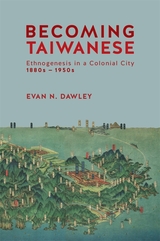
What does it mean to be Taiwanese? This question sits at the heart of Taiwan’s modern history and its place in the world. In contrast to the prevailing scholarly focus on Taiwan after 1987, Becoming Taiwanese examines the important first era in the history of Taiwanese identity construction during the early twentieth century, in the place that served as the crucible for the formation of new identities: the northern port city of Jilong (Keelung).
Part colonial urban social history, part exploration of the relationship between modern ethnicity and nationalism, Becoming Taiwanese offers new insights into ethnic identity formation. Evan Dawley examines how people from China’s southeastern coast became rooted in Taiwan; how the transfer to Japanese colonial rule established new contexts and relationships that promoted the formation of distinct urban, ethnic, and national identities; and how the so-called retrocession to China replicated earlier patterns and reinforced those same identities. Based on original research in Taiwan and Japan, and focused on the settings and practices of social organizations, religion, and social welfare, as well as the local elites who served as community gatekeepers, Becoming Taiwanese fundamentally challenges our understanding of what it means to be Taiwanese.

In this challenging study, Dr. Mamphela Ramphele documents the life of the hostel dwellers of Cape Town, for whom a bed is literally a home for both themselves and their families. Elaborating the concept of space in its many dimensions—not just physical, but political, ideological, social, and economic as well—she emphasizes the constraints exerted on hostel dwellers by the limited spaces they inhabit. At the same time, she argues that within these constraints people have managed to find room for manoeuvre, and in her book explores the emancipatory possibilities of their environment.
The text is illustrated with a number of black-and-white photographs taken by Roger Meintjes in the townships and hostels.

Between the Nile River and the Red Sea, in the northern half of Egypt's Eastern Desert, live the Bedouins of the Ma'aza tribe. Joseph Hobbs lived with the Khushmaan Ma'aza clan for almost two years, gathering information for a study of traditional Bedouin life and culture. The resulting work, Bedouin Life in the Egyptian Wilderness, is the first modern ethnographic portrait of the Ma'aza Bedouins.
This groundbreaking book opens the door on the missing record of South Los Angeles juvenile gangs. It is the result of the unique friendship that developed between John Quicker and Akil Batani-Khalfani, aka Bird, who collaborated to show how structural marginality transformed hang-out street groups of non-White juveniles into gangs, paving the way for the rise of the infamous Crips and Bloods. Before Crips uses a macro historical analysis to sort through political and economic factors to explain the nature of gang creation.
The authors mine a critical archive, using direct interviews with original gang members as well as theory and literature reviews, to contextualize gang life and gang formation. They discuss (and fuss and cuss about) topics ranging from the criminal economy and conceptions of masculinity to racial and gendered politics and views of violence. Their insider/outsider approach not only illuminates gang values and organization, but what they did and why, and how they grew in a backdrop of inequality and police brutality that came to a head with the 1965 Watts Rebellion.
Providing an essential understanding of early South Los Angeles gang life, Before Crips explains what has remained constant, what has changed, and the roots of the violence that continues.
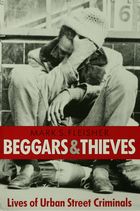
As the incidence of violent crime rises in the United States, so does the public demand for a solution. But what will work?
Mark S. Fleisher has spent years among inmates in jails and prisons and on the streets with thieves, gang members, addicts, and life-long criminals in Seattle and other cities across the country. In Beggars and Thieves, he writes about how and why they become and remain offenders, and about the actual role of jails and prisons in efforts to deter crime and rehabilitate criminals. Fleisher shows, with wrenching firsthand accounts, that parents who are addicts, abusers, and criminals beget irreversibly damaged children who become addicts, abusers, and criminals. Further, Fleisher contends that many well-intentioned educational and vocational training programs are wasted because they are offered too late to help. And, he provides sobering evidence that many youthful and adult offenders find themselves better off in prison—with work to do, medical care, a clean place to sleep, regular meals, and stable social ties—than they are in America’s cities.
Fleisher calls for anti-crime policies that are bold, practical, and absolutely imperative. He prescribes life terms for violent offenders, but in prisons structured as work communities, where privileges are earned through work in expanded, productive industries that reduce the financial burden of incarceration on the public. But most important, he argues that the only way to prevent street crime, cut prison growth, and reduce the waste of money and human lives is to permanently remove brutalized children from criminal, addicted, and violent parents.
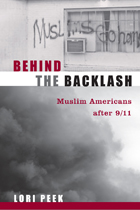
As the nation tried to absorb the shock of the 9/11 attacks, Muslim Americans were caught up in an unprecedented wave of backlash violence. Public discussion revealed that widespread misunderstanding and misrepresentation of Islam persisted, despite the striking diversity of the Muslim community.
Letting the voices of 140 ordinary Muslim American men and women describe their experiences, Lori Peek's path-breaking book, Behind the Backlash presents moving accounts of prejudice and exclusion. Muslims speak of being subjected to harassment before the attacks, and recount the discrimination they encountered afterwards. Peek also explains the struggles of young Muslim adults to solidify their community and define their identity during a time of national crisis.
Behind the Backlash seeks to explain why blame and scapegoating occur after a catastrophe. Peek sets the twenty-first century experience of Muslim Americans, who were vilified and victimized, in the context of larger sociological and psychological processes. Peek’s book will be of interest to those in disaster research studies, sociology of religion, and race and ethnic relations.

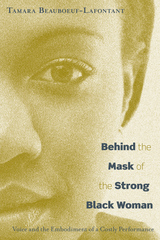
The author, a noted sociologist, interviews 58 Black women about being strong and proud, to illustrate their “performance” of invulnerability. Beauboeuf-Lafontant explains how such behavior leads to serious symptoms for these women, many of whom suffer from eating disorders and depression.
Drawing on Black feminist scholarship, cultural studies, and women’s history, Behind the Mask of the Strong Black Woman traces the historical and social influences of normative Black femininity, looking at how notions of self-image and strength create a distraction from broader forces of discrimination and power.
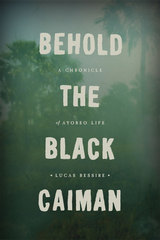
Drawing on ten years of fieldwork, Bessire highlights the stark disconnect between the desperate conditions of Ayoreo life for those out of the forest and the well-funded global efforts to preserve those Ayoreo still living in it. By showing how this disconnect reverberates within Ayoreo bodies and minds, his reflexive account takes aim at the devastating consequences of our society’s continued obsession with the primitive and raises important questions about anthropology’s potent capacity to further or impede indigenous struggles for sovereignty. The result is a timely update to the classic literary ethnographies of South America, a sustained critique of the so-called ontological turn—one of anthropology’s hottest trends—and, above all, an urgent call for scholars and activists alike to rethink their notions of difference.
The 1911 revolution in China sparked debates that politicized and divided Chinese communities in the United States. People in these communities affirmed traditional Chinese values and expressed their visions of a modern China, while nationalist feelings emboldened them to stand up for their rights as an integral part of American society. When Japan threatened the China's young republic, the Chinese response in the United States revealed the limits of Chinese nationalism and the emergence of a Chinese American identity.
Shehong Chen investigates how Chinese immigrants to the United States transformed themselves into Chinese Americans during the crucial period between 1911 and 1927. Chen focuses on four essential elements of a distinct Chinese American identity: support for republicanism over the restoration of monarchy; a wish to preserve Confucianism and traditional Chinese culture; support for Christianity, despite a strong anti-Christian movement in China; and opposition to the Nationalist party's alliance with the Soviet Union and cooperation with the Chinese Communist Party.
Sensitive and enlightening, Being Chinese, Becoming Chinese American documents how Chinese immigrants survived exclusion and discrimination, envisioned and maintained Chineseness, and adapted to American society.

Vansina’s case study of the colonial experience is the realm of Kuba, a kingdom in Congo about the size of New Jersey—and two-thirds the size of its colonial master, Belgium. The experience of its inhabitants is the story of colonialism, from its earliest manifestations to its tumultuous end. What happened in Kuba happened to varying degrees throughout Africa and other colonized regions: racism, economic exploitation, indirect rule, Christian conversion, modernization, disease and healing, and transformations in gender relations. The Kuba, like others, took their own active part in history, responding to the changes and calamities that colonization set in motion. Vansina follows the region’s inhabitants from the late nineteenth century to the middle of the twentieth century, when a new elite emerged on the eve of Congo’s dramatic passage to independence.
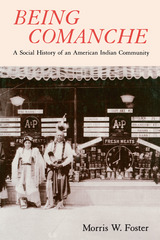
Comanches have engaged Euro-Americans' curiosity for three centuries. Their relations with Spanish, French, and Anglo-Americans on the southern Plains have become a highly resonant part of the mythology of the American West. Yet we know relatively little about the community that Comanches have shared and continue to construct in southwestern Oklahoma. Morris W. Foster has written the first study of Comanches' history that identifies continuities in their intracommunity organization from the initial period of European contact to the present day. Those continuities are based on shared participation in public social occasions such as powwows, peyote gatherings, and church meetings Foster explains how these occasions are used to regulate social organization and how they have been modified by Comanches to adapt them to changing political and economic relations with Euro-Americans. Using a model of community derived from sociolinguistics, Foster argues that Comanches have remained a distinctive people by organizing their face-to-face relations with one another in ways that maintain Comanche-Comanche lines of communication and regulate a shared sense of appropriate behavior. His book offers readers a significant reinterpretation of traditional anthropological and historical views of Comanche social organization.
The book offers a vivid portrait of the human drama and brutality of the conflict in Belfast. The authors argue that the control of place remains the most important weapon in the politicization of communities and the reproduction of political violence. Segregation provides the laboratory within which sectarianism continues to grow. Examining the implications of these social divisions, the authors draw upon a wide international literature and provide insights that will be useful to students of geography, planning, politics, sociology and peace studies.
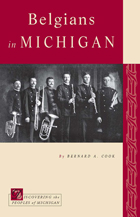
At the beginning of the twenty-first century, Michigan was home to the second-largest Belgian population in the United States, and Detroit had one of the largest Belgian populations in the nation. Although immigration declined after World War I, the Belgian- American community is still prominent in the state. Political, religious, and economic conditions, including a nineteenth- century economic depression, helped motivate the move to America. Belgians brought with them the ability and willingness to innovate, as well as a tradition of hard work and devotion. The Gazette van Detroit, a Flemish-language newspaper first printed in Detroit in 1914, continues to be produced and distributed to subscribers throughout the United States and overseas. Belgian-Americans continue to incorporate traditional values with newfound American values, enabling them to forever preserve their heritage.
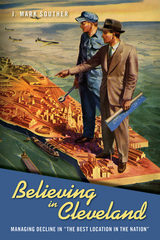
Detractors have called it "The Mistake on the Lake." It was once America’s "Comeback City." According to author J. Mark Souther, Cleveland has long sought to defeat its perceived civic malaise. Believing in Cleveland chronicles how city leaders used imagery and rhetoric to combat and, at times, accommodate urban and economic decline.
Souther explores Cleveland's downtown revitalization efforts, its neighborhood renewal and restoration projects, and its fight against deindustrialization. He shows how the city reshaped its image when it was bolstered by sports team victories. But Cleveland was not always on the upswing. Souther places the city's history in the postwar context when the city and metropolitan area were divided by uneven growth. In the 1970s, the city-suburb division was wider than ever.
Believing in Cleveland recounts the long, difficult history of a city that entered the postwar period as America's sixth largest, then lost ground during a period of robust national growth. But rather than tell a tale of decline, Souther provides a fascinating story of resilience for what some folks called "The Best Location in the Nation."
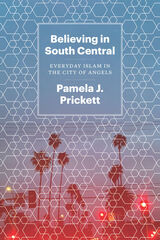
Prickett offers deep insights into the day-to-day lived religion of the Muslims who call this community home, showing how the mosque provides a system of social support and how believers deepen their spiritual practice not in spite of, but through, conditions of poverty. Prickett breaks past the stigmas of urban poverty, revealing a complex and vibrant community by telling the stories of longstanding residents of South Central—like Sister Ava, who offers food to the local unhoused people and finds the sacred in her extensive DVD collection. In addition to her portraits of everyday life among Muslims in South Central, Prickett also provides vivid and accessible descriptions of Ramadan and histories of the mosque, situates this community within the larger story of the Nation of Islam, explores gender issues, and unpacks the interaction between African American Muslims and South Asian and Arab American Muslims, revealing both the global and local significance of this religious tradition.

In Belonging and Identity in STEM Higher Education, Camille Kandiko Howson and Martyn Kingsbury examine the role of science, technology, engineering, and mathematics (STEM) pedagogies in facilitating belonging, variable impacts across student characteristics, and the experiences of STEM students in higher education. Through case study contributions, the book analyzes the unique educational environments for STEM staff and students throughout Europe and Asia, challenging the assumptions that STEM fields are inherently unemotional and impersonal disciplines.
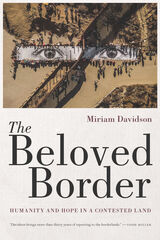
The book draws on a variety of sources to explain how border issues intersect and how the current situation, while made worse under the Trump administration, is in fact the result of decades of prohibition, crackdowns, and wall building on the border. Davidson addresses subjects such as violence in Mexico, particularly against the press; cross-border gun smuggling and legal gun sales; the rise in migrant detentions, deportations, and deaths since the crackdown began; controversy over humanitarian aid in the desert; border patrol crimes and abuses; and the legal, ethical, and moral issues raised by increased police presence and militarization on the border. The book also looks at the environmental impact of wall building and construction of a planned copper mine near Tucson, especially on the jaguar and other endangered species.
Davidson shares the history of sanctuary and argues that this social movement and others that have originated on the border are vanguards of larger global movements against the mistreatment of migrant workers and refugees, police brutality, and other abuses of human and natural rights. She gives concrete examples of positive ways in which border people are promoting local culture and cross-border solidarity through health care, commerce, food, art, and music. While death and suffering continue to occur, The Beloved Border shows us how the U.S.-Mexico border could be, and in many ways already is, a model for peaceful coexistence worldwide.

Drawing on evidence from a wide collection of surviving family papers, Beloved Children is a valuable contribution to literature available concerning childhood history in pre-industrial Central Europe.
With the aid of detailed case studies, the volume illustrates every aspect of Hungarian childhood in the early modern age from a variety of contrasting perspectives—birth, care, education, marriage, orphanhood and death. The book also includes a unique portrayal of family life in the Hungarian aristocracy.
Beloved Children is a comprehensive study examining topics such as family intimacy, paternal and maternal attitudes, providing the reader with a valuable insight into a child’s life in Hungary during the sixteenth and seventeenth centuries.
With a foreword by Lora Tom, chair of the Paiute Indian Tribe of Utah.
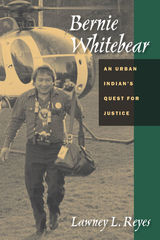
Bernie Whitebear’s story takes readers from an impoverished youth—including a rare account of life on the Colville Reservation during the 1930s—to the “Red Power” movement as it traces Bernie’s emergence as an activist influenced by contemporaries such as Bob Satiacum, Vine DeLoria, and Joe Delacruz. By choosing this course, Bernie was clearly making a break with his past, but with an eye toward a better future, whether staging the successful protest at Fort Lawton or acting on behalf of Native fishing rights in Puget Sound. When he died in July 2000, Bernie Whitebear had left an inestimable legacy, accomplishing things that no other Indian seemed able to do. His biography is an inspiring story for readers at many levels, an account of how one American Indian overcame hardships and obstacles to make a difference in the lives of his people—and an entire community.
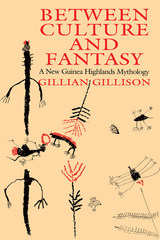
Gillison shows how the themes expressed in Gimi myths—especially sexual hostility and an obsession with menstrual blood—are dramatized in the elaborate public rituals that accompany marriage, death, and other life crises. The separate myths of Gimi women and men seem to speak to one another, to protest, alter, and enlarge upon myths of the other sex. The sexes cast blame in the veiled imagery of myth and then play out their debate in joint rituals, cooperating in shows of conflict and resolution that leave men undefeated and accord women the greater blame for misfortune.
Stefanie Hunt-Kennedy provides a three-pronged analysis of disability in the context of Atlantic slavery. First, she examines the connections of enslavement and representations of disability and the parallel development of English anti-black racism. From there, she moves from realms of representation to reality in order to illuminate the physical, emotional, and psychological impairments inflicted by slavery and endured by the enslaved. Finally, she looks at slave law as a system of enforced disablement.
Audacious and powerful, Between Fitness and Death is a groundbreaking journey into the entwined histories of racism and ableism.
Drawing on personal encounters, traditions of urban ethnography, Black feminist thought, gender studies, and feminist criminology, Nikki Jones gives readers a richly descriptive and compassionate account of how African American girls negotiate schools and neighborhoods governed by the so-called "code of the street"ùthe form of street justice that governs violence in distressed urban areas. She reveals the multiple strategies they use to navigate interpersonal and gender-specific violence and how they reconcile the gendered dilemmas of their adolescence. Illuminating struggles for survival within this group, Between Good and Ghetto encourages others to move African American girls toward the center of discussions of "the crisis" in poor, urban neighborhoods.
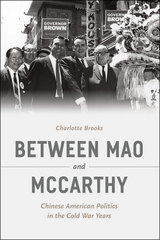
Between Mao and McCarthy looks at the divergent ways that Chinese Americans in these two cities balanced domestic and international pressures during the tense Cold War era. On both coasts, Chinese Americans sought to gain political power and defend their civil rights, yet only the San Franciscans succeeded. Forging multiracial coalitions and encouraging voting and moderate activism, they avoided the deep divisions and factionalism that consumed their counterparts in New York. Drawing on extensive research in both Chinese- and English-language sources, Charlotte Brooks uncovers the complex, diverse, and surprisingly vibrant politics of an ethnic group trying to find its voice and flex its political muscle in Cold War America.
Between the Middle East and the Americas: The Cultural Politics of Diaspora traces the production and circulation of discourses about "the Middle East" across various cultural sites, against the historical backdrop of cross-Atlantic Mahjar flows. The book highlights the fraught and ambivalent situation of Arabs/Muslims in the Americas, where they are at once celebrated and demonized, integrated and marginalized, simultaneously invisible and spectacularly visible. The essays cover such themes as Arab hip-hop's transnational imaginary; gender/sexuality and the Muslim digital diaspora; patriotic drama and the media's War on Terror; the global negotiation of the Prophet Mohammad cartoons controversy; the Latin American paradoxes of Turcophobia/Turcophilia; the ambiguities of the bellydancing fad; French and American commodification of Rumi spirituality; the reception of Iranian memoirs as cultural domestication; and the politics of translation of Turkish novels into English. Taken together, the essays analyze the hegemonic discourses that position "the Middle East" as a consumable exoticized object, while also developing complex understandings of self-representation in literature, cinema/TV, music, performance, visual culture, and digital spaces. Charting the shifting significations of differing and overlapping forms of Orientalism, the volume addresses Middle Eastern diasporic practices from a transnational perspective that brings postcolonial cultural studies methods to bear on Arab American studies, Middle Eastern studies, and Latin American studies. Between the Middle East and the Americas disentangles the conventional separation of regions, moving beyond the binarist notion of "here" and "there" to imaginatively reveal the thorough interconnectedness of cultural geographies.
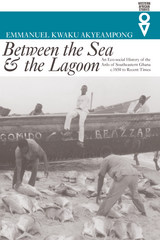
This study offers a “social interpretation of environmental process” for the coastal lowlands of southeastern Ghana. The Anlo-Ewe, sometimes hailed as the quintessential sea fishermen of the West African coast, are a previously non-maritime people who developed a maritime tradition. As a fishing community the Anlo have a strong attachment to their land. In the twentieth century coastal erosion has brought about a collapse of the balance between nature and culture. The Anlo have sought spiritual explanations but at the same time have responded politically by developing broader ties with Ewe-speaking peoples along the coast.

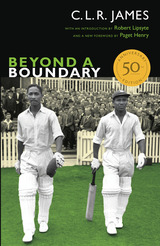
Named one of the Top 50 Sports Books of All Time by Sports Illustrated
"Beyond a Boundary . . . should find its place on the team with Izaak Walton, Ivan Turgenev, A. J. Liebling, and Ernest Hemingway."—Derek Walcott, The New York Times Book Review
"As a player, James the writer was able to see in cricket a metaphor for art and politics, the collective experience providing a focus for group effort and individual performance. . . . [In] his scintillating memoir of his life in cricket, Beyond a Boundary (1963), James devoted some of his finest pages to this theme."—Edward Said, The Washington Post
"A work of double reverence—for the resilient, elegant ritualism of cricket and for the black people of the world."—Whitney Balliett, The New Yorker
"Beyond a Boundary is a book of remarkable richness and force, which vastly expands our understanding of sports as an element of popular culture in the Western and colonial world."—Mark Naison, The Nation
"Everything James has done has had the mark of originality, of his own flexible, sensitive, and deeply cultured intelligence. He conveys not a rigid doctrine but a delight and curiosity in all the manifestations of life, and the clue to everything lies in his proper appreciation of the game of cricket."—E. P. Thompson, author of The Making of the English Working Class
"Beyond a Boundary is . . . first and foremost an autobiography of a living legend—probably the greatest social theorist of our times."—Manning Marable, Journal of Sport & Social Issues
"The great triumph of Beyond a Boundary is its ability to rise above genre and in its very form explore the complex nature of colonial West Indian society."—Caryl Phillips, The New Republic

Eschewing the great composer style of music history, Andrew Talle takes us on a journey that looks at how ordinary people made music in Bach's Germany. Talle focuses in particular on the culture of keyboard playing as lived in public and private. As he ranges through a wealth of documents, instruments, diaries, account ledgers, and works of art, Talle brings a fascinating cast of characters to life. These individuals--amateur and professional performers, patrons, instrument builders, and listeners--inhabited a lost world, and Talle's deft expertise teases out the diverse roles music played in their lives and in their relationships with one another. At the same time, his nuanced re-creation of keyboard playing's social milieu illuminates the era's reception of Bach's immortal works.
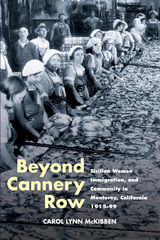
McKibben's analysis of gender and gender roles shows that it was the women in this community who had the insight, the power, and the purpose to respond and even prosper amid changing economic conditions. Vividly evoking the immigrants' everyday experiences through first-person accounts and detailed description, McKibben demonstrates that the cannery work done by Sicilian immigrant women was crucial in terms of the identity formation and community development. These changes allowed their families to survive the challenges of political conflicts over citizenship in World War II and intermarriage with outsiders throughout the migration experience. The women formed voluntary associations and celebrated festas that effectively linked them with each other and with their home villages in Sicily. Continuous migration created a strong sense of transnationalism among Sicilians in Monterey, which has enabled them to continue as a viable ethnic community today.
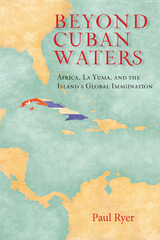
This pursuit of Western status symbols represents a uniquely Cuban experience, set apart from other cultures pursuing the same things. In the Cuban case, this represents neither an acceptance nor rejection of the American cultural influence, but rather a co-opting or "Yumanizing" of these influences.
An alternative view of Puerto Rico’s past, present, and future
How do we map the pathways to liberation where we have been taught to see only trauma, suffering, and lack? Melissa L. Rosario offers an alternative view of Puerto Rico, America’s oldest colony, removing readers from the framework of crisis to consider the deeper legacies of its current impasse. Beyond Disaster: Building Collective Futures in Puerto Rico is an intimate portrait, weaving insights from the author’s own life, research, and organizing work as a scholar in the diaspora who rematriated. Rosario bridges the genres of social history and memoir to unsettle the meaning of resistance and freedom, underscoring the deep wounds of colonialism while still uplifting the profound possibilities of embodied alternatives.
Beyond Disaster critiques the framework of debt and crisis by examining the psychological, emotional, and spiritual effects of colonialism. Rosario highlights key examples of organizing efforts to defend land and education against total enclosure, protecting life amid loss. This book offers a series of microhistories, vignettes, and prose poetry to foreground the daily practices necessary to anchor the ecological and political landscapes of our collective future.
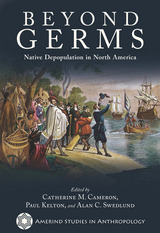
Beyond Germs: Native Depopulation in North America challenges the “virgin soil” hypothesis that was used for decades to explain the decimation of the indigenous people of North America. This hypothesis argues that the massive depopulation of the New World was caused primarily by diseases brought by European colonists that infected Native populations lacking immunity to foreign pathogens. In Beyond Germs, contributors expertly argue that blaming germs lets Europeans off the hook for the enormous number of Native American deaths that occurred after 1492.
Archaeologists, anthropologists, and historians come together in this cutting-edge volume to report a wide variety of other factors in the decline in the indigenous population, including genocide, forced labor, and population dislocation. These factors led to what the editors describe in their introduction as “systemic structural violence” on the Native populations of North America.
While we may never know the full extent of Native depopulation during the colonial period because the evidence available for indigenous communities is notoriously slim and problematic, what is certain is that a generation of scholars has significantly overemphasized disease as the cause of depopulation and has downplayed the active role of Europeans in inciting wars, destroying livelihoods, and erasing identities.
Women’s studies unites with Appalachian studies in Beyond Hill and Hollow, the first book to focus exclusively on studies of Appalachia’s women. Featuring the work of historians, linguists, sociologists, performance artists, literary critics, theater scholars, and others, the collection portrays the diverse cultures of Appalachian women.
The chapters in Beyond Hill and Hollow examine the hidden lives of Appalachian prostitutes, urban Appalachian women in the 1800s, rural women in company towns, and an African American Appalachian poet from the 1900s. Contributors look at Appalachian opera houses, Jewish women in the coalfields, the writings of Wilma Dykeman and Sharyn McCrumb, and activists in out-migrant communities like Cincinnati. With an introduction by editor Elizabeth S. D. Engelhardt, Beyond Hill and Hollow firmly establishes the field of Appalachian Women’s Studies.
Appropriate both as a reference and as a classroom text, Beyond Hill and Hollow expands our understanding of Appalachian women’s lives. Readers, whether from the region or beyond, may recognize themselves or women they know in its pages.

Long considered a pervasive value of Latino cultures both south and north of the US border, machismo—a hypermasculinity that obliterates any other possible influences on men’s attitudes and behavior—is still used to define Latino men and boys in the larger social narrative. Yet a closer look reveals young, educated Latino men who are going beyond machismo to a deeper understanding of women’s experiences and a commitment to ending gender oppression. This new Latino manhood is the subject of Beyond Machismo.
Applying and expanding the concept of intersectionality developed by Chicana feminists, Aída Hurtado and Mrinal Sinha explain how the influences of race, class, ethnicity, sexuality, and gender shape Latinos’ views of manhood, masculinity, and gender issues in Latino communities and their acceptance or rejection of feminism. In particular, the authors show how encountering Chicana feminist writings in college, as well as witnessing the horrors of sexist oppression in the United States and Latin America, propels young Latino men to a feminist consciousness. By focusing on young, high-achieving Latinos, Beyond Machismo elucidates this social group’s internal diversity, thereby providing a more nuanced understanding of the processes by which Latino men can overcome structural obstacles, form coalitions across lines of difference, and contribute to movements for social justice.
Beyond Occupation looks at three contentious terms that regularly arise in contemporary arguments about Israel's practices towards Palestinians in the occupied territories – occupation, colonialism and apartheid – and considers whether their meanings in international law truly apply to Israel's policies. This analysis is timely and urgent – colonialism and apartheid are serious breaches of human rights law and apartheid is a crime against humanity under the Rome Statute of the International Criminal Court.
The contributors present conclusive evidence that Israel’s administration of the Palestinian territories is consistent with colonialism and apartheid, as these regimes are defined in human rights law. Their analysis further shows that these practices are deliberate Israeli state policies, imposed on the Palestinian civilian population under military occupation.
These findings raise serious implications for the legality and legitimacy of Israel's continuing occupation of the Palestinian territories and the responsibility of the entire international community to challenge practices considered contrary to fundamental values of the international legal order.
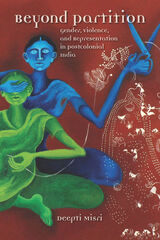
Deepti Misri shows how Partition began a history of politicized animosity associated with the differing ideas of ""India"" held by communities and in regions on one hand, and by the political-military Indian state on the other. She moves beyond that formative national event, however, in order to examine other forms of gendered violence in the postcolonial life of the nation, including custodial rape, public stripping, deturbanning, and enforced disappearances. Assembling literary, historiographic, performative, and visual representations of gendered violence against women and men, Misri establishes that cultural expressions do not just follow violence but determine its very contours, and interrogates the gendered scripts underwriting the violence originating in the contested visions of what ""India"" means.
Ambitious and ranging across disciplines, Beyond Partition offers both an overview of and nuanced new perspectives on the ways caste, identity, and class complicate representations of violence, and how such representations shape our understandings of both violence and India.
Honorable Mention, 2020 CALACS Book Prize
Beyond Repair? explores Mayan women’s agency in the search for redress for harm suffered during the genocidal violence perpetrated by the Guatemalan state in the early 1980s at the height of the thirty-six-year armed conflict. The book draws on eight years of feminist participatory action research conducted with fifty-four Q’eqchi’, Kaqchikel, Chuj, and Mam women who are seeking truth, justice, and reparation for the violence they experienced during the war, and the women’s rights activists, lawyers, psychologists, Mayan rights activists, and researchers who have accompanied them as intermediaries for over a decade. Alison Crosby and M. Brinton Lykes use the concept of “protagonism” to deconstruct dominant psychological discursive constructions of women as “victims,” “survivors,” “selves,” “individuals,” and/or “subjects.” They argue that at different moments Mayan women have been actively engaged as protagonists in constructivist and discursive performances through which they have narrated new, mobile meanings of “Mayan woman,” repositioning themselves at the interstices of multiple communities and in their pursuit of redress for harm suffered.
A series of essays, written by Plains scholars of diverse research interests and backgrounds, that apply postprocessual approaches to the solution of current problems in Plains archaeology
Postprocessual archaeology is seen as a potential vehicle for integrating culture-historical, processual, and postmodernist approaches to solve specific archaeological problems.
The contributors address specific interpretive problems in all the major regions of the North American Plains, investigate different Plains societies (including hunter-gatherers and farmers and their associated archaeological records), and examine the political content of archaeology in such fields as gender studies and cultural resource management. They avoid a programmatic adherence to a single paradigm, arguing instead that a mature archaeology will use different theories, methods, and techniques to solve specific empirical problems. By avoiding excessive infatuation with the correct scientific method, this volume addresses questions that have often been categorized as beyond archaeological investigations.

--from the Foreword by Michael C. Latham, Cornell University
Penny Van Esterik takes the reader beyond the Nestle boycott and the activist campaigns against infant-formula manufacturers to the issues underlying the controversy. She shows how the controversy is embedded in the problem of urban poverty, the empowerment of women, the medicalization of infant feeding, and the commoditization of infant foods. She argues that the choice between bottle feeding and breast feeding has significant implications for developing countries. Beyond the Breast-Bottle Controversy raises a host of important questions: why has there been no consistent feminist position? How did infant feeding become medicalized in developing and developed countries? What mechanisms encourage the technology and taste transfer necessary for the expansion of bottle feeding? These questions are examined using documentary sources and interdisciplinary research in Thailand, Indonesia, Kenya, and Columbia.
For Van Esterik, the infant-formula controversy is a valuable case study for understanding the relations between women, the environment, and sustainable development. From this perspective, breast feeding has no long-term negative consequences. It depends on renewable resources, works on the principle that as demand increases so does supply, reduces the dependency of women on consumer products and multinational corporations, and puts pressure on governments to improve the health of mothers. On the other hand, the author argues that bottle feeding has definite long-term negative consequences. Her goal is not to have every woman breast-feed her child, but to create living and working conditions so that every woman can do so if she chooses.
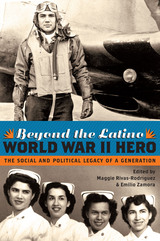
Maggie Rivas-Rodríguez 's edited volume Mexican Americans & World War II brought pivotal stories from the shadows, contributing to the growing acknowledgment of Mexican American patriotism as a meaningful force within the Greatest Generation. In this latest anthology, Rivas-Rodríguez and historian Emilio Zamora team up with scholars from various disciplines to add new insights. Beyond the Latino World War II Hero focuses on home-front issues and government relations, delving into new arenas of research and incorporating stirring oral histories.
These recollections highlight realities such as post-traumatic stress disorder and its effects on veterans' families, as well as Mexican American women of this era, whose fighting spirit inspired their daughters to participate in Chicana/o activism of the 1960s and 1970s. Other topics include the importance of radio as a powerful medium during the war and postwar periods, the participation of Mexican nationals in World War II, and intergovernmental negotiations involving Mexico and Puerto Rico. Addressing the complexity of the Latino war experience, such as the tandem between the frontline and the disruption of the agricultural migrant stream on the home front, the authors and contributors unite diverse perspectives to harness the rich resources of an invaluable oral history.
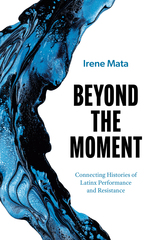
Exploring cultural resistance by creating and archiving Latinx performance art
Performance is often seen as ephemeral, a condition that seemingly reduces its activist possibilities. After all, not everyone can take part or bear witness. Beyond the Moment shows how Latinx artists have responded with a theater of dissent that endures—performance art that also documents and can itself be archived, creating opportunities for sustained solidarity and resistance.
Through close readings of works such as Coco Fusco’s multi-genre performance A Field Guide for Female Interrogators, Irene Mata theorizes what she calls “textual mentoring.” This method involves tracing previous moments of resistance, archiving the creative process itself, and transforming the performance into a pedagogical tool. By means of textual mentoring, a work like The Panza Monologues becomes a lesson in confronting systemic oppression through collaborative storytelling. Mata also shows how the 2012 No Papers, No Fear Ride for Justice, a multistate immigrant-rights action, relies on a vocabulary of refusal of movements of the past—like the Freedom Rides of the Civil Rights era—and continues its activism beyond its immediate performance context by digitally archiving its process. With an emphasis on intersectional critique, Beyond the Moment positions performance as a radical form of resistance that educates and inspires across generations and movements.

In Beyond the Public Sphere: Film and the Feminist Imaginary, the renowned philosopher and critical theorist María Pía Lara challenges the notion that the bourgeois public sphere is the most important informal institution between social and political actors and the state.
Drawing on a wide range of films—including The Milk of Sorrow, Ixcanul, Wadja, The Stone of Patience, Marnie, A Streetcar Named Desire, and Talk to Her—Lara dissects cinematic images of women’s struggles and their oppression. She builds on this analysis, developing a concept of the feminist social imaginary as a broader and more complex space that provides a way of thinking through the possibilities for emancipatory social transformation in response to forms of domination perpetuated by patriarchal capitalism.
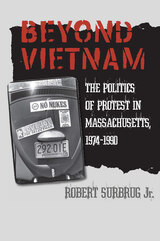
Narratives of the 1960s typically describe an ascending arc of political activism that peaked in 1968, then began a precipitous descent as the revolutionary dreams of the New Left failed to come to fruition. The May 1970 killings at Kent State often stand as an epitaph to a decade of protest, after which the principal story becomes the resurgence of the right.
In Beyond Vietnam: The Politics of Protest in Massachusetts, 1974–1990, Robert Surbrug challenges this prevailing paradigm by examining three protest movements that were direct descendants of Vietnam-era activism: the movement against nuclear energy; the nuclear weapons freeze movement; and the Central American solidarity movement. Drawing lessons from the successes and failures of the preceding era, these movements had a significant impact on the liberal wing of the Democratic Party, which itself had been undergoing major transformations in the wake of the 1960s.
By focusing on one state—Massachusetts—Surbrug is able to illuminate the interaction between the activist left and mainstream liberalism, showing how each influenced the other and how together they helped shape the politics of the 1970s and 1980s. During these years, Massachusetts emerged as a center of opposition to nuclear power, the continuing Cold War arms race, and Ronald Reagan's interventionist policies in Central America. The state's role in national policy was greatly enhanced by prominent political figures such as Senator Edward Kennedy, Speaker of the House Thomas “Tip” O'Neill, presidential candidate Governor Michael Dukakis, Vietnam veteran Senator John Kerry, and moderate Republican Silvio Conte.
What Beyond Vietnam shows is that the rise of the right in the aftermath of the 1960s was by no means a unilateral ascendancy. Instead it involved a bifurcation of American politics in which an increasingly strong conservative movement was vigorously contested by an activist left and a reinvigorated mainstream liberalism.
Drawing on interviews, archival data, and participant observations, Bueker examines how Italian, Jewish, and Chinese newcomers influenced and were influenced by the established Wellesley community. She examines the ways in which immigrant and ethnic groups assimilate, retain their cultural backgrounds, and respond to discrimination, sometimes simultaneously, and, in doing so, alter the mainstream. Some new residents responded to Wellesley by assimilating to it. They developed relationships with long-term resident neighbors, volunteered in their children’s schools, and ran for elected positions. In adapting themselves to their new community, however, they also influenced it by virtue of their distinct cultural backgrounds.
Other new residents worked to preserve their cultures by establishing ethnic-specific organizations, lobbying to have new holidays incorporated into the calendar, and hewing to their own ethnic culinary traditions. Their efforts also influenced the established community. When newcomers attempted to retain their culture by requesting ethnic-specific food items be stocked at the local grocery store, opening ethic restaurants, or renting space for a new organization, for example, they impacted the established community. New individuals and groups also responded to experiences of hostility and discrimination. Italian residents fought against attempts at school redistricting targeting them in the 1930s, Jewish residents pushed back against housing discrimination in the 1950s and 1960s, and Chinese residents responded to anti-Asian incidents in the wake of the COVID-19 pandemic in 2020. These groups had to engage with the larger community to rectify these injustices. Some of the changes in Wellesley have come about with little recognition or response, others have been met with resistance and anger. Whether the changes are subtle or obvious and whether new groups are embraced or resisted, the whole town is altered in an ongoing process as new groups continue to move to and settle in Wellesley.
Beyond White Picket Fences is a timely and compelling examination of the ways newcomers become part of and shape American communities.
Even within anthropology, a discipline that strives to overcome misrepresentations of peoples and cultures, colonialist depictions of the so-called Dark Continent run deep. The grand narratives, tribal tropes, distorted images, and “natural” histories that forged the foundations of discourse about Africa remain firmly entrenched. In Beyond Words, Andrew Apter explores how anthropology can come to terms with the “colonial library” and begin to develop an ethnographic practice that transcends the politics of Africa’s imperial past.
The way out of the colonial library, Apter argues, is by listening to critical discourses in Africa that reframe the social and political contexts in which they are embedded. Apter develops a model of critical agency, focusing on a variety of language genres in Africa situated in rituals that transform sociopolitical relations by self-consciously deploying the power of language itself. To break the cycle of Western illusions in discursive constructions of Africa, he shows, we must listen to African voices in ways that are culturally and locally informed. In doing so, Apter brings forth what promises to be a powerful and influential theory in contemporary anthropology.
Engaging voices crossing textual limits, race, and ethnic lines
In this collection of essays, scholars from Oceania open a new dialog regarding the vast, complex, and slippery nature of the Bible and the fluid meanings of borders and belongings. From belonging in a place, a group, or movement to belongings as material and cultural possessions, from borders of a text, discipline, or thought to borders of nations, communities, or bodies, the authors follow the currents of Oceania to the shores of Asia and beyond. Scholars contributing essays include Jeffrey W. Aernie, Merilyn Clark, Jione Havea, Gregory C. Jenks, Jeanette Mathews, Judith E. McKinlay, Monica Jyotsna Melanchthon, David J. Neville, John Painter, Kathleen P. Rushton, Ruth Sheridan, Nasili Vaka‘uta, and Elaine M. Wainwright. Michele A. Connolly, David M. Gunn, and Mark G. Brett provide responses to the essays.
Features:
- Discussion of the impacts of natural disasters and political and ecological upheavals on biblical interpretation and theological reflection
- Fourteen essays on texts in the Hebrew Bible and New Testament
- Three responses to the essays provide a range of views on the topics

Using the voices of women homesteaders, agrarian socialists, Jewish farmers, Mexican meatpackers, New Dealers, and Native Americans, this book creates a sweeping survey of contested race relations, radical politics, and agricultural prosperity and decline during the twentieth century. This narrative shows that even though Great Plains history is fraught with personal and group tensions, violence, and distress, the twentieth century also brought about compelling social, economic, and political change.
The only book of its kind, this account will be of interest to historians studying the region and to anyone inspired by the story of the men and women who found an opportunity for a better life in the Great Plains.
READERS
Browse our collection.
PUBLISHERS
See BiblioVault's publisher services.
STUDENT SERVICES
Files for college accessibility offices.
RECENTLY PUBLISHED




UChicago Accessibility Resources
home | accessibility | search | about | contact us
BiblioVault ® 2001 - 2026
The University of Chicago Press