
 A SCHOLARLY BOOK REPOSITORY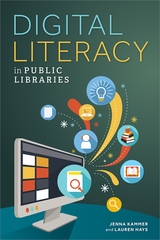
- delve into the concept of digital literacy, the ways in which it empowers individuals in digital systems of information, and how it fits in with other kinds of literacy;
- find ideas for effective digital literacy technical support, programming, services, spaces, collection development, outreach, and more;
- learn how to measure the impact of digital literacy initiatives, identify gaps within the community where the library can make an impact, and overcome challenges;
- discover guidance on building partnerships, both internal and external, and finding additional sources of funding to expand digital literacy opportunities within the scope of what is already available;
- receive practical advice from the "Ask the Expert" sidebars throughout the book, where practitioners share their knowledge and experience; and
- get adaptable tools such as sample language, an expenditure budget, an individual needs assessment, a digital literacy readiness checklist, survey instruments, and a lesson plan template that can be used for digital literacy programming.
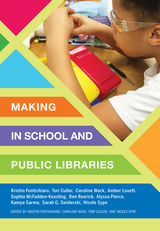
Readers will gain practical insights about how to
- Define goals and target audiences
- Customize programs to meet community needs
- Equip a makerspace
- Document activities
- Assess achievements and areas for growth
- Engage makers in a variety of technology and hands-on activities, including robots, 3D printing, sewing, cardboard challenges, knitting and crochet, design thinking, and zines
The authors’ experiences include co-creating one of the nation’s first school library makerspaces; establishing after-school maker programs with elementary and middle school learners; co-designing one-off and ongoing maker events for community-building in diverse public libraries; engaging with senior citizens in a low-income Senior Summer Camp pilot; and state, national, and international workshops for teachers, librarians, and youth mentors.

- a succinct overview of how to define and understand trauma, including its definition, causes, effects, and manifestations;
- evidence-informed approaches drawn from the fields of social work, psychology, and counseling;
- dozens of activities, handouts, and worksheets designed to spur reflection and help readers build upon the practices introduced in the book;
- guidance on debriefing, evaluation, facing compassion fatigue, and other aftercare topics; and
- appendices that provide information on mental health resources, crisis intervention hotlines, and further reading on trauma and burnout.
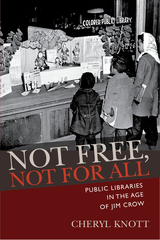
Winner of the 2016 Eliza Atkins Gleason Book Award and the 2016 Lillian Smith Book Award
Americans tend to imagine their public libraries as time-honored advocates of equitable access to information for all. Through much of the twentieth century, however, many black Americans were denied access to public libraries or allowed admittance only to separate and smaller buildings and collections. While scholars have examined and continue to uncover the history of school segregation, there has been much less research published on the segregation of public libraries in the Jim Crow South. In fact, much of the writing on public library history has failed to note these racial exclusions.
In Not Free, Not for All, Cheryl Knott traces the establishment, growth, and eventual demise of separate public libraries for African Americans in the South, disrupting the popular image of the American public library as historically welcoming readers from all walks of life. Using institutional records, contemporaneous newspaper and magazine articles, and other primary sources together with scholarly work in the fields of print culture and civil rights history, Knott reconstructs a complex story involving both animosity and cooperation among whites and blacks who valued what libraries had to offer. African American library advocates, staff, and users emerge as the creators of their own separate collections and services with both symbolic and material importance, even as they worked toward dismantling those very institutions during the era of desegregation.

"Margaret F. Stieg's thoroughly researched study, the first comprehensive examination of public libraries in Nazi Germany, reveals that library policy in the Third Reich was far more complex than we might assume, with the positive and the negative hopelessly entangled. . . . A solid and welcome contribution."
—American Historical Review
READERS
Browse our collection.
PUBLISHERS
See BiblioVault's publisher services.
STUDENT SERVICES
Files for college accessibility offices.
RECENTLY PUBLISHED



UChicago Accessibility Resources
home | accessibility | search | about | contact us
BiblioVault ® 2001 - 2026
The University of Chicago Press