Results by title
192 books match the query 'Regional & Cultural' and 40 start with t
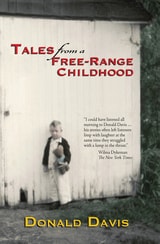
Tales from a Free-Range Childhood
Donald Davis
Parkhurst Brothers, Inc., 2022
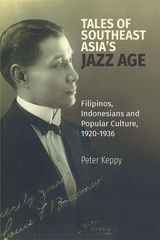
Tales of Southeast Asia’s Jazz Age
Filipinos, Indonesians and Popular Culture, 1920-1936Peter Keppy
National University of Singapore Press, 2019
This artistic era was marked by experimentation and adaption, and this was reflected in both Borromeo’s and Riboet’s styles. They were pioneering cultural brokers who dealt in hybrids. They were adept at combining high art and banal entertainment, tradition and modernity, and the foreign and the local.
Leaning on cultural studies and the work on cosmopolitanism and modernity by Henry Jenkins and Joel Kahn, Peter Keppy examines pop culture at this time as a contradictory social phenomenon. He challenges notions of Southeast Asia’s popular culture as lowbrow entertainment created by elites and commerce to manipulate the masses, arguing instead that audiences seized on this popular culture to channel emancipatory activities, to articulate social critique, and to propagate an inclusive nationalism without being radically anticolonial.
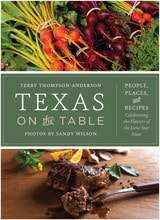
Texas on the Table
People, Places, and Recipes Celebrating the Flavors of the Lone Star StateBy Terry Thompson-Anderson, Photos by Sandy Wilson
University of Texas Press, 2014
With a bounty of locally grown meats and produce, artisanal cheeses, and a flourishing wine culture, it’s a luscious time to be cooking in Texas. From restaurant chefs to home cooks, Texans are going to local dairies, orchards, farmers’ markets, ranches, vineyards, and seafood sellers to buy the very freshest ingredients, whether we’re cooking traditional favorites or the latest haute cuisine. We’ve discovered that Texas terroir—our rich variety of climates and soils, as well as our diverse ethnic cultures—creates a unique “taste of place” that gives Texas food a flavor all its own.
Written by one of Texas’s leading cookbook authors, Terry Thompson-Anderson, Texas on the Table presents 150 new and classic recipes, along with stories of the people—farmers, ranchers, shrimpers, cheesemakers, winemakers, and chefs—who inspired so many of them and who are changing the taste of Texas food. The recipes span the full range from finger foods and first courses to soups and breads, salads, seafood, chicken, meat (including wild game), sides and vegetarian dishes, and sweets. Some of the recipes come from the state’s most renowned chefs, and all are user-friendly for home cooks. Finally, the authors and winemakers tell which recipes they turn to when opening their favorite wines.
This delicious compilation of recipes and stories of the people behind them, illustrated with Sandy Wilson’s beautiful photographs, makes Texas on the Table the must-have cookbook for everyone who relishes the flavors of the Lone Star State.
The Aesthetic Character of Blackness
Sounds Like UsJemma DeCristo
Duke University Press, 2025
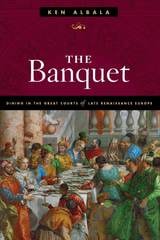
The Banquet
Dining in the Great Courts of Late Renaissance EuropeKen Albala
University of Illinois Press, 2017
In The Banquet, Ken Albala covers the transitional period between the heavily spiced and colored cuisine of the Middle Ages and classical French haute cuisine. This development involved increasing use of dairy products, a move toward lighter meats such as veal and chicken, increasing identification of national food customs, more sweetness and aromatics, and a refined aesthetic sense, surprisingly in line with the late-Renaissance styles found in other arts.
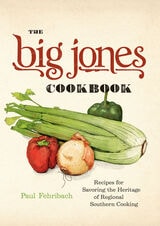
The Big Jones Cookbook
Recipes for Savoring the Heritage of Regional Southern CookingPaul Fehribach
University of Chicago Press, 2015
You expect to hear about restaurant kitchens in Charleston, New Orleans, or Memphis perfecting plates of the finest southern cuisine—from hearty red beans and rice to stewed okra to crispy fried chicken. But who would guess that one of the most innovative chefs cooking heirloom regional southern food is based not in the heart of biscuit country, but in the grain-fed Midwest—in Chicago, no less? Since 2008, chef Paul Fehribach has been introducing Chicagoans to the delectable pleasures of Lowcountry cuisine, while his restaurant Big Jones has become a home away from home for the city’s southern diaspora. From its inception, Big Jones has focused on cooking with local and sustainably grown heirloom crops and heritage livestock, reinvigorating southern cooking through meticulous technique and the unique perspective of its Midwest location. And with The Big Jones Cookbook, Fehribach brings the rich stories and traditions of regional southern food to kitchens everywhere.
Fehribach interweaves personal experience, historical knowledge, and culinary creativity, all while offering tried-and-true takes on everything from Reezy-Peezy to Gumbo Ya-Ya, Chicken and Dumplings, and Crispy Catfish. Fehribach’s dishes reflect his careful attention to historical and culinary detail, and many recipes are accompanied by insights about their origins. In addition to the regional chapters, the cookbook features sections on breads, from sweet potato biscuits to spoonbread; pantry put-ups like bread and butter pickles and chow-chow; cocktails, such as the sazerac; desserts, including Sea Island benne cake; as well as an extensive section on snout-to-tail cooking, including homemade Andouille and pickled pigs’ feet.
Proof that you need not possess a thick southern drawl to appreciate the comfort of creamy grits and the skill of perfectly fried green tomatoes, The Big Jones Cookbook will be something to savor regardless of where you set your table.
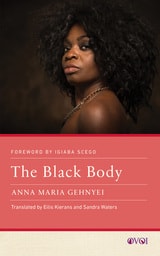
The Black Body
Anna Maria Gehnyei (Karima 2G)
Rutgers University Press, 2025
Best Translation of a Literary Work Published in 2025 from the American Association of Italian Studies
In her memoir, Anna Maria Gehnyei, better known as singer, rapper, and producer Karima 2G, reveals the challenges she faced as the child of Liberian immigrants, born and raised in Rome but perpetually viewed by her fellow Italians as a foreigner.
The daughter of the first Kpelle man to ever leave his native village and emigrate to Europe, Anna is proud of her heritage but only knows Liberia as a mystical, faraway land that appears in her parents’ stories. Though Italy is the only homeland she knows, she is merely classed as a resident, not a permanent citizen. At school and in the streets of Rome, she is treated to a mixture of patronizing condescension and xenophobic hostility. But Anna refuses to be bullied into mute submission, finding her voice as a performer and activist who demands recognition for Italy’s growing immigrant population.
The Chicago Food Encyclopedia
Edited by Carol Mighton Haddix, Bruce Kraig, and Colleen Taylor Sen: Foreword by Russell Lewis
University of Illinois Press, 2017
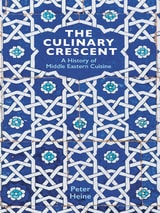
The Culinary Crescent
A History of Middle Eastern CuisinePeter Heine
Gingko, 2018
In The Culinary Crescent: A History of Middle Eastern Cuisine, Peter Heine combines years of scholarship with a personal passion: his knowledge of the cookery traditions of the Umayyad, Abbasid, Ottoman, Safavid, and Mughal courts is matched only by his love for the tastes and smells produced by the contemporary cooking of these areas today. In addition to offering a fascinating history, Heine presents more than one hundred recipes—from the modest to the extravagant—with dishes ranging from those created by the “celebrity chefs” of the bygone Mughal era, up to gastronomically complex presentations of modern times.
Beautifully produced, designed for both reading and cooking, and lavishly illustrated in color throughout, The Culinary Crescent is sure to provide a delectable window in the history of food in the Middle East.

The Dancer's Voice
Performance and Womanhood in Transnational IndiaRumya Sree Putcha
Duke University Press, 2023
The Ella E. Hall Recipe Book
Ella E. Hall Foreword by Jessica Kenyatta Walker
University of Michigan Press, 2026
Ella E. Hall, a Black cook and landlord in Ann Arbor, Michigan, collected her favorite recipes in a journal between 1920 and 1939. Published for the first time, Hall’s recipe book contains not only recipes from family and friends, but also articles, clippings, and advertisements, which provide a glimpse into the food culture and daily life of the time. The book includes over 50 recipes that will interest and delight food historians, like sour milk griddle cakes, Lady Baltimore cake, pepper hash, green tomatoes pickles, campfire pineapple ham, and beverages such as root beer, ginger ale, and even home-brewed beer. This recipe book has been held in the Janice Bluestein Longone Culinary Archive within the Special Collections Research Center at the University of Michigan Library, and this first published edition makes Hall’s charming collection accessible to more readers. Introductory essays by Jessica Kenyatta Walker, scholar of African American history and foodways, and Susan Wineberg, who found and donated the recipe collection to the Special Collections Research Center, flesh out Ella Hall’s story and help position this book in the context of Ann Arbor in the first half of the twentieth century.
The Encyclopedia of Native Music
More Than a Century of Recordings from Wax Cylinder to the InternetBrian Wright-McLeod
University of Arizona Press, 2005
In addition to the widely heard sounds of Carlos Nakai’s flute, Native music embraces a wide range of forms: country and folk, jazz and swing, reggae and rap. Brian Wright-McLeod, producer/host of Canada’s longest-running Native radio program, has gathered the musicians and their music into this comprehensive reference, an authoritative source for biographies and discographies of hundreds of Native artists.
The Encyclopedia of Native Music recognizes the multifaceted contributions made by Native recording artists by tracing the history of their commercially released music. It provides an overview of the surprising abundance of recorded Native music while underlining its historical value.
With almost 1,800 entries spanning more than 100 years, this book leads readers from early performers of traditional songs like William Horncloud to artists of the new millennium such as Zotigh. Along the way, it includes entries for jazz and blues artists never widely acknowledged for their Native roots—Oscar Pettiford, Mildred Bailey, and Keely Smith—and traces the recording histories of contemporary performers like Rita Coolidge and Jimmy Carl Black, “the Indian of the group” in the original Mothers of Invention. It also includes film soundtracks and compilation albums that have been instrumental in bringing many artists to popular attention. In addition to music, it lists spoken-word recordings, including audio books, comedy, interviews, poetry, and more.
With this unprecedented breadth of coverage and extensively cross-referenced, The Encyclopedia of Native Music is an essential guide for enthusiasts and collectors. More than that, it is a gateway to the authentic music of North America—music of the people who have known this land from time immemorial and continue to celebrate it in sound.
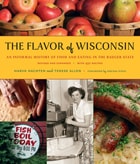
The Flavor of Wisconsin
An Informal History of Food and Eating in the Badger StateHarva Hachten
Wisconsin Historical Society Press, 2023
While in many ways the first edition of The Flavor of Wisconsin has stood the test of time very well, food-related culture and business have changed immensely in the twenty-five years since its publication. Well-known regional food expert and author Terese Allen examines aspects of food, cooking, and eating that have changed or emerged since the first edition, including the explosion of farmers' markets; organic farming and sustainability; the "slow food" movement; artisanal breads, dairy, herb growers, and the like; and how relatively recent immigrants have contributed to Wisconsin's remarkably rich food scene.
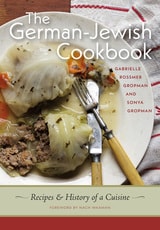
The German-Jewish Cookbook
Recipes and History of a CuisineGabrielle Rossmer Gropman and Sonya Gropman
Brandeis University Press, 2017
The Good Beer Guide to New England
Andy Crouch
University Press of New England, 2006
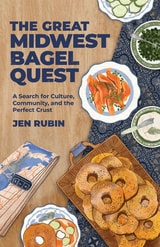
The Great Midwest Bagel Quest
A Search for Culture, Community, and the Perfect CrustJen Rubin
Wisconsin Historical Society Press, 2027
One woman’s quest for a great bagel becomes a poignant pursuit of culture and belonging.
Bagels have always been Jen Rubin’s cultural comfort food. Born and raised in New York City, she grew up on family gatherings anchored by sprawling bagel spreads. But after moving to Wisconsin thirty years ago, she struggled to maintain ties to her Jewish heritage—including a bagel worthy of her New York upbringing. When her mother’s death leads her to revisit her roots, Rubin embarks on a deeply personal mission: to discover whether the Midwest can produce a quality, authentic bagel. What begins as a search for comfort and connection becomes an enlightening exploration of food, identity, and belonging.
In The Great Midwest Bagel Quest, Rubin visits Chicago and St. Louis, Detroit and Ann Arbor, the Twin Cities, and Madison and Milwaukee—with a couple of side trips to New York City—sampling dozens of bagels, meeting artisan bakers, and exploring the histories of Jewish communities across the region. Along the way, she challenges the assumption that the Midwest has never produced truly authentic bagels.
Blending memoir, culinary history, travel narrative, and cultural reporting, Rubin uncovers a rich but overlooked bagel tradition while reflecting on her own complicated relationship with home. As she traces the evolution of the bagel from Jewish immigrant staple to mass-market commodity to the innovative artisanal varieties being produced today, she begins to see an evolution in her own relationship to her Jewish and familial traditions.
Warm, witty, and illuminating, The Great Midwest Bagel Quest is a fresh contribution to food writing that will appeal to readers of culinary history, immigrant history, and memoir. Most of all, it is a celebration of how food creates and sustains community—and how the search for the perfect bagel can lead us back to our true selves.
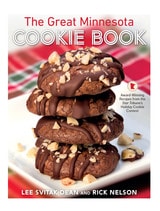
The Great Minnesota Cookie Book
Award-Winning Recipes from the Star Tribune's Holiday Cookie ContestLee Svitak Dean
University of Minnesota Press, 2018
Eighty delicious, imaginative recipes from the Star Tribune’s beloved annual cookie contest, with mouth-watering pictures and bakers’ stories
It’s cold in Minnesota, especially around the holidays, and there’s nothing like baking a batch of cookies to warm the kitchen and the heart. A celebration of the rich traditions, creativity, and taste of the region, The Great Minnesota Cookie Book collects the best-loved recipes and baking lore from fifteen years of the Star Tribune’s popular holiday cookie contest.
Drop cookies and cutouts, refrigerator cookies and bars; Swedish shortbread, Viennese wafers, and French–Swiss butter cookies; almond palmiers; chai crescents and taffy treats; snowball clippers, cherry pinwheels, lime coolers, and chocolate-drizzled churros: a dizzying array and all delightful, the recipes in this book recall memories of holidays past and inspire the promise of happy gatherings to come.
These are winning cookies in every sense, the best of the best chosen by the contest’s judges, accompanied by beautiful photographs as instructive as they are enticing. A treat for any occasion, whether party, bake sale, or after-school snack, each time- and taste-tested recipe is perfect for starting a tradition of one’s own.
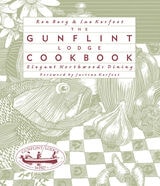
The Gunflint Lodge Cookbook
Elegant Northwoods DiningRon Berg
University of Minnesota Press, 1997
Tantalizing cuisine from the renowned restaurant.
The Gunflint Lodge is Minnesota’s premier resort because of its pristine wilderness location, warm hospitality, and access to some of the finest fishing in the world. Visitors come from across the country not just for the outdoor activities, but for the food served in its rustic lodge.
Whether it’s Opening Day Walleye Fillets with Morel Mushroom Cream Sauce, or Roast Breast of Chicken Pistache with Blackberry Sauce, the Gunflint’s elegant menu, featured recently in Bon Appétit, Men's Journal , and Midwest Living, has won acclaim for inventiveness and sense of northwoods style.
The Gunflint Lodge Cookbook is a “reader’s cookbook,” organized by season with introductory essays by chef Ron Berg. Berg delights in adding fresh Minnesota ingredients to his Gunflint Blueberry Pie and his Wild Rice and Smoked Chicken Soup. There is an extensive section on fish cookery, including tips on frying, sautéing, and grilling, and recipes for a selection of breads, batters, and sauces for fish.
The Gunflint Lodge Cookbook is more than just recipes, however. Resort owner Sue Kerfoot writes about life at the lodge, feeding hungry visitors, and running a gourmet kitchen far from civilization. Justine Kerfoot’s (Woman of the Boundary Waters) introduction looks at lodge history stretching back to 1927, including filling the icehouse, securing ingredients, and pinch-hitting when the chef quits mid-season.
The Gunflint Lodge Cookbook will delight readers with tasty offerings and favorite anecdotes of life on the Gunflint Trail.
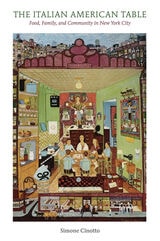
The Italian American Table
Food, Family, and Community in New York CitySimone Cinotto
University of Illinois Press, 2013
Looking at the historic Italian American community of East Harlem in the 1920s and 30s, Simone Cinotto recreates the bustling world of Italian life in New York City and demonstrates how food was at the center of the lives of immigrants and their children. From generational conflicts resolved around the family table to a vibrant food-based economy of ethnic producers, importers, and restaurateurs, food was essential to the creation of an Italian American identity. Italian American foods offered not only sustenance but also powerful narratives of community and difference, tradition and innovation as immigrants made their way through a city divided by class conflict, ethnic hostility, and racialized inequalities.
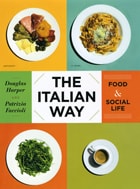
The Italian Way
Food and Social LifeDouglas Harper and Patrizia Faccioli
University of Chicago Press, 2009
Outside of Italy, the country’s culture and its food appear to be essentially synonymous. And indeed, as The Italian Way makes clear, preparing, cooking, and eating food play a central role in the daily activities of Italians from all walks of life. In this beautifully illustrated book, Douglas Harper and Patrizia Faccioli present a fascinating and colorful look at the Italian table.
The Italian Way focuses on two dozen families in the city of Bologna, elegantly weaving together Harper’s outsider perspective with Faccioli’s intimate knowledge of the local customs. The authors interview and observe these families as they go shopping for ingredients, cook together, and argue over who has to wash the dishes. Throughout, the authors elucidate the guiding principle of the Italian table—a delicate balance between the structure of tradition and the joy of improvisation. With its bite-sized history of food in Italy, including the five-hundred-year-old story of the country’s cookbooks, and Harper’s mouth-watering photographs, The Italian Way is a rich repast—insightful, informative, and inviting.
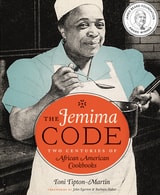
The Jemima Code
Two Centuries of African American CookbooksBy Toni Tipton-Martin; forewords by John Egerton and Barbara Haber
University of Texas Press, 2015
Winner, James Beard Foundation Book Award, 2016
Art of Eating Prize, 2015
BCALA Outstanding Contribution to Publishing Citation, Black Caucus of the American Library Association, 2016
Women of African descent have contributed to America’s food culture for centuries, but their rich and varied involvement is still overshadowed by the demeaning stereotype of an illiterate “Aunt Jemima” who cooked mostly by natural instinct. To discover the true role of black women in the creation of American, and especially southern, cuisine, Toni Tipton-Martin has spent years amassing one of the world’s largest private collections of cookbooks published by African American authors, looking for evidence of their impact on American food, families, and communities and for ways we might use that knowledge to inspire community wellness of every kind.
The Jemima Code presents more than 150 black cookbooks that range from a rare 1827 house servant’s manual, the first book published by an African American in the trade, to modern classics by authors such as Edna Lewis and Vertamae Grosvenor. The books are arranged chronologically and illustrated with photos of their covers; many also display selected interior pages, including recipes. Tipton-Martin provides notes on the authors and their contributions and the significance of each book, while her chapter introductions summarize the cultural history reflected in the books that follow. These cookbooks offer firsthand evidence that African Americans cooked creative masterpieces from meager provisions, educated young chefs, operated food businesses, and nourished the African American community through the long struggle for human rights. The Jemima Code transforms America’s most maligned kitchen servant into an inspirational and powerful model of culinary wisdom and cultural authority.

The Khwan Niamut
Or, Nawab'S Domestic CookeryDavid E. Schoonover
University of Iowa Press, 1992
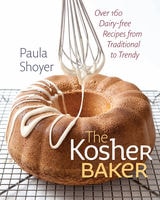
The Kosher Baker
Over 160 Dairy-free Recipes from Traditional to TrendyPaula Shoyer
Brandeis University Press, 2010
The Master Cheesemakers of Wisconsin
James Norton and Becca Dilley
University of Wisconsin Press, 2009
Certification as a Master Cheesemaker typically takes almost fifteen years. An applicant must hold a cheesemaking license for at least ten years, create one or two chosen varieties of cheese for at least five years, take more than two years of university courses, consent to constant testing of their cheese and evaluation of their plant, and pass grueling oral and written exams to be awarded the prestigious title.
James Norton and Becca Dilley interviewed these dairy artisans, listened to their stories, tasted their cheeses, and explored the plants where they work. They offer here profiles of forty-three active Master Cheesemakers of Wisconsin, as well as a glossary of cheesemaking terms, suggestions of operations that welcome visitors for tours, tasting notes and suggested food pairings, and tasty nuggets (shall we say curds?) of information on everything to do with cheese.
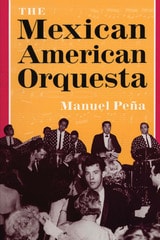
The Mexican American Orquesta
Music, Culture, and the Dialectic of ConflictBy Manuel Peña
University of Texas Press, 1999
The Mexican American orquesta is neither a Mexican nor an American music. Relying on both the Mexican orquesta and the American dance band for repertorial and stylistic cues, it forges a synthesis of the two. The ensemble emerges historically as a powerful artistic vehicle for the expression of what Manuel Peña calls the "dialectic of conflict." Grounded in ethnic and class conflict, this dialectic compels the orquesta and its upwardly mobile advocates to waver between acculturation and ethnic resistance. The musical result: a complex mesh of cultural elements—Mexican and American, working- and middle-class, traditional and contemporary.
In this book, Manuel Peña traces the evolution of the orquesta in the Southwest from its beginnings in the nineteenth century through its pinnacle in the 1970s and its decline since the 1980s. Drawing on fifteen years of field research, he embeds the development of the orquesta within a historical-materialist matrix to achieve the optimal balance between description and interpretation. Rich in ethnographic detail and boldly analytical, his book is the first in-depth study of this important but neglected field of artistic culture.
The Neapolitan Recipe Collection
Cuoco NapoletanoTerence Scully
University of Michigan Press, 2015
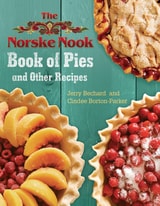
The Norske Nook Book of Pies and Other Recipes
Jerry Bechard and Cindee Borton-Parker
University of Wisconsin Press, 2015
This cookbook features the restaurants’ award-winning baking: Scandinavian specialties, cheesecakes, tortes, cookies, muffins, and more than seventy recipes (and variations) for pie. More than fifty new pie recipes have been created by the Nook bakers since 1990, when Jerry Bechard purchased the Osseo café from founder Helen Myhre. The Norske Nook has won thirty-six blue ribbons at the National Pie Championships in Florida—including three in 2014, for Lemon Cream Cheese, Peaches and Cream, and Jamberry.
Gold Medal Winner, Cookbook, Foreword Reviews IndieFab Book of the Year Awards
Runner-up, Cookbooks/Crafts/Hobbies, Midwest Book Awards
“Outstanding” books for public & secondary school libraries from university presses, American Library Association
“Best of the Best” books for public libraries from university presses, American Library Association
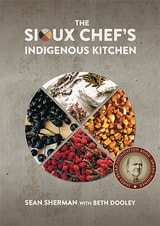
The Sioux Chef's Indigenous Kitchen
Sean Sherman
University of Minnesota Press, 2017
2018 James Beard Award Winner: Best American Cookbook
Named one of the Best Cookbooks of 2017 by NPR, The Village Voice, Smithsonian Magazine, UPROXX, New York Magazine, San Francisco Chronicle, Mpls. St. PaulMagazine and others
Here is real food—our indigenous American fruits and vegetables, the wild and foraged ingredients, game and fish. Locally sourced, seasonal, “clean” ingredients and nose-to-tail cooking are nothing new to Sean Sherman, the Oglala Lakota chef and founder of The Sioux Chef. In his breakout book, The Sioux Chef’s Indigenous Kitchen, Sherman shares his approach to creating boldly seasoned foods that are vibrant, healthful, at once elegant and easy.
Sherman dispels outdated notions of Native American fare—no fry bread or Indian tacos here—and no European staples such as wheat flour, dairy products, sugar, and domestic pork and beef. The Sioux Chef’s healthful plates embrace venison and rabbit, river and lake trout, duck and quail, wild turkey, blueberries, sage, sumac, timpsula or wild turnip, plums, purslane, and abundant wildflowers. Contemporary and authentic, his dishes feature cedar braised bison, griddled wild rice cakes, amaranth crackers with smoked white bean paste, three sisters salad, deviled duck eggs, smoked turkey soup, dried meats, roasted corn sorbet, and hazelnut–maple bites.
The Sioux Chef’s Indigenous Kitchen is a rich education and a delectable introduction to modern indigenous cuisine of the Dakota and Minnesota territories, with a vision and approach to food that travels well beyond those borders.
The Songs of Blind Folk
African American Musicians and the Cultures of BlindnessTerry Rowden
University of Michigan Press, 2009
"Rowden has wedded ethnomusicology and disability studies to offer a fresh approach to the study of African American popular music. The Songs of Blind Folk undermines many of the defining mythologies and tropes of blind musicians, including the perception that they are successful because they compensate for the loss of vision."
---Mark Anthony Neal, Duke University
"Illuminates how the enduring phenomenon of blind African American musicians emerged from brutal conditions, how these musicians were deployed in the burgeoning American iconography of race and 'freakdom,' and how they negotiated this hazardous cultural terrain . . . the book is timely, well-historicized, and rich in insight."
---Kari Winter, University at Buffalo
The Songs of Blind Folk explores the ways that the lives and careers of blind and visually impaired African American musicians and singers have mirrored the changes in America's image of African Americans and the social positioning and possibilities of the entire black community. The book offers a historically grounded consideration of African American performers and their audiences, and the ways that blindness, like blackness, has affected the way the music has been produced and received. Author Terry Rowden considers the controversial nineteenth-century prodigy Blind Tom Bethune; blues singers and songwriters such as Blind Lemon Jefferson, who achieved an unprecedented degree of visibility and acceptance in the 1920s and '30s; spiritual and gospel musicians such as the Blind Boys of Alabama; celebrated jazz and rhythm and blues artists Art Tatum, Rahsaan Roland Kirk, and Ray Charles; and finally, perhaps the best known of all blind performers, Stevie Wonder.
Terry Rowden is Assistant Professor of English at the City University of New York, Staten Island. He is coeditor of Transnational Cinema: The Film Reader.
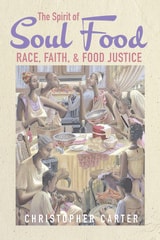
The Spirit of Soul Food
Race, Faith, and Food JusticeChristopher Carter
University of Illinois Press, 2021
Soul food has played a critical role in preserving Black history, community, and culinary genius. It is also a response to--and marker of--centuries of food injustice. Given the harm that our food production system inflicts upon Black people, what should soul food look like today?
Christopher Carter's answer to that question merges a history of Black American foodways with a Christian ethical response to food injustice. Carter reveals how racism and colonialism have long steered the development of US food policy. The very food we grow, distribute, and eat disproportionately harms Black people specifically and people of color among the global poor in general. Carter reflects on how people of color can eat in a way that reflects their cultural identities while remaining true to the principles of compassion, love, justice, and solidarity with the marginalized.
Both a timely mediation and a call to action, The Spirit of Soul Food places today's Black foodways at the crossroads of food justice and Christian practice.

The Steger Homestead Kitchen
Simple Recipes for an Abundant LifeWill Steger
University of Minnesota Press, 2021
Personal and simple, earthy and warm—recipes and stories from the Steger Wilderness Center in Minnesota’s north woods
The Steger Homestead Kitchen is an inspiring and down-to-earth collection of meals and memories gathered at the Homestead, the home of the Arctic explorer and environmental activist Will Steger, located in the north woods near Ely, Minnesota. Founded in 1988, the Steger Wilderness Center was established to model viable carbon-neutral solutions, teach ecological stewardship, and address climate change. In her role as the Homestead’s chef, Will’s niece Rita Mae creates delicious and hearty meals that become a cornerstone experience for visitors from all over the world, nourishing them as they learn and share their visions for a healthy and abundant future.
Now, with this new book, home chefs can make Rita Mae’s simple, hearty meals to share around their own homestead tables. Interwoven with dozens of mouth-watering recipes—for generous breakfasts (Almond Berry Griddlecakes), warming lunches (Northwoods Mushroom Wild Rice Soup), elegant dinners (Spatchcock Chicken with Blueberry Maple Glaze), desserts (Very Carrot Cake), and snacks (Steger Wilderness Bars)—are Will Steger’s exhilarating stories of epic adventures exploring the Earth’s most remote and endangered regions.
The Steger Homestead Kitchen opens up the Wilderness Center’s hospitality, its heart and hearth, providing the practical advice and inspiration to cook up a good life in harmony with nature.
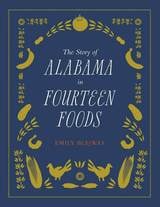
The Story of Alabama in Fourteen Foods
Emily Blejwas
University of Alabama Press, 2019
Alabama’s history and culture revealed through fourteen iconic foods, dishes, and beverages.
The Story of Alabama in Fourteen Foods explores well-known Alabama food traditions to reveal salient histories of the state in a new way. In this book that is part history, part travelogue, and part cookbook, Emily Blejwas pays homage to fourteen emblematic foods, dishes, and beverages, one per chapter, as a lens for exploring the diverse cultures and traditions of the state.
Throughout Alabama’s history, food traditions have been fundamental to its customs, cultures, regions, social and political movements, and events. Each featured food is deeply rooted in Alabama identity and has a story with both local and national resonance. Blejwas focuses on lesser-known food stories from around the state, illuminating the lives of a diverse populace: Poarch Creeks, Creoles of color, wild turkey hunters, civil rights activists, Alabama club women, frontier squatters, Mardi Gras revelers, sharecroppers, and Vietnamese American shrimpers, among others. A number of Alabama figures noted for their special contributions to the state’s foodways, such as George Washington Carver and Georgia Gilmore, are profiled as well. Alabama’s rich food history also unfolds through accounts of community events and a food-based economy. Highlights include Sumter County barbecue clubs, Mobile’s banana docks, Appalachian Decoration Days, cane syrup making, peanut boils, and eggnog parties.
Drawing on historical research and interviews with home cooks, chefs, and community members cooking at local gatherings and for holidays, Blejwas details the myths, legends, and truths underlying Alabama’s beloved foodways. With nearly fifty color illustrations and fifteen recipes, The Story of Alabama in Fourteen Foods will allow all Alabamians to more fully understand their shared cultural heritage.

The Story of Gefilte Fish
András Koerner
Central European University Press, 2027
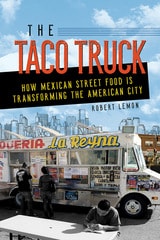
The Taco Truck
How Mexican Street Food Is Transforming the American CityRobert Lemon
University of Illinois Press, 2019
Drawing on interviews with taco truck workers and his own skills as a geographer, Robert Lemon illuminates new truths about foodways, community, and the unexpected places where ethnicity, class, and culture meet. Lemon focuses on the San Francisco Bay Area, Sacramento, and Columbus, Ohio, to show how the arrival of taco trucks challenge preconceived ideas of urban planning even as cities use them to reinvent whole neighborhoods. As Lemon charts the relationships between food practices and city spaces, he uncovers the many ways residents and politicians alike contest, celebrate, and influence not only where your favorite truck parks, but what's on the menu.
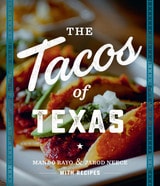
The Tacos of Texas
By Mando Rayo and Jarod Neece
University of Texas Press, 2016
Rooted in tradición mexicana and infused with Texas food culture, tacos are some of Texans’ all-time favorite foods. In The Tacos of Texas, the taco journalists Mando Rayo and Jarod Neece take us on a muy sabroso taco tour around the state as they discover the traditions, recipes, stories, and personalities behind puffy tacos in San Antonio, trompo tacos in Dallas, breakfast tacos in Austin, carnitas tacos in El Paso, fish tacos in Corpus Christi, barbacoa in the Rio Grande Valley, and much more.
Starting with the basics—tortillas, fillings, and salsas—and how to make, order, and eat tacos, the authors highlight ten taco cities/regions of Texas. For each place, they describe what makes the tacos distinctive, name their top five places to eat, and listen to the locals tell their taco stories. They hear from restaurant owners, taqueros, abuelitas, chefs, and patrons—both well-known and everyday folks—who talk about their local taco history and culture while sharing authentic recipes and recommendations for the best taco purveyors.
Whether you can’t imagine a day without tacos or you’re just learning your way around the trailers, trucks, and taqueros that make tacos happen, The Tacos of Texas is the indispensable guidebook, cookbook, and testimonio.
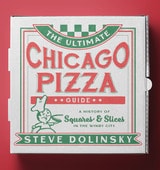
The Ultimate Chicago Pizza Guide
A History of Squares & Slices in the Windy CitySteve Dolinsky
Northwestern University Press, 2021
Enter renowned food journalist Steve Dolinsky. He embarked on a memorable quest for his first book, Pizza City, USA: 101 Reasons Why Chicago Is America’s Greatest Pizza Town, tasting more than 185 pizzas all over the region. For his follow-up, Dolinsky focuses on the city’s pizzerias, while still honoring a few suburban stalwarts.
This user-friendly guide is organized by pizza style—including thin, tavern, artisan, Neapolitan, deep-dish, stuffed, by-the-slice, Roman, and Detroit—so you can find the right recommendation for every family member, visitor, and occasion. Dolinsky highlights his favorites, offers a pizza lover’s glossary so you can order like a pro, and shows you every pie he ate, so you can compare notes and cook up your next pizza night. With recipes, local beer pairings, gluten-free options, and more, The Ultimate Chicago Pizza Guide is an essential resource both for locals and for visitors in search of a serious pizza getaway.
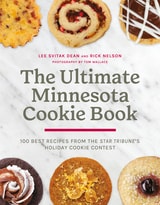
The Ultimate Minnesota Cookie Book
100 Best Recipes from the Star Tribune's Holiday Cookie ContestLee Svitak Dean
University of Minnesota Press, 2024
A fresh batch of deliciously distinctive recipes from the Star Tribune’s beloved annual cookie contest—with even more recipes, enticing photographs, and bakers’ stories
Cold winters call for warm kitchens and cookie baking, especially around the holidays. The Ultimate Minnesota Cookie Book, a compendium of Minnesota’s rich baking traditions and innovative recipes, stirs up winning treats from twenty years of the Star Tribune’s popular holiday cookie contest.
Significantly expanding and updating its 2018 predecessor, The Great Minnesota Cookie Book, this collection features thirty-five new recipes, including Grasshoppers and Dark Chocolate Fig Rolls, Tiramisu Twists and Cardamom Cherry Buttons, Diablo Snowballs, Spumoni Squares, and Maple-Roasted Walnut Delights. This sweet-tooth treasure trove of cookie recipes will inspire bakers to discover how many ways flour, sugar, butter, and eggs (plus several unexpected ingredients) can be combined to create new favorites for the holidays—or any time of year.
The best of the best, these contest-winning cookies are accompanied by beautiful photographs and baking tips, insights, and essays. Indulge in these delightful, mouth-watering recipes while Minnesota’s best bakers share stories of cherished holiday traditions, recall memorable cookie moments, and celebrate how baking brings us together.
The West Virginia Pepperoni Roll
Candace Nelson
West Virginia University Press, 2017
This spicy snack soon found its way out of the mines and into bakeries, bread companies, restaurants, and event venues around the state, often with additional ingredients like cheese, red sauce, or peppers.
As the pepperoni roll’s reputation moves beyond the borders of West Virginia, this food continues to embody the culinary culture of its home state. It is now found at the center of bake-offs, eating contests, festivals, as a gourmet item on local menus, and even on a bill in the state’s legislature.
The West Virginia Pepperoni Roll is a comprehensive history of the unofficial state food of West Virginia. With over 100 photographs and countless recipes and recollections, it tells the story of the immigrants, business owners, laborers, and citizens who have developed and devoured this simple yet practical food since its invention.
To Set before the King
Katharina Schratt's Festive RecipesGertrud G. Champe
University of Iowa Press, 1996
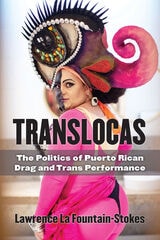
Translocas
The Politics of Puerto Rican Drag and Trans PerformanceLawrence La Fountain-Stokes
University of Michigan Press, 2021
Translocas focuses on drag and transgender performance and activism in Puerto Rico and its diaspora. Arguing for its political potential, Lawrence La Fountain-Stokes explores the social and cultural disruptions caused by Latin American and Latinx “locas” (effeminate men, drag queens, transgender performers, and unruly women) and the various forms of violence to which queer individuals in Puerto Rico and the U.S. are subjected. This interdisciplinary, auto-ethnographic, queer-of-color performance studies book explores the lives and work of contemporary performers and activists including Sylvia Rivera, Nina Flowers, Freddie Mercado, Javier Cardona, Jorge Merced, Erika Lopez, Holly Woodlawn, Monica Beverly Hillz, Lady Catiria, and Barbra Herr; television programs such as RuPaul’s Drag Race; films such as Paris Is Burning, The Salt Mines, and Mala Mala; and literary works by authors such as Mayra Santos-Febres and Manuel Ramos Otero. Lawrence La Fountain-Stokes, a drag performer himself, demonstrates how each destabilizes (and sometimes reifies) dominant notions of gender and sexuality through drag and their embodied transgender expression. These performances provide a means to explore and critique issues of race, class, poverty, national identity, and migratory displacement while they posit a relationship between audiences and performers that has a ritual-like, communal dimension. The book also analyzes the murders of Jorge Steven López Mercado and Kevin Fret in Puerto Rico, and invites readers to challenge, question, and expand their knowledge about queer life, drag, trans performance, and Puerto Rican identity in the Caribbean and the diaspora. The author also pays careful attention to transgender experience, highlighting how trans activists and performers mold their bodies, promote social change, and create community in a context that oscillates between glamour and abjection.