Cloth: 978-1-4773-3416-4 | Paper: 978-1-4773-3417-1 | eISBN: 978-1-4773-3419-5 (ePub) | eISBN: 978-1-4773-3418-8 (PDF)
Library of Congress Classification NA2543.R37R49 2026
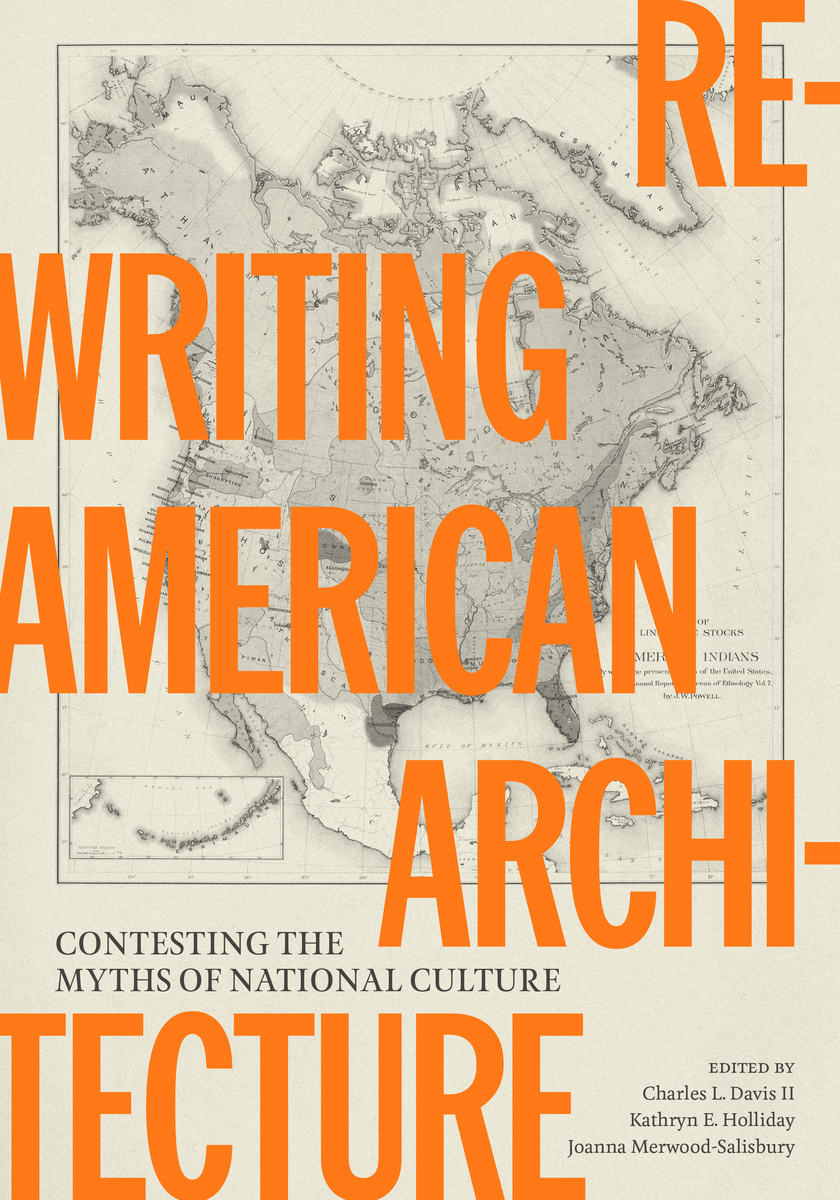
A critical reassessment of nineteenth‑century American architecture that uncovers how race, settler colonialism, and contested national identities shaped the built environment and its historiography.
Rewriting American Architecture offers a revisionist riposte to the canonical story of nineteenth-century American architecture. Drawing on new archival research and revisionist historiography, the essays in this volume reveal how American architecture was shaped not by inevitable progress toward a unified national culture but by the turbulent realities of race, labor, settler colonialism, and territorial expansion. Rather than treating architecture as an apolitical aesthetic expression, the contributors expose it as an active arena in which the meanings of nationhood were constructed, contested, and often violently enforced. From Indigenous spatial practices and Black institutional building to transnational exchanges and the racial politics embedded in professionalization, this collection reframes the built environment as central to the competing cultural, political, and geographic claims that defined the United States during this period.
See other books on: Architecture and race | Architecture and society | Indigenous peoples | Myths | Transnationalism
See other titles from University of Texas Press