Cloth: 978-1-68448-609-0 | Paper: 978-1-68448-608-3 | eISBN: 978-1-68448-610-6 (all)
Library of Congress Classification PQ7439.L6Z66 2026
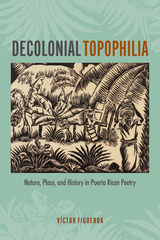
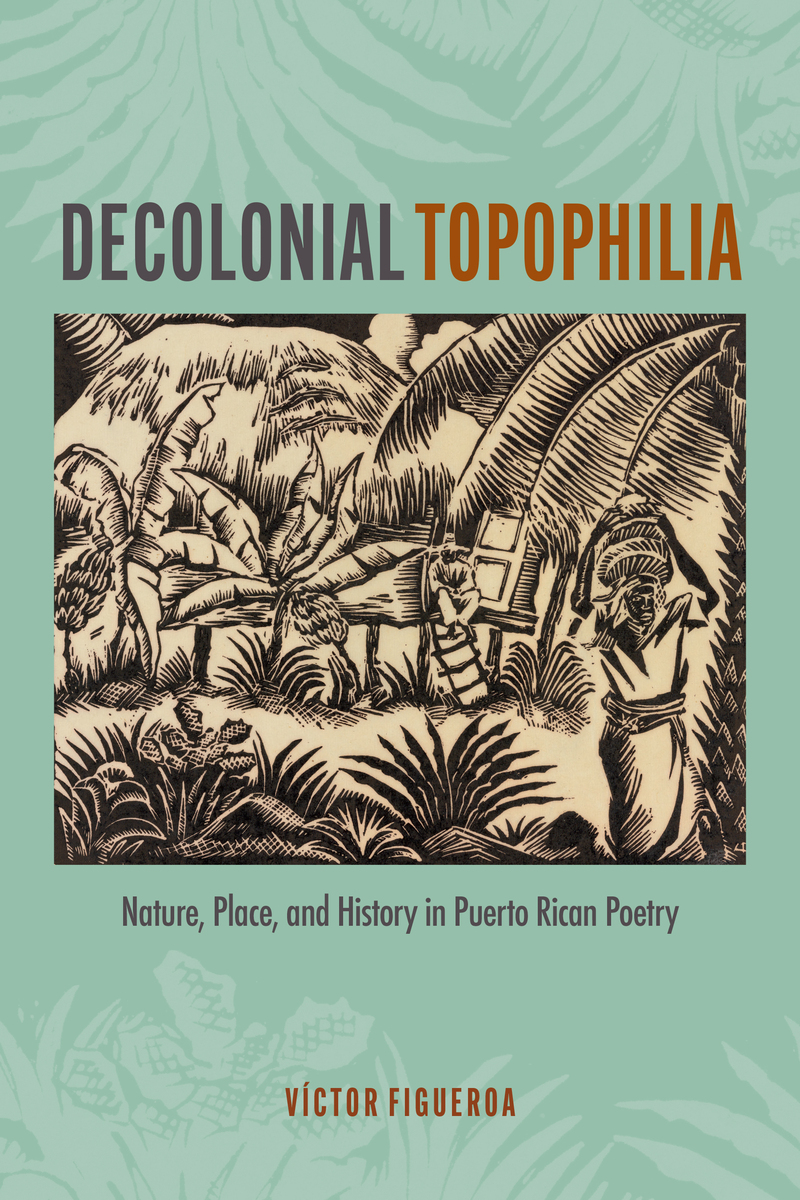
Decolonial Topophilia: Nature, Place, and History in Puerto Rican Poetry examines how four major poets—Luis Lloréns Torres, Luis Palés Matos, Juan Antonio Corretjer, and Julia de Burgos—address the ecological and human consequences of colonial domination in early twentieth-century Puerto Rico. Their poetry raises questions about the capitalist transformation of land through monocultures like sugarcane, the reduction of nature to exploitable resources, and the ties between attachment to place and nationalism. In tracing these connections, this pathbreaking book reveals how poetic visions of place can challenge colonial histories and imagine more reciprocal ways of inhabiting the world.
Published by Bucknell University Press. Distributed worldwide by Rutgers University Press.
See other books on: History in literature | Nature in literature | Place | Place (Philosophy) in literature | Puerto Rico
See other titles from Bucknell University Press