
 A SCHOLARLY BOOK REPOSITORY
59 start with A start with A
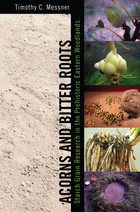
Messner’s analysis is based on extensive reviews of the literature on early historic, prehistoric native plant use, and the collation of all available archaeobotanical data, a review of which also guided the author in selecting contemporary botanical specimens to identify and in interpreting starch residues recovered from ancient plant-processing technologies. The evidence presented here sheds light on many local ecological and cultural developments as ancient people shifted their subsistence focus from estuarine to riverine settings. These archaeobotanical datasets, Messner argues, illuminate both the conscious and unintentional translocal movement of ideas and ecologies throughout the Eastern Woodlands.
Contributors to this volume examine the migration process under two explanatory frameworks: alliance and landscape. These frameworks are used to explore competing hypotheses, positing either a rapid colonization associated with an alliance organized for warfare at a regional scale, or a more protracted migration as this landscape became comparatively more attractive for migrating farmers in the late thirteenth century.
As the first major publication on the archaeology of Perry Mesa, this volume contributes to theoretical perspectives on migration and ethnogenesis, the study of warfare in the prehistoric Southwest, the study of intensive agricultural practices in a marginal environment, and the cultural history of a little studied and largely unknown portion of the ancient Southwest. It not only documents the migration but also the ensuing birth of a new ethnic identity that arose from the coalescence of diverse groups atop Perry Mesa.

"An invaluable resource. . . . It will no doubt remain the key reference book for Beringia for many years to come."—Steven Mithen, Journal of Human Evolution
"Extraordinary. The fifty-six contributors . . . represent the most prominent American and Russian researchers in the region."—Choice
"Publication of this well-illustrated compendium is a great service to early American and especially Siberian Upper Paleolithic archaeology."—Nicholas Saunders, New Scientist
"This is a great book . . . perhaps the greatest contribution to the archaeology of Beringia that has yet been published. . . . This is the kind of book to which archaeology should aspire."—Herbert D.G. Maschner, Antiquity
Expanding beyond studies that focus on a single pueblo, this volume represents the final report on the excavations of the Mimbres Foundation. It brings together data from a range of pithouse and pueblo sites of different sizes and histories in diverse locations—to refine the current understandings of Mimbres region archaeology in the context of the Greater Southwest.
From the end of the Late Pithouse period through the Black Mountain phase, the book provides excellent documentation of the artifacts and data recovered from the sites, addresses models of Mimbres community, and tracks change and continuity in the valley over centuries. In addition, the authors consider the nature of the relationship between the Classic Mimbres period population of the valley and the people of the succeeding Black Mountain phase, as well as relationships among the Black Mountain phase people and those of neighboring parts of the region, including the Casas Grandes world and the Jornada Mogollon area.
In Ancient Communities in the Mimbres Valley two leading archaeologists bring together a trove of unpublished investigations, expanding understandings and setting a course for the future.
Ancient Maya Commerce presents nearly two decades of multidisciplinary research at Chunchucmil, Yucatan, Mexico—a thriving Classic period Maya center organized around commercial exchange rather than agriculture. An urban center without a king and unable to sustain agrarian independence, Chunchucmil is a rare example of a Maya city in which economics, not political rituals, served as the engine of growth. Trade was the raison d’être of the city itself.
Using a variety of evidence—archaeological, botanical, geomorphological, and soil-based—contributors show how the city was a major center for both short- and long-distance trade, integrating the Guatemalan highlands, the Gulf of Mexico, and the interior of the northern Maya lowlands. By placing Chunchucmil into the broader context of emerging research at other Maya cities, the book reorients the understanding of ancient Maya economies. The book is accompanied by a highly detailed digital map that reveals the dense population of the city and the hundreds of streets its inhabitants constructed to make the city navigable, shifting the knowledge of urbanism among the ancient Maya.
Ancient Maya Commerce is a pioneering, thoroughly documented case study of a premodern market center and makes a strong case for the importance of early market economies in the Maya region. It will be a valuable addition to the literature for Mayanists, Mesoamericanists, economic anthropologists, and environmental archaeologists.
Contributors: Anthony P. Andrews, Traci Ardren, Sheryl Luzzadder-Beach, Timothy Beach, Chelsea Blackmore, Tara Bond-Freeman, Bruce H. Dahlin, Patrice Farrell, David Hixson, Socorro Jimenez, Justin Lowry, Aline Magnoni, Eugenia Mansell, Daniel E. Mazeau, Travis Stanton, Ryan V. Sweetwood, Richard E. Terry
In this lively story of life in the wetlands on the outskirts of the major site of La Milpa, Julie Kunen documents a hitherto unrecognized form of intensive agriculture in the Maya lowlands—one that relied on the construction of terraces and berms to trap soil and moisture around the margins of low-lying depressions called bajos. She traces the intertwined histories of residential settlements on nearby hills and ridges and agricultural terraces and other farming-related features around the margins of the bajo as they developed from the Late Preclassic perios (400 BC-AD 250) until the area's abandonment in the Terminal Classic period (about AD 850).
Kunen examines the organization of three bajo communities with respect to the use and management of resources critical to agricultural production. She argues that differences in access to spatially variable natural resources resulted in highly patterned settlement remains and that community founders and their descendents who had acquired the best quality and most diverse set of resources maintained an elevated status in the society.
The thorough integration of three lines of evidence—the settlement system, the agricultural system, and the ancient environment—breaks new ground in landscape research and in the study of Maya non-elite domestic organization. Kunen reports on the history of settlement and farming in a small corner of the Maya world but demonstrates that for any study of human-environment interactions, landscape history consists equally of ecological and cultural strands of influence.
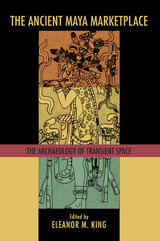
The Ancient Maya Marketplace reviews the debate on Maya markets and offers compelling new evidence for the existence and identification of ancient marketplaces in the Maya Lowlands. Its authors rethink the prevailing views about Maya economic organization and offer new perspectives. They attribute the dearth of Maya market research to two factors: persistent assumptions that Maya society and its rainforest environment lacked complexity, and an absence of physical evidence for marketplaces—a problem that plagues market research around the world.
Many Mayanists now agree that no site was self-sufficient, and that from the earliest times robust local and regional exchange existed alongside long-distance trade. Contributors to this volume suggest that marketplaces, the physical spaces signifying the presence of a market economy, did not exist for purely economic reasons but served to exchange information and create social ties as well.
The Ancient Maya Marketplace offers concrete links between Maya archaeology, ethnohistory, and contemporary cultures. Its in-depth review of current research will help future investigators to recognize and document marketplaces as a long-standing Maya cultural practice. The volume also provides detailed comparative data for premodern societies elsewhere in the world.
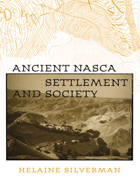
Nasca society arose on the south coast of Peru two thousand years ago and evolved over the course of the next seven hundred years. Helaine Silverman's long-term, multistage work on the south coast of Peru has established her as one of the world's preeminent authorities on this brilliant and enigmatic civilization. Ancient Nasca Settlement and Society is the first extended treatment of the range of sites occupied by the people responsible for some of the most exquisite art, largest ground drawings, most intense hunting of human heads as trophies, and most ingenious hydraulic engineering of the pre-Columbian world.
Ancient Nasca Settlement and Society is based on Silverman's comprehensive survey of the Ingenio Valley, a water-rich tributary of the Río Grande de Nazca drainage; it also includes a critical synthesis of the settlement pattern data from the other river valleys of the system maps and tables, Silverman allows comparisons among the various phases of change in Nasca society. A companion CD-ROM provides a great deal of graphic material and allows users to manipulate the data in alternative scenarios.
Silverman situates the various classes of Nasca material culture within the spatial, social, economic, political, and ideological realities that can be adduced from the archaeological record. A work of archaeo-logical ethnography focused on a once-living society, this convincing and highly original book illuminates the ancient Nasca people's social construction of space and cultural meaning through their manipulation of their natural setting and their creation of particular kinds of built environments.
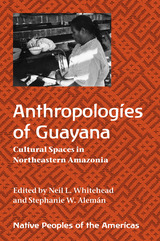
This is an important collection that brings together the work of scholars from North America, South America, and Europe to reveal the anthropological significance of Guayana, the ancient realm of El Dorado and still the scene of gold and diamond mining. Beginning with the earliest civilizations of the region, the chapters focus on the historical ecology of the rain forest and the archaeological record up to the sixteenth century, as well as ethnography, ethnology, and perceptions of space. The book features extensive discussions of the history of a range of indigenous groups, such as the Waiwai, Trio, Wajãpi, and Palikur. Contributions analyze the emergence of a postcolonial national society, the contrasts between the coastlands and upland regions, and the significance of race and violence in contemporary politics.
A noteworthy study of the prehistory and history of the region, the book also provides a useful survey of the current issues facing northeastern Amazonia. The chapters extend the anthropological agenda beyond the conventional focus on the “indigenous” even as contributors describe how Guayanese languages, mythologies, and social structures have remained resilient in the face of intense outside pressures.
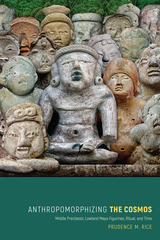
Presenting original data, Anthropomorphizing the Cosmos offers insight into the synchronous appearance of fired-clay figurines with the emergence of societal complexity in and beyond Mesoamerica. Rice situates these Preclassic Maya figurines in the broader context of Mesoamerican human figural representation, identifies possible connections between anthropomorphic figurine heads and the origins of calendrics and other writing in Mesoamerica, and examines the role of anthropomorphic figurines and zoomorphic musical instruments in Preclassic Maya ritual. The volume shows how community rituals involving the figurines helped to mitigate the uncertainties of societal transitions, including the beginnings of settled agricultural life, the emergence of social differentiation and inequalities, and the centralization of political power and decision-making in the Petén lowlands.
Literature on Maya ritual, cosmology, and specialized artifacts has traditionally focused on the Classic period, with little research centering on the very beginnings of Maya sociopolitical organization and ideological beliefs in the Middle Preclassic. Anthropomorphizing the Cosmos is a welcome contribution to the understanding of the earliest Maya and will be significant to Mayanists and Mesoamericanists as well as nonspecialists with interest in these early figurines

It almost goes without saying that the rise in popularity of television has killed the audience for "serious" literature. This is such a given that reading Fitzpatrick's challenge to this notion can be very disconcerting, as she traces the ways in which a small cadre of writers of "serious" literature--DeLillo, Pynchon, and Franzen, for instance--have propagated this myth in order to set themselves up as the last bastions of good writing. Fitzpatrick first explores whether serious literature was ever as all-pervasive as critics of the television culture claim and then asks the obvious question: what, or who, exactly, are these guys defending good writing against?
Fitzpatrick examines the ways in which the anxiety about the supposed death of the novel is built on a myth of the novel's past ubiquity and its present displacement by television. She explores the ways in which this myth plays out in and around contemporary fiction and how it serves as a kind of unacknowledged discourse about race, class, and gender. The declaration constructs a minority status for the "white male author" who needs protecting from television's largely female and increasingly non-white audience. The novel, then, is transformed from a primary means of communication into an ancient, almost forgotten, and thus, treasured form reserved for the well-educated and well-to-do, and the men who practice it are exalted as the practitioners of an almost lost art.
Such positioning serves to further marginalize women writers and writers of color because it makes the novel, by definition, the preserve of the poor endangered white man. If the novel is only a product of a small group of white men, how can the contributions of women and writers of color be recognized? Instead, this positioning abandons women and people of color to television as a creative outlet, and in return, cedes television to them. Fitzpatrick argues that there's a level of unrecognized patronization in assuming that television serves no purpose but to provide dumb entertainment to bored women and others too stupid to understand novels. And, instead, she demonstrates the real positive effects of a televisual culture.
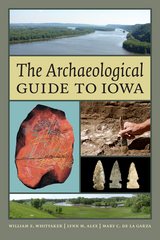
Fortunately, there are many sites open to the public where the remnants of the past are visible, either in their original location or in nearby museum exhibits. Few things are more inspiring than walking among the Malchow Mounds, packed so tightly it is hard to tell where one ends and the other begins. Strolling around downtown Des Moines is a lot more interesting when you are aware of the mounds, Indian villages, and the fort that once stood there. And, although you can’t visit the Wanampito site, you can see the splendid seventeenth-century artifacts excavated from it at Heery Woods State Park.
For people who want to experience Iowa’s archaeological heritage first hand, this one-of-a-kind guidebook shows the way to sixty-eight important sites. Many are open to visitors or can be seen from a public location; others, on private land or no longer visible on the landscape, live on through artifact displays. The guide also includes a few important sites that are not open to visitors because these places have unique stories to tell. Sites of every type, from every time period, and in every corner of the state are featured. Whether you have a few hours to indulge your curiosity or are planning a road trip across the state, this guide will take you to places where Iowa’s deep history comes to life.
Some of the earliest and largest hill forts and tumuli (burial mounds) in Albania, dating to the Bronze and Iron Age, are located in Shkodër. Shkodër (Rozafa) Castle became the capital of the so-called Illyrian Kingdom, which was conquered by Rome in the early 3rd century BC. This research report, focused on the province of Shkodër, is based on five years of field and laboratory work and is the first synthetic archaeological treatment of this region.
The results of the Projekti Arkeologjik i Shkodrës (or PASH) are presented here in two volumes. Volume 1 includes geological context, a literature review, historical background, and reports on the regional survey and test excavations at three settlements and three tumuli. In Volume 2, the authors describe the artifacts recovered through survey and excavation, including chipped stone, small finds, and pottery from the prehistoric, Classical, Roman, medieval, and post-medieval periods. They also present results of faunal, petrographic, chemical, carpological, and strontium isotope analyses of the artifacts. Extensive supporting data is available on the University of Michigan's Deep Blue data repository: https://doi.org/10.7302/xnpy-0e60
These two volumes place northern Albania—and the Shkodër Province in particular—at the forefront of archaeological research in the Balkans.
Some of the earliest and largest hill forts and tumuli (burial mounds) in Albania, dating to the Bronze and Iron Age, are located in Shkodër. Shkodër (Rozafa) Castle became the capital of the so-called Illyrian Kingdom, which was conquered by Rome in the early 3rd century BC. This research report, focused on the province of Shkodër, is based on five years of field and laboratory work and is the first synthetic archaeological treatment of this region.
The results of the Projekti Arkeologjik i Shkodrës (or PASH) are presented here in two volumes. Volume 1 includes geological context, a literature review, historical background, and reports on the regional survey and test excavations at three settlements and three tumuli. In Volume 2, the authors describe the artifacts recovered through survey and excavation, including chipped stone, small finds, and pottery from the prehistoric, Classical, Roman, medieval, and post-medieval periods. They also present results of faunal, petrographic, chemical, carpological, and strontium isotope analyses of the artifacts. Extensive supporting data is available on the University of Michigan's Deep Blue data repository: https://doi.org/10.7302/xnpy-0e60
These two volumes place northern Albania—and the Shkodër Province in particular—at the forefront of archaeological research in the Balkans.
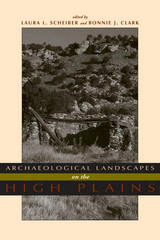
Focusing on long-term change, this book considers ethnographic literature, archaeological evidence, and environmental data spanning thousands of years of human presence to understand human perception and construction of landscape. The contributors offer cohesive and synthetic studies emphasizing hunter-gatherers and subsistence farmers.
Using landscape as both reality and metaphor, Archaeological Landscapes on the High Plains explores the different and changing ways that people interacted with place in this transitional zone between the Rocky Mountains and the eastern prairies.
The contemporary archaeologists working in this small area have chosen diverse approaches to understand the past and its relationship to the present. Through these ten case studies, this variety is highlighted but leads to a common theme - that the High Plains contains important locales to which people, over generations or millennia, return. Providing both data and theory on a region that has not previously received much attention from archaeologists, especially compared with other regions in North America, this volume is a welcome addition to the literature. Contributors:
o Paul Burnett
o Oskar Burger
o Minette C. Church
o Philip Duke
o Kevin Gilmore
o Eileen Johnson
o Mark D. Mitchell
o Michael R. Peterson
o Lawrence Todd
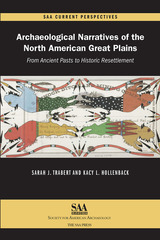
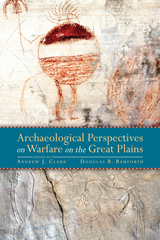
The Great Plains has been central to academic and popular visions of Native American warfare, largely because the region’s well-documented violence was so central to the expansion of Euroamerican settlement. However, social violence has deep roots on the Plains beyond this post-Contact perception, and these roots have not been systematically examined through archaeology before. War was part, and perhaps an important part, of the process of ethnogenesis that helped to define tribal societies in the region, and it affected many other aspects of human lives there. In Archaeological Perspectives on Warfare on the Great Plains, anthropologists who study sites across the Plains critically examine regional themes of warfare from pre-Contact and post-Contact periods and assess how war shaped human societies of the region.
Contributors to this volume offer a bird’s-eye view of warfare on the Great Plains, consider artistic evidence of the role of war in the lives of indigenous hunter-gatherers on the Plains prior to and during the period of Euroamerican expansion, provide archaeological discussions of fortification design and its implications, and offer archaeological and other information on the larger implications of war in human history. Bringing together research from across the region, this volume provides unprecedented evidence of the effects of war on tribal societies. Archaeological Perspectives on Warfare on the Great Plains is a valuable primer for regional warfare studies and the archaeology of the Great Plains as a whole.
Contributors: Peter Bleed, Richard R. Drass, David H. Dye, John Greer, Mavis Greer, Eric Hollinger, Ashley Kendell, James D. Keyser, Albert M. LeBeau III, Mark D. Mitchell, Stephen M. Perkins, Bryon Schroeder, Douglas Scott, Linea Sundstrom, Susan C. Vehik
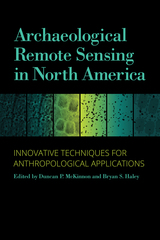
Updating the highly praised 2006 publication Remote Sensing in Archaeology, edited by Jay K. Johnson, Archaeological Remote Sensing in North America: Innovative Techniques for Anthropological Applications is a must-have volume for today’s archaeologist. Targeted to practitioners of archaeological remote sensing as well as students, this suite of current and exemplary applications adheres to high standards for methodology, processing, presentation, and interpretation.
The use of remote sensing technologies to address academic and applied archaeological and anthropological research problems is growing at a tremendous rate in North America. Fueling this growth are new research paradigms using innovative instrumentation technologies and broader-area data collection methods. Increasingly, investigators pursuing these new approaches are integrating remote sensing data collection with theory-based interpretations to address anthropological questions within larger research programs.
In this indispensable volume, case studies from around the country demonstrate the technically diverse and major remote sensing methods and their integration with relevant technologies, such as geographic information systems (GIS) and global positioning systems (GPS), and include various uses of the “big four”: magnetometry, resistivity, ground-penetrating radar (GPR), and electromagnetic induction.
The study explores four major anthropological themes: site structure and community organization; technological transformation and economic change; archaeological landscapes; and earthen mound construction and composition. Concluding commentary from renowned expert Kenneth L. Kvamme overviews the practices, advances, and trends of geophysics and remote sensing in the past decade.
David L. DeJarnette, the founder of scientific archaeology in the state of Alabama, reports on archaeological surveys and excavations undertaken in the Chattahoochee River Valley between 1947 and 1962. The three contributors, Wesley R. Hurt, Edward B. Kurjack, and Fred Lamar Pearson Jr., each made signal contributions to the archaeology of the southeastern states. With their mentor, David L. DeJarnette, they worked out a viable cultural chronology of the region from the earliest Paleoindian and Archaic foragers to the period of early European-Indian contact. They excavated key sites, including the Woodland period Shorter Mound, the protohistoric Abercrombie village, and Spanish Fort Apalachicola, in addition to a number of important Creek Indian town sites of the eighteenth century. All are here, illustrated abundantly by site photographs, maps, and of course, the artifacts recovered from these remarkable investigations.
Copublication with the Historic Chattahoochee Commission
Unlock the chemical secrets of ancient pottery in this guide for mastering organic residue pottery analysis.
Pottery analysis is a crucial component of excavating an archaeological site. Organic residues in pottery are made up of chemicals that absorb into pots over their lifetime. These residues can reveal what people ate, whether different types of vessels were used for different cooking or foodstuffs preparation, and whether “elite” vessels were in use.
Organic residue analysis is a technical specialty that blends an unusual type of instrumental organic chemistry and archaeology. Because it is considered an obscure technique, archaeologists of all degrees of experience tend to struggle with how to apply the technology to archaeological questions and how to sample effectively in the field to answer these questions.
Eleanora A. Reber’s An Archaeologist’s Guide to Organic Residues in Pottery is a user-friendly resource for all archaeologists. Composed of case studies gleaned from Reber’s more than twenty years of archaeological research, this guide covers the range of residues encountered in the field and explains the methods and application of organic residue analysis.
Reber illustrates the useful aspects of residue analysis, such as compound-specific isotope analysis for the identification of traces of maize and marine resources, conifer resins, and the psychoactive alkaloid biomarkers caffeine and nicotine. Special attention is paid to sampling and construction of meaning as well as research questions to help field archaeologists integrate residue analysis seamlessly into their projects
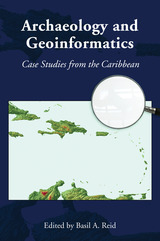
Addressing the use of geoinformatics in Caribbean archaeology, this volume is based on case studies drawn from specific island territories, namely, Barbados, St. John, Puerto Rico, Jamaica, Nevis, St. Eustatius, and Trinidad and Tobago, as well as inter-island interaction and landscape conceptualization in the Caribbean region. Geoinformatics is especially critical within the Caribbean where site destruction is intense due to storm surges, hurricanes, ocean and riverine erosion, urbanization, industrialization, and agriculture, as well as commercial development along the very waterfronts that were home to many prehistoric peoples. By demonstrating that the region is fertile ground for the application of geoinformatics in archaeology, this volume places a well-needed scholarly spotlight on the Caribbean.
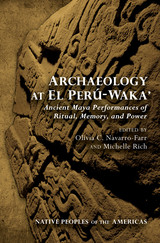
El Perú-Waka’ is an ancient Maya city located in present-day northwestern Petén, Guatemala. Rediscovered by petroleum exploration workers in the mid-1960s, it is the largest known archaeological site in the Laguna del Tigre National Park in Guatemala’s Maya Biosphere Reserve. The El Perú-Waka’ Regional Archaeological Project initiated scientific investigations in 2003, and through excavation and survey, researchers established that Waka’ was a key political and economic center well integrated into Classic-period lowland Maya civilization, and reconstructed many aspects of Maya life and ritual activity in this ancient community. The research detailed in this volume provides a wealth of new, substantive, and scientifically excavated data, which contributors approach with fresh theoretical insights. In the process, they lay out sound strategies for understanding the ritual manipulation of monuments, landscapes, buildings, objects, and memories, as well as related topics encompassing the performance and negotiation of power throughout the city’s extensive sociopolitical history.
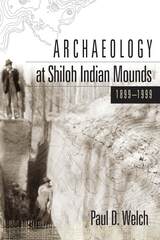
The Shiloh Indian Mounds archaeological site, a National Historic Landmark, is a late prehistoric community within the boundaries of the Shiloh National Military Park on the banks of the Tennessee River, where one of the bloodiest battles of the Civil War was fought in April 1862. Dating between AD 1000 and 1450, the archaeological site includes at least eight mounds and more than 100 houses. It is unique in that the land has never been plowed, so visitors can walk around the area and find the collapsed remains of 800-year-old houses and the 900-meter-long palisade with bastions that protected the village in prehistoric times. Although its location within a National Park boundary has protected the area from the recent ravages of man, riverbank erosion began to undermine the site in the 1970s. In the mid-1990s, Paul Welch began a four-year investigation culminating in a comprehensive report to the National Park Service on the Shiloh Indian Mounds.
These published findings confirm that the Shiloh site was one of at least fourteen Mississippian mound sites located within a 50 km area and that Shiloh was abandoned in approximately AD 1450. It also establishes other parameters for the Shiloh archaeological phase. This current volume is intended to make information about the first 100 years of excavations at the Shiloh site available to the archaeological community.
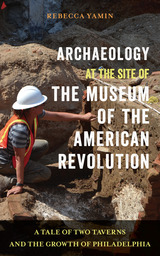
When the Museum of the American Revolution acquired the land at Third and Chestnut streets in Olde City, Philadelphia, it came with the condition that an archaeological investigation be conducted. The excavation that began in the summer of 2014 yielded treasures in the trash: unearthed privy pits provided remarkable finds from a mid-eighteenth-century tavern to relics from a button factory dating to the early twentieth century. These artifacts are described and analyzed by urban archaeologist Rebecca Yamin in Archaeology at the Site of the Museum of the American Revolution.
Yamin, lead archaeologist on the dig, catalogues items—including earthenware plates and jugs, wig curlers, clay pipes, and liquor bottles—to tell the stories of their owners and their roles in Philadelphia history. As she uncovers the history of the people as well as their houses, taverns, and buildings that were once on the site, she explains that by looking at these remains, we see the story of the growth of Philadelphia from its colonial beginnings to the Second World War.
Archaeology at the Site of the Museum of the American Revolution is a perfect keepsake for armchair archaeologists, introductory students, and history buffs.
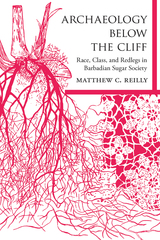
Archaeology below the Cliff: Race, Class, and Redlegs in Barbadian Sugar Society is the first archaeological study of the poor whites of Barbados, the descendants of seventeenth-century European indentured servants and small farmers. “Redlegs” is a pejorative to describe the marginalized group who remained after the island transitioned to a sugar monoculture economy dependent on the labor of enslaved Africans. A sizable portion of the “white” minority, the Redlegs largely existed on the peripheries of the plantation landscape in an area called “Below Cliff,” which was deemed unsuitable for profitable agricultural production. Just as the land on which they resided was cast as marginal, so too have the poor whites historically and contemporarily been derided as peripheral and isolated as well as idle, alcoholic, degenerate, inbred, and irrelevant to a functional island society and economy.
Using archaeological, historical, and oral sources, Matthew C. Reilly shows how the precarious existence of the Barbadian Redlegs challenged elite hypercapitalistic notions of economics, race, and class as they were developing in colonial society. Experiencing pronounced economic hardship, similar to that of the enslaved, albeit under very different circumstances, Barbadian Redlegs developed strategies to live in a harsh environment. Reilly’s investigations reveal that what developed in Below Cliff was a moral economy, based on community needs rather than free-market prices.
Reilly extensively excavated households from the tenantry area on the boundaries of the Clifton Hall Plantation, which was abandoned in the 1960s, to explore the daily lives of poor white tenants and investigate their relationships with island economic processes and networks. Despite misconceptions of strict racial isolation, evidence also highlights the importance of poor white encounters and relationships with Afro-Barbadians. Historical data are also incorporated to address how an underrepresented demographic experienced the plantation landscape. Ultimately, Reilly’s narrative situates the Redlegs within island history, privileging inclusion and embeddedness over exclusion and isolation.
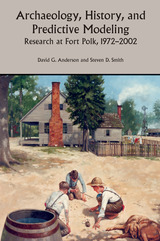
Fort Polk Military Reservation encompasses approximately 139,000 acres in western Louisiana 40 miles southwest of Alexandria. As a result of federal mandates for cultural resource investigation, more archaeological work has been undertaken there, beginning in the 1970s, than has occurred at any other comparably sized area in Louisiana or at most other localities in the southeastern United States. The extensive program of survey, excavation, testing, and large-scale data and artifact recovery, as well as historic and archival research, has yielded a massive amount of information. While superbly curated by the U.S. Army, the material has been difficult to examine and comprehend in its totality.
With this volume, Anderson and Smith collate and synthesize all the information into a comprehensive whole. Included are previous investigations, an overview of local environmental conditions, base military history and architecture, and the prehistoric and historic cultural sequence. An analysis of location, environmental, and assemblage data employing a sample of more than 2,800 sites and isolated finds was used to develop a predictive model that identifies areas where significant cultural resources are likely to occur. Developed in 1995, this model has already proven to be highly accurate and easy to use.
Archaeology, History, and Predictive Modeling will allow scholars to more easily examine the record of human activity over the past 13,000 or more years in this part of western Louisiana and adjacent portions of east Texas. It will be useful to southeastern archaeologists and anthropologists, both professional and amateur.
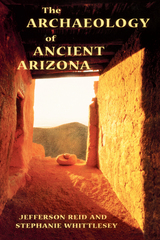
This book invites us to step into a Hohokam village with its sounds of barking dogs, children's laughter, and the ever-present grinding of mano on metate to produce the daily bread. Here, too, readers will marvel at the skills of Clovis elephant hunters and touch the lives of other ancestral people known as Mogollon, Anasazi, Sinagua, and Salado. Descriptions of long-ago people are balanced with tales about the archaeologists who have devoted their lives to learning more about "those who came before." Trekking through the desert with the famed Emil Haury, readers will stumble upon Ventana Cave, his "answer to a prayer." With amateur archaeologist Richard Wetherill, they will sense the peril of crossing the flooded San Juan River on the way to Chaco Canyon. Others profiled in the book are A. V. Kidder, Andrew Ellicott Douglass, Julian Hayden, Harold S. Gladwin, and many more names synonymous with the continuing saga of southwestern archaeology.
This book is an open invitation to general readers to join in solving the great archaeological puzzles of this part of the world. Moreover, it is the only up-to-date summary of a field advancing so rapidly that much of the material is new even to professional archaeologists. Lively and fast paced, the book will appeal to anyone who finds magic in a broken bowl or pueblo wall touched by human hands hundreds of years ago. For all readers, these pages offer a sense of adventure, that "you are there" stir of excitement that comes only with making new discoveries about the distant past.
A comparative archaeological synthesis examining the spatial, social, and ceremonial logics underpinning circular community formations across the Eastern Woodlands from 10,000 BC to the sixteenth century.
The Archaeology of Arcuate Communities is an edited collection of ten essays that illuminate how Indigenous communities of the Eastern Woodlands, from 10,000 BC to the 1550s, are analyzed and interpreted by archaeologists today. Volume editors Martin Menz, Analise Hollingshead, and Haley Messer define the persistent circular or “arcuate” pattern of Native settlements in this region as a spatial manifestation of community activities that reinforced group identity alongside plazas, mounds, and other architectural features.
The varied case studies in this volume focus on specific communities, how they evolved, and the types of archaeological data that have been used to assess them. Part I, “Defining the Domestic Unit in Arcuate Communities,” reveals social distinctions between households and household clusters in arcuate communities, how they differ in terms of stylistic patterns and exchange, and how they combined to form distinct social groups at different scales within a broader community. Part II, “Organizing Principles of Arcuate Communities,” broadens the scope to identify the organizing principles of entire arcuate communities, such as the central role of plazas in structuring their development, how the distribution of households and central features within communities was contested and reorganized, and the importance of mounds in both delineating arcuate communities and marking their position on the landscape. Part III, “Comparison and Change in Arcuate Communities,” comprises case studies that examine changes in the organization of arcuate communities over time. Rounding out the volume is a concluding chapter that assesses how and why communities around the world formed in circular patterns.
A valuable resource for archaeologists, this collection will also be of interest to those seeking to learn about Native North American settlement, ceremony, and community organization.

No single symposium or volume could do justice to the amount of information now available on Ecuadorian prehistory. This volume and the symposium on which it was based are devoted, therefore, to the archaeology of Formative Ecuador in order to bring new information on one of the most important periods of the region’s past to the attention of New World scholars.
While the volume includes two chapters on ideology and iconography, the focus is distinctly archaeological, with an emphasis on the fundamentals of archaeological science, including settlement patterns, subsistence, health, and ceramic variability.
The Archaeology of Houses and Households in the Native Southeast contributes enormously to the study of household archaeology and domestic architecture in the region. This significant volume combines both previously published and unpublished data on communities from the Southeast and is the first systematic attempt to understand the development of houses and households as interpreted through a theoretical framework developed from broad-ranging studies in cultural anthropology and archaeology.
Steere’s major achievement is the compilation of one of the largest and most detailed architectural datasets for the Southeast, including data for 1,258 domestic and public structures from 65 archaeological sites in North Carolina, Georgia, Alabama, Tennessee, Kentucky, and the southern parts of Missouri, Indiana, and Illinois. Rare data from hard-to-find cultural resource management reports is also incorporated, creating a broad temporal and geographic scope and serving as one of many remarkable features of the book, which is sure to be of considerable value to archaeologists and anthropologists interested in comparative studies of architecture.
Similar to other analyses, Steere’s research uses multiple theoretical angles and lines of evidence to answer archaeological questions about houses and the people who built them. However, unlike other examinations of household archaeology, this project spans multiple time periods (Woodland, Mississippian, and Historic); is focused squarely on the Southeast; features a more unified approach, using data from a single, uniform database; and privileges domestic architecture as a line of evidence for reconstructing daily life at major archaeological sites on a much broader scale than other investigations.
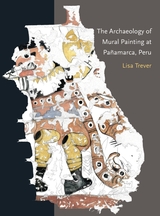
The archaeological site of Pañamarca was once a vibrant center of religious performance and artistic practice within the ancient Moche world. During the seventh and eighth centuries CE, architects and mural painters created lofty temples and broad-walled plazas that were brilliantly arrayed with images of mythological heroes, monstrous creatures, winged warriors in combat, ritual processions, and sacrificial offerings.
This richly illustrated volume offers a nuanced account of the modern history of exploration, archaeology, and image making at Pañamarca; it also offers detailed documentation of the new fieldwork carried out by the authors at the site. That fieldwork led to the discoveries of 1,200-year-old mural paintings, presented here in detail for the first time. Created in a cultural context a thousand years before the use of written scripts, the art and architecture of Pañamarca cannot be studied via ancient histories or commentaries, but only through layers of physical evidence from archaeological excavations and documentation. This volume will serve as a definitive reference work on mural painting at Pañamarca, as well as a new primary resource for Pre-Columbian studies and for studies in global ancient art, architecture, and archaeology more broadly.
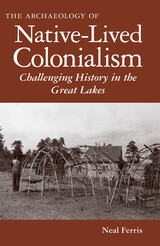
In reconsidering Native adaptation and resistance to colonial British rule, Ferris reviews five centuries of interaction that are usually read as a single event viewed through the lens of historical bias. He first examines patterns of traditional lifeway continuity among the Ojibwa, demonstrating their ability to maintain seasonal mobility up to the mid-nineteenth century and their adaptive response to its loss. He then looks at the experience of refugee Delawares, who settled among the Ojibwa as a missionary-sponsored community yet managed to maintain an identity distinct from missionary influences. And he shows how the archaeological history of the Six Nations Iroquois reflected patterns of negotiating emergent colonialism when they returned to the region in the 1780s, exploring how families managed tradition and the contemporary colonial world to develop innovative ways of revising and maintaining identity.
The Archaeology of Native-Lived Colonialism convincingly utilizes historical archaeology to link the Native experience of the eighteenth and nineteenth centuries to the deeper history of sixteenth- and seventeenth-century interactions and with pre-European times. It shows how these Native communities succeeded in retaining cohesiveness through centuries of foreign influence and material innovations by maintaining ancient, adaptive social processes that both incorporated European ideas and reinforced historically understood notions of self and community.
For thousands of years, fisheries were crucial to the sustenance of the First Peoples of the Pacific Coast. Yet human impact has left us with a woefully incomplete understanding of their histories prior to the industrial era. Covering Alaska, British Columbia, and Puget Sound, The Archaeology of North Pacific Fisheries illustrates how the archaeological record reveals new information about ancient ways of life and the histories of key species. Individual chapters cover salmon, as well as a number of lesser-known species abundant in archaeological sites, including pacific cod, herring, rockfish, eulachon, and hake. In turn, this ecological history informs suggestions for sustainable fishing in today’s rapidly changing environment.
A 17th-century trading post and Indian town in central Georgia reveal evidence of culture contact and change
Ocmulgee Old Fields near Macon, Georgia, is the site of a Lower Creek village and associated English trading house dating from the late 17th and early 18th centuries. It was excavated in the early 1930s as part of a WPA project directed by A. R. Kelly, which focused primarily on the major Mississippian temple mounds of Macon Plateau. The specific data for the Old Fields was not analyzed until nearly 30 years after the excavation.
Part of the significance of this site lies in its secure identification with a known group of people and the linkage of those people with recognizable archaeological remains. The Old Fields site was among the very first for which this kind of identification was possible and stands at the head of a continuing tradition of historic sites archaeology in the Southeast.
Carol I. Mason's classic study of the Ocmulgee Old Fields site has been a model for contact-period Indian archaeology since the 1960s. The report includes a discussion of the historic setting and an analysis of the archaeological materials with an identification of the Lower Creek town and possibly of the English trader who lived there. Now, for the first time, the original report is widely available in book form. With a new foreword by the author and a new introduction from Southeastern archaeology expert Marvin T. Smith, readers have the benefit of a contemporary view of this very fine piece of careful scholarship.
Groundbreaking essays in urban archaeology highlight the impact of towns and cities on the southern landscape.
The rapid growth and development of urban areas in the South have resulted in an increase in the number of urban archaeology projects required by federal and state agencies. These projects provide opportunities not only to investigate marginal areas between the town and countryside but also to recover information long buried beneath the earliest urban structures. Such projects have also created a need for a one-volume update on archaeology as it is practiced in the urban areas of the southeastern United States.
Archaeology of Southern Urban Landscapes will assist practitioners and scholars in the burgeoning fields of urban and landscape archaeology by treating the South as a distinctive social, geographic, and material entity and by focusing on the urban South rather than the stereotypical South of rural plantations. The case studies in this volume span the entire southeastern United States, from Annapolis to New Orleans and from colonial times to the 19th century. The authors address questions involving the function of cities, interregional diversity, the evolution of the urban landscape, and the impact of the urban landscape on southern culture. By identifying the relationship between southern culture and the South's urban landscapes, this book will help us understand the built landscape of the past and predict future growth in the region.
The Sunshine Locality in the geographic center of the Great Basin has been the focus of scientific research since the mid-1960s. Authors Charlotte Beck and George T. Jones began studies there in 1992 and carried out excavations between 1993 and 1997 with the assistance of Hamilton College Field School. The area has yielded a rich and varied collection of diagnostic lithic tools, including fluted and unfluted lanceolate projectile points and a crescent, and a variety of gravers, scrapers, notches, and other tools common in Paleoindian toolkits across North America.
This volume provides the first comprehensive treatment that combines historical research with the more recent studies. Analysis and interpretations of the stratigraphic sequence in Sunshine Wash are presented, including analyses of sedimentary textures and structure, depositional processes, and chronology. Faunal remains are used to evaluate local and regional environmental changes. Finally, the authors address the nature of the processes that created the archaeological record at Sunshine Locality, its age, and whether artifacts and remains of extinct mammals also recovered at the site are associated. This work begins to answer unresolved questions about the paleoenvironmental resources of the Sunshine Locality.
The Muskogee Indians who lived along the lower Chattahoochee and Flint River watersheds had, and continue to have, a profound influence on the development of the southeastern United States, especially during the historic period (circa 1540–1836). Our knowledge of that culture is limited to what we can learn from their descendants and from archaeological and historical sources.
Combining historical documents and archaeological research on all known Lower Muskogee Creek sites, Thomas Foster has accurately pinpointed town locations discussed in the literature and reported in contemporary Creek oral histories. In so doing, this volume synthesizes the archaeological diversity and variation within the Lower Creek Indians between 1715 and 1836. The book is a study of archaeological methods because it analyzes the temporal and geographic variation within a single archaeological phase and the biases of that archaeological data. Foster’s research segregates the variation between Lower Creek Indian towns through a regional and direct historic approach. Consequently, he is able to discern the unique differences between individual Creek Indian towns.
Foster argues that the study of Creek Indian history should be at the level of towns instead of archaeological phases and that there is significant continuity between the culture of the Historic Period Indians and the Prehistoric and Protohistoric peoples.

A collection of new essays that brings archaeological insights and discoveries at the Tibes Ceremonial Center up to date
The Archaeology of Tibes is a collection of essays offering a fresh analysis of this important ceremonial center. It brings new insights about social structure, illuminating the smaller-scale daily lives of ancient peoples rather than focusing on large-scale chiefdoms.
Tibes is the earliest known (ca. 400 to 1300 CE) ceremonial center in Puerto Rico. It has been the focus of one of the largest and longest-running archaeological programs in the Caribbean. Early researchers interpreted evidence in the area of a shift from dispersed villages to a ceremonial center as suggesting the development of social stratification and accumulation of power. Seen as the seat of an early chiefdom, Tibes served as a model applied broadly across the Greater Antilles.
New discoveries prompted archaeologists to question their original assumptions about ancient Puerto Rico, and later research failed to produce evidence of social stratification at Tibes. The Archaeology of Tibes therefore incorporates updated and wider perspectives on social formation. It considers agency, decisions, and events and the possibility of more than one form of social organization. It also presents a more accurate “humanized” past: the sociological meanings of that space and its significance for the people who created, used, and occupied it and who influenced rituals, social memory, and community.
Summarizing findings from excavations at Tibes after 2010, the collection also reviews the geoarchaeology of the site. Additional essays cover ceramic pastes, lithic production, faunal remains, coral, burials, and rock art. This work will engender discussion and future research by archaeologists across the Caribbean and beyond.
The sequence of change for public architecture during the Mississippian period may reflect a centralization of political power through time. In the research presented here, some of the community-level assumptions attributed to the appearance of Mississippian mounds are tested against the archaeological record of the Town Creek site—the remains of a town located on the northeastern edge of the Mississippian culture area. In particular, the archaeological record of Town Creek is used to test the idea that the appearance of Mississippian platform mounds was accompanied by the centralization of political authority in the hands of a powerful chief.
A compelling argument has been made that mounds were the seats and symbols of political power within Mississippian societies. While platform mounds have been a part of Southeastern Native American communities since at least 100 B.C., around A.D. 400 leaders in some communities began to place their houses on top of earthen mounds—an act that has been interpreted as an attempt to legitimize personal authority by a community leader through the appropriation of a powerful, traditional, community-oriented symbol. Platform mounds at a number of sites were preceded by a distinctive type of building called an earthlodge—a structure with earth-embanked walls and an entrance indicated by short, parallel wall trenches. Earthlodges in the Southeast have been interpreted as places where a council of community leaders came together to make decisions based on consensus. In contrast to the more inclusive function proposed for premound earthlodges, it has been argued that access to the buildings on top of Mississippian platform mounds was limited to a much smaller subset of the community. If this was the case and if ground-level earthlodges were more accessible than mound-summit structures, then access to leaders and leadership may have decreased through time.
Excavations at the Town Creek archaeological site have shown that the public architecture there follows the earthlodge-to-platform mound sequence that is well known across the South Appalachian subarea of the Mississippian world. The clear changes in public architecture coupled with the extensive exposure of the site's domestic sphere make Town Creek an excellent case study for examining the relationship among changes in public architecture and leadership within a Mississippian society.
The chapters are organized following the cyclical nature of metals--beginning with extracting and mining ore, moving to smelting and casting of finished objects, and ending with recycling and deterioration back to the original state once the object is no longer in use. Data obtained from archaeological investigations, ethnohistoric sources, ethnographic studies, along with materials science analyses, are brought to bear on questions related to the integration of metallurgy into local and regional economies, the sacred connotations of copper objects, metallurgy as specialized crafting, and the nature of mining, alloy technology, and metal fabrication.
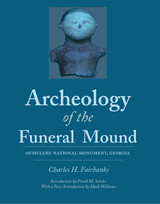
The largest prehistoric mound site in Georgia is located in modern-day Macon and is known as Ocmulgee. It was first recorded in August 1739 by General James Oglethorpe’s rangers during an expedition to the territory of the Lower Creeks. The botanist William Bartram wrote extensively of the ecology of the area during his visit in 1773, but the 1873 volume by Charles C. Jones, Antiquities of the Southern Indians, Particularly of the Georgia Tribes, was the first to treat the archaeological significance of the site.
Professional excavations began at Ocmulgee in 1933 under the auspices of the Smithsonian Institution, using Civil Works Administration labor. Investigations continued under a variety of sponsorships until December 1936, when the locality was formally named a national monument. Excavation of the mounds, village sites, earth lodge, and funeral mound revealed an occupation of the Macon Plateau spanning more than 7,000 years. The funeral mound was found to contain log tombs, bundles of disarticulated bones, flexed burials, and cremations. Grave goods included uniquely patterned copper sun disks that were found at only one other site in the Southeast—the Bessemer site in Alabama—so the two ceremonial centers were established as contemporaries.
In this classic work of archaeological research and analysis, Charles Fairbanks has not only offered a full treatment of the cultural development and lifeways of the builders of Ocmulgee but has also related them effectively to other known cultures of the prehistoric Southeast.

A comprehensive examination of the history and excavation of the Etruscan city of Arretium.
Beneath the Italian city of Arezzo lie the remains of Etruscan Arretium. This volume, the first comprehensive treatment of excavations at Arretium, gathers the most up-to-date scholarship on the city and delves into key archaeological discoveries and the stories they tell about life in the Etruscan world.
Chapters explore local history—including the city’s complex political exchanges with Rome—Etruscan religion, Arretium’s role as a center of the arts, and the challenges of excavation amid the bustle of European urban modernity. Editors Ingrid Edlund-Berry and Cristiana Zaccagnino have gathered chapters by expert contributors that detail Arretium’s material culture, including the city’s famed pottery, Arretine ware, which was known across the Mediterranean; terracotta pieces depicting gods and other supernatural beings; and exquisite bronze-work, most notably the piece now known as the Chimaera of Arezzo. One of the few Etruscan cities that continued flourishing after the Roman takeover, Arretium proves to be a trove of archaeological riches and of the historical insights they reveal.
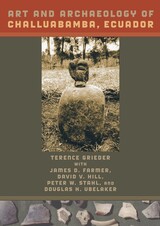
Challuabamba (chī-wa-bamba)—now a developing suburb of Cuenca, the principal city in the southern highlands of Ecuador—has been known for a century as an ancient site that produced exceptionally fine pottery in great quantities. Suspecting that Challuabamban ceramics might provide a link between earlier, preceramic culture and later, highly developed Formative period art, Terence Grieder led an archaeological investigation of the site between 1995 and 2001. In this book, he and the team of art historians and archaeologists who excavated at Challuabamba present their findings, which establish the community's importance as a center in a network of trade and artistic influence that extended to the Amazon River basin and the Pacific Coast.
Art and Archaeology of Challuabamba, Ecuador presents an extensive analysis of ceramics dating to 2100-1100 BC, along with descriptions of stamps and seals, stone and shell artifacts, burials and their offerings, human remains, and zooarchaeology. Grieder and his coauthors demonstrate that the pottery of Challuabamba fills a gap between early and late Formative styles and also has a definite connection with later highland styles in Peru. They draw on all the material remains to reconstruct the first clear picture of Challuabamba's prehistory, including agriculture and health, interregional contacts and exchange, red-banded incised ware and ceramic production, and shamanism and cosmology.
Because southern Ecuador has received relatively little archaeological study, Art and Archaeology of Challuabamba, Ecuador offers important baseline data for what promises to be a key sector of the prehistoric Andean region.
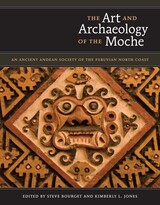
Renowned for their monumental architecture and rich visual culture, the Moche inhabited the north coast of Peru during the Early Intermediate Period (AD 100-800). Archaeological discoveries over the past century and the dissemination of Moche artifacts to museums around the world have given rise to a widespread and continually increasing fascination with this complex culture, which expressed its beliefs about the human and supernatural worlds through finely crafted ceramic and metal objects of striking realism and visual sophistication.
In this standard-setting work, an international, multidisciplinary team of scholars who are at the forefront of Moche research present a state-of-the-art overview of Moche culture. The contributors address various issues of Moche society, religion, and material culture based on multiple lines of evidence and methodologies, including iconographic studies, archaeological investigations, and forensic analyses. Some of the articles present the results of long-term studies of major issues in Moche iconography, while others focus on more specifically defined topics such as site studies, the influence of El Niño/Southern Oscillation on Moche society, the nature of Moche warfare and sacrifice, and the role of Moche visual culture in decoding social and political frameworks.

The Art of Urbanism explores how the royal courts of powerful Mesoamerican centers represented their kingdoms in architectural, iconographic, and cosmological terms. Through an investigation of the ecological contexts and environmental opportunities of urban centers, the contributors consider how ancient Mesoamerican cities defined themselves and reflected upon their physical—and metaphysical—place via their built environment. Themes in the volume include the ways in which a kingdom’s public monuments were fashioned to reflect geographic space, patron gods, and mythology, and how the Olmec, Maya, Mexica, Zapotecs, and others sought to center their world through architectural monuments and public art.
This collection of papers addresses how communities leveraged their environment and built upon their cultural and historical roots as well as the ways that the performance of calendrical rituals and other public events tied individuals and communities to both urban centers and hinterlands. Twenty-three scholars from archaeology, anthropology, art history, and religious studies contribute new data and new perspectives to the understanding of ancient Mesoamericans’ own view of their spectacular urban and ritual centers.
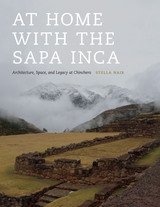
By examining the stunning stone buildings and dynamic spaces of the royal estate of Chinchero, Nair brings to light the rich complexity of Inca architecture. This investigation ranges from the paradigms of Inca scholarship and a summary of Inca cultural practices to the key events of Topa Inca’s reign and the many individual elements of Chinchero’s extraordinary built environment.
What emerges are the subtle, often sophisticated ways in which the Inca manipulated space and architecture in order to impose their authority, identity, and agenda. The remains of grand buildings, as well as a series of deft architectural gestures in the landscape, reveal the unique places that were created within the royal estate and how one space deeply informed the other. These dynamic settings created private places for an aging ruler to spend time with a preferred wife and son, while also providing impressive spaces for imperial theatrics that reiterated the power of Topa Inca, the choice of his preferred heir, and the ruler’s close relationship with sacred forces.
This careful study of architectural details also exposes several false paradigms that have profoundly misguided how we understand Inca architecture, including the belief that it ended with the arrival of Spaniards in the Andes. Instead, Nair reveals how, amidst the entanglement and violence of the European encounter, an indigenous town emerged that was rooted in Inca ways of understanding space, place, and architecture and that paid homage to a landscape that defined home for Topa Inca.
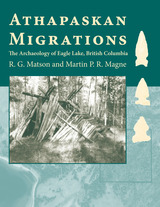
In Athapaskan Migrations, authors R. G. Matson and Martin P. R. Magne use a variety of methods to identify and describe the arrival of the Athapaskan-speaking Chilcotin Indians in west central British Columbia. By contrasting two similar geographic areas—using the parallel direct historical approach—the authors define this aspect of Athapaskan culture. They present a sophisticated model of Northern Athapaskan migrations based on extensive archaeological, ethnographic, and dendrochronological research.
A synthesis of 25 years of work, Athapaskan Migrations includes detailed accounts of field research in which the authors emphasize ethnic group identification, settlement patterns, lithic analysis, dendrochronology, and radiocarbon dating. Their theoretical approach will provide a blueprint for others wishing to establish the ethnic identity of archaeological materials. Chapter topics include basic methodology and project history; settlement patterns and investigation of both the Plateau Pithouse and British Columbia Athapaskan Traditions; regional surveys and settlement patterns; excavated Plateau Pithouse Tradition and Athapaskan sites and their dating; ethnic identification of recovered material; the Chilcotin migration in the context of the greater Pacific Athapaskan, Navajo, and Apache migrations; and summaries and results of the excavations. The text is abundantly illustrated with more than 70 figures and includes access to convenient online appendixes. This substantial work will be of special importance to archaeologists, anthropologists, linguists, and scholars in Athapaskan studies and Canadian First Nation studies.
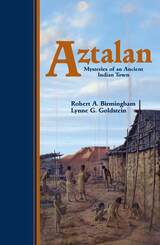
Birmingham and Goldstein attempt to unlock some of the mysteries, providing insights and information about the group of people who first settled here in 1100 AD. Filled with maps, drawings, and photographs of artifacts, this small volume examines a time before modern Native American people settled in this area.
READERS
Browse our collection.
PUBLISHERS
See BiblioVault's publisher services.
STUDENT SERVICES
Files for college accessibility offices.
RECENTLY PUBLISHED





UChicago Accessibility Resources
home | accessibility | search | about | contact us
BiblioVault ® 2001 - 2026
The University of Chicago Press