
 A SCHOLARLY BOOK REPOSITORY
109 start with C start with C
In Cancer on Trial Peter Keating and Alberto Cambrosio explore how practitioners established a new style of practice, at the center of which lies the cancer clinical trial. Far from mere testing devices, these trials have become full-fledged experiments that have redefined the practices of clinicians, statisticians, and biologists. Keating and Cambrosio investigate these trials and how they have changed since the 1960s, all the while demonstrating their significant impact on the progression of oncology. A novel look at the institution of clinical cancer research and therapy, this book will be warmly welcomed by historians, sociologists, and anthropologists of science and medicine, as well as clinicians and researchers in the cancer field.

Cattle, Priests, and Progress in Medicine was first published in 1978. Minnesota Archive Editions uses digital technology to make long-unavailable books once again accessible, and are published unaltered from the original University of Minnesota Press editions.
The author shows that over the centuries many of the most significant breakthroughs in improving humans health have been closely associated with observations and experiments on animals other than man. Because human medical progress has been so dependent on veterinary studies, he urges that schools of veterinary medicine assume a much greater role in the training of persons for research in human medicine.
To illuminate the historical link between animals and man in medical progress, Professor Schwabe recounts highlights in the history of medicine from ancient times onward. He describes the early history of man in terms of animal cultures, focusing on the prehistoric Nile Valley, and points to similarities in medical knowledge between present-day "cattle" societies in Northeastern Africa and the ancient people of the Nile. He discusses the comparative healers of ancient Egypt, the comparative foundations of Greek medicine, the Arabic contribution, Sicily and the beginnings of modern medicine, and subsequent developments through the Renaissance .Bringing the history down to modern times, Professor Schwabe emphasizes the role of veterinary medicine in medical research. He outlines specific reforms in the curricula of schools and colleges of veterinary medicine which would provide for the education of medical investigators.
In 2008, three years after Hurricane Katrina cut a deadly path along the northern coast of the Gulf of Mexico, researchers J. Steven Picou and Keith Nicholls conducted a survey of the survivors in Louisiana and Mississippi, receiving more than twenty-five hundred responses, and followed up two years later with their than five hundred of the initial respondents. Showcasing these landmark findings, Caught in the Path of Katrina: A Survey of the Hurricane's Human Effects yields a more complete understanding of the traumas endured as a result of the Storm of the Century.
The authors report on evacuation behaviors, separations from family, damage to homes, and physical and psychological conditions among residents of seven of the parishes and counties that bore the brunt of Katrina. The findings underscore the frequently disproportionate suffering of African Americans and the agonizingly slow pace of recovery. Highlighting the lessons learned, the book offers suggestions for improved governmental emergency management techniques to increase preparedness, better mitigate storm damage, and reduce the level of trauma in future disasters. Multiple major hurricanes have unleashed their destruction in the years since Katrina, making this a crucial study whose importance only continues to grow.
Causal Case Study Methods begins with the cohesive, logical foundations for small-n comparative methods, congruence methods, and process tracing, then delineate the distinctive types of causal relationships for which each method is appropriate. Next, the authors provide practical instruction for deploying each of the methods individually and in combination. They walk the researcher through each stage of the research process, starting with issues of concept formation and the formulation of causal claims in ways that are compatible with case-based research. They then develop guidelines for using Bayesian logic as a set of practical questions for translating empirical data into evidence that may or may not confirm causal inferences.
Widely acclaimed instructors, the authors draw upon their extensive experience at the graduate level in university classrooms, summer and winter school courses, and professional workshops, around the globe.

Polletta and Amenta examine the trajectories of U.S. social movements, including the old-age pension movements of the 1930s and 1940s, the Black rights movement of the 1950s and 1960s, the women’s movement of the 1970s, right-wing movements in the 1980s and 1990s, and the environmental movement up to the present, to determine when, why, and how social movements change culture. They find that influential movements are featured in the news, but not only in the news. Movement perspectives may appear also in opinion and commentary outlets, on television talk shows and dramas, in movies, stand-up comedy, and viral memes. Popular culture producers remake movement messages as they transmit them, sometimes in ways that make those messages compelling. For example, while the news largely ignored feminists’ challenge to inequality in the home, popular cultural outlets turned “liberation” into a resonant demand for women’s right to self-fulfillment outside the home and within it. Widespread attention to the movement may lead people to change their minds individually. But more substantial change is likely when companies, schools, and other organizations outside government strive to get out in front of a newly legitimate issue, whether environmental sustainability or racial equity, by adopting movement-supportive norms and practices. Eventually, ideas associated with a movement may become a new common sense—though not always the ideas that the movement intended.
Throughout Changing Minds, Polletta and Amenta provide activists with strategies for getting their message heard and acted on. They suggest how movement actors can get into the news as political players or experts rather than lawbreakers or zealots. They show when it makes sense for activists to work with popular cultural producers and when they should create their own cultural outlets. They explain why the routes to cultural influence have changed and why urging people to take one easy step to save the planet can do more harm than good.
Changing Minds is a fascinating exploration of why and how some social movements have caused profound shifts in society.

The Chicago Guide to Collaborative Ethnography presents a historical, theoretical, and practice-oriented road map for this shift from incidental collaboration to a more conscious and explicit collaborative strategy. Luke Eric Lassiter charts the history of collaborative ethnography from its earliest implementation to its contemporary emergence in fields such as feminism, humanistic anthropology, and critical ethnography. On this historical and theoretical base, Lassiter outlines concrete steps for achieving a more deliberate and overt collaborative practice throughout the processes of fieldwork and writing. As a participatory action situated in the ethical commitments between ethnographers and consultants and focused on the co-construction of texts, collaborative ethnography, argues Lassiter, is among the most powerful ways to press ethnographic fieldwork and writing into the service of an applied and public scholarship.
A comprehensive and highly accessible handbook for ethnographers of all stripes, The Chicago Guide to Collaborative Ethnography will become a fixture in the development of a critical practice of anthropology, invaluable to both undergraduates, graduate students, and faculty alike.
Corrections such as this one from the Miami Herald have become a familiar sight for readers, especially as news cycles demand faster and faster publication. While some factual errors can be humorous, they nonetheless erode the credibility of the writer and the organization. And the pressure for accuracy and accountability is increasing at the same time as in-house resources for fact-checking are dwindling. Anyone who needs or wants to learn how to verify names, numbers, quotations, and facts is largely on their own.
Enter The Chicago Guide to Fact-Checking, an accessible, one-stop guide to the why, what, and how of contemporary fact-checking. Brooke Borel, an experienced fact-checker, draws on the expertise of more than 200 writers, editors, and fellow checkers representing the New Yorker, Popular Science, This American Life, Vogue, and many other outlets. She covers best practices for fact-checking in a variety of media—from magazine articles, both print and online, to books and documentaries—and from the perspective of both in-house and freelance checkers. She also offers advice on navigating relationships with writers, editors, and sources; considers the realities of fact-checking on a budget and checking one’s own work; and reflects on the place of fact-checking in today’s media landscape.
“If journalism is a cornerstone of democracy, then fact-checking is its building inspector,” Borel writes. The Chicago Guide to Fact-Checking is the practical—and thoroughly vetted—guide that writers, editors, and publishers need to maintain their credibility and solidify their readers’ trust.
- Recognize what information to fact-check
- Identify the quality and ranking of source materials
- Learn to fact-check a variety of media types: newspaper; magazine; social media; public and commercial radio and television, books, films, etc.
- Navigate relationships with editors, writers, and producers
- Recognize plagiarism and fabrication
- Discern conflicting facts, gray areas, and litigious materials
- Learn record keeping best practices for tracking sources
- Test your own fact-checking skills
Over the past few years, fact-checking has been widely touted as a corrective to the spread of misinformation, disinformation, conspiracy theories, and propaganda through the media. “If journalism is a cornerstone of democracy,” says author Brooke Borel, “then fact-checking is its building inspector.”
In The Chicago Guide to Fact-Checking, Borel, an experienced fact-checker, draws on the expertise of more than 200 writers, editors, and fellow checkers representing the New Yorker, Popular Science, This American Life, Vogue, and many other outlets. She covers best practices for editorial fact-checking in a variety of media—from magazine and news articles, both print and online, to books and podcasts—and the perspectives of both in-house and freelance checkers.
In this second edition, Borel covers the evolving media landscape, with new guidance on checking audio and video sources, polling data, and sensitive subjects such as trauma and abuse. The sections on working with writers, editors, and producers have been expanded, and new material includes fresh exercises and advice on getting fact-checking gigs. Borel also addresses the challenges of fact-checking in a world where social media, artificial intelligence, and the metaverse may make it increasingly difficult for everyone—including fact-checkers—to identify false information. The answer, she says, is for everyone to approach information with skepticism—to learn to think like a fact-checker.
The Chicago Guide to Fact-Checking is the practical—and thoroughly vetted—guide that writers, editors, and publishers continue to consult to maintain their credibility and solidify their readers’ trust.
Victor A. Bloomfield and Esam E. El-Fakahany, both well-known scientists with extensive experience as teachers, mentors, and administrators, have combined their knowledge to create a guidebook that addresses all of the challenges that today’s scientists-in-training face. They begin by considering the early stages of a career in science: deciding whether or not to pursue a PhD, choosing advisors and mentors, and learning how to teach effectively. Bloomfield and El-Fakahany then explore the skills essential to conducting and presenting research. The Chicago Guide to Your Career in Science offers detailed advice on how to pursue research ethically, manage time, and communicate effectively, especially at academic conferences and with students and peers. Bloomfield and El-Fakahany write in accessible, straightforward language and include a synopsis of key points at the end of each chapter, so that readers can dip into relevant sections with ease.
From students prepping for the GRE to postdocs developing professional contacts to faculty advisors and managers of corporate labs, scientists at every level will find The Chicago Guide to Your Career in Science an unparalleled resource.

Drawing on research from peer countries in the Organization for Economic Cooperation and Development as well as the United States, Waldfogel shows that a child benefit would prevent poverty and hardship and protect children from deep poverty and income instability. The research is clear that families would spend the money from a child benefit on food, clothing, and other items for their children and that a child benefit would not have large negative impacts on parental employment or family decisions about fertility. It also shows that a child benefit would promote short- and longer-term child and family wellbeing. Child benefits have been shown to enhance opportunity and benefit society through healthier and better-educated young adults and stronger and more stable families. And rigorous benefit-cost analyses indicate that a child benefit, while costly, would more than pay for itself, yielding a large return on investment.
Waldfogel evaluates four current, major proposals for a child benefit and provides recommendations for a policy that would deliver the best outcomes for children and families and the best return on investment. She argues that such a policy would be more generous, not tied to parental employment or earnings, available to all parents but phased out for higher-income families, delivered in monthly payments through the tax system, and provided in addition to existing social programs.
Child Benefits provides fascinating insights on the history and impacts of child benefits and makes a clear and definitive argument for the establishment of a child benefit in the United States.

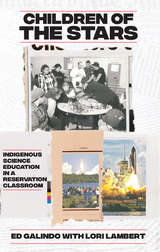
In Children of the Stars, Galindo relates his experience with this first team and with successive student teams, who continued to participate in NASA programs over the course of a decade. He discusses the challenges of teaching American Indian students, from the practical limits of a rural reservation school to the importance of respecting and incorporating Indigenous knowledge systems. In describing how he had to earn the trust of his students to truly be successful as their teacher, Galindo also touches on the complexities of community belonging and understanding; although Indigenous himself, Galindo is not a member of the Shoshone-Bannock tribes and was still an outsider who had as much to learn as the students.
Children of the Stars is the story of students and a teacher, courage and hope. Written in a conversational style, it’s an accessible story about students who were supported and educated in culturally relevant ways and so overcame the limitations of an underfunded reservation school to reach great heights.

In his 2006 State of the Union speech, President George W. Bush asked the U.S. Congress to prohibit the "most egregious abuses of medical research," such as the "creation of animal–human hybrids." The president's message echoed that of a 2004 report by the President's Council on Bioethics, which recommended that hybrid human–animal embryos be banned by Congress.
Discussions of early interspecies research, in which cells or DNA are interchanged between humans and nonhumans at early stages of development, can often devolve into sweeping statements, colorful imagery, and confusing policy. Although today's policy advisory groups are becoming more informed, debate is still limited by the interchangeable use of terms such as chimeras and hybrids, a tendency to treat all forms of interspecies alike, the failure to distinguish between laboratory research and procreation, and not enough serious policy justification. Andrea Bonnicksen seeks to understand reasons behind support of and disdain for interspecies research in such areas as chimerism, hybridization, interspecies nuclear transfer, cross-species embryo transfer, and transgenics. She highlights two claims critics make against early interspecies studies: that the research will violate human dignity and that it can lead to procreation. Are these claims sufficient to justify restrictive policy?
Bonnicksen carefully illustrates the challenges of making policy for sensitive and often sensationalized research—research that touches deep-seated values and that probes the boundary between human and nonhuman animals.
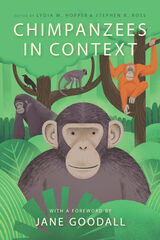
After a foreword by Jane Goodall, the book features sections that examine chimpanzee life histories and developmental milestones, behavior, methods of study, animal communication, cooperation, communication, and tool use. The book ends with chapters that consider how we can apply contemporary knowledge of chimpanzees to enhance their care and conservation. Collectively, these chapters remind us of the importance of considering the social, ecological, and cognitive context of chimpanzee behavior, and how these contexts shape our comprehension of chimpanzees. Only by leveraging these powerful perspectives do we stand a chance at improving how we understand, care for, and protect this species.
Cite Right is the perfect guide for anyone who needs to learn a new citation style or who needs an easy reference to Chicago, MLA, APA, AMA, and other styles. Each chapter serves as a quick guide that introduces the basics of a style, explains who might use it, and then presents an abundance of examples. This edition includes updates reflecting the most recent editions of The Chicago Manual of Style and the MLA Handbook. With this book, students and researchers can move smoothly among styles with the confidence they are getting it right.
Class Size in High School English, Methods and Results was first published in 1931. Minnesota Archive Editions uses digital technology to make long-unavailable books once again accessible, and are published unaltered from the original University of Minnesota Press editions.
More than half this book consists of concrete description of methods found useful in teaching classes of fifty or more pupils in ninth grade English. Subjects dealt with include the care of individual differences, assignment and motivation of work, stimulating pupil participation, insuring activity and variety in class work, and arranging for individual and group competition. Dr. Smith shows how different methods may be adapted to classes of different sizes, and also presents new data on relative opportunity and relative achievement of pupils in large and small classes, relative attitudes and character traits revealed by pupils, and comparative strain on the teacher in the different types of classes. The volume includes a complete account of all class size studies that appeared up to the middle of 1930, also analysis of trends in class size in high schools as revealed through published reports and through the hitherto unpublished study made by Dr. Earl Hudelson in 1929. Dr. Smith is specialist in secondary school English under the National Survey of Secondary Education.
"It is rich in suggestion of methods of teaching to be used with large and small classes in English, and, by inference, in other fields of instruction," –Leonard V. Koos, University of Chicago."Very useful and carefully work out techniques for handling large classes," –Allan Abbott, Teachers College, Columbia University.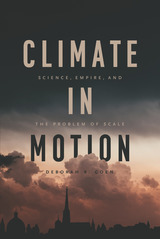
The distinguished and expert contributors whose work comprises this volume include an achievement-gap specialist for males of color, two psychologists, a math teacher, an electrical engineer, a former school principal, a social worker, and a former human rights commissioner. From black male learning styles to STEM, this book shows that issues pertaining to educational outcomes for black males are nuanced and complex but not unsolvable.
With its combination of fresh new approaches to closing achievement gaps and up-to-date views on trends, this volume is an invaluable resource on vital contemporary social and educational issues that aims to improve learning, equity, and access for African American males.
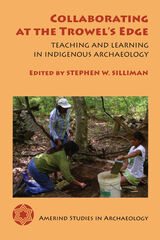
Eighteen contributors—many with tribal ties—cover the current state of collaborative indigenous archaeology in North America to show where the discipline is headed. Continent-wide cases, from the Northeast to the Southwest, demonstrate the situated nature of local practice alongside the global significance of further decolonizing archaeology. And by probing issues of indigenous participation with an eye toward method, theory, and pedagogy, many show how the archaeological field school can be retailored to address politics, ethics, and critical practice alongside traditional teaching and research methods.
These chapters reflect the strong link between politics and research, showing what can be achieved when indigenous values, perspectives, and knowledge are placed at the center of the research process. They not only draw on experiences at specific field schools but also examine advances in indigenous cultural resource management and in training Native American and non-native students.
Theoretically informed and practically grounded, Collaborating at the Trowel’s Edge is a virtual guide for rethinking field schools and is an essential volume for anyone involved in North American archaeology—professionals, students, tribal scholars, or avocationalists—as well as those working with indigenous peoples in other parts of the world. It both reflects the rapidly changing landscape of archaeology and charts new directions to ensure the ongoing vitality of the discipline.
For three years, Greif followed sixty private landlords serving low- and moderate-income residents in the Cleveland, Ohio, metropolitan area to better understand how local regulations, such as criminal activity nuisance ordinances (CANOs) and local water billing regulations, affect their landlording practices. CANOs are intended to protect communities by discouraging criminal activity on private properties. Property owners can face financial and criminal sanctions if they do not abate nuisance activities, which can include littering, noise, drug use, and calls for police assistance, including calls for domestic violence. Local water billing regulations hold landlords responsible for delinquent water bills, even in cases where the account is registered in the tenant’s name. Greif finds that such laws often increase landlords’ sense of “financial precarity” – the real or perceived uncertainty that their business is financially unsustainable – by holding them responsible for behavior they feel is out of their control. Feelings of financial uncertainty led some landlords to use illegitimate business practices against their tenants, including harassment, oversurveillance, poor property upkeep, and illegal evictions. And to avoid to financial penalties associated with CANOs and delinquent water bills, some landlords engage in discriminatory screening of vulnerable potential tenants who are unemployed or have histories of domestic violence or drug use. In this sense, by promoting a sense of financial insecurity among landlords, laws meant to protect renters ultimately had the opposite effect.
While some landlords, particularly those who rented a larger number of units, were able to operate their businesses both lawfully and profitably, the majority could not. Greif offers practical recommendations to address the concerns of small- and mid-sized landlords, such as regular meetings that bring landlords and local authorities together to engage in constructive dialogue about local housing policy, issues, and concerns. She also proposes policy recommendations to protect renters, such as establishing the right to counsel for lower-income tenants in eviction hearings and enacting a federal renter’s tax credit.
Collateral Damages is an enlightening investigation on how local laws and practices perpetuate disadvantage among marginalized populations and communities, in ways that are hidden and often unintended.
On a near-daily basis, data is being used to narrate our lives. Categorizing algorithms draw from amassed personal data to assign narrative destinies to individuals at crucial junctures, simultaneously predicting and shaping the paths of our lives. Data is commonly assumed to bring us closer to objectivity, but the narrative paths these algorithms assign seem, more often than not, to replicate biases about who an individual is and could become.
While the social effects of such algorithmic logics seem new and newly urgent to consider, Collecting Lives looks to the late nineteenth and early twentieth century US to provide an instructive prehistory to the underlying question of the relationship between data, life, and narrative. Rodrigues contextualizes the application of data collection to human selfhood in the late nineteenth and early twentieth century US in order to uncover a modernist aesthetic of data that offers an alternative to the algorithmic logic pervading our sense of data’s revelatory potential. Examining the work of W. E. B. Du Bois, Henry Adams, Gertrude Stein, and Ida B. Wells-Barnett, Rodrigues asks how each of these authors draw from their work in sociology, history, psychology, and journalism to formulate a critical data aesthetic as they attempt to answer questions of identity around race, gender, and nation both in their research and their life writing. These data-driven modernists not only tell different life stories with data, they tell life stories differently because of data.
Featuring new interviews with Social Text’s founders and former editors—including Stanley Aronowitz, John Brenkman, Fredric Jameson, Randy Martin, Toby Miller, Bruce Robbins, Andrew Ross, Sohnya Sayres, and Anders Stephanson—the issue reflects on the journal’s legacy as a radical publication that has bridged politics and the academy and has made critical interventions in both arenas. Several contributors revisit the first issue of the journal and describe its lasting impact. Others examine the politics of production at Social Text and detail the hands-on process of putting the journal together. Notably, the issue also features thirty essays by members of the current editorial collective, on key topics that have been crucial to the journal. Ranging from aesthetics to war, and including empire, mass culture, revolution, science, and theory, these essays bring to life the cultural history of the journal and demonstrate how Social Text has shaped the way that these terms are conceptualized and used today.
Contributors. The forty-four contributors include the current members of the Social Text collective and a number of former members. For a complete list of the collective, visit socialtextonline.org.

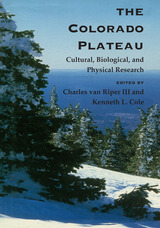
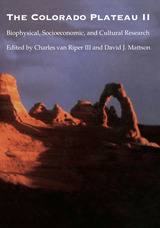
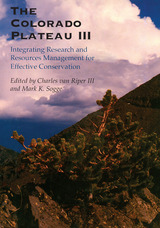
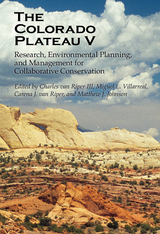
This volume, the fifth from the University of Arizona Press and the tenth overall, focuses on adaptation of resource management and conservation to climate change and water scarcity, protecting biodiversity through restructured energy policies, ensuring wildlife habitat connectivity across barriers, building effective conservation networks, and exploring new opportunities for education and leadership in conservation science.
An informative read for people interested in the conservation and natural history of the region, the book will also serve as a valuable reference for those people engaged in the management of cultural and biological resources of the Colorado Plateau, as well as scientists interested in methods and tools for land and resource management throughout the West.
Lester A. Walton was a well-known public figure in his day. An African American journalist, cultural critic, diplomat, and political activist, he was an adviser to presidents and industrialists in a career that spanned the first six decades of the twentieth century. He was a steadfast champion of democracy and lived to see the passage of major civil rights legislation. But one word best describes Walton today: forgotten.
Exploring the contours of this extraordinary life, Susan Curtis seeks to discover why our collective memory of Walton has failed. In a unique narrative of historical research, she recounts a fifteen-year journey, from the streets of Harlem and “The Ville” in St. Louis to scattered archives and obscure public records, as she uncovers the mysterious circumstances surrounding Walton’s disappearance from national consciousness. And despite numerous roadblocks and dead ends in her quest, she tells how she came to know this emblematic citizen of the American Century in surprising ways.
In this unconventional book—a postmodern ghost story, an unprecedented experiment in life-writing—Curtis shares her discoveries as a researcher. Relating her frustrating search through long-overlooked documents to discover this forgotten man, she offers insight into how America’s obsession with race has made Walton’s story unwelcome. She explores the treachery, duplicity, and archival accidents that transformed a man dedicated to the fulfillment of American democracy into a shadowy figure.
Combining anecdotal memories with the investigative instincts of the historian, Curtis embraces the subjectivity of her research to show that what a society forgets or suppresses is just as important as what it includes in its history. Colored Memories is a highly original work that not only introduces readers to a once-influential figure but also invites us to reconsider how we view, understand, and preserve the past.
Synthesizing recent research regarding the prevention and control of adolescent smoking, this book offers the reader a convenient compendium of what is known about adolescents and tobacco use; it also highlights areas where additional research is needed. Based on their assessment of the considerable amount of information presented, the authors recommend various ways to help slow--or even reverse--the recent rise in teenage smoking. A comprehensive antitobacco program might include, for example, antismoking media campaigns based on social marketing strategies, clean indoor air laws, and the increase of cigarette prices.
Combating Teen Smoking will appeal to a broad spectrum of readers concerned about the problem of adolescent tobacco use, including policymakers who are actively seeking ways to help reduce teen smoking.
Peter D. Jacobson is Associate Professor, University of Michigan School of Public Health. Paula Lantz is Assistant Professor, University of Michigan School of Public Health. Kenneth Warner is Richard D. Remington Collegiate Professor of Public Health and Director, University of Michigan Tobacco Research Network. Jeffrey Wasserman is Consultant, the RAND Corporation and Senior Project Director, The MEDSTAT Group. Harold Pollack is Assistant Professor, University of Michigan School of Public Health. Alexis Ahlstrom is Research Associate, University of Michigan School of Public Health.
The Commentary for the third edition of this successful guide to writing has been revised and expanded in many ways to provide more support for instructors; this includes additional tasks for Units Two and Four to supplement the main text. However, the collegial tone established in previous Commentaries between Swales & Feak and instructors has been retained.
This volume contains commentaries on each of the eight units plus the two appendixes. The format for each unit includes
- a summary of the main points of the unit along with a list of topics covered.
- a synopsis of activities, divided into Language Focus sections and description of tasks.
- some general notes designed to capture the character of the unit, to indicate alternative activities, or to anticipate problems that may arise.
- detailed commentary and discussion of individual tasks, including model or sample answers where possible.
Brenton D. Faber’s spirited account of an academic consultant’s journey through banks, ghost towns, cemeteries, schools, and political campaigns explores the tenuous relationships between cultural narratives and organizational change.
Blending Faber’s firsthand experiences in the study and implementation of change with theoretical discussions of identity, agency, structure, and resistance within contexts of change, this innovative bookis among the first such communications studies to profile a scholar who is also a full participant in the projects. Drawing on theories of Michel Foucault, Anthony Giddens, and Pierre Bourdieu, Faber notes that change takes place in the realm of narrative, in the stories people tell.
Faber argues that an organization’s identity is created through internal stories. When the organization’s internal stories are consistent with its external stories, the organization’s identity is consistent and productive. When internal stories contradict the external stories, however, the organization’s identity becomes discordant. Change is the process of realigning an organization’s discordant narratives.
Faber discusses the case studies of a change management plan he wrote for a city-owned cemetery, a cultural change project he created for a downtown trade school, and a political campaign he assisted that focused on creating social change. He also includes detailed reflections on practical ways academics can become more involved in their communities as agents of progressive social change. Featuring six illustrations, Faber’s unique study demonstrates in both style and substance how stories work as agents of change.
Community leadership development programs are designed to increase the capacity of citizens for civic engagement. These programs fill gaps in what people know about governance and the processes of governance, especially at the local level. The work of many in this field is a response to the recognition that in smaller, rural communities, disadvantaged neighborhoods, or disaster areas, the skills and aptitudes needed for citizens to be successful leaders are often missing or underdeveloped.
Community Effects of Leadership Development Education presents the results of a five-year study tracking community-level effects of community leadership development programs drawn from research conducted in Illinois, Minnesota, Missouri, South Carolina, Ohio, and West Virginia.
As the first book of its kind to seek answers to the question of whether or not the millions of dollars invested each year in community leadership development programs are valuable in the real world, this book challenges researchers, community organizers, and citizens to identify improved ways of demonstrating the link from program to implementation, as well as the way in which programs are conceived and designed.
This text also explores how leadership development programs relate to civic engagement, power and empowerment, and community change, and it demonstrates that community leadership development programs really do produce community change. At the same time, the findings of this study strongly support a relational view of community leadership, as opposed to other traditional leadership models used for program design.
To complement their findings, the authors have developed CENCE, a new model for community leadership development programs, which links leadership development efforts to community development by understanding how Civic Engagement, Networks, Commitment, and Empowerment work together to produce community viability.
The Community-Based PhD brings together the experiences of PhD students from a range of disciplines discussing CBPR in the arts, humanities, social sciences, public health, and STEM fields. They write honestly about what worked, what didn’t, and what they learned. Essays address the impacts of extended research time frames, why specialized skill sets may be needed to develop community-driven research priorities, the value of effective relationship building with community partners, and how to understand and navigate inter- and intra-community politics.
This volume provides frameworks for approaching dilemmas that graduate student CBPR researchers face. They discuss their mistakes, document their successes, and also share painful failures and missteps, viewing them as valuable opportunities for learning and pushing the field forward. Several chapters are co-authored by community partners and provide insights from diverse community perspectives. The Community-Based PhD is essential reading for graduate students, scholars, and the faculty who mentor them in a way that truly crosses disciplinary boundaries.
Contributors: Anna S. Antoniou, Amy Argenal, Sonya Atalay, Stacey Michelle Chimimba Ault, Victoria Bochniak, Megan Butler, Elias Capello, Ashley Collier-Oxandale, Samantha Cornelius, Annie Danis, Earl Davis, John Doyle, Margaret J. Eggers, Cyndy Margarita García-Weyandt, R. Neil Greene, D. Kalani Heinz, Nicole Kaechele, Myra J. Lefthand, Emily Jean Leischner, Christopher B. Lowman, Geraldine Low-Sabado, Alexandra G. Martin, Christine Martin, Alexandra McCleary, Chelsea Meloche, Bonnie Newsom, Katherine L. Nichols, Claire Novotny, Nunanta (Iris Siwallace), Reidunn H. Nygård, Francesco Ripanti, Elena Sesma, Eric Simons, Cassie Lynn Smith, Tanupreet Suri, Emery Three Irons, Arianna Trott, Cecilia I. Vasquez, Kelly D. Wiltshire, Julie Woods, Sara L. Young
While research on interracial social ties has often focused on whites and blacks, Hispanics are the largest minority group and Asian Americans are the fastest growing racial group in the United States. The Company We Keep examines friendships and romantic relationships among blacks, whites, Hispanics, and Asian Americans to better understand the full spectrum of contemporary race relations. Using data from the National Longitudinal Study of Adolescent to Adult Health, the authors explore the social ties of more than 15,000 individuals from their first survey responses as middle and high school students in the mid-1990s through young adulthood nearly fifteen years later. They find that while approval for interracial marriages has increased and is nearly universal among young people, interracial friendships and romantic relationships remain relatively rare, especially for whites and blacks. Black women are particularly disadvantaged in forming interracial romantic relationships, while Asian men are disadvantaged in the formation of any romantic relationships, both as adolescents and as young adults. They also find that people in same-sex romantic relationships are more likely to have partners from a different racial group than are people in different-sex relationships. The authors pay close attention to how the formation of interracial friendships and romantic relationships depends on opportunities for interracial contact. They find that the number of students choosing different-race friends and romantic partners is greater in schools that are more racially diverse, indicating that school segregation has a profound impact on young people’s social ties.
Kao, Joyner, and Balistreri analyze the ways school diversity and adolescent interracial contact intersect to lay the groundwork for interracial relationships in young adulthood. The Company We Keep provides compelling insights and hope for the future of living and loving across racial divides.
Cindy Johanek offers a new perspective on the ideological conflict between qualitative and quantitative research approaches, and the theories of knowledge that inform them. With a paradigm that is sensitive to the context of one's research questions, she argues, scholars can develop less dichotomous forms that invoke the strengths of both research traditions. Context-oriented approaches can lift the narrative from beneath the numbers in an experimental study, for example, or bring the useful clarity of numbers to an ethnographic study.
A pragmatic scholar, Johanek moves easily across the boundaries that divide the field, and argues for contextualist theory as a lens through which to view composition research. This approach brings with it a new focus, she writes. "This new focus will call us to attend to the contexts in which rhetorical issues and research issues converge, producing varied forms, many voices, and new knowledge, indeed reconstructing a discipline that will be simultaneously focused on its tasks, its knowledge-makers, and its students."
Composing Research is a work full of personal voice and professional commitment and will be a welcome addition to the research methods classroom and to the composition researcher's own bookshelf.
2000 Outstanding Scholarship Award from the International Writing Centers Association.
Jessica Yood traces the century-long origins of a writing-centered idea of the American university and tracks the resurgence of this idea today. Drawing on archival and classroom evidence from public colleges and universities and written in a lively autoethnographic voice, Yood names “genres of the commons”: intimate, informal writing activities that create peer-to-peer knowledge networks. She shows how these unique genres create collectivity—an academic commons—and calls on scholars to invest in composition as a course cultivating reflective, emergent, shared knowledge. Yood departs from movements that divest from the first-year composition classroom and details how an increasingly diverse student population composes complex, evolving cultural literacies that forge social bonds and forward innovation and intellectual and civic engagement.
The Composition Commons reclaims the commons as critical idea and writing classroom activities as essential practices for remaking higher education in the United States.

The first book to intervene in debates on computation in the digital humanities
Bringing together leading experts from across North America and Europe, Computational Humanities redirects debates around computation and humanities digital scholarship from dualistic arguments to nuanced discourse centered around theories of knowledge and power. This volume is organized around four questions: Why or why not pursue computational humanities? How do we engage in computational humanities? What can we study using these methods? Who are the stakeholders?
Recent advances in technologies for image and sound processing have expanded computational approaches to cultural forms beyond text, and new forms of data, from listservs and code repositories to tweets and other social media content, have enlivened debates about what counts as digital humanities scholarship. Providing case studies of collaborations between humanities-centered and computation-centered researchers, this volume highlights both opportunities and frictions, showing that data and computation are as much about power, prestige, and precarity as they are about p-values.
Contributors: Mark Algee-Hewitt, Stanford U; David Bamman, U of California, Berkeley; Kaspar Beelen, U of London; Peter Bell, Philipps U of Marburg; Tobias Blanke, U of Amsterdam; Julia Damerow, Arizona State U; Quinn Dombrowski, Stanford U; Crystal Nicole Eddins, U of Pittsburgh; Abraham Gibson, U of Texas at San Antonio; Tassie Gniady; Crystal Hall, Bowdoin College; Vanessa M. Holden, U of Kentucky; David Kloster, Indiana U; Manfred D. Laubichler, Arizona State U; Katherine McDonough, Lancaster U; Barbara McGillivray, King’s College London; Megan Meredith-Lobay, Simon Fraser U; Federico Nanni, Alan Turing Institute; Fabian Offert, U of California, Santa Barbara; Hannah Ringler, Illinois Institute of Technology; Roopika Risam, Dartmouth College; Joshua D. Rothman, U of Alabama; Benjamin M. Schmidt; Lisa Tagliaferri, Rutgers U; Jeffrey Tharsen, U of Chicago; Marieke van Erp, Royal Netherlands Academy of Arts and Sciences; Lee Zickel, Case Western Reserve U.
Managing nature’s playground—where diversity meets design.
A major problem of outdoor recreation management addressed in Hobson Bryan’s Conflict in the Great Outdoors is the difficulty in identifying sportsmen subgroups having distinctive preferences and expectations as to the composition of the “quality” outdoor experience. Land-use managers and planners are faced with the problem of matching resources with more users having increasingly specific motivations. Bryan applies his theory of variations within a leisure activity by addressing what sportsmen do and why they do it in various activities such as mountain climbing, hunting, canoeing, skiing, and backpacking.
heritage protection in the United States and how it has been implemented in
specific cases. Contributors challenge the division of heritage into nature,
the built environment, and culture. They describe cultural conservation as an
integrated process for resource planning and recommend supplanting the current
prescriptive approach with one that is more responsive to grass-roots cultural
concerns.
Charles Bazerman’s newest book, a selection of both his published and unpublished essays from recent years, ranges from pedagogy to research to theory, exploring how all three levels are motivated by common concerns and how they are integrated through similar concepts and approaches. From this integrative perspective, Bazerman reveals his life-long inquiry into the nature of language—why it exists and what place it holds in the social world.
Presenting a powerful, action-oriented view of language that finds meaning in local circumstances and local uses, Bazerman divides his essays into four parts, beginning with an examination of the classroom experience. In describing the dynamics of the classroom and the relationship of the classroom to surrounding social arrangements, Bazerman notes how reading relates to writing, how interpersonal relations influence and structure acts of reading and writing, and how reading and writing are themselves forms of social action.
Bazerman, in parts 2 and 3, explains how larger forms of social structure are in dialectic with local acts of literacy, how experience of the world influences both everyday writing and empirically driven research, and how individuals conceive of social situations and actions to think about and plan activities. As he admittedly puzzles through conceptual obstacles, Bazerman explores many of the terms and theories evoked in rhetorical studies and provides a critical examination of the theories of James Kinneavy as well as more general thoughts on the nature of rhetorical study.
In part 4, Bazerman reinterprets the classical rhetorical concept of kairos in the light of theory and research in the social sciences, analyzes intertextuality in a scientific text, and offers a rereading of the writings of Adam Smith.
Throughout this book, Bazerman maintains that research into writing is the examination of what people do and have done, what influences what they do, and what texts do to people who write and read them. In addition, he reiterates the importance of literacy as a connecting device, essential to survival, growth, and change. Lack of literacy cuts people off from the institutions and means of life in a society.
Inspired by Marx's use of the cyborg vampire as a metaphor for the objectification of physical labor in the factory, Latham shows how contemporary images of vampires and cyborgs illuminate the contradictory processes of empowerment and exploitation that characterize the youth-consumer system. While the vampire is a voracious consumer driven by a hunger for perpetual youth, the cyborg has incorporated the machineries of consumption into its own flesh. Powerful fusions of technology and desire, these paired images symbolize the forms of labor and leisure that American society has staked out for contemporary youth.
A startling look at youth in our time, Consuming Youth will interest anyone concerned with film, television, and popular culture.
A Contagious Cause is the first book to trace the century-long hunt for a human cancer virus in America, an effort whose scale exceeded that of the Human Genome Project. The government’s campaign merged the worlds of molecular biology, public health, and military planning in the name of translating laboratory discoveries into useful medical therapies. However, its expansion into biomedical research sparked fierce conflict. Many biologists dismissed the suggestion that research should be planned and the idea of curing cancer by a vaccine or any other means as unrealistic, if not dangerous. Although the American hunt was ultimately fruitless, this effort nonetheless profoundly shaped our understanding of life at its most fundamental levels. A Contagious Cause links laboratory and legislature as has rarely been done before, creating a new chapter in the histories of science and American politics.
In the 1960s University of Cincinnati radiologist Eugene Saenger infamously conducted human experiments on patients with advanced cancer to examine how total body radiation could treat the disease. But, under contract with the Department of Defense, Saenger also used those same patients as proxies for soldiers to answer questions about combat effectiveness on a nuclear battlefield.
Using the Saenger case as a means to reconsider cold war medical trials, Contested Medicine examines the inherent tensions at the heart of clinical studies of the time. Emphasizing the deeply intertwined and mutually supportive relationship between cancer therapy with radiation and military medicine, Gerald Kutcher explores post–World War II cancer trials, the efforts of the government to manage clinical ethics, and the important role of military investigations in the development of an effective treatment for childhood leukemia. Whereas most histories of human experimentation judge research such as Saenger’s against idealized practices, Contested Medicine eschews such an approach and considers why Saenger’s peers and later critics had so much difficulty reaching an unambiguous ethical assessment. Kutcher’s engaging investigation offers an approach to clinical ethics and research imperatives that lays bare many of the conflicts and tensions of the postwar period.

Only by understanding the enduring poverty of Brazil can one hope to understand the recent growth of Protestant evangelical churches there, Cecília Loreto Mariz contends. Her study investigates how religious groups support individualism and encourage the poor to organize. Groups with shared values are then able to develop strategies to cope with poverty and, ultimately, to transform the social structure.
Interviews with members and leaders of religious groups, accounts of meetings, and close readings of religious literature contribute to a realistic account of Christian base communities and Assembly of God churches, folk Catholic tradition, and Afro Brazilian Spiritism.
In the first large-scale study of its kind, Kenneth D. Crews surveys the copyright policies of ninety-eight American research universities. His analysis reveals a variety of ways in which universities have responded to—and how they could better manage—the conflicting goals of copyright policies: avoiding infringements while promoting lawful uses that serve teaching and research. He explains in detail the background of copyright law and congressional guidelines affecting familiar uses of photocopies, videotapes, software, and reserve rooms. Crews concludes that most universities are overly conservative in their interpretation of copyright and often neglect their own interests, adding unnecessary costs and obstacles to the lawful dissemination of information.
Copyright, Fair Use, and the Challenge for Universities provides administrators, instructors, lawyers, librarians, and educational leaders a much-needed exegesis of copyright and how it can better serve higher education.
Because every drug certified by the FDA must be tested using the horseshoe crab derivative known as Limulus lysate, a multimillion-dollar industry has emerged involving the license to bleed horseshoe crabs and the rights to their breeding grounds. William Sargent presents a thoroughly accessible insider’s guide to the discovery of the lysate test, the exploitation of the horseshoe crab at the hands of multinational pharmaceutical conglomerates, local fishing interests, and the legal and governmental wrangling over the creatures’ ultimate fate. In the end, the story of the horseshoe crab is a sobering reflection on the unintended consequences of scientific progress and the danger of self-regulated industries controlling a limited natural resource. This new edition brings the story up to date as companies race to manufacture alternatives to the horseshoe crab blood, which is now essential for testing vaccines such as those developed to counter COVID-19. However, horseshoe crab populations are still dwindling, with profound implications not only for the future of the crabs themselves but also for the ecosystems that depend on them.
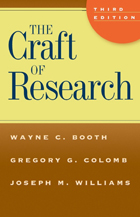
This book is organized into four parts. Part One is a spirited introduction to the distinctive nature, values, and protocols of research. Part Two demystifies the art of discovering a topic. It outlines a wide range of sources, among them personal interests and passions. Parts Three and Four cover the essentials of argument—how to make a claim and support it—and ways to outline, draft, revise, rewrite, and polish the final report. Part Three is a short course in the logic, structure, uses, and common pitfalls of argumentation. The writing chapters in Part Four show how to present verbal and visual information effectively and how to shape sentences and paragraphs that communicate with power and precision.
"A well-constructed, articulate reminder of how important fundamental questions of style and approach, such as clarity and precision, are to all research."—Times Literary Supplement
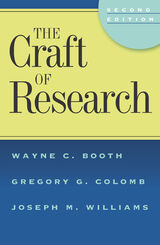
Like its predecessor, this new edition reflects the way researchers actually work: in a complex circuit of thinking, writing, revising, and rethinking. It shows how each part of this process influences the others and how a successful research report is an orchestrated conversation between a researcher and a reader. Along with many other topics, The Craft of Research explains how to build an argument that motivates readers to accept a claim; how to anticipate the reservations of thoughtful yet critical readers and to respond to them appropriately; and how to create introductions and conclusions that answer that most demanding question, "So what?"
Celebrated by reviewers for its logic and clarity, this popular book retains its five-part structure. Part 1 provides an orientation to the research process and begins the discussion of what motivates researchers and their readers. Part 2 focuses on finding a topic, planning the project, and locating appropriate sources. This section is brought up to date with new information on the role of the Internet in research, including how to find and evaluate sources, avoid their misuse, and test their reliability.
Part 3 explains the art of making an argument and supporting it. The authors have extensively revised this section to present the structure of an argument in clearer and more accessible terms than in the first edition. New distinctions are made among reasons, evidence, and reports of evidence. The concepts of qualifications and rebuttals are recast as acknowledgment and response. Part 4 covers drafting and revising, and offers new information on the visual representation of data. Part 5 concludes the book with an updated discussion of the ethics of research, as well as an expanded bibliography that includes many electronic sources.
The new edition retains the accessibility, insights, and directness that have made The Craft of Research an indispensable guide for anyone doing research, from students in high school through advanced graduate study to businesspeople and government employees. The authors demonstrate convincingly that researching and reporting skills can be learned and used by all who undertake research projects.
New to this edition:
Extensive coverage of how to do research on the internet, including how to evaluate and test the reliability of sources
New information on the visual representation of data
Expanded bibliography with many electronic sources
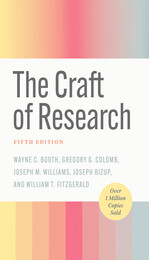
With more than a million copies sold since its first publication, The Craft of Research has helped generations of researchers at every level—from high-school students and first-year undergraduates to advanced graduate students to researchers in business and government. Conceived by seasoned researchers and educators Wayne C. Booth, Gregory G. Colomb, and Joseph M. Williams, this fundamental work explains how to choose significant topics, pose genuine and productive questions, find and evaluate sources, build sound and compelling arguments, and convey those arguments effectively to others.
While preserving the book’s proven approach to the research process, as well as its general structure and accessible voice, this new edition acknowledges the many ways research is conducted and communicated today. Thoroughly revised by Joseph Bizup and William T. FitzGerald, it recognizes that research may lead to a product other than a paper—or no product at all—and includes a new chapter about effective presentations. It features fresh examples from a variety of fields that will appeal to today’s students and other readers. It also accounts for new technologies used in research and offers basic guidelines for the appropriate use of generative AI. And it ends with an expanded chapter on ethics that addresses researchers’ broader obligations to their research communities and audiences as well as systemic questions about ethical research practices.
This new edition will be welcomed by a new and more diverse generation of researchers.
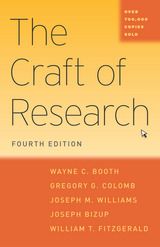
With more than three-quarters of a million copies sold since its first publication, The Craft of Research has helped generations of researchers at every level—from first-year undergraduates to advanced graduate students to research reporters in business and government—learn how to conduct effective and meaningful research. Conceived by seasoned researchers and educators Wayne C. Booth, Gregory G. Colomb, and Joseph M. Williams, this fundamental work explains how to find and evaluate sources, anticipate and respond to reader reservations, and integrate these pieces into an argument that stands up to reader critique.
The fourth edition has been thoroughly but respectfully revised by Joseph Bizup and William T. FitzGerald. It retains the original five-part structure, as well as the sound advice of earlier editions, but reflects the way research and writing are taught and practiced today. Its chapters on finding and engaging sources now incorporate recent developments in library and Internet research, emphasizing new techniques made possible by online databases and search engines. Bizup and FitzGerald provide fresh examples and standardized terminology to clarify concepts like argument, warrant, and problem.
Following the same guiding principle as earlier editions—that the skills of doing and reporting research are not just for elite students but for everyone—this new edition retains the accessible voice and direct approach that have made The Craft of Research a leader in the field of research reference. With updated examples and information on evaluation and using contemporary sources, this beloved classic is ready for the next generation of researchers.
- Over 700,000 copies sold
- Every step of the academic research process, from the “why” of research through forming the research question, formulating an argument, and revision
- Helpful chapters on research ethics, formulation of writing assignments for teachers, and an appendix of research tools for both off and online
- Clear advice on building a strong argument in an age of false claims
- Careful attention to both the how and why of objective research-based writing
- Easy to follow, time-tested advice
- A must-have for any college or graduate student
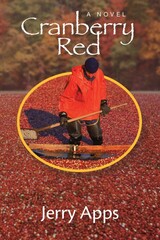
The fourth novel in Jerry Apps’s Ames County series, Cranberry Red brings the story into the present, portraying the challenges of agriculture in the twenty-first century.
As the novel opens, Ben Wesley has lost his job as agricultural agent for Ames County. He is soon hired as a research application specialist for Osborne University, a for-profit institution that has developed “Cranberry Red,” a new chemical that promises not only to improve cranberry crop yields but also to endow the fruits with the power to prevent heart disease, reduce brain damage from strokes, and ward off Alzheimer’s disease. Ben must promote the new product to cranberry growers in Ames County and beyond, but he worries whether the promised results are credible. Was Cranberry Red rushed to market?
When the chemical does all that the university claims it will do, Ben is relieved . . . until disturbing side effects emerge. Can he criticize Cranberry Red and safeguard farmers and consumers without losing his job, or will Ben’s honesty get him fired while his community continues to get sicker?
Finalist, General Fiction, Midwest Book Awards
Research article introductions are central to Creating Contexts: Writing across Genres with the CaRS (creating a research space) model used as a starting point. This volume focuses on introductions for other kinds of texts that are also part of the graduate student writing experience such as course papers and critiques, proposals, and dissertations.
This volume represents a revision and expansion of the material on introductions that appeared in English in Today's Research World.
The material presented in this volume is appropriate for graduate students and others already working in their chosen academic fields. The material has, in fact, been used with each of these groups in both writing courses and writing workshops. We believe that the material would also be suitable for those wishing to pursue a course of self-study. To target these different possible uses, we have included a variety of topics and tasks that we hope will deepen users’ understanding of how to create a writing context for their work. Tasks range from evaluating text commentaries to open-ended questions and have been designed to generate lively classroom or workshop discussion as well as thoughtful consideration by an individual user.
A study of the largely hidden world of primary media market research and the different methods used to understand how the viewer is pictured in the industry.
The first book on the intersection between market research and media, Creating the Viewer takes a critical look at media companies’ studies of television viewers, the assumptions behind these studies, and the images of the viewer that are constructed through them. Justin Wyatt examines various types of market research, including talent testing, pilot testing, series maintenance, brand studies, and new show “ideation,” providing examples from a range of programming including news, sitcoms, reality shows, and dramas. He looks at brand studies for networks such as E!, and examines how the brands of individuals such as showrunner Ryan Murphy can be tested. Both an analytical and practical work, the book includes sample questionnaires and paths for study moderators and research analysts to follow. Drawn from over fifteen years of experience in research departments at various media companies, Creating the Viewer looks toward the future of media viewership, discussing how the concept of the viewer has changed in the age of streaming, how services such as Netflix view market research, and how viewers themselves can shift the industry through their media choices, behaviors, and activities.

Volume 28 is a review of recent research on criminal justice issues, with a careful balance of research, theory, and practice.
Contributors:
John Laub and Robert J. Sampson on Desistance From Crime
Norval Morris and Leena Kurki on Supermax Prisons
Richard Harding on Private Prisons
David Boerner and Roxanne Lieb on Sentencing Reform In The Other Washington, 1975-2000
Michael A. Bellesiles on the History Of Firearms Regulation
Grant T. Harris, Tracey A. Skilling, and Marnie E. Rice on Psychopathy And Crime
Daniel Nagin on Costs And Benefits Of Crime Prevention.
Volume 29 is a review of recent research on criminal justice issues, with a careful balance of research, theory, and practice.
Volume 30 is a survey volume of recent research on criminal justice issues, with a careful balance of research, theory, and practice.
Contributors:
Alfred Blumstein
Rick Brown
Ronald V. Clarke
Anthony N. Doob
Manuel Eisner
David P. Farrington
Rosemary Gartner
James Jacobs
Candace Kruttschnitt
Ellen Peters
Alex R. Piquero
Tom R. Tyler
Cheryl Marie Webster
Volume 32 covers criminal justice issues, with a careful balance of research, theory, and practice. Topics in this volume include: environmental crime, the effects of wrongful imprisonment, the assessment of macro-level predictors and theories of crime, ethnic differences in intergenerational crime patterns, sentencing guidelines in Minnesota from 1978 to 2003, and the results of five decades of neutralization research.
Contributors:
Heith Copes
Francis T. Cullen
Richard S. Frase
Adrian Grounds
Shadd Maruna
Travis C. Pratt
Aaron S. Routhe
Neal Shover
David J. Smith
Since 1979, Crime and Justice has presented an annual review of the latest international research, providing expertise to enhance the work of sociologists, psychologists, criminal lawyers, justice scholars, and political scientists. The series explores a full range of issues concerning crime, its causes, and its cure. Volume 38 covers a range of criminal justice issues, from the effects of parental imprisonment on children to economists and crime.
Since 1979 the Crime and Justice series has presented a review of the latest international research, providing expertise to enhance the work of sociologists, psychologists, criminal lawyers, justice scholars, and political scientists. The series explores a full range of issues concerning crime, its causes, and its cure. Volume 39 covers a range of criminal justice issues, including how drug enforcement affects drug prices, the source of racial disparity in imprisonment, rape and attrition in the legal process, and sex offender recidivism. Contributors to this volume include: Brigitte Bouhours, Jonathan P. Caulkins , Aaron Chalfin, Philip J. Cook, , Kathleen Daly, Denise C. Gottfredson, David S. Kirk, John H. Laub, Stephen D. Mastrofski , Chongmin Na, Steven Raphael, Michael D. Reisig, Peter Reuter, Dirk van Zyl Smit, Keith Soothill, Michael Tonry, and James J. Willis.
Since 1979, Crime and Justice has presented a review of the latest international research, providing expertise to enhance the work of sociologists, psychologists, criminal lawyers, justice scholars, and political scientists. The series explores a full range of issues concerning crime, its causes, and its cures. In both the review and the thematic volumes, Crime and Justice offers an interdisciplinary approach to address core issues in criminology.
Since 1979, Crime and Justice: A Review of Research has presented reviews of the latest international research in criminology and criminal justice, providing expertise to enhance the work of sociologists, psychologists, criminal lawyers, criminologists, and political scientists. Volume 54 publishes first-rate review essays by leading scholars that summarize what is known about both cutting-edge and enduring subjects, what needs to be known, and how that might be accomplished. The wide-ranging, multidisciplinary topics covered include crime trends, immigration and crime, mass incarceration, money laundering, penal policy in Eastern and Central Europe, criminal frauds, the concept of lesser eligibility, and W. E. B. Du Bois’s unheralded contributions to criminology.
Aileen Moreton-Robinson’s introductory essay provides a context for the emerging discipline. The volume is organized into three sections: the first includes essays that interrogate the embedded nature of Indigenous studies within academic institutions; the second explores the epistemology of the discipline; and the third section is devoted to understanding the locales of critical inquiry and practice.
Each essay places and contemplates critical Indigenous studies within the context of First World nations, which continue to occupy Indigenous lands in the twenty-first century. The contributors include Aboriginal, Metis, Maori, Kanaka Maoli, Filipino-Pohnpeian, and Native American scholars working and writing through a shared legacy born of British and later U.S. imperialism. In these countries, critical Indigenous studies is flourishing and transitioning into a discipline, a knowledge/power domain where distinct work is produced, taught, researched, and disseminated by Indigenous scholars.
View the Table of Contents here.
Contributors:
Hokulani K. Aikau
Chris Andersen
Larissa Behrendt
Vicente M. Diaz
Noelani Goodyear Kaopua
Daniel Heath Justice
Brendan Hokowhitu
Aileen Moreton-Robinson
Jean M. O'Brien
Noenoe Silva
Kim Tallbear
Robert Warrior
A Critical Review of Research in Land Economics was first published in 1948. Minnesota Archive Editions uses digital technology to make long-unavailable books once again accessible, and are published unaltered from the original University of Minnesota Press editions.
Research relating to the economic problems of agriculture has seen rapid and extensive development during the last three decades. Funds now becoming available through the research and marketing act, together with financial support from other sources, promise further expansion and growth in the study of the economic problems of agriculture, and consequently a keen interest in research methods and approaches.
While this book deals specifically with research progress and methods in the field of land economics, the author's findings and conclusions offer guides to research workers and students in agricultural economics and the social sciences generally. Dr. Salter has set up certain basic requirements for evaluating research reports. He makes a comprehensive analysis of the research methodology now used by social scientists and land economists, and forcefully presents the case for use of experimental method in these fields. Those charged with the responsibility for initiating, planning, and carrying out research studies in social sciences will find stimulus and guidance in this book.
READERS
Browse our collection.
PUBLISHERS
See BiblioVault's publisher services.
STUDENT SERVICES
Files for college accessibility offices.
RECENTLY PUBLISHED


UChicago Accessibility Resources
home | accessibility | search | about | contact us
BiblioVault ® 2001 - 2026
The University of Chicago Press