
 A SCHOLARLY BOOK REPOSITORY
Transnational corporations straddle the globe, largely unseen by the public. Cargill, with its headquarters in the US, is the largest private corporation in North America, and possibly in the world. Cargill trades in food commodities and produces a great many of them: grains, flour, malt, corn, cotton, salt, vegetable oils, fruit juices, animal feeds, and meat. Among its most profitable activities is its trade in the global financial markets. There are few national economies unaffected by Cargill's activities, and few eaters in the north whose food does not pass through Cargill's hands at some point. Yet Cargill remains largely invisible to most people and accountable to no one outside the company.
This is the second edition of an explosive book that breaks the silence on the true extent of Cargill's power and influence worldwide -- its ability to shape national policies, and the implications of these strategies for all of us. Thoroughly revised and updated, Kneen's new book offers shocking new evidence of Cargill's activities since the book was first published in 1995. He examines how it has succeeded in eliminating competition by undertaking joint ventures with virtually all of its suppossed competitors. He shows how this massive corporation continues to aquire and divest, extending its grip even further in what amounts to almost total control of the global food system.
Why is the world orderly, and how does this order come to be? Human beings inhabit a multitude of apparently ordered systems—natural, social, political, economic, cognitive, and others—whose origins and purposes are often obscure. In the eighteenth century, older certainties about such orders, rooted in either divine providence or the mechanical operations of nature, began to fall away. In their place arose a new appreciation for the complexity of things, a new recognition of the world’s disorder and randomness, new doubts about simple relations of cause and effect—but with them also a new ability to imagine the world’s orders, whether natural or manmade, as self-organizing. If large systems are left to their own devices, eighteenth-century Europeans increasingly came to believe, order will emerge on its own without any need for external design or direction.
In Invisible Hands, Jonathan Sheehan and Dror Wahrman trace the many appearances of the language of self-organization in the eighteenth-century West. Across an array of domains, including religion, society, philosophy, science, politics, economy, and law, they show how and why this way of thinking came into the public view, then grew in prominence and arrived at the threshold of the nineteenth century in versatile, multifarious, and often surprising forms. Offering a new synthesis of intellectual and cultural developments, Invisible Hands is a landmark contribution to the history of the Enlightenment and eighteenth-century culture.
By examining the quieter collisions between Iowa’s polite midwestern progressivism and African American students’ determined ambition, Invisible Hawkeyes focuses attention on both local stories and their national implications. By looking at the University of Iowa and a smaller midwestern college town like Iowa City, this collection reveals how fraught moments of interracial collaboration, meritocratic advancement, and institutional insensitivity deepen our understanding of America’s painful conversion into a diverse republic committed to racial equality.
SUBJECTS COVERED
Edison Holmes Anderson, George Overall Caldwell, Elizabeth Catlett, Fanny Ellison, Oscar Anderson Fuller, Michael Harper, James Alan McPherson, Herbert Franklin Mells, Herbert Nipson, Thomas Pawley, William Oscar Smith, Mitchell Southall, Margaret Walker
CONTRIBUTORS
Dora Martin Berry, Richard M. Breaux, Kathleen A. Edwards, Lois Eichaker, Brian Hallstoos, Lena M. Hill, Michael D. Hill, Dianna Penny, Donald W. Tucker, Ted Wheeler

Austin, Texas, is renowned as a high-tech, fast-growing city for the young and creative, a cool place to live, and the scene of internationally famous events such as SXSW and Formula 1. But as in many American cities, poverty and penury are booming along with wealth and material abundance in contemporary Austin. Rich and poor residents lead increasingly separate lives as growing socioeconomic inequality underscores residential, class, racial, and ethnic segregation.
In Invisible in Austin, the award-winning sociologist Javier Auyero and a team of graduate students explore the lives of those working at the bottom of the social order: house cleaners, office-machine repairers, cab drivers, restaurant cooks and dishwashers, exotic dancers, musicians, and roofers, among others. Recounting their subjects’ life stories with empathy and sociological insight, the authors show us how these lives are driven by a complex mix of individual and social forces. These poignant stories compel us to see how poor people who provide indispensable services for all city residents struggle daily with substandard housing, inadequate public services and schools, and environmental risks. Timely and essential reading, Invisible in Austin makes visible the growing gap between rich and poor that is reconfiguring the cityscape of one of America’s most dynamic places, as low-wage workers are forced to the social and symbolic margins.
The Critical Role of Espionage During the War of Independence and the Techniques Spies Used
During the American Revolution, espionage was critical to the successes and failures of both Continental and British efforts, and those employed in cloakand- dagger operations always risked death. While the most notorious episode of spying during the war—the Benedict Arnold affair—was a failure, most intelligence operations succeeded. Spycraft was no more wholly embraced than by the American commander-in-chief, George Washington. Washington relied on a vast spy network and personally designed sophisticated battle plan deceptions and counterintelligence efforts, some surprisingly modern in form. In Invisible Ink: Spycraft of the American Revolution, award-winning author John A. Nagy briefly traces the history of spy techniques from ancient China through Elizabethan England before embarking on the various techniques used by spies on both sides of the war to exchange secret information. These methods included dictionary codes, diplomatic ciphers, dead drops, hidden compartments (such as a hollowed-out bullet or a woman’s garter), and even musical notation, as well as efforts of counterintelligence, including “Black Chambers,” where postal correspondence was read by cryptologists. Throughout, the author provides examples of the various codes and ciphers employed, many of which have not been previously described. In addition, the author analyzes some of the key spy rings operating during the war, most notably the Culper ring that provided information to Washington from inside British-controlled New York City. Based on nearly two decades of primary research, including the author’s discovery of previously unrecognized spies and methods, Invisible Ink is a major contribution to the history of conflict and technology.
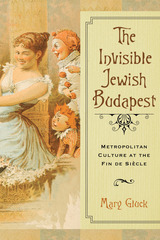
Famed for its cosmopolitan culture and vibrant nightlife, Budapest owed much to its Jewish population. Indeed, it was Jews who helped shape the city's complex urban modernity between 1867 and 1914. Yet these contributions were often unacknowledged, leading to a metaphoric, if not literal, invisible status for many of Budapest's Jews.
In the years since, particularly between the wars, anti-Semites within and outside Budapest sought to further erase Jewish influences in the city. Appellations such as the "sinful city" and "Judapest" left a toxic inheritance that often inhibited serious conversation or scholarly research on the subject.
Into this breach strides Mary Gluck, whose goal is no less than to retrieve the lost contours of Jewish Budapest. She delves into the popular culture of the city's coffee houses, music halls, and humor magazines to uncover the enormous influence of assimilated Jews in creating modernist Budapest. She explores the paradox of this culture, which was Jewish-identified yet lacked a recognizable Jewish face. Because much of the Jewish population embraced and promoted a secular, metropolitan culture, their influence as Jews was both profound and invisible.
Invisible Lives is the first scholarly study of transgendered people—cross-dressers, drag queens and transsexuals—and their everyday lives.
Through combined theoretical and empirical study, Viviane K. Namaste argues that transgendered people are not so much produced by medicine or psychiatry as they are erased, or made invisible, in a variety of institutional and cultural settings. Namaste begins her work by analyzing two theoretical perspectives on transgendered people—queer theory and the social sciences—displaying how neither of these has adequately addressed the issues most relevant to sex change: everything from employment to health care to identity papers. Namaste then examines some of the rhetorical and semiotic inscriptions of transgendered figures in culture, including studies of early punk and glam rock subcultures, to illustrate how the effacement of transgendered people is organized in different cultural sites. Invisible Lives concludes with new research on some of the day-to-day concerns of transgendered people, offering case studies in violence, health care, gender identity clinics, and the law.
Belting explores and explains how twentieth-century artists, following Duchamp, struggled with their personal dreams of absolute art. It was not until the 1960s that artists, such as Warhol, finally began to reject the idea of the individual, totemic work of art and its permanent exhibition, as well as the related concept of the "masterpiece" and the outmoded art market that fed off it.
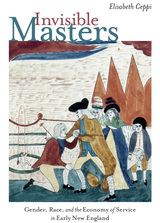
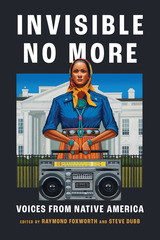
Edited by Raymond Foxworth of First Nations Development Institute and Steve Dubb of The Nonprofit Quarterly, Invisible No More is a groundbreaking collection of stories by Native American leaders, many of them women, who are leading the way through cultural grounding and nation-building in the areas of community, environmental justice, and economic justice. Authors in the collection come from over a dozen Native nations, including communities in Alaska and Hawaiʻi. Chapters are grouped by themes of challenging philanthropy, protecting community resources, environmental justice, and economic justice. While telling their stories, authors excavate the history and ongoing effects of genocide and colonialism, reminding readers how philanthropic wealth often stems from the theft of Native land and resources, as well as how major national parks such as Yosemite were “conserved” by forcibly expelling Native residents. At the same time, the authors detail ways that readers might imagine the world differently, presenting stories of Native community building that offer benefits for all. Accepting this invitation to reset assumptions can be at once profound and pragmatic. For instance, wildfires in large measure result from recent Western land mismanagement; Native techniques practiced for thousands of years can help manage fire for everyone’s benefit.
In a world facing a mounting climate crisis and record economic inequality, Invisible No More exposes the deep wounds of a racist past while offering a powerful call to care for one another and the planet. Indigenous communities have much to offer, not the least of which are solutions gleaned from cultural knowledge developed over generations.
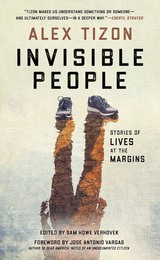
“Somewhere in the tangle of the subject’s burden and the subject’s desire is your story.”—Alex Tizon
Every human being has an epic story. The late Pulitzer Prize–winning writer Alex Tizon told the epic stories of marginalized people—from lonely immigrants struggling to forge a new American identity to a high school custodian who penned a New Yorker short story. Edited by Tizon’s friend and former colleague Sam Howe Verhovek, Invisible People collects the best of Tizon’s rich, empathetic accounts—including “My Family’s Slave,” the Atlantic magazine cover story about the woman who raised him and his siblings under conditions that amounted to indentured servitude.
Mining his Filipino American background, Tizon tells the stories of immigrants from Cambodia and Laos. He gives a fascinating account of the Beltway sniper and insightful profiles of Surfers for Jesus and a man who tracks UFOs. His articles—many originally published in the Seattle Times and the Los Angeles Times—are brimming with enlightening details about people who existed outside the mainstream’s field of vision.
In their introductions to Tizon’s pieces, New York Times executive editor Dean Baquet, Atlantic magazine editor in chief Jeffrey Goldberg, Pulitzer Prize winners Kim Murphy and Jacqui Banaszynski, and others salute Tizon’s respect for his subjects and the beauty and brilliance of his writing. Invisible People is a loving tribute to a journalist whose search for his own identity prompted him to chronicle the lives of others.

MacLeod’s exploration focuses on the representation of female characters in French comics across genres, artistic styles, and time periods. Until now, these characters and their creators have received relatively little scholarly attention, or have only been considered individually, rather than within wider patterns of female representation; this book aims to correct that.
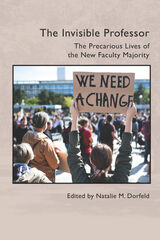
This edited collection, the first in the Practices & Possibilities series to be published in its Voices from the Field section, offers a rich set of narratives by writing instructors who are serving or have worked in contingent positions. Intended for anyone considering a career in the humanities, The Invisible Professor seeks to reach individuals in three phases of their careers: those thinking of entering the profession, those knee-deep in it and looking for ways to improve conditions, and those who have vacated academic positions for more humane alternative tracks.
As academia comes to a crossroads, with a disheartening shift towards a more disposable business model, multiple solutions are desperately needed. Faculty members in contingent positions are the new faculty majority on college campuses, and they are most likely the first professors students will meet. They deserve respect and a livable wage.
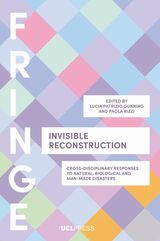
What does it really mean to reconstruct a city after a disaster? Is the repair and reinstatement of buildings and infrastructure sufficient? This volume argues that the true measure of success should be societal. After all, a city without people is no city at all. The book brings together academics and practitioners from a wide variety of disciplines, comparing strategies and outcomes in different scenarios and cultures from South America, Europe, and Asia. From cultural heritage and public space to education and participation, contributors reflect on the interconnection of people, culture, and environment and constructive approaches to increasing resilience and reducing vulnerability. Bringing practical examples of how communities and individuals have reacted to or prepared for disaster, the publication proposes a shift in public policy to ensure that physical reinforcement and rebuilding are matched by attention to societal needs. Invisible Reconstruction is essential reading for policymakers, academics, and practitioners working to reduce the impact of disasters or to improve post-disaster recovery.

What survives from the Roman Empire is largely the words and lives of the rich and powerful: emperors, philosophers, senators. Yet the privilege and decadence often associated with the Roman elite was underpinned by the toils and tribulations of the common citizens. Here, the eminent historian Robert Knapp brings those invisible inhabitants of Rome and its vast empire to light.
He seeks out the ordinary folk—laboring men, housewives, prostitutes, freedmen, slaves, soldiers, and gladiators—who formed the backbone of the ancient Roman world, and the outlaws and pirates who lay beyond it. He finds their traces in the nooks and crannies of the histories, treatises, plays, and poetry created by the elite. Everyday people come alive through original sources as varied as graffiti, incantations, magical texts, proverbs, fables, astrological writings, and even the New Testament.
Knapp offers a glimpse into a world far removed from our own, but one that resonates through history. Invisible Romans allows us to see how Romans sought on a daily basis to survive and thrive under the afflictions of disease, war, and violence, and to control their fates before powers that variously oppressed and ignored them.

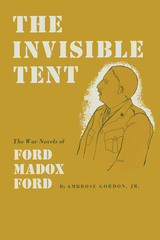
This critical evaluation of Ford Madox Ford's "novels of war, which are also novels about peace," is made in a most delightful manner. Based on a thorough knowledge of the novelist, it is enriched by keen perception and delicate taste and is couched in an informal, highly readable style.
Ambrose Gordon, Jr., here analyzes seven novels by Ford that in Gordon's opinion constitute Ford's masterpieces: Parade's End (a tetralogy consisting of Some Do Not, No More Parades, A Man Could Stand Up, and The Last Post), The Marsden Case, No Enemy, and The Good Soldier.
Interested in what these novels have to say, Gordon is equally interested in how they make their comment, and so approaches them through analysis of the fictional methods that Ford employed. Yet he skillfully avoids a common error of critics who become absorbed in technique—loss of contact with the book itself—by providing numerous quotations of sufficient length to indicate the novels' quality. These passages, examined in detail for content and technique, give the reader an understanding of the novel that, though not a substitute for one's own reading of the narratives, is enhanced by the interpretation of a brilliant critic.
Gordon traces the development of the novelist's art in various phases: the characteristic moods and general patterns of his novels, his borrowings from the French, the effects of his association with Conrad, his concept of the novel as fairy tale, his use of scene exteriors and interiors. Gordon's discussion cuts across the seven novels in many aspects but concentrates on one novel, or a group of novels, when his ideas have less general illustration.
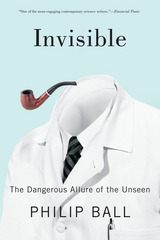
In this lively look at a timeless idea, Ball provides the first comprehensive history of our fascination with the unseen. This sweeping narrative moves from medieval spell books to the latest nanotechnology, from fairy tales to telecommunications, from camouflage to ghosts to the dawn of nuclear physics and the discovery of dark energy. Along the way, Invisible tells little-known stories about medieval priests who blamed their misdeeds on spirits; the Cock Lane ghost, which intrigued both Samuel Johnson and Charles Dickens; the attempts by Victorian scientist William Crookes to detect forces using tiny windmills; novelist Edward Bulwer-Lytton’s belief that he was unseen when in his dressing gown; and military efforts to enlist magicians to hide tanks and ships during WWII. Bringing in such voices as Plato and Shakespeare, Ball provides not only a scientific history but a cultural one—showing how our simultaneous desire for and suspicion of the invisible has fueled invention and the imagination for centuries.
In this unusual and clever book, Ball shows that our fantasies about being unseen—and seeing the unseen—reveal surprising truths about who we are.

In Invisible Walls, Hecht writes of what it was like to live under these circumstances, sharing heartbreaking details of her personal life, including the loss of her daughter's father on the Russian front; the death of her own father after his deportation in 1944; and her fears of perishing coupled with the shame of faring better than most of her family and friends. This new volume adds the first translation of part of Hecht's second book, To Remember is to Heal, a collection of vignettes of encounters and experiences that resulted from the publication of the first.
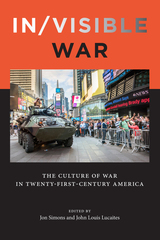
Yet, the normalization of twenty-first century war also renders it highly visible. War is made visible through popular, commercial, mediated culture. The spectacle of war occupies the contemporary public sphere in the forms of celebrations at athletic events and in films, video games, and other media, coming together as MIME, the Military-Industrial-Media-Entertainment Network.
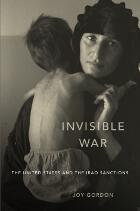
The economic sanctions imposed on Iraq from 1990 to 2003 were the most comprehensive and devastating of any established in the name of international governance. The sanctions, coupled with the bombing campaign of 1991, brought about the near collapse of Iraq’s infrastructure and profoundly compromised basic conditions necessary to sustain life.
In a sharp indictment of U.S. policy, Joy Gordon examines the key role the nation played in shaping the sanctions, whose harsh strictures resulted in part from U.S. definitions of “dual use” and “weapons of mass destruction,” and claims that everything from water pipes to laundry detergent to child vaccines could produce weapons. Drawing on internal UN documents, confidential minutes of closed meetings, and interviews with foreign diplomats and U.S. officials, Gordon details how the United States not only prevented critical humanitarian goods from entering Iraq but also undermined attempts at reform; unilaterally overrode the UN weapons inspectors; and manipulated votes in the Security Council. In every political, legal, and bureaucratic domain, the deliberate policies of the United States ensured the continuation of Iraq’s catastrophic condition.
Provocative and sure to stir debate, this book lays bare the damage that can be done by unchecked power in our institutions of international governance.

Between the age of ten, when he translated Oscar Wilde, and the end of his life, when he prepared a Spanish version of the Prose Edda , Borges transformed the work of Poe, Kafka, Hesse, Kipling, Melville, Gide, Faulkner, Whitman, Woolf, Chesterton, and many others. In a multitude of essays, lectures, and interviews Borges analyzed the versions of others and developed an engaging view about translation. He held that a translation can improve an original, that contradictory renderings of the same work can be equally valid, and that an original can be unfaithful to a translation.
Borges's bold habits as translator and his views on translation had a decisive impact on his creative process. Translation is also a recurrent motif in Borges's stories. In "The Immortal," for example, a character who has lived for many centuries regains knowledge of poems he had authored, and almost forgotten, by way of modern translations. Many of Borges's fictions include actual or imagined translations, and some of his most important characters are translators. In "Pierre Menard, author of the Quixote," Borges's character is a respected Symbolist poet, but also a translator, and the narrator insists that Menard's masterpiece-his "invisible work"-adds unsuspected layers of meaning to Cervantes's Don Quixote. George Steiner cites this short story as "the most acute, most concentrated commentary anyone has offered on the business of translation."
In an age where many discussions of translation revolve around the dichotomy faithful/unfaithful, this book will surprise and delight even Borges's closest readers and critics.
After Sam's mother dies and is cremated, her ashes are stolen. Believing that his father is responsible, Sam pursues the man he has not seen in years. He discovers that he is not the only one searching for his father—federal agents, a disgraced politician, a retired Boston cop, and several journalists join the chase.
“The Invisible World is more than a first-rate political thriller,” says The Boston Globe. “It’s an absorbing tale of alienation and loss, and the ramifications of a rootless, troubled family.” What Sam Adams ultimately discovers is that the shadowy realm of conspiracies conjures a world of hidden truths and intrigue in which the familiar is the most mysterious force of all.

In these gorgeous translations, her voice sings, celebrating sexuality, femininity and womanhood.
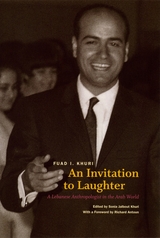
For the late Fuad I. Khuri, a distinguished career as an anthropologist began not because of typical concerns like accessibility, money, or status, but because the very idea of an occupation that baffled his countrymen made them—and him—laugh. “When I tell them that ‘anthropology’ is my profession . . . they think I am either speaking a strange language or referring to a new medicine.” This profound appreciation for humor, especially in the contradictions inherent in the study of cultures, is a distinctive theme of An Invitation to Laughter, Khuri’s astute memoir of life as an anthropologist in the Middle East.
A Christian Lebanese, Khuri offers up in this unusual autobiography both an insider’s and an outsider’s perspective on life in Lebanon, elsewhere in the Middle East, and in West Africa. Khuri entertains and informs with clever insights into such issues as the mentality of Arabs toward women, eating habits of the Arab world, the impact of Islam on West Africa, and the extravagant lifestyles of wealthy Arabs, and even offers a vision for a type of democracy that could succeed in the Middle East. In his life and work, as these astonishing essays make evident, Khuri demonstrated how the discipline of anthropology continues to make a difference in bridging dangerous divides.
Law and Society is a rapidly-growing interdisciplinary field that turns on its head the conventional, idealized view of the “Law” as a magisterial abstraction. Kitty Calavita’s Invitation to Law and Society brilliantly brings to life the ways in which law shapes and manifests itself in the institutions and interactions of human society, while inviting the reader into conversations that introduce the field’s dominant themes and most lively disagreements.
Deftly interweaving scholarship with familiar personal examples, Calavita shows how scholars in the discipline are collectively engaged in a subversive exposé of law’s public mythology. While surveying prominent issues and distinctive approaches to the use of the law in everyday life, as well as its potential as a tool for social change, this volume provides a view of law that is more real but just as compelling as its mythic counterpart. In a field of inquiry that has long lacked a sophisticated yet accessible introduction to its ways of thinking, Invitation to Law and Society will serve as an engaging and indispensible guide.

With this second edition of Invitation to Law and Society, Calavita brings up to date what is arguably the leading introduction to this exciting, evolving field of inquiry and adds a new chapter on the growing law and cultural studies movement.
Law and society is a rapidly growing field that turns the conventional view of law as mythical abstraction on its head. Kitty Calavita brilliantly brings to life the ways in which law is found not only in statutes and courtrooms but in our institutions and interactions, while inviting readers into conversations that introduce the field’s dominant themes and most lively disagreements. Deftly interweaving scholarship with familiar examples, Calavita shows how scholars in the discipline are collectively engaged in a subversive exposé of law’s public mythology. While surveying prominent issues and distinctive approaches to both law as it is written and actual legal practices, as well as the law’s potential as a tool for social change, this volume provides a view of law that is more real but just as compelling as its mythic counterpart.
With this second edition of Invitation to Law and Society, Calavita brings up to date what is arguably the leading introduction to this exciting, evolving field of inquiry and adds a new chapter on the growing law and cultural studies movement.
Over the last three decades, the French sociologist Pierre Bourdieu has produced one of the most imaginative and subtle bodies of social theory and research of the postwar era. Yet, despite the influence of his work, no single introduction to his wide-ranging oeuvre is available. This book, intended for an English-speaking audience, offers a systematic and accessible overview, providing interpretive keys to the internal logic of Bourdieu's work by explicating thematic and methodological principles underlying his work.
The structure of Bourdieu's theory of knowledge, practice, and society is first dissected by Loic Wacquant; he then collaborates with Bourdieu in a dialogue in which they discuss central concepts of Bourdieu's work, confront the main objections and criticisms his work has met, and outline Bourdieu's views of the relation of sociology to philosophy, economics, history, and politics. The final section captures Bourdieu in action in the seminar room as he addresses the topic of how to practice the craft of reflexive sociology. Throughout, they stress Bourdieu's emphasis on reflexivity—his inclusion of a theory of intellectual practice as an integral component of a theory of society—and on method—particularly his manner of posing problems that permits a transfer of knowledge from one area of inquiry into another.
Amplified by notes and an extensive bibliography, this synthetic view is essential reading for both students and advanced scholars.
The love-letter correspondences examined by Ahearn also provide a deeper understanding of the social effects of literacy. While the acquisition of literary skills may open up new opportunities for some individuals, such skills can also impose new constraints, expectations, and disappointments. The increase in female literacy rates in Junigau in the 1990s made possible the emergence of new courtship practices and facilitated self-initiated marriages, but it also reinforced certain gender ideologies and undercut some avenues to social power, especially for women.
Scholars, and students in such fields as anthropology, women's studies, linguistics, development studies, and South Asian studies will find this book ethnographically rich and theoretically insightful.
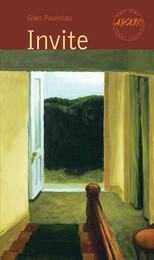
Inhabiting an outwardly bland landscape that overlays internal questions and recurring confusion, the narrators of these ten intensely felt stories strive to understand their varied predicaments. Conflicts with neighbors arise, troubling memories return, suspicions and fears lead people into isolated corners as distances open up inside them and around them. And in those open spaces, the sometimes humorous, sometimes obsessive voices continue their quest. In the final story, “Deep Wilderness,” the voices seem to fragment as a family comes apart.
While his characters struggle to come to terms with their inner wilderness, Glen Pourciau’s spare, riveting voice maintains a constant presence. Invite is a debut collection that speaks volumes.


An appeal for the importance of theory, utopia, and close consideration of our contemporary dark times
What does any particular theory allow us to do? What is the value of doing so? And who benefits? In Invoking Hope, Phillip E. Wegner argues for the undiminished importance of the practices of theory, utopia, and a deep and critical reading of our current situation of what Bertolt Brecht refers to as finsteren Zeiten, or dark times.
Invoking Hope was written in response to three events that occurred in 2016: the five hundredth anniversary of the publication of Thomas More’s Utopia; the one hundredth anniversary of the founding text in theory, Ferdinand de Saussure’s Course in General Linguistics; and the rise of the right-wing populism that culminated in the election of Donald Trump. Wegner offers original readings of major interventions in theory alongside dazzling utopian imaginaries developed from classical Greece to our global present—from Theodor Adorno, Ernst Bloch, Alain Badiou, Jacques Derrida, Fredric Jameson, Sarah Ahmed, Susan Buck-Morss, and Jacques Lacan to such works as Plato’s Republic, W. E. B. Du Bois’s John Brown, Isak Dinesen’s “Babette’s Feast,” Kim Stanley Robinson’s 2312, and more. Wegner comments on an expansive array of modernist and contemporary literature, film, theory, and popular culture.
With Invoking Hope, Wegner provides an innovative lens for considering the rise of right-wing populism and the current crisis in democracy. He discusses challenges in the humanities and higher education and develops strategies of creative critical reading and hope against the grain of current trends in scholarship.
In Invoking the Invisible Hand Robert Asen scrutinizes contemporary debates over proposals to privatize Social Security. Asen argues that a rights-based rhetoric employed by Social Security's original supporters enabled advocates of privatization to align their proposals with the widely held belief that Social Security functions simply as a return on a worker's contributions and that it is not, in fact, a social insurance program.
By analyzing major debates over a preeminent American institution, Asen reveals the ways in which language is deployed to identify problems for public policy, craft policy solutions, and promote policies to the populace. He shows how debate participants seek to create favorable contexts for their preferred policies and how they connect these policies to idealized images of the nation.
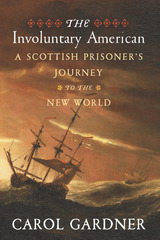
In the winter of 1650–51, one hundred fifty ragged and hungry Scottish prisoners of war arrived at Massachusetts Bay Colony, where they were sold as indentured laborers for 20 to 30 pounds each. Among them was Thomas Doughty, a common foot soldier who had survived the Battle of Dunbar, a forced marched of 100 miles without food or water, imprisonment in Durham Cathedral, and a difficult Atlantic crossing. An ordinary individual who experienced extraordinary events, Doughty was among some 420 Scottish soldiers who were captured during the War of the Three Kingdoms, transported to America, and sold between 1650 and 1651. Their experiences offer a fresh perspective on seventeenth-century life.
The Involuntary American: A Scottish Prisoner’s Journey to the New World by Carol Gardner describes Doughty’s life as a soldier, prisoner of war, exile, servant, lumberman, miller, and ultimately free landowner. It follows him and his peers through critical events: the apex of the Little Ice Age, the War of the Three Kingdoms, the colonization of New England, the burgeoning transatlantic trade in servants and slaves, King Philip’s and King William’s wars, and the Salem witch crisis. Firstperson accounts of individuals who lived through those events—Scottish, English, Puritan, Native American, wealthy, poor, working class, educated or not— provide rich period detail and a variety of perspectives.
The Involuntary American demonstrates how even individuals of humble circumstances were swept into the maelstrom of the First Global Age. It expands our understanding of immigration to the colonies, colonial servitude, the linkages and tensions between Europe, Massachusetts Bay, and America’s northeastern frontier, and of New England society in the early colonial period.
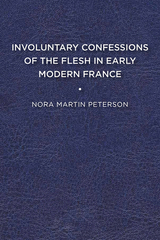
Involuntary Confessions of the Flesh in Early Modern France was inspired by the observation that small slips of the flesh (involuntary confessions of the flesh) are omnipresent in early modern texts of many kinds. These slips (which bear similarities to what we would today call the Freudian slip) disrupt and destabilize readings of body, self, and text—three categories whose mutual boundaries this book seeks to soften—but also, in their very messiness, participate in defining them. Involuntary Confessions capitalizes on the uncertainty of such volatile moments, arguing that it is instability itself that provides the tools to navigate and understand the complexity of the early modern world. Rather than locate the body within any one discourse (Foucauldian, psychoanalytic), this book argues that slips of the flesh create a liminal space not exactly outside of discourse, but not necessarily subject to it, either. Involuntary confessions of the flesh reveal the perpetual and urgent challenge of early modern thinkers to textually confront and define the often tenuous relationship between the body and the self. By eluding and frustrating attempts to contain it, the early modern body reveals that truth is as much about surfaces as it is about interior depth, and that the self is fruitfully perpetuated by the conflict that proceeds from seemingly irreconcilable narratives.
Interdisciplinary in its scope, Involuntary Confessions of the Flesh in Early Modern France pairs major French literary works of the sixteenth and seventeenth centuries (by Marguerite de Navarre, Montaigne, Madame de Lafayette) with cultural documents (confession manuals, legal documents about the application of torture, and courtly handbooks). It is the first study of its kind to bring these discourses into thematic (rather than linear or chronological) dialog. In so doing, it emphasizes the shared struggle of many different early modern conversations to come to terms with the body’s volatility.
Published by University of Delaware Press. Distributed worldwide by Rutgers University Press.
Reading works by Kyd, Marlowe, Shakespeare, Jonson, and Milton in conjuction with sectarian polemics, gynecological treatises, and accounts of criminal prosecutions, Maus delineates unexplored connections among religious, legal, sexual, and theatrical ideas of inward truth. She reveals what was at stake—ethically, politically, epistemologically, and theologically—when a writer in early modern England appealed to the difference between external show and interior authenticity. Challenging the recent tendency to see early modern selfhood as defined in wholly public terms, Maus argues that Renaissance dramatists continually payed homage to aspects of inner life they felt could never be manifested onstage.
Finalist for the 2021 Miller Williams Poetry Prize.
Madeleine Wattenberg’s debut collection I/O, finalist for the 2021 Miller Williams Poetry Prize, alternates between epistolary poems to the mythical figure Io and lyrical interrogations of science, myth, and the historical record. Wattenberg casts Io—the priestess of Hera who was turned into a heifer—as a woman struggling to navigate the terrain between choice and coercion. Accompanying the letters to Io are poems whose explorations range from laboratories to airships in their pursuit of answers. Here the poetic imagination emerges as its own laboratory, drawing inspiration as much from ancient myth as from science and steampunk as it refuses to be constrained by a final conclusion.


This landmark collection features emerging poets who combine a commitment to innovation and experimentation with a love for the lyric tradition, whose poetry transcends “mainstream” and avant-garde practice to create new and exciting poetic territories.
These new American poetries for the twenty-first century and beyond reach back toward the Modernists and even earlier lyric poetries (such as those of Wyatt, Donne, Keats, and Dickinson) and, simultaneously, reach forward to poetic possibilities not yet realized or even imagined. Most of the poets included here have won publication prizes, awards, and fellowships, and some have had their work anthologized. Others are at earlier stages of recognition but have published in major journals. All are writing highly accomplished work that will soon find a wider audience.
One distinguishing feature of this collection is the inclusion of substantial artistic statements from each contributor, in which the poets discuss their works, their influences, their aims, and their poetics. These statements are invaluable in giving readers a point of entry to the poems and can contribute to the development of a conversation among American poets that transcends questions of “craft” to address fundamental issues of poetry as an artistic practice.
Shepherd, a leading poet, essayist, and literary critic, is uniquely situated to bring us this important collection: young enough to feel the spirit of newer poets and yet established enough to bring a more experienced eye and a wider view to this groundbreaking project.The Iowa Anthology of New American Poetries highlights some of the most exciting, vital, and productive tendencies in contemporary American poetry and will be a significant milestone for students and teachers of poetry as well as for the general reader.

The Iowa Breeding Bird Atlas—the first comprehensive statewide survey of Iowa's breeding birds—provides a detailed record of the composition and distribution of the avifauna of the Hawkeye State. The atlas documents the presence of 199 species, 158 of which were confirmed breeding. This landmark volume will alert Iowans to the limited distribution of numerous species and serve as a guide to the management practices—such as forest and wetland management, set-aside programs, reduction in farm chemical use, and crop diversity—which could help insure that many future changes are positive ones. The Iowa Breeding Bird Atlas provides a welcome and much-needed baseline for future comparisons of changes in Iowa's birdlife and, by extension, the lives of all animals in the state.


Newcomers to Iowa are always amazed at the yearly changes in the heights of fields. The landscape expands from ground level to ten feet tall and back again every year: from frozen bare ground in winter to light green sprouts in late spring to dark green corn in late summer to acre upon acre of dry cornstalks at harvest time. Slow and unwieldy machines take up more than their share of the roads, clouds of black or yellow dust cover the fields in spring and fall, pigs (or are they hogs?) in various colors look out from fences, huge tractors with complicated add-ons lumber through the fields, shiny silos linked with tentacles tower above tidy white farmhouses dwarfed by huge red barns. What are the names of all these animals and crops and buildings and machines? As an introduction to the practical magic of Iowa farmscapes, Iowa Farm in Your Pocket won’t tell you everything you should know to be a true Iowan, but it will tell you enough that you can survive a day at the state fair without embarrassing yourself.
Iowa ranks first in the U.S. in the number of hogs, egg layers, and pullets and in the production of corn and soybeans. Yes, the number of farms is shrinking, and their size is increasing. Yes, most Iowans now live in towns, compared to a hundred years ago, when the majority lived on farms. But despite urbanization and the rise of corporate farming, the family farm—more than 77,000 of them at last count—is still a vital part of Iowa’s identity. Fly over the state in summertime or drive across it in fall, when the headlights of tractors shine from the fields at night and golden mountains of corn are stacked around elevators, and it’s easy to see that an enormous percentage is farmland—more than 85 percent, in fact.
Kirk Murray’s loving and endearing photographs make this guide the perfect companion for drives in the countryside in all seasons. They celebrate the rich activities and varied beauties of each season on the farm, from the starkness of winter whites to the pale and rich greens of spring and summer to the rust-reds and golds of fall. Murray’s photos of sprouting corn at dawn, a summer sun shining on a farm pond, and a full moon over a silver silo echo Grant Wood and Vincent Van Gogh; his photos of tilling, planting, and harvesting are bright and energizing; his scenes of barnyards and fields and farmsteads are colorful and luminous; and his photos of farm animals are just plain fun.
With eighty full-color photographs of the most common animals, activities, crops, and buildings that you can expect to see whenever you pass a family farmstead, Iowa Farm in Your Pocket will be a treat for all newcomers to a state where corn and beans and hogs rule, for both urban and rural children and their parents, and for all those who want to revisit memories of growing up on a farm.
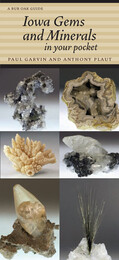
Most, if not all, of Iowa’s gems and minerals are products of crystallization in underground cavities that filled with water containing dissolved chemicals. The famed Iowa geodes (Iowa’s state rock) are products of a complex process of replacement and cavity-filling in the Warsaw Shale. Armored by a rind of tough chalcedonic quartz, these spheroidal masses, which range up to more than a meter across, weather out of the host rock and accumulate along streams in the southeastern part of the state. During the Pleistocene Epoch, large masses of glacial ice rafted the ultra-fine-grained variety of quartz called Lake Superior agates, which had previously weathered out of their host rocks, southward into Iowa. They can be found in the gravels that have accumulated along major streams in the eastern half of the state.
Iowa’s long record of mining lead, coal, gypsum, and limestone contains a rich history; the forty-seven mineral specimens inIowa Gems and Minerals in Your Pocketmake up a fascinating illustrated guide to that history. Carefully lit and photographed to reveal both maximum detail and maximum beauty, each specimen becomes a work of art.
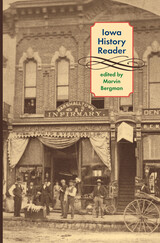
Marvin Bergman has drawn upon his years of editing the Annals of Iowa to gather contributors who cross disciplines, model the craft of writing a historical essay, cover more than one significant topic, and above all interpret history rather than recite it. In his preface to this new printing, he calls attention to publications that begin to fill the gaps noted in the 1996 edition.
Rather than survey the basic facts, the essayists engage readers in the actual making of Iowa’s history by trying to understand the meaning of its past. By providing comprehensive accounts of topics in Iowa history that embrace the broader historiographical issues in American history, such as the nature of Progressivism and Populism, the debate over whether women’s expanded roles in wartime carried over to postwar periods, and the place of quantification in history, the essayists contribute substantially to debates at the national level at the same time that they interpret Iowa’s distinctive culture.
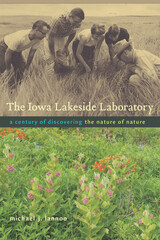
Today’s huge array of environmental problems can best be solved by people who have learned about nature within nature at a place with a long history of research and observation, people who thoroughly understand and appreciate nature’s cogs and wheels. Lakeside Lab and biological research stations like it have never been more relevant to science and to society at large than they are today. Michael Lannoo convinces us that while Lakeside’s past is commendable, its future, grounded in ecological principles, will help shape a more sustainable society.

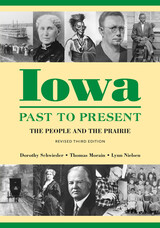

Popular culture remembers the settling of the Midwest as a golden era of unbounded opportunity, a time when every farm was a family farm and every farmer glowed with health. Pioneers in nineteenth-century Iowa, however, had to battle a formidable host of diseases during this golden era—malaria was endemic, smallpox and dysentery occurred in widespread epidemics, and typhoid, cholera, scarlet fever, and diphtheria had their seasons. Physicians in the growing Hawkeye State had little of the status and skill they command today, and herbalists, hydropaths, eclectics, Thomsonians, and homeopaths competed with purveyors of home remedies and patent medicines for their services.
The druggists of pioneer Iowa were artisan producers who compounded and prescribed botanical and chemical medicines, sold a variety of other merchandise from perfumes to paints, and dispensed the secret concoctions known as patent medicines, guaranteed to cure any condition, however alarming. In this compelling study, Lee Anderson tells the story of these early pharmacists and their hard-fought quest to legitimize their profession. While he confronts the politics of professionalism and the purpose of the pharmaceutical science and education, he also illuminates the mutual role of physicians and pharmacists in frontier health care.
With skill and humor, Anderson recreates an exciting time in midwestern history and provides insights into national issues of professionalism in medicine. His study will appeal to scholars in the history of medicine, pharmacy, and professionalism and to everyone interested in the history of the Midwest.
Although some people

What began as a study of the Minneapolis & St. Louis Railway stretched into more than a dozen contributions on Hawkeye state railroad topics. By 1969 Donovan had examined Iowa's “Little Three”: Chicago Great Western, Illinois Central, and Minneapolis & St. Paul as well as the state's “Big Four”: Chicago & North Western; Chicago, Burlington & Quincy; Chicago, Milwaukee, St. Paul & Pacific; and Chicago, Rock Island & Pacific. In addition to these seven core carriers, Donovan covered the state's less prominent railroads: Atchison, Topeka & Santa Fe; Great Northern; and Union Pacific and Wabash. Moreover, he contributed an issue on Iowa's principal interurbans, most of which survived into the 1950s as electric-powered freight-only short lines. In uniting Donovan's articles into a single volume, Iowa Railroads provides the most complete history of Iowa's rail heritage.


In 2013, Kurt Ullrich set out to chronicle the magic of the Iowa State Fair in words and photographs. Join him as August days and nights blow warm and easy over the fairgrounds, brushing lightly against fellow travelers on this earth, both human and not. He captures precious moments of extreme joy and unbridled delight in these beautiful black-and-white images, celebrating the brash rural energy of the fair, from Big Wheel races to people-watching goats, fair queen contestants to arm wrestlers, Percherons to ponies. Prize pigs, prize sheep, prize apples, and the famous butter cow all have their moment in the limelight. Iowa’s very best ear of corn and old friends reminiscing outside their RVs draw the photographer’s fond eye, as do brightly lit beer stands and the brilliant arc of the Ferris wheel against the night sky.
If you always go to the Iowa State Fair, this book is for you. If you’ve never been, it will show you what you’re missing—and you’ll understand why it’s well past time you dropped by.

The photo essays at the heart of this book feature the artistry of well-known nature photographers such as Carl Kurtz, Brian Gibbs, Don Poggensee, and Larry Stone. The images help tell the stories of Iowa’s state parks, recreation areas, preserves, and forests. A historical overview sets the stage, followed by essays on key aspects of our park system.

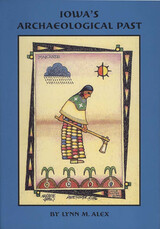
The core of this book—which includes many historic photographs and maps as well as numerous new maps and drawings and a generous selection of color photos—explores in detail what archaeologists have learned from studying the state's material remains and their contexts. Examining the projectile points, potsherds, and patterns that make up the archaeological record, Alex describes the nature of the earliest settlements in Iowa, the development of farming cultures, the role of the environment and environmental change, geomorphology and the burial of sites, interaction among native societies, tribal affiliation of early historic groups, and the arrival and impact of Euro-Americans. In a final chapter, she examines the question of stewardship and the protection of Iowa's many archaeological resources.
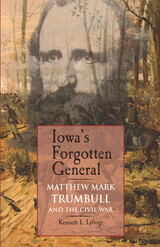
Matthew Mark Trumbull was a Londoner who immigrated at the age of twenty. Within ten years of his arrival in America, he had become a lawyer in Butler County, Iowa; two years later a member of the state legislature; and two years after that a captain in the Union Army. By the end of the Civil War, he was a brevet brigadier general, and in his later years he was an author and lecturer. Kenneth Lyftogt’s biography details the amazing life of this remarkable man, also shedding light on the histories of the Third Iowa Volunteer Infantry and the Ninth Iowa Volunteer Cavalry.
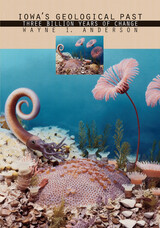
Iowa's rock record is the product of more than three billion years of geological processes. The state endured multiple episodes of continental glaciation during the Pleistocene Ice Age, and the last glacier retreated from Iowa a mere (geologically speaking) twelve thousand years ago. Prior to that, dozens of seas came and went, leaving behind limestone beds with rich fossil records. Lush coal swamps, salty lagoons, briny basins, enormous alluvial plains, ancient rifts, and rugged Precambrian mountain belts all left their mark. In Iowa's Geological Past, Wayne Anderson gives us an up-to-date and well-informed account of the state's vast geological history from the Precambrian through the end of the Great Ice Age.
Anderson takes us on a journey backward into time to explore Iowa's rock-and-sediment record. In the distant past, prehistoric Iowa was covered with shallow seas; coniferous forests flourished in areas beyond the continental glaciers; and a wide variety of animals existed, including mastodon, mammoth, musk ox, giant beaver, camel, and giant sloth.
The presence of humans can be traced back to the Paleo-Indian interval, 9,500 to 7,500 years ago. Iowa in Paleozoic time experienced numerous coastal plain and shallow marine environments. Early in the Precambrian, Iowa was part of ancient mountain belts in which granite and other rocks were formed well below the earth's surface.
The hills and valleys of the Hawkeye State are not everlasting when viewed from the perspective of geologic time. Overall, Iowa's geologic column records an extraordinary transformation over more than three billion years. Wayne Anderson's profusely illustrated volume provides a comprehensive and accessible survey of the state's remarkable geological past.

Among the prominent Iowa architects of the late nineteenth and early twentieth centuries were a remarkable few who had little training in architecture; their natural talents and their capacity for hard work made up for their lack of experience. Beginning in 1927, however, an Iowa architect had to meet state requirements of experience and training in order to practice. Shank includes an introduction to the history of the profession in Iowa: the development of professional education and training, the founding of professional societies and their roles, the different personalities and talents of the architects, the demography of architectural offices in the state, and the relative importance of Iowa architects both statewide and nationally.
Its soils are what make Iowa a premier agricultural state, both in terms of acres planted and bushels harvested. But in the last hundred years, large-scale intensive agriculture and urban development have severely degraded most of our soils. However, as Woida documents, some innovative Iowans are beginning to repair and regenerate their soils by treating them as the living ecosystem and vast carbon store that they are. To paraphrase Aldo Leopold, these new pioneers are beginning to see their soils as part of a community to which they and their descendants belong, rather than commodities belonging to them.



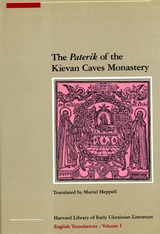
The Kievan Caves Monastery was for centuries the most important Ukrainian monastic establishment. It was the outstanding center of literary production, and its monks served throughout the territory of Rus’ as bishops and monastic superiors. The most detailed source for the monastery early history is its Paterik, a thirteenth-century compilation containing stories reaching back to the monastery’s foundation in the mid-eleventh century. Muriel Heppell now makes available the first complete English translation of the Paterik. With an introduction, map, and several appendices, Heppell discusses the work’s Byzantine background and also sets it in its historical context.
The Harvard Library of Early Ukrainian Literature is one portion of the Harvard Project in Commemoration of the Millennium of Christianity in Rus’-Ukraine sponsored by the Ukrainian Research Institute of Harvard University. The Library encompasses literary activity in Rus’-Ukraine from its beginning in the mid-eleventh century through the end of the eighteenth century. Included are ecclesiastical and secular works written in a variety of languages, such as Church Slavonic, Old Rus’, Ruthenian (Middle Ukrainian), Polish, and Latin. This linguistic diversity reflects the cultural pluralism of Ukrainian intellectual life in the medieval and early-modern periods. The Library consists of three parts: Texts, which publishes original works, in facsimile whenever appropriate; English Translations; and Ukrainian Translations. Each volume begins with an introductory essay by a specialist. The two translation series also include maps, appendices, and indices. A cumulative index to the entire Library is planned.
My father killed me
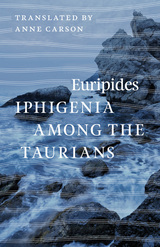
Few contemporary poets elicit such powerful responses from readers and critics as Anne Carson. The New York Times Book Review calls her work “personal, necessary, and important,” while Publishers Weekly says she is “nothing less than brilliant.” Her poetry—enigmatic yet approachable, deeply personal yet universal in scope, wildly mutable yet always recognizable as her distinct voice—invests contemporary concerns with the epic resonance and power of the Greek classics that she has studied, taught, and translated for decades.
Iphigenia among the Taurians is the latest in Carson’s series of translations of the plays of Euripides. Originally published as part of the third edition of Chicago’s Complete Greek Tragedies, it is published here as a stand-alone volume for the first time. In Carson’s stunning translation, Euripides’s play—full of mistaken identities, dangerous misunderstandings, and unexpected interventions by gods and men—is as fierce and fresh as any contemporary drama. Carson has accomplished one of the rarest feats of translation: maintaining fidelity to a writer’s words even as she inflects them with her own unique poetic voice.
Destined to become the standard translation of the play, Iphigenia among the Taurians is a remarkable accomplishment, and an unforgettable work of poetic drama.
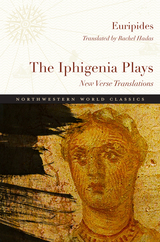
At the heart of Iphigenia’s enduring story are an ambitious, opportunistic, and indecisive leader and the daughter whose life he is willing to sacrifice. In The Iphigenia Plays, poet Rachel Hadas offers a new generation of readers a graceful, clear, and powerful translation of Euripides’s two spellbinding (and very different) plays drawn from this legend: Iphigenia in Aulis and Iphigenia among the Taurians.
Even for readers unfamiliar with Greek mythology or drama, these plays are suspenseful, poignant, and haunting. Euripides’s ability to evoke emotion and raise difficult questions has long engaged viewers and readers alike. Taken together, the two plays illuminate timeless human conflicts, showcasing individuals and families ensnared by the fury of war, of politics, of religion, and of ambition. Euripidean characters are always second-guessing themselves; now new readers can also ponder their dilemmas.
Poet and translator Rachel Hadas highlights the lyricism, emotion, and sheer humanity of Euripides’s plays. Mordant humor is here; so are heartbreak and tenderness. Hadas offers an Iphigenia story that resonates with our own troubled times and demonstrates anew the genius of one of the world’s supreme dramatists.
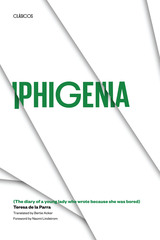
Winner, Harvey L. Johnson Award, Southwest Council on Latin American Studies, 1994
"...I didn't want to tell you the truth for anything in the world, because it seemed very humiliating to me..." The truth is that Iphigenia is bored and, more than bored, buried alive in her grandmother's house in Caracas, Venezuela. After the excitement of being a beautiful, unchaperoned young woman in Paris, her father's death has sent her back to a forgotten homeland, where rigid decorum governs. Two men—the married man she adores and the wealthy fiancé she abhors—offer her escape from her prison. Which of these impossible suitors will she choose?
Iphigenia was first published in 1924 in Venezuela, where it hit patriarchal society like a bomb. Teresa de la Parra was accused of undermining the morals of young women with this tale of a passionate woman who lacks the money to establish herself in the liberated, bohemian society she craves. Yet readers have kept the novel alive for decades, and this first English translation now introduces its heroine to a wider audience.
The search for effective immunization against pneumonia was a principal avenue of investigation before the advent of The search for effective immunization against pneumonia was a principal avenue of investigation before the advent of antibiotics made such an effort appear unnecessary. Recently, however, the limitations of antibiotic therapy have become increasingly evident, and interest has been renewed in many of the threads of research which have all but lain dormant since the 1930s. In 1978, a pneumococcal vaccine was licensed by the F.D.A., merely as evidence of a renaissance in pneumococcal research which is now taking place. We are pleased to be reissuing two classic volumes which provide a unique repository of data amassed prior to the time when penicillin precluded further exhaustive observation of the unmodified infection.
Heffron’s Pneumonia is a compilation and analysis of all aspects of pneumococcal disease, including the distribution of pneumococcal types, the pathology of pneumonia, its epidemiology, symptoms, signs, complications, diagnosis, prognosis, and immunology. With a complete cross-reference index and an extensive bibliography, Heffron’s book is still the definitive work on pneumococcal infections.
White’s Biology of Pneumococcus contains the wealth of information acquired in the first six decades following the discovery of the pneumococcus. With a bibliography drawing together some 1593 papers, White’s volume is of unquestionable significance as a historical record and the basis for further study.
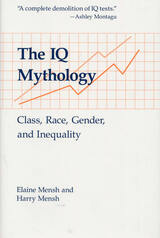
Ever since Alfred Binet carried out a 1904 commission from France’s minister of public instruction to devise a means for deciding which pupils should be sent to what would now be called special education classes, IQ scores have been used to label and track children. Those same scores have been cited as "proof" that different races, classes, and genders are of superior and inferior intelligence.
The Menshes make clear that from the beginning IQ tests have been fundamentally biased. Offered as a means for seeking solutions to social problems, the actual measurements have been used to maintain the status quo. Often the most telling comments are from the test-makers themselves, whether Binet ("little girls weak in orthography are strong in sewing and capable in the instruction concerning housekeeping; and, all things considered, this is more important for their future") or Wigdor and Garner ("naive use of intelligence tests . . . to place children of linguistic or racial minority status in special education programs will not be defensible in court").
Among the disturbing facts that the authors share is that there is mounting political pressure for more tests and testing despite a court trial in which the judge stated that "defendants’ expert witnesses, even those clearly affiliated with the companies that devise and distribute the standardized intelligence tests, agreed, with one exception, that we cannot truly define, much less measure, intelligence." The testing firms have responded to this carefully orchestrated need with new products that extend even to the IQ testing of three-month-old infants. The authors stress that, if the testers prevail, there is little doubt that these and similar tests would be used "ad infinitum to justify superior and inferior education along class and racial lines."
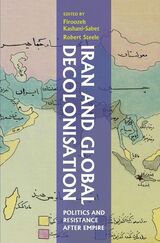
How did Iran’s unique position in the world affect and define its treatment of decolonization? During the final decades of Pahlavi rule in the late 1970s, the country sought to establish close relationships with newly independent counterparts in the Global South. Most scholarly work focused on this period is centered around the Cold War and Iran's relations with the United States, Russia, and Europe. Little attention has been paid to how the country interacted with other regions, such as Africa, Asia, and the Americas. Adding to an important and growing body of literature that discusses the profound and lasting impact of decolonization, Iran and Global Decolonisation contributes to the theoretical debates around the re-shaping of the world brought about by the end of an empire. It considers not only the impact of global decolonization on movements and ideas within Iran but also how Iran’s own experiences of imperialism shaped how these ideas were received and developed.
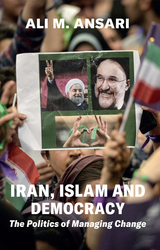
The authors offer a unique portrait of the social upheaval, why it is happening and where it may take the country. Following the fall of reformism, the rise of Ahmadinejad and the recent outbursts of ethnic violence, this book provides rare insights into the inner contradictions of the Islamic Republic.
The second part of the book deals with the international issues facing Iran - in particular the nuclear question, Iran's oil reserves and the serious threat of invasion. It is a sobering account of the realities of life in Iran, and the threat that war poses to the democratic aspirations of the Iranian people.
Despite critical acclaim and a recent surge of popularity with Western audiences, Iranian cinema has been the subject of lamentably few academic studies—and those have by and large been limited to the films and filmmakers most visible on the international film circuit. Iranian Cinema and Globalization seeks to broaden readers’ exposure to other dimensions of Iranian cinema, including the works of the many prolific filmmakers whose films have received little outside attention despite being widely popular within Iran. Combining theories of globalization and national cinema with in-depth, interdisciplinary analyses of individual films, this volume expands the current literature on Iranian cinema with insights into the social, and religious political contexts involved.
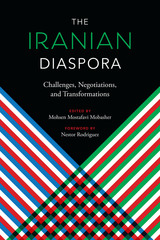
The Iranian revolution of 1978–1979 uprooted and globally dispersed an enormous number of Iranians from all walks of life. Bitter political relations between Iran and the West have since caused those immigrants to be stigmatized, marginalized, and politicized, which, in turn, has discredited and distorted Iranian migrants’ social identity; subjected them to various subtle and overt forms of prejudice, discrimination, and social injustice; and pushed them to the edges of their host societies. The Iranian Diaspora presents the first global overview of Iranian migrants’ experiences since the revolution, highlighting the similarities and differences in their experiences of adjustment and integration in North America, Europe, Australia, and the Middle East.
Written by leading scholars of the Iranian diaspora, the original essays in this volume seek to understand and describe how Iranians in diaspora (re)define and maintain their ethno-national identity and (re)construct and preserve Iranian culture. They also explore the integration challenges the Iranian immigrants experience in a very negative context of reception. Combining theory and case studies, as well as a variety of methodological strategies and disciplinary perspectives, the essays offer needed insights into some of the most urgent and consequential issues and problem areas of immigration studies, including national, ethnic, and racial identity construction; dual citizenship and dual nationality maintenance; familial and religious transformation; politics of citizenship; integration; ethnic and cultural maintenance in diaspora; and the link between politics and the integration of immigrants, particularly Muslim immigrants.
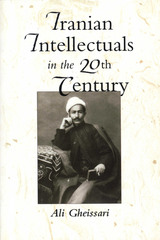
Since the middle of the nineteenth century, Iranian intellectuals have been preoccupied by issues of political and social reform, Iran's relation with the modern West, and autocracy, or arbitrary rule. Drawing from a close reading of a broad array of primary sources, this book offers a thematic account of the Iranian intelligentsia from the Constitutional movement of 1905 to the post-1979 revolution.
Ali Gheissari shows how in Iran, as in many other countries, intellectuals have been the prime mediators between the forces of tradition and modernity and have contributed significantly to the formation of the modern Iranian self image. His analysis of intellectuals' response to a number of fundamental questions, such as nationalism, identity, and the relation between Islam and modern politics, sheds new light on the factors that led to the Iranian Revolution—the twentieth century's first major departure from Western political ideals—and helps explain the complexities surrounding the reception of Western ideologies in the Middle East.
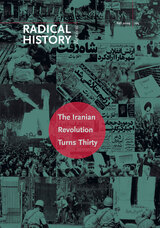
The articles in this interdisciplinary issue take up the legacy of the revolution within and outside the borders of Iran and offer critical evaluation and new insights into the transformations that Iran experienced as a result of the revolution. One essay discusses the role of the crowd in the revolution, while another traces the genealogy of the discourse of anti-Zionism in Iranian circles. Other articles explore the treatment of the revolution in the Egyptian press and illustrate how the trauma of the revolution is portrayed in diasporic Iranian women’s biographies. The issue also features a “Reflections” section, which includes eight short essays that provide snapshots of postrevolutionary politics, economics, literature, cinema, and visual arts, demonstrating both radical changes and continuities in Iranian society.

An exploration of the link between politics of migration, prospects of integration, and ethnic identity among Iranian immigrants and their descendants in the United States, spanning from the 1970s to the present day.
Thousands of Iranians fled their homeland when the 1978–1979 revolution ended the fifty-year reign of the Pahlavi dynasty. Some fled to Europe and Canada, while others settled in the United States, where anti-Iranian sentiment flared as the hostage crisis unfolded. For those who chose America, Texas became the fourth-largest settlement area. Iranians in Texas culls data, interviews, and participant observations in Iranian communities in Houston, Dallas, and Austin to reveal the difficult, private world of cultural pride, religious experience, marginality, culture clashes, and other aspects of the lives of these immigrants.
Examining the political nature of immigration between Iran and the United States and social, cultural, and economic life for Iranian immigrants and their American-born children, Mohsen Mostafavi Mobasher incorporates his own experience as a Texas scholar born in Iran. In this revised edition, two new chapters and a new introduction and conclusion provide updates on what has happened in the Obama, Trump, and Biden administrations, including the Iran nuclear deal and resulting controversy, the Muslim ban, and the global protests over the death of twenty-two-year-old Mahsa Amini for not wearing a hijab. Bringing to life a unique immigrant population in the context of global politics, Iranians in Texas overturns stereotypes and echoes diverse voices.
Thousands of Iranians fled their homeland when the 1978–1979 revolution ended the fifty-year reign of the Pahlavi Dynasty. Some fled to Europe and Canada, while others settled in the United States, where anti-Iranian sentiment flared as the hostage crisis unfolded. For those who chose America, Texas became the fourth-largest settlement area, ultimately proving to be a place of paradox for any Middle Easterner in exile. Iranians in Texas culls data, interviews, and participant observations in Iranian communities in Houston, Dallas, and Austin to reveal the difficult, private world of cultural pride, religious experience, marginality, culture clashes, and other aspects of the lives of these immigrants.
Examining the political nature of immigration and how the originating and receiving countries shape the prospects of integration, Mohsen Mobasher incorporates his own experience as a Texas scholar born in Iran. Tracing current anti-Muslim sentiment to the Iranian hostage crisis, two decades before 9/11, he observes a radically negative shift in American public opinion that forced thousands of Iranians in the United States to suddenly be subjected to stigmatization and viewed as enemies. The book also sheds light on the transformation of the Iranian family in exile and some of the major challenges that second-generation Iranians face in their interactions with their parents.
Bringing to life a unique population in the context of global politics, Iranians in Texas overturns stereotypes while echoing diverse voices.
READERS
Browse our collection.
PUBLISHERS
See BiblioVault's publisher services.
STUDENT SERVICES
Files for college accessibility offices.
RECENTLY PUBLISHED






UChicago Accessibility Resources
home | accessibility | search | about | contact us
BiblioVault ® 2001 - 2025
The University of Chicago Press