
 A SCHOLARLY BOOK REPOSITORY
Through a series of case studies, historian Jonathan D. Anzalone highlights the role of public and private interests in the region and shows how partnerships frayed and realigned in the course of several key developments: the rise of camping in the 1920s and 1930s; the 1932 Lake Placid Olympics; the construction of a highway to the top of Whiteface Mountain; the postwar rise of downhill skiing; the completion of I-87 and the resulting demand for second homes; and the 1980 Lake Placid Olympics. Battles of the North Country reveals how class, economic self-interest, state power, and a wide range of environmental concerns have shaped modern politics in the Adirondacks and beyond.
Vigorous, colorful, bold and highly personal, Breaking New Ground is the autobiography of Gifford Pinchot, founder and first chief of the Forest Service. He tells a fascinating tale of his efforts, under President Theodore Roosevelt, to wrest the forests from economic special interests and to bring them under management for multiple- and long-range use. His philosophy of "the greatest good for the greatest number over the longest time" has become the foundation upon which this country's conservation policy is based.
In a new introduction for this special commemorative edition, Char Miller of Trinity University and V. Alaric Sample of the Pinchot Institute for Conservation trace the evolution of Gifford Pinchot's career in the context of his personal life and the social and environmental issues of his time. They illuminate the courage and vision of the man whose leadership is central to the development of the profession of forestry in the United States. Breaking New Ground is essential reading for anyone interested in understanding the basis of our present national forest policy, and the origins of the conservation movement.
In Climate Savvy, climate change experts Lara Hansen and Jennifer Hoffman offer 18 chapters that consider the implications of climate change for key resource management issues of our time—invasive species, corridors and connectivity, ecological restoration, pollution, and many others. How will strategies need to change to facilitate adaptation to a new climate regime? What steps can we take to promote resilience?
Based on collaboration with a wide range of scientists, conservation leaders, and practitioners, the authors present general ideas as well as practical steps and strategies that can help cope with this new reality.
While climate change poses real threats, it also provides a chance for creative new thinking. Climate Savvy offers a wide-ranging exploration of how scientists, managers, and policymakers can use the challenge of climate change as an opportunity to build a more holistic and effective philosophy that embraces the inherent uncertainty and variability of the natural world to work toward a more robust future.

In this innovative study of the rise of the conservation ethic in northern New England, Richard Judd shows that the movement that eventually took hold throughout America had its roots among the communitarian ethic of countrypeople rather than among urban intellectuals or politicians. Drawing on agricultural journals and archival sources such as legislative petitions, Judd demonstrates that debates over access to and use of forests and water, though couched in utilitarian terms, drew their strength and conviction from deeply held popular notions of properly ordered landscapes and common rights to nature.
Unlike earlier attempts to describe the conservation movement in its historical context, which have often assumed a crude dualism in attitudes toward nature--democracy versus monopoly, amateur versus professional, utilitarian versus aesthete--this study reveals a complex set of motives and inspirations behind the mid-nineteenth-century drive to conserve natural resources. Judd suggests that a more complex set of contending and complementary social forces was at work, including traditional folk values, an emerging science of resource management, and constantly shifting class interests.
Common Lands, Common People tells us that ordinary people, struggling to define and redefine the morality of land and resource use, contributed immensely to America's conservation legacy.
For years environmentalists thought natural resources could be best protected by national legislation. But the poor outcomes of this top-down policy have led conservation professionals today to regard local communities as the agents of conservation efforts. According to a recent survey, more than fifty countries report that they pursue partnerships with local communities in an effort to protect their forests. Despite the recent popularity of a community-based approach, the concept of community rarely receives the attention it should get from those concerned with resource management. This balanced volume redresses the situation, demonstrating both the promise and the potential dangers of community action.
Although the contributors advocate community-based conservation, they examine the record with a critical eye. They pay attention to the concrete political contexts in which communities emerge and operate. Understanding the nature of community requires understanding the internal politics of local regions and their relationship to external forces and actors. Especially critical are issues related to ethnicity, gender, and the state.
Conservation for a New Generation captures those efforts with chapters that explain the new landscape of conservation along with case studies that illustrate these new approaches. The book brings together leading voices in the field of environmental conservation—Lynne Sherrod, Curt Meine, Daniel Kemmis, Luther Propst, Jodi Hilty, Peter Forbes, and many others—to offer fourteen chapters and twelve case studies that
• demonstrate the benefits of government agencies partnering with diverse stakeholders;
• explore how natural resources management is evolving;
• discuss emerging practices for conservation, including conservation planning, ecological restoration, valuing ecosystem services, and using economic incentives;
• promote cooperation on natural resources issues that have in the past been divisive.
Throughout, contributors focus on the fundamental truth that unites human and land communities: as one prospers, so does the other; as one declines, so too will the other. The book illustrates how natural resources management that emphasizes building strong relationships results in outcomes that are beneficial to both people and land.
West reveals how every aspect of the Crater Mountain Wildlife Management Area—including ideas of space, place, environment, and society—was socially produced, created by changing configurations of ideas, actions, and material relations not only in Papua New Guinea but also in other locations around the world. Complicating many of the assumptions about nature, culture, and development underlying contemporary conservation efforts, Conservation Is Our Government Now demonstrates the unique capacity of ethnography to illuminate the relationship between the global and the local, between transnational processes and individual lives.
In addition, in November 2008, despite massive doses of terrible financial news, voters across the U.S. approved land conservation funding measures. It was a record-breaking year for land protection financing, with voters demonstrating substantial support for open space ballot measures despite the economic and fiscal crisis of the time.
The Conservation Program Handbook is a manual that provides all of the information—on a broad spectrum of topics—that conservation professionals are likely to encounter. It compiles and distills advice from professionals based on successful conservation efforts across the country, including a list of “best practices” for the most critical issues conservationists can expect to face. By providing information on how to do conservation work in the best possible manner, The Conservation Program Handbook has the goal of increasing the amount, quality, and pace of conservation being achieved by local governments throughout the nation.
For more than a century the establishment of national parks and protected areas was a major threat to the survival of indigenous people. The creation of parks based on wilderness ideals outlawed traditional ways of life and forced from their homelands peoples who had shaped and preserved local ecosystems for centuries.
Today such tragic conflicts are being superseded by new alliances for conservation. Conservation Through Cultural Survival assesses cutting-edge efforts to establish new kinds of parks and protected areas which are based on partnerships with indigenous peoples. It chronicles new conservation thinking and the establishment around the world of indigenously inhabited protected areas, provides detailed case studies of the most important types of co-managed and indigenously managed areas, and offers guidelines, models, and recommendations for international action. The book:
- discusses the goals and development of the global protected area system
- assesses the strengths and limitations of a range of different types of indigenously inhabited protected areas
- discusses key issues and indigenous peoples' concerns
- recommends measures to promote conservation
- suggests international actions that would promote co-managed and indigenously managed areas
Conservation Through Cultural Survival will be required reading for environmentalists, protected area planners and managers, and all who care about the future of indigenous peoples and their homelands.
Sarah Milne spent more than a decade working for and observing global conservation projects in Cambodia. During this time, she saw how big environmental NGOs can operate rather like corporations. Their core practice involves rolling out appealing and deceptively simple policy ideas, like Payments for Ecosystem Services (PES). Yet, as policy ideas prove hard to implement, NGOs must also carefully curate evidence from the field to give the impression of success and effectiveness.
In Corporate Nature, Milne delves inside the black box of mainstream global conservation. She reveals how big international NGOs struggle in the face of complexity—especially in settings where corruption and political violence prevail. She uses the case of Conservation International’s work in Cambodia to illustrate how apparently powerful NGOs can stumble in practice: policy ideas are transformed on the ground, while perverse side effects arise, like augmented authoritarian power, illegal logging, and Indigenous dispossession.
The real power of global conservation NGOs is therefore not in their capacity to control what happens in the field but in their capacity to ignore or conceal failings. Milne argues that this produces an undesirable form of socionature, called corporate nature, that values organizational success over diverse knowledges and ethical conduct.
In Crisis of the Wasteful Nation, Ian Tyrrell gives us a cohesive picture of Roosevelt’s engagement with the natural world along with a compelling portrait of how Americans used, wasted, and worried about natural resources in a time of burgeoning empire. Countering traditional narratives that cast conservation as a purely domestic issue, Tyrrell shows that the movement had global significance, playing a key role in domestic security and in defining American interests around the world. Tyrrell goes beyond Roosevelt to encompass other conservation advocates and policy makers, particularly those engaged with shaping the nation’s economic and social policies—policies built on an understanding of the importance of crucial natural resources. Crisis of the Wasteful Nation is a sweeping transnational work that blends environmental, economic, and imperial history into a cohesive tale of America’s fraught relationships with raw materials, other countries, and the animal kingdom.
John Muir called it the "Range of Light, the most divinely beautiful of all the mountain chains I’ve ever seen." The Sierra Nevada—a single unbroken mountain range stretching north to south over four hundred miles, best understood as a single ecosystem but embracing a number of environmental communities—has been the site of human activity for millennia. From the efforts of ancient Native Americans to encourage game animals by burning brush to create meadows to the burgeoning resort and residential development of the present, the Sierra has endured, and often suffered from, the efforts of humans to exploit its bountiful resources for their own benefit. Historian David Beesley examines the history of the Sierra Nevada from earliest times, beginning with a comprehensive discussion of the geologic development of the range and its various ecological communities. Using a wide range of sources, including the records of explorers and early settlers, scientific and government documents, and newspaper reports, Beesley offers a lively and informed account of the history, environmental challenges, and political controversies that lie behind the breathtaking scenery of the Sierra. Among the highlights are discussions of the impact of the Gold Rush and later mining efforts, as well as the supporting industries that mining spawned, including logging, grazing, water-resource development, market hunting, urbanization, and transportation; the politics and emotions surrounding the establishment of Yosemite and other state and national parks; the transformation of the Hetch Hetchy into a reservoir and the desertification of the once-lush Owens Valley; the roles of the Forest Service, Park Service, and other regulatory agencies; the consequences of the fateful commitment to wildfire suppression in Sierran forests; and the ever-growing impact of tourism and recreational use. Through Beesley’s wide-ranging discussion, John Muir’s "divinely beautiful" range is revealed in all its natural and economic complexity, a place that at the beginning of the twenty-first century is in grave danger of being loved to death. Available in hardcover and paperback.
Calling for radical redefinitions of development and ownership and for new understandings of the translation of culture and rights in politically dangerous contexts—natural resource frontiers—this volume links social injustice and the degradation of Southeast Asian environments. Charles Zerner and his colleagues show how geographical areas once viewed as wild and undeveloped are actually cultural artifacts shaped by complex interactions with human societies. Drawing on richly varied sources of evidence and interpretation—from trance dances, court proceedings, tree planting patterns, marine and forest rituals, erotic poems, and codifications of customary law, Culture and the Question of Rights reveals the ironies, complexities, and histories of contemporary communities’ struggles to retain their gardens, forests, fishing territories, and graveyards. The contributors examine how these cultural activities work to both construct and to lay claim to nature. These essays open up new avenues for negotiating indigenous rights against a background of violence, proliferating markets, and global ideas of biodiversity and threatened habitat.
Contributors. Jane Atkinson, Don Brenneis, Stephanie Fried, Nancy Peluso, Marina Roseman, Anna Tsing, Charles Zerner
Mexican conservationists have sometimes observed that it is difficult to find a country less interested in the conservation of its natural resources than is Mexico. Yet, despite a long history dedicated to the pursuit of development regardless of its environmental consequences, Mexico has an equally long, though much less developed and appreciated, tradition of environmental conservation.
Lane Simonian here offers the first panoramic history of conservation in Mexico from pre-contact times to the current Mexican environmental movement. He explores the origins of conservation and environmental concerns in Mexico, the philosophies and endeavors of Mexican conservationists, and the enactment of important conservation laws and programs. This heretofore untold story, drawn from interviews with leading Mexican conservationists as well as archival research, will be important reading throughout the international community of activists, researchers, and concerned citizens interested in the intertwined issues of conservation and development.

For more than 30 years, John Tillman Lyle (1934-1998) was one of the leading thinkers in the field of ecological design. Design for Human Ecosystems, originally published in 1985, is his classic text that explores methods of designing landscapes that function in the sustainable ways of natural ecosystems. The book provides a framework for thinking about and understanding ecological design, along with a wealth of real-world examples that bring to life Lyle's key ideas.
Lyle traces the historical growth of design approaches involving natural processes, and presents an introduction to the principles, methods, and techniques that can be used to shape landscape, land use, and natural resources in an ecologically sensitive and sustainable manner. Lyle argues that careful design of human ecosystems recognizes three fundamental concerns: scale (the relative size of the landscape and its connections with larger and smaller systems), the design process itself, and the underlying order that binds ecosystems together and makes them work. He discusses the importance of each of these concerns, and presents a workable approach to designing systems that effectively accounts for all of them. The theory presented is supported throughout by numerous case studies that illustrate its practical applications.
This new edition features a foreword by Joan Woodward, noted landscape architecture professor and colleague of Lyle, that places the book in the context of current ecological design thinking and discusses Lyle's contributions to the field. It will be a valuable resource for landscape architects, planners, students of ecological design, and anyone interested in creating landscapes that meet the needs of all an area's inhabitants -- human and nonhuman alike.

This volume brings together world-renowned scientists and conservationists to address the biological and socio-economic value of forest remnants and to examine practical efforts to conserve those remnants. An outgrowth of a year-long study by the policy program at the Smithsonian Migratory Bird Center, Forest Patches in Tropical Landscapes provides a broad overview of theory and practice, and will help foster both interdisciplinary research and more effective approaches to tropical conservation and development.
From Conquest to Conservation is a visionary new work from three of the nation’s most knowledgeable experts on public lands. As chief of the Forest Service, Mike Dombeck became a lightning rod for public debate over issues such as the management of old-growth forests and protecting roadless areas. Dombeck also directed the Bureau of Land Management from 1994 to 1997 and is the only person ever to have led the two largest land management agencies in the United States. Chris Wood and Jack Williams have similarly spent their careers working to steward public resources, and the authors bring unparalleled insight into the challenges facing public lands and how those challenges can be met.
Here, they examine the history of public lands in the United States and consider the most pressing environmental and social problems facing public lands. Drawing heavily on fellow Forest Service employee Aldo Leopold’s land ethic, they offer specific suggestions for new directions in policy and management that can help maintain and restore the health, diversity, and productivity of public land and water resources, both now and into the future.
Also featured are lyrical and heartfelt essays from leading writers, thinkers, and scientists— including Bruce Babbitt, Rick Bass, Patricia Nelson Limerick, and Gaylord Nelson—about the importance of public lands and the threats to them, along with original drawings by William Millonig.
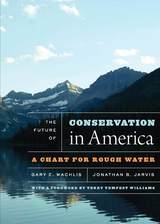
Written by the first scientist appointed as science advisor to the director of the National Park Service and the eighteenth director of the National Park Service, this is a candid, passionate, and ultimately hopeful book. The authors describe a unified vision of conservation that binds nature protection, historical preservation, sustainability, public health, civil rights and social justice, and science into common cause—and offer real-world strategies for progress. To be read, pondered, debated, and often revisited, The Future of Conservation in America is destined to be a touchstone for the conservation movement in the decades ahead.
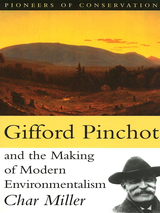
Gifford Pinchot and the Making of Modern Environmentalism, the first new biography in more than three decades, offers a fresh interpretation of the life and work of the famed conservationist and Progressive politician. In addition to considering Gifford Pinchot's role in the environmental movement, historian Char Miller sets forth an engaging description and analysis of the man -- his character, passions, and personality -- and the larger world through which he moved.
Char Miller begins by describing Pinchot's early years and the often overlooked influence of his family and their aspirations for him. He examines Gifford Pinchot's post-graduate education in France and his ensuing efforts in promoting the profession of forestry in the United States and in establishing and running the Forest Service. While Pinchot's twelve years as chief forester (1898-1910) are the ones most historians and biographers focus on, Char Miller also offers an extensive examination of Pinchot's post-federal career as head of The National Conservation Association and as two-term governor of Pennsylvania. In addition, he looks at Pinchot's marriage to feminist Cornelia Bryce and discusses her role in Pinchot's political radicalization throughout the 1920s and 1930s. An epilogue explores Gifford Pinchot's final years and writings.
Char Miller offers a provocative reconsideration of key events in Pinchot's life, including his relationship with friend and mentor John Muir and their famous disagreement over damming Hetch Hetchy Valley. The author brings together insights from cultural and social history and recently discovered primary sources to support a new interpretation of Pinchot -- whose activism not only helped define environmental politics in early twentieth century America but remains strikingly relevant today.
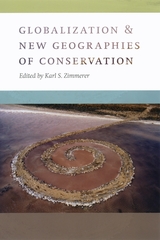
Globalization and New Geographies of Conservation makes four important arguments about the recent coupling of conservation and globalization that is reshaping the place of nature in human-environmental change. First, it has led to an unprecedented number of spatial arrangements whose environmental management goals and prescribed activities vary along a spectrum from strict biodiversity protection to sustainable utilization involving agriculture, food production, and extractive activities. Conservation and globalization are also leading, by necessity, to new scales of management in these activities that rely on environmental science, thus shifting the spatial patterning of humans and the environment. This interaction results, as well, in the unprecedented importance of boundaries and borders; transnational border issues pose both opportunities and threats to global conservation proposed by organizations and institutions that are themselves international. Lastly, Globalization and New Geographies of Conservation argues that the local level has been integral to globalization, while the regional level is often eclipsed at the peril of the successful implementation of conservation and management programs.
Bridging the gap between geography and life science, Globalization and New Geographies of Conservation will appeal to a broad range of students of the environment, conservation planning; biodiversity management, and development and globalization studies.
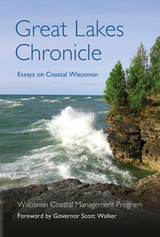

Soon the fracas over frac sand attracts some national attention, including that of Stony Field, the pen name of a nationally syndicated columnist. Will the village board vote to solve their budget problems with a cut of the mining profits? Will the mine create real jobs for local folks? Will Stony Field come to the village to lead protests against the mine? And will defenders of the Trail Marker Oak literally draw a battle line in the sand?
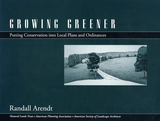
Growing Greener is an illustrated workbook that presents a new look at designing subdivisions while preserving green space and creating open space networks. Randall Arendt explains how to design residential developments that maximize land conservation without reducing overall building density, thus avoiding the political and legal problems often associated with "down-zoning."
The author offers a three-pronged strategy for shaping growth around a community's special natural and cultural features, demonstrating ways of establishing or modifying the municipal comprehensive plan, zoning ordinance, and subdivision ordinance to include a strong conservation focus. Open space protection becomes the central organizing principle for new residential development, and the open space that is protected is laid out to form an interconnected system of protected lands running across a community.
The book offers:
- detailed information on how to conduct a community resource inventory
- a four-step approach to designing conservation subdivisions
- extensive model language for comprehensive plans, subdivision ordinances, and zoning ordinances
- illustrated design principles for hamlets, villages, and traditional small town neighborhoods
In addition, Growing Greener includes eleven case studies of actual conservation developments in nine states, and two exercises suitable for group participation. Case studies include: Ringfield, Chadds Ford Township, Pennsylvania; The Fields of St. Croix, City of Lake Elmo, Minnesota; Prairie Crossing, Grayslake, Illinois; The Meadows at Dolly Gordon Brook, York, Maine; Farmcolony, Standsville, Virginia; The Ranch at Roaring Fork, Carbondale, Colorado; and others.
Growing Greener builds upon and expands the basic ideas presented in Arendt's earlier work Conservation Design for Subdivisions, broadening the scope to include more detailed sections on the comprehensive planning process and information on how zoning ordinances can be updated to incorporate the concept of conservation design. It is the first practical publication to explain in detail how resource-conserving development techniques can be put into practice by municipal officials, residential developers, and site designers, and it offers a simple and straightforward approach to balancing opportunities for developers and conservationists.
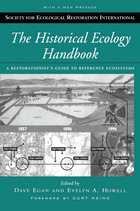
The Historical Ecology Handbook makes essential connections between past and future ecosystems, bringing together leading experts to offer a much-needed introduction to the field of historical ecology and its practical application by on-the-ground restorationists.
Chapters present individual techniques focusing on both culturally derived evidence and biological records, with each chapter offering essential background, tools, and resources needed for using the technique in a restoration effort. The book ends with four in-depth case studies that demonstrate how various combinations of techniques have been used in restoration projects.
The Historical Ecology Handbook is a unique and groundbreaking guide to determining historic reference conditions of a landscape. It offers an invaluable compendium of tools and techniques, and will be essential reading for anyone working in the field of ecological restoration.
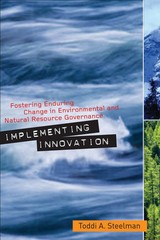
Over the past three decades, governments at the local, state, and federal levels have undertaken a wide range of bold innovations, often in partnership with nongovernmental organizations and communities, to try to address their environmental and natural resource management tasks. Many of these efforts have failed. Innovations, by definition, are transitory. How, then, can we establish new practices that endure?
Toddi A. Steelman argues that the key to successful and long-lasting innovation must be a realistic understanding of the challenges that face it. She examines three case studies—land management in Colorado, watershed management in West Virginia, and timber management in New Mexico—and reveals specific patterns of implementation success and failure. Steelman challenges conventional wisdom about the role of individual entrepreneurs in innovative practice. She highlights the institutional obstacles that impede innovation and its longer term implementation, while offering practical insight in how enduring change might be achieved.
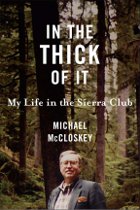
In an age when many of the major environmental policies established over the past four decades are under siege, Michael McCloskey reminds us of better days. . .days when conservation initiatives were seen not as political lightning rods, but as opportunities to cope with disturbing threats to the quality of our environment.
In 1961, a young let's-get-it-done McCloskey was hired as the Sierra Club's first field representative for the Northwest. From there, for nearly forty years, he rose to guide the oldest and most powerful environmental organization in the world. He helped to pave the way for the original Wilderness Act in 1964, and as the club's conservation director worked to see it implemented. He successfully lobbied for the creation of new national parks and wilderness areas, the North Cascades and Redwood National Park among them. As executive director, he was present at the creation of Earthday in 1970, directed lobbying for the enactment of over one hundred environmental laws, and watched Sierra Club membership rise from about 70,000 to more than 500,000. In the nineties, he led the Sierra Club in mounting fights against attempts to undercut EPA regulations and against trade agreements that curtailed environmental programs.
His tenure was no walk in the park or smooth glide across a placid mountain lake. The large and very public Sierra Club was fraught with brush fires, seismic tremors, and pitched battles, both within and without. He survived the ouster of his mentor, the charismatic but controversial David Brower, succeeding him as the second executive director in the club's history, and put the Sierra Club back on firm financial footing. Under less than ideal political circumstances, McCloskey helped to keep the environmental agenda moving steadily forward, even in the face of Ronald Reagan's virulently pro-development Interior Secretary James Watt (whom he was instrumental in expelling from office).
In the Thick of It describes not only McCloskey's life as an environmental activist; it reveals the inner workings and politics of one of the nation's most influential environmental nonprofit organizations during an era of ground-breaking environmental legislation. In addition to sharing the details of battles exhilaratingly won and disappointingly lost on the environmental front, he demonstrates how it is indeed possible to turn idealism and hope into practical action that can make an impact at the national level. With this book McCloskey offers not only invaluable insight into the past, but also inspiration to carry into the future.
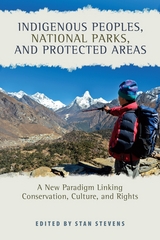
Indigenous Peoples, National Parks, and Protected Areas integrates wide-ranging, multidisciplinary intellectual perspectives with detailed analyses of new kinds of protected areas in diverse parts of the world. Eleven geographers and anthropologists contribute nine substantive fieldwork-based case studies. Their contributions offer insights into experience with new conservation approaches in an array of countries, including Australia, Canada, Guatemala, Honduras, Nepal, Nicaragua, Peru, South Africa, and the United States.
This book breaks new ground with its in-depth exploration of changes in conservation policies and practices—and their profound ramifications for Indigenous peoples, protected areas, and social reconciliation.
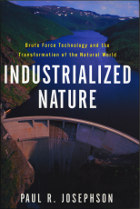
The construction of the Three Gorges Dam on China's Yangtze River. The transformation of the Amazon into a site for huge cattle ranches and aluminum smelters. The development of Nevada's Yucca Mountain into a repository for nuclear waste. The extensive irrigation networks of the Grand Coulee and Kuibyshev Dams. On the face of it, these massive projects are wonders of engineering, financial prowess, and our seldom-questioned ability to modify nature to suit our immediate needs. For nearly a century we have relied increasingly on science and technology to harness natural forces, but at what environmental and social cost?
In Industrialized Nature, historian Paul R. Josephson provides an original examination of the ways in which science, engineering, policy, finance, and hubris have come together, often with unforeseen consequences, to perpetuate what he calls "brute-force technologies"—the large-scale systems created to manage water, forest, and fish resources. Throughout the twentieth century, nations with quite different political systems and economic orientations all pursued this same technological subjugation of nature. Josephson compares the Soviet Union's heavy-handed efforts at resource management to similar projects undertaken in the United States, Norway, Brazil, and China. He argues that brute-force technologies require brute-force politics to operate. He shows how irresponsible—or well-intentioned but misguided—large-scale manipulation of nature has resulted in resource loss and severe environmental degradation.
Josephson explores the ongoing industrialization of nature that is happening in our own backyards and around the world. Both a cautionary tale and a call to action, Industrialized Nature urges us to consider how to develop a future for succeeding generations that avoids the pitfalls of brute-force technologies.

In 2004, U.S. consumers spent $5.2 billion purchasing bottled water while the government only invested 5 percent of that amount to purchase critical watersheds, parks, and wildlife refuges-systems vital to clean water and healthy environments. How can we reverse the direction of such powerful economic forces?
A group of dedicated business-people-turned-environmental-entrepreneurs is pioneering a new set of tools for land conservation deals and other market-based strategies. These pragmatic visionaries have already used these methods to protect millions of acres of land and to transform the practices of entire industries. They are transforming the very nature of conservation by making it profitable.
Drawing on his vast experience in both business and land conservation at The Nature Conservancy (TNC), William Ginn offers a practical guide to these innovative methods and a road map to the most effective way to implement them. From conservation investment banking, to emerging markets for nature's goods and services, to new tax incentives that encourage companies to do the "right" thing, Ginn goes beyond the theories to present real-world applications and strategies. And, just as importantly, he looks at the lessons learned from what has not worked, including his own failed efforts in Papua New Guinea and TNC's controversial compatible development approach in Virginia. In an era of dwindling public resources and scarce charitable dollars, these tools reveal a new, and perhaps the only, pathway to achieving biodiversity goals and protecting our lands.
Conservation professionals, students of land conservation, and entrepreneurs interested in green business will find Ginn's tales of high-finance deals involving vast tracts of pristine land both informative and exciting. More than just talk, Investing in Nature will teach you how to think big about land conservation.
Just over two decades ago, research findings that environmentally hazardous facilities were more likely to be sited near poor and minority communities gave rise to the environmental justice movement. Yet inequitable distribution of the burdens of industrial facilities and pollution is only half of the problem; poor and minority communities are often denied the benefits of natural resources and can suffer disproportionate harm from decisions about their management and use.
Justice and Natural Resources is the first book devoted to exploring the concept of environmental justice in the realm of natural resources. Contributors consider how decisions about the management and use of natural resources can exacerbate social injustice and the problems of disadvantaged communities. Looking at issues that are predominantly rural and western -- many of them involving Indian reservations, public lands, and resource development activities -- it offers a new and more expansive view of environmental justice.
The book begins by delineating the key conceptual dimensions of environmental justice in the natural resource arena. Following the conceptual chapters are contributions that examine the application of environmental justice in natural resource decision-making. Chapters examine:
- how natural resource management can affect a range of stakeholders quite differently, distributing benefits to some and burdens to others
- the potential for using civil rights laws to address damage to natural and cultural resources
- the unique status of Native American environmental justice claims
- parallels between domestic and international environmental justice
- how authority under existing environmental law can be used by Federal regulators and communities to address a broad spectrum of environmental justice concerns
This coast is known as a playground for tourists and backdrop for Hollywood movies, but catch from small local reefs, and the sharing of this abundance, has sustained area families for centuries, helping them to thrive through tidal waves, hurricanes, an influx of new residents, and economic recessions. Yet fishing families are increasingly invisible and many have moved away, threatened by global commodification and loss of access to coastal lands that are now private retreats for star entertainers, investors, and dot-com millionaires.
Building on two decades of interviews with more than sixty Hawaiian elders, leaders, and fishermen and women, Kaiāulu shares their stories of enduring community efforts to perpetuate kuleana, often translated to mean “rights and responsibilities.” Community actions extend kuleana to include nurturing respectful relationships with resources, guarding and cultivating fishing spots, perpetuating collective harvests and sharing, maintaining connection to family lands, reasserting local governance rooted in ancestral values, and preparing future generations to carry on.
An important contribution to scholarship in the fields of natural resource management, geography, Indigenous Studies, and Hawaiian Studies, Kaiāulu is also a skillfully written and deeply personal tribute to a community based not on ownership, but reciprocity, responsibility, and caring for the places that shape and sustain us all.
Written by two of the nation's leading experts on land conservation, Land Conservation Financing provides a comprehensive overview of successful land conservation programs -- how they were created, how they are funded, and what they've accomplished -- along with detailed case studies from across the United States.
The authors present important new information on state-of-the-art conservation financing, showcasing programs in states that have become the nation's leaders in open-space protection: California, Colorado, Florida, Illinois, Maryland, Massachusetts, Minnesota, and New Jersey. They look at key local land protection efforts by examining model programs in DeKalb County, Georgia; Douglas County, Colorado; Jacksonville, Florida; Lake County, Illinois; Lancaster County, Pennsylvania; Marin County, California; the St. Louis metro area in Missouri and Illinois, and on Cape Cod, Massachusetts.
The authors then examine how hundreds of communities have created hundreds of millions of dollars in funding by developing successful campaigns to win land conservation ballot measures. They offer case studies and pull together lessons learned as they lay out how to run a successful campaign. The authors also consider the role of private foundations, which have made immense contributions to land conservation over the past two decades.
The book concludes with an examination of the emerging concept of green infrastructure -- a strategic approach to conservation that involves planning and managing a network of parks, natural areas, greenways, and working lands that can help support native species, maintain ecological processes, and contribute to the health and quality of life for America's people and its communities.
Land Conservation Financing is an indispensable resource for land conservationists in the public and private sectors who are looking for a detailed, national portrait of the state of land conservation in America today.
Today, rarely is a significant land acquisition accomplished without at least one private- and one public-sector participant. This book provides a detailed, inside look at those public- private partnerships.
Each of the extraordinarily varied perspectives that Boyer recreates here considers the question, How do I interact with the Earth? Each has something important to say that expands our understanding of conservation and environmentalism. Listen to the Land encourages you to read a conversation or two and then go outside and start one of your own.
Although still rural and mostly forested, development and land fragmentation in the Cacapon and Lost River Valley have increased over the last decades. Listening to the Land: Stories from the Cacapon and Lost River Valley is a conversation between the people of this Valley and their land, chronicling this community’s dedication to preserving its farms, forests, and rural heritage.
Across the United States, diverse groups are turning away from confrontation and toward collaboration in an attempt to tackle some of our nation's most intractable environmental problems. Government agencies, community groups, businesses, and private individuals have begun working together to solve common problems, resolve conflicts, and develop forward-thinking strategies for moving in a more sustainable direction.
Making Collaboration Work examines those promising efforts. With a decade of research behind them, the authors offer an invaluable set of lessons on the role of collaboration in natural resource management and how to make it work. The book:
- explains why collaboration is an essential component of resource management
- describes barriers that must be understood and overcome
- presents eight themes that characterize successful efforts
- details the specific ways that groups can use those themes to achieve success
- provides advice on how to ensure accountability
Making Collaboration Work will be an invaluable source of ideas and inspiration for policy makers, managers and staff of government agencies and nongovernmental organizations, and community groups searching for more productive modes of interaction.
With a new foreword by Lynton Keith Caldwell
In Managing the Environmental Crisis William R. Mangun and Daniel H. Henning provide a balanced and comprehensive guide to the management of complex environmental and natural resource policy issues. Taking into account new developments, trends, and issues that have arisen in recent years, the authors begin with the recognition, often overlooked, that it is not the environment that needs to be managed but human action relating to the environment.
The authors review issues associated with a range of environmental policy concerns, including energy considerations, renewable and non renewable resource management, pollution control, wilderness management, and urban and regional policy. The history of these issues, recent actions pertaining to their management, difficulties associated with their continued presence, and the consequences of a failure to address these concerns are explored. Though focused on specific political issues, Mangun and Henning direct their attention to two large-scale trends—globalization and the political polarization of the environmental movement. At the level of the decision-making process, the incorporation of values—specifically addressed from multicultural and cross-disciplinary perspectives—is also discussed. International in scope, the book provides descriptions of the roles of both governmental and nongovernmental organizations in the formulations and implementation of national and global environmental policy.
This thoroughly revised second edition discusses various successes in the arenas of environmental cooperation and management strategy while pointing to the new challenges that have emerged in the last decade.
Historian Erik Reardon argues that to protect these fish, New England's farmer-fishermen pushed for conservation measures to limit commercial fishing and industrial uses of the river. Beginning in the colonial period and continuing to the mid-nineteenth century, they advocated for fishing regulations to promote sustainable returns, compelled local millers to open their dams during seasonal fish runs, and defeated corporate proposals to erect large-scale dams. As environmentalists work to restore rivers in New England and beyond in the present day, Managing the River Commons offers important lessons about historical conservation efforts that can help guide current campaigns to remove dams and allow anadromous fish to reclaim these waters.

The US National Parks, what environmentalist and historian Wallace Stegner called America’s “best idea,” are under siege. Since 1972, partisan political appointees in the Department of the Interior have offered two conflicting views of the National Park Service (NPS): one vision emphasizes preservation and science-based decision-making, and another prioritizes economic benefits and privatization. These politically driven shifts represent a pernicious, existential threat to the very future of our parks.
For the past fifty years, brothers Jonathan B. and T. Destry Jarvis have worked both within and outside NPS as leaders and advocates. National Parks Forever interweaves their two voices to show how our parks must be protected from those who would open them to economic exploitation, while still allowing generations to explore and learn in them. Their history also details how Congress and administration appointees have used budget and staffing cuts to sabotage NPS’s ability to manage the parks and even threatened their existence. Drawing on their experience, Jarvis and Jarvis make a bold and compelling proposal: that it is time for NPS to be removed from the Department of the Interior and made an independent agency, similar to the Smithsonian Institution, giving NPS leaders the ability to manage park resources and plan our parks’ protection, priorities, and future.
The National Wildlife Refuges provides a comprehensive examination of the laws and policies governing management of the national wildlife refuges, offering for the first time a practical description and analysis of the management regime outlined in the 1997 National Wildlife Refuge System Improvement Act. The 1997 act is the first new statute governing a system of federal public lands enacted since the 1970s. The evolution of law governing the refuge system parallels broader trends in public land management and environmental protection, making the refuge system a valuable case study for those interested in environmental management, policy, and law. The book:
- describes the National Wildlife Refuge System and its legal history
- offers a detailed breakdown of the 1997 act, including its purpose, designated uses, comprehensive planning provisions, substantive management criteria, and public participation aspects
- considers individual refuges and specific issues that apply to only certain refuges
- discusses oil and gas development in refuges
- offers observations about how well the refuge system law resolves historic tensions and achieves modern conservation goals
A separate chapter examines the special rules governing refuges in Alaska and considers the contentious debate over the Arctic National Wildlife Refuge. Appendixes offer a reference of acronyms and abbreviations, a chronology of the refuge system's development, key statutory provisions (including the full text of the 1997 act), and basic information about each national wildlife refuge.
With an approach to conservation that is increasingly prevalent around the world, the National Wildlife Refuge System is an important model for sustainable resource management, and the book's analyses of the refuge system's ecological management criteria, conflicts between primary and subsidiary uses, and tension between site-specific standards and uniform national goals all offer important lessons for environmental governance generally.
Low-income communities frequently suffer from a lack of access to, or lack of control over, the natural resources that surround them. In many cases, their local environment has been degraded by years of resource extraction and pollution by distant corporations or government agencies. In such settings, initiatives that build natural assets in the hands of the poor can play an important role in poverty-fighting efforts.
Natural Assets explores a range of strategies for expanding the quantity and enhancing the quality of natural assets in the hands of low-income individuals and communities. The book:
• describes efforts to curtail pollution of the air, land, and water and to reclaim resources that have been appropriated and abused by polluters
• considers sustainable agricultural practices that not only maintain but actually increase the stock of natural capital
• explores strategies to promote sustainable forest management while reducing rural poverty
• examines the prospects for building natural assets in urban areas
In this groundbreaking book, Katrina Schwartz examines the intersection of environmental politics, globalization, and national identity in a small East European country: modern-day Latvia. Based on extensive ethnographic research and lively discourse analysis, it explores that country’s post-Soviet responses to European assistance and political pressure in nature management, biodiversity conservation, and rural development. These responses were shaped by hotly contested notions of national identity articulated as contrasting visions of the “ideal” rural landscape.
The players in this story include Latvian farmers and other traditional rural dwellers, environmental advocates, and professionals with divided attitudes toward new European approaches to sustainable development. An entrenched set of forestry and land management practices, with roots in the Soviet and pre-Soviet eras, confront growing international pressures on a small country to conform to current (Western) notions of environmental responsibility—notions often perceived by Latvians to be at odds with local interests. While the case is that of Latvia, the dynamics Schwartz explores have wide applicability and speak powerfully to broader theoretical discussions about sustainable development, social constructions of nature, the sources of nationalism, and the impacts of globalization and regional integration on the traditional nation-state.
As public funding for conservation efforts grows ever scarcer and the private sector is brimming with ideas about how its role—along with its profits— can grow, market forces have found their way into environmental management to a degree unimaginable only a few years ago. Ecotourism, payment for environmental services (PES), and new conservation finance instruments such as species banking, carbon trading, and biodiversity derivatives are only some of the market mechanisms that have sprung into being. This is “Nature™ Inc.”: a fast-growing frontier of networks, activities, knowledge, and regulations that are rapidly changing the relations between people and nature on both global and local scales.
Nature™ Inc. brings together cutting-edge research by respected scholars from around the world to analyze how “neoliberal conservation” is reshaping human–nature relations that have been fashioned over two centuries of capitalist development. Contributors synthesize and add to a growing body of academic literature that cuts across the disciplinary boundaries of geography, sociology, anthropology, political science, and development studies to critically interrogate the increasing emphasis on neoliberal market-based mechanisms in environmental conservation. They all grapple with one overriding question: can capitalist market mechanisms resolve the environmental problems they have helped create?
Nature’s Burdens is a political and intellectual history of American natural resource conservation from the 1980s into the twenty-first century—a period of intense political turmoil, shifting priorities among federal policymakers, and changing ideas about the goals of conservation. Telling a story of persistent activism, conflict, and frustration but also of striking achievement, it is an account of how new ideas and policies regarding human relationships to plants, animals, and their surroundings have become vital features of modern environmentalism.
In the 1960s and 1970s, Congress embraced the largely dormant movement to preserve distinctive landscapes and the growing demand for outdoor recreation, establishing an unprecedented number of parks, monuments, and recreation areas. The election of Ronald Reagan and a shift to a Republican-controlled Senate brought this activity to an abrupt halt and introduced a period of intense partisanship and legislative gridlock that extends to the present. In this political climate, three developments largely defined the role of conservation in contemporary society: environmental organizations have struggled to defend the legal status quo, private land conservation has become increasingly important, and the emergence of potent scientific voices has promoted the protection of animals and plants and injected a new sense of urgency into the larger cause.
These developments mark this period as a distinctive and important chapter in the history of American conservation. Scrupulously researched, scientifically and politically well informed, concise, and accessibly written, Nature’s Burdens is the most comprehensive examination of recent efforts to protect and enhance the natural world. It will be of interest to environmental historians, environmental activists, and any general reader interested in conservation.
In Nature’s Fortune, Mark Tercek, CEO of The Nature Conservancy and former investment banker, and science writer Jonathan Adams argue that nature is not only the foundation of human well-being, but also the smartest commercial investment any business or government can make. The forests, floodplains, and oyster reefs often seen simply as raw materials or as obstacles to be cleared in the name of progress are, in fact as important to our future prosperity as technology or law or business innovation.
Who invests in nature, and why? What rates of return can it produce? When is protecting nature a good investment? With stories from the South Pacific to the California coast, from the Andes to the Gulf of Mexico and even to New York City, Nature’s Fortune shows how viewing nature as green infrastructure allows for breakthroughs not only in conservation—protecting water supplies; enhancing the health of fisheries; making cities more sustainable, livable, and safe; and dealing with unavoidable climate change—but in economic progress, as well. Organizations obviously depend on the environment for key resources—water, trees, and land. But they can also reap substantial commercial benefits in the form of risk mitigation, cost reduction, new investment opportunities, and the protection of assets. Once leaders learn how to account for nature in financial terms, they can incorporate that value into the organization’s decisions and activities, just as habitually as they consider cost, revenue, and ROI.
A must-read for business leaders, CEOs, investors, and environmentalists alike, Nature’s Fortune offers an essential guide to the world’s economic—and environmental—well-being.
The engaging writings gathered in this new book explore an important but little-publicized movement in American culture -- the marked resurgence of agrarian practices and values in rural areas, suburbs, and even cities. It is a movement that in widely varied ways is attempting to strengthen society's roots in the land while bringing greater health to families, neighborhoods, and communities. The New Agrarianism vividly displays the movement's breadth and vigor, with selections by such award-winning writers as Wendell Berry, William Kittredge, Stephanie Mills, David Orr, Scott Russell Sanders, and Donald Worster.
As editor Eric Freyfogle observes in his stimulating and original introduction, agrarianism is properly conceived in broad terms, as reaching beyond food production to include a wide constellation of ideals, loyalties, sentiments, and hopes. It is a temperament and a moral orientation, he explains, as well as a suite of diverse economic practices -- all based on the insistent truth that people everywhere are part of the land community, as dependent as other life on its fertility and just as shaped by its mysteries and possibilities.
The writings included here have been chosen for their engaging narratives as well as their depiction of the New Agrarianism's broad scope. Many of the selections illustrate agrarian practitioners in action -- restoring prairies, promoting community forests and farms, reducing resource consumption, reshaping the built environment. Other selections offer pointed critiques of contemporary American culture and its market-driven, resource-depleting competitiveness. Together, they reveal what Freyfogle identifies as the heart and soul of the New Agrarianism: its yearning to regain society's connections to the land and its quest to help craft a more land-based and enduring set of shared values.
The New Agrarianism offers a compelling vision of this hopeful new way of living. It is an essential book for social critics, community activists, organic gardeners, conservationists, and all those seeking to forge sustaining ties with the entire community of life.
This accessible book explains the complexities of key environmental laws and how they can be used to protect our national parks. It includes discussions of successful and unsuccessful attempts to use the laws and how the courts have interpreted them.
Unlike many small tropical towns, Chunhuhub in rural Quintana Roo, Mexico, has not been a helpless victim of international forces. Its people are descendants of heroic Mayans who stood off the Spanish invaders. People in Chunhuhub continue to live largely through subsistence farming of maize and vegetables, supplemented by commercial orchard, livestock, and field crop cultivation. They are, however, also self-consciously “modernizing” by seeking better educational and economic opportunities.
Political Ecology in a Yucatec Maya Community tells the story of Chunhuhub at the beginning of the twenty-first century, focusing on the resource management of plants and animals. E. N. Anderson and his Maya co-authors provide a detailed overview of Maya knowledge of and relationships with the environment, describing how these relationships have been maintained over the centuries and are being transformed by modernization. They show that the Quintana Roo Mayas have been working to find ways to continue ancient and sustainable methods of making a living while also introducing modern techniques that can improve that living. For instance, traditional subsistence agriculture is broadly sustainable at current population densities, but hunting is not, and modern mechanized agriculture has an uncertain future.
Bringing the voice of contemporary Mayas to every page, the authors offer an encyclopedic overview of the region: history, environment, agriculture, medicine, social relations, and economy. Whether discussing the fine points of beekeeping or addressing the problem of deforestation, they provide a remarkably detailed account that immerses readers in the landscape.
Maya of the Yucatán Peninsula have had more than their share of successes—and some failures as well—and as a study in political and cultural ecology, Political Ecology in a Yucatec Maya Community has much to tell us about tropical development and about the human condition. Their experience tells us that if we wish to have not only farms but also mahogany, wildlife, and ecotourism, then further efforts are needed.
As Anderson observes, traditional Maya management, with its immense knowledge base, remains the best—indeed, the only—effective system for making a living from the Yucatán’s harsh landscape. Political Ecology in a Yucatec Maya Community is a compelling testament to the daily life practices of modern peasant farmers that can provide us with clues about more efficient management techniques for the conservation of biodiversity worldwide.
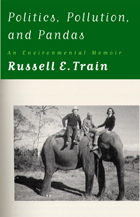
Russell E. Train, was chairman emeritus of the World Wildlife Fund, has led a remarkable life in conservation and environmental politics. Though many of his contributions have been unsung, Train was the catalyst for many of the nation's most important positive environmental policies that remain with us today. In the current political climate, where party divisions are so sharp and environmental concerns are so often shunted aside, Train's journey as a life-long Republican and an ardent conservationist is an inspiring story.
Much of the important environmental policy Train helped to devise and implement occurred during two Republican administrations, those of Richard Nixon and Gerald Ford. Train served as undersecretary of Interior early in Nixon's administration before becoming chair of the president's Council on Environmental Quality (1970-1973). He then moved on to many accomplishments as head of the Environmental Protection Agency (EPA) from 1973 until 1978. At the end of the Ford administration, Train left government to become president of World Wildlife Fund (WWF) in the U.S. where he played a key role in developing that institution into the major conservation organization it is today.
Politics, Pollution, and Pandas is a fascinating, behind-the-scenes account of the politics of the environment over much of the last half century, as told by one of its master architects.
Practical Ecology for Planners, Developers, and Citizens introduces and explains key ecological concepts for planners, landscape architects, developers, and others involved in planning and building human habitats. The book is tailored to meet the needs of busy land use professionals and citizens seeking a concise yet thorough overview of ecology and its applications. It offers clear guidelines and a wealth of information on how we can protect species and ecosystems while at the same creating healthy, sustainable human communities.
Throughout the book, the authors make ecological concepts accessible to readers with little or no scientific background. They present key ideas and information in simple and pragmatic terms, and provide numerous graphics to help explain important concepts. They also offer exercises for the reader to practice ecologically-based planning and design, along with a list of resources for practical information on ecology and conservation.
Practical Ecology for Planners, Developers, and Citizens will raise the level of ecological understanding among land use professionals and citizens, and is an invaluable new resource for anyone concerned with human land use and its environmental impacts.
Renewable Resource Policy is a comprehensive volume covering the history, laws, and important national policies that affect renewable resource management. The author traces the history of renewable natural resource policy and management in the United States, describes the major federal agencies and their functions, and examines the evolution of the primary resource policy areas.
The book provides valuable insight into the often neglected legal, administrative, and bureaucratic aspect of natural resource management. It is a definitive and essential source of information covering all facets of renewable resource policy that brings together a remarkable range of information in a coherent, integrated form.
Property rights are a tool humans use in regulating their use of natural resources. Understanding how rights to resources are assigned and how they are controlled is critical to designing and implementing effective strategies for environmental management and conservation.
Rights to Nature is a nontechnical, interdisciplinary introduction to the systems of rights, rules, and responsibilities that guide and control human use of the environment. Following a brief overview of the relationship between property rights and the natural environment, chapters consider:
- ecological systems and how they function
- the effects of culture, values, and social organization on the use of natural resources
- the design and development of property rights regimes and the costs of their operation
- cultural factors that affect the design and implementation of property rights systems
- coordination across geographic and jurisdictional boundaries
The opposing forces of conservation and development have shaped and will continue to shape the natural environment and scenic beauty of the American West. Perhaps nowhere are their opposite effects more visible than in the neighboring states of Colorado and Utah, so alike in their spectacular mountain environments, yet so different in their approaches to land conservation. This study explores why Colorado has over twenty-five land trusts, while Utah has only one.
John Wright traces the success of voluntary land conservation in Colorado to the state’s history as a region of secular commerce. As environmental consciousness has grown in Colorado, people there have embraced the businesslike approach of land trusts as simply a new, more responsible way of conducting the real estate business.
In Utah, by contrast, Wright finds that Mormon millennialism and the belief that growth equals success have created a public climate opposed to the formation of land trusts. As Wright puts it, "environmentalism seems to thrive in the Centennial state within the spiritual vacuum which is filled by Mormonism in Utah." These findings remind conservationists of the power of underlying cultural values that affect their efforts to preserve private lands.
Science and Ecosystem Management in the National Parks presents twelve case studies of long-term research conducted in and around national parks that address major natural resource issues. These cases demonstrate how the use of longer time scales strongly influence our understanding of ecosystems and how interpretations of short-term patterns in nature often change when viewed in the context of long-term data sets. Most importantly, they show conclusively that scientific research significantly reduces uncertainty and improves resource management decisions. Chosen by scientists and senior park managers, the cases offer a broad range of topics, including: air quality at Grand Canyon; interaction between moose and wolf populations on Isle Royale; control of exotic species in Hawaiian parks; simulation of natural fire in the parks of the Sierra Nevada; and the impact of urban expansion on Saguaro National Monument.
Because national parks are increasingly beset with conflicting views of their management, the need for knowledge of park ecosystems becomes even more critical--not only for the parks themselves, but for what they can tell us about survival in the rest of our world. This book demonstrates to policymakers and managers that decisions based on knowledge of ecosystems are more enduring and cost effective than decisions derived from uninformed consensus. It also provides scientists with models for designing research to meet threats to our most precious natural resources. "If we can learn to save the parks," observe Halvorson and Davis, "perhaps we can learn to save the world."
Every piece of land, no matter how remote or untrammeled, has a boundary. While sometimes boundary lines follow topographic or biological features, more often they follow the straight lines of political dictate and compromise. Administrative boundaries nearly always fragment a landscape, resulting in loss of species that must disperse or migrate across borders, increased likelihood of threats such as alien species or pollutants, and disruption of natural processes such as fire. Despite the importance and ubiquity of boundary issues, remarkably little has been written on the subject.
Stewardship Across Boundaries fills that gap in the literature, addressing the complex biological and socioeconomic impacts of both public and private land boundaries in the United States. With contributions from natural resource managers, historians, environmentalists, political scientists, and legal scholars, the book:
develops a framework for understanding administrative boundaries and their effects on the land and on human behavior examines issues related to different types of boundaries -- wilderness, commodity, recreation, private-public presents a series of case studies illustrating the efforts of those who have cooperated to promote stewardship across boundaries synthesizes the broad complexity of boundary-related issues and offers an integrated strategy for achieving regional stewardshi.
Stewardship Across Boundaries should spur open discussion among students, scientists, managers, and activists on this important topic. It demonstrates how legal, social, and ecological conditions interact in causing boundary impacts and why those factors must be integrated to improve land management. It also discusses research needs and will help facilitate critical thinking within the scientific community that could result in new strategies for managing boundaries and their impacts.
Recognizing the long history of mistrust between corporate action and environmental effort, Strategic Corporate Conservation Planning begins by explaining how to identify priorities that will yield a beneficial relationship between a company and nonprofit. Next, O’Gorman offers steps for creating ecologically-focused projects that address key business needs. Chapters highlight existing projects with different scales of engagement, emphasizing that headline-generating, multimillion dollar commitments are not necessarily the most effective approach. Myriad case studies featuring programs from habitat restoration to environmental educational initiatives at companies like Bridgestone USA, General Motors, and CRH Americas are included to help spark new ideas.
With limited government funding available for conservation and increasing competition for grant support, corporate efforts can fill a growing need for environmental stewardship while also providing business benefits. Strategic Corporate Conservation Planning presents a comprehensive approach for effective engagement between the public and private sector, encouraging pragmatic partnerships that benefit us all.
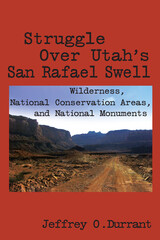
In detailing political and environmental squabbles over the San Rafael Swell, Durrant illuminates issues that confront land managers, bureaucrats, and elected officials throughout the country. He describes struggles between county commissioners and environmental activists, conflicts over water rights, proposals that repeatedly fail to gain government approval, and political posturings. Caught in the crossfire, and often overwhelmed, the Bureau of Land Management has seen its long-time mission—once centered on grazing and mining rights—transmogrify into a new and, to some, unsettling responsibility for recreation and preservation.
The sandstone crags and twisting valleys of the San Rafael Swell present a formidable landscape, but as this book clearly shows, the political landscape may be even more daunting, strewn with bureaucratic boulders and embedded with fixed positions on the functions and values of public land.
In the eight states of the interior West (Arizona, Colorado, Idaho, Montana, Nevada, New Mexico, Utah, and Wyoming), 260 million acres -- more than 48 percent of the land base -- are owned by the federal government and managed by its Washington, D.C.-based agencies. Like many other peoples throughout history who have bristled under the controlling hand of a remote government, westerners have long nursed a deep resentment toward our nation's capital. Rumblings of revolution have stirred for decades, bolstered in recent years by increasing evidence of the impossibility of a distant, centralized government successfully managing the West's widespread and far-flung lands.
In This Sovereign Land, Daniel Kemmis offers a radical new proposal for giving the West control over its land. Unlike those who wish to privatize the public lands and let market forces decide their fate, Kemmis, a leading western Democrat and committed environmentalist, argues for keeping the public lands public, but for shifting jurisdiction over them from nation to region. In place of the current centralized management, he offers a regional approach that takes into account natural topographical and ecological features, and brings together local residents with a vested interest in ensuring the sustainability of their communities. In effect, Kemmis carries to their logical conclusion the recommendations about how the West should be governed made by John Wesley Powell more than a century ago.
Throughout, Kemmis argues that the West no longer needs to be protected against itself by a paternalistic system and makes a compelling case that the time has come for the region to claim sovereignty over its own landscape. This Sovereign Land provides a provocative opening to a much-needed discussion about how democracy and ecological sustainability can go hand in hand, and will be essential reading for anyone interested in the West and western issues, as well as for all those concerned with place-based conservation, public lands management, bioregionalism, or related topics.
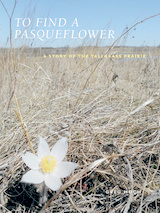
Hoch blends history, culture, and science into a unified narrative of the tallgrass prairie, with an emphasis on humans’ participation in its development and destruction. Hoch also demonstrates how variable and dynamic the prairie is, creating both challenges and opportunities for those who manage and restore and appreciate it.
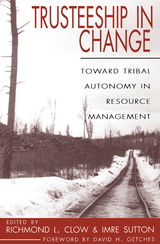
This book also includes case studies focused on wildlife management, forest preservation, tribal hunting laws, and other specific concerns in management, preservation and utilization of Native American land. An excellent source for scholars in the fields of Native American and environmental studies, Trusteeship in Change is sure to spark debate and to be an important reference book for years to come.
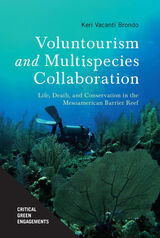
Winner of the 2022 Edward M. Bruner Book Award
Voluntourism and Multispecies Collaboration is a lively ethnographic exploration of the world of conservation voluntourism and its engagement with marine and terrestrial biodiversity on the Honduran Bay Island of Utila, located in the ecologically critical Mesoamerican Barrier Reef.
In this highly readable text, anthropologist Keri Vacanti Brondo provides a pioneering theoretical framework that conceptualizes conservation voluntourism as a green industry. Brondo argues that the volunteer tourism industry is the product of coloniality and capitalism that works to produce and sustain an economy of affect while generating inequalities and dispossession. Employing a decolonizing methodology based on landscape assemblage theory, Brondo offers “thinking-like-a-mangrove” to attend to alternative worldings in Utila beyond the hegemonic tourist spectacle–dominated world attached to the volunteer tourism industry. Readers journey through the mangroves and waters alongside voluntourists, iguanas, whale sharks, turtles, lionfish, and islanders to build valuable research experience in environmental management while engaging in affective labor and multispecies relations of care.
Conservation organizations benefit from the financial capital and labor associated with conservation tourism, an industry boosted by social media. This critical work asks us to consider the impacts of this new alternative tourism market, one that relies on the exchange of “affect” with other species. How are human socialities made through interactions with other species? What lives and dies in Utila’s affect economy? Why are some species killable? Who gets to decide?
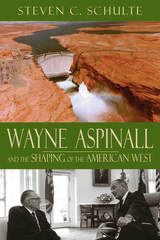
In Wayne Aspinall and the Shaping of the American West, Steven C. Schulte details a political career that encompassed some of the most crucial years in the development of the twentieth-century West. As chairman of the House Interior and Insular Affairs Committee from 1959 to 1973, Aspinall shaped the nation's reclamation, land, wilderness, and natural resource policies. His crusty and dtermined personality was at the enter of some of the key environmental battles of the twentieth century, including the Echo Park Dam fight, the struggle for the Wilderness Act, and the long controversy over the Central Arizona Project.
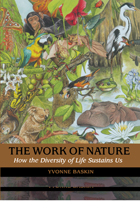
The lavish array of organisms known as "biodiversity" is an intricately linked web that makes the earth a uniquely habitable planet. Yet pressures from human activities are destroying biodiversity at an unprecedented rate. How many species can be lost before the ecological systems that nurture life begin to break down?
In The Work of Nature, noted science writer Yvonne Baskin examines the threats posed to humans by the loss of biodiversity. She summarizes and explains key findings from the ecological sciences, highlighting examples from around the world where shifts in species have affected the provision of clean air, pure water, fertile soils, lush landscapes, and stable natural communities.
As Baskin makes clear, biodiversity is much more than number of species -- it includes the complexity, richness, and abundance of nature at all levels, from the genes carried by local populations to the layout of communities and ecosystems across the landscape. Ecologists are increasingly aware that mankind's wanton destruction of living organisms -- the planet's work force -- threatens to erode our basic life support services. With uncommon grace and eloquence, Baskin demonstrates how and why that is so.
Distilling and bringing to life the work of the world's leading ecologists, The Work of Nature is the first book of its kind to clearly explain the practical consequences of declining biodiversity on ecosystem health and function.
READERS
Browse our collection.
PUBLISHERS
See BiblioVault's publisher services.
STUDENT SERVICES
Files for college accessibility offices.
RECENTLY PUBLISHED




UChicago Accessibility Resources
home | accessibility | search | about | contact us
BiblioVault ® 2001 - 2024
The University of Chicago Press