Acknowledgments viii
Introduction x
Primers Fragments/Early Fragments1
Diari 1918 (fragments)2
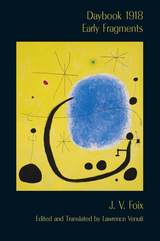
Daybook 1918 (Fragments)3
“He malferit”2
“I wounded”3
“Aixequeu ben alts”4
“Raise high”5
“M’assegurava que eren”6
“She assured me”7
“Quants de tombs”8
“How many times”9
“Diuen que estàs gelosa”10
“They say you are jealous”11
“Et vaig sorprendre”12
“I caught you unawares”13
“Les parets del court”14
“The court walls”15
“Que hagin aparedat”16
“May portals and windows”17
“En percebre de lluny”18
“Upon perceiving my rival”19
“Quan érem a la font” 20
“When we were standing together” 21
“A les sis de la tarda” 22
“At six in the afternoon” 23
“Les cases, de roure i” 24
“The houses of oak and mahogany” 25
La vila 26
The Village 28
7 h. 50--11 h. 50 30
7:50--11:50 31
Plaça Catalunya—Pedralbes 32
Plaça Catalunya—Pedralbes 35
Pepa, la lletera 38
Pepa the Milkmaid 39
Sense simbolisme 40
Without Symbolism 41
Notes sobre la mar 43
Notes on the Sea 44
1 “La sorpresa fou quan” 43
1 “The surprise occurred” 44
2 “Ben lligat el nasde carto” 45
2 “Wearing a grotesque pasteboardnose”46
3 “La mar, aquell matí, era” 47
3 “The sea, that morning” 48
4 “De levita i copalta negre” 49
4 “Wearing black frock coats” 50
5 “En acabar-se el ball” 51
5 “As the ball comes to an end” 52
6 “De lluny tothom crida” 53
6 “From afar everyone shouts”54
Notes del Diari55
Notes from the Daybook
56
“No són cases; no és”
55
“They are not houses”56
“Perquè n’he pintat la faç”57
“Beause I painted my face”58
“Hi ha cavalls per portals”59
“There are horses for portals”60
Ombres darrere els lilàs61
Shadows behind Lilacs62
“Mil ales rosa”61
“A thousand pink wings”62
“Fou diumenge passat”63
“Last Sunday”64
“El Díaz i el Vicente”65
“Diaz and Vicente”66
“Nois i noies”67
“The boys and girls”68
“Perquè l’home”69
“Because the man”70
“Ni els peixos”71
“The fish swimming”72
“Feixos d’heura”73
“Bundles of ivy”74
“Palplantat a la porta”75
“Stock-still at the door”76
“Destenyits per la pluja”77
“Faded by the rain”78
“Tot just m’acabava”79
“No sooner had my friend”80
Retorn a la natura81
Return to Nature82
“Per un filferro”81
“Down a wire”82
“Fugir, fugir”83
“Flee, flee”84
“L’últim ocell”85
“The last bird”86
“Cap mà no em diu”87
“No hand bids me”88
“Per les obertures”89
“Huge enameled amphoras”90
“Só jo que porto”91
“I’m the one who carries”92
“És inútil que”93
“In vain”94
Vindré més tard demà95
I’ll Come Later Tomorrow96
On aniré tot sol97
Where I Shall Go All Alone 99
Omitted Texts 101
Gertrudis 102
ChristmasStory 105
“Desertedpaths,lifeless boulevards”111
KRTU 112
Notes on El Port de la Selva 114
Introductions 122
Salvador Dalí 122
Joan Miró 125
Artur Carbonell 127
Applications 129
Letter to a Friend and Colleague 136
Essays
138
Avant-gardism 139
Some Considerations on Current LiteratureandArt145
Some Reflections on One’s Own Literature 156
Homeland 160
Notes
164