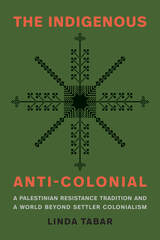
The Indigenous Anti-Colonial: A Palestinian Resistance Tradition and a World Beyond Settler Colonialism
Duke University Press, 2026
Cloth: 978-1-4780-3446-9 | Paper: 978-1-4780-3938-9 | eISBN: 978-1-4780-6302-5 (standard)
Library of Congress Classification DS126.T155 2026
See other books on: Autonomy and independence movements | Decolonization | Middle Eastern Studies | Palestine | Social movements
See other titles from Duke University Press
Cloth: 978-1-4780-3446-9 | Paper: 978-1-4780-3938-9 | eISBN: 978-1-4780-6302-5 (standard)
Library of Congress Classification DS126.T155 2026
ABOUT THIS BOOK | AUTHOR BIOGRAPHY | REVIEWS | TOC | REQUEST ACCESSIBLE FILE
ABOUT THIS BOOK
In The Indigenous Anti-Colonial, Linda Tabar explores the radical tradition in which Palestinians remain defiant and undeterred as they hold onto their world and resist settler colonialism. Using a living archive of memory and oral knowledges to trace this long tradition, Tabar outlines the way Palestinians refuse and counter Zionist efforts to erase Palestinian presence and history from the land with an unyielding resistance that is distinctly Indigenous, shaped by Palestinians’ bonds with the land and the world that they built with it. This Indigenous anticolonial radical tradition produces its own imaginaries of liberation that seek a world beyond settler colonialism, white supremacy, and capitalism, constructing alternative conditions for freedom. As Israeli settler colonialism accelerates its attempts to eradicate the Palestinian people and the horrors of its genocide in Gaza are broadcast to the world, Tabar puts Palestinian conceptions of liberation at the center of conversations around settler colonialism.
See other books on: Autonomy and independence movements | Decolonization | Middle Eastern Studies | Palestine | Social movements
See other titles from Duke University Press