
 A SCHOLARLY BOOK REPOSITORY
2150 start with C start with C
What holds this book together is the story of how resisting the crimes of the powerful while struggling locally for social justice is the essence of critical criminology. His seven chapters are divided into three parts—academic freedom, academic activism, and academic praxis—and these connected stories link the author's own academic career in Berkeley, California; Las Vegas, Nevada; Chicago; Alabama; Ann Arbor, Michigan; and across the United States. Barak's eventful scholarly life involved efforts to overcome laws against abortion and homosexuality; to formalize protective practices for women from domestic violence and sexual assault; to oppose racism and classism in the criminal justice system; to challenge the wars on gangs, drugs, and immigrants; and to confront the policies of mass incarceration and the treatment of juvenile offenders.
Eldridge reveals how the black press not only reported the war but also weighed its significance in the context of the civil rights movement.
Eldridge examines not only the role of reporters during the war, but also those of editors, commentators, and cartoonists. Especially enlightening is the research drawn from extensive oral histories by prominent journalist Ethel Payne, the first African American woman to receive the title of war correspondent. She described a widespread practice in black papers of reworking material from major white papers without providing proper credit, as the demand for news swamped the small budgets and limited staffs of African American papers. The author analyzes both the strengths of the black print media and the weaknesses in their coverage.
The black press ultimately viewed the Vietnam War through the lens of African American experience, blaming the war for crippling LBJ’s Great Society and the War on Poverty. Despite its waning hopes for an improved life, the black press soldiered on.

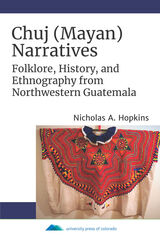
The book illustrates the broad range of stories people tell each other, from mythological and legendary topics to procedural discussions and stories borrowed from European and African societies. Hopkins provides context for the narratives by introducing the reader to Chuj culture and history, conveying important events as described by indigenous participants. These events include customs and practices related to salt production as well as the beginnings of the disastrous civil war of the last century, which resulted in the destruction of several villages from which the narratives in this study originated. Hopkins also provides an analytical framework for the strategies of the storytellers and presents the narratives with Chuj text and English translation side-by-side.
Chuj (Mayan) Narratives analyzes the strategies of storytelling in an innovative framework applicable to other corpora and includes sufficient grammatical information to function as an introduction to the Chuj language. The stories illustrate the persistence of Classic Maya themes in contemporary folk literature, making the book significant to Mesoamericanists and Mayanists and an essential resource for students and scholars of Maya linguistics and literary traditions, storytelling, and folklore.

Sardis was home to one of the earliest known Christian communities, appearing among the Seven Churches of Asia in the mid-first century AD. Between 1962 and 1973, the Archaeological Exploration of Sardis excavated two superimposed churches at the ancient site, one early Christian, one Byzantine. This richly illustrated volume documents the architecture and history of these buildings from the fourth to the sixteenth century.
The early Christian church, an aisled basilica with narthex and atrium, both decorated with floor mosaics, had a long and complicated history, starting in the fourth century and continuing into the ninth century. Built over its remains is a Byzantine church dating to the little-known Lascarid period, when Constantinople had fallen to the Fourth Crusade and western Asia Minor was home to an independent Christian empire. This building’s standing remains, scattered domes, and vaulting fragments support the reconstruction of an inscribed-cross church with six columns and five domes, enriched on the exterior by a variety of brick and terracotta decoration. Together, these buildings cast new light on a millennium of Christian worship at Sardis, from the first official recognition of Christianity until the end of the Byzantine era.
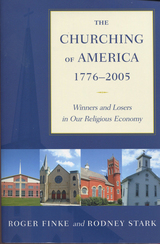
But, as Finke and Stark show, not all denominations benefited. They explain how and why the early nineteenth-century churches began their descent, while two newcomer sects, the Baptists and the Methodists, gained ground. They also analyze why the Methodists then began a long, downward slide, why the Baptists continued to succeed, how the Catholic Church met the competition of ardent Protestant missionaries, and why the Catholic commitment has declined since Vatican II. The authors also explain why ecumenical movements always fail
In short, Americans are not abandoning religion; they have been moving away from established denominations. A "church-sect process" is always under way, Finke and Stark argue, as successful churches lose their organizational vigor and are replaced by less worldly groups.
Some observers assert that the rise in churching rates indicates increased participation, not increased belief. Finke and Stark challenge this as well. They find that those groups that have gained the greatest numbers have demanded that their followers accept traditional doctrines and otherworldliness. They argue that religious organizations can thrive only when they comfort souls and demand sacrifice. When theology becomes too logical, or too secular, it loses people.
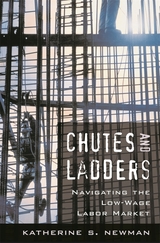
Now that the welfare system has been largely dismantled, the fate of America's poor depends on what happens to them in the low-wage labor market. In this timely volume, Katherine S. Newman explores whether the poorest workers and families benefited from the tight labor markets and good economic times of the late 1990s. Following black and Latino workers in Harlem, who began their work lives flipping burgers, she finds more good news than we might have expected coming out of a high-poverty neighborhood. Many adult workers returned to school and obtained trade certificates, high school diplomas, and college degrees. Their persistence paid off in the form of better jobs, higher pay, and greater self-respect. Others found union jobs and, as a result, brought home bigger paychecks, health insurance, and a pension. More than 20 percent of those profiled in Chutes and Ladders are no longer poor.
A very different story emerges among those who floundered even in a good economy. Weighed down by family obligations or troubled partners and hindered by poor training and prejudice, these "low riders" moved in and out of the labor market, on and off public assistance, and continued to depend upon the kindness of family and friends.
Supplementing finely drawn ethnographic portraits, Newman examines the national picture to show that patterns around the country paralleled the findings from some of New York's most depressed neighborhoods. More than a story of the shifting fortunes of the labor market, Chutes and Ladders asks probing questions about the motivations of low-wage workers, the dreams they have for the future, and their understanding of the rules of the game.
Los Angeles Times Book Prize Finalist
Winner of the Willie Lee Rose Prize
Winner of the PROSE Award in United States History
Hagley Prize in Business History Finalist
A Smithsonian Best History Book of the Year
“Vaping gets all the attention now, but Milov’s thorough study reminds us that smoking has always intersected with the government, for better or worse.”
—New York Times Book Review
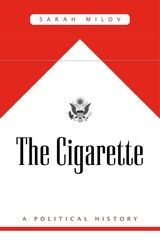
From Jamestown to the Marlboro Man, tobacco has powered America’s economy and shaped some of its most enduring myths. The story of tobacco’s rise and fall may seem simple enough—a tale of science triumphing over corporate greed—but the truth is more complicated.
After the Great Depression, government officials and tobacco farmers worked hand in hand to ensure that regulation was used to promote tobacco rather than protect consumers. As evidence of the connection between cigarettes and cancer grew, scientists struggled to secure federal regulation in the name of public health. What turned the tide, Sarah Milov reveals, was a new kind of politics: a movement for nonsmokers’ rights. Activists took to the courts, the streets, city councils, and boardrooms to argue for smoke-free workplaces and allied with scientists to lobby elected officials. The Cigarette puts politics back at the heart of tobacco’s rise and fall, dramatizing the battles over corporate influence, individual choice, government regulation, and science.
“A nuanced and ultimately devastating indictment of government complicity with the worst excesses of American capitalism.”
—New Republic
“An impressive work of scholarship evincing years of spadework…A well-told story.”
—Wall Street Journal
“If you want to know what the smoke-filled rooms of midcentury America were really like, this is the book to read.”
—Los Angeles Review of Books
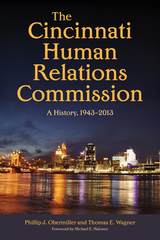
In the summer of 1943, as World War II raged overseas, the United States also faced internal strife. Earlier that year, Detroit had erupted in a series of race riots that killed dozens and destroyed entire neighborhoods. Across the country, mayors and city councils sought to defuse racial tensions and promote nonviolent solutions to social and economic injustices. In Cincinnati, the result of those efforts was the Mayor’s Friendly Relations Committee, later renamed the Cincinnati Human Relations Commission (CHRC).
The Cincinnati Human Relations Commission: A History, 1943–2013, is a decade-by-decade chronicle of the agency: its accomplishments, challenges, and failures. The purpose of municipal human relations agencies like the CHRC was to give minority groups access to local government through internal advocacy, education, mediation, and persuasion—in clear contrast to the tactics of lawsuits, sit-ins, boycotts, and marches adopted by many external, nongovernmental organizations.
In compiling this history, Phillip J. Obermiller and Thomas E. Wagner have drawn on an extensive base of archival records, reports, speeches, and media sources. In addition, archival and contemporary interviews provide first-person insight into the events and personalities that shaped the agency and the history of civil rights in this midwestern city.

Covering a period of more than one hundred years of work by renowned folklorists, these enlightening essays explore the timeless tale of Cinderella. In addition to the most famous versions of the story (Basile’s Pentamerone, Perrault’s Cendrillon, and the Grimm’s Aschenputtel), this casebook includes articles on other versions of the tale from Russian, English, Chinese, Greek and French folklore. The volume concludes with several interpretive essays, including a psychoanalytic view from Dundes and a critique of the popularization of Cinderella in America.
“Folklorists, scholars of children’s literature, and feminists should appreciate particularly the wide scope of this collection . . . now in paperback with an updated Bibliographical Addendum. . . . Most helpful are the two-page introductions to each variant and to each essay which include a brief overview of the historical times as well as suggested additional sources for more discussion.”—Danny Rochman, Folklore Forum
“A milestone, a near complete source of primary and secondary materials. . . . The selected analytical writing include definitive classic and new discoveries, covering the whole range of methodological modes and theoretical perspectives from early forms and typology to myth-ritual, social-historical, anthropological, and psychoanalytical readings. The annotated bibliography is most helpful, illuminating, and comprehensive, encompassing publications in other Western languages and works by Asianists.”—Chieko Mulhern, Asian Folklore Studies
“One can imagine several dimensions on which psychoanalysts might find such a collection interesting: as examples of applied psychoanalysis, in relation to philosophical and cultural examination of imaginative material, in relation to child development, and in the correlations between folktales of a particular culture and individual histories.”—Kerry Kelly Novick, Psychoanalytic Quarterly
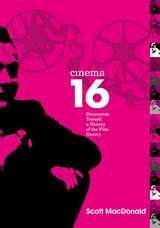
Vogel's commitment to the broadest range of cinema practice led him to develop a programming strategy, inherited from the European cine-club movement, that involved confronting audiences with such a wide range of cinematic forms that viewers left the theater considering not only the often remarkable films Vogel showed, but the place of Cinema itself in modern life.
Cinema 16: Documents Toward a History of the Film Society is the first book on Cinema 16. Scott MacDonald provides a sense of the life and work of the society, using the complete Cinema 16 program announcements, selected letters between Vogel and the filmmakers whose films he showed; selections from the program notes that accompanied Cinema 16 screenings, theoretical essays by Vogel on curating independent cinema; conversations between MacDonald and Cinema 16 members; photographs and stills; and a variety of other documents.

Lawrence of Arabia, The Miracle Worker, To Kill a Mockingbird, The Manchurian Candidate, Gypsy, Sweet Bird of Youth, The Longest Day, The Music Man, What Ever Happened to Baby Jane, and more.
Most conventional film histories dismiss the early 1960s as a pallid era, a downtime between the heights of the classic studio system and the rise of New Hollywood directors like Scorsese and Altman in the 1970s. It seemed to be a moment when the movie industry was floundering as the popularity of television caused a downturn in cinema attendance. Cinema ’62 challenges these assumptions by making the bold claim that 1962 was a peak year for film, with a high standard of quality that has not been equaled since.
Stephen Farber and Michael McClellan show how 1962 saw great late-period work by classic Hollywood directors like John Ford, Howard Hawks, and John Huston, as well as stars like Bette Davis, James Stewart, Katharine Hepburn, and Barbara Stanwyck. Yet it was also a seminal year for talented young directors like Sidney Lumet, Sam Peckinpah, and Stanley Kubrick, not to mention rising stars like Warren Beatty, Jane Fonda, Robert Redford, Peter O’Toole, and Omar Sharif. Above all, 1962—the year of To Kill a Mockingbird and The Manchurian Candidate—gave cinema attendees the kinds of adult, artistic, and uncompromising visions they would never see on television, including classics from Fellini, Bergman, and Kurosawa. Culminating in an analysis of the year’s Best Picture winner and top-grossing film, Lawrence of Arabia, and the factors that made that magnificent epic possible, Cinema ’62 makes a strong case that the movies peaked in the Kennedy era.

The notion of landscape is a complex one, but it has been central to the art and artistry of the cinema. After all, what is the French New Wave without Paris? What are the films of Sidney Lumet, Woody Allen, Martin Scorsese, and Spike Lee without New York? Cinema and Landscape frames contemporary film landscapes across the world, in an exploration of screen aesthetics and national ideology, film form and cultural geography, cinematic representation and the human environment. Written by well-known cinema scholars, this volume both extends the existing field of film studies and stakes claims to overlapping, contested territories in the humanities and social sciences.
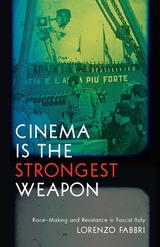
A deep dive into Italian cinema under Mussolini’s regime and the filmmakers who used it as a means of antifascist resistance
Looking at Italy’s national film industry under the rule of Benito Mussolini and in the era that followed, Cinema Is the Strongest Weapon examines how cinema was harnessed as a political tool by both the reigning fascist regime and those who sought to resist it. Covering a range of canonical works alongside many of their neglected contemporaries, this book explores film’s mutable relationship to the apparatuses of state power and racial capitalism.
Exploiting realism’s aesthetic, experiential, and affective affordances, Mussolini’s biopolitical project employed cinema to advance an idealized vision of life under fascism and cultivate the basis for a homogenous racial identity. In this book, Lorenzo Fabbri crucially underscores realism’s susceptibility to manipulation from diametrically opposed political perspectives, highlighting the queer, Communist, Jewish, and feminist filmmakers who subverted Mussolini’s notion that “cinema is the regime’s strongest weapon” by developing film narratives and film forms that challenged the prevailing ethno-nationalist ideology.
Focusing on an understudied era of film history and Italian cultural production, Fabbri issues an important recontextualization of Italy’s celebrated neorealist movement and the structural ties it shares with its predecessor. Drawing incisive parallels to contemporary debates around race, whiteness, authoritarianism, and politics, he presents an urgent examination into the broader impact of visual media on culture and society.
Retail e-book files for this title are screen-reader friendly with images accompanied by short alt text and/or extended descriptions.
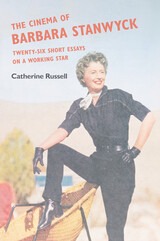
Original and rich, The Cinema of Barbara Stanwyck is an essential and entertaining reexamination of an enduring Hollywood star.

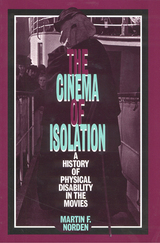
Norden offers a dazzling array of physically disabled characters who embody or break out of the stereotypes that have both influenced and been symptomatic of societys fluctuating relationship with its physically disabled minority. He shows us "sweet innocents" like Tiny Tim, "obsessive avengers" like Quasimodo, variations on the disabled veteran, and many others. He observes the arrival of a new set of stereotypes tied to the growth of science and technology in the 1970s and 1980s, and underscores movies like My Left Foot and The Waterdance that display a newfound sensitivity. Nordens in-depth knowledge of disability history makes for a particularly intelligent and sensitive approach to this long-overlooked issue in media studies.

Robert Rodriguez stands alone as the most successful U.S. Latino filmmaker today, whose work has single-handedly brought U.S. Latino filmmaking into the mainstream of twenty-first-century global cinema. Rodriguez is a prolific (eighteen films in twenty-one years) and all-encompassing filmmaker who has scripted, directed, shot, edited, and scored nearly all his films since his first breakout success, El Mariachi, in 1992. With new films constantly coming out and the launch of his El Rey Network television channel, he receives unceasing coverage in the entertainment media, but systematic scholarly study of Rodriguez’s films is only just beginning.
The Cinema of Robert Rodriguez offers the first extended investigation of this important filmmaker’s art. Accessibly written for fans as well as scholars, it addresses all of Rodriguez’s feature films through Spy Kids 4 and Machete Kills, and his filmmaking process from initial inspiration, to script, to film (with its myriad visual and auditory elements and choices), to final product, to (usually) critical and commercial success. In addition to his close analysis of Rodriguez’s work, Frederick Luis Aldama presents an original interview with the filmmaker, in which they discuss his career and his relationship to the film industry. This entertaining and much-needed scholarly overview of Rodriguez’s work shines new light on several key topics, including the filmmaker’s creative, low-cost, efficient approach to filmmaking; the acceptance of Latino films and filmmakers in mainstream cinema; and the consumption and reception of film in the twenty-first century.
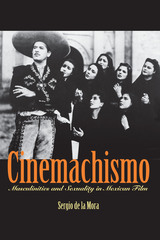
After the modern Mexican state came into being following the Revolution of 1910, hyper-masculine machismo came to be a defining characteristic of "mexicanidad," or Mexican national identity. Virile men (pelados and charros), virtuous prostitutes as mother figures, and minstrel-like gay men were held out as desired and/or abject models not only in governmental rhetoric and propaganda, but also in literature and popular culture, particularly in the cinema. Indeed, cinema provided an especially effective staging ground for the construction of a gendered and sexualized national identity.
In this book, Sergio de la Mora offers the first extended analysis of how Mexican cinema has represented masculinities and sexualities and their relationship to national identity from 1950 to 2004. He focuses on three traditional genres (the revolutionary melodrama, the cabaretera [dancehall] prostitution melodrama, and the musical comedy "buddy movie") and one subgenre (the fichera brothel-cabaret comedy) of classic and contemporary cinema. By concentrating on the changing conventions of these genres, de la Mora reveals how Mexican films have both supported and subverted traditional heterosexual norms of Mexican national identity. In particular, his analyses of Mexican cinematic icons Pedro Infante and Gael García Bernal and of Arturo Ripstein's cult film El lugar sin límites illuminate cinema's role in fostering distinct figurations of masculinity, queer spectatorship, and gay male representations. De la Mora completes this exciting interdisciplinary study with an in-depth look at how the Mexican state brought about structural changes in the film industry between 1989 and 1994 through the work of the Mexican Film Institute (IMCINE), paving the way for a renaissance in the national cinema.
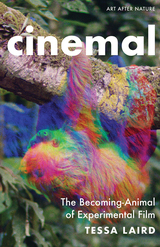
A foray through the wilds where experimental films and animals collide
Like the flash of a tropical bird’s iridescent wing, cinema can be furtive and intensely beautiful—and it can leave a viewer craving more. Cinemal is Tessa Laird’s passionate inquiry into the ways that films mimic the majesty, mystery, and movements of animals,her field notes from countless hair-raising encounters with films in their natural habitat.
Part of a growing focus on nonhuman animals in film, Cinemal ventures to the “furry underbelly” of global experimental film practice, focusing on films from New Zealand, Australia, and South America. Laird examines how animals are depicted in film and analyzes the various animal qualities of cinema, like scratching and sniffing, vibrant colors, and voices (barking, howling, or echolocation). Burrowing into the work of filmmakers such as Arthur and Corinne Cantrill, Sriwhana Spong, and Ana Vaz, Laird’s energetic prose embodies the films she discusses, seamlessly combining personal anecdotes with art theory and philosophy to spread a wide sensory buffet.
Lively and optimistic, Laird uses cinematic animal tropes to encourage readers to rethink what it means to be human. She argues that, in a time of ecological collapse, such an impulse is a necessary means of imagining other, healthier ways of being in this world. Connecting us with the more-than-human, Cinemal lures us toward the beastly becomings of film and, ultimately, our own animal natures.
Retail e-book files for this title are screen-reader friendly.
For over a century, cinephiles and film scholars have had to grapple with an ugly artifact that sits at the beginnings of film history. D. W. Griffith’s profoundly racist epic, The Birth of a Nation, inspired controversy and protest at its 1915 release and was defended as both a true history of Reconstruction (although it was based on fiction) and a new achievement in cinematic art. Paul McEwan examines the long and shifting history of its reception, revealing how the film became not just a cinematic landmark but also an influential force in American aesthetics and intellectual life.
In every decade since 1915, filmmakers, museums, academics, programmers, and film fans have had to figure out how to deal with this troublesome object, and their choices have profoundly influenced both film culture and the notion that films can be works of art. Some critics tried to set aside the film’s racism and concentrate on the form, while others tried to relegate that racism safely to the past. McEwan argues that from the earliest film retrospectives in the 1920s to the rise of remix culture in the present day, controversies about this film and its meaning have profoundly shaped our understandings of film, race, and art.
Film is often used to represent the natural landscape and, increasingly, to communicate environmentalist messages. Yet behind even today’s “green” movies are ecologically unsustainable production, distribution, and consumption processes. Noting how seemingly immaterial moving images are supported by highly durable resource-dependent infrastructures, The Cinematic Footprint traces the history of how the “hydrocarbon imagination” has been central to the development of film as a medium.
Nadia Bozak’s innovative fusion of film studies and environmental studies makes provocative connections between the disappearance of material resources and the emergence of digital media—with examples ranging from early cinema to Dziga Vertov’s prescient eye, from Chris Marker’s analog experiments to the digital work of Agnès Varda, James Benning, and Zacharias Kunuk. Combining an analysis of cinema technology with a sensitive consideration of film aesthetics, The Cinematic Footprint offers a new perspective on moving images and the natural resources that sustain them.
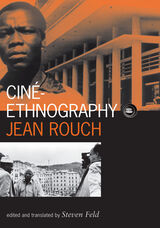
A brief account of Rouch's background, revealing the ethnographic foundations and intellectual assumptions underlying his fieldwork among the Songhay of Niger in the 1940s and 1950s, sets the stage for his emergence as a cinematic griot, a peripatetic bard who "recites" the story of a people through provocative imagery. Against this backdrop, Stoller considers Rouch's writings on Songhay history, myth, magic and possession, migration, and social change. By analyzing in depth some of Rouch's most important films and assessing Rouch's ethnography in terms of his own expertise in Songhay culture, Stoller demonstrates the inner connection between these two modes of representation.
Stoller, who has done more fieldwork among the Songhay than anyone other than Rouch himself, here gives the first full account of Rouch the griot, whose own story scintillates with important implications for anthropology, ethnography, African studies, and film.
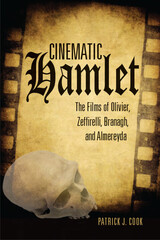
Hamlet has inspired four outstanding film adaptations that continue to delight a wide and varied audience and to offer provocative new interpretations of Shakespeare’s most popular play. Cinematic Hamlet contains the first scene-by-scene analysis of the methods used by Laurence Olivier, Franco Zeffirelli, Kenneth Branagh, and Michael Almereyda to translate Hamlet into highly distinctive and remarkably effective films.
Applying recent developments in neuroscience and psychology, Patrick J. Cook argues that film is a medium deploying an abundance of devices whose task it is to direct attention away from the film’s viewing processes and toward the object represented. Through careful analysis of each film’s devices, he explores the ways in which four brilliant directors rework the play into a radically different medium, engaging the viewer through powerful instinctive drives and creating audiovisual vehicles that support and complement Shakespeare’s words and story.
Cinematic Hamlet will prove to be indispensable for anyone wishing to understand how these films rework Shakespeare into the powerful medium of film.

Stacey examines the body-horror movies Alien: Resurrection and Species in light of Jean Baudrillard’s apocalyptic proclamations about cloning and “the hell of the same,” and she considers the art-house thrillers Gattaca and Code 46 in relation to ideas about imitation, including feminist theories of masquerade, postcolonial conceptualizations of mimicry, and queer notions of impersonation. Turning to Teknolust and Genetic Admiration, independent films by feminist directors, she extends Walter Benjamin’s theory of aura to draw an analogy between the replication of biological information and the reproducibility of the art object. Stacey suggests new ways to think about those who are not what they appear to be, the problem of determining identity in a world of artificiality, and the loss of singularity amid unchecked replication.
Ostherr presents the first in-depth analysis of the public health films produced between World War II and the 1960s that popularized the ideals of world health and taught viewers to imagine the presence of invisible contaminants all around them. She considers not only the content of specific films but also their techniques for making invisible contaminants visible. By identifying the central aesthetic strategies in films produced by the World Health Organization, the Centers for Disease Control, and other institutions, she reveals how ideas about racial impurity and sexual degeneracy underlay messages ostensibly about world health. Situating these films in relation to those that preceded and followed them, Ostherr shows how, during the postwar era, ideas about contagion were explicitly connected to the global circulation of bodies. While postwar public health films embraced the ideals of world health, they invoked a distinct and deeply anxious mode of representing the spread of disease across national borders.

In 1916, a group of Korean farmers and their children gathered to watch a film depicting the enthronement of the Japanese emperor. For this screening, a unit of the colonial government’s news agency brought a projector and generator by train to their remote rural town. Before the formation of commercial moviegoing culture for colonial audiences in rural Korean towns, many films were sent to such towns and villages as propaganda. The colonial authorities, as well as later South Korean postcolonial state authorities, saw film as the most effective medium for disseminating their political messages. In Cine-Mobility, Han Sang Kim argues that the force of propaganda films in Korea was derived primarily not from their messages but from the new mobility of the viewing position.
From the first film shot in Korea in 1901 through early internet screen cultures in late 1990s South Korea, Cine-Mobility explores the association between cinematic media and transportation mobility, not only in diverse and discrete forms such as railroads, motorways, automobiles, automation, and digital technologies, but also in connection with the newly established rules and restrictions and the new culture of mobility, including changes in gender dynamics, that accompanied it.
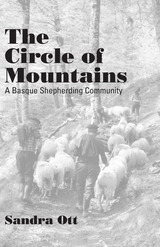
Ott provides an excellent ethnography of a French Basque agrarian and sheepherding community. The commune of Sainte-Engrâce extends along a mountain valley in the southeastern corner of Soule, one of the three Basque provences in France. In The Circle of Mountains, Sandra Ott examines the importance of cooperation and reciprocity as the essential basis for the main institutions within this community. These French Basques visualize their community as a circle, and their vision of living in "the circle of mountians," rather than in a valley, reflects their perspective on the society in which they live. The first half of the book incorporates material on history, ecology and economy, and delves deeply into the domestic organization, kinship, and neighborliness of this Basque community. In the second half of the book, the author introduces the males' customary roles as shepherds and cheesemakers. Following a detailed commentary on these vocations, Ott suggests that these seemingly prosaic activities represent the male attempt at symbolic fulfillment of the female procreative and nurturing roles. In a new afterword, Ott discusses developments that have impacted life in the pastoral community of Sainte-Engrâce since the original publication of the book—including the acquisition of telephones and the construction of roads to nearly every home.The Circle of Mountains will be of interest not only to social anthropologists but also to those concerned with the Basque language and culture and to scholars and students of ethnology, international studies, and political science.
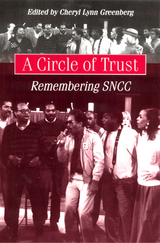
"The reminiscences and reflections voiced at the SNCC reunion remind us of the remarkable vision and courageous dedication of the civil rights movement of the 1960s. Framed by Cheryl Greenberg's eloquent and probing introduction, the SNCC veterans' comments about the triumphs and limitations of their movement represent a major contribution to the historical literature on race and power in modern America." --Raymond Arsenault, University of South Florida
On the occasion of the SNCC's 25th anniversary, more than 500 people gathered at Trinity College in Connecticut to both celebrate and critique its accomplishments. More than 40 SNCC members tell their stories and reflect on the contributions, limits and legacies of the movement in A Circle of Trust. Engaging in spirited debate with each other, with historians of the movement, and with contemporary political culture more broadly, these former and perpetual activists speak of their vision of a just society and what still remains to be done. With increasing racial tension and the continued debate over integration and separatism in America in the 1990s, the content of this conference is more relevant than ever.
Cheryl Lynn Greenberg begins with an overview of SNCC and introduces each of the chapters of oral history. Participants explore the origins of SNCC, its early adoption of nonviolent protest, its ultimate renunciation of liberal integration and embrace of militant black radicalism, its refusal to repudiate far-left organizations, and controversies over the roles of women in SNCC and society at large. The result is a thoughtful, moving, sometimes acrimonious, sometimes celebratory account of one of the most significant civil rights organizations and its successes and failures.
The vibrant merchant culture of Tokugawa Japan gave rise to many new forms of art, none more fascinating than the puppet theater, Jōruri, created chiefly by Chikamatsu Monzaemon, the foremost playwright of popular Japanese drama. In this analysis of Chikamatsu's artistry, Dr. Gerstle focuses on features hitherto neglected by Western scholars the musical structure of Jōruri, integral to the form, mood, and movement of the drama. For extensive translations from the various types of Chikamatsu's dramas, Gerstle supplies the musical notations, which illuminate the sophisticated conventions of this unique and timeless artistic form.
Chikamatsu's art, combining puppets, text, samisen music, and chanting/narration, encompasses three major types of drama--history, contemporary-life, and love-suicide plays--each with distinct structural features. Gerstle shows how the music of Jōruri, a mixture of the samisen and chanting/narration, supplements the texts and expresses a dramatized action or emotion through complex changes in pitch, tempo, and style of delivery.
Richly illustrated with woodblock prints, this is a fascinating study, which will be welcomed by scholars of Japanese culture, literature, and musicology.
Taylor examines some of the South's most significant cultural exports in discussions that range across literature, music, film, television, theater, advertising, and tourism to focus on how and why Southern themes and icons have become so deeply embedded in British cultural life. The enduring legacy of Margaret Mitchell's Gone With the Wind can be seen today in the popularity of sequels, revisions, and reworkings of the novel. The conversation between these cultures is further explored in British responses to Alex Haley's Roots, the British theater's special affection for Tennessee Williams's plays, and the marketing of New Orleans as a preferred destination for European tourists. The transformation of Southern culture--itself a hybrid of the European, African, and American--as it circulates back across the Atlantic suggests not only new views of the history, racial politics, music and art of both Britain and the American South, but also an enhanced understanding of the dynamic flow of culture itself.
Set against the background of Bolivia’s prominent urban festival parades and the country’s recent appearance on the front lines of antiglobalization movements, Circuits of Culture is the first social analysis of Bolivian film and television, their circulation through the social and national landscape, and the emergence of the country’s indigenous video movement.
At the heart of Jeff Himpele’s examination is an ethnography of the popular television program, The Open Tribunal of the People. The indigenous and underrepresented majorities in La Paz have used the talk show to publicize their social problems and seek medical and legal assistance from the show’s hosts and the political party they launched. Himpele studies the program in order to identify the possibilities of the mass media as a site for political discourse and as a means of social action.
Charting as well the history of Bolivia’s media culture, Himpele perceptively investigates cinematic media as sites for understanding the modernization of Bolivia, its social movements, and the formation of indigenous identities, and in doing so provides a new framework for exploring the circulation of culture as a way of creating publics, political movements, and producing media.
Jeff D. Himpele is associate director for the McGraw Center for Teaching and Learning at Princeton University. He is an anthropologist and documentary filmmaker; his films include the award-winning Incidents of Travel in Chichen Itza and Taypi Kala: Six Visions of Tiwanaku.
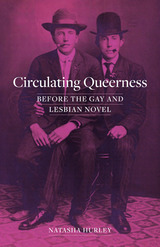
A new history of the queer novel shows its role in constructing gay and lesbian lives
The gay and lesbian novel has long been a distinct literary genre with its own awards, shelving categories, bookstore spaces, and book reviews. But very little has been said about the remarkable history of its emergence in American literature, particularly the ways in which the novel about homosexuality did not just reflect but actively produced queer life.
Drawing on Mikhail Bakhtin’s insight that the history of society is connected to the history of language, author Natasha Hurley charts the messy, complex movement by which the queer novel produced the very frames that made it legible as a distinct literature and central to the imagination of queer worlds. Her vision of the queer novel's development revolves around the bold argument that literary circulation is the key ingredient that has made the gay and lesbian novel and its queer forebears available to its audiences.
Challenging the narrative that the gay and lesbian novel came into view in response to the emergence of homosexuality as a concept, Hurley posits a much longer history of this novelistic genre. In so doing, she revises our understanding of the history of sexuality, as well as of the processes of producing new concepts and the evolution of new categories of language.
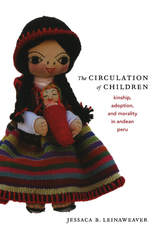
Leinaweaver provides insight into the emotional and material factors that bring together and separate indigenous Andean families in the highland city of Ayacucho. She describes how child circulation is intimately linked to survival in the city, which has had to withstand colonialism, economic isolation, and the devastating civil war unleashed by the Shining Path. Leinaweaver examines the practice from the perspective of parents who send their children to live in other households, the adults who receive them, and the children themselves. She relates child circulation to international laws and norms regarding children’s rights, adoptions, and orphans, and to Peru’s history of racial conflict and violence. Given that history, Leinaweaver maintains that it is not surprising that child circulation, a practice associated with Peru’s impoverished indigenous community, is alternately ignored, tolerated, or condemned by the state.

An investigation of how the expansion of modern medicine in Turkey transformed young boys’ experiences of circumcision.
In Turkey, circumcision is viewed as both a religious obligation and a rite of passage for young boys, as communities celebrate the ritual through gatherings, gifts, and special outfits. Yet the procedure is a potentially painful and traumatic ordeal. With the expansion of modern medicine, the social position of sünnetçi (male circumcisers) became subject to the institutional arrangements of Turkey’s evolving health care and welfare system. In the transition from traditional itinerant circumcisers to low-ranking health officers in the 1960s and hospital doctors in the 1990s, the medicalization of male circumcision has become entangled with state formation, market fetishism, and class inequalities.
Based on Oyman Başaran’s extensive ethnographic and historical research, Circumcision and Medicine in Modern Turkey is a close examination of the socioreligious practice of circumcision in twenty-five cities and their outlying towns and villages in Turkey. By analyzing the changing subjectivity of medical actors who seek to alleviate suffering in male circumcision, Başaran offers a psychoanalytically informed alternate approach to the standard sociological arguments surrounding medicalization and male circumcision.

This engaging memoir follows the life and career of circus performer Tiny Kline (1891-1964) from the burlesque house to the circus tent, and on to Disneyland and the silver screen. While working for the Ringling Bros. and Barnum & Bailey Circus, Kline became well known for her signature "slide for life" stunt, an "iron jaw" act in which she slid to the ground while dangling from trapeze rigging by her teeth. Kline renewed her spectacular acrobatics at the age of seventy when she played Tinker Bell in the "Fantasy in the Sky" fireworks show at Disneyland. In that same year, she also began writing her life story.
Extensively annotated by Janet M. Davis, this memoir documents twentieth-century changes in popular amusements, while providing fresh insight into circus personalities such as John Ringling, acrobat Lillian Leitzel, and big cat trainer Mabel Stark, as well as mainstream entertainers like Florenz Ziegfeld, John Philip Sousa, and others. Kline also provides intimate details about the daily machinations at the circus, including fascinating accounts of its sexual politics, racial dynamics, risky nature, and labor relations.

Just as relations between nations are changing in the current phase of global capitalism, so too are relations between nations and cities. Written by internationally prominent scholars, the essays in Cities and Citizenship propose that “place” remains fundamental to these changes and that cities are crucial places for the development of new alignments of local and global identity. Through case studies from Africa, Europe, Latin America, and North America, the volume shows how cities make manifest national and transnational realignments of citizenship and how they generate new possibilities for democratic politics that transform people as citizens. Previously published as a special issue of Public Culture that won the 1996 Best Single Issue of a Journal Award from the Professional/Scholarly Publishing Division of the Association of American Publishers, the collection showcases a photo essay by Cristiano Mascaro, as well as two new essays by James Holston and Thomas Bender.
Cities and Citizenship will interest students and scholars of anthropology, geography, sociology, planning, and urban studies, as well as globalization and political science.
Contributors. Arjun Appadurai, Etienne Balibar, Thomas Bender, Teresa P. R. Caldeira, Mamadou Diouf, Dilip Parameshwar Gaonkar, James Holston, Marco Jacquemet, Christopher Kamrath, Cristiano Mascaro, Saskia Sassen, Michael Watts, Michel Wieviorka
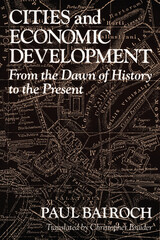
In this revised translation of De Jéricho à Mexico, Paul Bairoch seeks the answers to these questions and provides a comprehensive study of the evolution of the city and its relation to economic life. Bairoch examines the development of cities from the dawn of urbanization (Jericho) to the explosive growth of the contemporary Third World city. In particular, he defines the roles of agriculture and industrialization in the rise of cities.
"A hefty history, from the Neolithic onward. It's ambitious in scope and rich in subject, detailing urbanization and, of course, the links between cities and economies. Scholarly, accessible, and significant."—Newsday
"This book offers a path-breaking synthesis of the vast literature on the history of urbanization."—John C. Brown, Journal of Economic Literature
"One leaves this volume with the feeling of positions intelligently argued and related to the existing state of theory and knowledge. One also has the pleasure of reading a book unusually well-written. It will long both be a standard and stimulate new thought on the central issue of urban and economic growth."—Thomas A. Reiner, Annals of the American Academy of Political and Social Science
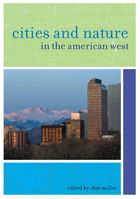

In Cities Beyond Crisis, Catalina Iannone studies the rapid evolution of Iberian urban centers in the years following the 2008 financial crisis, identifying how this event catalyzed a protracted period of unraveling and reorganization in the region. Arguing that the affects and effects of the crisis are best understood when embedded within local environments, Cities Beyond Crisis focuses on how textual, visual, and spatial interventions both drove and contested change in two racially diverse, historically marginalized neighborhoods in the capital cities of Spain and Portugal—Madrid’s Lavapiés and Lisbon’s Mouraria. Through a critical examination of the narratives shaping public perception of these spaces, whether promoting their development and consumption or challenging market-oriented trends, Iannone demonstrates how the stories that stakeholders across the ideological spectrum told about these districts illuminate enduring attachments and aspirations in each nation’s relationship to race. By approaching the study of space as a contested and contingent social product, this book takes an interdisciplinary approach, drawing from both humanistic and social science theories and practices to show how cultural production shapes and is shaped by the built environment.
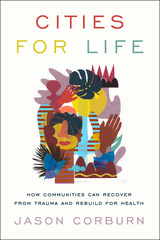
What if cities around the world actively worked to promote the health and healing of all of their residents? Cities contribute to the traumas that cause unhealthy stress, with segregated neighborhoods, insecure housing, few playgrounds, environmental pollution, and unsafe streets, particularly for the poor and residents who are Black, Indigenous, and People of Color.
Some cities around the world are already helping their communities heal by investing more in peacemaking and parks than in policing; focusing on community decision-making instead of data surveillance; changing regulations to permit more libraries than liquor stores; and building more affordable housing than highways. These cities are declaring racism a public health and climate change crisis, and taking the lead in generating equitable outcomes.
In Cities for Life, public health expert Jason Corburn shares lessons from three of these cities: Richmond, California; Medellín, Colombia; and Nairobi, Kenya. Corburn draws from his work with citizens, activists, and decision-makers in these cities over a ten-year period, as individuals and communities worked to heal from trauma—from gun violence, housing and food insecurity, and poverty. Corburn shows how any community can rebuild their social institutions, practices, and policies to be more focused on healing and health. This means not only centering those most traumatized in decision-making, Corburn explains, but confronting historically discriminatory, exclusionary, and racist urban institutions, and promoting healing-focused practices, place-making, and public policies.
Cities for Life is essential reading for urban planning, design, healthcare, and public health professionals as they work to reverse entrenched institutional practices through new policies, rules, norms, and laws that address their damage and promote health and healing.
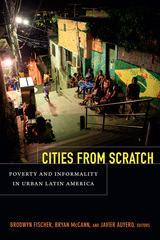
Contributors. Javier Auyero, Mariana Cavalcanti, Ratão Diniz, Emilio Duhau, Sujatha Fernandes, Brodwyn Fischer, Bryan McCann, Edward Murphy, Dennis Rodgers
Climate change is real, and extreme weather events are its physical manifestations. These extreme events affect how we live and work in cities, and subsequently the way we design, plan, and govern them. Taking action ‘for the environment’ is not only a moral imperative; instead, it is activated by our everyday experience in the city.
Based on the author’s site visits and interviews in Darwin (Australia), Tulsa (Oklahoma), Cleveland (Ohio), and Cape Town (South Africa), this book tells the story of how cities can lead a transformative pro-environment politics.
National governments often fail to make binding agreements that bring about radical actions for the environment. This book shows how cities, as local sites of mobilizing a collective, political agenda, can be frontiers for activating the kind of environmental politics that appreciates the role of ‘nature’ in the everyday functioning of our urban life.

Climate change is real, and extreme weather events are its physical manifestations. These extreme events affect how we live and work in cities, and subsequently the way we design, plan, and govern them. Taking action ‘for the environment’ is not only a moral imperative; instead, it is activated by our everyday experience in the city.
Based on the author’s site visits and interviews in Darwin (Australia), Tulsa (Oklahoma), Cleveland (Ohio), and Cape Town (South Africa), this book tells the story of how cities can lead a transformative pro-environment politics.
National governments often fail to make binding agreements that bring about radical actions for the environment. This book shows how cities, as local sites of mobilizing a collective, political agenda, can be frontiers for activating the kind of environmental politics that appreciates the role of ‘nature’ in the everyday functioning of our urban life.
For Beauregard, the city is a cauldron for four haunting contradictions. First, cities are equally defined by both their wealth and their poverty. Second, cities are simultaneously environmentally destructive and yet promise sustainability. Third, cities encourage rule by political machines and oligarchies, even as they are essentially democratic and at least nominally open to all. And fourth, city life promotes tolerance among disparate groups, even as the friction among them often erupts into violence. Beauregard offers no simple solutions or proposed remedies for these contradictions; indeed, he doesn’t necessarily hold that they need to be resolved, since they are generative of city life. Without these four tensions, cities wouldn’t be cities. Rather, Beauregard argues that only by recognizing these ambiguities and contradictions can we even begin to understand our moral obligations, as well as the clearest paths toward equality, justice, and peace in urban settings.
Benjamin N. Vis gives a precise account of how BLT mapping can be applied to detailed historical, reconstructed, contemporary, and archaeological urban plans, exemplified by sixteenth to twenty-first-century Winchester and Classic Maya Chunchucmil. This account demonstrates how the functional and experiential difference between compact western and tropical dispersed cities can be explored.
The methodological development of Cities Made of Boundaries will appeal to readers interested in the comparative social analysis of built environments, and those seeking to expand the evidence-base of design options to structure urban life and development.
Implementing urban agriculture often requires change in the physical, political, and social-organizational landscape. Beginning with a look at how and why city people grew their own food in the early twentieth century, the contributors to Cities of Farmers examine the role of local and regional regulations and politics, especially the creation of food policy councils, in making cities into fertile ground for farming. The authors describe how food is produced and distributed in cities via institutions as diverse as commercial farms, community gardens, farmers’ markets, and regional food hubs. Growing food in vacant lots and on rooftops affects labor, capital investment, and human capital formation, and as a result urban agriculture intersects with land values and efforts to build affordable housing. It also can contribute to cultural renewal and improved health.
This book enables readers to understand and contribute to their local food system, whether they are raising vegetables in a community garden, setting up a farmers’ market, or formulating regulations for farming and composting within city limits.
CONTRIBUTORS
Catherine Brinkley, Benjamin W. Chrisinger, Nevin Cohen, Michèle Companion, Lindsey Day-Farnsworth, Janine de la Salle, Luke Drake, Sheila Golden, Randel D. Hanson, Megan Horst, Nurgul Fitzgerald, Becca B. R. Jablonski, Laura Lawson, Kara Martin, Nathan McClintock, Alfonso Morales, Jayson Otto, Anne Pfeiffer, Anne Roubal, Todd M. Schmit, Erin Silva, Michael Simpson, Lauren Suerth, Dory Thrasher, Katinka Wijsman
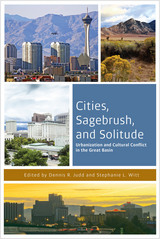
The blooming of cities in a fragile desert region poses a host of environmental challenges. The policies required to manage their impact, however, often collide with an entrenched political culture that has long resisted cooperative or governmental effort. The alchemical mixture of three ingredients--cities, aridity, and a libertarian political outlook--makes the Great Basin a compelling place to study. This book addresses a pressing question: are large cities ultimately sustainable in such a fragile environment?
Thematically and methodologically wide-ranging and innovative, this volume considers a broad spectrum of responses not only to the supposed breakdown of social cohesion but also to specific forms of deviant behavior. It draws on large numbers of writings from the period by clergymen, jurists, medical doctors, educators, social workers, and others. This literature illuminates the histories not only of urbanization and cities but also of sexuality and Christianity, crime and criminology, leisure and education, youth and women, charity and social work, and the welfare state as well as local government.
Focusing on positive instead of escapist responses to the challenges that inhered in urban society, this work can be read as part of an ongoing reassessment of the German Empire that points away from the idea that Germans were traveling an antimodernist Sonderweg, or special path, that led inevitably to National Socialism and the Third Reich. Although intended primarily for scholars and students of modern Germany, this book should speak to a variety of readers, among them anyone who cares about the history of cities, deviant behavior, or social reform.
Andrew Lees is Professor of History, Rutgers University.
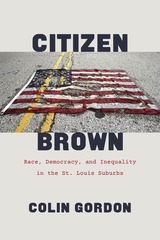
Citizen Brown uncovers half a century of private practices and public policies that resulted in bitter inequality and sustained segregation in Ferguson and beyond. Gordon shows how municipal and school district boundaries were pointedly drawn to contain or exclude African Americans and how local policies and services—especially policing, education, and urban renewal—were weaponized to maintain civic separation. He also makes it clear that the outcry that arose in Ferguson was no impulsive outburst but rather an explosion of pent-up rage against long-standing systems of segregation and inequality—of which a police force that viewed citizens not as subjects to serve and protect but as sources of revenue was only the most immediate example. Worse, Citizen Brown illustrates the fact that though the greater St. Louis area provides some extraordinarily clear examples of fraught racial dynamics, in this it is hardly alone among American cities and regions.
Interactive maps and other companion resources to Citizen Brown are available at the book website.

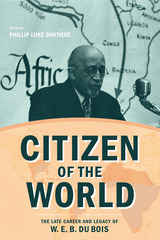
From his birth in 1868 until his death in 1963, Du Bois sought the liberation of black people in the United States and across the world through intellectual and political labor. His tireless efforts documented and demonstrated connections between freedom for African-descended people abroad and black freedom at home.
In concert with growing scholarship on his twilight years, the essays in this volume assert the fundamental importance of considering Du Bois’s later decades not as a life in decline that descended into blind ideological allegiance to socialism and communism but as the life of a productive, generative intellectual who responded rationally, imaginatively, and radically to massive mid-century changes around the world, and who remained committed to freedom’s realization until his final hour.
Citizen Power portal (https://thecitizenscampaign.org/register/).
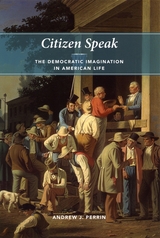
When we think about what constitutes being a good citizen, routine activities like voting, letter writing, and paying attention to the news spring to mind. But in Citizen Speak, Andrew J. Perrin argues that these activities are only a small part of democratic citizenship—a standard of citizenship that requires creative thinking, talking, and acting.
For Citizen Speak, Perrin met with labor, church, business, and sports organizations and proposed to them four fictive scenarios: what if your senator is involved in a scandal, or your police department is engaged in racial profiling, or a local factory violates pollution laws, or your nearby airport is slated for expansion? The conversations these challenges inspire, Perrin shows, require imagination. And what people can imagine doing in response to those scenarios depends on what’s possible, what’s important, what’s right, and what’s feasible. By talking with one another, an engaged citizenry draws from a repertoire of personal and institutional resources to understand and reimagine responses to situations as they arise. Building on such political discussions, Citizen Speak shows how a rich culture of association and democratic discourse provides the infrastructure for a healthy democracy.
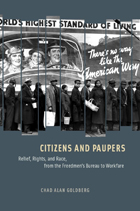
Citizens and Paupers explores this contentious history by analyzing and comparing three major programs: the Freedmen’s Bureau, the Works Progress Administration, and the present-day system of workfare that arose in the 1990s. Each of these overhauls of the welfare state created new groups of clients, new policies for aiding them, and new disputes over citizenship—conflicts that were entangled in racial politics and of urgent concern for social activists.
This combustible mix of racial tension and social reform continues to influence how we think about welfare, and Citizens and Paupers is an invaluable analysis of the roots of the debate.
That strategy seems to make sense, but in Citizens, Cops, and Power, Steve Herbert reveals the reasons why it rarely, if ever, works. Drawing on data he collected in diverse Seattle neighborhoods from interviews with residents, observation of police officers, and attendance at community-police meetings, Herbert identifies the many obstacles that make effective collaboration between city dwellers and the police so unlikely to succeed. At the same time, he shows that residents’ pragmatic ideas about the role of community differ dramatically from those held by social theorists.
Surprising and provocative, Citizens, Cops, and Power provides a critical perspective not only on the future of community policing, but on the nature of state-society relations as well.
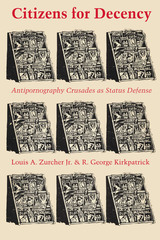
Throughout the United States, groups of individuals have been confronting the issues surrounding sexually explicit materials. Many have concurred in their perceptions of what is pornographic, have assessed pornography to be a problem our society must deal with, and have made organized efforts within their communities to stop or restrict the commercial availability of such materials. Citizens for Decency is an examination of two antipornography crusades, one in the Midwest and the other in the Southwest. It examines the evolution and impact of such crusades, the satisfaction derived from participating, and the relevant characteristics of the participants and their opponents. It is the first systematic, comprehensive, and theory-oriented study of antipornography crusades and one of the few studies that analyze movements to resist change.
The book begins with the assumption that the term pornography is a value judgment and that the labeling of sexually explicit materials as “pornographic” can be adequately understood only in the wider context of sociological and psychological structures and processes. In approaching the antipornography crusades, Louis A. Zurcher and R. George Kirkpatrick gathered data by observation and document search and by interviews with persons well informed about and central to the crusades. Their examination of the organizations that directed the two movements is particularly extensive, and their comparative analysis of the two organizations allows them to determine which features are the most important, how these characteristics interact, and what their relationship is to the symbolic crusade.
Among their important findings, the authors show that antipornography crusaders are people discontent with their status who have mobilized to protect the dominance and prestige of their traditional life styles. The participants in the crusades are shown to differ from their opponents in a number of significant ways. In the final chapters, the authors analyze their findings with reference to social movement theory and offer predictions concerning future symbolic crusades.
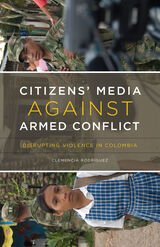
For two years, Clemencia Rodríguez did fieldwork in regions of Colombia where leftist guerillas, right-wing paramilitary groups, the army, and drug traffickers made their presence felt in the lives of unarmed civilians. Here, Rodríguez tells the story of the ways in which people living in the shadow of these armed intruders use community radio, television, video, digital photography, and the Internet to shield their communities from armed violence’s negative impacts.
Citizens’ media are most effective, Rodríguez posits, when they understand communication as performance rather than simply as persuasion or the transmission of information. Grassroots media that are deeply embedded in the communities they serve and responsive to local needs strengthen the ability of community members to productively react to violent incursions. Rodríguez demonstrates how citizens’ media privilege aspects of community life not hijacked by violence, providing people with the tools and the platform to forge lives for themselves and their families that are not entirely colonized by armed conflict and its effects.
Ultimately, Rodríguez shows that unarmed civilian communities that have been cornered by armed conflict can use community media to repair torn social fabrics, reconstruct eroded bonds, reclaim public spaces, resolve conflict, and sow the seeds of peace and stability.
Published by Bucknell University Press. Distributed worldwide by Rutgers University Press.

In Citizenship and Governance in a Changing City, Susan Ostrander shows how beneath current high levels of engagement by Somerville residents lies a struggle about who should be the city's elected leaders and how they should conduct the city's affairs. It is a struggle waged between diverse residents--relatively new immigrants and a new middle class-trying to gain a foothold in democratic participation, and the city's political "old guard."
Citizenship and Governance in a Changing City informs current debates about the place of immigrants in civic and political life, and the role of voluntary associations in local politics and government. In the process, Ostrander provides useful lessons for many midsize urban communities.
Exit, like entry, has helped define citizenship over the last two centuries, yet little attention has been given to the politics of emigration. How have countries impeded or facilitated people leaving? How have they perceived and regulated those who leave? What relations do they seek to maintain with their citizens abroad and why? Citizenship and Those Who Leave reverses the immigration perspective to examine how nations define themselves not just through entry but through exit as well.
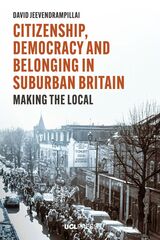
An activist group in outer London’s Surbiton suburb, the Seething Villagers commemorate a fictional local history through tongue-in-cheek community festivals. These admittedly “stupid” gatherings celebrate a mythical village of Seething and its many adventures, including a run-in with a mountain-crushing giant. Citizenship, Democracy and Belonging in Suburban Britain explores how the Seething Villagers and other suburbanite fantasies fashion community in the face of neoliberal isolation. By taking the artists’ playfulness seriously, David Jeevendrampillai demonstrates how suburbanites develop fellow-feeling without access to traditional community centers.
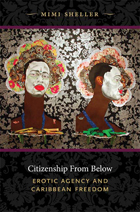
Attending to the hidden linkages among intimate realms and the public sphere, Sheller explores specific struggles for freedom, including women's political activism in Jamaica; the role of discourses of "manhood" in the making of free subjects, soldiers, and citizens; the fiercely ethnonationalist discourses that excluded South Asian and African indentured workers; the sexual politics of the low-bass beats and "bottoms up" moves in the dancehall; and the struggle for reproductive and LGBT rights and against homophobia in the contemporary Caribbean. Through her creative use of archival sources and emphasis on the connections between intimacy, violence, and citizenship, Sheller enriches critical theories of embodied freedom, sexual citizenship, and erotic agency in all post-slavery societies.
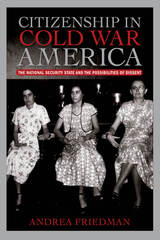
The stories told here capture a wide-ranging debate about the workings of the national security state and the meaning of American citizenship. Some of the participants in this debate—women like war bride Ellen Knauff and Pentagon employee Annie Lee Moss—were able to make their own experiences compelling examples of the threats posed by the national security regime. Others, such as Ruth Reynolds and Lolita Lebrón, who advocated an end to American empire in Puerto Rico, or the psychiatrist Fredric Wertham, who sought to change the very definition of national security, were less successful. Together, however, they exposed the gap between democratic ideals and government policies.
Friedman traverses immigration law and loyalty boards, popular culture and theoretical treatises, U.S. court-rooms and Puerto Rican jails, to demonstrate how Cold War repression made visible in new ways the unevenness and limitations of American citizenship. Highlighting the ways that race and gender shaped critiques and defenses of the national security regime, she offers new insight into the contradictions of Cold War political culture.
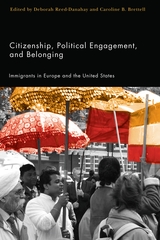
Immigration is continuously and rapidly changing the face of Western countries. While newcomers are harbingers of change, host nations also participate in how new populations are incorporated into their social and political fabric.
Bringing together a transcontinental group of anthropologists, this book provides an in-depth look at the current processes of immigration, political behavior, and citizenship in both the United States and Europe. Essays draw on issues of race, national identity, religion, and more, while addressing questions, including: How should citizenship be defined? In what ways do immigrants use the political process to achieve group aims? And, how do adults and youth learn to become active participants in the public sphere?
Among numerous case studies, examples include instances of racialized citizenship in “Algerian France,” Ireland’s new citizenship laws in response to asylum-seeking mothers, the role of Evangelical Christianity in creating a space for the construction of an identity that transcends state borders, and the Internet as one of the new public spheres for the expression of citizenship, be it local, national, or global.
This collection centers upon two interrelated purposes: to examine sub-Saharan African deaf people’s perspectives on citizenship, politics, and difference in relation to SSSL practices, and to analyze SSSL practices in relation to sociopolitical histories and social change interests (including addressing aspects of culture, gender, language usage, race, ethnicity, sexuality, and ability). The editors have organized these themes under three main sections, Sub-Saharan Signed Languages and Deaf Communities, The Politics of Mobilizing Difference, and Citizenship. Such wide-ranging subjects as the ethics of studying Kenyan signed language, sign language and Deaf communities in Eritrea, and overcoming cultural and linguistic barriers to HIV/AIDS education drive home the importance of the unique and varied research in this collection.

First published in 1925, The City is a trailblazing text in urban history, urban sociology, and urban studies. Its innovative combination of ethnographic observation and social science theory epitomized the Chicago school of sociology. Robert E. Park, Ernest W. Burgess, and their collaborators were among the first to document the interplay between urban individuals and larger social structures and institutions, seeking patterns within the city’s riot of people, events, and influences. As sociologist Robert J. Sampson notes in his new foreword, though much has changed since The City was first published, we can still benefit from its charge to explain where and why individuals and social groups live as they do.
"It is a classic which remains relevant largely because it poses questions still unresolved."—Choice
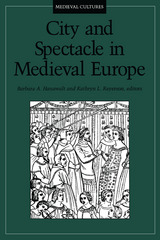
Medieval Europe is known for its sense of ceremony and drama. Knightings, tournaments, coronations, religious processions, and even private celebrations such as baptisms, weddings, and funerals were occasions for ritual, feasting, and public display. This volume is the first to take a comprehensive look at the many types of city spectacles that entertained the masses and confirmed various messages of power in late medieval Europe. Bringing together leading scholars in history, art history, and literature, this interdisciplinary collection sets new standards for the study of medieval popular culture.
Drawing examples from Spain, England, France, Italy, and the Netherlands, most of them in the fifteenth century, the authors explore the uses of ceremony as statements of political power, as pleas for divine intercession, and as expressions of popular culture. Their essays show us spectacles meant to confirm events such as victories, the signing of a city charter, or the coronation of a king. In other circumstances, the spectacle acts as a battleground where a struggle for the control of the metaphors of power is played out between factions within cities or between cities and kings. Still other ceremonies called upon divine spiritual powers in the hope that their intervention might save the urban inhabitants. We see here a public cognizant of the power of symbols to express its goals and achievements, a society reaching the height of sophistication in its manipulation of popular and elite culture for grand shows.
An enduring paradox of urban public health is that many communities around hospitals are economically distressed and, counterintuitively, medically underserved. In The City and the Hospital two sociologists, Jonathan R. Wynn and Berkeley Franz, and a political scientist, Daniel Skinner, track the multiple causes of this problem and offer policy solutions.
Focusing on three urban hospitals—Connecticut’s Hartford Hospital, the flagship of the Hartford Healthcare system; the Cleveland Clinic, which coordinates with other providers for routine care while its main campus provides specialty care; and the University of Colorado Hospital, a rare example of an urban institution that relocated to a new community—the authors analyze the complicated relationship between a hospital and its neighborhoods. On the one hand, hospitals anchor the communities that surround them, often staying in a neighborhood for decades. Hospitals also craft strategies to engage with the surrounding community, many of those focused on buying locally and hiring staff from their surrounding area. On the other hand, hospitals will often only provide care to the neighboring community through emergency departments, reserving advanced medical care and long-term treatment for those who can pay a premium for it. In addition, the authors show, hospitals frequently buy neighborhood real estate and advocate for development programs that drive gentrification and displacement.
To understand how urban healthcare institutions work with their communities, the authors address power, history, race, and urbanity as much as the workings of the medical industry. These varied initiatives and effects mean that understanding urban hospitals requires seeing them in a new light—not only as medical centers but as complicated urban forces.
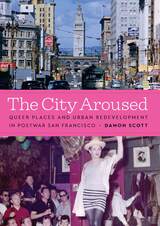
A history of San Francisco that studies change in the postwar urban landscape in relation to the city's queer culture.
The City Aroused is a lively history of urban development and its influence on queer political identity in postwar San Francisco. By reconstructing the planning and queer history of waterfront drinking establishments, Damon Scott shows that urban renewal was a catalyst for community organizing among racially diverse operators and patrons with far-reaching implications for the national gay rights movement.
Following the exclusion of suspected homosexuals from the maritime trades in West Coast ports in the early 1950s, seamen’s hangouts in the city came to resemble gay bars. Local officials responded by containing the influx of gay men to a strip of bars on the central waterfront while also making plans to raze and rebuild the area. This practice ended when city redevelopment officials began acquiring land in the early 1960s. Aided by law enforcement, they put these queer social clubs out of business, replacing them with heteronormative, desexualized land uses that served larger postwar urban development goals. Scott argues that this shift from queer containment to displacement aroused a collective response among gay and transgender drinking publics who united in solidarity to secure a place in the rapidly changing urban landscape.
The City as Campus shows the strain of this integration, detailing historical accounts of battles over space as campus designers faced the challenge of weaving the social, spatial, and architectural conditions of the urban milieu into new forms to meet the changing needs of academia. Through a close analysis of the history of higher education in Chicago, The City as Campus explores how the university's missions of service, teaching, and research have metamorphosed over time, particularly in response to the unique opportunities-and restraints-the city provides. Illustrating how Chicago serves as a site of pedagogical transformation and a location for the larger purpose of the academic community, The City as Campus presents a social and design history of the urban campus as an architectural idea and form.
READERS
Browse our collection.
PUBLISHERS
See BiblioVault's publisher services.
STUDENT SERVICES
Files for college accessibility offices.
RECENTLY PUBLISHED
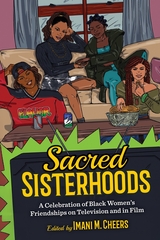






UChicago Accessibility Resources
home | accessibility | search | about | contact us
BiblioVault ® 2001 - 2025
The University of Chicago Press