
 A SCHOLARLY BOOK REPOSITORY
2150 start with C start with C
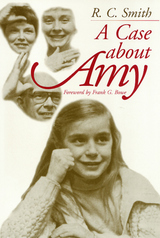
The Rowley family's struggle began when Amy entered kindergarten and culminated five years later in a pivotal decision by the U.S. Supreme Court. In effect, the Court majority concluded that the Individuals with Disabilities Education Act did not mandate equal opportunity for children with disabilities in classes with typical children; a disappointing decision for disability advocates.
The Supreme Court decided that schools were required only to provide enough help for children with disabilities to pass from grade to grade. The Court reversed the lower courts' rulings, which had granted Amy an interpreter, setting a precedent that could affect the quality of education for all individuals with disabilities.
From the time Amy entered kindergarten in Peekskill, New York, her parents battled with school officials to get a sign language interpreter in the classroom. Nancy and Clifford Rowley, also deaf, struggled with officials for their own right to a communications process in which they could fully participate. Stuck in limbo was a bright, inquisitive child, forced to rely on partial lipreading of rapid classroom instruction and interaction, and sound amplifiers that were often broken and always cumbersome.
R.C. Smith chronicles the Rowley family's dealings with school boards, lawyers, teachers, expert consultants, advocates, and supporters, and their staunch determination to get through the exhaustive process of presenting the case time after time to school adjudicative bodies and finally the federal courts. The author also documents his own "coming to awareness" about how the "able" see the "disabled."
In the series Health, Society, and Policy, edited by Sheryl Ruzek and Irving Kenneth Zola.
Drawing on three national surveys and on hundreds of studies conducted by colleges, James Crouse and Dale Trusheim refute the justifications the College Board and the ETS give for requiring high school students to take the SAT. They show that the test neither helps colleges and universities improve their admissions decisions nor helps applicants choose schools at which they will be successful. They outline the adverse effect the SAT has on students from nonwhite and low-income backgrounds. They also question the ability of the College Board and the ETS to monitor themselves adequately.
Crouse and Trusheim do not, however, recommend abolishing either college admissions testing or the College Board and the ETS. Rather, they propose dropping the SAT and relying on such already available measures as students' high school coursework and grades, and they raise the possibility that new achievement tests that measure the mastery of high school courses could be developed to replace the SAT. The Case Against the SAT provides important new information for policymakers, college and university administrators, and researchers in testing and measurement. It forces a rethinking not only of what admissions testing accomplishes now but also of what it might and should accomplish in the future.

Case Closed challenges the prevailing optimistic perception of the lives of Holocaust survivors in postwar America by scrutinizing their first years through the eyes of those who lived it. The facts brought forth in this book are supported by case files recorded by Jewish social service workers, letters and minutes from agency meetings, oral testimonies, and much more.
Cohen explores how the Truman Directive allowed the American Jewish community to handle the financial and legal responsibility for survivors, and shows what assistance the community offered the refugees and what help was not available. She investigates the particularly difficult issues that orphan children and Orthodox Jews faced, and examines the subtleties of the resettlement process in New York and other locales. Cohen uncovers the truth of survivors' early years in America and reveals the complexity of their lives as "New Americans."

The menstrual product industry has played a large role in shaping the past hundred years of menstrual culture, including technological innovation, creative advertising, and education in classrooms. How much do we know about this sector and how has it changed in later decades? What constitutes “the industry,” who works in it, and how is it adapting to the current menstrual equity movement?
Cash Flow provides a new academic study of the menstrual corporate landscape that links its twentieth-century origins to the current day. Drawing on a range of previously unexplored archival materials and interviews with industry insiders, each chapter examines one key company and brand: Saba in Norway, Essity in Sweden, Tambrands in the Soviet Union, Procter & Gamble in Britain and Europe, Kimberly-Clark in North America, and start-ups Clue and Thinx. The book provides timely insights into a secretive and largely unexamined corporate world and the ongoing political and industry-wide debate about the cost of menstrual products. Cash Flow will be of interest to a wide range of groups within and outside academia, including scholars in the emerging field of critical menstruation studies and menstrual activists.

An incisive history of government and corporate failures to infuse capital into Black urban neighborhoods—as well as the organizers and activists who stood up to predatory financial practices.
In the 1960s, conditions in impoverished Black neighborhoods attracted mainstream attention as civil unrest erupted in hundreds of cities across the United States. Finally recognizing the dire effects of racial segregation and urban disinvestment, politicians and corporations joined community activists to call for capital infusion, or reinvestment, in struggling communities. Proposals for reinvestment universally claimed the shared goal of reviving Black neighborhoods, but most of these efforts—some well-meaning, others cynical and predatory—failed to do so.
As renowned historian Beryl Satter shows, private and government interests have long manipulated reinvestment programs to benefit outside business, finance, and real estate professionals. Because these programs focused on corporate tax breaks and federal insurance for lenders, they were easily exploited by private interests to divert funding from poor urban neighborhoods. Meanwhile, community organizers proposed much bolder reinvestment plans that directly confronted institutionally racist practices. They called for a significant reallocation of resources, including government investments in depleted areas and guaranteed incomes for poor people. Activists, often working-class women, also united across racial divides to challenge predatory finance and real estate practices. Yet while they successfully advocated for laws to impede such behaviors, reform legislation often contained loopholes that accommodated racism and corporate greed.
To revive impoverished neighborhoods, we must not only challenge institutional racism in finance and real estate but also resist government policies that enable predatory practices. Cash on the Block envisions a future in which reinvestment policy, guided by community leaders, at last benefits those it is meant to serve.

H. L. Goodall’s ground-breaking study of what people do with symbols and what symbols do to people explores the lives led by people in organizations. His narratives take on the form of six detective mysteries in which the narrator figures into the plot of the intrigue and then works out its essential patterns.
In the first mystery, "Notes on a Cultural Evolution: The Remaking of a Software Company," Goodall looks at the transition of a Huntsville regional office of a Boston-based computer software company where the lives and social dramas of the participants reflect the current state of high technology. The second essay and perhaps the most insightful, "The Way the World Ends: Inside Star Wars," penetrates the various defenses of the Star Wars command office in Huntsville to discover its secrets and surprises. Goodall shows how media, technology, fear of relationships, and symbolic images of the future unite into the day-to-day operations of people who believe they are responsible for the outer limits of our nation’s defense.
"Lost in Space: The Layers of Illusion Called Adult Space Camp" illustrates how a supposedly innocent theme park invites participation in rituals and ceremonies designed to influence a future generation of taxpayers. In "Articles of Faith," Goodall enters a super mall in Huntsville, noting how shopping centers provide consumers with far more than places to purchase goods and services. "How I Spent My Summer Vacation" finds Goodall back in an academic environment, at a conference of communication scholars, where he demonstrates the difficult task of translating cultural understandings from one context to another. "The Consultant as Organizational Detective" offers the sobering message that real-life mysteries may surprise even the most accomplished sleuth. A concluding chapter, "Notes on Method," and a new autobiographical afterword round out Goodall’s penetrating look at our symbol-making culture.
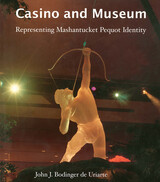
To some degree, both institutions offer Native representations yet create different strategies for attracting and engaging visitors. While the casino is crucial as an economic generator, the museum has an important role as the space for authentic Mashantucket Pequot images and narratives. The book’s focus is on how the casino and the museum successfully deploy different strategies to take control of the tribe’s identity, image, and cultural agency.
Photographs in the book provide a view of Mashantucket, allowing the reader to study the spaces of the book’s central arguments. They are a key methodology of the project and offer a non-textual opportunity to navigate the sites as well as one finely focused way to work through the representation and formation of the Native American photographic subject—the powerful popular imagining of Native Americans. Casino and Museum presents a unique understanding of the prodigious role that representation plays in the contemporary poetics and politics of Native America. It is essential reading for scholars of Native American studies, museum studies, cultural studies, and photography.

Manuel shows that the cassette revolution, however, has brought new contradictions and problems to Indian culture. While inexpensive cassettes revitalized local subcultures and community values throughout the subcontinent, they were also a vehicle for regional and political factionalism, new forms of commercial vulgarity, and, disturbingly, the most provocative sorts of hate-mongering and religious chauvinism.
Cassette Culture is the first scholarly account of Indian popular music and the first case study of a technological revolution now occurring throughout the world. It will be an essential resource for anyone interested in modern India, communications theory, world popular music, or contemporary global culture.
The Cassowary's Revenge is an intimate account of how Ilahita’s men and women think, emote, dream, and explain themselves. Tuzin also explores how the death of masculinity in a remote society raises disturbing implications for gender relations in our own society. In this light Tuzin's book is about men and women in search of how to value one another, and in today's world there is no theme more universal or timely.
Throughout history, those arrested for vagrancy have generally been poor men and women, often young, able-bodied, unemployed, and homeless. Most histories of vagrancy have focused on the European and American experiences. Cast Out: Vagrancy and Homelessness in Global and Historical Perspective is the first book to consider the shared global heritage of vagrancy laws, homelessness, and the historical processes they accompanied.
In this ambitious collection, vagrancy and homelessness are used to examine a vast array of phenomena, from the migration of labor to social and governmental responses to poverty through charity, welfare, and prosecution. The essays in Cast Out represent the best scholarship on these subjects and include discussions of the lives of the underclass, strategies for surviving and escaping poverty, the criminalization of poverty by the state, the rise of welfare and development programs, the relationship between imperial powers and colonized peoples, and the struggle to achieve independence after colonial rule. By juxtaposing these histories, the authors explore vagrancy as a common response to poverty, labor dislocation, and changing social norms, as well as how this strategy changed over time and adapted to regional peculiarities.
Part of a growing literature on world history, Cast Out offers fresh perspectives and new research in fields that have yet to fully investigate vagrancy and homelessness. This book by leading scholars in the field is for policy makers, as well as for courses on poverty, homelessness, and world history.
Contributors:
Richard B. Allen
David Arnold
A. L. Beier
Andrew Burton
Vincent DiGirolamo
Andrew A. Gentes
Robert Gordon
Frank Tobias Higbie
Thomas H. Holloway
Abby Margolis
Paul Ocobock
Aminda M. Smith
Linda Woodbridge
An extraordinary powerful exposition of social patterns in a small town, Caste and Class in a Southern Town has become a benchmark in social science methodology and a classic in American studies. Now fifty years after its original publication, John Dollard’s most famous work offers timeless insights and remains essential to those interested in race-related social issues.
In 1937, W. E. B. Du Bois observed, "Dr. Dollard’s study is one of the most interesting and penetrating that has been made concerning the South and is marked by courage and real insight. . . . Dr. Dollard’s book marks a distinct advance in the study of the Southern scene."
What happens when ancient systems of oppression travel across oceans? How do Indian diaspora communities across five nations challenge centuries-old systems of oppression while building new forms of solidarity? Caste, Country, and Creed:Struggles for Social Justice in the Contemporary Indian Diaspora takes readers inside the dynamic world of contemporary social justice activism spanning Aotearoa New Zealand, Australia, Canada, the United States, and the United Kingdom.
This groundbreaking collection brings together the voices of artists, activists, and scholar-activists who are reshaping conversations about caste discrimination, Islamophobia, and Hindu nationalism beyond India's borders. Through intimate first-person accounts and critical reflections, contributors reveal how diaspora activists are creating powerful counter-narratives and mobilizing collective resistance across local and transnational networks.
The book documents the lived realities of organizing—the values, knowledge traditions, and pivotal moments that spark political protest. Caste, Country, and Creed shows how activists construct alternative knowledge to dissent, build solidarity, and inspire political participation. Contributors offer nuanced insights into the complex relationships and power dynamics that sustain collective action for social justice in the Indian diaspora.
For copyright reasons this edition is not for sale in India.

How the language of “merit” makes caste privilege invisible in contemporary India.
Just as Americans least disadvantaged by racism are most likely to endorse their country as post‐racial, Indians who have benefited from their upper-caste affiliation rush to declare their country post‐caste. In The Caste of Merit, Ajantha Subramanian challenges this comfortable assumption by illuminating the controversial relationships among technical education, caste formation, and economic stratification in modern India. Through in-depth study of the elite Indian Institutes of Technology (IITs)—widely seen as symbols of national promise—she reveals the continued workings of upper-caste privilege within the most modern institutions.
Caste has not disappeared in India but instead acquired a disturbing invisibility—at least when it comes to the privileged. Only the lower castes invoke their affiliation in the political arena, to claim resources from the state. The upper castes discard such claims as backward, embarrassing, and unfair to those who have earned their position through hard work and talent. Focusing on a long history of debates surrounding access to engineering education, Subramanian argues that such defenses of merit are themselves expressions of caste privilege. The case of the IITs shows how this ideal of meritocracy serves the reproduction of inequality, ensuring that social stratification remains endemic to contemporary democracies.

Castle Nowhere is Constance Woolson's collection of stories set for the most part in the Great Lakes, in particular northern Lake Michigan and Lake Huron near Detroit.
Several themes inhabit Woolson's writing: an environmental consciousness and concern with landscapes; an awareness of the complexities of race; and an abidingly careful eye for the shallowness that sometimes accompanies wealth or social pretensions. She also had a unique perspective as a woman who pioneered the use of controversial subjects---such as unrequited or misplaced passion---and methods in fiction during a time that valorized domesticity.
As Margot Livesey notes in her introduction, reading about thwarted love is only one of the pleasures to be found in Castle Nowhere. "The majority of these stories are set in remote areas on the shores of Lake Michigan, which Woolson evokes with great vividness and beauty while always remaining keenly aware that beauty in no way mitigates hardship. As a writer, she was nearly always looking over her shoulder, and many, if not all, of these stories were written at a time when she no longer visited the Lake and her beloved Mackinac Island."
Contemporary readers will find a curiously modern atmosphere in Woolson's stories, as well as a distinct regional flavor in her careful renderings of the Great Lakes landscape. As such, Castle Nowhere represents a rare woman's voice in literature of its period and setting.
Constance Fenimore Woolson (1840-1894) was born in New Hampshire and moved to Cleveland shortly thereafter. She spent time on Mackinac Island, Michigan, then traveled to Florida before moving to Europe. Much of her time there was spent in Italy. She died in Venice in 1894. Novelist Margot Livesey is the author of Eva Moves the Furniture and Homework.
FINALIST FOR THE GREGORY BATESON PRIZE FROM THE AMERICAN ANTHROPOLOGICAL ASSOCIATION
Dispelling stereotypes about garment workers in the global apparel industry
Castoffs of Capital examines how female garment workers experience their work and personal lives within the stranglehold of global capital. Drawing on fieldwork in Bangladesh, anthropologist Lamia Karim focuses attention onto the lives of older women aged out of factory work, heretofore largely ignored, thereby introducing a new dimension to the understanding of a female-headed workforce that today numbers around four million in Bangladesh.
Bringing a feminist labor studies lens, Castoffs of Capital foregrounds these women not only as workers but as mothers, wives, sisters, lovers, friends, and political agents. Focusing on relations among work, gender, and global capital’s targeting of poor women to advance its market penetration, Karim shows how women navigate these spaces by adopting new subject formations. She locates these women’s aspirations for the “good life” not only in material comforts but also in their longings for love and sexual fulfillment that help them momentarily forget the precarity of their existence under the shadow of capital.
Through richly detailed ethnographic studies, this innovative and beautifully written book examines the making and unmaking of these women’s wants and desires, loves and tribulations, hopes and despairs, and triumphs and struggles.

When many individuals aggregate and no special organization is imposed, casual social groups form among monkeys in tree tops and among human beings on sidewalks, beaches, and playgrounds. Joel Cohen shows that previously existing probabilistic models do not describe the details of available data on the sizes of such casual groups. He proposes a new family of models, called linear one-step transition (LOST) models, which predict observed equilibrium group size distributions, and also describe the dynamics of systems of social groups.
For the first time, he presents recorded observations of the dynamics of group formation and dissolution among human children in free play. These observations are consistent with the dynamics assumed by the LOST models. Such models suggest generalizations that may apply to epidemiology, the sociology of rumors, and traffic control. Within biology, this approach offers ways of linking the behavior of individuals with the population ecology of a species.

Western literature and visual art have reflected this change, developing from bare sketches to richly varied expressions of feline personality and human interaction with cats. Katharine M. Rogers seeks out the cats who make appearances in an impressive range of literary and artistic works, providing the first critical look at the symbolic functioning of cat characters in Poe's "The Black Cat," Dickens's Bleak House, and Zola's Therese Raquin, among other literary works. The historical and artistic range covered is impressive, creating a rich compendium that is the ideal book for the cat lover seeking a refreshingly substantial and scholarly work about this fascinating animal.
"This book is a classic-- something every cat-loving intellectual will have to own. (No one, of course, ever really owns a cat--but everyone should own this book.) It's the kind of book you want to quote from at the vet's, or cocktail parties, or whenever you get the urge to convert a dog lover to the true faith." --Emily Toth, Louisiana State University
Katharine M. Rogers is Professor Emerita of English, City University of New York. Her previous books include Feminism in Eighteenth-Century England and Frances Burney: The World of "Female Difficulties."

The nineteenth century was a rough time to be a stray cat in New York City. The city’s human residents dealt with feline overpopulation by gassing unwanted cats or tossing them in rivers. But a few lucky strays were found by a diverse array of men—including firemen, cops, athletes, and politicians—who rescued them from the streets and welcomed them into their homes and hearts.
This book tells the stories of these heroic cat men of Gotham and their beloved feline companions. Not only does it introduce us to some remarkable men, but we get to meet many extraordinary cats as well, from Chinese stowaways prowling the Chelsea Piers to the sole feline survivor of the USS Maine explosion. Among the forty-two profiles, we find many feline Cinderella stories, as humble alley cats achieved renown as sports team mascots, artists’ muses, and even presidential pets.
Sure to appeal to cat fanciers and history fans alike, The Cat Men of Gotham will give you a new appreciation for Old New York and the people and animals who made it their home. As it takes you on a journey through the streets of Manhattan and Brooklyn, it will amuse and astound you with tales of powerful men and their pussycats.
Dumbarton Oaks houses the largest collection of Byzantine lead seals in the world, with approximately 17,000 specimens. Volume 7 of the ongoing series of Dumbarton Oaks catalogues presents a distinct part of the collection: 572 anonymous seals bearing sacred images on both sides. The seals, almost all previously unpublished, are fully illustrated and accompanied by a detailed commentary that provides transcriptions of the identifying sigla. This volume represents the first attempt to analyze this group of seals chronologically and typologically.
The depictions of Christ, the Virgin, and a remarkably wide array of saints and narrative scenes offer rich and untapped material for scholars interested in Byzantine piety and culture. Discernible trends within this body of seals help to track the popularity of various saints and the changes in devotional images over time. The variety of these images, enhanced by reference to examples in other collections, will also enable scholars to compare the renderings of holy figures on lead seals to those appearing in other Byzantine religious images.

Traces the craft of pottery making among the Catawba Indians of North Carolina from the late 18th century to the present
When Europeans encountered them, the Catawba Indians were living along the river and throughout the valley that carries their name near the present North Carolina-South Carolina border. Archaeologists later collected and identified categories of pottery types belonging to the historic Catawba and extrapolated an association with their protohistoric and prehistoric predecessors.
In this volume, Thomas Blumer traces the construction techniques of those documented ceramics to the lineage of their probable present-day master potters or, in other words, he traces the Catawba pottery traditions. By mining data from archives and the oral traditions of contemporary potters, Blumer reconstructs sales circuits regularly traveled by Catawba peddlers and thereby illuminates unresolved questions regarding trade routes in the protohistoric period. In addition, the author details particular techniques of the representative potters—factors such as clay selection, tool use, decoration, and firing techniques—which influence their styles.
By the 18th century, the modern Catawba Indians were living along the river and throughout the valley that bears their name near the present North Carolina-South Carolina border, but little was known of their history and origins. With this elegant study, David Moore proposes a model that bridges the archaeological record of the protohistoric Catawba Valley with written accounts of the Catawba Indians from the 17th, 18th, and 19th centuries, thus providing an ethnogenesis theory for these Native Americans.
Because the Catawba Confederacy had a long tradition of pottery making, dating ceramics and using them for temporal control was central to establishing a regional cultural chronology. Moore accomplishes this with a careful, thorough review and analysis of disparate data from the whole valley. His archaeological discoveries support documentary evidence of 16th century Spaniards in the region interacting with the resident Indians. By tracking the Spanish routes through the Catawba River valley and comparing their reported interactions with the native population with known archaeological sites and artifacts, he provides a firm chronological and spatial framework for Catawba Indian prehistory.
With excellent artifact photographs and data-rich appendixes, this book is a model study that induces us to contemplate a Catawba genesis and homeland more significant than traditionally supposed. It will appeal to professional archaeologists concerned with many topics—Mississippian, Lamar, early historic Indians, de Soto, Pardo, and chiefdom studies—as well as to the broader public interested in the archaeology of the Carolinas.

Although anit-Klan activism was nation-wide, Missouri provides an excellent case study for the rise and fall of the second Klan as the organization gained a large membership and obtained a notable level of political power in some parts of the Show-Me State. Significantly, despite membership totals comparable to that of neighboring states, the Missouri Klan did not translate its recruiting success into substantial influence and political power due to significant local opposition from anti-Klan activists.
Catching Hell from All Quarters addresses key questions about the legacy of the Klan, both in Missouri and nationwide. Traditional scholarship on the second Klan stops at the hooded order’s decline at the start of the Great Depression, thus neatly splitting that era’s Klan from the Civil Rights Movement era Klan of the 1950s and 1960s. This book, however, draws direct connections between both eras by highlighting continued anti-Klan activism as well as several far-right, fascist, and white supremacist organizations that found support among Klan members (both active and former) during the 1930s and 1940s and aided not only in the Klan’s re-emergence after World War II but also influenced present-day hate groups.
Through compelling stories of South Central, including his own experience as an immigrant of color, Vargas presents portraits of four groups. He talks daily with women living in a low-income Watts apartment building; works with activists in a community organization against police brutality; interacts with former gang members trying to maintain a 1992 truce between the Bloods and the Crips; and listens to amateur jazz musicians who perform in a gentrified section of the neighborhood. In each case he describes the worldviews and the definitions of “blackness” these people use to cope with oppression. Vargas finds, in turn, that blackness is a form of racial solidarity, a vehicle for the renewal of African American culture, and a political expression of revolutionary black nationalism.
Vargas reveals that the social fault lines in South Central reflect both contemporary disparities and long-term struggles. In doing so, he shows both the racialized power that makes “blackness” a prized term of identity and the terrible price that African Americans have paid for this emphasis. Ultimately, Catching Hell in the City of Angels tells the story of urban America through the lives of individuals from diverse, overlapping, and vibrant communities.
João H. Costa Vargas is assistant professor in the Center for African and African American Studies and the department of anthropology at the University of Texas, Austin.
Robin D. G. Kelley is the William B. Ransford Professor of Cultural and Historical Studies at Columbia University. He is the author of numerous books, including Yo Mama's Disfunktional: Fighting the Culture Wars in Urban America.
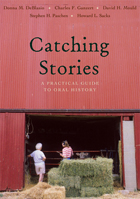
In neighborhoods, schools, community centers, and workplaces, people are using oral history to capture and collect the kinds of stories that the history books and the media tend to overlook: stories of personal struggle and hope, of war and peace, of family and friends, of beliefs, traditions, and values—the stories of our lives.
Catching Stories: A Practical Guide to Oral History is a clear and comprehensive introduction for those with little or no experience in planning or undertaking oral history projects. Opening with the key question, “Why do oral history?” the guide outlines the stages of a project from idea to final product—planning and research, the interviewing process, basic technical principles, and audio and video recording techniques. The guide covers interview transcribing, ethical and legal issues, archiving, funding sources, and sharing oral history with audiences.
Intended for teachers, students, librarians, local historians, and volunteers as well as individuals, Catching Stories is the place to start for anyone who wants to document the memories and collect the stories of community or family.


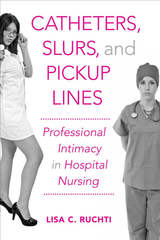
Every day, hospital nurses must negotiate intimate trust and intimate conflict in an effort to provide quality health care. However, interactions between nurses and patients—which often require issues of privacy—are sometimes made more uncomfortable with inappropriate behavior, as when a patient has a racist and/or sexist outburst. Not all nurses are prepared to handle such intimacy, but they can all learn how to "be caring."
In Catheters, Slurs, and Pickup Lines, Lisa Ruchti carefully examines this fragile relationship between intimacy and professional care, and provides a language for patients, nurses, and administrators to teach, conduct, and advocate for knowledgeable and skilled intimate care in a hospital setting. She also recommends best training practices and practical and effective policy changes to handle conflicts.
Ruchti shows that "caring" is not just a personality characteristic but is work that is structured by intersections of race, gender, and nationality.
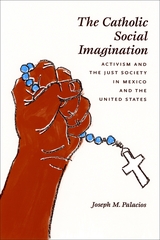
The reach of the Catholic Church is arguably greater than that of any other religion, extending across diverse political, ethnic, class, and cultural boundaries. But what is it about Catholicism that resonates so profoundly with followers who live under disparate conditions? What is it, for instance, that binds parishioners in America with those in Mexico? For Joseph M. Palacios, what unites Catholics is a sense of being Catholic—a social imagination that motivates them to promote justice and build a better world.
In The Catholic Social Imagination, Palacios gives readers a feeling for what it means to be Catholic and put one’s faith into action. Tracing the practices of a group of parishioners in Oakland, California, and another in Guadalajara, Mexico, Palacios reveals parallels—and contrasts—in the ways these ordinary Catholics receive and act on a church doctrine that emphasizes social justice. Whether they are building a supermarket for the low-income elderly or waging protests to promote school reform, these parishioners provide important insights into the construction of the Catholic social imagination. Throughout, Palacios also offers important new cultural and sociological interpretations of Catholic doctrine on issues such as poverty, civil and human rights, political participation, and the natural law.

Catina’s Haircut: A Novel in Stories spans four generations of a peasant family in the brutal poverty of post-Unification southern Italy and in an immigrant’s United States. The women in these tales dare to cross boundaries by discovering magical leaps inherent in the landscape, in themselves, and in the stories they tell and retell of family tragedy at a time of political unrest. Through an oral tradition embedded in the stone of memory and the flow of its reinvention, their passionate tale of resistance and transformation courses forward into new generations in a new world.
A woman threatens to join the land reform struggle in her Calabrian hill town, against her husband’s will, during a call for revolution in 1919. A brother and sister turn to the village sorceress in Fascist Italy to bring rain to their father’s drought-stricken farm. In Pittsburgh, new immigrants witness a miraculous rescue during the Great Flood of 1936. A young girl courageously dives into the Allegheny River to save her grandfather’s only memento of the old country. With only broken English to guide her, a widow hops a bus in search of live chickens to cook for Easter dinner in her husband’s memory. An aging woman in the title story is on a quest to cut the ankle-length hair as hard as the rocky soil of Calabria in a drought. A lonely woman who survived World War II bombings in her close-knit village, struggles to find community as a recent immigrant. A daughter visits her mother’s hill town to try and fulfill a wish for her to see the Fata Morgana. These haunting images permeate Corso’s linked stories of loss, hope, struggle, and freedom.
An official selection of The Sons of Italy® Book Club
Best Books for General Audiences, selected by the Public Library Association
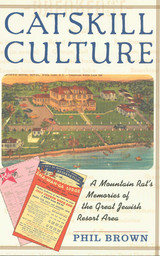
Born to a small hotel-owning family who worked for decades in hotels after losing their own, Phil Brown tells a story of the many elements of this magical environment. His own waiter's tales, his mother's culinary exploits as a chef, and his father's jobs as maitre d' and coffee shop operator offer a backdrop to the vital life of Catskills summers. Catskill Culture recounts the life of guests, staff, resort owners,entertainers, and local residents through the author's memories and archival research and the memories of 120 others.
The Catskills resorts shaped American Jewish culture, enabling Jews to become more American while at the same time introducing the American public to immigrant Jewish culture. Catskills entertainment provided the nation with a rich supply of comedians, musicians, and singers. Legions of young men and women used the Catskills as a springboard to successful careers and marriages.
A decline for the resort area beginning in the 1970s has led to many changes. Today most of the hotels and bungalow colonies are gone or in ruins, while other communities, notably those of the Hasidim, have appeared. The author includes an appendix listing over 900 hotels he has been able to document and invites readers to contact him with additional entries.
In addition to his mainstream research, Cattell had also authored a series of publications that posited evolutionary progress as the ultimate goal of human existence and argued that scientifically measurable criteria should be used to distinguish "successful" from "failing" racial groups so that the latter might be gradually "phased out" by non-violent methods such as regulation of birth control. Derived from science, Cattell's evolutionary philosophy was intended to be the basis of a full-blown religion. Although the earliest of these works had been published in the 1930s, near the end of an era in which eugenically based policies for human improvement were much more acceptable, Cattell promoted similar ideas well into the 1980s and '90s.
The Cattell Controversy describes Cattell's socio-religious beliefs in detail and analyzes their relationship to his scientific contributions. William H. Tucker discusses the controversy that arose within the field in response to the award's postponement, after which Cattell withdrew his name from consideration for the award but insisted that his position had been distorted by taking statements out of context. Reflecting on these events, Tucker concludes with a discussion of the complex question of whether and how a scientist's ideological views should ever be a relevant factor in determining the value of his or her contributions to the field.
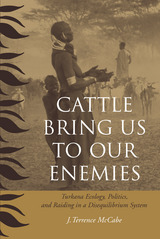
Based on sixteen years of fieldwork among the pastoral Turkana people, McCabe examines how individuals use the land and make decisions about mobility, livestock, and the use of natural resources in an environment characterized by aridity, unpredictability, insecurity, and violence. The Turkana are one of the world's most mobile peoples, but understanding why and how they move is a complex task influenced by politics, violence, historical relations among ethnic groups, and the government, as well as by the arid land they call home.
As one of the original members of the South Turkana Ecosystem Project, McCabe draws on a wealth of ecological data in his analysis. His long-standing relationship with four Turkana families personalize his insights and conclusions, inviting readers into the lives of these individuals, their families, and the way they cope with their environment and political events in daily life.
J. Terrence McCabe is Associate Professor of Anthropology, University of Colorado at Boulder.
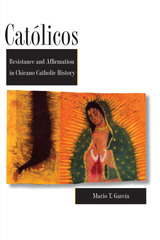
Chicano Catholicism—both as a popular religion and a foundation for community organizing—has, over the past century, inspired Chicano resistance to external forces of oppression and discrimination including from other non-Mexican Catholics and even the institutionalized church. Chicano Catholics have also used their faith to assert their particular identity and establish a kind of cultural citizenship.
Based exclusively on original research and sources, Mario T. García here offers the first major historical study to explore the various dimensions of the role of Catholicism in Chicano history in the twentieth century. This is also one of the first significant studies in the still limited field of Chicano religious history.
Topics range from how early Chicano Catholic intellectuals and civil rights leaders were influenced by Catholic Social Doctrine, to the role that popular religion has played in the lives of ordinary men and women in both rural and urban areas. García also examines faith-based Chicano community movements like Católicos Por La Raza in the 1960s and the Sanctuary movement in Los Angeles in the 1980s.
While Latino/a history and culture has been, for the most part, inextricably linked with the tenets and practices of Catholicism, there has been very little written, until recently, about Chicano Catholic history. García helps to fill that void and explore the impact—both positive and negative—that the Catholic experience has had on the Chicano community.
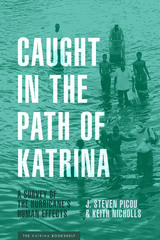
In 2008, three years after Hurricane Katrina cut a deadly path along the northern coast of the Gulf of Mexico, researchers J. Steven Picou and Keith Nicholls conducted a survey of the survivors in Louisiana and Mississippi, receiving more than twenty-five hundred responses, and followed up two years later with their than five hundred of the initial respondents. Showcasing these landmark findings, Caught in the Path of Katrina: A Survey of the Hurricane's Human Effects yields a more complete understanding of the traumas endured as a result of the Storm of the Century.
The authors report on evacuation behaviors, separations from family, damage to homes, and physical and psychological conditions among residents of seven of the parishes and counties that bore the brunt of Katrina. The findings underscore the frequently disproportionate suffering of African Americans and the agonizingly slow pace of recovery. Highlighting the lessons learned, the book offers suggestions for improved governmental emergency management techniques to increase preparedness, better mitigate storm damage, and reduce the level of trauma in future disasters. Multiple major hurricanes have unleashed their destruction in the years since Katrina, making this a crucial study whose importance only continues to grow.

Ethnicity, Nash suggests, is formed by historical processes based on preexisting elements of society and culture. Notions of ethnicity have at their core the recursive metaphor of "blood, bed, and cult"—body substance, kinship, and religious belief. When individuals who perceive themselves bound by these ties are threatened in some way, ethnicity becomes a unifying call to action. Nash identifies a number of concepts—political self-rule, economic opportunity, cultural identity, religious freedom—that have been rallying cries for ethnic struggles in the twentieth century. He offers a novel analysis of the ways that ethnic groups identify themselves and maintain "boundaries," and he assesses the circumstances under which ethnicity may be relevant or nearly irrelevant to political, economic, and cultural dynamics.
Nash presents three case studies that highlight the multifaceted nature of ethnicity and that each demonstrate a particular mode of comparative method. He compares a situation of conquest (Ladino and Maya in Mexico and Guatemala), a new, excolonial nation with nearly equally sized groups (Chinese and Malays in Malaysia), and a small immigrant group in a large nation (Jews in the United States), pointing out the many possible combinations of political, economic, or cultural struggles in ethnic conflicts. Even in nations where such conflict is minimal, Nash warns, ethnicity remains a reservoir of turbulence in a world where power, wealth, and dignity are unevenly and illegitimately distributed.
Causal Case Study Methods begins with the cohesive, logical foundations for small-n comparative methods, congruence methods, and process tracing, then delineate the distinctive types of causal relationships for which each method is appropriate. Next, the authors provide practical instruction for deploying each of the methods individually and in combination. They walk the researcher through each stage of the research process, starting with issues of concept formation and the formulation of causal claims in ways that are compatible with case-based research. They then develop guidelines for using Bayesian logic as a set of practical questions for translating empirical data into evidence that may or may not confirm causal inferences.
Widely acclaimed instructors, the authors draw upon their extensive experience at the graduate level in university classrooms, summer and winter school courses, and professional workshops, around the globe.
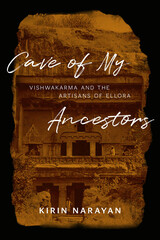
As a young girl in Bombay, Kirin Narayan was enthralled by her father’s stories about how their ancestors had made the ancient rock-cut cave temples at Ellora. Recalling those stories as an adult, she was inspired to learn more about the caves, especially the Buddhist worship hall known as the “Vishwakarma cave.” Immersing herself in family history, oral traditions, and works by archaeologists, art historians, scholars of Buddhism, Indologists, and Sanskritists, Narayan set out to answer the question of how this cave came to be venerated as the home of Vishwakarma, the god of making in Hindu and Buddhist traditions.
Cave of My Ancestors represents the perfect blend of Narayan’s skills as a researcher and writer. Her quest to trace her family’s stories took her to Ellora; through libraries, archives, and museums around the world; and across disciplinary borders. Equal parts scholarship, detective story, and memoir, Narayan’s book ably leads readers through centuries of history, offering a sensitive meditation on devotion, wonder, and all that connects us to place, family, the past, and the divine.

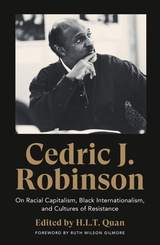
"Like W. E. B. Du Bois, Michel Foucault, Sylvia Wynter, and Edward Said, Robinson was that rare polymath capable of seeing the whole....He left behind a body of work to which we must return constantly and urgently"—Robin D. G. Kelley, author of Freedom Dreams
Cedric J. Robinson is one of the doyens of Black Studies and a pioneer in study of the Black Radical Tradition. His works have been essential texts, deconstructing racial capitalism and inspiring insurgent movements from Ferguson, Missouri to the West Bank. For the first time, Robinson's essays come together, spanning over four decades and reflective of his diverse interests in the interconnections between culture and politics, radical social theory, and classic and modern political philosophy.
Themes explored include Africa and Black internationalism, World politics, race and US Foreign Policy, representations of blackness in popular culture, and reflections on popular resistance to racial capitalism, white supremacy and more. Essays here include:
*The Black Detective and American Memory
*Slavery and the Platonic Origins of Anti-Democracy
*Africa: In Hock to History and the Banks
*Blaxploitation and the Misrepresentation of Liberalism
*The Mulatta on Film
*Race, Capitalism, and Anti-democracy
*The Killing in Ferguson
*And much more!
Accompanied by an introduction by H. L. T. Quan and a foreword by Ruth Wilson Gilmore, this collection, which includes previously unpublished materials, extends the many contributions by a giant in Black radical thought.
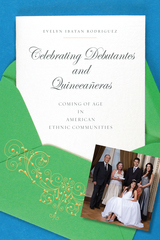
Drawing on over fifty in-depth interviews with members of these fast-growing American Asian and Latino populations, Rodriguez shows how these communal celebrations of daughters have been adapted by immigrant families to assert their cultural pride and affirm their American belonging. Celebrating Debutantes and Quinceañeras provides an intimate and compelling portrait of the various ways immigrants and their children are purposefully, strategically, and creatively employing Filipino American debutantes and Mexican American quinceañeras to simultaneously challenge and assimilate into U.S. culture and forge new understandings of what it means to be "Mexican," "Filipino," and "American."
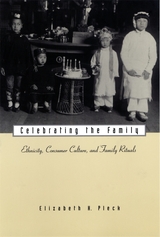
Nostalgia for the imagined warm family gatherings of yesteryear has colored our understanding of family celebrations. Elizabeth Pleck examines family traditions over two centuries and finds a complicated process of change in the way Americans have celebrated holidays such as Christmas, Easter, Thanksgiving, Chinese New Year, and Passover as well as the life cycle rituals of birth, coming of age, marriage, and death. By the early nineteenth century carnivalesque celebrations outside the home were becoming sentimental occasions that used consumer culture and displays of status and wealth to celebrate the idea of home and family. The 1960s saw the full emergence of a postsentimental approach to holiday celebration, which takes place outside as often as inside the home, and recognizes changes in the family and women's roles, as well as the growth of ethnic group consciousness.
This multicultural, comparative history of American family celebration, rich in detail and spiced with telling anecdotes and illustrations and a keen sense of irony, offers insight into the significance of ethnicity and consumer culture in shaping what people regard as the most memorable moments of family life.
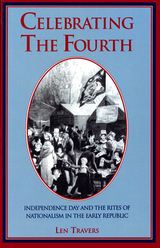
A CHOICE Outstanding Academic Book
Public rituals have always held a vital place in American culture. By far the noisiest and most popular of these to emerge in the nation's early years was Independence Day. After a decade of fitful starts, the Fourth of July eclipsed local and regional patriotic observances to become the premier “American Jubilee.” Celebrating the Fourth provides a history of this holiday and explores its role in shaping a national identity and consciousness in three cities—Boston, Charleston, and Philadelphia—during the first fifty years of the American republic. Independence Day celebrations justified, validated, and helped maintain nationalism among people unused to offering political allegiance beyond their own state borders. As the observances became increasingly popular and symbolically important, political partisans competed hotly for the right to control the meaning of the festivals.
This book links the mounting demand for images of violent death with dramatic changes in death-related social rituals. It offers a conceptual framework that connects observations of fictional worlds—including The Twilight Saga, The Vampire Diaries, and the Harry Potter series—with real-world sociocultural practices, analyzing the aesthetic, intellectual, and historical underpinnings of the cult of death. It also places the celebration of death in the context of a longstanding critique of humanism and investigates the role played by 20th-century French theory, posthumanism, transhumanism, and the animal rights movement in shaping the current antihumanist atmosphere.
This timely, thought-provoking book will appeal to scholars of culture, film, literature, anthropology, and American and Russian studies, as well as general readers seeking to understand a defining phenomenon of our age.

Through first-hand interviews with celebrities and entertainment industry practitioners, the authors discuss the social, cultural, and economic influences of celebrity. Dialogues with celebrities such as Kwok-Leung Kam, Bob Lam, Denise Ho, Hilary Tsui, and Francis Mak provide insider accounts of celebrity formation, management, and marketing in Hong Kong and Mainland China, as well as South Korea and Taiwan.

The Celebrity Persona Pandemic explores how the construction of a public persona is fetishized in contemporary culture. As social media has progressively led to a greater focus on the production of the self, so this book looks at the most visible versions of persona through figures such as Stephen Colbert, Cate Blachett, and Justin Bieber, as well as fictional characters like Spock and Harry Potter. Ultimately, P. David Marshall closely studies how persona culture shapes our notions of value and significance, and dramatically shifts cultural politics.
Forerunners is a thought-in-process series of breakthrough digital works. Written between fresh ideas and finished books, Forerunners draws on scholarly work initiated in notable blogs, social media, conference plenaries, journal articles, and the synergy of academic exchange. This is gray literature publishing: where intense thinking, change, and speculation take place in scholarship.
This is the first cross-cultural inquiry into the practice of celibacy around the world and through the ages, among groups as diverse as Kenyan villagers and U.S. prisoners, Mazatec Shamans and Buddhist nuns and monks, Shaker church members and anorexic women.
The examples of celibacy described here illustrate the complex relationship between human sexuality and its particular sociocultural context. Ideas about the body, gender, family, work, religion, health, and other dimensions of life come sharply into focus as the contributors examine the many practices and institutions surrounding sexual abstinence. They show that, though celibacy is certainly sometimes a punishment or a deliberate ritual abstinence, it also serves many other social and material functions and in some cases contributes to kin-group survival and well-being. Celibacy, Culture, and Society represents a significant step towards understanding the functions and meanings of sexuality.

“Schiavi tells a compelling story in this biography—from his re-creation of life on the streets of East Harlem and in Greenwich Village of the 1960s and 1970s to the way he conveys Russo’s excitement about his film research and popular education to his account of the AIDS years in New York City.”—John D’Emilio, Italian American Review
“In [Schiavi’s] hands Russo’s life is both fascinating in its own right and a window into a larger milieu of activism during two critical decades.”—Italian American Review
Best Books for General Audiences, selected by the Public Library Reviewers
Finalist, Gay Memoir/Biography, Lambda Literary Awards
Finalist, Over the Rainbow Selection, American Library Association
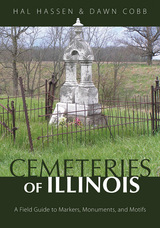
- the ways different materials used as gravestones and markers reflect historical trends;
- how to understanding the changes in the use of iconographic images;
- the story behind architectural features like fencing, roads, and gates;
- what enthusiasts can do to preserve local cemeteries for future generations.
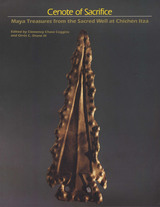
Chichén Itzá ("mouth of the well of the Itza") was one of the great centers of civilization in prehistoric America, serving between the eighth and twelfth centuries A.D. as a religious, economic, social, and political capital on the Yucatán Peninsula. Within the ancient city there were many natural wells or cenotes. One, within the ceremonial heart of the city, is an impressive natural feature with vertical limestone walls enclosing a deep pool of jade green water some eighty feet below ground level. This cenote, which gave the city its name, became a sacred shrine of Maya pilgrimage, described by one post-Conquest observer as similar to Jerusalem and Rome. Here, during the city's ascendancy and for centuries after its decline, the peoples of Yucatán consulted their gods and made ritual offerings of precious objects and living victims who were thought to receive prophecies.
Although the well was described by Bishop Diego de Landa in the late sixteenth century, its contents were not known until the early 1900s when revealed by the work of Edward H. Thompson. Conducting excavations for the Peabody Museum of Harvard University, Thompson recovered almost thirty thousand artifacts, most ceremonially broken and many beautifully preserved by burial in the deep silt at the bottom of the well. The materials were sent to the Peabody Museum, where they remained, unexhibited, for over seventy years.
In 1984, for the first time, nearly three hundred objects of gold, jade, copper, pottery, wood, copal, textile, and other materials from the collection were gathered into a traveling interpretive exhibition. No other archaeological exhibition had previously given this glimpse into Maya ritual life because no other collection had objects such as those found in the Sacred Cenote. Moreover, the objects from the Cenote come from throughout Mesoamerica and lower Central America, representing many artistic traditions. The exhibit and this, its accompanying catalog, marked the first time all of the different kinds of offerings have ever been displayed together, and the first time many have been published.
Essays by Gordon R. Willey and Linnea H. Wren place the Cenote of Sacrifice and the great Maya city of Chichén Itzá within the larger context of Maya archaeology and history. The catalog entries, written by Clemency Chase Coggins, describe the objects displayed in the traveling exhibition. Some entries are brief descriptive statements; others develop short scholarly themes bearing on the function and interpretation of specific objects. Coggins' introductory essay describes how the objects were collected by Thompson and how the exhibition collection has been studied to reveal the periods of Cenote ritual and the changing practices of offering to the Sacred Cenote.
At the intersection of anthropology, media studies, and critical theory, Censorium is a pathbreaking analysis of Indian film censorship. The book encompasses two moments of moral panic: the consolidation of the cinema in the 1910s and 1920s, and the global avalanche of images unleashed by liberalization since the early 1990s. Exploring breaks and continuities in film censorship across colonial and postcolonial moments, William Mazzarella argues that the censors' obsessive focus on the unacceptable content of certain images and the unruly behavior of particular audiences displaces a problem that they constantly confront yet cannot directly acknowledge: the volatile relation between mass affect and collective meaning. Grounded in a close analysis of cinema regulation in the world's largest democracy, Censorium ultimately brings light to the elusive foundations of political and cultural sovereignty in mass-mediated societies.
India produces an impressive number of films each year in a variety of languages. Here, Monika Mehta breaks new ground by analyzing Hindi films and exploring the censorship of gender and heterosexuality in Bombay cinema. She studies how film censorship on various levels makes the female body and female sexuality pivotal in constructing national identity, not just through the films themselves but also through the heated debates that occur in newspapers and other periodicals. The standard claim is that the state dictates censorship and various prohibitions, but Mehta explores how relationships among the state, the film industry, and the public illuminate censorship's role in identity formation, while also examining how desire, profits, and corruption are generated through the act of censoring.
Committed to extending a feminist critique of mass culture in the global south, Mehta situates the story of censorship in a broad social context and traces the intriguing ways in which the heated debates on sexuality in Bombay cinema actually produce the very forms of sexuality they claim to regulate. She imagines afresh the theoretical field of censorship by combining textual analysis, archival research, and qualitative fieldwork. Her analysis reveals how central concepts of film studies, such as stardom, spectacle, genre, and sound, are employed and (re)configured within the ambit of state censorship, thereby expanding the scope of their application and impact.
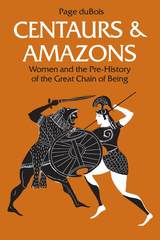
In Centaurs and Amazons, Page duBois offers a prehistory of hierarchy. Using structural anthropology, symbolic analysis, and recent literary theory, she demonstrates a shift in Greek thought from the fifth to the fourth century B.C. that had a profound influence upon subsequent Western culture and politics.
Through an analysis of mythology, drama, sculpture, architecture, and Greek vase painting, duBois documents the transition from a system of thought that organized the experience of difference in terms of polarity and analogy to one based upon a relatively rigid hierarchical scheme. This was the beginning of "the great chain of being," the philosophical construct that all life was organized in minute gradations of superiority and inferiority. This scheme, in various guises, has continued to influence philosophical and political thought.
The author's intelligent and discriminating use of scholarship from various fields makes Centaurs and Amazons an impressive interdisciplinary study of interest to classicists, feminist scholars, historians, art historians, anthropologists, and political scientists.
"Center" is a commonly used term with a variety of meanings. According to editors Liah Greenfeld and Michel Martin, "center" carries a twofold meaning when used as a concept. In its first sense, it is a synonym for "central value system," referring to irreducible values and beliefs that establish the identity of individuals and bind them into a common universe. In its second sense, "center" refers to "central institutional system," the authoritative institutions and persons who often express or embody the central value system. Both meanings imply a corresponding idea of "periphery," referring both to the elements of society that need to be integrated and to institutions and persons who lack authority.
The original essays compiled in this volume examine and apply the concept of the center in different contexts. The contributors come from a broad range of disciplines—classics, religion, philosophy, history, literary criticism, anthropology, political science, and sociology—which serves to underscore the far-reaching significance of the Shilsean theory of society. The interrelated subsets of the "center-periphery" theme addressed here include: symbolic systems, intellectuals, the expansion of the center into the periphery, parallel concepts in the work of other scholars besides Shils, and the paths of research inspired by these concepts. The volume features an introspective essay by Shils himself, in which he reexamines his central ideas in the light of new experiences and the ideas of others, some of them contained in this volume.
By drawing together such diverse scholars around a unified idea, this collection achieves a cohesion that makes it an exciting contribution to the comparative analysis of social and cultural systems. A collective effort in social theory, Center: Ideas and Institutions is a testimony to the breadth and complexity of one of man's ideas.
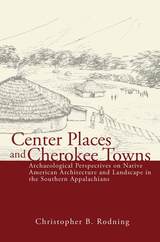
In Center Places and Cherokee Towns, Christopher B. Rodning opens a panoramic vista onto protohistoric Cherokee culture. He posits that Cherokee households and towns were anchored within their cultural and natural landscapes by built features that acted as “center places.”
Rodning investigates the period from just before the first Spanish contact with sixteenth-century Native American chiefdoms in La Florida through the development of formal trade relations between Native American societies and English and French colonial provinces in the American South during the late 1600s and 1700s. Rodning focuses particularly on the Coweeta Creek archaeological site in the upper Little Tennessee Valley in southwestern North Carolina and describes the ways in which elements of the built environment were manifestations of Cherokee senses of place.
Drawing on archaeological data, delving into primary documentary sources dating from the eighteenth century, and considering Cherokee myths and legends remembered and recorded during the nineteenth century, Rodning shows how the arrangement of public structures and household dwellings in Cherokee towns both shaped and were shaped by Cherokee culture. Center places at different scales served as points of attachment between Cherokee individuals and their communities as well as between their present and past. Rodning explores the ways in which Cherokee architecture and the built environment were sources of cultural stability in the aftermath of European contact, and how the course of European contact altered the landscape of Cherokee towns in the long run.
In this multi-faceted consideration of archaeology, ethnohistory, and recorded oral tradition, Rodning adeptly demonstrates the distinct ways that Cherokee identity was constructed through architecture and other material forms. Center Places and Cherokee Towns will have a broad appeal to students and scholars of southeastern archaeology, anthropology, Native American studies, prehistoric and protohistoric Cherokee culture, landscape archaeology, and ethnohistory.
Author Karina Alma offers a systemic method and artistic mode for unpacking social and political memory formation that resists dominant histories. Central American Counterpoetics responds to political repression through acts of creativity that prioritize the well-being of anticolonial communities. Building on Toni Morrison’s theory of rememory, the volume examines the concept as an embodied experience of a sensory place and time lived in the here and now. By employing primary sources of image and word, interviews of creatives, and a critical self-reflection as a Salvadoran immigrant woman in academia, Alma’s research breaks ground in subject matter and methods by considering cultural and historical ties across countries, regions, and traditions. The diverse creatives included explore critical perspectives on topics such as immigration, forced assimilation, maternal love, gender violence, community arts, and decolonization.
Central American Migrations in the Twenty-First Century tackles head-on the way Central America has been portrayed as a region profoundly marked by the migration of its people. Through an intersectional approach, this volume demonstrates how the migration experience is complex and affected by gender, age, language, ethnicity, social class, migratory status, and other variables. Contributors carefully examine a broad range of topics, including forced migration, deportation and outsourcing, intraregional displacements, the role of social media, and the representations of human mobility in performance, film, and literature. The volume establishes a productive dialogue between humanities and social sciences scholars, and it paves the way for fruitful future discussions on the region’s complex migratory processes.
Contributors
Guillermo Acuña
Andrew Bentley
Fiore Bran-Aragón
Tiffanie Clark
Mauricio Espinoza
Hilary Goodfriend
Leda Carolina Lozier
Judith Martínez
Alicia V. Nuñez
Miroslava Arely Rosales Vásquez
Manuel Sánchez Cabrera
Ignacio Sarmiento
Gracia Silva
Carolina Simbaña González
María Victoria Véliz
Through the practice of testimonio, contributors create intergenerational dialogues between mothers and daughters, engage with Indigenous oral traditions, and reflect on the violent histories of war in Guatemala, El Salvador, Honduras, and Nicaragua. The volume is organized around five themes: political histories, migration, gender and sexuality, navigating institutions, and healing. Within each theme contributors tackle a range of issues, including Central American political histories, healing, grief, Indigenous knowledge, memory, trauma, post-traumatic growth, organizing, creativity, and agency.
This anthology spans genres such as poetry, essay, and visual art to present diverse perspectives, including Indigenous, Afro-Indigenous, queer, and working-class voices. An intervention that centers gendered experiences and challenges oppressive structures, this volume celebrates the solidarity, cultural memory, and healing found within transnational ties.
Contributors
Leisy J. Abrego
Margoth Abrego
Bella
Juanita Cabrera
Jennifer A. Cárcamo
Sandra Castro
Karla Cativo
Kency Cornejo
Gabriela Corona Valencia
Jessica Delgado
Carolina Rivera Escamilla
Rafael Escamilla
Mildred Fuentes-Chung
Diana Gamez
Joanna Beltrán Girón
Ruth Girón
Victoria Gonzalez-Rivera
Claudia D. Hernández
Jessica Hernandez
Leticia Hernández-Linares
Leigh-Anna Hidalgo
Andrea Nikté Juarez Mendoza
Amanda Macal
Carla Macal
Patricia Veliz Macal
Kiara Aileen Machado
Beatriz Maldonado
Jacqueline Munguía
Johanna Perez
Rossana Pérez
Katy Pinto
Claudia A. Portillo
Suyapa Portillo Villeda
Nalya Rodriguez
Andrea Zelaya


Committed to internationalism, Kazakhstan and other central Asian states nevertheless embrace classically nationalist conceptions of the nation-state. Their unabashed celebration of borders and citizenship challenges Western views of nationalism as a dying ideology transcended by cosmopolitanism. Drawing on twenty years of fieldwork, Central Peripheries reveals the origin of central Asian national consciousness in imaginary and ritualized efforts to grapple with the Soviet past.
The terms "center" and "periphery" are particularly relevant to anthropologists, since traditionally they look outward from institutional "centers"-universities, museums, government bureaus-to learn about people on the "peripheries." Yet anthropology itself, as compared with economics, politics, or history, occupies a space somewhat on the margins of academe. Still, anthropologists, who control esoteric knowledge about the vast range of human variation, often find themselves in a theoretically central position, able to critique the "universal" truths promoted by other disciplines.
Central Sites, Peripheral Visions presents five case studies that explore the dilemmas, moral as well as political, that emerge out of this unique position. From David Koester's analysis of how ethnographic descriptions of Iceland marginalized that country's population, to Kath Weston's account of an offshore penal colony where officials mixed prison work with ethnographic pursuits; from Brad Evans's reflections on the "bohemianism" of both the Harlem vogue and American anthropology, to Arthur J. Ray's study of anthropologists who serve as expert witnesses in legal cases, the essays in the eleventh volume of the History of Anthropology Series reflect on anthropology's always problematic status as centrally peripheral, or peripherally central.
Finally, George W. Stocking, Jr., in a contribution that is almost a book in its own right, traces the professional trajectory of American anthropologist Robert Gelston Armstrong, who was unceremoniously expelled from his place of privilege because of his communist sympathies in the 1950s. By taking up Armstrong's unfinished business decades later, Stocking engages in an extended meditation on the relationship between center and periphery and offers "a kind of posthumous reparation," a page in the history of the discipline for a distant colleague who might otherwise have remained in the footnotes.
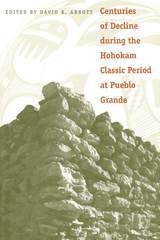
New data from major excavations in Phoenix, however, suggest that little was "classic" about the Classic period at Pueblo Grande. These findings challenge views of Hohokam society that prevailed for most of the twentieth century, suggesting that for Pueblo Grande it was a time of decline rather than prosperity, a time marked by overpopulation, environmental degradation, resource shortage, poor health, and social disintegration. During this period, the Hohokam in the lower Salt River Valley began a precipitous slide toward the eventual abandonment of a homeland that they had occupied for more than one thousand years.
This volume is a long-awaited summary of one of the most important data-recovery projects in Southwest archaeology, synthesizing thousands of pages of data and text published in seven volumes of contract reports. The authors—all leading authorities in Hohokam archaeology who played primary roles in this revolution of understanding—here craft a compelling argument for the eventual collapse of Hohokam society in the late fourteenth century as seen from one of the largest and seemingly most influential irrigation communities along the lower Salt River.
Drawing on extremely large and well-preserved collections, the book reveals startling evidence of a society in decline as reflected in catchment analysis, archaeofaunal assemblage composition, skeletal studies, burial assemblages, artifact exchange, and ceramic production. The volume also includes a valuable new summary of the archival reconstruction of the architectural sequence for the Pueblo Grande platform mound.
With its wealth of data, interpretation, and synthesis, Centuries of Decline represents a milestone in our understanding of Hohokam culture. It is a key reference for Southwest archaeologists who seek to understand the Hohokam collapse and a benchmark for anyone interested in the prehistory of Arizona.
Exploring the resilience, identity, and contributions of Southern Jews in the heart of Alabama.
This is the first substantial history of the Jews in any inland town or city of the industrial South. A Century of Jewish Life in Dixie offers a vivid and deeply researched portrait of Birmingham, Alabama’s Jewish community. Mark H. Elovitz traces the community’s evolution from its immigrant roots in the late 19th century through its growth into a vibrant and influential part of Southern society. Drawing on archival records, oral histories, and cultural analysis, Elovitz explores how Southern Jews balanced tradition and assimilation, navigated racial and religious tensions, and contributed to civic and economic life in a region undergoing dramatic transformation. This book provides a rare and nuanced look at Jewish identity in the American South, making it an essential resource for scholars of Jewish studies, Southern history, and American cultural life.
Provides insight into the political currents that led to the Iranian revolution.
Before late 1978 Iran did not occupy a large place in the public mind, mass media, or academic pursuits. With the massive upheaval of the next few months, all this changed-and the world is still trying to catch up with the dramatic events that brought Iran to its attention. This volume offers a much needed look into the historical, social, and political developments leading up to the Iranian revolution. Bringing together a group of scholars, historians, and social scientists, most of them Iranian in origin, the book documents an extraordinary revolutionary heritage that predates this century.
Each contributor examines a critical moment in Iranian social history-on its own terms as well as within a larger theoretical and comparative context. The topics they take up include: • the Tobacco Rebellion of 1890-91 • the Constitutional Revolution of 1905-11 • the rise of Reza Khan between 1921 and 1925• the autonomy movement in Azerbaijan and Kurdistan after World War II• the oil nationalization movement under Musaddiq between 1951and 1953• the unrest of the 1960-63 period• the Iranian revolution of 1977-79 • the state of Iran since the revolution Thoughout, common themes emerge, especially the heterogeneous bases of Iranian social movements with respect to class, gender, and ethnicity, as well as the diverse discourses-nationalist, Islamic, socialist, populist, and radical-that have animated these movements. Representing a wide variety of perspectives and approaches, this volume provides crucial insight into the widely watched but poorly understood phenomenon of present-day Iran.Contributors: Janet Afary, Purdue University; John Foran, University of California, Santa Barbara; Amir Hassanpour, Uppsala University; Mansoor Moaddel, Eastern Michigan University; Val Moghadam, United Nations University; Misgah Parsa, Dartmouth College; Sussan Siavoshi, Trinity University; Michael Zirinsky, Boise State University
Century of Struggle tells the story of one of the great social movements in American history. The struggle for women’s voting rights was one of the longest, most successful, and in some respects most radical challenges ever posed to the American system of electoral politics.
“The book you are about to read tells the story of one of the great social movements in American history. The struggle for women’s voting rights was one of the longest, most successful, and in some respects most radical challenges ever posed to the American system of electoral politics… It is difficult to imagine now a time when women were largely removed by custom, practice, and law from the formal political rights and responsibilities that supported and sustained the nation’s young democracy… For sheer drama the suffrage movement has few equals in modern American political history.”—From the Preface by Ellen Fitzpatrick
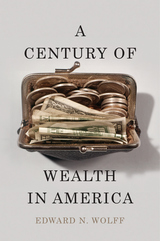
Understanding wealth in the United States—who has it, how they acquired it, and how they preserve it—is crucial to addressing the economic and political challenges facing the nation. But until now we have had little reliable information. Edward Wolff, one of the world’s great experts on the economics of wealth, offers an authoritative account of patterns in the accumulation and distribution of wealth since 1900.
A Century of Wealth in America demonstrates that the most remarkable change has been the growth of per capita household wealth, which climbed almost eightfold prior to the 2007 recession. But overlaid on this base rate are worrying trends. The share of personal wealth claimed by the richest one percent almost doubled between the mid-1970s and 2013, concurrent with a steep run-up of debt in the middle class. As the wealth of the average family dropped precipitously—by 44 percent—between 2007 and 2013, with black families hit hardest, the debt-income ratio more than doubled. The Great Recession also caused a sharp spike in asset poverty, as more and more families barely survived from one paycheck to the next. In short, the United States has changed from being one of the most economically equal of the advanced industrialized countries to being one of the most unequal.
At a time of deep uncertainty about the future, A Century of Wealth in America provides a sober bedrock of facts and astute analysis. It will become one of the few indispensable resources for contemporary public debate.
Relying primarily on stylistic analyses and the relative abundance of this ceramic ware in site assemblages, most scholars have assumed that it was manufactured within a restricted area on the southeastern edge of the Colorado Plateau and distributed via trade and exchange networks that may have involved controlled access to these ceramics.
This monograph critically evaluates these traditional interpretations, utilizing large-scale compositional and petrographic analyses that established multiple production zones for White Mountain Red Ware—including one in the Grasshopper region—during Pueblo IV times. The compositional data combined with settlement data and an analysis of archaeological contexts demonstrates that White Mountain Red Ware vessels were readily accessible and widely used household goods, and that migration and subsequent local production in the destinaton areas were important factors in their wide distribution during the 14th century.
Ceramic Commodities and Common Containers provides new insights into the organization of ceramic production and distribution in the northern Southwest and into the processes of social reorganization that characterized the late 13th and 14th century Western Pueblo world. As one of the few studies that integrate materials analysis into archaeological research, Triadan's monograph marks a crucial contribution to the reconstruction of these prehistoric societies.
Drawing on projects undertaken around the world, in the Phillipines, East Africa, Mesoamerica, India, in both traditional and complex societies, the contributors focus on identifying social and behavioral sources of ceramic variation to show how analogical reasoning is fundamental to archaeological interpretation. As the number of pottery-making societies declines, opportunities for such research must be seized. By bringing together a variety of ceramic ethnoarchaeological analyses, this volume offers the profession a much-needed touchstone on method and theory for the study of pottery-making among living peoples.
Petrography is the microscopic examination of thin sections of pottery to determine their precise mineralogical composition. In this groundbreaking work, James B. Stoltman applies quantitative as well as qualitative methods to the petrography of Native American ceramics. As explained in Ceramic Petrography and Hopewell Interaction, by adapting refinements to the technique of petrography, Stoltman offers a powerful new set of tools that enables fact-based and rigorous identification of the composition and sources of pottery.
Stoltman’s subject is the cultural interaction among the Hopewell Interaction Sphere societies of the Ohio Valley region and contemporary peoples of the Southeast. Inferring social and commercial relationships between disparate communities by determining whether objects found in one settlement originated there or elsewhere is a foundational technique of archaeology. The technique, however, rests on the informed but necessarily imperfect visual inspection of objects by archaeologists. Petrography greatly amplifies archaeologists’ ability to determine objects’ provenance with greater precision and less guesswork.
Using petrography to study a vast quantity of pottery samples sourced from Hopewell communities, Stoltman is able for the first time to establish which items are local, which are local but atypical, and which originated elsewhere. Another exciting possibility with petrography is to further determine the home source of objects that came from afar. Thus, combining traditional qualitative techniques with a wealth of new quantitative data, Ceramic Petrography and Hopewell Interaction offers a map of social and trade relationships among communities within and beyond the Hopewell Interaction Sphere with much greater precision and confidence than in the past.
Ceramic Petrography and Hopewell Interaction provides a clear and concise explanation of petrographic methods, Stoltman’s findings about Hopewell and southeastern ceramics in various sites, and the fascinating discovery that visits to Hopewell centers by southeastern Native Americans were not only for trade purposes but more for such purposes as pilgrimages, vision- and power-questing, healing, and the acquisition of knowledge.

READERS
Browse our collection.
PUBLISHERS
See BiblioVault's publisher services.
STUDENT SERVICES
Files for college accessibility offices.
RECENTLY PUBLISHED




UChicago Accessibility Resources
home | accessibility | search | about | contact us
BiblioVault ® 2001 - 2025
The University of Chicago Press