
 A SCHOLARLY BOOK REPOSITORY
A remarkable young woman flees India to chase the dream of self-reinvention in America
The orphaned girls of St. Ursula’s convent are destined to be nuns or servants, but seventeen-year-old Savi dreams of escape. She is chosen to work as a governess for the wealthy Nandiyar family at their country estate in Tamil Nadu, where she falls for a lively and carefree apprentice sculptor. After the violent and horrific events of a single night, they are forced to flee, leaving their homeland forever in the rearview.
Decades later, Savi has become known to all as “Missy” and runs a successful driving school in Chicago. She is a pillar of the South Asian community and the mother of two brilliant, stubborn young women, Mansi and Shilpa. But when Varun, a charming doctor with mysterious connections to her past, enters their lives, a chain of events is set off that puts Missy’s carefully constructed world in jeopardy. Can Missy outrun her secrets? And, if she is forced to face them, what will become of those she loves?
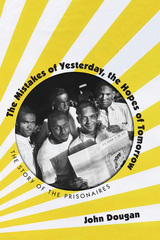
Early in the morning on June 1, 1953, five African American men boarded a van to make the 200-mile trip from Nashville to Memphis for a daylong recording session at the legendary Sun Studios, to be overseen by Sun founder Sam Phillips. One of the two tracks cut that day, “Just Walkin' in the Rain,” would go on to become a regional R&B hit, Sun Records' biggest record of the pre-Elvis era. It would, however, be the group's only hit. They were the Prisonaires, a vocal quintet who had honed their skills while inmates at the Tennessee State Penitentiary in Nashville.
In this book, John Dougan tells the story of the Prisonaires, their hit single, and the afterlife of this one remarkable song. The group and the song itself represent a compelling concept: imprisoned men using music as a means of cultural and personal survival. The song was re-recorded by white singer Johnnie Ray, who made it a huge hit in 1956. Over the years, other singers and groups would move the song further away from its origins, recasting the deep emotions that came from creating music in a hostile, controlled environment.
The story of the Prisonaires, for all of its triumphs, reflects the disappointment of men caught in a paradoxical search for personal independence while fully cognizant of a future consigned to prison. Their brief career and the unusual circumstances under which it flourished sheds light on the harsh realities of race relations in the pre–Civil Rights South. The book also provides a portrait of Nashville just as it was gaining traction as a nationally recognized music center.


On a peaceful winter night while the rest of the town sleeps, Mister Descartes stays up late reading the great books of the world. Suddenly, by the light of the moon, he sees a strange and fearsome shape in the shadow of his pet parrot, Baruch. Is it an illusion, or could it be that his faithful pet is but a figment of his imagination? Could the same be true of his room and all of sleepy Holland? Quite obviously, he cannot rely on his senses, so how can Mister Descartes arrive at any certainty about the world around him? How will he determine what is a clever trick and what is real?
Plato & Co.’s clear approach and charming illustrations make this series the perfect addition to any little library.

To solve the mystery, Kevin Barnhurst spent thirty years studying news going back to the realism of the 1800s. The usual suspects--technology, business competition, and the pursuit of scoops--are only partly to blame for the fate of news. The main culprit is modernism from the "Mister Pulitzer" era, which transformed news into an ideology called "journalism." News is no longer what audiences or experts imagine. Stories have grown much longer over the past century and now include fewer events, locations, and human beings. Background and context rule instead.
News producers adopted modernism to explain the world without recognizing how modernist ideas influence the knowledge they produce. When webs of networked connectivity sparked a resurgence in realist stories, legacy news stuck to big-picture analysis that can alienate audience members accustomed to digital briefs.
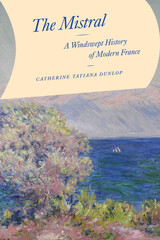
Every year, the chilly mistral wind blows through the Rhône valley of southern France, across the Camargue wetlands, and into the Mediterranean Sea. Most forceful when winter turns to spring, the wind knocks over trees, sweeps trains off their tracks, and destroys crops. Yet the mistral turns the sky clear and blue, as it often appears in depictions of Provence. The legendary wind is central to the area’s regional identity and has inspired artists and writers near and far for centuries.
This force of nature is the focus of Catherine Dunlop’s The Mistral, a wonderfully written examination of the power of the mistral wind, and in particular, the ways it challenged central tenets of nineteenth-century European society: order, mastery, and predictability. As Dunlop shows, while the modernizing state sought liberation from environmental realities through scientific advances, land modification, and other technological solutions, the wind blew on, literally crushing attempts at control, and becoming increasingly integral to regional feelings of place and community.

A Debutiful “Most Anticipated Debut Book of 2026”
In upstate New York in 2001, nine-year-old twins Sabina and Camilla spend the summer weathering the moods of their erratic mother while finding themselves pulled toward diverging interests: Sabina into the mystery of their absent French father and Camilla into burgeoning popularity. But their lives are shaken up by the arrival of an Arab French family across the street. Thrilled by what she sees as a link to the country of her origins, Sabina attempts to befriend the family’s son, Khalil, and is rebuffed for reasons she doesn’t understand.
Yet as the twins and Khalil come of age, they are drawn into a tense and ever-shifting triangular dynamic. As Sabina strives to find her father and make sense of her mother, as Camilla confronts whether the power she held in youth translates to adulthood, and as Khalil reckons with the psychological fallout of a family tragedy, their paths converge in ways both surprising and inevitable. Bookended by events with global resonance, Mistranslation is a continent-spanning chronicle of family, inheritance, and the reverberations of the choices we do—or don’t—make.

In Lesotho, which has the world's second highest HIV prevalence, HIV treatment has had unintentional but pervasive political costs, distancing citizens from the government, fostering distrust of health programs, and disrupting the social contract. Based on ethnographic observation between 2008 and 2014, this book chillingly anticipates the political violence and instability that swept through Lesotho in 2014.
This book is a recipient of the Norman L. and Roselea J. Goldberg Prize from Vanderbilt University Press for the best book in the area of medicine.

While mistrust can quickly ruin relationships and even dissolve extensive social ties, Carey shows that it might have other values. Drawing on fieldwork in Morocco’s High Atlas Mountains as well as comparative material from regions stretching from Eastern Europe to Melanesia, he examines the impact of mistrust on practices of conversation and communication, friendship and society, and politics and cooperation. In doing so, he demonstrates that trust is not the only basis for organizing human society and cooperating with others. The result is a provocative but enlightening work that makes us rethink social issues such as suspicion, doubt, and uncertainty.

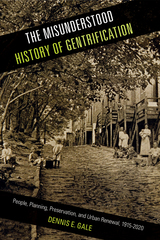
The origins of gentrification date back to World War I—only it was sometimes known as “remodeling” then. Dennis Gale’s insightful book, TheMisunderstood History of Gentrification, provides a recontextualization of American gentrification, planning, and policymaking. He argues that gentrification must be understood as an urban phenomenon with historical roots in the very early twentieth century.
Gale uses solid empirical evidence to trace the embryonic revitalization of Georgetown, Greenwich Village, Beacon Hill, and elsewhere back to 1915. He shows how reinvestment and restoration reversed urban decline and revitalized neighborhoods. The Misunderstood History of Gentrification also explains how federal policies such as the Urban Redevelopment Program (later named Urban Renewal), which first emerged in 1949, razed urban slums and created an “urban crisis” that persisted in the 1960s and ‘70s. This situation soon prompted city gentrifiers and historic preservationists to reuse and rehabilitate existing structures.
Within a more expansive historical framework, Gale offers a fresh perspective on and debunks misperceptions about gentrification in America.
In more recent decades, historians have pieced together a story that is not only more likely but more complicated and interesting. Patrick Jung synthesizes the research about Nicolet and his superior Samuel de Champlain, whose diplomatic goals in the region are crucial to understanding this much misunderstood journey across the Great Lakes. Additionally, historical details about Franco-Indian relations and the search for the Northwest Passage provide a framework for understanding Nicolet’s famed mission.


After the Second World War, the B-25 got a role in civil aviation. Many airplanes were stripped of their armament and other military equipment and often came through auctions in the civilian market. They came in private hands and were deployed for transportation of personnel or goods, for training, fire fighting, agricultural spraying of other purposes. Some were converted into a luxury business plane and some were used in the film industry.
This book should serve as a general view of the companies, organisations and owners and the B-25s they flew. Moreover, the book would not be complete if no attention was paid to the civilian B-25s in the various museums and the warbird circuit. All this is described in detail and provided with about 750 pictures, many of which are in full colour.
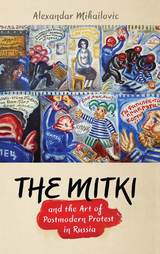
More broadly, Alexandar Mihailovic shows, the Mitki pioneered a form of political protest art that has since become a centerpiece of activism in post-Soviet Russia, most visibly today in groups such as Pussy Riot. He draws on extensive interviews with members of the collective and illuminates their critique of the authoritarian state, militarism, and social strictures from the Brezhnev years to the present.


Georges Dumézil’s fascination with the myths and histories of India, Rome, Scandinavia, and the Celts yielded an idea that became his most influential scholarly legacy: the tripartite hypothesis, which divides Indo-European societal functions into three classes: the sacred sovereign, the warrior, and the producer. Mitra-Varuna, originally published in 1940, concentrates on the first function, that of sovereignty. Dumézil identifies two types of rulers, the first judicial and worldly, the second divine and supernatural. These figures, both priestly, are oppositional but complementary. The title nods to these roles, referring to the gods Mitra, a rational mediator, and Varuna, an awesome religious figure.
Stuart Elden’s critical edition, based on the 1988 English translation by Derek Coltman, identifies variations between the first and second French editions and completes—and in places corrects—Dumézil’s references. The editor’s detailed introduction situates Mitra-Varuna within Dumézil’s career, outlines how his treatment of its themes developed over time, and relates the book to the political controversy around his ideas. Two new appendices contain passages that did not appear in the second French edition.

The Mixe of Oaxaca was the first extensive ethnography of the Mixe, with a special focus on Mixe religious beliefs and rituals and the curing practices associated with them. It records the procedures, design-plan, corresponding prayers, and symbolic context of well over one hundred rituals. Frank Lipp has written a new preface for this edition, in which he comments on the relationship of Mixe religion to current theoretical understandings of present-day Middle American folk religions.

This book presents a novel analysis of this and similar mixed category constructions in languages including Quechua, Tibetan, Arabic, Fijian, Dagaare, and Jacaltec. Under this analysis, Robert P. Malouf shows that verbal gerunds share the selectional properties of verbs and the distributional properties of nouns. He further shows that since different dimensions of grammatical information can vary independently, the behavior of mixed categories creates no paradox. These dimensions are in principle independent. However, certain types of mixed categories are quite common in the world's languages, while others are rare or nonexistent. The book discusses how cross-linguistic variation can be accounted for by a lexical categorial prototype. By stating these prototypes as default constraints in a hierarchy of lexical information, Malouf argues that one can bring insights from cognitive and functional approaches to linguistics into a formal analysis, thus building on the strengths of both approaches.
"What draws us into Alan Shapiro's Mixed Company is not a conspicuous felicity or any sort of bravura, but the quiet, undaunted way he goes after the truth of human feeling and motive. . . . The poems grope and conjecture, looking for understanding . . . but whatever may remain unsolved and insoluble, the poems are full of astonishing insights, a rare articulateness, and what another age called 'knowledge of the human heart.'" —Richard Wilbur
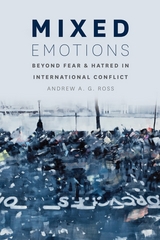
From passionate protests to poignant speeches, Andrew A. G. Ross analyzes high-emotion events with an eye to how they shape public sentiment and finds that there is no single answer. The politically powerful play to the public’s emotions to advance their political aims, and such appeals to emotion also often serve to sustain existing values and institutions. But the affective dimension can produce profound change, particularly when a struggle in the present can be shown to line up with emotionally resonant events from the past. Extending his findings to well-studied conflicts, including the War on Terror and the violence in Rwanda and the Balkans, Ross identifies important sites of emotional impact missed by earlier research focused on identities and interests.
A ground-breaking collection exploring the rich array of emotions in biblical literature
An international team of Hebrew Bible and New Testament scholars offers incisive case studies of passions displayed by divine and human figures in the biblical texts ranging from joy, happiness, and trust to grief, hate, and disgust. Essays address how biblical characters' feelings affect their relationship with God, one another, and the world and how these feelings mix together, for good or ill, for flourishing or vexation. Deeply engaged with both ancient and modern contexts, including the burgeoning interdisciplinary study of emotion in the humanities and sciences, these essays break down the artificial divide between reason and passion, cognition and emotion, thought and feeling in biblical study.
Features
- Case studies drawn from multiple genres across the Bible: narrative, prophets, poetry, wisdom, Gospels, and letters
- Helpful select bibliographies of interdisciplinary resources at the end of each essay
- Critical balance between theory and practice and between method and close textual analysis
- Distinctive ancient Hebrew and Greek uses of emotional terms and concepts compared with each other and with evolving understandings in Western culture


Liebler and Song break new ground by being the first to combine and integrate the study of three aspects of life for people of mixed racial heritage – identity, spouse choice, and childrearing. This integrated approach reveals how complicated racial identification can be, and how it can be expressed in one’s choice of partner or in how one raises their children. The authors draw on census data and interviews with Asian-White, Black-White, and American Indian/Alaska Native-White mixed people to better understand how their identity choices are related to their choice of spouse and how they racially identify and raise their children.
Increasingly, mixed people in the United States are identifying with multiple races. However, the authors find that mixed-race people are not a monolith and that how and why they identify varies considerably between and within each group. They found several common factors that influenced whether mixed-race people choose to identify as biracial, solely White, or solely as a racial minority. These factors include the history of the specific minority race in the U.S., the racial demographics of where they were raised, their social and cultural exposure to their White and non-White backgrounds, their attachment to their racial backgrounds, and how they are seen racially by others.
The way mixed-heritage people identify was closely tied to the race of their spouse. However, having a White spouse did not necessarily mean the mixed-race person felt disconnected from their non-White heritage. White spouses varied in their racial consciousness and their interest in the culture of their mixed-race spouse’s minority ancestry. The spouse’s race, and the nature of racial overlap between the spouses, was also key in the racial upbringing of a mixed-heritage person’s child. In families where the parents share a minority racial heritage, couples lean into their shared ‘family race’, which guides their parenting choices and family life. Many mixed heritage parents found it important to foster racial pride in their children and combat negative racial stereotypes.
Liebler and Song caution against making superficial predictions about the state of race relations in the U.S. based on an increase in the multiracial population. They show that race has not become less salient in the lives of many mixed-race people—American society is not post-racial.
Mixed Heritage in the Family breaks new ground, provides compelling insights in its examination of the lives of mixed-race people, and shows how complicated racial identification can be.

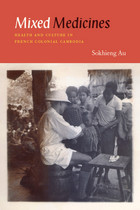
During the first half of the twentieth century, representatives of the French colonial health services actively strove to expand the practice of Western medicine in the frontier colony of Cambodia. But as the French physicians ventured beyond their colonial enclaves, they found themselves negotiating with the plurality of Cambodian cultural practices relating to health and disease. These negotiations were marked by some success, a great deal of misunderstanding, and much failure.
Bringing together colorful historical vignettes, social and anthropological theory, and quantitative analyses, Mixed Medicines examines these interactions between the Khmer, Cham, and Vietnamese of Cambodia and the French, documenting the differences in their understandings of medicine and revealing the unexpected transformations that occurred during this period—for both the French and the indigenous population.
Examining a wide array of cultures, Paul reveals how the inherent tensions between these two modes of transmission generate many of the features of human society, such as marriage rules, initiation rituals, gender asymmetry, and sexual symbolism. Exploring differences in the requirements, range, and agendas of genetic and symbolic reproduction, he shows that a properly conceived dual inheritance model does a better job of accounting for the distinctive character of actual human societies than either evolutionary or socio-cultural construction theories can do alone. Ultimately this book offers a powerful call for a synthesis of the traditions inspired by Darwin, Durkheim, and Freud—one that is critically necessary if we are to advance our understanding of human social life.
In Mixed Methods Research: Exploring the Interactive Continuum, the second edition of Qualitative-Quantitative Research Methodology, authors Carolyn S. Ridenour and Isadore Newman reject the artificial dichotomy between qualitative and quantitative research strategies in the social and behavioral sciences and argue that the two approaches are neither mutually exclusive nor interchangeable; rather, the actual relationship between the two paradigms is one of isolated events on a continuum of scientific inquiry.
In their original model for research—the “interactive continuum”—Ridenour and Newman emphasize four major points: that the research question dictates the selection of research methods; that consistency between question and design can lead to a method of critiquing research studies in journals; that the interactive continuum model is built around the place of theory; and that the assurance of validity of research is central to all studies. With this edition, the authors incorporate the concept of research purpose into their analysis.
To contextualize their new argument and to propose strategies for enhancement, Ridenour and Newman review the historical and contemporary debates around research frameworks and define the nature of scientific validity. Establishing five criteria that render a study “scientific,” they propose ways to strengthen validity in research design. They argue that by employing multiple methods, researchers may enhance the quality of their research outcomes. By integrating the quantitative research standards of internal and external validity and the qualitative research standards of trustworthiness, Ridenour and Newman suggest a principle for mixed methods research.
Ridenour and Newman apply this theoretical concept to a systematic analysis of four published research studies, with special emphasis on the consistency among research purpose, question, and design.
Ridenour and Newman have completely rewritten their conclusions in light of their evolving analyses. They incorporate their most recent ideas into the qualitative-quantitative continuum and emphasize the “model of consistency” as key for research to meet the standard of “scientific.”
This book occupies a vital place at the junction of methodological theory and scientific practice and makes connections between the traditionally separate realms of quantitative and qualitative research.
Mixed Realism is about how we interact with media. Timothy J. Welsh shows how videogames, like novels, both promise and trouble experiences of “immersion.” His innovative methodology offers a new understanding of the expanding role of virtuality in contemporary life.
Today’s wired culture is a mixed reality, conducted as exchanges between virtual and material contexts. We make balance transfers at an ATM, update Facebook timelines, and squeeze in sessions of Angry Birds on the subway. However, the “virtual” is still frequently figured as imaginary, as opposed to “real.” The vision of 1990s writers of a future that would pit virtual reality against actual reality has never materialized, yet it continues to haunt cultural criticism. Our ongoing anxiety about immersive media now surrounds videogames, especially “shooter games,” and manifests as a fear that gamers might not know the difference between the virtual world and the real world.
As Welsh notes, this is the paradox of real virtuality. We understand that the media-generated virtualities that fill our lives are not what they represent. But what are they if they are not real? Do they have presence, significance, or influence exceeding their material presence and the user processes that invoke them? What relationships do they establish through and beyond our interactions with them?
Mixed Realism brims with fresh analyses of literary works such as Truman Capote’s In Cold Blood and Mark Z. Danielewski’s House of Leaves, along with sustained readings of controversial videogames such as Super Columbine Massacre and Call of Duty: Modern Warfare 2. Continually connecting the dots between surprising groupings of texts and thinkers, from David Foster Wallace to the cult-classic videogame Eternal Darkness and from Cormac McCarthy to Grand Theft Auto, it offers a fresh perspective on both digital games and contemporary literature.

An unprecedented study that puts mixed-ancestry Native Americans back into the heart of Indigenous history
Historical accounts tend to neglect mixed-ancestry Native Americans: racially and legally differentiated from nonmixed Indigenous people by U.S. government policy, their lives have continually been treated as peripheral to Indigenous societies. Mixed-Blood Histories intervenes in this erasure. Using legal, linguistic, and family-historical methods, Jameson R. Sweet writes mixed-ancestry Dakota individuals back into tribal histories, illuminating the importance of mixed ancestry in shaping and understanding Native and non-Native America from the nineteenth century through today.
When the U.S. government designated mixed-ancestry Indians as a group separate from both Indians and white Americans—a distinction born out of the perception that they were uniquely assimilable as well as manipulable intermediate figures—they were afforded rights under U.S. law unavailable to other Indigenous people, albeit inconsistently, which included citizenship and the rights to vote, serve in public office, testify in court, and buy and sell land. Focusing on key figures and pivotal “mixed-blood histories” for the Dakota nation, Sweet argues that in most cases, they importantly remained Indians and full participants in Indigenous culture and society. In some cases, they were influential actors in establishing reservations and negotiating sovereign treaties with the U.S. government.
Culminating in a pivotal reexamination of the U.S.-Dakota War of 1862, Mixed-Blood Histories brings greater diversity and complexity to existing understandings of Dakota kinship, culture, and language while offering insights into the solidification of racial categories and hierarchies in the United States.
Retail e-book files for this title are screen-reader friendly with images accompanied by short alt text and/or extended descriptions.
The findings presented here demonstrate that the success of electoral reform depends not only on the specification of new electoral rules per se but also on the political context—and especially the constitutional framework—within which such rules are embedded.
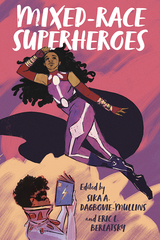
The essays in this collection contend with the multitude of ways that racial mixedness has been presented in superhero comics, films, television, and literature. They explore how superhero media positions mixed-race characters within a genre that has historically privileged racial purity and propagated images of white supremacy. The book considers such iconic heroes as Superman, Spider-Man, and The Hulk, alongside such lesser-studied characters as Valkyrie, Dr. Fate, and Steven Universe. Examining both literal and symbolic representations of racial mixing, this study interrogates how we might challenge and rewrite stereotypical narratives about mixed-race identity, both in superhero media and beyond.
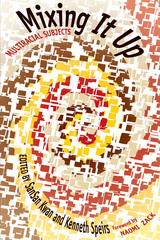
The United States Census 2000 presents a twenty-first century America in which mixed-race marriages, cross-race adoption, and multiracial families in general are challenging the ethnic definitions by which the nation has historically categorized its population. Addressing a wide spectrum of questions raised by this rich new cultural landscape, Mixing It Up brings together the observations of ten noted voices who have experienced multiracialism first-hand.
From Naomi Zack's "American Mixed Race: The United States 2000 Census and Related Issues" to Cathy Irwin and Sean Metzger's "Keeping Up Appearances: Ethnic Alien-Nation in Female Solo Performance," this diverse collection spans the realities of multiculturalism in compelling new analysis. Arguing that society's discomfort with multiracialism has been institutionalized throughout history, whether through the "one drop" rule or media depictions, SanSan Kwan and Kenneth Speirs reflect on the means by which the monoracial lens is slowly being replaced.
Itself a hybrid of memoir, history, and sociological theory, Mixing It Up makes it clear why the identity politics of previous decades have little relevance to the fluid new face of contemporary humanity.
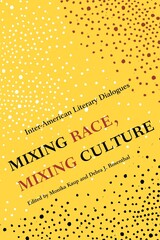
Over the last five centuries, the story of the Americas has been a story of the mixing of races and cultures. Not surprisingly, the issue of miscegenation, with its attendant fears and hopes, has been a pervasive theme in New World literature, as writers from Canada to Argentina confront the legacy of cultural hybridization and fusion.
This book takes up the challenge of transforming American literary and cultural studies into a comparative discipline by examining the dynamics of racial and cultural mixture and its opposite tendency, racial and cultural disjunction, in the literatures of the Americas. Editors Kaup and Rosenthal have brought together a distinguished set of scholars who compare the treatment of racial and cultural mixtures in literature from North America, the Caribbean, and Latin America. From various angles, they remap the Americas as a multicultural and multiracial hemisphere, with a common history of colonialism, slavery, racism, and racial and cultural hybridity.

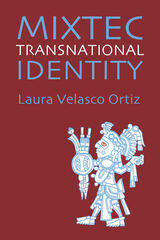
Mixtec Evangelicals is a comparative ethnography of four Mixtec communities in Oaxaca, detailing the process by which economic migration and religious conversion combine to change the social and cultural makeup of predominantly folk-Catholic communities. The book describes the effects on the home communities of the Mixtecs who travel to northern Mexico and the United States in search of wage labor and return having converted from their rural Catholic roots to Evangelical Protestant religions.
O’Connor identifies globalization as the root cause of this process. She demonstrates the ways that neoliberal policies have forced Mixtecs to migrate and how migration provides the contexts for conversion. Converts challenge the set of customs governing their Mixtec villages by refusing to participate in the Catholic ceremonies and social gatherings that are at the center of traditional village life. The home communities have responded in a number of ways—ranging from expulsion of converts to partial acceptance and adjustments within the village—depending on the circumstances of conversion and number of converts returning.
Presenting data and case studies resulting from O’Connor’s ethnographic field research in Oaxaca and various migrant settlements in Mexico and the United States, Mixtec Evangelicals explores this phenomenon of globalization and observes how ancient communities are changed by their own emissaries to the outside world. Students and scholars of anthropology, Latin American studies, and religion will find much in this book to inform their understanding of globalization, modernity, indigeneity, and religious change.


Picture the adrenalin-pumping excitement of hoop action on Norm Stewart Court. Now envision the tranquillity of a late summer day, with a half moon rising in a blue sky over the Columns. These photos tell the same story: it’s not two different worlds—it’s Mizzou!
The University of Missouri’s rich record of accomplishment and service to Missouri, the nation, and the world has been captured in this pictorial history—more than 140 full-color photos that provide a visual record of living and learning at the University of Missouri–Columbia. From the beauty of the historic Columns on Francis Quadrangle to the academic prowess of the faculty to gridiron thrills at Memorial Stadium, the book faithfully reflects a place where discovery happens every day.
Rob Hill has been photographing Mizzou’s people, landmarks, and events for nearly twenty years, and his images bring the campus to life. Chancellor Emeritus Richard Wallace, whose service to the University spans four decades, recounts MU’s growth since World War II in his accompanying text. Assembled by MIZZOU magazine editor Karen Worley, Mizzou Today reflects everything that is the University of Missouri.
Wallace provides timelines of key events that span the entire history of the University, tracing major events from its establishment in 1839 to the cancer research of the twenty-first century. Noted along the way are such events as the opening of University Hospital, the creation of new campuses, even the installation of the nation’s first automated library circulation system in Ellis Library, and some of the generous gifts that have made the University’s growth possible. The book also recalls all of the major milestones in sports, from the first intercollegiate football game in 1890 to Ben Askren’s national wrestling championships in 2006 and 2007.
These magnificent photos will bring back memories for alumni as surely as they will preserve them for today’s students—from the dance steps of Truman the Tiger to the avid consumption of Tiger Stripe ice cream, from the solemnity of Tap Day ceremonies to fraternity brothers raising money for Hurricane Katrina relief. You’ll get a glimpse of dorm life in Hatch Hall and a peek into the law library’s rare-book room, a look over the shoulders of a trauma team saving a patient at University Hospital and of a fisheries student studying salamanders in the wild. And of course there are images of some of the heart-stopping action that Mizzou sports fans have come to expect.
People, landmarks, events—it’s all here in a superb volume that, like Jesse Hall, will stand the test of time. Mizzou Today is a keepsake for anyone who loves MU and a lasting record of a great university’s accomplishments.

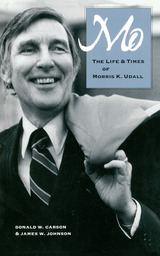
Mo provides the most complete record of Udall's thirty-year congressional career ever published. It reveals how he challenged the House seniority system and turned the House Interior Committee into a powerful panel that did as much to protect the environment as any organization in the twentieth century. It shows Udall to have been a consensus builder for environmental issues who paved the way for the Alaska Lands Act of 1980, helped set aside 2.4 million acres of wilderness in Arizona, and fought for the Central Arizona Project, one of the most ambitious water projects in U.S. history. Carson and Johnson record Udall's early opposition to the Vietnam War at a time when that conflict was largely perceived as a just cause, as well as his early advocacy of campaign finance reform. They also provide a behind-the-scenes account of his run for the presidency—the first House member to seek the office in nearly a century—which gained him an intensely loyal national following.
Mo explores the paradoxes that beset Udall: He was a man able to accomplish things politically because people genuinely liked and respected him, yet he was a loner and workaholic whose focus on politics overshadowed his personal life. Carson and Johnson devote a chapter to the famous Udall sense of humor. They also look sensitively at his role as a husband and father and at his proud and stubborn bout with Parkinson's disease. Mo Udall will long be remembered for his contributions to environmental legislation, for his unflagging efforts in behalf of Arizona, and for the gentle humor with which he conducted his life. This book secures his legacy.
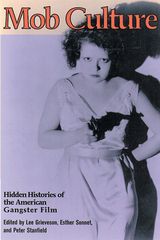
Sinister, swaggering, yet often sympathetic, the figure of the gangster has stolen and murdered its way into the hearts of American cinema audiences. Despite the enduring popularity of the gangster film, however, traditional criticism has focused almost entirely on a few canonical movies such as Little Caesar, Public Enemy, and The Godfather trilogy, resulting in a limited and distorted understanding of this diverse and changing genre.
Mob Culture offers a long-awaited, fresh look at the American gangster film, exposing its hidden histories from the Black Hand gangs of the early twentieth century to The Sopranos. Departing from traditional approaches that have typically focused on the "nature" of the gangster, the editors have collected essays that engage the larger question of how the meaning of criminality has changed over time. Grouped into three thematic sections, the essays examine gangster films through the lens of social, gender, and racial/ethnic issues.
Destined to become a classroom favorite, Mob Culture is an indispensable reference for future work in the genre.

On January 15, 1923, a crowd of more than a thousand angry men assembled in Harrison, Arkansas, near the headquarters of the M&NA Railroad, which ran through the heart of the Ozark Mountains. The mob was prepared to use any measure necessary to end the strike of railroad employees that had dragged on for nearly two years, endangering livelihoods and businesses in an area with few other means of transportation. Supported by local officials, the mob terrorized strikers and sympathizers—many were stripped and beaten, and one man was lynched, hanged from the railroad bridge south of town. Over the next several days, similar riots broke out in other towns along the M&NA line, including Leslie and Heber Springs.
This violence effectively brought to a close one of the longest rail strikes in American history—the only one, in fact, ended by a mob uprising. In Mob Rule in the Ozarks, Kenneth C. Barnes documents how the M&NA Railroad strike reflected some of the major economic concerns that preoccupied the United States in the wake of World War I, and created a rupture within communities of the Ozarks that would take years to heal. The conflict also foreshadowed, for both the region and the country, the pendulum’s swing back to moneyed interests, away from Progressive Era gains for labor. Poignantly for Barnes, who sees parallels between this historic struggle and present-day political tensions, the strike revealed the fragile line between civil order and mob rule.
Scholars, artists, and activists from a range of countries, the contributors chronicle the different ways new media galvanize Asian queer communities in Taiwan, South Korea, Japan, Indonesia, Thailand, Malaysia, India, and around the world. They consider phenomena such as the uses of the Internet among gay, lesbian, or queer individuals in Taiwan and South Korea; the international popularization of Japanese queer pop culture products such as Yaoi manga; and a Thai website’s reading of a scientific tract on gay genetics in light of Buddhist beliefs. Essays also explore the politically subversive possibilities opened up by the proliferation of media technologies, examining, for instance, the use of Cyberjaya—Malaysia’s government-backed online portal—to form online communities in the face of strict antigay laws.
Contributors. Chris Berry, Tom Boellstorff, Larissa Hjorth, Katrien Jacobs, Olivia Khoo, Fran Martin, Mark McLelland, David Mullaly, Baden Offord, Sandip Roy, Veruska Sabucco, Audrey Yue

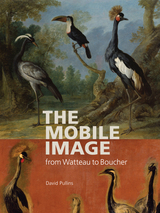
This book provides a new way of thinking about eighteenth-century French art and visual culture by prioritizing production over reception. Abandoning the ideologically driven discourse that distinguished fine from decorative art between the 1690s and 1770s, The Mobile Image reveals how the two have been inextricably bound from the earliest stages of artistic instruction through the daily life of painters’ workshops. In this study, author David Pullins defines artisanal and artistic means of learning, seeing, and making through a system of “mobile images”: motifs that were effectively engineered for mobility and designed never to be definitive, always awaiting replication and circulation. He examines the careers of Antoine Watteau, Jean-Baptiste Oudry, and François Boucher, situating them against a much broader cast of actors—such as printmakers, publishers, anonymous studio assistants, and architects, among others—to place eighteenth-century painting within a wider context of media and making.
A study of the production and movement of prints in colonial South America.
Printed images have had a central place in art-historical studies of colonial Spanish America, but scholars have typically focused on imported prints, designed and produced in Europe. The Mobile Image focuses instead on works printed in colonial Lima, generating there a distinctive print culture that served local and regional needs, while also appealing to European print consumers.
Inexpensive, easily transportable, and numerous, Lima’s prints traversed the varied geographies of the Viceroyalty of Peru both as loose sheets and within the protective covers of printed books. In the process, limeño devotional prints encouraged the development of shared regional imaginaries about the sacred Andean landscape, a space marked by miracle-working Virgins, potential saints, and powerful images of Christ. These same prints traveled abroad, where they promoted iconographies developed in Lima and influenced European conceptions of the Andes. Simultaneously, the visual language of limeño prints often challenges conventional approaches to interpreting colonial depictions of race. In analyzing limeño prints, and the identities of their makers, patrons, and consumers, The Mobile Image demonstrates that race is harder to recognize in colonial images than we might think. Unearthing hundreds of forgotten prints, Emily C. Floyd provides a fresh resource for interpreting colonial artworks, troubling established understandings of their aesthetics, and compelling us to reexamine colonial South American material cultures.
How did the process of the circulation re-examine, inform, and unsettle common assumptions about the way museum collections have evolved over time and space? Mobile Museums presents an argument for the importance of circulation in the study of museum collections, both past and present. It brings together a diverse array of international scholars and curators from a variety of disciplines to consider the mobility of collections, especially in the context of Indigenous community engagement. By foregrounding the question of circulation, the book represents a paradigm shift in the understanding of the history and future uses of museum collections. Taking on a global perspective and addressing a variety of types of collection, including the botanical, ethnographic, economic, and archaeological, the book helps us to understand why the mobility of museum collections was a fundamental aspect of their history—and why it continues to matter today.

The last five years have witnessed a surge in publications on Spanish cinema and Spanish cultural studies, but the subject of consumer culture in Spain has been neglected until now. The Mobile Nation: España cambia de piel (1954–1964) presents the first systematic treatment of this crucial period during Spain’s transition to modernity and highlights the forces that converged during this dramatic decade to change the face of Spain. Drawing from the methodologies of literature, film studies, cultural studies, feminist theory, and history, España cambia de piel explores consumer culture in Spanish media, mass tourism, and the national automobile manufacturing industry from 1954 to 1964 and offers valuable insight to postmodern Spain’s transformation and trends.
Using a bold blend of personal narrative and autoethnography, Mai provides intimate portrayals of sex workers from sites including the Balkans, the Maghreb, and West Africa who decided to sell sex as the means to achieve a better life. Mai explores the contrast between how migrants understand themselves and their work and how humanitarian and governmental agencies conceal their stories, often unwittingly, by addressing them all as helpless victims. The culmination of two decades of research, Mobile Orientations sheds new light on the desires and ambitions of migrant sex workers across the world.
With Mobile Secrets, Julie Soleil Archambault offers a complete rethinking of how we understand uncertainty, truth, and ignorance by revealing how better access to information may in fact be anything but desirable. By engaging with young adults in a Mozambique suburb, Archambault shows how, in their efforts to create fulfilling lives, young men and women rely on mobile communication not only to mitigate everyday uncertainty but also to juggle the demands of intimacy by courting, producing, and sustaining uncertainty. In their hands, the phone has become a necessary tool in a wider arsenal of pretense—a means of creating the open-endedness on which harmonious social relations depend in postwar postsocialist Mozambique. As Mobile Secrets shows, Mozambicans have harnessed the technology not only to acquire information but also to subvert regimes of truth and preserve public secrets, allowing everyone to feign ignorance about the workings of the postwar intimate economy.

The essays in this volume argue for a theorizing of both urban policymaking and place-making that understands them as groups of territorial and relational geographies. It broadens our comprehension of agents of transference, reconceiving how policies are made mobile, and acknowledging the importance of interlocal policy mobility. Through the richness of its empirical examples from Europe, North America, South America, Africa, Asia, and Australia, contributors bring to light the significant methodological challenges that researchers face in the study of an urban–global, territorial–relational conceptualization of cities and suggest productive new approaches to understanding urbanism in a networked world.
Contributors: S. Harris Ali, York U, Toronto; Allan Cochrane, Open U; Roger Keil , York U, Toronto; Doreen Massey, Open U; Donald McNeill, U of Western Sydney; Jamie Peck, U of British Columbia; Jennifer Robinson, University College London.
Between the 1870s, when the great influx of European immigrants began, and the start of World War I, Argentina underwent a radical alteration of its social composition and patterns of economic productivity. Mark Szuchman, in this groundbreaking study, examines the occupational, residential, educational, and economic patterns of mobility of some four thousand men, women, and children who resided in Córdoba, Argentina's most important interior city, during this changeful era.
Through several kinds of samples, Szuchman provides a widely encompassing social picture of Córdoba, describing, among others, the unskilled laborer, the immigrant bachelor in search of roots and identity, the merchant seeking or giving credit, and the member of the elite, blind to some of the realities around him. The challenge that the pursuit of security entailed for most people and the failure of so many to persist successfully form a large part of that picture.
The author has made ample use of quantitative techniques, but secondary materials are also utilized to provide social perspectives that round out and humanize the quantitative data. The use of record linkage as the essential research method makes this work the first book on Argentina to follow similar and very successful research methodologies employed by U.S. historians.
During the 1630s, more than 14,000 people sailed from Britain bound for New England, constituting what has come to be known as the Great Migration. This book offers the most extensive study of these emigrants ever undertaken. Focusing on 2,000 individuals who moved from the five counties of eastern England, it provides historians with important new findings on mobility, family life, kinship networks, and community cohesion.
Roger Thompson reveals the personal experiences and ancestral histories of the emigrants. He follows them across the Atlantic and investigates their lives and achievements in the New World. Distinguising between such groups as gentry, entrepreneurs, artisans, farmers, and servants, he explores whether the migration tended to be a solitary uprooting from a stable and predictable world of familiar neighborhoods or simply a longer move among many relocations.
Thompson also sheds light on the issue of motivation: Were these settlers pulled by the hope of eventual enrichment or of founding a purified society, or were they pushed by intolerance and persecution at home? Did they see New England as a haven of escape or an opportunity to exploit? Did New Englanders seek to replicate “English ways,” preserving traditional culture and society, or did they embrace change and innovation? Mobility and Migration provides a wealth of new evidence for historians of both early modern England and colonial America.
In a series of data-rich chapters that address specific evidence for movement in their respective study areas, an international group of scholars assesses mobility through the isotopic and demographic analysis of human remains, stratigraphic identification of gaps in occupation, and local intensification of water capture in the Maya lowlands. Others examine migration through the integration of historic and archaeological evidence in Michoacán and Yucatán and by registering how daily life changed in response to the influx of new people in the Basin of Mexico.
Offering a range of critical insights into the vital and under-studied role that mobility and migration played in complex agrarian societies, Mobility and Migration in Ancient Mesoamerican Cities will be of value to Mesoamericanist archaeologists, ethnohistorians, and bioarchaeologists and to any scholars working on complex societies.
Contributors:
Jaime J. Awe, Meggan Bullock, Sarah C. Clayton, Andrea Cucina, Véronique Darras, Nicholas P. Dunning, Mélanie Forné, Marion Forest, Carolyn Freiwald, Elizabeth Graham, Nancy Gonlin, Julie A. Hoggarth, Linda Howie, Elsa Jadot, Kristin V. Landau, Eva Lemonnier, Dominique Michelet, David Ortegón Zapata, Prudence M. Rice, Thelma N. Sierra Sosa, Michael P. Smyth, Vera Tiesler, Eric Weaver
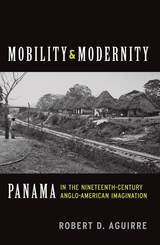
In this study, Robert D. Aguirre provides bold new interpretations of Anthony Trollope, John Lloyd Stephens, and Eadweard Muybridge and also recovers information about literary communities previously lost to history. Mobility and Modernity shows how Panama became defined as a site of incipient globalization and a crucial link of empire. Across this narrow strip of land people and things traveled, technology developed, and political forces erupted. The isthmus became a site of mobility that paradoxically produced varieties of immobility. Parting ways with histories that celebrate the canal as a mighty engineering feat, Mobility and Modernity reveals a more complex story of cultural conflict that began with the first gold rush news in the late 1840s and continued throughout the century.


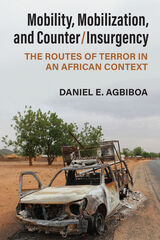
In Mobility, Mobilization, and Counter/Insurgency, Daniel Agbiboa takes African insurgencies back to their routes by providing a transdisciplinary perspective on the centrality of mobility to the strategies of insurgents, state security forces, and civilian populations caught in conflict. Drawing on one of the world’s deadliest insurgencies, the Boko Haram insurgency in northeast Nigeria and the Lake Chad region, this well-crafted and richly nuanced intervention offers fresh insights into how violent extremist organizations exploit forms of local immobility and border porosity to mobilize new recruits, how the state’s “war on terror” mobilizes against so-called subversive mobilities, and how civilian populations in transit are treated as could-be terrorists and subjected to extortion and state-sanctioned violence en route. The multiple and intersecting flows analyzed here upend Eurocentric representations of movement in Africa as one-sided, anarchic, and dangerous. Instead, this book underscores the contradictions of mobility in conflict zones as simultaneously a resource and a burden. Intellectually rigorous yet clear, engaging, and accessible, Mobility, Mobilization, and Counter/Insurgency is a seminal contribution that lays bare the neglected linkages between conflict and mobility.

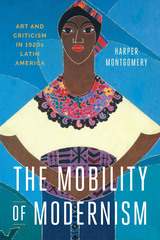
Arvey Foundation Book Award, Association for Latin American Art, 2018
Many Latin American artists and critics in the 1920s drew on the values of modernism to question the cultural authority of Europe. Modernism gave them a tool for coping with the mobility of their circumstances, as well as the inspiration for works that questioned the very concepts of the artist and the artwork and opened the realm of art to untrained and self-taught artists, artisans, and women. Writing about the modernist works in newspapers and magazines, critics provided a new vocabulary with which to interpret and assign value to the expanding sets of abstracted forms produced by these artists, whose lives were shaped by mobility.
The Mobility of Modernism examines modernist artworks and criticism that circulated among a network of cities, including Buenos Aires, Mexico City, Havana, and Lima. Harper Montgomery maps the dialogues and relationships among critics who published in avant-gardist magazines such as Amauta and Revista de Avance and artists such as Carlos Mérida, Xul Solar, and Emilio Pettoruti, among others, who championed esoteric forms of abstraction. She makes a convincing case that, for these artists and critics, modernism became an anticolonial stance which raised issues that are still vital today—the tensions between the local and the global, the ability of artists to speak for blighted or unincorporated people, and, above all, how advanced art and its champions can enact a politics of opposition.
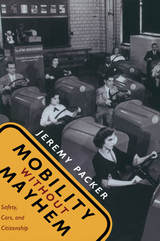
Packer focuses on cultural figures that have been singled out as particularly dangerous. Women drivers, hot-rodders, bikers, hitchhikers, truckers, those who “drive while black,” and road ragers have all been targets of fear. As Packer debunks claims about the dangers posed by each figure, he exposes biases against marginalized populations, anxieties about social change, and commercial and political desires to profit by fomenting fear. Certain populations have been labeled as dangerous or deviant, he argues, to legitimize monitoring and regulation and, ultimately, to curtail access to automotive mobility. Packer reveals how the boundary between personal freedom and social constraint is continually renegotiated in discussions about safe, proper driving.
Both established and up-and-coming scholars bring a diversity of geographic, institutional, and research-based perspectives to the volume, which includes in-depth investigations of specific forms of mobility work in composition, as well as responses to and reflections on those explorations. Eight chapters present specific cases or issues of this work and twelve shorter response chapters follow, identifying key points of intersection and conflict in the arguments and posing new questions and directions to pursue.
Addressing matters of knowledge transfer and meaning translation, immigrant literacy practices, design pedagogy, academic career changes, student websites, research methodologies, school literacy programs, and archives, Mobility Work in Composition asks what mobility in composition means and how, why, and for whom it might work. It will be of broad interest to students and scholars in rhetoric and composition.
Contributors: Anis Bawarshi, Elizabeth Chamberlain, Patrick Danner, Christiane Donahue, Keri Epps, Eli Goldblatt, Rachel Gramer, Timothy Johnson, Jamila Kareem, Carmen Kynard, Rebecca Lorimer Leonard, Andrea Olinger, John Scenters-Zapico, Khirsten L. Scott, Mary P. Sheridan, Jody Shipka, Ann Shivers-McNair, Scott Wible, Rick Wysocki
A fresh look at how interest groups mobilize their members and the effects that follow.
Most contemporary accounts of interest group politics emphasize how contemporary interest groups mirror and exacerbate partisan polarization, and understandably so: many of the largest and most visible coalitions do just this. But the term “interest groups” masks considerable variety. Despite what many seem to believe, the majority of interest groups are bipartisan, and, as Amy D. Meli shows, even when groups have a clear affinity with one party over the other, many still choose to pursue a bipartisan strategy.
In Mobilized, Meli develops a method for identifying the partisanship of interest groups and explores how different types of groups communicate with their members. She finds that groups adopting bipartisan policy strategies lobby and mobilize their members differently than those who choose partisan strategies. This, in turn, influences how their members perceive government and politics, leading people involved with these groups to have higher efficacy and lower levels of affective polarization. For decades, we have understood that higher levels of political involvement result in higher levels of polarization, but Meli shows that when involvement is mediated by bipartisan interest groups, affective polarization levels actually go down. Bipartisan groups advocate on issues they care about, and, most of the time, they do so with some support from both parties.
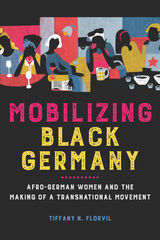
Tiffany N. Florvil examines the role of queer and straight women in shaping the contours of the modern Black German movement as part of the Black internationalist opposition to racial and gender oppression. Florvil shows the multifaceted contributions of women to movement making, including Audre Lorde’s role in influencing their activism; the activists who inspired Afro-German women to curate their own identities and histories; and the evolution of the activist groups Initiative of Black Germans and Afro-German Women. These practices and strategies became a rallying point for isolated and marginalized women (and men) and shaped the roots of contemporary Black German activism.
Richly researched and multidimensional in scope, Mobilizing Black Germany offers a rare in-depth look at the emergence of the modern Black German movement and Black feminists’ politics, intellectualism, and internationalism.
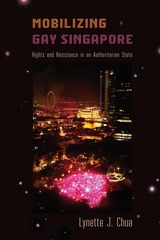
For decades, Singapore's gay activists have sought equality and justice in a state where law is used to stifle basic civil and political liberties. In her groundbreaking book, Mobilizing Gay Singapore, Lynette Chua asks, what does a social movement look like in an authoritarian state? She takes an expansive view of the gay movement to examine its emergence, development, strategies, and tactics, as well as the roles of law and rights in social processes.
Chua tells this important story using in-depth interviews with gay activists, observations of the movement's activities-including "Pink Dot" events, where thousands of Singaporeans gather in annual celebrations of gay pride-movement documents, government statements, and media reports. She shows how activists deploy "pragmatic resistance" to gain visibility and support, tackle political norms that suppress dissent, and deal with police harassment, while avoiding direct confrontations with the law.
Mobilizing Gay Singapore also addresses how these brave, locally engaged citizens come out into the open as gay activists and expand and diversify their efforts in the global queer political movement.
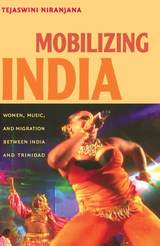
Niranjana draws on nineteenth-century travel narratives, anthropological and historical studies of Trinidad, Hindi film music, and the lyrics, performance, and reception of chutney-soca and calypso songs to argue that perceptions of Indian female sexuality in Trinidad have long been central to the formation and disruption of dominant narratives of nationhood, modernity, and normative sexuality in India. She illuminates debates in India about “the woman question” as they played out in the early-twentieth-century campaign against indentured servitude in the tropics. In so doing, she reveals India’s disavowal of the indentured woman—viewed as morally depraved by her forced labor in Trinidad—as central to its own anticolonial struggle. Turning to the present, Niranjana looks to Trinidad’s most dynamic site of cultural negotiation: popular music. She describes how contested ideas of Indian femininity are staged by contemporary Trinidadian musicians—male and female, of both Indian and African descent—in genres ranging from new hybrids like chutney-soca to the older but still vibrant music of Afro-Caribbean calypso.
Drawing on a wealth of fieldwork and historical material, Navon presents a sociological account of the ways genetic mutations have been mobilized and transformed in the sixty years since it became possible to see abnormal human genomes, providing a new vista onto the myriad ways contemporary genetic testing can transform people’s lives.
Taking us inside these shifting worlds of research and advocacy over the last half century, Navon reveals the ways in which knowledge about genetic mutations can redefine what it means to be ill, different, and ultimately, human.
Social practice artists offer a clear and unflinching answer to this question, setting before us works intended not merely to ask questions but to propose pathways toward large societal change.
In this volume, the work of two social practice artists of different generations and different social locations—Suzanne Lacy and Pablo Helguera—are brought into creative tension by two visionary curators: Elyse A. Gonzalez of the Art, Design & Architecture Museum of the University of California, Santa Barbara, and Sara Reisman of the Shelley and Donald Rubin Foundation of New York. Working together, Gonzales and Reisman bring the work of these two engaged and activist artists into dialogue, showing how art can be not merely the mirror of society but the means of making it more just, more inclusive, and more humane.
Ultimately, Mobilizing Public Opinion is a timely, cautionary tale about how we view public opinion and a compelling testament to the potential power of ordinary citizens.
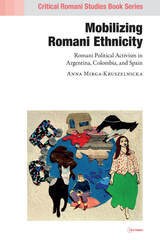
The Roma issue is generally treated as a European matter. Indeed, the Roma are the largest European minority—their presence outside of Europe is a result of various waves of migration over the past four hundred years. Likewise, the stereotypes associated with the Roma—the problematized, stigmatized status of a “Gypsy” as well as the historical and contemporary manifestations of antigypsyism—are also of European origin. This book claims, however, that the perception of Roma being strictly a European issue is flawed, and that re-connecting the Roma issue globally represents an important learning experience and an added value.
The book offers a critical exploration of Romani political activism in Colombia and Argentina, and compares it to that in Spain, narrated from the intimate perspective of Romani actors themselves. By outlining parallel lineages of Romani activism in three countries and on two continents, the author arrives at broad conclusions regarding the nature of ethnic mobilization. Mirga-Kruszelnicka proposes a new synergetic conceptualization of this multidirectional concept as an interplay between political opportunities, mobilizing structures, and frames of identity.
Contributing to the vivid debate about the relationship between the researcher and the researched, the book also includes an original discussion of the positionality of scholars of Romani background.
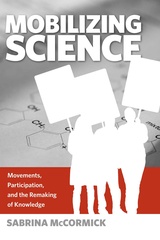
Mobilizing Science theoretically and empirically explores the rise of a new kind of social movement—one that attempts to empower citizens through the use of expert scientific research. Sabrina Mccormick advances theories of social movements, development, and science and technology studies by examining how these fields intersect in cases around the globe.
Mccormick grounds her argument in two very different case studies: the anti-dam movement in Brazil and the environmental breast cancer prevention movement in the U.S. These, and many other cases, show that the scientization of society, where expert knowledge is inculcated in multiple institutions and lay people are marginalized, give rise to these new types of movements. While activists who consequently engage in science often instigate new methods that result in new findings and scientific tools, these movements still often fail due to superficial participatory institutions and tightly knit corporate/government relationships.
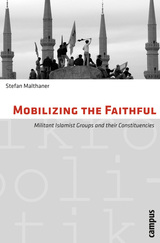
One of the keys to dealing with militant Islamic groups is understanding how they work with, relate to, and motivate their constituencies. Mobilizing the Faithful offers a pair of detailed case studies—of the Egyptian groups al-Jamaa al-Islamiyya and al-Jihad and Lebanon's Hizbullah—to identify typical forms of support relationships, development patterns, and dynamics of both radicalization and restraint. The insights it offers into the crucial relationship between militants and the communities from which they arise are widely applicable to violent insurgencies not only in the Middle East but around the world.
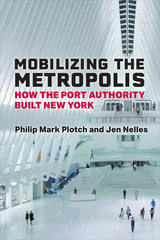
The Port Authority of New York and New Jersey has morphed in ways that would be unrecognizable to its founders. Its mission evolved from improving rail freight to building motor vehicle crossings, airports, office towers, and industrial parks and taking control of a failing commuter rail line. In its early years, the agency was often viewed with admiration; however as it drew up plans, negotiated to take control of airfields and marine terminals, and constructed large bridges and tunnels, the Port Authority became the object of less favorable attention. It was attacked as a “super-government” that must be reined in, while the mayors of New York and Newark argued that it should be broken up with its pieces given to local governments for their own use.
Despite its criticisms and travails, for over half a century the Port Authority overcame hurdles that had frustrated other public and private efforts, built the world's longest suspension bridge, and took a leading role in creating an organization to reduce traffic delays in the New York-New Jersey region. How did the Port Authority achieve these successes? And what lessons does its history offer to other cities and regions in the United States and beyond? In a time when public agencies are often condemned as inefficient and corrupt, this history should provide some positive lessons for governmental officials and social reformers.
In 2021, the Port Authority marked its 100th birthday. Its history reveals a struggle between the public and private sectors, the challenges of balancing democratic accountability and efficiency, and the tension between regional and local needs. From selected Port Authority successes and failures, Philip Mark Plotch and Jen Nelles produce a significant and engaging account of a powerful governmental entity that offers durable lessons on collaboration, leadership, and the challenge of overcoming complex political challenges in modern America.
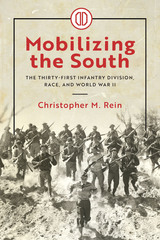
A richly researched account of the social, racial, and political history of a major Deep South infantry division at home and in the Pacific
Chris Rein’s study of the Thirty-First Infantry Division, known officially as the “Dixie Division,” illuminates the complexities in mobilizing American reserve units to meet the global emergency during World War II. Citizen soldiers from Alabama, Florida, Louisiana, and Mississippi formed the core of one of the ninety infantry divisions the Army successfully activated, trained, equipped, and deployed to defeat fascism in Europe and race-based imperialism in the Pacific. But the Army mobilized ideas along with manpower, and soldiers from across the Jim Crow South brought their racial ideas and views with them into the ranks and then exported these across the South Pacific. If the American victory in World War II represents a “double victory” over racism abroad and at home, the division’s service is a cogent reminder that the same powerful force could pull in opposite directions.
While focused on the division’s operational service during the war years, Mobilizing the South: The Thirty-First Infantry Division, Race, and World War II spans the division’s entire service from 1917 to 1967, from an interwar period highlighted by responses to natural disasters and facing down lynch mobs through a postwar service that included protecting activists in the most important struggles of the civil rights era. But the division’s extended service as a training establishment highlights lingering resentments and tensions within the American military system between the active and reserve components. Despite this, the division performed well in General Douglas MacArthur’s island-hopping campaign across the South Pacific. Using official records as well as details drawn from correspondence and oral histories, Rein captures how individual soldiers framed their exposure to a larger world, and how service alongside African American, New Guinean, and Filipino units both reinforced and modified views on race and postwar American society.
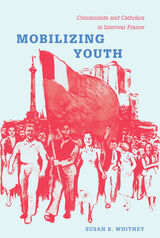
Moving back and forth between the constantly shifting tactics devised to mobilize young people and the circumstances of their lives, Whitney gives special consideration to the context in which the youth movements operated and in which young people made choices. She traces the impact of the First World War on the young and on the formulation of generation-based political and religious identities, the role of work and leisure in young people’s lives and political mobilization, the impact of the Depression, the importance of Soviet ideas and intervention in French Communist youth politics, and the state’s attention to youth after the victory of France’s Popular Front government in 1936. Mobilizing Youth concludes by inserting the era’s youth activists and movements into the complicated events of the Second World War.
This text of Moby-Dick is an Approved Text of the Center for Scholarly Editions (Modern Language Association of America).
This scholarly edition is based on collations of both editions published during Melville's lifetime, it adopts 185 revisions and corrections from the English edition and incorporates 237 emendations by the series editors. This is an Approved Text of the Center for Editions of American Authors (Modern Language Association of America).
READERS
Browse our collection.
PUBLISHERS
See BiblioVault's publisher services.
STUDENT SERVICES
Files for college accessibility offices.
RECENTLY PUBLISHED




UChicago Accessibility Resources
home | accessibility | search | about | contact us
BiblioVault ® 2001 - 2026
The University of Chicago Press