
 A SCHOLARLY BOOK REPOSITORY
In examining the life and works of Anna Katharine Green, one discovers a slice of American life: in the social events of New York City, in the plight of young working women, in the moral dilemmas of upright citizens pursuing the American dream.
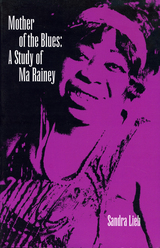
Mother of the Blues is the first substantive biography of Gertrude "Ma" Rainey, the pioneering blues vocalist that dominated blues in the 1920s. Through a comprehensive study of Rainey's remarkable career, Sandra R. Lieb analyzes how Rainey combined African American folk traditions with emerging blues styles to help establish and popularize the blues as a national musical phenomenon in the early twentieth century. With close attention to Rainey's recordings, performances, and cultural significance as a Black female artist, Lieb explores the impact of Ma Rainey distinctive deep-throated voice, mesmerizing presence, and songs of love, desire, sexuality, and society in American music history and blues culture.
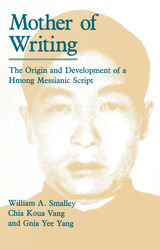
An anthropological linguist who has worked among the Hmong, William A. Smalley joins Shong Lue's chief disciple, Chia Koua Vang, and one of his associates, to tell the fascinating story of how the previously unschooled farmer developed his remarkable writing system through four stages of increasing sophistication. The uniqueness of Shong Lue's achievement is highlighted by a comparison of Shong Lue's writing system to other known Hmong systems and to the history of writing as a whole.
In addition to a nontechnical linguistic analysis of the script and a survey of its current use, Mother of Writing provides an intriguing cultural account of Shong Lue's life. The book traces the twenty-year-long struggle to disseminate the script after Shong Lue's death, first by handwriting, then by primitive moveable type, an abortive attempt to design a wooden typewriter, and finally by modern wordprocessing. In a moving concluding chapter, Smalley discusses his own complex feelings about his coauthors' story.


Anthropologist Sandhya Krittika Narayanan begins with these challenges, and asks: What does it mean to be a Quechua or Aymara speaker in Puno today? What does it mean to be an Indigenous ethnic Quechua or Aymara individual?
Mother Tongues of the High Andes opens with these questions, exploring what Quechua and Aymara languages and identities mean for Indigenous puneños as they navigate their past and present. Narayanan argues that understanding inter-Indigenous linguistic and social differences involves examining Indigenous gender roles, responsibilities, and linguistic practices, particularly those of Indigenous puneña women. She shows how these practices have contributed to the maintenance of Indigenous multilingualism and continuity in local modes of understanding Indigenous identity and difference.
Even as ideologies around Indigenous identity and linguistic practices shift due to global discourses on Indigenous ethnic identity and nationalism, Indigenous women continue to play a crucial role, promoting new ways to speak and think about Quechua and Aymara linguistic differences, making the Indigenous roots and histories of Puno recognizable to a global audience. Through a comprehensive ethnographic exploration of gender, language, and Indigenous difference, Narayanan shows how the linguistic and social practices of Indigenous puneña women both contest and reaffirm competing visions of Quechua and Aymara linguistic identity and authority.
Winner of the 2018 Cave Canem Northwestern University Press Poetry Prize
Tsitsi Ella Jaji’s second full-length collection of poems, Mother Tongues, begins at home, with the first words and loves we learn, and the most intimate vows we swear. How deep does your language go back? Jaji’s artful verse is a three-tiered gourd of sustenance, vessel, and folklore. The tongues speak the beginnings and the present; they capture and claim the losses, the ironies, and a poet’s human evolution. Mother Tongues is a collection of language unto itself that translates directly to the heart.
Examining how motherhood, consumption, and privilege shape identities in contemporary culture.
The Motherhood Business is a piercing collection of ten original essays that reveal the rhetoric of the motherhood industry. Focusing on the consumer life of mothers and the emerging entrepreneurship associated with motherhood, the collection considers how different forms of privilege (class, race, and nationality) inform discourses about mothering, consumption, mobility, and leisure.
The Motherhood Business follows the harried mother’s path into the anxious maelstrom of intelligent toys, healthy foods and meals, and educational choices. It also traces how some enterprising mothers leverage cultural capital and rhetorical vision to create thriving baby- and child-based businesses of their own, as evidenced by the rise of mommy bloggers and “mompreneurs”over the last decade.
Starting with the rapidly expanding global fertility market, The Motherhood Business explores the intersection of motherhood, consumption, and privilege in the context of fertility tourism, international adoption, and transnational surrogacy. The synergy between motherhood and the marketplace demonstrated across the essays affirms the stronghold of “intensive mothering ideology” in decisions over what mothers buy and how they brand their businesses even as that ideology evolves. Across diverse contexts, the volume also identifies how different forms or privilege shape how mothers construct their identities through their consumption and entrepreneurship.
Although social observers have long commented on the link between motherhood and consumerism, little has been written within the field of rhetoric. Penetrating and interdisciplinary, The Motherhood Business illuminates how consumer culture not only shapes contemporary motherhood but also changes in response to mothers who constitute a driving force of the economy.

In Motherhood in Bondage, first published in 1928, Sanger reproduced letters written to her from women and sometimes men from all over the country, in both urban and rural areas, who were seeking advice on reproductive matters and marital relations, but mostly imploring her to help them find ways to avoid more pregnancies. The letters are grouped by theme into sixteen chapters, and Sanger wrote an introduction to each chapter. With clear relevance to the current post-Roe moment, these pleas to Sanger for advice on avoiding unwanted pregnancy dramatically detail the desperation for reproductive agency when birth control was unknown, withheld, or otherwise inaccessible.
In her foreword for this edition, Margaret Marsh describes the controversies surrounding these letters and places them in their historical context.
A multifaceted exploration of memory, mothering, literature, and postcoloniality.
Blending the personal and the historical, the practical and the theoretical, Angelita Reyes draws on a wide range of texts from Africa and the African diaspora to establish mothering as a paradigm of progressive feminisms. Reyes creates a comparative dialogue among the fictions of five postcolonial women writers: Toni Morrison, Paule Marshall, Simone Schwarz-Bart, Jean Rhys, and Mariama Bâ.
Reyes discusses the theme of mothering as a human reality, as a paradigm for cultural crossings, and as what she refers to as autobiographical memory-telling. Not only does her work explore the fraught relationships among memory, history, and mothering, but it also questions conventional ways of approaching the often fragmented testimony and artifacts of the lives of women of African descent. Finally, Reyes uses memory-telling to present the autobiography of her own mother, whose extended American family said she "married a Spanish Negro who don’t speak good English." Her blending of authorial, critical, historical, and autobiographical voices in this work extends our understanding of the cross-cultural ideas of mothering.
Motherhood played a central role in ancient Greece and Rome, despite the virtual absence of female participation in the public spheres of life. Mothers could wield enormous influence as the reproductive bodies of society and, in many cases, of culture. Yet motherhood and acts of mothering have received relatively little focused and sustained attention by modern scholars, who have concentrated almost exclusively on analyzing depictions of ancient women more generally.
In this volume, experts from across the humanities present a wealth of evidence from legal, literary, and medical texts, as well as art, architecture, ritual, and material culture, to reveal the multilayered dimensions of motherhood in both Greece and Rome and to confront the fact that not all mothers and acts of mothering can be easily categorized. The authors consider a variety of mothers—from the mythical to the real, from empress to prostitute, and from citizen to foreigner—to expose both the mundane and the ideologically charged lives of mothers in the Classical world. Some essays focus on motherhood as a largely private (emotional, intimate) experience, while others explore the ramifications of public, oftentimes politicized, displays of motherhood. This state-of-the art look at mothers and mothering in the ancient world also takes on a contemporary relevance as the authors join current debates on motherhood and suggest links between the lives of ancient mothers and the diverse, often conflicting roles of women in modern Western society.

In Mothering by Degrees, Jillian Duquaine-Watson shows how single mothers pursuing college degrees must navigate a difficult course as they attempt to reconcile their identities as single moms, college students, and in many cases, employees. They also negotiate a balance between what they think a good mother should be, and what society is telling them, and how that affects their choices to go to college, and whether to stay in college or not.
The first book length study to focus on the lives and experiences of single mothers who are college students, Mothering by Degrees points out how these women are influenced by dominant American ideologies of motherhood, and the institutional parameters of the schools they attend, and argues for increased attention to the specific ways in which the choices, challenges, and opportunities available to mothers are shaped within their specific environments, as well as the ways in which mothers help shape those environments...
Mothering for Capital offers a bold new interpretation about the crisis of motherhood in neoliberalism. It documents how the drive of capital stealthily subsumes mothering, tethering women’s work, care, and socialization of children, as well as their wishes, fears, and understandings of themselves as mothers, to the imperatives of value accumulation. Through the framework of “good” parenting that maximizes the odds of a child’s “success” in a precarious future, capital orients mothers to cultivate a set of specific cognitive, social, emotional, and psychological traits that shape children as future labor power, the ideal manageable yet self-managed subject. The child is the site of capital’s most audacious aspirations—to flatten and empty human life of all that is superfluous or dangerous to capital. What is ultimately at stake, Kromidas argues, is the subordination or emancipation of the human subject, and Mothering for Capital tracks this hidden terrain of struggle.
Mothering from the Field offers both a mosaic of perspectives from current women scientists’ experiences of conducting field research across a variety of sub-disciplines while raising children, and an analytical framework to understand how we can redefine methodological and theoretical contributions based on mothers’ experiences in order not just to promote healthier, more inclusive, nurturing, and supportive environments in physical, life, and social sciences, but also to revolutionize how we conceptualize research.

When stay-at-home orders during the COVID-19 pandemic erased the division between home and school, many parents in the United States were suddenly expected to become their children’s teachers. Despite this new arrangement, older gender norms largely remained in place, and these extra child rearing responsibilities fell disproportionately on mothers. Mothering in the Time of Coronavirus explores how they juggled working, supervising at-home learning, and protecting their children’s emotional and physical health during the outbreak.
Focusing on both remote and essential workers in central New York, Amy Lutz, Sujung (Crystal) Lee, and Baurzhan Bokayev argue that the pandemic transformed an already intensive style of contemporary American child rearing, in which mothers are expected to be constantly available to meet their children’s needs even when they are working outside the home, into extremely intensive mothering. The authors investigate the consequences of this shift, and how it is influenced by issues such as class and race. They also bring attention to how and why current public policies are not conducive to the de-intensification of motherhood. Locating their study within larger intersections of gender, family, and education, they contend that to fully appreciate the broader social consequences of COVID-19, we must understand the experiences of mothers.
There are few groups more stereotyped and demonized than "welfare mothers," particularly low-income, African American women raising children in the inner city. But what are the day-to-day stories behind the stereotypes? How do African American mothers (both single women and those living with a partner) in poor families handle their roles as parents? What support networks do they rely on to help raise their children? How do their personal histories affect their parenting styles?
Sociologist Katherine Brown Rosier spent three years interviewing and observing Indianapolis mothers as their children made the transition from a Head Start program to kindergarten and through second grade, analyzing the families in their homes, schools, and other social settings. She brings forth the voices of the mothers, children, and their teachers, providing a multifaceted picture of how low-income African American families cope with the daily pressures and responsibilities of child rearing.
Rosier also examines how larger socio-economic factors influence these families' specific circumstances and histories. What child-rearing strategies do these mothers employ, she asks, to promote a smooth transition into school despite complex discontinuities among their homes, schools, and communities? How are these strategies viewed and supported or impeded by teachers, family, friends, and neighbors?
Until now, most research on poor African American families has focused so intently on the problems confronted by this seemingly homogenous group that the routine practices of every day life have been ignored. In this unique project, Rosier allows the families' individual experiences and thoughts to contribute to and complicate current research.

A lively meditation on creating a multiracial family.
In 1997, Becky Thompson began parenting nine-year-old Adrian at the request of his mother, and her life changed forever. Mothering without a Compass is the moving story of her first year as the white lesbian "sudden-mother" of an African American boy. From the everyday yet sometimes overwhelming tasks of finding Adrian a school and debating the significance of action figures, to unexpected discussions about who pays whom at the sperm bank, to the more complicated matters of racism, sexuality, nontraditional families, open adoption, love, and loss, Thompson gives us an absorbing and often humorous account of her attempt at antiracist, multicultural parenting.
Mothering without a Compass highlights a range of issues and experiences: Thompson’s desire to be a good mother while holding on to her sense of self; her growing, detailed knowledge of the ways in which racism affects people’s feelings about themselves and the world around them; her increasing appreciation of the inner life of a child; her realization that mothering forces her to confront her own vulnerabilities and past losses. The book opens with Adrian’s arrival and ends with a visit from Adrian’s biological mother, during which she and Thompson search for ways to respect each other as parents across racial, religious, and cultural divides.Mothering without a Compass relates a lesbian parent’s struggle to help her child grow up and describes the complexities facing children who have more than one family. This candid, personal story shows that it is through everyday life that questions about race, class, gender, and sexuality are often played out. It is a necessary book for all parents-for anyone concerned with the challenge of raising justice-minded children in a complicated world.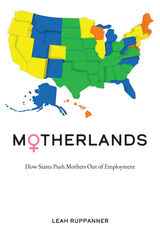
In the absence of federal legislation, each state in the United States has its own policies regarding family leave, job protection for women and childcare. No wonder working mothers encounter such a significant disparity when it comes to childcare resources in America! Whereas conservative states like Nebraska offer affordable, readily available, and high quality childcare, progressive states that advocate for women’s economic and political power, like California, have expensive childcare, shorter school days, and mothers who are more likely to work part-time or drop out of the labor market altogether to be available for their children.
In Motherlands, Leah Ruppanner cogently argues that states should look to each other to fill their policy voids. She provides suggestions and solutions for policy makers interested in supporting working families. Whether a woman lives in a state with stronger childcare or gender empowerment regimes, at stake is mothers’ financial dependence on their partners.
Ruppanner advocates for reducing the institutional barriers mothers face when re-entering the workforce. As a result, women would have greater autonomy in making employment decisions following childbirth.
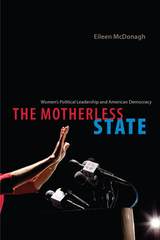
American women attain more professional success than most of their counterparts around the world, but they lag surprisingly far behind in the national political arena. Women held only 15 percent of U.S. congressional seats in 2006, a proportion that ranks America behind eighty-two other countries in terms of females elected to legislative office. A compelling exploration of this deficiency, TheMotherless State reveals why the United States differs from comparable democracies that routinely elect far more women to their national governing bodies and chief executive positions.
Explaining that equal rights alone do not ensure equal access to political office, Eileen McDonagh shows that electoral gender parity also requires public policies that represent maternal traits. Most other democracies, she demonstrates, view women as more suited to govern because their governments have taken on maternal roles through social welfare provisions, gender quotas, or the continuance of symbolic hereditary monarchies. The United States has not adopted such policies, and until it does, McDonagh insightfully warns, American women run for office with a troubling disadvantage.

Despite cultural scripts that continue to view fathers as the primary breadwinners in their families, there has been a striking escalation of mothers’ assumption of that role. Over the last twenty years, the rate at which mothers become the primary breadwinner has increased by almost 50 percent and an astonishing 70 percent of American mothers can expect to become the primary earner for their household for at least a year before their first child turns eighteen. In The Motherlode, sociologist Jennifer L. Glass traces the rise of mothers as the primary financial providers for their children, investigates the causes of this increase, and evaluates the consequences of this shift for mothers and families.
Glass finds the swift increase of fiscal responsibility for children by their mothers is occurring in households of all racial backgrounds and across the educational spectrum. This increase is not due to more divorces or relationship breakups. In fact, the most rapid growth in mothers’ financial responsibility for the household has come from married mothers, not single mothers, and about half of contemporary mom-breadwinners have spouses or romantic partners living in the home. Nor is it due to a narrowing of the gender pay gap or mothers’ ability to out-earn their partners—the bulk of breadwinning mothers see large financial losses or are better off financially but still living in poverty when they become the primary earner. Instead, this rise is due to broader, long-term changes in the economy, which have led to less job security and wage stagnation for all workers.
The increase of mothers’ financial obligations to their children has occurred at the same time that nonfinancial responsibilities for children has increased—more time is dedicated to identifying, evaluating, and obtaining goods and services for children, including healthcare and schooling. There has not been a corresponding increase in support for mothers by their employers, the government, or fathers. This leaves mothers with greater burdens of both financial support and nonmonetary care for their children, which increases the number of children that are vulnerable to dependency on their mothers’ earnings and intermittent poverty. While this rise in maternal breadwinning is unlikely to decline anytime soon, Glass suggests policies that could provide mothers with more support, such as enacting labor protections for care occupations dominated by women and federal paid family and medical leave and providing federally funded, wraparound, non-means-tested systems of childcare.
The Motherlode is an illuminating and in-depth examination of the surprisingly pervasive phenomenon of maternal breadwinning in American society.

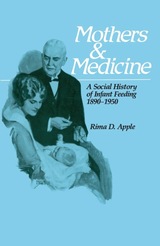
In the nineteenth century, infants were commonly breast-fed; by the middle of the twentieth century, women typically bottle-fed their babies on the advice of their doctors. In this book, Rima D. Apple discloses and analyzes the complex interactions of science, medicine, economics, and culture that underlie this dramatic shift in infant-care practices and women’s lives.
As infant feeding became the keystone of the emerging specialty of pediatrics in the twentieth century, the manufacture of infant food became a lucrative industry. More and more mothers reported difficulty in nursing their babies. While physicians were establishing themselves and the scientific experts and the infant-food industry was hawking the scientific bases of their products, women embraced “scientific motherhood,” believing that science could shape child care practices. The commercialization and medicalization of infant care established an environment that made bottle feeding not only less feared by many mothers, but indeed “natural” and “necessary.” Focusing on the history of infant feeding, this book clarifies the major elements involved in the complex and sometimes contradictory interaction between women and the medical profession, revealing much about the changing roles of mothers and physicians in American society.
“The strength of Apple’s book is her ability to indicate how the mutual interests of mothers, doctors, and manufacturers led to the transformation of infant feeding. . . . Historians of science will be impressed with the way she probes the connections between the medical profession and the manufacturers and with her ability to demonstrate how medical theories were translated into medical practice.”—Janet Golden, Isis
In Mothers and the Mexican Antinuclear Power Movement, Velma García-Gorena traces the protest movement against the Mexican government's Laguna Verde nuclear plant, outlining the movement's formation, development, and decline. Documenting the movement's key players and turning points in superb detail, she interweaves important historical narrative with a deft examination of the events, framing her analysis in terms of social movement literature. In a departure from the more conventional New Social Movements approach to analyzing antinuclear movements, García-Gorena demonstrates how, in many ways, movements of this kind are not so new and how a modified "political process" approach fits much better. With a sophisticated application of various social movements' paradigms, García-Gorena incorporates perspectives such as resource mobilization, political process paradigms, and feminist theory.
Timely, well written, and thoroughly researched, Mothers and the Mexican Antinuclear Power Movement fills a major gap in the literature on grassroots environmental movements in Latin America. Both rich in empirical detail and convincing in its conclusions, this study provides a broader understanding of Mexican social movements and the quest for democracy in developing countries.
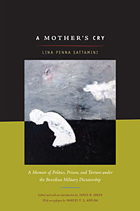
Lina Penna Sattamini describes her son’s tribulations through letters exchanged among family members, including Marcos, during the year that he was imprisoned. Her narrative is enhanced by Marcos’s account of his arrest, imprisonment, and torture. James N. Green’s introduction provides an overview of the political situation in Brazil, and Latin America more broadly, during that tumultuous era. In the 1990s, some Brazilians began to suggest that it would be best to forget the trauma of that era and move on. Lina Penna Sattamini wrote her memoir as a protest against historical amnesia. First published in Brazil in 2000, A Mother’s Cry is testimonial literature at its best. It conveys the experiences of a family united by love and determination during years of political repression.
Using a unique data set comparing mothers and daughters who attended Douglass College—the women's college of Rutgers University—twenty-five years apart, Krista Jenkins perceptively observes the changes in how women acquire their attitudes toward gender roles and behaviors in the post-women's movement years.
Mothers, Daughters, and Political Socialization examines the role of intergenerational transmission—the maternal influences on younger women—while also looking at differences among women in attitudes and behaviors relative to gender roles that might be attributed to the nature of the times during their formative years. How do daughters coming of age in an era when the women's movement is far less visible deal with gendered expectations compared to their mothers? Do they accept the contemporary status quo their feminist mothers fought so hard to achieve? Or, do they press forward with new goals?
Jenkins shows how contemporary women are socialized to accept or reject traditional gender roles that serve to undermine their equality.

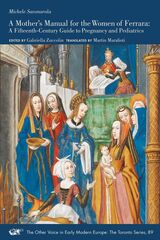
Around 1460, Michele Savonarola produced the extraordinary Mother’s Manual for the Women of Ferrara, a gynecological, obstetrical, and pediatric treatise composed in the vernacular so that it could be read not only by the learned but also by pregnant and nursing mothers and the midwives and wet nurses who presided over childbirth. Savonarola’s work is not merely a trivial set of instructions, but the work of a learned scholar who drew on, among others, the ancient Greek physicians Hippocrates and Galen, and Avicenna’s Canon of Medicine. The first of its kind, Savonarola’s Mother’s Manual helps readers understand both the development of late-medieval and early-modern obstetrics and gynecology, as well as the experiences of women who turn to advice books for help with reproductive issues. This book also provides a key to understanding why and how a new genre of book—the midwifery manual or advice book for pregnant women—arose in sixteenth-century Italy and eventually became a popular genre all over Europe from the early modern period to the present day.
The first in-depth look at culture produced by women in Fascist Italy.
Mothers of Invention was first published in 1995. Minnesota Archive Editions uses digital technology to make long-unavailable books once again accessible, and are published unaltered from the original University of Minnesota Press editions.
To Mussolini, she was either donna-madre, the lauded domestic model, or donna-crisi, intellectual, masculine, a degenerate type. But woman, as Mothers of Invention shows, was not a category so easily defined or contained by the Italian Fascist state. This volume is the first thorough investigation of culture produced by Italian women during Fascism (1922-1943).In literature, painting, sculpture, film, and fashion, the contributors explore the politics of invention articulated by these women as they negotiated prevailing ideologies. Essays on women’s film spectatorship, on Anna Kuliscioff as the leading feminist in the Socialist party, on Teresa Labriola’s concept of Fascist feminism, on futurism and on Irene Brin’s reportage on female fashion and self-invention examine women in mass culture, political thought, and daily living. Contributors: Rosalia Colombo Ascari, Sweet Briar College; Fiora A. Bassanese, U of Massachusetts, Boston; Maurizia Boscagli, U of California, Santa Barbara; Emily Braun, Hunter College, CUNY; Carole C. Gallucci; Mariolina Graziosi, U of Milan; Clara Orban, Depaul U; Lucia Re, UCLA; Jacqueline Reich, Trinity College; and Barbara Spackman, New York University.
Women's increasing demands for protection and benefits in the workplace, especially with regard to maternity leave, have sparked more than a century of controversy among feminists on how best to serve the needs of working women. This debate continues to divide the feminist community. One side believes women are better served by emphasizing equality with men--pregnancy should be treated like any other "disability." The other side wants to recognize difference--special provisions should apply only to pregnant women. Lise Vogel examines the evolution of this debate on pregnant women in the workplace, looking at theoretical as well as practical implications.
Vogel begins by assessing the history of the contemporary debate on pregnancy policy in the U.S. Since the middle of the nineteenth-century, American women have been torn by the contradictory demands of motherhood and the workplace. Pregnancy was grounds for dismissal from work and few employers took action to protect pregnant workers. To counter this, early twentieth-century feminists and reformers emphasized female specificity and women's special role.
In the 1960s activists adopted a strategy framed on equality, which moved away from the earlier emphasis on differences. The use of equality strategies to cover the female-specific phenomenon of pregnancy turned out to have problems. Now women's special needs were denied and ignored. These difficulties and a series of court cases in the 1980s triggered debates in the feminist legal community. Vogel looks at the litigation and debates, which pitted advocates of gender-neutral strategies against critics who called for female-specific policies.
Vogel argues that, in terms of practical benefits, women will be served best by a gender-neutral approach to pregnancy policy. She encourages equality advocates to recognize the inherent diversity of individuals, and points out the need to be sensitive to individual factors of race and class, as well as sex.

Women's increasing demands for protection and benefits in the workplace, especially with regard to maternity leave, have sparked more than a century of controversy among feminists on how best to serve the needs of working women. This debate continues to divide the feminist community. One side believes women are better served by emphasizing equality with men--pregnancy should be treated like any other "disability." The other side wants to recognize difference--special provisions should apply only to pregnant women. Lise Vogel examines the evolution of this debate on pregnant women in the workplace, looking at theoretical as well as practical implications.
Vogel begins by assessing the history of the contemporary debate on pregnancy policy in the U.S. Since the middle of the nineteenth-century, American women have been torn by the contradictory demands of motherhood and the workplace. Pregnancy was grounds for dismissal from work and few employers took action to protect pregnant workers. To counter this, early twentieth-century feminists and reformers emphasized female specificity and women's special role.
In the 1960s activists adopted a strategy framed on equality, which moved away from the earlier emphasis on differences. The use of equality strategies to cover the female-specific phenomenon of pregnancy turned out to have problems. Now women's special needs were denied and ignored. These difficulties and a series of court cases in the 1980s triggered debates in the feminist legal community. Vogel looks at the litigation and debates, which pitted advocates of gender-neutral strategies against critics who called for female-specific policies.
Vogel argues that, in terms of practical benefits, women will be served best by a gender-neutral approach to pregnancy policy. She encourages equality advocates to recognize the inherent diversity of individuals, and points out the need to be sensitive to individual factors of race and class, as well as sex.
Feldman-Savelsberg introduces readers to several Cameroonian mothers, each with her own unique history, concerns, and voice. Through scenes of their lives—at a hometown association’s year-end party, a celebration for a new baby, a visit to the Foreigners’ Office, and many others—as well as the stories they tell one another, Feldman-Savelsberg enlivens our thinking about migrants’ lives and the networks and repertoires that they draw on to find stability and, ultimately, belonging. Placing women’s individual voices within international social contexts, this book unveils new, intimate links between the geographical and the generational as they intersect in the dreams, frustrations, uncertainties, and resolve of strong women holding families together across continents.
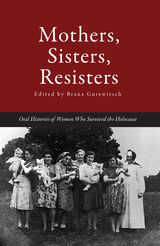
In Mothers, Sisters, Resisters, twenty-five survivors of the Holocaust furnish compelling and historically vital testimony that illuminates and explores Jewish women's experiences during that terrible period. In entries that preserve each voice, personality, and style, survivors describe their efforts to evade Nazi laws and subsequent dehumanization, protect their children and siblings, and maintain their Jewish identity.
Throughout each narrative, from Brandla Small’s description of having her child dragged from her arms at Auschwitz, to Eva Schonbrun’s remembrances of her sister who refused to leave her siblings and save herself, to Emilie Schindler’s account of rescuing Jews left abandoned on a cattle car, we become intimately involved with each woman's struggle and eventual survival. We also gain a new appreciation and understanding of the Holocaust experiences unique to women.
Lady Mary Carey (c. 1609–c. 1680) was a noblewoman who examined her life and expressed her views in a handwritten manuscript that she intended for self-reflection and for sharing with restricted audiences of family and friends, rather than for print publication. Her poetry and prose, composed and revised between 1650 and 1658, were important enough to her inner circle, however, that her autograph manuscript was carefully copied by another hand in 1681. In addition to providing us with key insights into women’s multidimensional roles as wives, widows, and mothers during the seventeenth century in England, Carey’s work teaches us a great deal about a woman’s deepest emotional and spiritual states while confronting the hardships of life—from the fears of childbearing to the sorrows over child loss to the terrors of war.
In 1984, Phillip Lopate sat down with his mother, Frances, to listen to her life story. A strong, resilient, indomitable woman who lived through the major events of the twentieth century, she was orphaned in childhood, ran away and married young, and then reinvented herself as a mother, war factory worker, candy store owner, community organizer, clerk, actress, and singer. But paired with exciting anecdotes are the criticisms of the husband who couldn’t satisfy her, the details of numerous affairs and sexual encounters, and, though she succeeded at many of her roles, accounts of how she always felt mistreated, taken advantage of. After the interviews, at a loss for what to do with the tapes, Lopate put them away. But thirty years later, after his mother had passed away, Lopate found himself drawn back to the recordings of this conversation. Thus begins a three-way conversation between a mother, his younger self, and the person he is today.
Trying to break open the family myths, rationalizations, and self-deceptions, A Mother’s Tale is about family members who love each other but who can’t seem to overcome their mutual mistrust. Though Phillip is sympathizing to a point, he cannot join her in her operatic displays of self-pity and how she blames his father for everything that went wrong. His detached, ironic character has been formed partly in response to her melodramatic one. The climax is an argument in which he tries to persuade her—using logic, of all things—that he really does love her, but is only partially successful, of course.
A Mother’s Tale is about something primal and universal: the relationship between a mother and her child, the parent disappointed with the payback, the child, now fully grown, judgmental. The humor is in the details.
In Mothers United, Andrea Dyrness chronicles the experiences of five Latina immigrant mothers in Oakland, California—one of the most troubled urban school districts in the country—as they become informed and engaged advocates for their children’s education. These women, who called themselves “Madres Unidas” (“Mothers United”), joined a neighborhood group of teachers and parents to plan a new, small, and autonomous neighborhood-based school to replace the overcrowded Whitman School. Collaborating with the author, among others, to conduct interviews and focus groups with teachers, parents, and students, these mothers moved from isolation and marginality to take on unfamiliar roles as researchers and community activists while facing resistance from within the local school district.
Mothers United illuminates the mothers’ journey to create their own space—centered around the kitchen table—that enhanced their capacity to improve their children’s lives. At the same time, Dyrness critiques how community organizers, teachers, and educational policy makers, despite their democratic rhetoric, repeatedly asserted their right as “experts,” reproducing the injustice they hoped to overcome. A powerful, inspiring story about self-learning, consciousness-raising, and empowerment, Mothers United offers important lessons for school reform movements everywhere.

An oral history with the women of Parliament-Funkadelic, from forming the band to landing the mothership.
Parliament-Funkadelic is perhaps the greatest funk band ever assembled. Yet at the time of the group’s induction into the Rock & Roll Hall of Fame, none of the women who helped create the sound and performed in P-Funk were invited to the ceremony and their contributions have been largely overlooked.
Mothership Connected tells the story of Mallia Franklin, Lynn Mabry, Dawn Silva, Debbie Wright, and Shirley Hayden, all of whom were instrumental in making Parliament-Funkadelic, as well as the spin-off groups Parlet and the Brides of Funkenstein, into the legends they are today. Assembled by Seth Neblett, son of the “Queen of Funk” Mallia Franklin, and filled with the voices of funk icons like George Clinton, Sly Stone, Bootsy Collins, and the women themselves, this oral history makes clear why these “architects” at the “core” of P-Funk were both essential—and erased. From Franklin introducing Bootsy Collins to Clinton, to the Brides’ top-10 hit “Disco to Go,” to the drugs that helped destroy the group, this book reveals the hidden lives and uncomfortable truths of life in P-Funk. More than sex, drugs, and rock and roll, Mothership Connected is about Black women navigating a tumultuous era and industry to become musical pioneers. Now, after decades in the shadows, these genre-defining women are finally telling their story.
Early in the twentieth century, maternal and child welfare evolved from a private family responsibility into a matter of national policy. Molly Ladd-Taylor explores both the private and public aspects of child-rearing, using the relationship between them to cast new light on the histories of motherhood, the welfare state, and women's activism in the United States.
Ladd-Taylor argues that mother-work, "women's unpaid work of reproduction and caregiving," motivated women's public activism and "maternalist" ideology. Mothering experiences led women to become active in the development of public health, education, and welfare services. In turn, the advent of these services altered mothering in many ways, including the reduction of the infant mortality rate.

The Saturniid, or Giant Silk moths, are well named. Their large size—up to 6.5 inches for the cecropia moth—and the soft silky browns, greens, and oranges of their wings are unforgettable when they appear at a lighted window at night. Equally well named are the Sphinx or Hawk moths, important pollinators that hover like hummingbirds when nectar-feeding at dusk and even in daylight. The caterpillars of both families can be just as distinctive as the adults, as anyone who has ever come upon a tobacco or a tomato hornworm can attest.
For each species the authors have included common and scientific names, wingspan, and time of flight for the adults at this final stage in their life cycle. Striking photographs of the adult moths and of their larval stages make this guide as beautiful as it is useful.
For all naturalists captivated by the clear window eyespots of a Swallow-tailed Luna moth, the dark eyespots and bright yellow “pupils” of an Io moth, or the extendable proboscis of a White-lined Sphinx moth flitting from one moss rose to another, the photographs and descriptions in Moths in Your Pocket will be an invaluable reference.

Sports have long served as inspiration for poetry-the ancient Greeks wrote odes in praise of their athletes-so it is little surprise that in a culture as obsessed with athletes as our own sports would exert an influence on contemporary poets. Motion: American Sports Poems rescues sports from our society's focus on superstars, multimillion-dollar contracts, and gold medals to capture champions and losers, competitors and spectators in moments that are anything but fleeting.
As Noah Blaustein points out in his preface, among the many parallels made between sports and poetry is the idea of transcendence. Forged from the most basic elements of sport-energy, movement, and rhythm-the poems in this anthology reflect something universal: sport as metaphor, sport as struggle, sport as the battleground for mythic figures and local heroes.
The often celebrated sports-baseball, boxing, football, and basketball-are here along with unexpected pastimes like surfing, skateboarding, tennis, soccer, karate, rock climbing, bowling, and curling. Young and old, black and white, male and female, the poets in this anthology celebrate everyone who has come together in the shimmy and shake and sweat of sport.
Winner of the Hugo Award for Non-fiction
The unexpurgated edition of the award-winning autobiography
Born in New York City’s black ghetto Harlem at the start of World War II, Samuel R. Delany married white poet Marilyn Hacker right out of high school. The interracial couple moved into the city’s new bohemian quarter, the Lower East Side, in summer 1961. Through the decade’s opening years, new art, new sexual practices, new music, and new political awareness burgeoned among the crowded streets and cheap railroad apartments. Beautifully, vividly, insightfully, Delany calls up this era of exploration and adventure as he details his development as a black gay writer in an open marriage, with tertiary walk-ons by Bob Dylan, Stokely Carmichael, W. H. Auden, and James Baldwin, and a panoply of brilliantly drawn secondary characters.


The Motions Beneath is a social history of the encounter of these thousands of indigenous peoples representing ten linguistic groups. Using baptism and marriage records, Laurent Corbeil creates a demographic image of the town’s population. He studies two generations of highly mobile individuals, revealing their agency and subjectivity when facing colonial structures of exploitation on a daily basis.
Corbeil’s study depicts the variety of paths on which indigenous peoples migrated north to build this diverse urban society. Breaking new ground by bridging stories of migration, labor relations, sexuality, legal culture, and identity construction, Corbeil challenges the assumption that urban indigenous communities were organized along ethnic lines. He posits instead that indigenous peoples developed extensive networks and organized themselves according to labor, trade, and social connections.



A much-needed guidebook for one of the most beautiful states to explore on two wheels.
David Haynes offers fifty ride loops of between 75 and 150 miles in length throughout every region of the state. The start and stop points for each ride are identical and easy to locate. This handy guide, which is designed to fit in a tank bag, features both streetbike and dual-sport rides. Also included are detailed, color-coded maps of the routes and turn-by-turn directions. Stunning full-color photographs accompany each ride description, highlighting scenes and points of interest along the way. There are introductory chapters on motorcycle safety, gear, and the use of global positioning devices, as well as pointers on motorcycle camping.
Motorcycle touring is one of the fastest-growing outdoor recreational pursuits in the country. For both the in-state and out-of-state motorcycle enthusiast, Motorcycling Alabama is a valuable and complete guide to a state rich in diverse types of scenery and with many unsung treasures yet to be discovered.
Published in cooperation with the Barber Vintage Motorsports Museum, Birmingham.
First published in Cairo during World War II, The Moulids of Egypt is a study of moulids, the popular Egyptian religious festivals celebrated by both Muslims and Christians in the first half of the twentieth century. The book talks in detail about the secular side of moulids, where sports, games, theatres, dancing, and laughter were as much part of the festivals as the religious processions and the whirling of dervishes. Some of the rites and customs analyzed here date from as far back as the Pharaonic period, but the moulids are gradually dying out; many of the 126 festivals described in Moulids of Egypt have since faded away, making the book of lasting interest.
In Illinois, the one-hundred-foot Cahokia Mound spreads impressively across sixteen acres, and as many as ten thousand more mounds dot the Ohio River Valley alone. The Mound Builders traces the speculation surrounding these monuments and the scientific excavations which uncovered the history and culture of the ancient Americans who built them.
The mounds were constructed for religious and secular purposes some time between 1000 B.C. and 1000 A.D., and they have prompted curiosity and speculation from very early times. European settlers found them evidence of some ancient and glorious people. Even as eminent an American as Thomas Jefferson joined the controversy, though his conclusions—that the mounds were actually cemeteries of ancient Indians—remained unpopular for nearly a century.
Only in the late 19th century, as Smithsonian Institution investigators developed careful methodologies and reliable records, did the period of scientific investigation of the mounds and their builders begin. Silverberg follows these excavations and then recounts the story they revealed of the origins, development, and demise of the mound builder culture.
Nearly one thousand years ago, Native peoples built a satellite suburb of America's great metropolis on the site that later became St. Louis. At its height, as many as 30,000 people lived in and around present-day Cahokia, Illinois. While the mounds around Cahokia survive today (as part of a state historic site and UNESCO world heritage site), the monumental earthworks that stood on the western shore of the Mississippi were razed in the 1800s. But before and after they fell, the mounds held an important place in St. Louis history, earning it the nickname “Mound City.” For decades, the city had an Indigenous reputation. Tourists came to marvel at the mounds and to see tribal delegations in town for trade and diplomacy. As the city grew, St. Louisans repurposed the mounds—for a reservoir, a restaurant, and railroad landfill—in the process destroying cultural artifacts and sacred burial sites. Despite evidence to the contrary, some white Americans declared the mounds natural features, not built ones, and cheered their leveling. Others espoused far-fetched theories about a lost race of Mound Builders killed by the ancestors of contemporary tribes. Ignoring Indigenous people's connections to the mounds, white Americans positioned themselves as the legitimate inheritors of the land and asserted that modern Native peoples were destined to vanish. Such views underpinned coerced treaties and forced removals, and—when Indigenous peoples resisted—military action. The idea of the “Vanishing Indian” also fueled the erasure of Indigenous peoples’ histories, a practice that continued in the 1900s in civic celebrations that featured white St. Louisans “playing Indian” and heritage groups claiming the mounds as part of their own history. Yet Native peoples endured and in recent years, have successfully begun to reclaim the sole monumental mound remaining within city limits.
Drawing on a wide range of sources, Patricia Cleary explores the layers of St. Louis’s Indigenous history. Along with the first in-depth overview of the life, death, and afterlife of the mounds, Mound City offers a gripping account of how Indigenous histories have shaped the city’s growth, landscape, and civic culture.
How social and political power was wielded in order to build Moundville
A Dan Josselyn Memorial Publication
A classic resource on early knowledge of prehistoric mounds and the peoples who constructed them in the eastern United States
With this accessible volume, Henry Clyde Shetrone made available to general readers the archaeological research data and conclusions concerning the ancient mounds and earthworks that dot the landscape of eastern North America. Dismissing popularly held theories of mysterious giants who built these structures, he explained that their purposes were defensive and ceremonial, that they had been used for habitation, burial, and worship. Their builders were antecedents of the native peoples of present-day America and had been skilled artisans and engineers with successful agricultural practices and structured leadership.
Twenty chapters discuss aspects of mound-builder cultures: quarrying of flint and obsidian for knapping into points; mining of copper and iron and its fashioning into tools and ceremonial objects; spinning and weaving materials and methods; smoking customs; carving of calumets and their use in ceremony; freshwater pearls and other items for body ornamentation; and the use of stone burial vaults, cremation basins, and concepts of an afterlife. Data is presented from excavations ranging broadly from Massachusetts to Florida and from Texas to North Dakota.
As Bradley Lepper points out in his new introduction, "The Mound-Builders is a testament to Shetrone's success at working towards 'correlation and systematization' of data, as well as public education. . . . Shetrone was no armchair popularizer. His work was based on years of excavation and first-hand familiarity with much of the data. His popularizations [still] echo with the ring of the shovel and trowel in gravelly soil."
Exploring the legacy of America’s great mound builders.
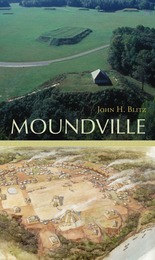
In the 13th century, Moundville was one of the largest Native American settlements north of Mexico. Spread over 325 acres were 29 earthen mounds arranged around a great plaza, a mile-long stockade, and dozens of dwellings for thousands of people. Moundville, in size and complexity second only to the Cahokia site in Illinois, was a heavily populated town, as well as a political and religious center.
Moundville was sustained by tribute of food and labor provided by the people who lived in the nearby floodplain as well as other smaller mound centers. The immediate area appears to have been thickly populated, but by about A.D. 1350, Moundville retained only ceremonial and political functions. A decline ensued, and by the 1500s the area was abandoned. By the time the first Europeans reached the Southeast in the 1540s, the precise links between Moundville's inhabitants and what became the historic Native American tribes had become a mystery.
Illustrated with 50 color photos, maps, and figures, Moundville tells the story of the ancient people who lived there, the modern struggle to save the site from destruction, and the scientific saga of the archaeologists who brought the story to life. Moundville is the book to read before, during, or after a visit to Alabama’s prehistoric metropolis.
The two works reprinted in this volume represent the pinnacle of the career of one of the most remarkable American archaeologists of the early 20th century, Clarence Bloomfield Moore.
Moore's Certain Aboriginal Remains of the Black Warrior River (1905) and Moundville Revisited (1907) brought the Moundville site in Alabama to the attention of the scholarly world in dramatic fashion by offering a splendid photographic display and expert commentary on its artifactual richness. Moore was the leading southeastern specialist of his day and the most prolific excavator of southern sites during the early part of the 20th century. Today Moore gives the impression of having been everywhere, having excavated everything, and having published on all of it. Moundville Expeditions contains facsimile reprints of these two classic works, along with a new scholarly introduction by one of the leading authorities on the Moundville archaeological site. Once again these rare materials on Moundville are available both for scholars and for a general audience.
A Dan Josselyn Memorial Publication
Anthropologists have long talked about chiefdoms as a form of sociopolitical organization, and for several decades Elman Service's description of chiefdoms has been widely accepted as definitive. Nevertheless, in the 1970s, scholars began to question whether all, or any, chiefdoms had the entire range of characteristics described by Service. Most of the questions focused on the (nonmarket) economic organization of these polities, and several contrasting economic models were suggested. None of the models, however, was comprehensively tested against actual chiefdom economies.
This study examines the economic organization of the late prehistoric (A.D. 1000 to 1540) chiefdom centered at Moundville, Alabama. Rather than attempting to show that this case fits one or another model, the economic organization is determined empirically using archaeological data. The pattern of production and distribution of subsistence goods, domestic nonutilitarian goods, and imported prestige goods does not fit precisely any of the extant models. Because Moundville's economy was organized in a way that promoted stability, it may be no accident that Moundville was the dominant regional polity for several hundred years. This research opens a new field of archaeological investigation: the relationship between fine details of economic organization and large-scale political fortunes.
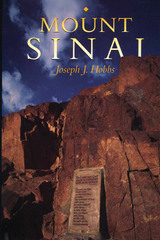
Amid the high mountains of Egypt's southern Sinai Peninsula stands Jebel Musa, "Mount Moses," revered by most Christians and Muslims as Mount Sinai. (Jewish tradition holds that Mount Sinai should remain terra incognita, unlocated, and does not associate it with this mountain.) In this fascinating study, Joseph Hobbs draws on geography and archaeology, Biblical and Quranic accounts, and the experiences of people ranging from Christian monks to Bedouin shepherds to casual tourists to explore why this mountain came to be revered as a sacred place and how that very perception now threatens its fragile ecology and its sense of holy solitude.
After discussing the physical characteristics of Jebel Musa and the debate that selected it as the most probable Mount Sinai, Hobbs fully describes all Christian and Muslim sacred sites around the mountain. He views Mount Sinai from the perspectives of the centuries-long inhabitants of the region—the monks of the Monastery of St. Katherine and the Jabaliya Bedouins—and of tourists and pilgrims, from medieval Europeans to modern travelers dispirited by Western industrialization.
Hobbs concludes his account with the recent international debate over whether to build a cable car on Mount Sinai and with an unflinching description of the negative impact of tourism on the delicate desert environment. His book raises important, troubling questions for everyone concerned about the fate of the earth's wild and sacred places.

As an important site for multiple religions, Mount Sinai has become a major destination for hundreds of visitors per day. In this multifaceted book, George Manginis delves into the natural environment of Mount Sinai, its importance in the Muslim tradition, the cult of Saint Catherine, the medieval pilgrimage phenomenon, modern-day tourism, and much more. Featuring notes, a bibliography, and illustrations from nineteenth-century travelers’ books, this deft blend of historical analysis, art history, and archaeological interpretation will appeal to tourists and scholars alike.
In The Mountain, geographers Bernard Debarbieux and Gilles Rudaz trace the origins of the very concept of a mountain, showing how it is not a mere geographic feature but ultimately an idea, one that has evolved over time, influenced by changes in political climates and cultural attitudes. To truly understand mountains, they argue, we must view them not only as material realities but as social constructs, ones that can mean radically different things to different people in different settings.
From the Enlightenment to the present day, and using a variety of case studies from all the continents, the authors show us how our ideas of and about mountains have changed with the times and how a wide range of policies, from border delineation to forestry as well as nature protection and social programs, have been shaped according to them. A rich hybrid analysis of geography, history, culture, and politics, the book promises to forever change the way we look at mountains.
Mountain Amnesia also explores the question of how implicated or dependent we are on the lives and actions of others. What does it mean to be accountable to and responsible for those around you? How are we implicated in others’ crimes? What can we do in the aftermath? The poems in this collection explore the limits of knowing and seeing, and how we come to be known and seen: “I ask the world for its bandage /of meaning.” Mountain Amnesia both pursues and surrenders to these limits of knowing, narrowing the vast distances between ourselves and others.
The present study is the fruit of years of excavation and research by the author. The manuscript was largely sketched out when Martin Harrison unexpectedly passed away, and the volume has been finished and prepared for press by his long-time assistant Wendy Young, with further guidance from friends and colleagues with whom he had discussed the project.
The resulting volume explores Martin Harrison's belief that the coastal cities of Lycia declined after the fifth century C.E., and that smaller settlements (monasteries, villages, and towns) appeared in the mountains and further inland. In addition he considered that there was a demographic shift of masons and sculptors from the cities to serve these new settlements. This beautifully illustrated study provides convincing evidence from architecture, sculpture, and inscriptional sources to support this theory. It also contains a description of Amorium in Phrygia, as revealed in survey and excavation seasons from 1987 until the author's untimely death half a dozen years later. The volume includes a preface by Stephen Hill and an appendix by Michael Ballance and Charlotte Roueché on three special inscriptions from Ovacik.
The volume will be of interest to historians of the Near East and classical antiquity, to archaeologists, and to students of architectural history.
Martin Harrison was Professor of Archaeology, University of Oxford. Wendy Young was Research Assistant to the author until his death.
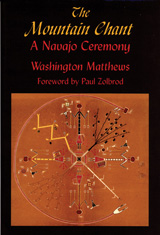
The Mountain Chant is a nine-day Navajo healing ceremony, one of several major rites undertaken only in winter. Aside from curing disease, it brings rain and invokes the unseen powers for general benefit. Though perhaps practiced less often now than better-known ceremonies such as the Night Chant, it is by no means forgotten.
Fully faithful to the original book published by Washington Matthews over a century ago, this edition contains the story of the wandering hero upon whose exploits the Mountain Chant is based, a description of each of the nine ceremonial days, and original song text and translations.
"Each Navajo ceremony builds on a specific story, which in turn contributes to a network of interlocking narratives as poetically rich as the Homeric epics or the Arthurian cycle. Non-Navajos are only now beginning to fathom the extent of that poetic richness as we learn more about the nature of ceremonial Navajo, with its formulaic virtuosity, its rhythmic cadences, its deep allusiveness to enduring human values, and the spellbinding thrust of its stories."
- Paul Zolbrod, from the foreword

“Mysticism is peculiar to the mountainbred,” Frank Waters once told an interviewer for Psychology Today. And in Mountain Dialogues, available for the first time in paperback, the mountainbred Waters proves it true. Ranging over such diverse subjects as silence, spirits, time, change, and the sacred mountains of the world, Waters sounds again and again the radiant, mystic theme of man’s inherent wholeness and his oneness with the cosmos.
Writing in Western American Literature, Charles L. Adams said, “In Mountain Dialogues, we see Frank Waters acknowledging his sources—major influences on a great American thinker and writer. Waters weaves together threads of these influences, adds his own thought, and presents us with a truly cosmic overview. This overview is thoroughly that of an American ‘Westerner’; it also is one that merits international consideration.”
And as the Bloomsbury Review wrote: “Mountain Dialogues is more than just a collection of personal essays. It is an ‘evolutionist’s handbook’ for the sons and daughters of the new West, a guide for those who would transcend the limitations of Western civilization.”
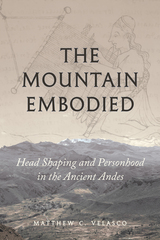
A study of the ancient practice of Andean head shaping and its cultural connotations.
In the late sixteenth century, Spanish conquerors in Peru’s Colca Valley encountered the Collaguas and Cavanas, Indigenous people who undertook a striking form of body modification: Collaguas bound the heads of infants and children so that their skulls grew narrow and elongated, and Cavanas so that their skulls became wide and squat. Head shaping resulted in craniums that resembled two specific mountains associated with the groups. For Europeans, shaped skulls immediately and durably became a marker of territorialized ethnic difference.
The Mountain Embodied offers a more nuanced story. Having studied hundreds of samples of human remains, bioarchaeologist Matthew Velasco argues that reducing head shape to a mere ethnic marker is a colonial invention. Instead, the social significance of head shaping was protean and intersected with other structures of difference, such as gender, kinship, and status, influencing experience within the community. Head shaping, then, was one factor in the construction of a locally embedded kind of subjectivity. An outsider could deduce group identity from head shape, but for practitioners, head shaping reflected something else: nothing less than personhood itself.
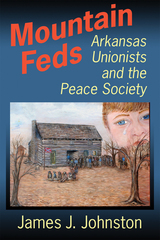
In resistance to secession and to fighting for the Confederacy, they formed secret organizations—known commonly as the Arkansas Peace Society—and inaugurated their own leaders. Increased pressure from Richmond in the fall of 1861 for the Arkansas government to provide more soldiers pressed Arkansas’s yeomen farmers to enlist but only provided more incentive for the men to join the Arkansas Peace Society (later known as the Union League).
Many Arkansas communities forged home protective units or vigilance committees to protect themselves from slave uprisings and what they saw as federal invasion. Unionist mountaineers did the same, but their home protection organizations were secret because they were seeking protection from their secessionist neighbors and the state’s Confederate government.
In November 1861, the Arkansas Peace Society was first discovered in Clinton, Van Buren County, by the secessionist element, which rapidly formed vigilante committees to arrest and interrogate the suspects. The news and subsequent arrests spread to adjoining counties from the Arkansas River to the Missouri border. In most cases, the local militia was called out to handle the arrests and put down the rumored uprising.
While some Peace Society members fled to Missouri or hid in the woods, others were arrested and marched to Little Rock, where they were forced to join the Confederate army. Leaders who were prominent in the Peace Society recruited and led companies in Arkansas and Missouri Unionist regiments, returning to their homes to bring out loyalist refugees or to suppress Confederate guerrillas. A few of these home-grown leaders assumed leadership positions in civil government in the last months of the war, with the effects of their actions lingering for years to come.

Since antiquity, mountains have captured the human imagination. The Mountain takes readers into higher realms, exploring the complex kinship between mountains and human thought, traditions, and ways of being. Told through the author’s own journeys, the narrative ranges across cultures and iconic naturalists to consider how varied ideas and experiences related to mountains—from sacred to scientific, romantic to retreat, to simply home—are all facets of the same intricate topography.
No matter where one starts on the spectrum of understanding, an intimate encounter with a mountain leads to a broader perspective. High places create a simultaneous humbleness at our human insignificance and a sense of belonging within the greater world. That quality of belonging, and the associated commitment of caring for the planet and all that it holds, has never been more important than it is today.
The series, established by one of the twentieth-century West's most distinguished historians, Leonard Arrington, has become a leading forum for prominent historians to address topics related to Mormon history. The first lecturer was Arrington himself. He was followed by Richard Lyman Bushman, Richard E. Bennett, Howard R. Lamar, Claudia L. Bushman, Kenneth W. Godfrey, Jan Shipps, Donald Worster, Laurel Thatcher Ulrich, and F. Ross Peterson. Utah State University hosts the Leonard J. Arrington Mormon History Lecture Series. The University Libraries' Special Collections and Archives houses the Arrington collection. The state's land grant university began collecting records very early, and in the 1960s became a major depository for Utah and Mormon records. Leonard and his wife Grace joined the USU faculty and family in 1946, and the Arringtons and their colleagues worked to collect original diaries, journals, letters, and photographs.
Although trained as an economist at the University of North Carolina, Arrington became a Mormon historian of international repute. Working with numerous colleagues, the Twin Falls, Idaho, native produced the classic Great Basin Kingdom: An Economic History of the Latter-day Saints in 1958. Utilizing available collections at USU, Arrington embarked on a prolific publishing and editing career. He and his close ally, Dr. S. George Ellsworth helped organize the Western History Association, and they created the Western Historical Quarterly as the scholarly voice of the WHA. While serving with Ellsworth as editor of the new journal, Arr ington also helped both the Mormon History Association and the independent journal Dialogue get established.
Masterfully wrought and keenly observed, Mountain Path draws on Harriette Simpson Arnow’s experiences as a schoolteacher in downtrodden Pulaski County, Kentucky, deep in the heart of Appalachia, prior to WWII. Far from a quaint portrait of rural life, Arnow’s novel documents hardships, poverty, illiteracy, and struggles. She also recognizes a fragile cultural richness, one characterized by “those who like open fires, hounds, children, human talk and song instead of TV and radio, the wisdom of the old who had seen all of life from birth to death,” and which has since been eroded by the advent of highways and industry. In Mountain Path, Arnow exquisitely captures the voices, faces, and ways of a people she cared for deeply, and who evoked in her a deep respect and admiration.
But the cost of a bus ticket was more than a week's wages in a lumber camp, and the mountaineer paid dearly in loss of kin, culture, homeplace, and freedom.
Numerous scholarly works have addressed this migration that brought more than one million mountaineers to Ohio alone. But Mountain People in a Flat Land is the first popular history of Appalachian migration to one community — Ashtabula County, an industrial center in the fabled “best location in the nation.”
These migrants share their stories of life in Appalachia before coming north. There are tales of making moonshine, colorful family members, home remedies harvested from the wild, and life in coal company towns and lumber camps.
The mountaineers explain why, despite the beauty of the mountains and the deep kinship roots, they had to leave Appalachia.
Stories of their hardships, cultural clashes, assimilation, and ultimate successes in the flatland provide a moving look at an often stereotyped people.
This landmark bilingual collection presents a comprehensive selection of Vietnamese poetry spanning nearly fifty years of warfare and its aftermath, from the Indochinese War (1946-1954) through the Vietnam War (1961-1975) and into the post-war period. Edited and translated by renowned Vietnam War scholars and poets Kevin Bowen and Bruce Weigl, in collaboration with Vietnamese poet and editor Nguyen Ba Chung, this volume captures the voices of Vietnamese writers who experienced, witnessed, or processed the transformative conflicts that shaped modern Vietnam.
Encompassing poetry from multiple generations, these poems reflect on the diverse responses to conflict: some express patriotic commitment, others grapple with loss and trauma, while many explore the intimate human experiences of war. Mountain River demonstrates how Vietnamese poets drew upon a rich literary tradition while creating new forms of expression to address the unprecedented scale of modern warfare. The result is a collaborative effort that represents a significant achievement in postwar Vietnamese-American literary relations and cross-cultural translation.
This book is a major reference on the natural history, ecology, and management of wild sheep in North America. Written by wildlife biologists who have devoted years of study to the animals, it covers Dall's and Stone's sheep and Rocky Mountain, California, and desert bighorn and examines a variety of factors pertinent to their life histories: habitat, diet, activity, social organization, reproduction, and population dynamics. Additional chapters consider distribution and abundance, adaptive strategies, and management guidelines. Discussions on diseases of wild sheep present a wealth of information that will be of particular use to wildlife biologists, including detailed clinical descriptions of conditions that threaten sheep populations, from pasteurellosis to capture myopathy. An appendix reviews the cytogenetics and genetics of wild sheep.
North American wild sheep may face extinction in many areas unless critical questions concerning their management are answered soon. Prior to the publication of this book, there was no single reference available in which one could find such a synthesis of information. Mountain Sheep of North America provides that source and points toward the preservation of these magnificent wild creatures.
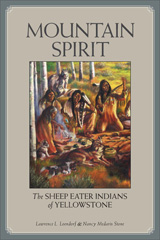
These robust people were talented artisans, making well-constructed shelters, powerful horn bows, and expertly tailored clothing that was highly sought by their trading partners. They moved in small, kin-based bands, accompanied by large dogs that were indispensable hunting and trekking companions. Moving seasonally through portions of the Beartooth, Absaroka, and Wind River ranges, the Sheep Eaters made skillful use of their environment.
Written for general readers, Mountain Spirit includes photographs, lithographs, and a number of color drawings and sketches of Sheep Eater life ways by Davíd Joaquin. It presents a vivid picture of the vanished way of life of a people whose accomplishments have been largely ignored in histories of Native peoples.
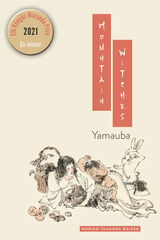
Situating the yamauba within the construct of yōkai and archetypes, Noriko T. Reider investigates the yamauba attributes through the examination of narratives including folktales, literary works, legends, modern fiction, manga, and anime. She traces the lineage of a yamauba image from the seventh-century text Kojiki to the streets of Shibuya, Tokyo, and explores its emergence as well as its various, often conflicting, characteristics. Reider also examines the adaptation and re-creation of the prototype in diverse media such as modern fiction, film, manga, anime, and fashion in relation to the changing status of women in Japanese society.
Offering a comprehensive overview of the development of the yamauba as a literary and mythic trope, Mountain Witches is a study of an archetype that endures in Japanese media and folklore. It will be valuable to students, scholars, and the general reader interested in folklore, Japanese literature, demonology, history, anthropology, cultural studies, gender studies, and the visual and performing arts.
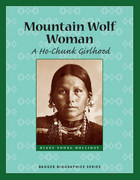
With the seasons of the year as a backdrop, author Diane Holliday describes what life was like for a Ho-Chunk girl who lived in the late nineteenth and early twentieth century. Central to the story is the movement of Mountain Wolf Woman and her family in and around Wisconsin. Like many Ho-Chunk people in the mid-1800s, Mountain Wolf Woman's family was displaced to Nebraska by the U.S. government. They later returned to Wisconsin but continued to relocate throughout the state as the seasons changed to gather and hunt food.
Based on her own autobiography as told to anthropologist Nancy Lurie, Mountain Wolf Woman's words are used throughout the book to capture her feelings and memories during childhood. Author Holliday draws young readers into this Badger Biographies series book by asking them to think about how the lives of their ancestors and how their lives today compare to the way Mountain Wolf Woman lived over a hundred years ago.
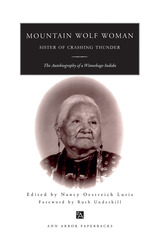
From pony to airplane, from medicine dance to Christian worship, Mountain Wolf Woman, Sister of Crashing Thunder is the life story of a Winnebago woman, told in her own words to her adopted kinswoman, Nancy Lurie. This retelling of more than seventy-five years of Native American life is both a candid and compelling account of how one woman lived through a period of cultural crisis.
Mountain Wolf Woman tells of her childhood in Wisconsin, her brief stay at a mission school, her marriage to "Bad Soldier," and her religious experiences with peyote. Her struggle to maintain her family against many hardships---odds that would have defeated a less vigorous and self-confident person---underscores her perseverance and tenacity. Whether she is describing her wanderings as a child or her misfortunes later in life, Mountain Wolf Woman sets forth her views in honest and perceptive terms, adding all the more power to her narrative.
This book is a valuable companion to the story of Mountain Wolf Woman's brother, immortalized by Paul Radin in Crashing Thunder, a classic of anthropological literature. It will also be of interest to those interested in ethnographic records, the role of women in native cultures, and Midwestern Native Americans, in general.
" . . . a superb human document."
---Chicago Sun-Times
" . . . one of those rare books . . . ."
---Saturday Review
". . . a notable contribution to the literature of culture change and culture and personality."
---American Anthropologist
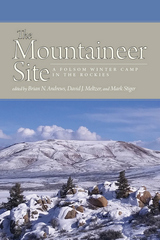
Contributors examine data concerning the structures, the duration and repetition of occupations, and the nature of the site’s artifact assemblages to offer a valuable new perspective on human activity in the Rocky Mountains in the Late Pleistocene. Chapters survey the history of fieldwork at the site and compare and explain the various excavation procedures used; discuss the geology, taphonomic history, and geochronology of the site; analyze artifacts and other recovered materials; examine architectural elements; and compare the present and past environments of the Upper Gunnison Basin to gain insight into the setting in which Folsom groups were operating and the resources that were available to them.
The Folsom archaeological record indicates far greater variability in adaptive behavior than previously recognized in traditional models. The Mountaineer Site shows how accounting for reduced mobility, more generalized subsistence patterns, and variability in tool manufacture and use allows for a richer and more accurate understanding of Folsom lifeways. It will be of great interest to graduate students and archaeologists focusing on Paleoindian archaeology, hunter-gatherer mobility, lithic technological organization, and prehistoric households, as well as prehistorians, anthropologists, and social scientists.
Contributors: Richard J. Anderson, Andrew R. Boehm, Christy E. Briles, Katherine A. Cross, Steven D. Emslie, Metin I. Eren, Richard Gunst, Kalanka Jayalath, Brooke M. Morgan, Cathy Whitlock
One of the world’s foremost writers of the mountaineering essay—his writings are finely wrought expressions of the transcendental joy he found in the mountains—John Muir also founded the Sierra Club in 1892 as a way of supporting his belief that Americans must preserve national parks throughout the country in order that future generations might be spiritually inspired. Characterized by an iron endurance and an insatiable curiosity, Muir vowed to spend his days studying God’s unwritten Bible—nature—or what he termed the "University of the Wilderness." Muir early on learned to keep a journal in the manner of Emerson, but he is also considered one of America’s pioneer glaciologists, an interest he gained while wandering in Yosemite and the Sierra Nevada mountains. Whether frozen in a subzero blizzard on Mount Shasta, seemingly doomed on the unforgiving slopes of Mount Ritter, or exhilarated by the ice-shapes viewed from the summit of Mount Rainier, Muir reveled in the mountain experience.
This volume contains eleven mountain essays that include both adventurous narrative, joyful exultation, and descriptions of natural features such as alpine soil beds, ancient glaciers and living glaciers, and mountain sculpture. In each, Muir maintains a careful and subtle balance between the physical aspects of ascending and the more symbolic observations of the sublimity of his surroundings. Mountains are for him a source of discovery that provide an affirmation of the human spirit.
The West Virginia University Mountaineer is not just a mascot: it is a symbol of West Virginia history and identity embraced throughout the state. In this deeply informed but accessible study, folklorist Rosemary Hathaway explores the figure’s early history as a backwoods trickster, its deployment in emerging mass media, and finally its long and sometimes conflicted career—beginning officially in 1937—as the symbol of West Virginia University.
Alternately a rabble-rouser and a romantic embodiment of the state’s history, the Mountaineer has been subject to ongoing reinterpretation while consistently conveying the value of independence. Hathaway’s account draws on multiple sources, including archival research, personal history, and interviews with former students who have portrayed the mascot, to explore the complex forces and tensions animating the Mountaineer figure. Often serving as a focus for white, masculinist, and Appalachian identities in particular, the Mountaineer that emerges from this study is something distinct from the hillbilly. Frontiersman and rebel both, the Mountaineer figure traditionally and energetically resists attempts (even those by the university) to tame or contain it.
"I watched the seasons march through the canyons," writes Bowers, "followed the wildflower parade from February through November, and throughout it all realized that I could travel in the Rincon Mountains forever and never learn all they contained." It is also a book of meditations, as Bowers reflects upon the meaning of nature, the similarities between the scientific and creative processes, the value of wilderness in the face of urban encroachment, and other ideas. Participating in the long tradition of reflective natural history writing, she has produced a memorable book that depicts the delights and dilemmas of field botany as it explores the perennial struggle between science and mysticism that tugs at every naturalist's heart.
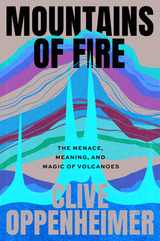
In Mountains of Fire, Clive Oppenheimer invites readers to stand with him in the shadow of an active volcano. Whether he is scaling majestic summits, listening to hissing lava at the crater’s edge, or hunting for the far-flung ashes from Earth’s greatest eruptions, Oppenheimer is an ideal guide, offering readers the chance to tag along on the daring, seemingly-impossible journeys of a volcanologist.
In his eventful career as a volcanologist and filmmaker, Oppenheimer has studied volcanoes around the world. He has worked with scientists in North Korea to study Mount Paektu, a volcano name sung in national anthems on both sides of the Demilitarized Zone. He has crossed the Sahara to reach the fabled Tiéroko volcano in the Tibesti Mountains of Chad. He spent months camped atop Antarctica’s most active volcano, Mount Erebus, to record the pulse of its lava lake.
Mountains of Fire reveals how volcanic activity is entangled with our climate and environment, as well as our economy, politics, culture, and beliefs. These adventures and investigations make clear the dual purpose of volcanology—both to understand volcanoes for science’s sake and to serve the communities endangered and entranced by these mountains of fire.
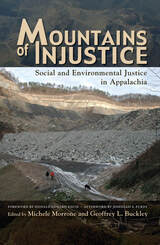
Research in environmental justice reveals that low-income and minority neighborhoods in our nation’s cities are often the preferred sites for landfills, power plants, and polluting factories. Those who live in these sacrifice zones are forced to shoulder the burden of harmful environmental effects so that others can prosper. Mountains of Injustice broadens the discussion from the city to the country by focusing on the legacy of disproportionate environmental health impacts on communities in the Appalachian region, where the costs of cheap energy and cheap goods are actually quite high.
Through compelling stories and interviews with people who are fighting for environmental justice, Mountains of Injustice contributes to the ongoing debate over how to equitably distribute the long-term environmental costs and consequences of economic development.
Contributors:
Laura Allen, Brian Black, Geoffrey L. Buckley, Donald Edward Davis, Wren Kruse, Nancy Irwin Maxwell, Chad Montrie, Michele Morrone, Kathryn Newfont, John Nolt, Jedediah S. Purdy, and Stephen J. Scanlan.


The most complete survey to date of the vibrant strands of this music and its colorful practitioners, Mountains of Music delineates a unique culture where music and music making are part of an ancient and treasured heritage. The sly humor, strong faith, clear regional identity, and musical convictions of these performers draw the reader into families and communities bound by music from one generation to another. For devotees as well as newcomers to this infectiously joyous and heartfelt music, Mountains of Music captures the strength of tradition and the spontaneous power of living artistry.

The present tense of the book takes place during the seasons he spends in Paris, sharing an artist’s residency. It is a rare opportunity to consider what it means to be human, through time-stopping moments with music, art, and deep history. The past tense of the book offers memories that intrude into the bustle of Paris life: a Billy Graham crusade at age thirteen, a mountain pass, a love, a loss.
In long years of mountaineering Oates fought the self-loathing which had infused him as the gay kid in the Baptist pew. In The Mountains of Paris, he ascends to a place of wonder through intense, personal narrative encounter with the strangeness of being alive. In his searching, luminous, and inimitable prose, Oates invites readers to share the sense of awe awakened by a Vermeer painting, or the night sky, or the echoing strains of music fading down a Paris street, lifting the curtain on a cosmos filled with a terrifying yet beautiful rightness.
Mountains Piled upon Mountains features nearly fifty writers from across Appalachia sharing their place-based fiction, literary nonfiction, and poetry. Moving beyond the tradition of transcendental nature writing, much of the work collected here engages current issues facing the region and the planet (such as hydraulic fracturing, water contamination, mountaintop removal, and deforestation), and provides readers with insights on the human-nature relationship in an era of rapid environmental change.
This book includes a mix of new and recent creative work by established and emerging authors. The contributors write about experiences from northern Georgia to upstate New York, invite parallels between a watershed in West Virginia and one in North Carolina, and often emphasize connections between Appalachia and more distant locations. In the pages of Mountains Piled upon Mountains are celebration, mourning, confusion, loneliness, admiration, and other emotions and experiences rooted in place but transcending Appalachia’s boundaries.
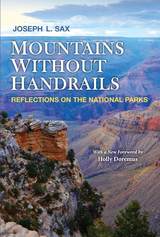
Beloved by academic and general readers alike, Mountains Without Handrails, Joseph L. Sax’s thought-provoking treatise on America’s national parks, remains as relevant today as when first published in 1980. Focusing on the long-standing and bitter battles over recreational use of our parklands, Sax proposes a novel scheme for the protection and management of America's national parks. Drawing upon still controversial disputes—Yosemite National Park, the Colorado River in the Grand Canyon, and the Disney plan for California's Mineral King Valley—Sax boldly unites the rich and diverse tradition of nature writing into a coherent thesis that speaks directly to the dilemma of the parks.
In a new foreword, environmental law scholar Holly Doremus articulates this book’s enduring importance and reflects on what Sax, her former teacher, might have thought about the encroachment of technology into natural spaces, the impact of social media, and growing threats from climate change. At this moment of great uncertainty for the national parks, Mountains Without Handrails should be read (and re-read) by anyone with a stake in America’s natural spaces.
Focusing on the long-standing and bitter battles over recreational use of our national parklands, Joseph L. Sax proposes a novel scheme for the protection and management of America's national parks. Drawing upon the most controversial disputes of recent years---Yosemite National Park, the Colorado River in the Grand Canyon, and the Disney plan for California's Mineral King Valley---Sax boldly unites the rich and diverse tradition of nature writing into a coherent thesis that speaks directly to the dilemma of the parks.

Residents of the Appalachian coalfields share a history and heritage, deep connections to the land, and pride in their own resilience. These same residents are also profoundly divided over the practice of mountaintop mining—that is, the removal and disposal in nearby valleys of soil and rock in order to reach underlying coal seams. Companies and some miners claim that the practice has reduced energy prices, earned income for shareholders, and provided needed jobs. Opponents of mountaintop mining argue that it poisons Appalachia’s waters and devastates entire communities for the sake of short-term gains.
This conflict is emblematic of many other environmental disputes in the United States and around the world, disputes whose intensity derives not only from economic and environmental stakes but also from competing claims to individual and community identity. Looking beyond the slogans and seemingly irreconcilable differences, however, can reveal deeper causes of conflict, such as flawed institutions, politics, and inequality or the strongly held values of parties for whom compromise is difficult to achieve.
Mountaintop Mining in Appalachia focuses on the people of the region, the people who have the most at stake and have been the most active in trying to shift views and practices. By examining the experiences of these stakeholders and their efforts to effect change, Susan F. Hirsch and E. Franklin Dukes introduce key concepts and theories from the field of conflict analysis and resolution. They provide a compelling case study of how stakeholders challenge governance-as-usual, while offering insight into the causes of conflict over other environmental issues.
READERS
Browse our collection.
PUBLISHERS
See BiblioVault's publisher services.
STUDENT SERVICES
Files for college accessibility offices.
RECENTLY PUBLISHED



UChicago Accessibility Resources
home | accessibility | search | about | contact us
BiblioVault ® 2001 - 2026
The University of Chicago Press