
 A SCHOLARLY BOOK REPOSITORY
187 start with A start with A
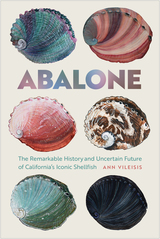
From rocky coves at Mendocino and Monterey to San Diego’s reefs, abalone have held a cherished place in California culture for millennia. Prized for iridescent shells and delectable meat, these unique shellfish inspired indigenous artisans, bohemian writers, California cuisine, and the popular sport of skin diving, but also became a highly coveted commercial commodity. Mistakenly regarded as an inexhaustible seafood, abalone ultimately became vulnerable to overfishing and early impacts of climate change.
As the first and only comprehensive history of these once abundant but now tragically imperiled shellfish, Abalone guides the reader through eras of discovery, exploitation, scientific inquiry, fierce disputes between sport and commercial divers, near-extinction, and determined recovery efforts. Combining rich cultural and culinary history with hard-minded marine science, grassroots activism, and gritty politics, Ann Vileisis chronicles the plight of California’s abalone species and the growing biological awareness that has become crucial to conserve these rare animals into the future.
Abalone reveals the challenges of reckoning with past misunderstandings, emerging science, and political intransigence, while underscoring the vulnerability of wild animals to human appetites and environmental change. An important contribution to the emerging field of marine environmental history, this is a must-read for scientists, conservationists, environmental historians, and all who remember abalone fondly.
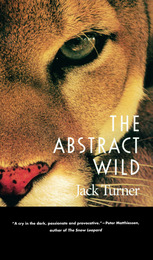
How wild is wilderness and how wild are our experiences in it, asks Jack Turner in the pages of The Abstract Wild. His answer: not very wild. National parks and even so-called wilderness areas fall far short of offering the primal, mystic connection possible in wild places. And this is so, Turner avows, because any managed land, never mind what it's called, ceases to be wild. Moreover, what little wildness we have left is fast being destroyed by the very systems designed to preserve it.
Natural resource managers, conservation biologists, environmental economists, park rangers, zoo directors, and environmental activists: Turner's new book takes aim at these and all others who labor in the name of preservation. He argues for a new conservation ethic that focuses less on preserving things and more on preserving process and "leaving things be." He takes off after zoos and wilderness tourism with a vengeance, and he cautions us to resist language that calls a tree "a resource" and wilderness "a management unit."
Eloquent and fast-paced, The Abstract Wild takes a long view to ask whether ecosystem management isn't "a bit of a sham" and the control of grizzlies and wolves "at best a travesty." Next, the author might bring his readers up-close for a look at pelicans, mountain lions, or Shamu the whale. From whatever angle, Turner stirs into his arguments the words of dozens of other American writers including Thoreau, Hemingway, Faulkner, and environmentalist Doug Peacock.
We hunger for a kind of experience deep enough to change our selves, our form of life, writes Turner. Readers who take his words to heart will find, if not their selves, their perspectives on the natural world recast in ways that are hard to ignore and harder to forget.
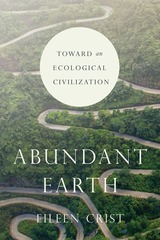
Crist argues that to do so would require a two-pronged approach. Scaling down calls upon us to lower the global human population while working within a human-rights framework, to deindustrialize food production, and to localize economies and contract global trade. Pulling back calls upon us to free, restore, reconnect, and rewild vast terrestrial and marine ecosystems. However, the pervasive worldview of human supremacy—the conviction that humans are superior to all other life-forms and entitled to use these life-forms and their habitats—normalizes and promotes humanity’s ongoing expansion, undermining our ability to enact these linked strategies and preempt the mounting suffering and dislocation of both humans and nonhumans.
Abundant Earth urges us to confront the reality that humanity will not advance by entrenching its domination over the biosphere. On the contrary, we will stagnate in the identity of nature-colonizer and decline into conflict as we vie for natural resources. Instead, we must chart another course, choosing to live in fellowship within the vibrant ecologies of our wild and domestic cohorts, and enfolding human inhabitation within the rich expanse of a biodiverse, living planet.
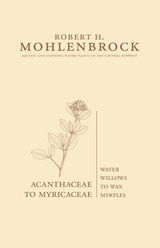
Veteran botanist, scientific author, and professor Robert H. Mohlenbrock brings the full depth of his expertise and scholarship to his latest book, Acanthaceae to Myricaceae: Water Willows to Wax Myrtles, the third of four volumes in the Aquatic and Standing Water Plants of the Central Midwest series. This easy-to-use illustrated reference guide covers aquatic and standing water plants for the states of Iowa, Illinois, Indiana, Ohio, Kansas, Missouri, Nebraska, and Kentucky (excluding the biologically distinct Cumberland Mountain region of eastern Kentucky), from spearmint to wintergreen, from aster to waterwort.
The volume identifies, describes, and organizes species in three groups, including truly aquatic plants, which spend their entire life with their vegetative parts either completely submerged or floating on the water’s surface; emergents, which are usually rooted under water with their vegetative parts standing above the water’s surface; and wetland plants, which live most or all of their lives out of water, but which can live at least three months in water.
Mohlenbrock lists the taxa alphabetically, and within each taxon, he describes the species with the scientific names he deems most appropriate (indicating if his opinion differs from that of the U.S. Fish and Wildlife Service), common names, identification criteria, line drawings, geographical distribution, habitat description, and official U.S. Fish and Wildlife Service wetlands designation as described by the National Wetland Inventory Section in 1988.
Acanthaceae to Myricaceae is an essential reference for state and federal employees who deal with environmental conservation and mitigation issues in aquatic and wetland plants. It is also a useful guide for students and instructors in college and university courses focusing on the identification of aquatic and wetland plants.
Accidental Gravity negotiates the difficult edge between a naive belief in an enduring, unassailable natural world and the equally naive belief that human life takes place in some unnatural, more mediated context. The title refers to the accidental but nonetheless meaningful nexus where the personal meets and combines with the universal—those serendipitous moments when the individual life connects to the larger rhythms of time and planet.
Although many of the practical and intellectual traditions that make up modern science date back centuries, the category of “science” itself is a relative novelty. In the early eighteenth century, the modern German word that would later mean “science,” naturwissenschaft, was not even included in dictionaries. By 1850, however, the term was in use everywhere. Acolytes of Nature follows the emergence of this important new category within German-speaking Europe, tracing its rise from an insignificant eighteenth-century neologism to a defining rallying cry of modern German culture.
Today’s notion of a unified natural science has been deemed an invention of the mid-nineteenth century. Yet what Denise Phillips reveals here is that the idea of naturwissenschaft acquired a prominent place in German public life several decades earlier. Phillips uncovers the evolving outlines of the category of natural science and examines why Germans of varied social station and intellectual commitments came to find this label useful. An expanding education system, an increasingly vibrant consumer culture and urban social life, the early stages of industrialization, and the emergence of a liberal political movement all fundamentally altered the world in which educated Germans lived, and also reshaped the way they classified knowledge.

In recent years scholars have begun to question the cultural values underlying our view of Nature. Kevin Dann contributes to this debate by juxtaposing two radically different “Arcadian” experiments founded by Manhattanites seeking cultural renewal through contact with the natural world.
Dann focuses first on initiatives carried out by the American Museum of Natural History and the Eugenics Record Office from 1910 to 1940 within Harriman State Park in the Ramapo Mountains. He argues that these diverse expressions of the early “back-to-nature” movement are united by their biological materialism, or “Naturalism,” which became integral to the popular culture of educated metropolitan Americans in the early twentieth century.
He then compares this activity to the contemporary efforts at nearby Threefold Farm, where anthroposophists--followers of Rudolf Steiner's“spiritual science”--developed a program of natural scientific research and education that directly opposed Darwinian explanations of natural history, social Darwinian views of human society, and reductionist scientific methods. By challenging scientific “fact” with spiritual scientific descriptions of supersensible phenomena, the Threefold Farm initiative offered Americans a new gospel of nature.
Amid the policy gridlock that characterizes most environmental debates, a new conservation movement has emerged. Known as “collaborative conservation,” it emphasizes local participation, sustainability, and inclusion of the disempowered, and focuses on voluntary compliance and consent rather than legal and regulatory enforcement. Encompassing a wide range of local partnerships and initiatives, it is changing the face of resource management throughout the western United States.
Across the Great Divide presents a thoughtful exploration of this new movement, bringing together writing, reporting, and analysis of collaborative conservation from those directly involved in developing and implementing the approach. Contributors examine:
- the failure of traditional policy approaches
- recent economic and demographic changes that serve as a backdrop for the emergence of the movement
- the merits of, and drawbacks to, collaborative decision-making
- the challenges involved with integrating diverse voices and bringing all sectors of society into the movement
In addition, the book offers in-depth stories of eight noteworthy collaborative initiatives -- including the Quincy Library Group, Montana's Clark Fork River, the Applegate Partnership, and the Malpai Borderlands -- that explore how different groups have organized and acted to implement their goals.
Among the contributors are Ed Marston, George Cameron Coggins, David Getches, Andy Stahl, Maria Varela, Luther Propst, Shirley Solomon, William Riebsame, Cassandra Moseley, Lynn Jungwirth, and others. Across the Great Divide is an important work for anyone involved with collaborative conservation or the larger environmental movement, and for all those who care about the future of resource management in the West.
Patagonia. The name connotes the exotic and a distance that seems nearly mythical. Tucked toward the toe of South America, this largely unsettled landscape is among the most varied and breathtaking in the world-aching in its beauty as it sweeps from the Andes through broad, arid steppes to pristine beaches and down to a famously violent sea. It is also home to a vast array of rare wildlife as diverse and fascinating as the region itself.
Act III in Patagonia is the first book to take an in-depth look at wildlife and human interaction in this spectacular area of the world. Written by William Conway, former president of the Wildlife Conservation Society, the book is unique in its concentration on the long Patagonian shoreline--populated by colorful cormorants, penguins, elephant seals, dolphins, sea lions, and numerous species of whale--and an increasing number of human beings.
Threatened by overfishing, invasive species, artificially abundant predators, and overgrazing, the Southern Cone of Patagonia is now the scene of a little-known conservation drama distinguished by the efforts of a dedicated group of local and foreign scientists determined to save one of the Earth's least-inhabited places. From tracking elephant seals in the Atlantic to following flamingos in the Andes, Act III in Patagonia takes readers to the sites where real-life field science is taking place. It further illuminates the ecology of the region through a history that reaches from the time of the Tehuelche Indians known by Magellan, Drake, and Darwin to the present.
Conway has helped to establish more than a dozen wildlife reserves in South America and is thus able not only to tell Patagonia's history, but to address its future. He brings a wealth of knowledge about Patagonia and its wildlife and responds to the difficult questions of how the interests of humans and wildlife are best balanced. He tells of the exciting collaborations among the Wildlife Conservation Society and its national and provincial partners to develop region-wide programs to save wildlife in steppes, coast, and sea, demonstrating that, with public support, there is hope for this stunning corner of the world. Though singular in their details, the conservation efforts Conway spotlights are a microcosm of what is happening in dozens of sites around the world.
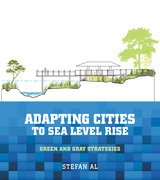
As cities build more flood-management infrastructure to adapt to the effects of a changing climate, they must go beyond short-term flood protection and consider the long-term effects on the community, its environment, economy, and relationship with the water.
Adapting Cities to Sea Level Rise, by infrastructure expert Stefan Al, introduces design responses to sea-level rise, drawing from examples around the globe. Going against standard engineering solutions, Al argues for approaches that are integrated with the public realm, nature-based, and sensitive to local conditions and the community. He features design responses to building resilience that creates new civic assets for cities. For the first time, the possible infrastructure solutions are brought together in a clear and easy-to-read format.
The first part of the book looks at the challenges for cities that have historically faced sea-level rise and flooding issues, and their response in resiliency through urban design. He presents diverse case studies from New Orleans to Ho Chi Minh to Rotterdam, and draws best practices and urban design typologies for the second part of the book.
Part two is a graphic catalogue of best-practices or resilience strategies. These strategies are organized into four categories: hard protect, soft protect, store, and retreat. The benefits and challenges of each strategy are outlined and highlighted by a case study showing where that strategy has been applied.
Any professional or policymaker in coastal areas seeking to protect their communities from the effects of climate change should start with this book. With the right solutions, Al shows, sea-level rise can become an opportunity to improve our urban areas and landscapes, rather than a threat to our communities.

Adaptive Strategies and Population Ecology of Northern Grouse was first published in 1988. Minnesota Archive Editions uses digital technology to make long-unavailable books once again accessible, and are published unaltered from the original University of Minnesota Press editions.
This book is at once a major reference to the species of grouse that inhabit North America and the Holarctic and a synthesis of all the available data on their ecology, sociobiology, population dynamics, and management. The book undertakes to answer two long-standing questions in population ecology: what actually regulates the numbers within a population, and what are the breeding and survival strategies evolved in this northern environment? For Volume I, editors Arthur T. Bergerud and Michael W. Gratson have drawn together their own work and that of colleagues in North America, Iceland, and Norway—in all, eleven research studies, averaging six years' duration, on eight species of grouse. These studies deal with the blue and ruffed grouse of the forest habitat; the sharp-tailed grouse, prairie chicken, and sage grouse of the prairie or steppe; and the white-tailed, rick, and willow ptarmigan found in alpine and arctic tundras. The authors describe the rich repertoire of behavior patterns developed by the hen and the cock to achieve their two primary objectives—first, to stay alive, and then to breed. Volume II, primarily the work of Bergerud, synthesizes the evidence in Volume I and in the grouse research literature from a theoretical perspective. Several potentially controversial sociobiological hypotheses are advanced to account for flocking behavior, migration, dispersal, roosting and feeding behavior, mate choice and mating systems. The demographic analysis provides new insights into cycles of abundance, the limitation of numbers, and the demographic factors that determine densities. The contributors, besides Bergerud and Gratson: R.C. Davies, A. Gardarson, J.E. Hartzler, R.A. Huempfner, D.A. Jenni, D.H. Mossop, S. Myrberget, R.E. Page, R.K. Schmidt, W.D. Svedarsky, and J.R. Tester.
Adaptive Strategies and Population of Northern Grouse was first published in 1988. Minnesota Archive Editions uses digital technology to make long-unavailable books once again accessible, and are published unaltered from the original University of Minnesota Press editions.
The first volume contains eleven studies of eight grouse species; the second contains primarily the work of Bergerud, which utilizes the evidence in the first volume to advance theories of behavior and offer new demographic insights.
This second volume contains primarily the work of Bergerud, which utilizes the evidence in the first volume to advance theories of behavior and offer new demographic insights.
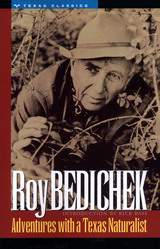
A classic since its first publication in 1947, Adventures with a Texas Naturalist distills a lifetime of patient observations of the natural world. This reprint contains a new introduction by noted nature writer Rick Bass.
Forerunners: Ideas First is a thought-in-process series of breakthrough digital publications. Written between fresh ideas and finished books, Forerunners draws on scholarly work initiated in notable blogs, social media, conference plenaries, journal articles, and the synergy of academic exchange. This is gray literature publishing: where intense thinking, change, and speculation take place in scholarship.
Aesthetic experience is one of the fundamental ways that we develop a relationship to our natural surroundings. Emily Brady provides a comprehensive study of this type of experience and the central philosophical issues related to it, developing her own original theory of aesthetic appreciation of nature. She provides useful background to the current debate and an up-to-date critical appraisal of contemporary theories.
The context of the contemporary debate is laid out through a discussion of aesthetic experience and aesthetic qualities; early theories of aesthetic appreciation of nature, including the beautiful, the sublime, and the picturesque; and differences between artistic and environmental appreciation and interpretation. Brady situates her own approach in relation to a set of noncognitive accounts of appreciation. Her "integrated aesthetic" brings together various features of appreciation, including the senses, emotion, and imagination, with a reappraisal of the concept of disinterestedness. These ideas are further developed within the more practical domains of aesthetic judgment and education of the environment and through an examination of the role of aesthetic value in environmental conservation.
Arnold Berleant of Long Island University, a pioneer in this area of research, has declared Brady’s work, “admirably comprehensive coverage of the subject.” Julie C. Van Camp of California State University, Long Beach, has said, “The bibliography is priceless. . . . The discussions of such philosophers as Kant and Dewey seem plausible and understandable to an audience of students and the educated public.” This book will be valuable to readers interested in such wide-ranging subjects as philosophy, aesthetics, ethics, ecology, conservation, environmental policy-making, geography, and landscape architecture.
In June 1960, a young faculty wife named Alzada Kistner and her husband David, a promising entomologist, left their 18-month old daughter in the care of relatives and began what was to be a four month scientific expedition in the Belgian Congo. Three weeks after their arrival, the country was gripped by a violent revolution trapping the Kistners in its midst. Despite having to find their way out of numerous life-threatening situations, the Kistners were not to be dissuaded. An emergency airlift by the United States Air Force brought them to safety in Kenya where they continued their field work.
Thus began three decades of adventures in science. In An Affair with Africa, Alzada Kistner describes her family's African experience -- the five expeditions they took beginning with the trip to the Belgian Congo in 1960 and ending in 1972-73 with a nine-month excursion across southern Africa. From hunching over columns of ants for hours on end while seven months pregnant to eating dinner next to Idi Amin, Kistner provides a lively and humor-filled account of the human side of scientific discovery. Her wonderfully detailed stories clearly show why, despite hardship and danger -- and contrary to all of society's expectations -- she could not forsake accompanying her husband on his expeditions, and, to this day, continues to find the world "endlessly beckoning, a lively bubbling cauldron of questions and intrigue."
In the spirit of Beryl Markham's West with the Night and Isak Dinesen's Out of Africa, An Affair with Africa shares with readers the thoughts and experiences of a remarkable woman, one whose unquenchable thirst for adventure led her into a series of almost unimaginable situations. Readers -- from armchair travelers fascinated by stories of Africa to scientists familiar with the Kistners's work but unaware of the lengths to which they went to gather their data -- will find An Affair with Africa a rare treasure.
How do we experience the virtual environments we encounter in literature and film on the sensory and emotional level? How do environmental narratives invite us to care for human and nonhuman others who are put at risk? And how do we feel about the speculative futures presented to us in ecotopian and ecodystopian texts? Weik von Mossner explores these central questions that are important to anyone with an interest in the emotional appeal and persuasive power of environmental narratives.
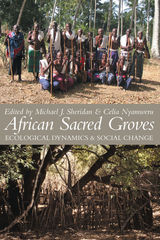
book by an international group of scholars and conservation practitioners provides a methodological framework for understanding these forests by examining their ecological characteristics, delineating how they relate to social dynamics and historical contexts, exploring their ideological aspects, and evaluating their strengths and weaknesses as sites for community-based resource management and the conservation of cultural and biological diversity.
In After Eden, Kirkpatrick Sale answers these questions in a radically new way. Integrating research in paleontology, archaeology, and anthropology, he points to the beginning of big-game hunting as the origin of Homo sapiens’ estrangement from the natural world. Sale contends that a new, recognizably modern human culture based on the hunting of large animals developed in Africa some 70,000 years ago in response to a fierce plunge in worldwide temperature triggered by an enormous volcanic explosion in Asia. Tracing the migration of populations and the development of hunting thousands of years forward in time, he shows that hunting became increasingly adversarial in relation to the environment as people fought over scarce prey during Europe’s glacial period between 35,000 and 10,000 years ago. By the end of that era, humans’ idea that they were the superior species on the planet, free to exploit other species toward their own ends, was well established.
After Eden is a sobering tale, but not one without hope. Sale asserts that Homo erectus, the variation of the hominid species that preceded Homo sapiens and survived for nearly two million years, did not attempt to dominate the environment. He contends that vestiges of this more ecologically sound way of life exist today—in some tribal societies, in the central teachings of Hinduism and Buddhism, and in the core principles of the worldwide environmental movement—offering redemptive possibilities for ourselves and for the planet.
An Artforum Best Book of the Year
A Legal Theory Bookworm Book of the Year
“After Nature argues that we will deserve the future only because it will be the one we made. We will live, or die, by our mistakes.” —Christine Smallwood, Harper’s
Nature no longer exists apart from humanity. Henceforth, the world we will inhabit is the one we have made. Geologists have called this new planetary epoch the Anthropocene, the Age of Humans. The geological strata we are now creating record industrial emissions, industrial-scale crop pollens, and the disappearance of species driven to extinction. Climate change is planetary engineering without design. These facts of the Anthropocene are scientific, but its shape and meaning are questions for politics—a politics that does not yet exist. After Nature develops a politics for this post-natural world.
“Dazzling…Purdy hopes that climate change might spur yet another change in how we think about the natural world, but he insists that such a shift will be inescapably political…For a relatively slim volume, this book distills an incredible amount of scholarship—about Americans’ changing attitudes toward the natural world, and about how those attitudes might change in the future.”
—Ross Andersen, The Atlantic
Ben A. Minteer and Stephen J. Pyne bring together a stunning consortium of voices comprised of renowned scientists, historians, philosophers, environmental writers, activists, policy makers, and land managers to negotiate the incredible challenges that environmentalism faces. Some call for a new, post-preservationist model, one that is far more pragmatic, interventionist, and human-centered. Others push forcefully back, arguing for a more chastened and restrained vision of human action on the earth. Some try to establish a middle ground, while others ruminate more deeply on the meaning and value of wilderness. Some write on species lost, others on species saved, and yet others discuss the enduring practical challenges of managing our land, water, and air.
From spirited optimism to careful prudence to critical skepticism, the resulting range of approaches offers an inspiring contribution to the landscape of modern environmentalism, one driven by serious, sustained engagements with the critical problems we must solve if we—and the wild garden we may now keep—are going to survive the era we have ushered in.
Contributors include: Chelsea K. Batavia, F. Stuart (Terry) Chapin III, Norman L. Christensen, Jamie Rappaport Clark, William Wallace Covington, Erle C. Ellis, Mark Fiege, Dave Foreman, Harry W. Greene, Emma Marris, Michelle Marvier, Bill McKibben, J. R. McNeill, Curt Meine, Ben A. Minteer, Michael Paul Nelson, Bryan Norton, Stephen J. Pyne, Andrew C. Revkin, Holmes Rolston III, Amy Seidl, Jack Ward Thomas, Diane J. Vosick, John A. Vucetich, Hazel Wong, and Donald Worster.
Swallowtail butterflies frolic on the wind. Vireos and rock wrens sing their hearts out by the recovering creek. Spiders and other predators chase their next meal. Through it all, John Alcock observes, records, and delights in what he sees. In a once-burnt area, life resurges. Plants whose seeds and roots withstood an intense fire become habitat for the returning creatures of the wild. After the Wildfire describes the remarkable recovery of wildlife in the Mazatzal Mountains in central Arizona.
It is the rare observer who has the dedication to revisit the site of a wildfire, especially over many years and seasons. But naturalist John Alcock returned again and again to the Mazatzals, where the disastrous Willow fire of 2004 burned 187 square miles. Documenting the fire’s aftermath over a decade, Alcock thrills at the renewal of the once-blackened region. Walking the South Fork of Deer Creek in all seasons as the years passed, he was rewarded by the sight of exuberant plant life that in turn fostered an equally satisfying return of animals ranging from small insects to large mammals.
Alcock clearly explains the response of chaparral plants to fire and the creatures that reinhabit these plants as they come back from a ferocious blaze: the great spreadwing damselfly, the western meadowlark, the elk, and birds and bugs of rich and colorful varieties. This book is at once a journey of biological discovery and a celebration of the ability of living things to reoccupy a devastated location. Alcock encourages others to engage the natural world—even one that has burnt to the ground.

A suspicious mind.
Sextus Empiricus (ca. AD 160–210), exponent of scepticism and critic of the Dogmatists, was a Greek physician and philosopher, pupil and successor of the medical sceptic Herodotus (not the historian) of Tarsus. He probably lived for years in Rome and possibly also in Alexandria and Athens. His three surviving works are Outlines of Pyrrhonism (three books on the practical and ethical scepticism of Pyrrho of Elis, ca. 360–275 BC, as developed later, presenting also a case against the Dogmatists); Against the Dogmatists (five books dealing with the Logicians, the Physicists, and the Ethicists); and Against the Professors (six books: Grammarians, Rhetors, Geometers, Arithmeticians, Astrologers, and Musicians). These two latter works might be called a general criticism of professors of all arts and sciences. Sextus’ work is a valuable source for the history of thought especially because of his development and formulation of former sceptic doctrines.
The Loeb Classical Library edition of Sextus Empiricus is in four volumes.

"Extraordinarily well documented . . . remarkably clear. This is
the most comprehensive coverage of these issues to date. It will be required
reading for some time." -- Lawrence Busch, Michigan State University
"Krimsky and Wrubel not only describe the components of agricultural
biotechnology, they address and analyze controversies involving the risks
and benefits of new technologies. Coverage of technical to social components
of agricultural biotechnology is unusually complete and thorough. Their
even-handed and comprehensive approach to these topics is rare and extremely
valuable." -- Richard Weinzierl, University of Illinois
Modern agriculture is being transformed by the genetic alteration of
seeds, animals, and microorganisms, a process that has produced such products
as flavor saver tomatoes and crops resistant to specific insects or herbicides.
Agricultural Biotechnology and the Environment is the first comprehensive
overview of the ongoing transformation of agriculture, exploring the impact
of genetic engineering from scientific, social, ethical, and ecological
perspectives.
Sheldon Krimsky and Roger Wrubel detail the impact the new generation
of products is expected to have on agricultural practice and the environment
and assess the degree to which current trends in biotechnology match earlier
expectations. They also analyze the social and political response to innovations
resulting from genetic technology.
Closely examined in each of three areas--transgenic plants, genetically
engineered microorganisms, and transgenic animals--are technical and scientific
problems, social controversies, and anticipated environmental impacts.
An objective, detailed look at a subject of interest to a broad spectrum
of readers, Agricultural Biotechnology and the Environment will
be of interest to researchers in the new biotechnology fields as well
as to educated general readers and policymakers.
A volume in the series The Environment and the Human Condition

Agroforestry -- the practice of integrating trees and other large woody perennials on farms and throughout the agricultural landscape -- is increasingly recognized as a useful and promising strategy that diversifies production for greater social, economic, and environmental benefits. Agroforestry and BiodiversityConservation in Tropical Landscapes brings together 46 scientists and practitioners from 13 countries with decades of field experience in tropical regions to explore how agroforestry practices can help promote biodiversity conservation in human-dominated landscapes, to synthesize the current state of knowledge in the field, and to identify areas where further research is needed.
Agroforestry and Biodiversity Conservation in Tropical Landscapes is the first comprehensive synthesis of the role of agroforestry systems in conserving biodiversity in tropical landscapes, and contains in-depth review chapters of most agroforestry systems, with examples from many different countries. It is a valuable source of information for scientists, researchers, professors, and students in the fields of conservation biology, resource management, tropical ecology, rural development, agroforestry, and agroecology.
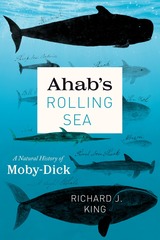
A revelation for Moby-Dick devotees and neophytes alike, Ahab’s Rolling Sea is a chronological journey through the natural history of Melville’s novel. From white whales to whale intelligence, giant squids, barnacles, albatross, and sharks, Richard J. King examines what Melville knew from his own experiences and the sources available to a reader in the mid-1800s, exploring how and why Melville might have twisted what was known to serve his fiction. King then climbs to the crow’s nest, setting Melville in the context of the American perception of the ocean in 1851—at the very start of the Industrial Revolution and just before the publication of On the Origin of Species. King compares Ahab’s and Ishmael’s worldviews to how we see the ocean today: an expanse still immortal and sublime, but also in crisis. And although the concept of stewardship of the sea would have been entirely foreign, if not absurd, to Melville, King argues that Melville’s narrator Ishmael reveals his own tendencies toward what we would now call environmentalism.
Featuring a coffer of illustrations and an array of interviews with contemporary scientists, fishers, and whale watch operators, Ahab’s Rolling Sea offers new insight not only into a cherished masterwork and its author but also into our evolving relationship with the briny deep—from whale hunters to climate refugees.

The natural world is filled with diverse—not to mention quirky and odd—animal behaviors. Consider the male praying mantis that continues to mate after being beheaded; the insects, insects, and birds that offer gifts of food in return for sex; the male hip-pocket frog that carries his own tadpoles; the baby spiders that dine on their mother; or the starfish that sheds an arm or two to escape a predator's grasp. In Ain’t Love Grand, Marty Crump—a tropical field biologist well known for her work with the reproductive behavior of amphibians—examines the bizarre conduct of animals as they mate, parent, feed, defend themselves, and communicate. More importantly, Crump points out that diverse and unrelated animals often share seemingly erratic behaviors—evidence, Crump argues, that these natural histories, though outwardly weird, are actually successful ways of living.

Adey examines how humans have managed and manipulated air as a natural resource and, in doing so, have been taken to the limits of survival, brought to high-altitude mountain peaks, subterranean worlds, and the troughs of new moral depths. Going beyond how vital air has been to our philosophical, scientific, and technological pursuits, he also reveals the way that the artistic and literary imagination has been lifted through air and how, in air, cultures have learned to express and inspire each other. Combining established figures such as Joseph Priestley, John Scott Haldane, and Marie Curie with unlikely individuals from painting, literature, and poetry, this richly illustrated book unlocks new perspectives into the science and culture of this pervasive but unnoticed substance.
Alabama Wildlife, Volume 5 offers a comprehensive update and provides a wealth of new information concerning changes and developments relative to the conservation status of wild animal populations of the state that have occurred in the decade since publication of the previous four volumes in 2004. Enhancements include the addition of any new or rediscovered taxon, species priority status changes, and taxonomic changes, plus the addition of the crayfishes, which were left out previously because so little was known about these understudied taxa.
A complete taxonomic checklist is included, which lists each imperiled taxon along with its priority designation followed by detailed species accounts. The eighty-four crayfish species accounts are comprised of a physical description (including a photograph, when available), distribution map, habitat summary, key life history, ecological information, basis for its status classification, and specific conservation and management recommendations. This revised expansion of the Alabama Wildlife set will be helpful to those seeking to broaden their knowledge of Alabama’s vast wildlife resources and will greatly influence future studies in the conservation of many of the imperiled species.
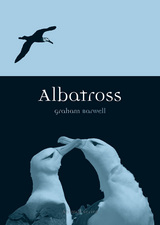
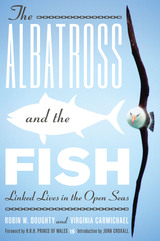
Breeding on remote ocean islands and spending much of its life foraging for food across vast stretches of seemingly empty seas, the albatross remains a legend for most people. And yet, humans are threatening the albatross family to such an extent that it is currently the most threatened bird group in the world. In this extensively researched, highly readable book, Robin W. Doughty and Virginia Carmichael tell the story of a potentially catastrophic extinction that has been interrupted by an unlikely alliance of governments, conservation groups, and fishermen.
Doughty and Carmichael authoritatively establish that the albatross's fate is linked to the fate of two of the highest-value table fish, Bluefin Tuna and Patagonian Toothfish, which are threatened by unregulated commercial harvesting. The authors tell us that commercial fishing techniques are annually killing tens of thousands of albatrosses. And the authors explain how the breeding biology of albatrosses makes them unable to replenish their numbers at the rate they are being depleted. Doughty and Carmichael set the albatross's fate in the larger context of threats facing the ocean commons, ranging from industrial overfishing to our habit of dumping chemicals, solid waste, and plastic trash into the open seas. They also highlight the efforts of dedicated individuals, environmental groups, fishery management bodies, and governments who are working for seabird and fish conservation and demonstrate that these efforts can lead to sustainable solutions for the iconic seabirds and the entire ocean ecosystem.
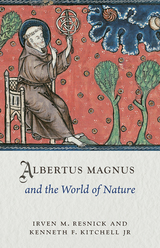
As well as being an important medieval theologian, Albertus Magnus (Albert the Great) also made significant contributions to the study of astronomy, geography, and natural philosophy, and his studies of the natural world led Pope Pius XII to declare Albert the patron saint of the natural sciences. Dante Alighieri acknowledged a substantial debt to Albert’s work, and in the Divine Comedy placed him equal with his celebrated student and brother Dominican, Thomas Aquinas.
In this book, the first full, scholarly biography in English for nearly a century, Irven M. Resnick and Kenneth F. Kitchell Jr. narrate Albert’s key contributions to natural philosophy and the history of science, while also revealing the insights into medieval life and customs that his writings provide.
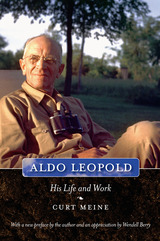
This biography of Aldo Leopold follows him from his childhood as a precocious naturalist to his profoundly influential role in the development of conservation and modern environmentalism in the United States. This edition includes a new preface by author Curt Meine and an appreciation by acclaimed Kentucky writer and farmer Wendell Berry.
But who is the man behind the words? How did he arrive at his profound and poetic insights, inspiring generations of environmentalists? Building on past scholarship and a fresh study of Leopold's unpublished archival materials, Julianne Lutz Newton retraces the intellectual journey generated by such passion and intelligence.
Aldo Leopold's Odyssey illuminates his lifelong quest for answers to a fundamental issue: how can people live prosperously on the land and keep it healthy, too? Leopold's journey took him from Iowa to Yale to the Southwest to Wisconsin, with fascinating stops along the way to probe the causes of early land settlement failures, contribute to the emerging science of ecology, and craft a new vision for land use.
More than a biography, this articulate volume is a guide to one man's intellectual growth, and an inspirational resource for anyone pondering the relationships between people and the land.
A decade later, as our very concept of wilderness is changing, Warren frames Leopold’s work in the context of the Anthropocene. With a new preface and foreword by Bill McKibben, the book underscores the ever-growing importance of Leopold’s ideas in an increasingly human-dominated landscape.
Drawing on unpublished archives, Warren traces Leopold’s quest to define and preserve land health. Leopold's journey took him from Iowa to Yale to the Southwest to Wisconsin, with fascinating stops along the way to probe the causes of early land settlement failures, contribute to the emerging science of ecology, and craft a new vision for land use.
Leopold’s life was dedicated to one fundamental dilemma: how can people live prosperously on the land and keep it healthy, too? For anyone compelled by this question, the Tenth Anniversary Edition of Aldo Leopold’s Odyssey offers insight and inspiration.
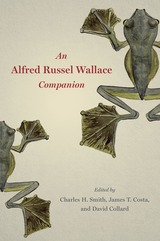
Wallace declared his eight years of exploration in southeast Asia to be “the central and controlling incident” of his life. As 2019 marks one hundred and fifty years since the publication of The Malay Archipelago, Wallace’s canonical work chronicling his epic voyage, this collaborative book gathers an interdisciplinary array of writers to celebrate Wallace’s remarkable life and diverse scholarly accomplishments. Wallace left school at the age of fourteen and was largely self-taught, a voracious curiosity and appetite for learning sustaining him throughout his long life. After years as a surveyor and builder, in 1848 he left Britain to become a professional natural history collector in the Amazon, where he spent four years. Then, in 1854, he departed for the Malay Archipelago. It was on this voyage that he constructed a theory of natural selection similar to the one Charles Darwin was developing, and the two copublished papers on the subject in 1858, some sixteen months before the release of Darwin’s On the Origin of Species.
But as the contributors to the Companion show, this much-discussed parallel evolution in thought was only one epoch in an extraordinary intellectual life. When Wallace returned to Britain in 1862, he commenced a career of writing on a huge range of subjects extending from evolutionary studies and biogeography to spiritualism and socialism. An Alfred Russel Wallace Companion provides something of a necessary reexamination of the full breadth of Wallace’s thought—an attempt to describe not only the history and present state of our understanding of his work, but also its implications for the future.
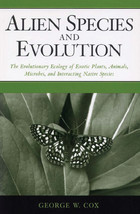
In Alien Species and Evolution, biologist George W. Cox reviews and synthesizes emerging information on the evolutionary changes that occur in plants, animals, and microbial organisms when they colonize new geographical areas, and on the evolutionary responses of the native species with which alien species interact.
The book is broad in scope, exploring information across a wide variety of taxonomic groups, trophic levels, and geographic areas. It examines theoretical topics related to rapid evolutionary change and supports the emerging concept that species introduced to new physical and biotic environments are particularly prone to rapid evolution. The author draws on examples from all parts of the world and all major ecosystem types, and the variety of examples used gives considerable insight into the patterns of evolution that are likely to result from the massive introduction of species to new geographic regions that is currently occurring around the globe.
Alien Species and Evolution is the only state-of-the-art review and synthesis available of this critically important topic, and is an essential work for anyone concerned with the new science of invasion biology or the threats posed by invasive species.

Some of the most striking news stories from natural disasters are of animals tied to trees or cats swimming through murky flood waters. Although the issue of evacuating pets has gained more attention in recent disasters, there are still many failures throughout local and national systems of managing pets and accommodating animals in emergencies.
All Creatures Safe and Sound is a comprehensive study of what goes wrong in our disaster response that shows how people can better manage pets in emergencies—from the household level to the large-scale, national level. Authors Sarah DeYoung and Ashley Farmer offer practical disaster preparedness tips while they address the social complexities that affect disaster management and animal rescue. They track the developments in the management of pets since Hurricane Katrina, including an analysis of the 2006 PETS Act, which dictates that animals should be included in hazard and disaster planning. Other chapters focus on policies in place for sheltering and evacuation, coalitions for animal welfare and the prevention of animal cruelty, organizational coordination, decision-making, preparedness, the role of social media in animal rescue and response, and how privilege and power shape disaster experiences and outcomes.
Using data they collected from seven major recent American disasters, ranging from Hurricanes Harvey, Irma, and Florence to the Camp, Tubbs, and Carr Fires in California and the Hawaii Lava Flow, the authors provide insights about the successes and failures of animal care. All Creatures Safe and Sound also outlines what still needs to change to best prepare for the safety and welfare of pets, livestock, and other companion animals in times of crisis.
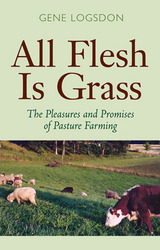
Amidst Mad Cow scares and consumer concerns about how farm animals are bred, fed, and raised, many farmers and homesteaders are rediscovering the traditional practice of pastoral farming. Grasses, clovers, and forbs are the natural diet of cattle, horses, and sheep, and are vital supplements for hogs, chickens, and turkeys. Consumers increasingly seek the health benefits of meat from animals raised in green paddocks instead of in muddy feedlots.
In All Flesh Is Grass: The Pleasures and Promises of Pasture Farming, Gene Logsdon explains that well-managed pastures are nutritious and palatable—virtual salads for livestock. Leafy pastures also hold the soil, foster biodiversity, and create lovely landscapes. Grass farming might be the solution for a stressed agricultural system based on an industrial model and propped up by federal subsidies.
In his clear and conversational style, Logsdon explains historically effective practices and new techniques. His warm, informative profiles of successful grass farmers offer inspiration and ideas. His narrative is enriched by his own experience as a “contrary farmer” on his artisan-scale farm near Upper Sandusky, Ohio.
All Flesh Is Grass will have broad appeal to the sustainable commercial farmer, the home-food producer, and all consumers who care about their food.
He employs an array of forms and voices, whether penning a break-up letter to America or a literary rock-n-roll road song dedicated to prairie scientists, or giving pregame pep talks to his son’s losing football team. Here, too, are moving portrayals of his father’s last effort as a small-town lawyer to defend the rights of abused women, and his own efforts as a writing teacher to honor the personal stories of his students.
From his Iowa backyard to the edge of the Arctic Circle, from the forgotten recesses of the body to the far reaches of the solar system, this book demonstrates the ways imagination and informed compassion can, as Price describes it, expand thousandfold the boundaries of what we might “have naïvely considered an individual self.”
In this transnational, interdisciplinary history, Carmel Finley answers these questions and more as she explores how government subsidies propelled the expansion of fishing from a coastal, in-shore activity into a global industry. While nation states struggling for ocean supremacy have long used fishing as an imperial strategy, the Cold War brought a new emphasis: fishing became a means for nations to make distinct territorial claims. A network of trade policies and tariffs allowed cod from Iceland and tuna canned in Japan into the American market, destabilizing fisheries in New England and Southern California. With the subsequent establishment of tuna canneries in American Samoa and Puerto Rico, Japanese and American tuna boats moved from the Pacific into the Atlantic and Indian Oceans after bluefin. At the same time, government subsidies in nations such as Spain and the Soviet Union fueled fishery expansion on an industrial scale, with the Soviet fleet utterly depleting the stock of rosefish (or Pacific ocean perch) and other groundfish from British Columbia to California. This massive global explosion in fishing power led nations to expand their territorial limits in the 1970s, forever changing the seas.
Looking across politics, economics, and biology, All the Boats on the Ocean casts a wide net to reveal how the subsidy-driven expansion of fisheries in the Pacific during the Cold War led to the growth of fisheries science and the creation of international fisheries management. Nevertheless, the seas are far from calm: in a world where this technologically advanced industry has enabled nations to colonize the oceans, fish literally have no place left to hide, and the future of the seas and their fish stocks is uncertain.
Carmel Finley reveals that the fallibility of MSY lies at its very inception—as a tool of government rather than science. The foundational doctrine of MSY emerged at a time when the US government was using science to promote and transfer Western knowledge and technology, and to ensure that American ships and planes would have free passage through the world’s seas and skies. Finley charts the history of US fisheries science using MSY as her focus, and in particular its application to halibut, tuna, and salmon fisheries. Fish populations the world over are threatened, and All the Fish in the Sea helps to sound warnings of the effect of any management policies divested from science itself.
Original voices from across the solarpunk movement, which positions ingenuity, generativity, and community as ways to resist hopelessness in response to the climate crisis.
Almanac for the Anthropocene collects original voices from across the solarpunk movement, which positions ingenuity, generativity, and community as beacons of resistance to the hopelessness often inspired by the climate crisis. To point toward practical implementation of the movement’s ideas, it gathers usable blueprints that bring together theory and practice. The result is a collection of interviews, recipes, exercises, DIY instructions, and more—all of it amounting to a call to create hope through action.
Inspired by a commitment to the idea that there can be no environmental justice without decolonial and racial justice, Almanac for the Anthropocene unites in a single volume both academic and practical responses to environmental crisis.
Eight hundred miles long, Baja California is the remotest region of the Sonoran desert, a land of volcanic cliffs, glistening beaches, fantastical boojum trees, and some of the greatest primitive murals in the Western Hemisphere. In Almost an Island, Berger recounts tales from his three decades in this extraordinary place, enriching his account with the peninsula's history, its politics, and its probable future—rendering a striking panorama of this land so close to the United States, so famous, and so little known.
Readers will meet a cast of characters as eccentric as the place itself: Brandy, who ranges the desert in a sand buggy while breathing from an oxygen tank; Katie, the chanteuse; nuns illegally raising pigs. They will encounter the tourist madness of a total eclipse, the story of the heir to an oasis, a musical Mata Hari, rare pronghorn antelope, and a pet tarantula. In prose as glittering as this desert engulfed by the sea, Almost an Island is a fascinating journey into the human heart of a spectacular land.
Vividly written and filled with fascinating insights, Almost Human chronicles the first fifteen years of Strum's fieldwork with the Pumphouse Gang. From the first paragraph, the reader is drawn along with Strum into the world of the baboons, learning about the tragedies and triumphs of their daily lives—and the lives of the scientists studying them. This edition includes a new introduction and epilogue that place Strum's research in the context of the current global conservation crisis and tell us what has happened to the Pumphouse Gang since the book was first published.
In these pages, the reader will witness the dramatic creation of the Tetons; the arrival of the first humans, bands of fur-clad Early Hunters who ventured into the valley some 10,000 years ago; the coming and going of the later Indian tribes; and the nearly incredible journey of John Colter, who back in 1807 is said to have been the first white man to have found his way through the wilderness and into Jackson Hole.
Here, too, the reader will meet the boisterous mountain men, trappers such as Jim Bridger and the former slave, Jim Beckwourth, who roamed the Rockies when St. Louis was still a frontier village; a little Mormon boy who ran away from home and lived with the Indians before becoming a Pony Express rider; a most unusual Englishman who describes a terrible tragedy that befell his Indian wife and half-breed children; a glory-seeking lieutenant who led six cavalrymen on a foolhardy expedition that almost cost them their lives; and a nineteenth-century president of the United States who took a pack trip through Jackson Hole, allegedly leaving a trail of empty bottles behind.
And there is more, much more--the story of the pioneers, those hardy few who dared to settle in this high and inhospitable land; the story of outlaws, a shoot-out, vigilance committees and an Indian "massacre" that embarrassed the New York Times; the story of the deliverance of the world's largest elk herd from the many perils that threatened it with extinction; and, finally, the story of the long and angry controversy over the preservation of the Tetons and Jackson Hole as a national park, a struggle called "one of the most remarkable conservation fights of the twentieth century."
All these and still other episodes in the long and colorful cavalcade of Jackson Hole are woven together to form a work of Western Americana rich in anecdotes and portraits of delightfully eccentric characters.
Leading landscape architect and planner Carl Steinitz has developed an innovative GIS-based simulation modeling strategy that considers the demographic, economic, physical, and environmental processes of an area and projects the consequences to that area of various land-use planning and management decisions. The results of such projections, and the approach itself, are known as "alternative futures."
Alternative Futures for Changing Landscapes presents for the first time in book form a detailed case study of one alternative futures project—an analysis of development and conservation options for the Upper San Pedro River Basin in Arizona and Sonora, Mexico. The area is internationally recognized for its high levels of biodiversity, and like many regions, it is facing increased pressures from nearby population centers, agriculture, and mining interests. Local officials and others planning for the future of the region are seeking to balance the needs of the natural environment with those of local human communities.
The book describes how the research team, working with local stakeholders, developed a set of scenarios which encompassed public opinion on the major issues facing the area. They then simulated an array of possible patterns of land uses and assessed the resultant impacts on biodiversity and related environmental factors including vegetation, hydrology, and visual preference. The book gives a comprehensive overview of how the study was conducted, along with descriptions and analysis of the alternative futures that resulted. It includes more than 30 charts and graphs and more than 150 color figures.
Scenario-based studies of alternative futures offer communities a powerful tool for making better-informed decisions today, which can help lead to an improved future. Alternative Futures for Changing Landscapes presents an important look at this promising approach and how it works for planners, landscape architects, local officials, and anyone involved with making land use decisions on local and regional scales.
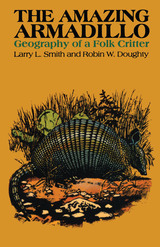
Perhaps no creature has so fired the imagination of a populace as the armadillo—that most ungainly, awkward, and timid little animal. Its detractors call it a varmint and wish it good speed from the Lone Star State and its other natural territories. But its supporters claim that it is the animal kingdom's representative of all that's truly Texan: tough, pioneering, adaptable, and generous in sharing its habitation with others. What is it that sets this quizzical little creature apart from the rest of the animal kingdom?
Larry L. Smith and Robin W. Doughty ably answer this question in The Amazing Armadillo: Geography of a Folk Critter. This informative book traces the spread of the nine-banded armadillo from its first notice in South Texas late in the 1840s to its current range east to Florida and north to Missouri. The authors look at the armadillo's natural history and habitat as well as the role of humans in promoting its spread, projecting that the animal is increasing in both range and number, continuing its ecological success in areas where habitat and climate are favorable.
The book also contributes to a long-standing research theme in geography—the relationship between humans and wildlife. It explores the armadillo's value to the medical community in current research in Hansen's Disease (leprosy) as well as commercial uses, and abuses, of the armadillo in recent times. Of particular note is the author's engaging look at the armadillo as a symbol of popular culture, the efforts now underway to make it a "totem animal" symbolizing the easy-going lifestyles of some Sunbelt cities, and the spread of the craze for armadilliana to other urban centers.
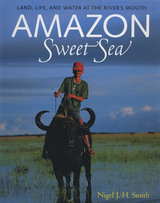
Far into the Atlantic Ocean, the outflow from the Amazon River creates a "sweet sea" of fresh water. At the river's mouth, a vast delta of river channels and marshes, floodplain and upland forests, open and scrub savannas, floating meadows, and mangrove swamps hosts an astonishingly diverse assemblage of plant and animal life. So rich is this biological treasure house that early European explorers deemed it inexhaustible.
In this highly readable book, Nigel Smith explores how human use of the Amazon estuary's natural resources has been affected by technological change, rapid urban growth, and accelerated market integration. Avoiding alarmist rhetoric, he shows how human intervention in the estuary has actually diversified agriculture and helped save floodplain forests from wanton destruction. His findings underscore the importance of understanding the history of land use and the ecological knowledge of local people when formulating development and conservation policies. The book will be of interest to everyone concerned with the fate of tropical forests, conserving biodiversity, and developing natural resources in a sustainable manner.
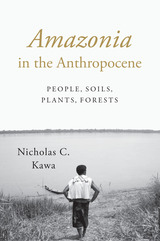
Widespread human alteration of the planet has led many scholars to claim that we have entered a new epoch in geological time: the Anthropocene, an age dominated by humanity. This ethnography is the first to directly engage the Anthropocene, tackling its problems and paradoxes from the vantage point of the world’s largest tropical rainforest.
Drawing from extensive ethnographic research, Nicholas Kawa examines how pre-Columbian Amerindians and contemporary rural Amazonians have shaped their environment, describing in vivid detail their use and management of the region’s soils, plants, and forests. At the same time, he highlights the ways in which the Amazonian environment resists human manipulation and control—a vital reminder in this time of perceived human dominance. Written in engaging, accessible prose, Amazonia in the Anthropocene offers an innovative contribution to debates about humanity’s place on the planet, encouraging deeper ecocentric thinking and a more inclusive vision of ecology for the future.
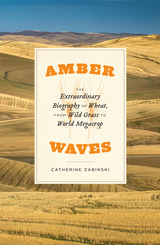
At breakfast tables and bakeries, we take for granted a grain that has made human civilization possible, a cereal whose humble origins belie its world-shaping power: wheat. Amber Waves tells the story of a group of grass species that first grew in scattered stands in the foothills of the Middle East until our ancestors discovered their value as a source of food. Over thousands of years, we moved their seeds to all but the polar regions of Earth, slowly cultivating what we now know as wheat, and in the process creating a world of cuisines that uses wheat seeds as a staple food. Wheat spread across the globe, but as ecologist Catherine Zabinski shows us, a biography of wheat is not only the story of how plants ensure their own success: from the earliest bread to the most mouthwatering pasta, it is also a story of human ingenuity in producing enough food for ourselves and our communities.
Since the first harvest of the ancient grain, we have perfected our farming systems to grow massive quantities of food, producing one of our species’ global mega crops—but at a great cost to ecological systems. And despite our vast capacity to grow food, we face problems with undernourishment both close to home and around the world. Weaving together history, evolution, and ecology, Zabinski’s tale explores much more than the wild roots and rise of a now-ubiquitous grain: it illuminates our complex relationship with our crops, both how we have transformed the plant species we use as food, and how our society—our culture—has changed in response to the need to secure food sources. From the origins of agriculture to gluten sensitivities, from our first selection of the largest seeds from wheat’s wild progenitors to the sequencing of the wheat genome and genetic engineering, Amber Waves sheds new light on how we grow the food that sustains so much human life.
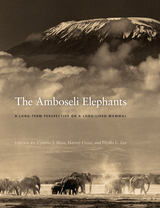
Elephants have fascinated humans for millennia. Aristotle wrote of them with awe; Hannibal used them in warfare; and John Donne called the elephant “Nature’s greatest masterpiece. . . . The only harmless great thing.” Their ivory has been sought after and treasured in most cultures, and they have delighted zoo and circus audiences worldwide for centuries. But it wasn’t until the second half of the twentieth century that people started to take an interest in elephants in the wild, and some of the most important studies of these intelligent giants have been conducted at Amboseli National Park in Kenya.
The Amboseli Elephants is the long-awaited summation of what’s been learned from the Amboseli Elephant Research Project (AERP)—the longest continuously running elephant research project in the world. Cynthia J. Moss and Harvey Croze, the founders of the AERP, and Phyllis C. Lee, who has been closely involved with the project since 1982, compile more than three decades of uninterrupted study of over 2,500 individual elephants, from newborn calves to adult bulls to old matriarchs in their 60s. Chapters explore such topics as elephant ecosystems, genetics, communication, social behavior, and reproduction, as well as exciting new developments from the study of elephant minds and cognition. The book closes with a view to the future, making important arguments for the ethical treatment of elephants and suggestions to aid in their conservation.
The most comprehensive account of elephants in their natural environment to date, The Amboseli Elephants will be an invaluable resource for scientists, conservationists, and anyone interested in the lives and loves of these extraordinary creatures.

Photographer and writer Tim Palmer has spent more than 25 years researching and experiencing life on the waterways of the American continent. He has travelled by canoe or raft on more than 300 different rivers, down wide placid streams and rough raging rapids. His journeys have taken him to every corner of the country, where he has witnessed and described the unique interaction of geographical, historical, and cultural forces that act upon our nation's vital arteries.
America by Rivers represents the culmination of that grand adventure. Palmer describes the rivers of America in all their remaining glory and tarnished beauty, as he presents a comprehensive tour of the whole of America's river systems. Filled with important new information as well as data gathered from hundreds of published sources, America by Rivers covers:
- the network of American waterways and how they fit together to form river systems
- unique features of individual rivers along with their size, length, and biological importance
- environmental problems affecting the rivers of different regions and what is being done to protect and restore them
- cultural connections and conflicts surrounding the rivers of each region
America by Rivers provides a new way of seeing our country, one that embraces the entire landscape and offers fresh avenues to adventure. It is compelling reading for anyone concerned about the health of our land and the future of our waterways.
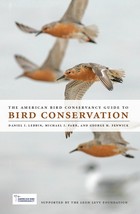
Whether we live in cities, in the suburbs, or in the country, birds are ubiquitous features of daily life, so much so that we often take them for granted. But even the casual observer is aware that birds don’t fill our skies in the number they once did. That awareness has spawned conservation action that has led to notable successes, including the recovery of some of the nation’s most emblematic species, such as the Bald Eagle, Brown Pelican, Whooping Crane, and Peregrine Falcon. Despite this, a third of all American bird species are in trouble—in many cases, they’re in imminent danger of extinction. The most authoritative account ever published of the threats these species face, The American Bird Conservancy Guide to Bird Conservation will be the definitive book on the subject.
The Guide presents for the first time anywhere a classification system and threat analysis for bird habitats in the United States, the most thorough and scientifically credible assessment of threats to birds published to date, as well as a new list of birds of conservation concern. Filled with beautiful color illustrations and original range maps, the Guide is a timely, important, and inspiring reference for birders and anyone else interested in conserving North America’s avian fauna. But this book is far more than another shout of crisis. The Guide also lays out a concrete and achievable plan of long-term action to safeguard our country’s rich bird life. Ultimately, it is an argument for hope. Whether you spend your early weekend mornings crouched in silence with binoculars in hand, hoping to check another species off your list, or you’ve never given much thought to bird conservation, you’ll appreciate the visual power and intellectual scope of these pages.
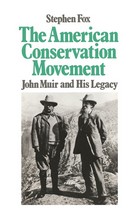
John Muir and His Legacy is at once a biography of this remarkable man—the first work to make unrestricted use of all of Muir’s manuscripts and personal papers—and a history of the century-old fight to save the natural environment. Stephen Fox traces the conservation movement's diverse, colorful, and tumultuous history, from the successful campaign to establish Yosemite National Park in 1890 to the movement's present day concerns of nuclear waste and acid rain.
Conservation has run a cyclical course, Fox contends, from its origins in the 1890s when it was the province of amateurs, to its takeover by professionals with quasi-scientific notions, and back, in the 1960s to its original impetus. Since then man’s view of himself as “the last endangered species” has sparked an explosion of public interest in environmentalism.
First published in 1981 by Little, Brown, this book was warmly received as both a biography of Muir and a history of the American conservation movement. It is now available in this new Wisconsin paperback edition.

When the terrorist attacks struck New York City on September 11, 2001, boat operators and waterfront workers quickly realized that they had the skills, the equipment, and the opportunity to take definite, immediate action in responding to the most significant destructive event in the United States in decades. For many of them, they were “doing what needed to be done.”
American Dunkirk shows how people, many of whom were volunteers, mobilized rescue efforts in various improvised and spontaneous ways on that fateful date. Disaster experts James Kendra and Tricia Wachtendorf examine the efforts through fieldwork and interviews with many of the participants to understand the evacuation and its larger implications for the entire practice of disaster management.
The authors ultimately explore how people—as individuals, groups, and formal organizations—pull together to respond to and recover from startling, destructive events. American Dunkirk asks, What can these people and lessons teach us about not only surviving but thriving in the face of calamity?
These eleven original essays by leading wildlife management and public policy scholars deal with policy issues, management perspectives, and the public attitudes about wildlife that shape the world of the wildlife manager.
Part 1 contains William R. Mangun’s introductory essay "Fish and Wildlife Policy Issues" and Daniel J. Decker et al.’s "Toward a Comprehensive Paradigm of Wildlife."
Ann H. Harvey’s "Interagency Conflict and Coordination in Wildlife Management," Philip S. Cook and Ted T. Cable’s "Developing Policy for Public Access to Private Land," and Debra A. Rose’s "Implementing Endangered Species Policy" make up part 2.
Part 3 consists of Cliff Hamilton’s "Pursuing a New Paradigm in Funding State Fish and Wildlife Programs" and Trellis G. Green’s "Use of Economics in Federal and State Fishery Allocation Decisions."
The fourth part includes James J. Kennedy and Jack Ward Thomas’s "Exit, Voice, and Loyalty of Wildlife Biologists in Public Natural Resource/Environmental Agencies"; Jean C. Mangun et al.’s "Nonconsumptive Wildlife-Associated Recreation in the United States"; and Barbara A. Knuth’s "Natural Resource Hazards: Managing to Protect People from the Resource."
In part 5, Joseph F. Coates looks to the future in "Public Policy Actors and Futures."
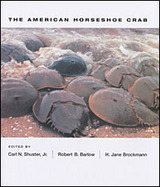
The American horseshoe crab that comes ashore on the East Coast in vast numbers to mate and nest is much the same creature that haunted the coast before the time of the dinosaurs. It is among the world's most intensely studied marine invertebrates, critical to our understanding of many groups of organisms, both modern and extinct, and crucial to the ecology of large estuaries such as the Delaware Bay. Some stocks of this great survivor, whose ancestors made it through the mass extinction some 286 million years ago, have been severely depleted today because of overfishing and habitat destruction.
Carl N. Shuster, Jr., H. Jane Brockmann, and Robert B. Barlow are at the forefront of research on Limulus polyphemus, and in this book they bring together twenty scientists who have worked on all aspects of horseshoe crab biology to compile the first fully detailed, comprehensive view of the species. An indispensable resource, the volume describes the horseshoe crab's behavior, natural history, and ecology; its anatomy, physiology, distribution, development, and life cycle; the puzzle of its immune system; and its present management and future conservation.
This powerful book is one of the first to examine the intersections between literature and the environment from the perspective of the oppressions of race, class, gender, and nature, and the first to review American Indian literature from the standpoint of environmental justice and ecocriticism. By examining such texts as Sherman Alexie's short stories and Leslie Marmon Silko's novel Almanac of the Dead, Adamson contends that these works, in addition to being literary, are examples of ecological criticism that expand Euro-American concepts of nature and place.
Adamson shows that when we begin exploring the differences that shape diverse cultural and literary representations of nature, we discover the challenge they present to mainstream American culture, environmentalism, and literature. By comparing the work of Native authors such as Simon Ortiz with that of environmental writers such as Edward Abbey, she reveals opportunities for more multicultural conceptions of nature and the environment.
More than a work of literary criticism, this is a book about the search to find ways to understand our cultural and historical differences and similarities in order to arrive at a better agreement of what the human role in nature is and should be. It exposes the blind spots in early ecocriticism and shows the possibilities for building common ground— a middle place— where writers, scholars, teachers, and environmentalists might come together to work for social and environmental change.
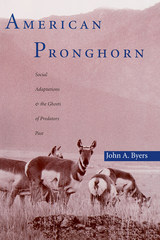
In this elegantly written book, John A. Byers argues that these mystifying behaviors evolved in response to the dangerous predators with whom pronghorn shared their grassland home for nearly four million years: among them fleet hyenas, lions, and cheetahs. Although these predators died out ten thousand years ago, pronghorn still behave as if they were present—as if they were living with the ghosts of predators past.
Byers's provocative hypothesis will stimulate behavioral ecologists and mammalogists to consider whether other species' adaptations are also haunted by selective pressures from predators past. The book will also find a ready audience among evolutionary biologists and paleontologists.
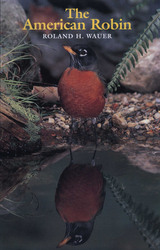
The American Robin is North America's most widespread songbird, with a range extending from Alaska, Canada, and Newfoundland to the highlands of Mexico and Guatemala. Its ruddy red breast and cheerful song have also made it one of our most beloved birds—as American as apple pie, as familiar a harbinger of spring as the first daffodil. Connecticut, Michigan, and Wisconsin have chosen the American Robin as their state bird, while a pair of robins grace the Canadian two dollar bill.
In this book, Roland Wauer offers a complete natural history of the American Robin for a popular audience. Combining his own observations as a field naturalist with data gleaned from the scientific literature, he describes the American Robin from every angle—appearance and biology, distribution, behavior, life cycle, and enemies and threats. In addition, he explores the legends and lore surrounding robins and offers suggestions for attracting them to your yard.
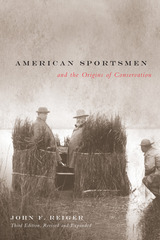
Beginning in the 1870s, sportsmen across America formed hundreds of organizations that not only fostered responsibility for game habitats but also spearheaded the creation of national parks, forests, and wildlife refuges. Reiger tells how these "gentlemen" hunters and anglers, outdoor journals like Forest and Stream, and organizations such as the Boone and Crockett Club—founded by Theodore Roosevelt, George Bird Grinnell, and other prominent sportsmen—lobbied for laws regulating the taking of wildlife, and helped to arouse public interest in wilderness preservation.
In this new edition, Reiger traces the antecedents of the sportsmen's conservation movement to the years before the Civil War. He extends his coverage into the present by demonstrating how the nineteenth-century sportsman's code—with its demand for taking responsibility for the total environment—continues to be the cornerstone of the sporting ethic. A new Epilogue depicts leading environmental thinker Aldo Leopold as the best-known exponent of this hunter-conservationist ideal.
Praised as "one of the seminal works in conservation history" by historian Hal Rothman, Reiger's book continues to be essential reading for all concerned with how earlier Americans regarded the land, demonstrating even to those who oppose hunting that they share with sportsmen and sportswomen an awareness and appreciation of our fragile environment.

Winner, ISHS Certificate of Excellence, 2015
Disaster relief as we know it did not exist when the deadliest tornado in U.S. history gouged a path from southeast Missouri through southern Illinois and into southwestern Indiana. The tri-state tornado of 1925 hugged the ground for 219 miles, generated wind speeds in excess of 300 miles per hour, and killed 695 people. Drawing on survivor interviews, public records, and newspaper archives, America’s Deadliest Twister offers a detailed account of the storm, but more important, it describes life in the region at that time as well as the tornado’s lasting cultural impact, especially on southern Illinois.
Author Geoff Partlow follows the storm from town to town, introducing us to the people most affected by the tornado, including the African American population of southern Illinois. Their narratives, along with the stories of the heroes who led recovery efforts in the years following, add a hometown perspective to the account of the storm itself.
In the discussion of the aftermath of the tornado, Partlow examines the lasting social and economic scars in the area, but he also looks at some of the technological firsts associated with this devastating tragedy. Partlow shows how relief efforts in the region began to change the way people throughout the nation thought about disaster relief, which led to the unified responses we are familiar with today.
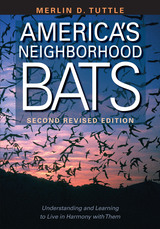
Since its first publication in 1988, America's Neighborhood Bats has changed the way we look at bats by underscoring their harmless and beneficial nature. In this second revised edition, Merlin Tuttle offers bat aficionados the most up-to-date bat facts, including a wealth of new information on bat house design and current threats to bat survival.
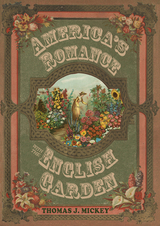
Named one of “the year’s best gardening books” by The Spectator (UK, Nov. 2014)
The 1890s saw a revolution in advertising. Cheap paper, faster printing, rural mail delivery, railroad shipping, and chromolithography combined to pave the way for the first modern, mass-produced catalogs. The most prominent of these, reaching American households by the thousands, were seed and nursery catalogs with beautiful pictures of middle-class homes surrounded by sprawling lawns, exotic plants, and the latest garden accessories—in other words, the quintessential English-style garden.
America’s Romance with the English Garden is the story of tastemakers and homemakers, of savvy businessmen and a growing American middle class eager to buy their products. It’s also the story of the beginnings of the modern garden industry, which seduced the masses with its images and fixed the English garden in the mind of the American consumer. Seed and nursery catalogs delivered aspirational images to front doorsteps from California to Maine, and the English garden became the look of America.
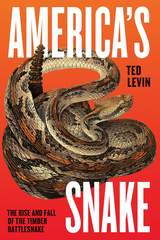
Yet most of us have never seen a timber rattler. Though they’re found in thirty-one states, and near many major cities, in contemporary America timber rattlesnakes are creatures mostly of imagination and innate fear.
Ted Levin aims to change that with America’s Snake, a portrait of the timber rattlesnake, its place in America’s pantheon of creatures and in our own frontier history—and of the heroic efforts to protect it against habitat loss, climate change, and the human tendency to kill what we fear. Taking us from labs where the secrets of the snake’s evolutionary history are being unlocked to far-flung habitats whose locations are fiercely protected by biologists and dedicated amateur herpetologists alike, Levin paints a picture of a fascinating creature: peaceable, social, long-lived, and, despite our phobias, not inclined to bite. The timber rattler emerges here as emblematic of America and also, unfortunately, of the complicated, painful struggles involved in protecting and preserving the natural world.
A wonderful mix of natural history, travel writing, and exemplary journalism, America’s Snake is loaded with remarkable characters—none more so than the snake at its heart: frightening, perhaps; endangered, certainly; and unquestionably unforgettable.
It all started in 1965 with a guy riding a whale. The guy was Flip Nicklin’s father, Chuck, and the whale was an unlucky Bryde’s Whale that had gotten caught up in some anchor line. Hoping to free the whale, Chuck and some friends took their boat as near as they could, and, just before they cut it loose, Chuck posed astride it for a photo.
That image, carried on wire services nationwide, became a sensation and ultimately changed the life of Chuck’s young son, Flip. In the decades since that day, Flip Nicklin has made himself into the world’s premier cetacean photographer. It’s no exaggeration to say that his photos, published in such venues as National Geographic and distributed worldwide, have virtually defined these graceful, powerful creatures in the mind of the general public—even as they helped open new ground in the field of marine mammalogy.
Among Giants tells the story of Nicklin’s life and career on the high seas, from his first ill-equipped shoots in the mid-1970s through his long association with the National Geographic Society to the present, when he is one of the founders of Whale Trust, a nonprofit conservation and research group. Nicklin is equal parts photographer, adventurer, self-trained scientist, and raconteur, and Among Giants reflects all those sides, matching breathtaking images to firsthand accounts of their making, and highlighting throughout the importance of conservation and new advances in our understanding of whale behavior. With Nicklin as our guide, we see not just whales but also our slowly growing understanding of their hidden lives, as well as the evolution of underwater photography—and the stunning clarity and drama that can be captured when a determined, daring diver is behind the lens.
Humpbacks, narwhals, sperm whales, orcas—these and countless other giants of the ocean parade through these pages, spouting, breaching, singing, and raising their young. Nicklin’s photographs bring us so completely into the underwater world of whales that we can’t help but feel awe, while winning, personal accounts of his adventures remind us of what it’s like to be a lone diver sharing their sea.
For anyone who has marveled at the majesty of whales in the wild, Among Giants is guaranteed to be inspiring, even moving—its unmatched images of these glorious beings an inescapable reminder of our responsibility as stewards of the ocean.
The local people know him as the "Man of the Forest," who refused to speak for fear of being put to work. And indeed the bear-like Sumatran orangutan, with his moon face, lanky arms, and shaggy red hair, does seem uncannily human; one of our closest relatives in the animal kingdom, the orangutan may have much to tell us about the origins of human intelligence, technology, and culture. In this book one of the world's leading experts on Sumatran orangutans, working in collaboration with nature photographer Perry van Duijnhoven, takes us deep into the disappearing world of these captivating primates.
In a narrative that is part adventure, part field journal, part call to conscience, Carel van Schaik introduces us to the colorful characters and complex lives of the orangutans who inhabit the vanishing forests of Sumatra. In compelling words and pictures, we come to know the personalities and temperaments of our primate cousins as they go about their days: building double-decker tree nests; using leaves as napkins, gloves, rain hats, and blankets, and sticks as backscratchers and probes; nurturing their infants longer and more intensely than any other nonhuman mammal. Here are the births and deaths, the first use of a tool, the defeat of a rival, the gradual loss of influence that, while fascinating to observe, may also help us to reconstruct human evolution.
The year he graduated from college, 22-year-old Noah Strycker was dropped by helicopter in a remote Antarctic field camp with two bird scientists and a three months’ supply of frozen food. His subjects: more than a quarter million penguins.
Compact, industrious, and approachable, the Adélie Penguins who call Antarctica home visit their breeding grounds each Antarctic summer to nest and rear their young before returning to sea. Because of long-term studies, scientists may know more about how these penguins will adjust to climate change than about any other creature in the world.
Bird scientists like Noah are less well known. Like the intrepid early explorers of Antarctica, modern scientists drawn to the frozen continent face an utterly inhospitable landscape, one that inspires, isolates, and punishes.
With wit, curiosity, and a deep knowledge of his subject, Strycker recounts the reality of life at the end of the Earth—thousand-year-old penguin mummies, hurricane-force blizzards, and day-to-day existence in below freezing temperatures—and delves deep into a world of science, obsession, and birds.
Among Penguins weaves a captivating tale of penguins and their researchers on the coldest, driest, highest, and windiest continent on Earth. Birders, lovers of the Antarctic, and fans of first-person adventure narratives will be fascinated by Strycker’s book.
Among the Aspen interweaves tales of companionable dogs, lucky hunts, and favorite coverts where quarry lurks with ruminations on the demise of hunting traditions, the sale of public lands and the privatization of places to hunt, the growing indifference to science, and the loss of wilderness on a planet increasingly transformed by the sprawl of humanity.
He weathered brutal temperatures in the wild to document the wolves and provided exceptional insights into wolf behavior. Haber’s writings and photographs reveal an astonishing degree of cooperation between wolf family members as they hunt, raise pups, and play, social behaviors and traditions previously unknown. With the wolves at risk of being destroyed by hunting and trapping, his studies advocated for a balanced approach to wolf management. His fieldwork registered as one of the longest studies in wildlife science and had a lasting impact on wolf policies.
Haber’s field notes, his extensive journals, and stories from friends all come together in Among Wolves to reveal much about both the wolves he studied and the researcher himself. Wolves continue to fascinate and polarize people, and Haber’s work continues to resonate.
Costa Rica has played, and continues to play, a pivotal role in the study of tropical biology as well as the development of ecotourism and ecoprospecting, in part because more than half of the amphibians and reptiles in Costa Rica are also found elsewhere in Central America. The Amphibians and Reptiles of Costa Rica will be an essential book for a wide audience of nature lovers, naturalists, ecotourists, field biologists, conservationists, government planners, and those interested in Central America more generally.
"Written for the enthusiast as well as for the field researcher, this work is an excellent reference source for each of the 396 species of amphibians and reptiles that can be found in Costa Rica. Includes complete full-color photographs of all known species in the region, as well as maps showing their distribution patterns. . . . A must-have book for any library with interests in this subject area."—J. Elliott, Southeastern Naturalist
Ancient Life of the Great Lakes Basin provides a one-of-a- kind look at ancient life in the Great Lakes. Written for the layperson and for the professional with biological or geological interest in the Great Lakes region, the book describes most of the common fossils found in this region. Detailed illustrations help identify many of the fossilized organisms that can be found today. Among the most interesting illustrations presented in the book are Gijsbert van Frankenhuyzen's conceptions of what the fossilized creatures may have looked like when they were alive. In addition, color illustrations by van Frankenhuyzen depict spectacular scenes of ancient life in the Great Lakes area.
Impressively broad in scope, Floyd's volume thoroughly explores Mesa Verde Country's important and historic ecosystem. Covering such diverse topics as geologic evolution, natural history, human history, bats, and fungi, to name but a few, this volume will appeal to scientists, resource managers, conservationists, and the lay reader with an interest in this most western of ecosystems. Technical Editors: David D. Hanna, William H. Romme and Marilyn Colyer
John Hirsch chronicles the research, scientists, and ephemera of the Harvard Forest—a 3,750-acre research forest in Petersham, Massachusetts. Essays by David Foster, Clarisse Hart, and Margot Anne Kelley expand the scope of this photographic exploration at the nexus of science and art.
Hirsch is attentive to both the quixotic and the beautiful, and has created a body of work that is about a desire to understand, describe, and predict the evolution of our surroundings, while showing reverence for the possibility of sublime moments in a place. The forest is here a microcosm for the world in which we live, and this work helps us envision the future we may inhabit, making the book a useful and engaging vantage from which to consider pressing issues of climate change, ecosystem resilience, and land and water use.
Known to today’s biologists primarily as the “Michx.” at the end of more than 700 plant names, André Michaux was an intrepid French naturalist. Under the directive of King Louis XVI, he was commissioned to search out and grow new, rare, and never-before-described plant species and ship them back to his homeland in order to improve French forestry, agriculture, and horticulture. He made major botanical discoveries and published them in his two landmark books, Histoire des chênes de l’Amérique (1801), a compendium of all oak species recognized from eastern North America, and Flora Boreali-Americana (1803), the first account of all plants known in eastern North America.
Straddling the fields of documentary editing, history of the early republic, history of science, botany, and American studies, André Michaux in North America: Journals and Letters, 1785–1797 is the first complete English edition of Michaux’s American journals. This copiously annotated translation includes important excerpts from his little-known correspondence as well as a substantial introduction situating Michaux and his work in the larger scientific context of the day.
To carry out his mission, Michaux traveled from the Bahamas to Hudson Bay and west to the Mississippi River on nine separate journeys, all indicated on a finely rendered, color-coded map in this volume. His writings detail the many hardships—debilitating disease, robberies, dangerous wild animals, even shipwreck—that Michaux endured on the North American frontier and on his return home. But they also convey the soaring joys of exploration in a new world where nature still reigned supreme, a paradise of plants never before known to Western science. The thrill of discovery drove Michaux ever onward, even ultimately to his untimely death in 1802 on the remote island of Madagascar.
We all have an animal story—the pet we loved, the wild animal that captured our childhood imagination, the deer the neighbor hit while driving. While scientific breakthroughs in animal cognition, the effects of global climate change and dwindling animal habitats, and the exploding interdisciplinary field of animal studies have complicated things, such stories remain a part of how we tell the story of being human. Animal Acts collects eleven exciting, provocative, and moving stories by solo performers, accompanied by commentary that places the works in a broader context.
Work by leading theater artists Holly Hughes, Rachel Rosenthal, Deke Weaver, Carmelita Tropicana, and others joins commentary by major scholars including Donna Haraway, Jane Desmond, Jill Dolan, and Nigel Rothfels. Una Chaudhuri’s introduction provides a vital foundation for understanding and appreciating the intersection of animal studies and performance. The anthology foregrounds questions of race, gender, sexuality, class, nation, and other issues central to the human project within the discourse of the “post human,” and will appeal to readers interested in solo performance, animal studies, gender studies, performance studies, and environmental studies.
Efforts to conserve wildlife populations and preserve biological diversity are often hampered by an inadequate understanding of animal behavior. How do animals react to gaps in forested lands, or to sport hunters? Do individual differences—in age, sex, size, past experience—affect how an animal reacts to a given situation? Differences in individual behavior may determine the success or failure of a conservation initiative, yet they are rarely considered when strategies and policies are developed.
Animal Behavior and Wildlife Conservation explores how knowledge of animal behavior may help increase the effectiveness of conservation programs. The book brings together conservation biologists, wildlife managers, and academics from around the world to examine the importance of general principles, the role played by specific characteristics of different species, and the importance of considering the behavior of individuals and the strategies they adopt to maximize fitness.
Each chapter begins by looking at the theoretical foundations of a topic, and follows with an exploration of its practical implications. A concluding chapter considers possible future contributions of research in animal behavior to wildlife conservation.
Illuminates the profound contingency of market life on animal figures and flesh
The juxtaposition of biopolitical critique and animal studies—two subjects seldom theorized together—signals the double-edged intervention of Animal Capital. Nicole Shukin pursues a resolutely materialist engagement with the “question of the animal,” challenging the philosophical idealism that has dogged the question by tracing how the politics of capital and of animal life impinge on one another in market cultures of the twentieth and early twenty-first centuries.
Shukin argues that an analysis of capital’s incarnations in animal figures and flesh is pivotal to extending the examination of biopower beyond its effects on humans. “Rendering” refers simultaneously to cultural technologies and economies of mimesis and to the carnal business of boiling down and recycling animal remains. Rendering’s accommodation of these discrepant logics, she contends, suggests a rubric for the critical task of tracking the biopolitical conditions and contradictions of animal capital across the spaces of culture and economy.From the animal capital of abattoirs and automobiles, films and mobile phones, to pandemic fear of species-leaping diseases such as avian influenza and mad cow, Shukin makes startling linkages between visceral and virtual currencies in animal life, illuminating entanglements of species, race, and labor in the conditions of capitalism. In reckoning with the violent histories and intensifying contradictions of animal rendering, Animal Capital raises provocative and pressing questions about the cultural politics of nature.
Why do America’s cities look the way they do? If we want to know the answer, we should start by looking at our relationship with animals.
Americans once lived alongside animals. They raised them, worked them, ate them, and lived off their products. This was true not just in rural areas but also in cities, which were crowded with livestock and beasts of burden. But as urban areas grew in the nineteenth century, these relationships changed. Slaughterhouses, dairies, and hog ranches receded into suburbs and hinterlands. Milk and meat increasingly came from stores, while the family cow and pig gave way to the household pet. This great shift, Andrew Robichaud reveals, transformed people’s relationships with animals and nature and radically altered ideas about what it means to be human.
As Animal City illustrates, these transformations in human and animal lives were not inevitable results of population growth but rather followed decades of social and political struggles. City officials sought to control urban animal populations and developed sweeping regulatory powers that ushered in new forms of urban life. Societies for the Prevention of Cruelty to Animals worked to enhance certain animals’ moral standing in law and culture, in turn inspiring new child welfare laws and spurring other wide-ranging reforms.
The animal city is still with us today. The urban landscapes we inhabit are products of the transformations of the nineteenth century. From urban development to environmental inequality, our cities still bear the scars of the domestication of urban America.
The spread of empires in the nineteenth century brought more than new territories and populations under Western sway. Animals were also swept up in the net of imperialism, as jungles and veldts became colonial ranches and plantations. A booming trade in animals turned many strange and dangerous species into prized commodities. Tigers from India, pythons from Malaya, and gorillas from the Congo found their way—sometimes by shady means—to the zoos of major U.S. cities, where they created a sensation.
Zoos were among the most popular attractions in the United States for much of the twentieth century. Stoking the public’s fascination, savvy zookeepers, animal traders, and zoo directors regaled visitors with stories of the fierce behavior of these creatures in their native habitats, as well as daring tales of their capture. Yet as tropical animals became increasingly familiar to the American public, they became ever more rare in the wild. Tracing the history of U.S. zoos and the global trade and trafficking in animals that supplied them, Daniel Bender examines how Americans learned to view faraway places and peoples through the lens of the exotic creatures on display.
Over time, as the zoo’s mission shifted from offering entertainment to providing a refuge for endangered species, conservation parks replaced pens and cages. The Animal Game recounts Americans’ ongoing, often conflicted relationship with zoos, decried as anachronistic prisons by animal rights activists even as they remain popular centers of education and preservation.
One summer evening in 1918, a leopard wandered into the gardens of an Indian palace. Roused by the alarms of servants, the prince’s eldest son and his entourage rode elephant-back to find and shoot the intruder. An exciting but insignificant vignette of life under the British Raj, we may think. Yet to the participants, the hunt was laden with symbolism. Carefully choreographed according to royal protocols, recorded by scribes and commemorated by court artists, it was a potent display of regal dominion over men and beasts alike. Animal Kingdoms uncovers the far-reaching cultural, political, and environmental importance of hunting in colonial India.
Julie E. Hughes explores how Indian princes relied on their prowess as hunters to advance personal status and solidify power. Believing that men and animals developed similar characteristics by inhabiting a shared environment, they sought out quarry—fierce tigers, agile boar—with traits they hoped to cultivate in themselves. Largely debarred from military activities under the British, they also used the hunt to establish meaningful links with the historic battlefields and legendary deeds of their ancestors.
Hunting was not only a means of displaying masculinity and heroism, however. Indian rulers strove to present a picture of privileged ease, perched in luxuriously outfitted shooting boxes and accompanied by lavish retinues. Their interest in being sumptuously sovereign was crucial to elevating the prestige of prized game. Animal Kingdoms will inform historians of the subcontinent with new perspectives and captivate readers with descriptions of its magnificent landscapes and wildlife.
READERS
Browse our collection.
PUBLISHERS
See BiblioVault's publisher services.
STUDENT SERVICES
Files for college accessibility offices.
RECENTLY PUBLISHED



UChicago Accessibility Resources
home | accessibility | search | about | contact us
BiblioVault ® 2001 - 2024
The University of Chicago Press