
 A SCHOLARLY BOOK REPOSITORY
1556 start with A start with A
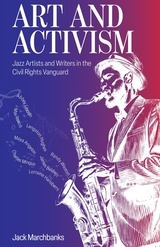
Explore how jazz legends and literary icons united art and activism, shaping the civil rights movement and transforming American culture during the pivotal period between 1955 and 1965.
Art and Activism explores the powerful, symbiotic relationships among artists such as Nina Simone, Abbey Lincoln, and Lena Horne and their literary counterparts—Lorraine Hansberry, Maya Angelou, and Langston Hughes. These creative figures positioned themselves as cultural thought leaders within the evolving civil rights movement. While the Jim Crow South was the movement’s operational front, Jack Marchbanks argues that New York City’s intellectual, cultural, and fundraising communities functioned as its strategic command center.
Readers who admire jazz legends like Duke Ellington, Dave Brubeck, Miles Davis, and Charles Mingus—and those fascinated by prominent African American writers like James Baldwin and Ralph Ellison—will discover how these artists intertwined their work with the civil rights struggle. The book examines their involvement in pivotal confrontations and their connections with key leaders such as the Reverend Dr. Martin Luther King Jr., Daisy Bates, Ella Baker, and Malcolm X.
By illuminating the intersection of art and activism, this study offers a fresh perspective on the pivotal decade from 1955 to 1965. It is an essential resource for undergraduate courses and an engaging read for anyone seeking to understand the civil rights era through a cultural lens.
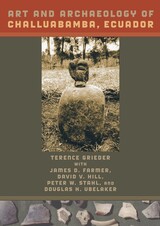
Challuabamba (chī-wa-bamba)—now a developing suburb of Cuenca, the principal city in the southern highlands of Ecuador—has been known for a century as an ancient site that produced exceptionally fine pottery in great quantities. Suspecting that Challuabamban ceramics might provide a link between earlier, preceramic culture and later, highly developed Formative period art, Terence Grieder led an archaeological investigation of the site between 1995 and 2001. In this book, he and the team of art historians and archaeologists who excavated at Challuabamba present their findings, which establish the community's importance as a center in a network of trade and artistic influence that extended to the Amazon River basin and the Pacific Coast.
Art and Archaeology of Challuabamba, Ecuador presents an extensive analysis of ceramics dating to 2100-1100 BC, along with descriptions of stamps and seals, stone and shell artifacts, burials and their offerings, human remains, and zooarchaeology. Grieder and his coauthors demonstrate that the pottery of Challuabamba fills a gap between early and late Formative styles and also has a definite connection with later highland styles in Peru. They draw on all the material remains to reconstruct the first clear picture of Challuabamba's prehistory, including agriculture and health, interregional contacts and exchange, red-banded incised ware and ceramic production, and shamanism and cosmology.
Because southern Ecuador has received relatively little archaeological study, Art and Archaeology of Challuabamba, Ecuador offers important baseline data for what promises to be a key sector of the prehistoric Andean region.
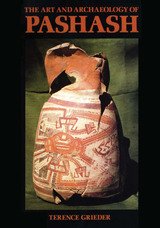
Among the vast treasures discovered in Peru since its conquest by Pizarro, only a small fraction has been excavated scientifically. The Art and Archaeology of Pashash is an account of the discovery and excavation of one of the richest Pre-Columbian burials ever scientifically excavated in Peru. The tomb and its offerings unearthed at Pashash, in the northern Andes, provide new perspectives on the cultural meaning of Andean funerary treasure.
About A.D. 500 the flexed body of an aristocrat was wrapped in cloth and set in a small tomb sealed by a heavy stone. Three separate offerings were put in place during the construction of the funerary temple above the tomb. Near the body were placed about fifty large gold pins with elaborately sculptured heads, the most important set of Peruvian metalwork scientifically recorded in context. Decorated pottery also accompanied the body. Beneath the doorway to the temple chamber above the tomb a second offering was placed, composed of vessels modeled as jaguars, snakes, and dragonlike combinations of the two, with other fine pottery, unfired clay bowls, and stone bowls. The images in this offering represented the theology of a shamanistic religion. A third offering of broken ritual vessels was placed in the earth fill just before the temple floor was built.
This collection of several hundred works of art found together and dated by radiocarbon, related to a stratigraphic sequence for the site as a whole, makes possible a unique history of the art of this highland Andean region. Grieder describes the phases of development and the symbolism of the previously little-known Recuay style of pottery and attributes many works to individuals, illuminating the role of artists and their relations with their patrons. Among the author's discoveries is evidence of the use of potters' wheels and lathes to make ceramic and stone vessels and ritual objects, reversing the long-held contention that these tools were unknown in Pre-Columbian America.
The Art and Archaeology of Pashash will be valuable to specialists in Andean archaeology as well as to those interested in the art and culture of Pre-Columbian America.
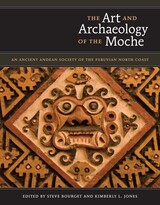
Renowned for their monumental architecture and rich visual culture, the Moche inhabited the north coast of Peru during the Early Intermediate Period (AD 100-800). Archaeological discoveries over the past century and the dissemination of Moche artifacts to museums around the world have given rise to a widespread and continually increasing fascination with this complex culture, which expressed its beliefs about the human and supernatural worlds through finely crafted ceramic and metal objects of striking realism and visual sophistication.
In this standard-setting work, an international, multidisciplinary team of scholars who are at the forefront of Moche research present a state-of-the-art overview of Moche culture. The contributors address various issues of Moche society, religion, and material culture based on multiple lines of evidence and methodologies, including iconographic studies, archaeological investigations, and forensic analyses. Some of the articles present the results of long-term studies of major issues in Moche iconography, while others focus on more specifically defined topics such as site studies, the influence of El Niño/Southern Oscillation on Moche society, the nature of Moche warfare and sacrifice, and the role of Moche visual culture in decoding social and political frameworks.

In this text, French art historian Anne Lafont examines the complexities and contradictions in Enlightenment-era ideas about race, focusing on the figurations of Africans and other people of color. Through studies of a wide range of eighteenth-century art, Lafont grounds her analysis in the objects themselves and, by doing so, highlights how visual works can reveal the values of the culture that produced them.
While Lafont locates—unsurprisingly—instances of the marginalization and objectification of Black people, she also draws attention to depictions that present African sitters as subjects in their own right. For example, Anne-Louis Girodet’s Portrait of Jean-Baptiste Belley (1797) offers a dignified, individualized representation of this formerly enslaved French politician from Saint-Domingue; and portraits of anonymous sitters show them as actual persons whose costumes and poses demonstrate their agency.
Ultimately, Lafont moves beyond artworks to consider the broader intellectual context of the Enlightenment, particularly ideas about freedom, equality, and universal human rights, which were anchored in visual culture and indexed by it. She reveals how these ideals often conflicted with the realities of colonialism and the shifting status of Black people during this era.
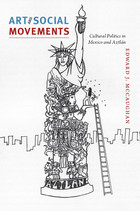
McCaughan argues that the social power of activist artists emanates from their ability to provoke people to see, think, and act in innovative ways. Artists, he claims, help to create visual languages and spaces through which activists can imagine and perform new collective identities and forms of meaningful citizenship. The artists' work that he discusses remains vital today—in movements demanding fuller democratic rights and social justice for working people, women, ethnic communities, immigrants, and sexual minorities throughout Mexico and the United States. Integrating insights from scholarship on the cultural politics of representation with structural analyses of specific historical contexts, McCaughan expands our understanding of social movements.
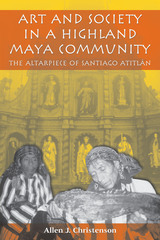
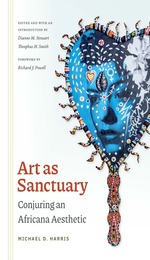
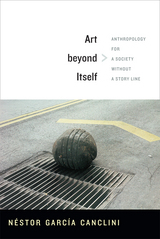
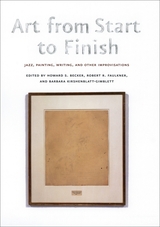
Art from Start to Finish gathers a unique group of contributors from the worlds of sociology, musicology, literature, and communications—many of them practicing artists in their own right—to discuss how artists from jazz musicians to painters work: how they coordinate their efforts, how they think, how they start, and, of course, how they finish their productions.
Specialists in the arts have much to say about the works themselves, which are often neglected by scholarsi n other fields. Art from Start to Finish takes a different tack by exploring the creative process itself and its social component. Any reader who makes art or has an interest in it will value this book.
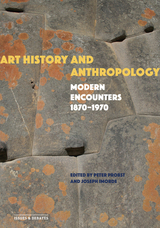
While today we are experiencing a revival of world art and the so-called global turn of art history, encounters between art historians and anthropologists remain rare. Even after a century and a half of interactions between these epistemologies, a skeptical distance prevails with respect to the disciplinary other. This volume is a timely exploration of the roots of this complex dialogue, as it emerged worldwide in the colonial and early postcolonial periods, between 1870 and 1970.
Exploring case studies from Australia, Austria, Brazil, France, Germany, and the United States, this volume addresses connections and rejections between art historians and anthropologists—often in the contested arena of “primitive art.” It examines the roles of a range of figures, including the art historian–anthropologist Aby Warburg, the modernist artist Tarsila do Amaral, the curator-impresario Leo Frobenius, and museum directors such as Alfred Barr and René d’Harnoncourt. Entering the current debates on decolonizing the past, this collection of essays prompts reflection on future relations between these two fields.

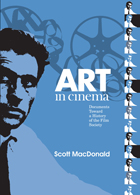
Scott MacDonald's Art in Cinema presents complete programs presented by the legendary society; dozens of previously unavailable letters between Stauffacher, his collaborators, and filmmakers including Maya Deren, Hans Richter, Vincent Minelli, and Man Ray; a reprint of the society's original catalog, which features essays by Henry Miller and others; and a wide range of other remarkable historical documents.
A companion to Cinema 16 (Temple), a documentary history of the first west coast film society, Art in Cinema provides cineastes, students, teachers, and scholars with extensive and fascinating documentation of one of the most important film societies in American history. Together or separately, the books provide an indispensable reference source for the beginning of this country's love affair with independent film.
Born in 1950s Australia, McDonald was placed in an oral deaf school when she was five. There, she was trained to communicate only in spoken English. Afterwards, she attended mainstream schools where she excelled with speechreading and hard work. Her determination led to achievements that proved her to be “the deaf girl that had made good.” Yet, despite her constant focus on fitting in the hearing world, McDonald soon realized that she missed her deaf schoolmates and desired to explore her closed-off feelings about being deaf.
When she reconnected with her friends, one urged her to write about her experiences to tell all about “the Forgotten Generation, the orally-raised deaf kids that no one wants to talk about.” In writing her memoir, McDonald did learn to reconcile her deaf-self with her “hearing-deaf” persona, and she realized that the art of being deaf is the art of life, the art of love.
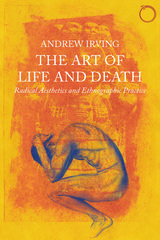
Encompassing twenty years of working alongside persons living with HIV/AIDS in New York, Irving documents the radical but often unspoken and unvoiced transformations in perception, knowledge, and understanding that people experience in the face of death. By bringing an “experience-near” ethnographic focus to the streams of inner dialogue, imagination, and aesthetic expression that are central to the experience of illness and everyday life, this monograph offers a theoretical, ethnographic, and methodological contribution to the anthropology of time, finitude, and the human condition. With relevance well-beyond the disciplinary boundaries of anthropology, this book ultimately highlights the challenge of capturing the inner experience of human suffering and hope that affect us all—of the trauma of the threat of death and the surprise of continued life.
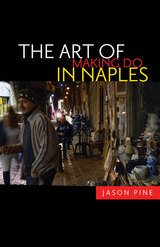
“In Naples, there are more singers than there are unemployed people.” These words echo through the neomelodica music scene, a vast undocumented economy animated by wedding singers, pirate TV, and tens of thousands of fans throughout southern Italy and beyond. In a city with chronic unemployment, this setting has attracted hundreds of aspiring singers trying to make a living—or even a fortune. In the process, they brush up against affiliates of the region’s violent organized crime networks, the camorra. In The Art of Making Do in Naples, Jason Pine explores the murky neomelodica music scene and finds himself on uncertain ground.
The “art of making do” refers to the informal and sometimes illicit entrepreneurial tactics of some Neapolitans who are pursuing a better life for themselves and their families. In the neomelodica music scene, the art of making do involves operating do-it-yourself recording studios and performing at the private parties of crime bosses. It can also require associating with crime boss-impresarios who guarantee their success by underwriting it with extortion, drug trafficking, and territorial influence. Pine, likewise “making do,” gradually realized that the completion of his ethnographic work also depended on the aid of forbidding figures.
The Art of Making Do in Naples offers a riveting ethnography of the lives of men who seek personal sovereignty in a shadow economy dominated, in incalculable ways, by the camorra. Pine navigates situations suffused with secrecy, moral ambiguity, and fears of ruin that undermine the anthropologist’s sense of autonomy. Making his way through Naples’s spectacular historic center and outer slums, on the trail of charmingly evasive neomelodici singers and unsettlingly elusive camorristi, Pine himself becomes a music video director and falls into the orbit of a shadowy music promoter who may or may not be a camorra affiliate.
Pine’s trenchant observations and his own improvised attempts at “making do” provide a fascinating look into the lives of people in the gray zones where organized crime blends into ordinary life.

MacDonald examines memes from feminist, queer, antiracist, and anticapitalist accounts on Instagram, as well as how meme genres and themes shift when they travel across different platforms and subcultures. By considering memes as a medium, she sheds light on how they operate within contemporary digital culture as a beacon for online public discourse that pushes against dominant norms.
"A provocative perspective on the cultural implications of political and social protest."—Library Journal
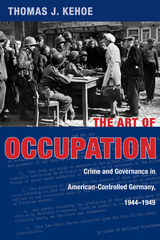
The literature describing social conditions during the post–World War II Allied occupation of Germany has been divided between seemingly irreconcilable assertions of prolonged criminal chaos and narratives of strict martial rule that precluded crime. In The Art of Occupation, Thomas J. Kehoe takes a different view on this history, addressing this divergence through an extensive, interdisciplinary analysis of the interaction between military government and social order.
Focusing on the American Zone and using previously unexamined American and German military reports, court records, and case files, Kehoe assesses crime rates and the psychology surrounding criminality. He thereby offers the first comprehensive exploration of criminality, policing, and both German and American fears around the realities of conquest and potential resistance, social and societal integrity, national futures, and a looming threat from communism in an emergent Cold War. The Art of Occupation is the fullest study of crime and governance during the five years from the first Allied incursions into Germany from the West in September 1944 through the end of the military occupation in 1949. It is an important contribution to American and German social, military, and police histories, as well as historical criminology.
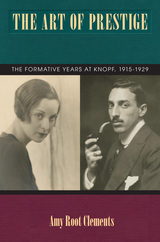
Capturing the little-known early history of Knopf, The Art of Prestige explores the origins of the company's rise to success during the Jazz Age, when Alfred and Blanche established themselves as literary impresarios on both sides of the Atlantic. Drawing on key archival documents from all phases of the publishing process, Amy Root Clements reconstructs the turning points and rhetorical exchanges that made Knopf's initial books noteworthy, from the acquisitions process to design, consumer marketing, and bookselling.
Lasting cornerstones of the young firm include alliances with pivotal figures in the world of graphic arts and book production and with European publishers who brought numerous Nobel Prize winners to the Borzoi list during the company's first fifteen years. Other featured luminaries include the American authors Willa Cather, Dashiell Hammett, and Langston Hughes. The Art of Prestige also examines Alfred Knopf's ancestry, up-bringing, and formal education at Columbia, as well as his apprenticeships with Frank Nelson Doubleday and Mitchell Kennerley—factors that would influence his business decisions for years to come.
The result is a portrait of innovative branding that seamlessly merged book production with book promotion in a literary landscape that was ripe for transformation.
In this innovative work, James Meyer turns to art criticism, theory, memoir, and fiction to examine the fascination with the long sixties and contemporary expressions of these cultural memories across the globe. Meyer draws on a diverse range of cultural objects that reimagine this revolutionary era stretching from the 1950s to the 1970s, including reenactments of civil rights, antiwar, and feminist marches, paintings, sculptures, photographs, novels, and films. Many of these works were created by artists and writers born during the long Sixties who were driven to understand a monumental era that they missed. These cases show us that the past becomes significant only in relation to our present, and our remembered history never perfectly replicates time past. This, Meyer argues, is precisely what makes our contemporary attachment to the past so important: it provides us a critical opportunity to examine our own relationship to history, memory, and nostalgia.
This is the first English-language monograph on the early history of maps in China, centering on those found in three tombs that date from the fourth to the second century BCE and constitute the entire known corpus of early Chinese maps (ditu). More than a millennium separates them from the next available map in the early twelfth century CE. Unlike extant studies that draw heavily from the history of cartography, this book offers an alternative perspective by mobilizing methods from art history, archaeology, material culture, religion, and philosophy. It examines the diversity of forms and functions in early Chinese ditu to argue that these pictures did not simply represent natural topography and built environments, but rather made and remade worlds for the living and the dead. Wang explores the multifaceted and multifunctional diagrammatic tradition of rendering space in early China.
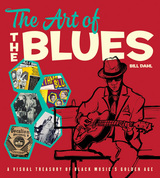
What will astonish readers who thumb through these pages is the amazing range of ways that the blues have been represented—whether via album covers, posters, flyers, 78 rpm labels, advertising, or other promotional materials. We see the blues as it was first visually captured in the highly colorful sheet music covers of the early twentieth century. We see striking and hard-to-find label designs from labels big (Columbia) and small (Rhumboogie). We see William Alexander’s humorous artwork on postwar Miltone Records; the cherished ephemera of concert and movie posters; and Chess Records’ iconic early albums designed by Don Bronstein, which would set a new standard for modern album cover design.
What these images collectively portray is the evolution of a distinctively American art form. And they do so in the richest way imaginable. The result is a sumptuous book, a visual treasury as alive in spirit as the music it so vibrantly captures.
Each chapter creates a biography of a single woman through an object, offering a new methodology that looks past texts alone to material culture in order to further understand early Jewish American women’s lives and restore their agency as creators of Jewish identity. While much of the available history was written by men, the objects that Leibman studies were made for and by Jewish women. Speaking to American Jewish life, women’s studies, and American history, The Art of the Jewish Family sheds new light on the lives and values of these women, while also revealing the social and religious structures that led to Jewish women being erased from historical archives.
The Art of the Jewish Family was the winner of three 2020 National Jewish Book Awards: the Celebrate 350 Award for American Jewish Studies, the Gerrard and Ella Berman Memorial Award for History, and the Barbara Dobkin Award for Women's Studies.
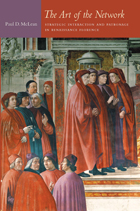
McLean scrutinized thousands of letters to and from Renaissance Florentines. He describes the social protocols the letters reveal, paying particular attention to the means by which Florentines crafted credible presentations of themselves. The letters, McLean contends, testify to the development not only of new forms of self-presentation but also of a new kind of self to be presented: an emergent, “modern” conception of self as an autonomous agent. They also bring to the fore the importance that their writers attached to concepts of honor, and the ways that they perceived themselves in relation to the Florentine state.
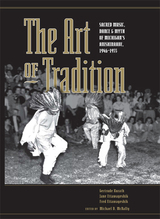
The Art of Tradition documents the complexity of Native life and culture at a critical juncture in Native American history, where the rekindling of pride in Native cultures characteristic of the later twentieth century met the generation of elders who spent their early years speaking Native tongues but who came of age in boarding schools and amid strong pressures of assimilation. Because this period was deemed by most ethnographers of the time to be one of "acculturation," marking the end of traditional Native cultures, the authors' appreciation for the integrity of mid-century Native culture stands out markedly from other scholarship of the day. The songs, dance steps, and stories collected here are evidence of the artful work of maintaining and breathing new life into traditions, often in contexts that seem anything but traditional, by indigenous elders and artists. As the editor notes, there are no "Native informants" in this study, only collaborators whose lives are shown to be as resilient as the repertories they performed.

The Art of Urbanism explores how the royal courts of powerful Mesoamerican centers represented their kingdoms in architectural, iconographic, and cosmological terms. Through an investigation of the ecological contexts and environmental opportunities of urban centers, the contributors consider how ancient Mesoamerican cities defined themselves and reflected upon their physical—and metaphysical—place via their built environment. Themes in the volume include the ways in which a kingdom’s public monuments were fashioned to reflect geographic space, patron gods, and mythology, and how the Olmec, Maya, Mexica, Zapotecs, and others sought to center their world through architectural monuments and public art.
This collection of papers addresses how communities leveraged their environment and built upon their cultural and historical roots as well as the ways that the performance of calendrical rituals and other public events tied individuals and communities to both urban centers and hinterlands. Twenty-three scholars from archaeology, anthropology, art history, and religious studies contribute new data and new perspectives to the understanding of ancient Mesoamericans’ own view of their spectacular urban and ritual centers.
In the series Politics, History and Social Change, edited by John C. Torpey

Arguing for the primacy of the arts in queer life, the contributors show how art and performance can constitute a form of critical theorizing rather than simply an illustration of it. In different ways, each author demonstrates how art works to invigorate queer critique. The first issue includes a special dossier on AIDS activist film and video, marking the twenty-fifth year of the AIDS pandemic, and essays on late-nineteenth-century male nudes, lesbian surrealism, homoerotic photography in the Deep South, and the transnational, transgender contexts of the Pulitzer Prize–winning play I Am My Own Wife. Essays in the second issue focus on a series of queer case studies, including gay power graphics and psychedelia, female duets on the Broadway stage, Keith Haring and racial politics, British Vogue in the 1920s, and lesbian-feminist magazines of the 1970s. The issue concludes with a dossier of three shorter pieces on queer art and performance: an interview with the Chicano drag street performer Robert Legoretta (“Cyclona”), an essay on blogs and the Five Lesbian Brothers, and a discussion of a rarely exhibited work about cruising and public space by the contemporary artist Glenn Ligon.
Contributors. Deborah Bright, Jill Dolan, Jens Giersdorf, Jason Goldman, Scott Herring, Lucas Hilderbrand, Alexandra Juhasz, Tirza Latimer, Glenn Ligon, Richard Meyer, Rachel Middleman, Ricardo Montez, Erica Rand, Christopher Reed, David Román, Jennifer Flores Sternad, Margo Hobbs Thompson, Stacy Wolf
Arguing for the primacy of the arts in queer life, the contributors show how art and performance can constitute a form of critical theorizing rather than simply an illustration of it. In different ways, each author demonstrates how art works to invigorate queer critique. The first issue includes a special dossier on AIDS activist film and video, marking the twenty-fifth year of the AIDS pandemic, and essays on late-nineteenth-century male nudes, lesbian surrealism, homoerotic photography in the Deep South, and the transnational, transgender contexts of the Pulitzer Prize–winning play I Am My Own Wife. Essays in the second issue focus on a series of queer case studies, including gay power graphics and psychedelia, female duets on the Broadway stage, Keith Haring and racial politics, British Vogue in the 1920s, and lesbian-feminist magazines of the 1970s. The issue concludes with a dossier of three shorter pieces on queer art and performance: an interview with the Chicano drag street performer Robert Legoretta (“Cyclona”), an essay on blogs and the Five Lesbian Brothers, and a discussion of a rarely exhibited work about cruising and public space by the contemporary artist Glenn Ligon.
Contributors. Deborah Bright, Jill Dolan, Jens Giersdorf, Jason Goldman, Scott Herring, Lucas Hilderbrand, Alexandra Juhasz, Tirza Latimer, Glenn Ligon, Richard Meyer, Rachel Middleman, Ricardo Montez, Erica Rand, Christopher Reed, David Román, Jennifer Flores Sternad, Margo Hobbs Thompson, Stacy Wolf


Sanchez argues that the seemingly hopeless cycle of violence experienced by Mexico in the 20th century, as reflected in its "crime genre," reveals a broader intrinsic cultural and political failure that suggests grave implications for the current state of crisis. Tracing the development of a national Mexican identity from the 1910 Mexican Revolution onward, Sanchez focuses on the indelible presence of violence and crime underlying the major works that contributed to a larger communal narrative.
Artful Assassins ultimately offers a panoramic overview of the evolution of Mexican arts and letters, as well as nationalism, by claiming murder and assassination as literary and cinematic motifs. The collapse of post-revolutionary political unity was presaged all along in Mexican culture, Sanchez argues. It need only to have been sought in the art of the nation.

Francis Watts Lee and his family hold a special place in the history of American photography. F. Holland Day completed a series of remarkable photographs of Lee's daughter Peggy, and the striking portrait of the child and her mother titled Blessed Art Thou among Women is one of Gertrude Käsebier's most iconic compositions. In Artful Lives, Patricia J. Fanning uses these and other significant images as guideposts to explore the Lee family and the art and culture of their age.
A social reform advocate, Francis Watts Lee was an artistic photographer and a talented printer, part of the circle of avant-garde artists and intellectuals who formed Boston's bohemia. He married twice, first Agnes Rand, an award-winning poet and children's book author, and later, after their divorce, Marion Lewis Chamberlain, a librarian and MIT-trained architect. Francis and Agnes's eldest daughter, Peggy, who was so integral to the work of pioneer Pictorialists, died at age seven of juvenile diabetes. Her sister, Alice, who lost her hearing in infancy, became a wood carver and sculptor.
Utilizing previously unknown family archives and institutional sources, Fanning traces the Lee family's story in the context of major artistic, political, social, and religious trends, including the Arts and Crafts movement, Christian Socialism, and Aestheticism, while also showing how their experiences reflected the national culture's evolving conceptions of family, gender, childhood, medicine, deaf education, and mourning. This richly drawn and gracefully written account of one family informs our understanding of this vibrant era, in Boston and well beyond.

Articulating Dissent analyses the new communicative strategies of coalition protest movements and how these impact on a mainstream media unaccustomed to fractured articulations of dissent.
Pollyanna Ruiz shows how coalition protest movements against austerity, war and globalisation build upon the communicative strategies of older single issue campaigns such as the anti-criminal justice bill protests and the women’s peace movement. She argues that such protest groups are dismissed in the mainstream for not articulating a ‘unified position’ and explores the way in which contemporary protesters stemming from different traditions maintain solidarity.
Articulating Dissent investigates the ways in which this diversity, so inherent in coalition protest, affects the movement of ideas from the political margins to the mainstream. In doing so this book offers an insightful and original analysis of the protest coalition as a developing political form.

Julija Šukys examines a series of five North American university and college campus shootings between 1966 and 2015: the École Polytechnique in Montreal, Concordia University in Montreal, Virginia Tech, University of Alabama–Huntsville, and Umpqua Community College in Roseburg, Oregon. These attacks involved students and faculty as both victims and perpetrators—that is, all the shooters were either faculty members or (in one case, would-be) students of the institution where the killings took place.
Šukys arrives at each site long after the killings have taken place: by now, the teddy bears, flowers, and crosses have been cleared away. Prying journalists are long gone. She sorts through myriad objects left at makeshift memorial sites. She talks for hours with a professor who survived an attack only because her colleague’s gun jammed as it was pointed at her head. She wanders and documents the reconfigured buildings made unrecognizable after the horrors that occurred within them. She reads tedious court transcripts, officious government-commissioned reports, and a troubling memoir written by a shooter’s mother and sifts through the mathematics papers that one campus shooter publishes from his prison cell.
Artifact weighs what it means to live in a place where students and their teachers are gunned down on a seemingly regular basis. It asks how we can continue to learn, teach, and live when nothing changes in response to these deaths. It attempts to speak into silence, to look at the pain of those who have come through trauma, and to meet their gazes without platitudes or triumphalism. The result is a searching book about care, memory, forgiveness, and survival.


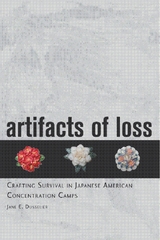
In Artifacts of Loss, Jane E. Dusselier looks at the lives of these internees through the lens of their art. These camp-made creations included flowers made with tissue paper and shells, wood carvings of pets left behind, furniture made from discarded apple crates, gardens grown next to their housingùanything to help alleviate the visual deprivation and isolation caused by their circumstances. Their crafts were also central in sustaining, re-forming, and inspiring new relationships. Creating, exhibiting, consuming, living with, and thinking about art became embedded in the everyday patterns of camp life and helped provide internees with sustenance for mental, emotional, and psychic survival.
Dusselier urges her readers to consider these often overlooked folk crafts as meaningful political statements which are significant as material forms of protest and as representations of loss. She concludes briefly with a discussion of other displaced people around the globe today and the ways in which personal and group identity is reflected in similar creative ways.
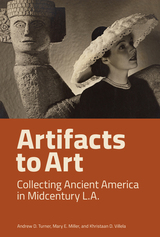
By the mid-twentieth century, ancient Mexican artifacts had undergone a striking transformation. Once dismissed as anthropological curiosities, sought after more for their ethnographic value than aesthetic merit, they had become prized artworks that were prominently displayed in major US museums, featured in advertisements and Hollywood films, and shown adorning the homes of celebrities.
At the center of this shift was Earl Stendahl, a savvy Los Angeles art dealer who played a pivotal role in shaping public and institutional perceptions of these objects. Through strategic marketing and a keen eye for opportunity, he repositioned these artifacts, selling them to an elite clientele that included movie stars, wealthy collectors, and museum curators. In doing so, he helped define a new canon of “ancient American art.”
Beneath this glamorous facade, however, lies a darker narrative of the looting, smuggling, and forgery that fueled this midcentury craze, exposing how the desire for authenticity and prestige often came at the expense of ethical collecting practices and cultural heritage. This book brings together art history, museum studies, and the politics of the antiquities trade, offering both a social history and a critical examination of how ancient Mexico’s past was sold in twentieth-century America.
This volume is published to accompany an exhibition on view at the Getty Research Institute at the Getty Center from June 23 to October 18, 2026.
Part ethnography and part historical study, The Artificial Ear is based on interviews with researchers who were pivotal in the early development and implementation of the new technology. Through an analysis of the scientific and clinical literature, Stuart Blume reconstructs the history of artificial hearing from its conceptual origins in the 1930s, to the first attempt at cochlear implantation in Paris in the 1950s, and to the widespread clinical application of the "bionic ear" since the 1980s.
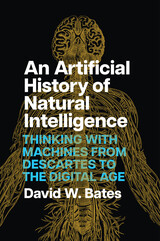
We imagine that we are both in control of and controlled by our bodies—autonomous and yet automatic. This entanglement, according to David W. Bates, emerged in the seventeenth century when humans first built and compared themselves with machines. Reading varied thinkers from Descartes to Kant to Turing, Bates reveals how time and time again technological developments offered new ways to imagine how the body’s automaticity worked alongside the mind’s autonomy. Tracing these evolving lines of thought, An Artificial History of Natural Intelligence offers a new theorization of the human as a being that is dependent on technology and produces itself as an artificial automaton without a natural, outside origin.
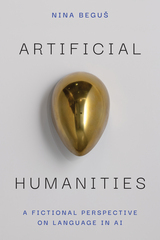
Highlighting the impact of human-like AI design, from gendered virtual assistants to romanticized social robots, the book shows how these technologies intersect with longstanding humanistic questions about the concepts of creativity and language as well as the relations between humans and machines. Additionally, the book explores AI’s applications in medical fields, particularly psychiatry and neurotechnology, including how AI interacts with the human body and mind to address conditions like paralysis. By emphasizing the philosophical and cultural implications of these technologies, Beguš highlights the need for responsible innovation that prioritizes human well-being as well as machine potential outside of human imitation. Accessible and thought-provoking, Artificial Humanities offers tools for analyzing and assessing technologies while they are being developed and invites readers to see how the humanities can guide us toward a more thoughtful future for AI.

Through algorithms and artificial intelligence (AI), objects and digital services now demonstrate new skills they did not have before, right up to replacing human activity through pre-programming or by making their own decisions. As part of the internet of things, AI applications are already widely used today, for example in language processing, image recognition and the tracking and processing of data.
This policy brief illustrates the potential negative and positive impacts of AI and reviews related policy strategies adopted by the UK, US, EU, as well as Canada and China. Based on an ethical approach that considers the role of AI from a democratic perspective and considering the public interest, the authors make policy recommendations that help to strengthen the positive impact of AI and to mitigate its negative consequences.
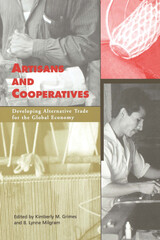
With new markets opening up for goods produced by artisans from all parts of the world, craft commercialization and craft industries have become key components of local economies. Now with the emergence of the Fair Trade movement and public opposition to sweatshop labor, many people are demanding that artisans in third world countries not be exploited for their labor.
Bringing together case studies from the Americas and Asia, this timely collection of articles addresses the interplay among subsistence activities, craft production, and the global market. It contributes to current debates on economic inequality by offering practical examples of the political, economic, and cultural issues surrounding artisan production as an expressive vehicle of ethnic and gender identity.
Striking a balance between economic and ethnographic analyses, the contributors observe what has worked and what hasn't in a range of craft cooperatives and show how some artisans have expanded their entrepreneurial role by marketing crafts in addition to producing them. Among the topics discussed are the accommodation of craft traditions in the global market, fair trade issues, and the emerging role of the anthropologist as a proactive agent for artisan groups.
As the gap between rich and poor widens, the fate of subsistence economies seems more and more uncertain. The artisans in this book show that people can and do employ innovative opportunities to develop their talents, and in the process strengthen their ethnic identities.
ContentsIntroduction: Facing the Challenges of Artisan Production in the Global Market / Kimberly M. Grimes and B. Lynne Milgram
Democratizing International Production and Trade: North American Alternative Trading Organizations / Kimberly M. Grimes
Building on Local Strengths: Nepalese Fair Trade Textiles / Rachel MacHenry
"That They Be in the Middle, Lord": Women, Weaving, and Cultural Survival in Highland Chiapas, Mexico / Christine E. Eber
The International Craft Market: A Double-Edged Sword for Guatemalan Maya Women / Martha Lynd
Of Women, Hope, and Angels: Fair Trade and Artisan Production in a Squatter Settlement in Guatemala City / Brenda Rosenbaum
Reorganizing Textile Production for the Global Market: Women’s Craft Cooperatives in Ifugao, Upland Philippines / B. Lynne Milgram
Textile Production in Rural Oaxaca, Mexico, and the Complexities of the Global Market for Handmade Crafts / Jeffrey H. Cohen
"Part-Time for Pin Money": The Legacy of Navajo Women’s Craft Production / Kathy M’Closkey
The Hard Sell: Anthropologists as Brokers of Crafts in the Global Marketplace / Andrew Causey
Postscript: To Market, To Market / June Nash
www.getty.edu/publications/artistryinbronze
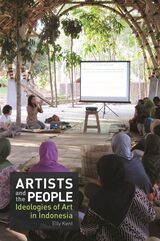
Exploring the work of established and emerging artists in Indonesia’s vibrant art world, this book examines why so many artists in the world’s largest archipelagic nation choose to work directly with people in their art practices. While the social dimension of Indonesian art makes it distinctive in the globalized world of contemporary art, Elly Kent is the first to explore this engagement in Indonesian terms. What are the historical, political, and social conditions that lie beneath these polyvalent practices? How do formal and informal institutions, communities, and artist-run initiatives contribute to the practices and discourses behind socially engaged art in Indonesia? Drawing on interviews with artists, translations of archival material, visual analyses, and participation in artists’ projects, this book presents a unique, interdisciplinary examination of ideologies of art in Indonesia.
Personal interviews are an important element in the book. Laura Lee, an elderly black woman from Chatham County, describes the quilts she made from funeral flower ribbons; witnesses and friends each remember varying details of the Duke University football player who single-handedly vanquished a gang of would-be muggers; Clyde Jones leads a safari through his backyard, which is filled with animals made of wood and cement that represent nontraditional folk art; the songs and sermon of a Primitive Baptist service flow together as one—“it tills you up all over”; Durham bluesman Willie Trice, one of a handful of Durham musicians who recorded in the 1930s and early 1940s, remembers when the active tobacco warehouses offered ready audiences—“They’d tip us a heap of change to play some music”; and Goldsboro tobacco auctioneer H. L. “Speed” Riggs chants 460 words per minute, five to six times faster than a normal conversational rate.

During the last third of the twentieth century, white supremacists moved, both literally and in the collective imagination, from midnight rides through Mississippi to broadband-wired cabins in Montana. But while rural Montana may be on the geographical fringe of the country, white supremacist groups were not pushed there, and they are far from "fringe elements" of society, as many Americans would like to believe. Evelyn Schlatter's startling analysis describes how many of the new white supremacist groups in the West have co-opted the region's mythology and environment based on longstanding beliefs about American character and Manifest Destiny to shape an organic, home-grown movement.
Dissatisfied with the urbanized, culturally progressive coasts, disenfranchised by affirmative action and immigration, white supremacists have found new hope in the old ideal of the West as a land of opportunity waiting to be settled by self-reliant traditional families. Some even envision the region as a potential white homeland. Groups such as Aryan Nations, The Order, and Posse Comitatus use controversial issues such as affirmative action, anti-Semitism, immigration, and religion to create sympathy for their extremist views among mainstream whites—while offering a "solution" in the popular conception of the West as a place of freedom, opportunity, and escape from modern society. Aryan Cowboys exposes the exclusionist message of this "American" ideal, while documenting its dangerous appeal.



France is often depicted as the model of assimilationist or republican integration in the international literature on immigration. However, rarely have surveys drilled down to provide individual responses from a double representative sample. In As French as Everyone Else?, Sylvain Brouard and Vincent Tiberj provide a comprehensive assessment of the state of integration in France and challenge the usual crisis of integration by systematically comparing the "new French" immigrants, as well as their children and grandchildren born in France, with a sample of the French general population.
The authors' survey considers a wide range of topics, including religious affiliation and religiosity, political attitudes and political efficacy, value systems (including gender roles, work ethics, and anti-Semitism), patterns of integration, multiple identities and national belongings, and affirmative action. As the authors show, despite existing differences, immigrants of Maghrebin, African, and Turkish origin share a wide scope of commonality with other French citizens.

Through the experiences and reflections of steelworkers, Jill A. Schennum demonstrates the significance of work, and particularly of industrial work, in giving meaning to people’s lives, identities, and sense of worth. She uses workers’ narratives and voices to show the importance of work space, time, and social relations, rejecting dominant interpretations of blue-collar workers as alienated from their work but well-paid and co-opted by a middle-class standard of living. Schennum covers thirty-five years of investment and disinvestment, managerial initiatives, transfer decisions, layoffs and downsizings, external transfers, the eventual bankruptcy of the Bethlehem Steel Corporation, and movement into retirement, unemployment, and new postindustrial jobs.
The very solidarities, rights of citizenship, and rule of law forged in the mill and built on by the union were constructed, in part, through exclusions based on race, ethnicity, gender, and region. These lines of fracture were mobilized to undermine working-class strength in the postindustrial period. Through the experiences of African American, Puerto Rican, coal country, and women workers in the steel mills, this book explores these issues of fracture and solidarity.

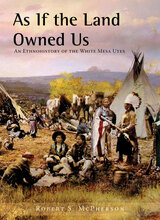
The Ute people of White Mesa have a long, colorful, but neglected history in the Four Corners region. Although they ranged into the Great Basin, Southwest, and parts of the Rocky Mountains as hunters, gatherers, and warriors, southeastern Utah was home. There they adapted culturally and physically to the austere environment while participating in many of the well-known events of their times.
In As If the Land Owned Us, Robert McPherson has gathered the wisdom of White Mesa elders as they imparted knowledge about their land—place names, uses, teachings, and historic events tied to specific sites—providing a fresh insight into the lives of these little-known people. While there have been few published studies about the Southern Utes, this ethnohistory is the first to mix cultural and historic events. The book illustrates the life and times of the White Mesa Utes as they faced multiple changes to their lifeways. It is time for their history to be told in their terms.
The legends Swedish Americans tell about their past are both similar to and distinct from those of others who migrated westward; they participated in settler colonialism while maintaining a sense of their specific, Swedish ethnicity. Unlike racial minority groups, Swedish Americans could claim membership in a majority white community without abandoning their cultural heritage. Their legends and local histories reflect that positioning. Attebery reveals how Swedish American legends are embedded within local history writing, how ostension and rhetoric operate in historical legends, and how vernacular local history writing works in tandem with historical legends to create a common message about a communal past. This impeccably researched study points to ways in which legends about the past possess qualities unique to their subgenre yet can also operate similarly to contemporary legends in their social impact.

These compelling poems by novelist and essayist Alain Mabanckou conjure nostalgia for an African childhood where the fauna, flora, sounds, and smells evoke snapshots of a life forever gone. Mabanckou’s poetry is frank and forthright, urging his compatriots to no longer be held hostage by the civil wars and political upheavals that have ravaged their country and to embrace a new era of self-determination where the village roosters can sing again.
These music-infused texts, beautifully translated by Nancy Naomi Carlson and supported by a grant from the National Endowment for the Arts, appear together in English for the first time. In these pages, Mabanckou pays tribute to his beloved mother, as well as to the regenerative power of nature, especially of trees, whose roots are a metaphor for the poet’s roots, anchored in the red earth of his birthplace. Mabanckou’s yearning for the land of his ancestors is even more poignant because he has been declared persona non grata in his homeland, now called Congo-Brazzaville, due to his biting criticism of the country’s regime. Despite these barriers, his poetry exudes hope that nature’s resilience will lead humankind on the path to redemption and reconciliation.
An exploration of war, violence, and sacrifice in precolonial Maya culture and its importance in religious practices.
As the Gods Kill delivers new insights into warfare, weaponry, violence, and human sacrifice among the ancient Maya. While attending to the particularity of a singular historical context, anthropologist and archaeologist Andrew Scherer also suggests that Maya practices have something to tell us about human propensities toward violence more broadly.
Focusing on moral frameworks surrounding deliberate injury and killing, Scherer examines Maya justifications of violence—in particular the obligations to one another, to ancestors, and to the gods that made violence not only permissible but necessary. The analysis isolates key themes underpinning the morality of violence—including justice, vengeance, payment, and costumbre (ritual)—and explores the ethics of violent agents, including warriors, ritual specialists, and the gods. Finally, Scherer addresses motivations for warfare, including the acquisition of spoils, tribute, captives, and slaves. An interdisciplinary case study of morality in an ancient society, As the Gods Kill synthesizes scholarship on an important dimension of precolonial American culture while taking stock of its implications for the social sciences at large.

People are living longer, creating an unexpected boom in the elderly population. Longevity is increasing not only in wealthy countries but in developing nations as well. In response, many policy makers and scholars are preparing for a global crisis of aging. But for too long, Western experts have conceived of aging as a universal predicament—one that supposedly provokes the same welfare concerns in every context. In the twenty-first century, Kavita Sivaramakrishnan writes, we must embrace a new approach to the problem, one that prioritizes local agendas and values.
As the World Ages is a history of how gerontologists, doctors, social scientists, and activists came to define the issue of global aging. Sivaramakrishnan shows that transnational organizations like the United Nations, private NGOs, and philanthropic foundations embraced programs that reflected prevailing Western ideas about development and modernization. The dominant paradigm often assumed that, because large-scale growth of an aging population happened first in the West, developing societies will experience the issues of aging in the same ways and on the same terms as their Western counterparts. But regional experts are beginning to question this one-size-fits-all model and have chosen instead to recast Western expertise in response to provincial conditions. Focusing on South Asia and Africa, Sivaramakrishnan shows how regional voices have argued for an approach that responds to local needs and concerns. The research presented in As the World Ages will help scholars, policy makers, and advocates appreciate the challenges of this recent shift in global demographics and find solutions sensitive to real life in diverse communities.
Stopping just before second-wave feminism brought an explosion in women's childhood autobiographical writing, As Told by Herself explores the genre's roots and development from the mid-nineteenth century, and recovers many works that have been neglected or forgotten. The result illustrates how previous generations of women—in a variety of places and circumstances—understood themselves and their upbringing, and how they thought to present themselves to contemporary and future readers.
As the first full-length work of scholarship to develop a tribally specific Indigenous Queer or Two-Spirit critique, Asegi Stories examines gender and sexuality in Cherokee cultural memory, how they shape the present, and how they can influence the future.
The theoretical and methodological underpinnings of Asegi Stories derive from activist, artistic, and intellectual genealogies, referred to as “dissent lines” by Maori scholar Linda Tuhiwai Smith. Driskill intertwines Cherokee and other Indigenous traditions, women of color feminisms, grassroots activisms, queer and Trans studies and politics, rhetoric, Native studies, and decolonial politics. Drawing from oral histories and archival documents in order to articulate Cherokee-centered Two-Spirit critiques, Driskill contributes to the larger intertribal movements for social justice.
Through a wide-ranging analysis of pivotal queer, feminist, and anti-racist movements; television and film; art and photography; and fiction, nonfiction, and theoretical texts, each chapter explores asexual erotics and demonstrates how asexuality has been vital to the formulation of intimate ways of knowing and being. Asexual Erotics assembles a compendium of asexual possibilities that speaks against the centralization of sex and sexuality, asking that we consider the ways in which compulsory sexuality is detrimental not only to asexual and nonsexual people but to all.

Ashes of Immortality attempts to see the satis through Hindu eyes, providing an extensive experiential and psychoanalytic account of ritual self-sacrifice and self-mutilation in South Asia. Based on fifteen years of fieldwork in northern India, where the state-banned practice of sati reemerged in the 1970s, as well as extensive textual analysis, Weinberger-Thomas constructs a radically new interpretation of satis. She shows that their self-immolation transcends gender, caste and class, region and history, representing for the Hindus a path to immortality.
The memory of the American Civil War took many forms over the decades after the conflict ended: personal, social, religious, and political. It was also remembered and commemorated by poets and fiction writers who understood that the war had bequeathed both historical and symbolic meanings to American culture. Although the defeated Confederacy became best known for producing a literature of nostalgia and an ideological defensiveness intended to protect the South's own version of history, authors loyal to the Union also confronted the question of what the memory of the war signified, and how to shape the literary response to that individual and collective experience.
In Ashes of the Mind, Martin Griffin examines the work of five Northerners—three poets and two fiction writers—who over a period of four decades tried to understand and articulate the landscape of memory in postwar America, and in particular in that part of the nation that could, with most justification, claim the victory of its beliefs and values. The book begins with an examination of the rhetorical grandeur of James Russell Lowell's Harvard Commemoration Ode, ranges across Herman Melville's ironic war poetry, Henry James's novel of North-South reconciliation, The Bostonians, and Ambrose Bierce's short stories, and ends with the bitter meditation on race and nation presented by Paul Laurence Dunbar's elegy “Robert Gould Shaw.” Together these texts reveal how a group of representative Northern writers were haunted in different ways by the memory of the
conflict and its fraught legacy.
Griffin traces a concern with individual and community loss, ambivalence toward victory, and a changing politics of commemoration in the writings of Lowell, Melville, James, Bierce, and Dunbar. What links these very different authors is a Northern memory of the war that became more complex and more compromised as the century went on, often replacing a sense of justification and achievement with a perception of irony and failed promise.

In 1972, philosopher of science Thomas Kuhn threw an ashtray at Errol Morris. This book is the result.
At the time, Morris was a graduate student. Now we know him as one of the most celebrated and restlessly probing filmmakers of our time, the creator of such classics of documentary investigation as The Thin Blue Line and The Fog of War. Kuhn, meanwhile, was—and, posthumously, remains—a star in his field, the author of The Structure of Scientific Revolutions, a landmark book that has sold well over a million copies and introduced the concept of “paradigm shifts” to the larger culture. And Morris thought the idea was bunk.
The Ashtray tells why—and in doing so, it makes a powerful case for Morris’s way of viewing the world, and the centrality to that view of a fundamental conception of the necessity of truth. “For me,” Morris writes, “truth is about the relationship between language and the world: a correspondence idea of truth.” He has no patience for philosophical systems that aim for internal coherence and disdain the world itself. Morris is after bigger game: he wants to establish as clearly as possible what we know and can say about the world, reality, history, our actions and interactions. It’s the fundamental desire that animates his filmmaking, whether he’s probing Robert McNamara about Vietnam or the oddball owner of a pet cemetery. Truth may be slippery, but that doesn’t mean we have to grease its path of escape through philosophical evasions. Rather, Morris argues powerfully, it is our duty to do everything we can to establish and support it.
In a time when truth feels ever more embattled, under siege from political lies and virtual lives alike, The Ashtray is a bracing reminder of its value, delivered by a figure who has, over decades, uniquely earned our trust through his commitment to truth. No Morris fan should miss it.

War, defeat, and the collapse of empire in 1945 touched every aspect of postwar Japanese society, profoundly shaping how the Japanese would reconstruct national identity and reengage with the peoples of Asia. While “America” offered a vision of re-genesis after cataclysmic ruin, “Asia” exposed the traumata of perpetration and the torment of ethnic responsibility. Obscured in the shadows of a resurgent postwar Japan lurked a postimperial specter whose haunting presence both complicated and confounded the spiritual rehabilitation of the nation.
Asia and Postwar Japan examines Japanese deimperialization from 1945 until the early twenty-first century. It focuses on the thought and activism of progressive activists and intellectuals as they struggled to overcome rigid preconceptions about “Asia,” as they grappled with the implications of postimperial responsibility, and as they forged new regional solidarities and Asian imaginaries. Simon Avenell reveals the critical importance of Asia in postwar Japanese thought, activism, and politics—Asia as a symbolic geography, Asia as a space for grassroots engagement, and ultimately, Asia as an aporia of identity and the source of a new politics of hope.

A pioneering study of historical developments that have shaped Asia concludes with this volume tracing the impact of ideas and cultures of people on the move across the continent, whether willingly or not.
In the final volume of Asia Inside Out, a stellar interdisciplinary team of scholars considers the migration of people—and the ideas, practices, and things they brought with them—to show the ways in which itinerant groups have transformed their culture and surroundings. Going beyond time and place, which animated the first two books, this third one looks at human beings on the move.
Human movement from place to place across time reinforces older connections while forging new ones. Erik Harms turns to Vietnam to show that the notion of a homeland as a marked geographic space can remain important even if that space is not fixed in people’s lived experience. Angela Leung traces how much of East Asia was brought into a single medical sphere by traveling practitioners. Seema Alavi shows that the British preoccupation with the 1857 Indian Revolt allowed traders to turn the Omani capital into a thriving arms emporium. James Pickett exposes the darker side of mobility in a netherworld of refugees, political prisoners, and hostages circulating from the southern Russian Empire to the Indian subcontinent. Other authors trace the impact of movement on religious art, ethnic foods, and sports spectacles.
By stepping outside familiar categories and standard narratives, this remarkable series challenges us to rethink our conception of Asia in complex and nuanced ways.
The first of three volumes surveying the historical, spatial, and human dimensions of inter-Asian connections, Asia Inside Out: Changing Times brings into focus the diverse networks and dynamic developments that have linked peoples from Japan to Yemen over the past five centuries.
Each author examines an unnoticed moment—a single year or decade—that redefined Asia in some important way. Heidi Walcher explores the founding of the Safavid dynasty in the crucial battle of 1501, while Peter C. Perdue investigates New World silver’s role in Sino–Portuguese and Sino–Mongolian relations after 1557. Victor Lieberman synthesizes imperial changes in Russia, Burma, Japan, and North India in the seventeenth century, Charles Wheeler focuses on Zen Buddhism in Vietnam to 1683, and Kerry Ward looks at trade in Pondicherry, India, in 1745. Nancy Um traces coffee exports from Yemen in 1636 and 1726, and Robert Hellyer follows tea exports from Japan to global markets in 1874. Anand Yang analyzes the diary of an Indian soldier who fought in China in 1900, and Eric Tagliacozzo portrays the fragility of Dutch colonialism in 1910. Andrew Willford delineates the erosion of cosmopolitan Bangalore in the mid-twentieth century, and Naomi Hosoda relates the problems faced by Filipino workers in Dubai in the twenty-first.
Moving beyond traditional demarcations such as West, East, South, and Southeast Asia, this interdisciplinary study underscores the fluidity and contingency of trans-Asian social, cultural, economic, and political interactions. It also provides an analytically nuanced and empirically rich understanding of the legacies of Asian globalization.
Asia Inside Out reveals the dynamic forces that have historically linked regions of the world’s largest continent, stretching from Japan and Korea to the South China Sea, the Indian Ocean, and the Middle East. Connected Places, the second installment in this pioneering three-volume survey, highlights the transregional flows of goods, ideas, and people across natural and political boundaries—sea routes, delta ecologies, and mountain passes, ports and oasis towns, imperial capitals and postmodern cities. It challenges the conventional idea that defines geopolitical regions as land-based, state-centered, and possessing linear histories.
Exploring themes of maritime connections, mobile landscapes, and spatial movements, the authors examine significant sites of linkage and disjuncture from the early modern period to the present. Readers discover how eighteenth-century pirates shaped the interregional networks of Vietnam’s Tonkin Gulf, how Kashmiri merchants provided intelligence of remote Himalayan territories to competing empires, and how for centuries a vibrant trade in horses and elephants fueled the Indian Ocean economy. Other topics investigated include cultural formations in the Pearl River delta, global trade in Chittagong’s transformation, gendered homemaking among mobile Samurai families, border zones in Qing China and contemporary Burma, colonial spaces linking India and Mesopotamia, transnational marriages in Oman’s immigrant populations, new cultural spaces in Korean pop, and the unexpected adoption of the Latin script by ethnically Chinese Muslims in Central Asia.
Connected Places shows the constant fluctuations over many centuries in the making of Asian territories and illustrates the confluence of factors in the historical construction of place and space.
Asian America is the first comprehensive look at post-1960s Asian American communities in the United States and Canada. From Chinese Americans in Chicagoland to Vietnamese Americans in Orange County, this multi-disciplinary collection spans a wide comparative and panoramic scope. Contributors from an array of academic fields focus on global views of Asian American communities as well as on territorial and cultural boundaries.
Presenting groundbreaking perspectives, Asian America revises worn assumptions and examines current challenges Asian American communities face in the twenty-first century.
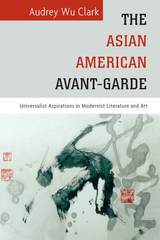
The Asian American Avant-Garde is the first book-length study that conceptualizes a long-neglected canon of early Asian American literature and art. Audrey Wu Clark traces a genealogy of counter-universalism in short fiction, poetry, novels, and art produced by writers and artists of Asian descent who were responding to their contemporary period of Asian exclusion in the United States, between the years 1882 and 1945.
Believing in the promise of an inclusive America, these avant-gardists critiqued racism as well as institutionalized art. Clark examines racial outsiders including Isamu Noguchi, Dong Kingman and Yun Gee to show how they engaged with modernist ideas, particularly cubism. She draws comparisons between writers such as Sui Sin Far and Carlos Bulosan with modernist luminaries like Stein, Eliot, Pound, and Proust.
Acknowledging the anachronism of the term “Asian American” with respect to these avant-gardists, Clark attempts to reconstruct it. The Asian American Avant-Garde explores the ways in which these artists and writers responded to their racialization and the Orientalism that took place in modernist writing.

Warren Cohen reviews the role of the United States in East Asia over the past century, making a convincing case for American influence in Asia as generally positive. He illustrates specific ways in which American culture has affected Asians, from forms of government to entertainment, and offers valuable insights into the nature of cultural exchange. Americanization was most successful when Asians freely adopted cultural elements, while efforts to impose values generally failed, notably in the Philippines. And in a fascinating and eye-opening assessment of the "Asianization" of America, Cohen observes that Asian influences in food, film, music, medicine, and religion are now woven deeply--and permanently--into the American fabric. Indeed, Asians are changing American identity itself: by mid-century, approximately one in ten Americans will boast Asian ancestry.
In this lively look at the cultural bonds that continue to shape the relationship between East Asians and Americans, Cohen invites us to ponder the past and envision the future as the "American century" gives way to one with a decidedly more Asian focus.
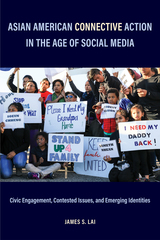
Social media provides ethno-racial immigrant groups—especially those who cannot vote due to factors such as lack of citizenship and limited English proficiency—the ability to mobilize and connect around collective issues. Online spaces and discussion forums have encouraged many Asian Americans to participate in public policy debates and take action on social justice issues. This form of digital group activism serves as an adaptive political empowerment strategy for the fastest-growing and largest foreign-born population in America. Asian American Connective Action in the Age of Social Media illuminates how associating online can facilitate and amplify traditional forms of political action.
James Lai provides diverse case studies on contentious topics ranging from affirmative action debates to textbook controversies to emphasize the complexities, limitations, and challenges of connective action that is relevant to all racial groups. Using a detailed multi-methods approach that includes national survey data and Twitter hashtag analysis, he shows how traditional immigrants, older participants, and younger generations create online consensus and mobilize offline to foment political change. In doing so, Lai provides a nuanced glimpse into the multiple ways connective action takes shape within the Asian American community.
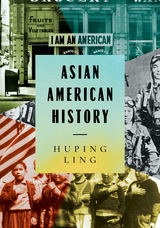
Asian American History provides a comprehensive historical dive into Asian immigration to the United States, exploring it in international and domestic contexts and alongside the significant elements that define Asian America: imperialism and global capitalist expansion; labor and capital; race and ethnicity; immigration and exclusion; family and work; community and gender roles; assimilation and multiculturalism; panethnicity and identity; transnationalism and globalization; and new challenges and opportunities. Huping Ling traces the roots of Asian immigration from the late 1700s through intervening centuries of racial prejudice, wartime experiences, legal restrictions, and social mobility into the 2010s. It is an up-to-date and easily accessible resource for high school and college students as well as anyone who is interested in Asian American history.
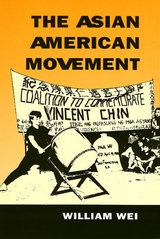
Active for more than two decades, the Asian American movement began a middle-class reform effort to achieve racial equality, social justice, and political empowerment. In this first history and in-depth analysis of the Movement, William Wei traces to the late 1960s, the genesis of an Asian American identity, culture, and activism.
Wei analyzes the Asian American women's movement, the alternative press, Asian American involvement in electoral politics. Interviews with many key participants in the Movement and photographs of Asian American demonstrations and events enliven this portrayal of the Movement's development, breadth, and conflicts.
Yen Le Espiritu explores the construction of large-scale affiliations, in which previously unrelated groups submerge their differences and assume a common identity. Making use of extensive interviews and statistical data, she examines how Asian panethnicity protects the rights and interests of all Asian American groups, including those, like the Vietnamese and Cambodians, which are less powerful and prominent than the Chinese and Japanese. By citing specific examples—educational discrimination, legal redress, anti-Asian violence, the development of Asian American Studies programs, social services, and affirmative action—the author demonstrates how Asian Americans came to understand that only by cooperating with each other would they succeed in fighting the racism they all faced.

The reader is organized into two parts: "The Documented Past" and "Social Issues and Literature." Within these broad divisions, the subjects covered include Chinatown stories, nativist reactions, exclusionism, citizenship, immigration, community growth, Asia American ethnicities, racial discourse and the Civil Rights movement, transnationalism, gender, refugees, anti-Asian American violence, legal battles, class polarization, and many more.
Among the contributors are such noted scholars as Gary Okihiro, Michael Omi, Yen Le Espiritu, Lisa Lowe, and Ronald Takaki; writers such as Sui Sin Far, Bienvenido Santos, Sigrid Nunez, and R. Zamora Linmark, as well as younger, emerging scholars in the field.
Jean Yu-wen Shen Wu and Thomas C. Chen have selected essays for the significance of their contribution to the field and their clarity, brevity, and accessibility to readers with little to no prior knowledge of Asian American studies. Featuring both reprints of seminal articles and groundbreaking texts, as well as bold new scholarship, Asian American Studies Now addresses the new circumstances, new communities, and new concerns that are reconstituting Asian America.
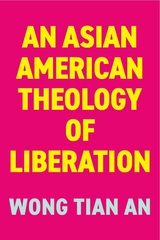
Providing an intersectional frame that considers the breadth and diversity of Asian American experiences alongside those of Black, Indigenous, and Latinx thinkers in the United States and across the globe, An Asian American Theology of Liberation puts Asian American theology in dialogue with theories from psychoanalysis, Afro-pessimism, Black Marxism, postcolonial studies, and queer theology. In this groundbreaking work, Wong Tian An combines archival research uncovering a much overlooked theology of liberation — born in the 1970s out of Asian Americans’ struggles for political recognition and civil rights in the United States — with powerful analyses drawing from the theological, intellectual, and political developments of the last half century.
This wide-ranging study connects urgent themes such as protest movements in Hong Kong, anti-Asian violence in the United States, and Indigenous struggles everywhere, while building on Asian theologies such as Dalit theology in India, theology of struggle in the Philippines, and Minjung theology in Korea. Drawing deeply and broadly across disciplines, the book altogether revives and renews an Asian American theology of liberation for a new generation.
READERS
Browse our collection.
PUBLISHERS
See BiblioVault's publisher services.
STUDENT SERVICES
Files for college accessibility offices.
RECENTLY PUBLISHED


UChicago Accessibility Resources
home | accessibility | search | about | contact us
BiblioVault ® 2001 - 2025
The University of Chicago Press