
 A SCHOLARLY BOOK REPOSITORY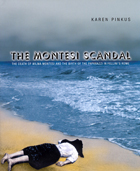
How this news item of everyday life exploded into one of the greatest scandals of a modern democracy is the story Karen Pinkus tells in The Montesi Scandal. Wilma's death brought to the surface every simmering element of Italian culture: bitter aspiring actresses, corrupt politicians, nervous Jesuits in sunglasses, jaded princes. Italians of all types lined up to testify-in court or to journalists of varying legitimacy-about the death of the middle-class carpenter's daughter, in the process creating a media frenzy and the modern culture of celebrity. Witnesses sold their stories to the tabloids, only to retract them. They posed for pictures, pretending to shun the spotlight. And they in turn became celebrities in their own right.
Pinkus takes us through the alleys and entryways of Rome in the 1950s, linking Wilma's death to the beginnings of the dolce vita, now synonymous with modern Roman life. Pinkus follows the first paparazzi on their scooters as they shoot the protagonists and gives us an insider's view of the stories and trials that came to surround this lonely figure that washed up on the shores of Ostia. Full of the magnificent paparazzi photos of the protagonists in the drama and film stills from the era's landmark movies, The Montesi Scandal joins true crime with "high" culture in an original form, one true to both the period and the cinematic conception of life it created. More than a meditation of the intricate ties among movies, paparazzo photography, and Italian culture, The Montesi Scandal narrates Wilma's story and its characters as the notes for an unrealized film, but one that, as the reader discovers, seems impossible to produce.
Nowhere is Montesquieu’s critique of the despotic ideas of Europe more powerful than in his enormously influential The Spirit of the Laws, and Vickie B. Sullivan guides readers through Montesquieu’s sometimes veiled, yet sharply critical accounts of Machiavelli, Hobbes, Aristotle, and Plato, as well as various Christian thinkers. He finds deleterious consequences, for example, in brutal Machiavellianism, in Hobbes’s justifications for the rule of one, in Plato’s reasoning that denied slaves the right of natural defense, and in the Christian teachings that equated heresy with treason and informed the Inquisition.
In this new reading of Montesquieu’s masterwork, Sullivan corrects the misconception that it offers simple, objective observations, showing it instead to be a powerful critique of European politics that would become remarkably and regrettably prescient after Montesquieu’s death when despotism wound its way through Europe.
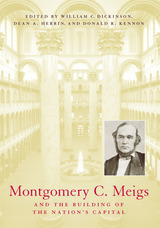
At the age of thirty-six, in 1852, Lt. Montgomery Cunningham Meigs of the Army Corps of Engineers reported to Washington, D.C., for duty as a special assistant to the chief army engineer, Gen. Joseph G. Totten. It was a fateful assignment, both for the nation’s capital and for the bright, ambitious, and politically connected West Point graduate.
Meigs's forty-year tenure in the nation's capital was by any account spectacularly successful. He surveyed, designed, and built the Washington water supply system, oversaw the extension of the U.S. Capitol and the erection of its massive iron dome, and designed and supervised construction of the Pension Building, now the home of the National Building Museum. The skills he exhibited in supervising engineering projects were carefully noted by political leaders, including president-elect Abraham Lincoln, who named Meigs quartermaster general of the Union Army, the most important position he held during his long and active military career.
Meigs believed Washington, D.C., should be the reincarnation of Rome, the ancient capital of the Roman Empire. He endeavored to memorialize the story of the American nation in all the structures he built, expressing these ideas in murals, sculpture, and monumental design.
Historians have long known Meigs for the organizational genius with which he fulfilled his duty as quartermaster general during the Civil War and for his unwavering loyalty to Lincoln and Secretary of War Edwin Stanton. This volume establishes his claim as one of the major nineteenth-century contributors to the built environment of the nation's capital.
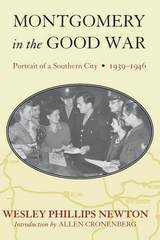
One city. One war. A story of transformation at home and abroad.
Using newspaper accounts, interviews, letters, journals, and his own memory of the time, Wesley Newton reconstructs wartime-era Montgomery, Alabama--a sleepy southern capital that was transformed irreversibly during World War II.
The war affected every segment of Montgomery society: black and white, rich and poor, male and female, those who fought in Europe and the Pacific and those who stayed on the home front. Newton follows Montgomerians chronologically through the war from Pearl Harbor to Hiroshima as they experience patriotism, draft and enlistment, rationing, scarcity drives, and the deaths of loved ones. His use of small vignettes based on personal recollections adds drama and poignancy to the story.
Montgomery in the Good War is an important reminder that wars are waged at home as well as abroad and that their impact reverberates well beyond those who fight on the front lines. Those who came of age during the war will recognize themselves in this moving volume. It will also be enlightening to those who have lived in times of relative peace.
A Month at the Front chronicles one month in the life of a soldier from the 12th East Surrey regiment, and the economical yet powerful narrative vividly brings to life the sights, sounds, and horrors of war. “The first night passed uneventfully, except that we were shelled”—so begins the young man in spare prose, and the quiet drama unfolds from there. Constant bombings and the sobering landscape of war—“It was nothing unusual to come across . . . a dead comrade lying waiting for burial”—are occasionally relieved by humorous events such as the discovery that a troop of advancing Germans was “nothing more than few short willow shrubs waving about in the breeze.” The young soldier describes how his comrades gradually fall one by one, until he and three remaining fellow soldiers are captured by the enemy, an event that abruptly ends the narrative.
A Month at the Front is not penned by a famous author, nor does it claim to offer any broad perspective. Rather, it is the lone voice of an unknown young man thrust into fatal circumstances.
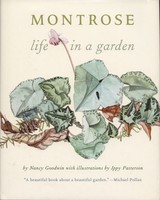
Beautifully written and illustrated, Montrose: Life in a Garden is Goodwin’s affectionate biography of her gardens, recounting how and why each section was developed over the years, including the Dianthus Walk, Nandinaland, Hellebore Slope, Mother-in-Law Walk, Snowdrop Woods, and Jo’s Bed. It is also a meticulous month-by-month chronicle of a specific year in these gardens—a year that saw a punishing drought that threatened Goodwin’s no-irrigation policy, a damaging December ice storm, and the beginnings of a plan to preserve Montrose in the future.
Working on her knees for long days throughout the year, Nancy Goodwin always has a vision of how her gardens will appear in twelve months or in twelve years. She will spend weeks, for instance, planting hundreds of snow drops along a woodsy path in order to enjoy a fleeting week of exquisite beauty in coming years. She never puts anything into the ground without imagining what form, color, and texture it will add to a bed. With tireless patience and unflagging optimism, Goodwin will wait years to see a single plant bloom.
Following Goodwin’s activities throughout the year, readers will learn the fundamentals of maintaining a four-season garden in Zone 7 in the South. Award-winning garden illustrator Ippy Patterson has provided more than 160 lavish illustrations of the gardens at Montrose and these meticulously detailed drawings appear throughout the book.

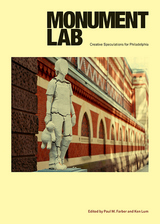
What is an appropriate monument for the current city of Philadelphia? That was the question posed by the curators, artists, scholars, and students who comprise the Philadelphia-based public art and history studio Monument Lab. And in 2017, along with Mural Arts Philadelphia, they produced and organized a groundbreaking, city-wide exhibition of temporary, site-specific works that engaged directly with the community. The installations, by a cohort of diverse artists considering issues of identity, appeared in iconic public squares and neighborhood parks with research and learning labs and prototype monuments.
Monument Lab is a fabulous compendium of the exhibition and a critical reflection of the proceedings, including contributions from interlocutors and collaborators. The exhibition and this handbook were designed to generate new ways of thinking about monuments and public art as well as to find new, critical perspectives to reflect on the monuments we have inherited and to imagine those we have yet to build. Monument Lab energizes acivic dialogue about place and history as forces for a deeper questioning of what it means to be Philadelphian in a time of renewal and continuing struggle.
Contributors: Alexander Alberro, Alliyah Allen, Laurie Allen, Andrew Friedman, Justin Geller, Kristen Giannantonio, Jane Golden, Aviva Kapust, Fariah Khan, Homay King, Stephanie Mach, Trapeta B. Mayson, Nathaniel Popkin, Ursula Rucker, Jodi Throckmorton, Salamishah Tillet, Jennifer Harford Vargas, Naomi Waltham-Smith, Bethany Wiggin, Mariam I. Williams, Leslie Willis-Lowry, and the editors.
Artists: Tania Bruguera, Mel Chin, Kara Crombie, Tyree Guyton, Hans Haacke, David Hartt, Sharon Hayes, King Britt and Joshua Mays, Klip Collective, Duane Linklater, Emeka Ogboh, Karyn Olivier, Michelle Angela Ortiz, Kaitlin Pomerantz, RAIR, Alexander Rosenberg, Jamel Shabazz, Hank Willis Thomas, Shira Walinsky and Southeast by Southeast, and Marisa Williamson.
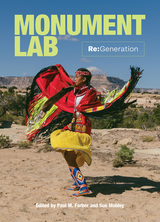
Monument Lab: Re:Generation presents case studies that travel across America, highlighting local commemorative campaigns dedicated to advancing public memory. Featuring articles and artwork from the country’s leading monument makers, each project includes a framing essay that provides insights into the varied contexts of location, culture, form, and subject matter.
Monument Lab: Re:Generation provides innovative, healing, and practical approaches to the United States’ unreconciled past and divided present facing our nation. In doing so, it invites readers to engage with a broader discourse of monuments and public memory.
Contributors: Thomas J. Adams, Kareal Amenumey, Sháńdíín Brown, Jonathan Jae-an Crisman, Kristen Dorsey, Aruna D'Souza, Mariluz Franco Ortiz, Jacqui Germain, Grace Sanders Johnson, Dani R. Merriman, Deirdre Cooper Owens, Naima Murphy Salcido, Kirk Savage, Clint Smith, Tsione Wolde-Michael, Eric Zimmer, and the editors
From ancient Maya cities in Mexico and Central America to the Taj Mahal in India, cultural heritage sites around the world are being drawn into the wave of privatization that has already swept through such economic sectors as telecommunications, transportation, and utilities. As nation-states decide they can no longer afford to maintain cultural properties—or find it economically advantageous not to do so in the globalizing economy—private actors are stepping in to excavate, conserve, interpret, and represent archaeological and historical sites. But what are the ramifications when a multinational corporation, or even an indigenous village, owns a piece of national patrimony which holds cultural and perhaps sacred meaning for all the country's people, as well as for visitors from the rest of the world?
In this ambitious book, Lisa Breglia investigates "heritage" as an arena in which a variety of private and public actors compete for the right to benefit, economically and otherwise, from controlling cultural patrimony. She presents ethnographic case studies of two archaeological sites in the Yucatán Peninsula—Chichén Itzá and Chunchucmil and their surrounding modern communities—to demonstrate how indigenous landholders, foreign archaeologists, and the Mexican state use heritage properties to position themselves as legitimate "heirs" and beneficiaries of Mexican national patrimony. Breglia's research masterfully describes the "monumental ambivalence" that results when local residents, excavation laborers, site managers, and state agencies all enact their claims to cultural patrimony. Her findings make it clear that informal and partial privatizations—which go on quietly and continually—are as real a threat to a nation's heritage as the prospect of fast-food restaurants and shopping centers in the ruins of a sacred site.

At once approachable and informative, The Monumental Andes tells the history of the lofty mountains and civilizations that characterize the Central Andes. The book explores many interconnected aspects of ancient Andean life, including climate, topography, agricultural methods, natural hazards, the construction of monumental structures, the creation of sophisticated art objects, and the plant-based hallucinogens and narcotics used in religious rituals. From earthquake-resistant structures to shrines on the tops of active volcanoes, ancient Andeans left behind relics that amaze and inspire today.
Scott Derrick has written an original book that contributes significantly to current revisions of the nineteenth-century American literary tradition's representation of gender and sexuality. His interpretation of feminist, lesbian-feminist, and gay issues in nineteenth-century American literature as complementary enlarges our historical understanding and helps build the coalition politics needed in these areas."-John Carlos Rowe, University of California, Irvine
Recent gender-based scholarship on nineteenth-century American literature has established male authors' crucial awareness of the competition from popular women writers. And critical work in gay studies and queer theory has stressed the importance in canonical American literature of homoerotic relations between men, even before "homosexuality" became codified at the end of the century. Scott Derrick draws on these insights to explore the ways in which male authors struggle to refigure literature-historically devalued as feminine-as a masculine and heterosexual enterprise. Derrick focuses on scenes of compositional crisis that reveal how male identity itself is at risk in the perils and possibilities of being a male author in a feminized literary marketplace.
He suggests that traditionally valued texts by Hawthorne, Poe, James, Sinclair, and Crane have at their core combustible four-sided conflicts between feminine identifications and masculine distancings, homoerotic longings and homophobic dreads, conflicts which are largely determined by domestic ideals of male and female roles within the nineteenth-century family. The negotiation of such conflicts is controlled by the nature of fiction writing, which both frees the imagination to explore forbidden fantasies and harnesses the imagination to public understandings of the proper form and content of fiction. Thus Monumental Anxieties also contributes to recent debates about the social shaping of contemporary homosexuality and to the history of American masculinity.
Monumental Lies: Early Nevada Folklore of the Wild West opens the door to understanding how legends and traditions emerged during the first decades following the “Rush to Washoe,” which transformed the region beginning in 1859. During this Wild West period, there was widespread celebration of deceit, manifesting in tall tales, burlesque lies, practical jokes, and journalistic hoaxes. Humor was central to these endeavors and practitioners easily found themselves scorned if they failed to be adequately funny. This ethos became central to the way folklore emerged during the formative years of the Nevada territory and state.
The tens of thousands of people who came to the West, attracted by gold and silver mining, brought distinct cultural legacies. The interaction of diverse perspectives, even while new stories and traditions coalesced or simply appeared, was a complex process. Author Ronald M. James addresses how the fluidity of the region affected new expressions of folklore as they took root.
Mark Twain, often a go-to source for collections of early tall tales of this region, cannot be overlooked, but his interaction with local traditions was specific and narrow. More importantly, William Wright—publishing as Dan De Quille—arose as a key collector of legends, a counterpart of early European folklorists. With a bedrock understanding of what unfolded in the nineteenth century, it is possible to consider
She examines the representation and eventual preservation of the monuments, from their disrepair in the colonial past to their present status as protected heritage sites. Drawing on theories of power, subjectivity, and space, Kavuri-Bauer’s interdisciplinary analysis encompasses Urdu poetry, British landscape painting, imperial archaeological surveys, Indian Muslim identity, and British tourism, as well as postcolonial nation building, World Heritage designations, and conservation mandates. Since Independence, the state has attempted to construct a narrative of Mughal monuments as symbols of a unified, secular nation. Yet modern-day sectarian violence at these sites continues to suggest that India’s Mughal monuments remain the transformative spaces—of social ordering, identity formation, and national reinvention—that they have been for centuries.
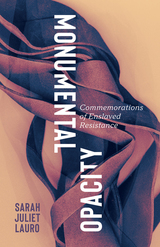
A groundbreaking exploration of how opaque monuments demand respectful commemoration of enslaved lives
In an era of debate over how monuments should function and whose stories they should tell, Monumental Opacity asks us to consider how some commemorations withhold information to resist appropriation. Sarah Juliet Lauro posits that monuments, broadly defined, that shape public memories of slavery and its resistance could employ intentional obfuscation as an insurgent strategy to protect the self-emancipation of the enslaved person and combat visual possession by curious visitors.
Construing opacity as a form of opposition that renders its subject unapprehendable to viewers, Lauro explores how this concept plays out in museums devoted to the history of slavery, as well as in literature, film, art, countermovements, and protests, with particular attention to artistic works by Kara Walker and Kerry James Marshall and literary works by Victor Hugo and Herman Melville. Opaque commemorations of rebels and freedom fighters create an unbridgeable distance between the spectator and the history they represent. In that space, we are called to consider all that we don’t know about the figures we celebrate and their choice to resist their own objectification, thereby fostering a deeper sense of recognition.
Monumental Opacity is a timely and necessary call to reconsider the very act of commemoration and what it accomplishes. Offering a powerful aesthetic of subversion, Lauro inspires us to think about how—and why—history can be made unconsumable, protected from a voracious public.
Retail e-book files for this title are screen-reader friendly with images accompanied by short alt text and/or extended descriptions.
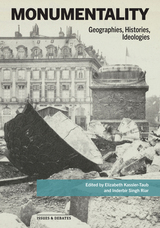
An exploration of how monuments—both physical and conceptual—shape memory, identity, and public debate across cultures and time.
This compelling volume invites readers to reimagine how monuments shape history, identity, and public space. Monumentality is explored as a dynamic and contested idea—one that moves beyond grand buildings and enduring structures to understand how societies remember the past and envision the future.
Engaging scholarly essays, accompanied by focused reflections on objects held in Getty collections, analyze the emotional, ideological, and technological dimensions of monuments by tracing their changing meanings across cultures and historical periods. Spanning themes of destruction, circulation, territorialization, and empire, the book investigates topics such as the ruin aesthetic of the Paris Commune, the material remnants of Buddhism in India, the construction of Cold War dams, and the influence of Almohad minaret architecture. Throughout, readers will encounter the enduring effects of colonialism, modernization, and settlements on societies around the world—from nineteenth-century West Africa to postwar Japan and Guam to present-day Israel and Ukraine.
Together, these studies integrate histories of art, architecture, and urban landscapes to examine the role of monuments in contemporary life. Monumentality offers fresh perspectives on what we choose to honor, why the past is preserved (or forgotten), and how the complex narratives embedded in memorials or public art condition our experience of the present.
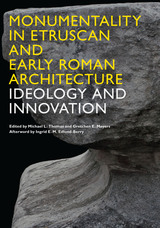
Every society builds, and many, if not all, utilize architectural structures as markers to define place, patron, or experience. Often we consider these architectural markers as “monuments” or “monumental” buildings. Ancient Rome, in particular, is a society recognized for the monumentality of its buildings. While few would deny that the term “monumental” is appropriate for ancient Roman architecture, the nature of this characterization and its development in pre-Roman Italy is rarely considered carefully. What is “monumental” about Etruscan and early Roman architecture?
Delving into the crucial period before the zenith of Imperial Roman building, Monumentality in Etruscan and Early Roman Architecture addresses such questions as, “What factors drove the emergence of scale as a defining element of ancient Italian architecture?” and “How did monumentality arise as a key feature of Roman architecture?” Contributors Elizabeth Colantoni, Anthony Tuck, Nancy A. Winter, P. Gregory Warden, John N. Hopkins, Penelope J. E. Davies, and Ingrid Edlund-Berry reflect on the ways in which ancient Etruscans and Romans utilized the concepts of commemoration, durability, and visibility to achieve monumentality. The editors’ preface and introduction underscore the notion of architectural evolution toward monumentality as being connected to the changing social and political strategies of the ruling elites.
By also considering technical components, this collection emphasizes the development and the ideological significance of Etruscan and early Roman monumentality from a variety of viewpoints and disciplines. The result is a broad range of interpretations celebrating both ancient and modern perspectives.
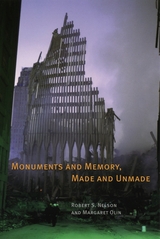
Examining how monuments preserve memory, these essays demonstrate how phenomena as diverse as ancient drum towers in China and ritual whale-killings in the Pacific Northwest serve to represent and negotiate time. Connecting that history to the present with an epilogue on the World Trade Center, Monuments and Memory, Made and Unmade is pertinent not only for art historians but for anyone interested in the turbulent history of monuments—a history that is still very much with us today.
Contributors:
Stephen Bann, Jonathan Bordo, Julia Bryan-Wilson, Jas Elsner, Tapati Guha-Thakurta, Robert S. Nelson, Margaret Olin, Ruth B. Phillips, Mitchell Schwarzer, Lillian Lan-ying Tseng, Richard Wittman, Wu Hung

From the very first weeks of Russia’s large-scale attack on Ukraine in February 2022, Russian soldiers, politicians, and proxy administrators expended considerable effort interacting with monuments on newly occupied territory. Why did the invaders care enough about war memorials to divert scarce resources to destroying, maintaining, or building them amid a massive war? Why did they remove some memorials and spare others? What was the point of commemorating past victories and defeats while bombing Ukrainian cities, and how did commemorative ceremonies in the occupied territories
change over the first year of the war? What was the broader impact of monument-related practices beyond the local settings in which they occurred? And what does the Ukrainian case teach us more generally about how memorials to past wars can be used to justify new conquests? These are some of the questions this book explores, based on fieldwork in occupied Ukraine and online research.


Elizabeth Losh has gathered experts from across disciplines—education, rhetoric, philosophy, literary studies, history, computer science, and journalism—to tease out lessons and chart a course into the future of open, online education. Instructors talk about what worked and what didn’t. Students share their experiences as participants. And scholars consider the ethics of this education. The collection goes beyond MOOCs to cover variants such as hybrid or blended courses, SPOCs (Small Personalized Online Courses), and DOCCs (Distributed Open Collaborative Course). Together, these essays provide a unique, even-handed look at the MOOC movement and will serve as a thoughtful guide to those shaping the next steps for open education.

Engaging a quartet of modern philosophers—Kant, Nietzsche, Heidegger, and Deleuze—Brenkman explores how they all approach the question of affect primarily through literature and art. He draws on the differences and dialogues among them, arguing that the vocation of criticism is incapable of systematicity and instead must be attuned to the singularity and plurality of literary and artistic creations. In addition, he confronts these four philosophers and their essential concepts with a wide array of authors and artists, including Pinter and Poe, Baudelaire, Jorie Graham and Li-Young Lee, Shakespeare, Tino Sehgal, and Francis Bacon. Filled with surprising insights, Mood and Trope provides a rich archive for rethinking the nature of affect and its aesthetic and rhetorical stakes.
Current literature assumes a straightforward link between grammatical category and semantic function, and descriptions of well-studied languages have cultivated a sense of predictability in patterns over time. As the editors and contributors of Mood, Aspect, Modality Revisited prove, however, this predictability and stability vanish in the study of lesser-known patterns and languages. The ten provocative essays gathered here present fascinating cutting-edge research demonstrating that the traditional grammatical distinctions are ultimately fluid—and perhaps even illusory. Developing groundbreaking and highly original theories, the contributors in this volume seek to unravel more general, fundamental principles of TAM that can help us better understand the nature of linguistic representations.
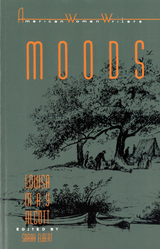
Moods, Louisa May Alcott's first novel was published in 1864, four years before the best-selling Little Women. The novel unconventionally presents a "little woman," a true-hearted abolitionist spinster, and a fallen Cuban beauty, their lives intersecting in Alcott's first major depiction of the "woman problem."
Sylvia Yule, the heroine of Moods, is a passionate tomboy who yearns for adventure. The novel opens as she embarks on a river camping trip with her brother and his two friends, both of whom fall in love with her. These rival suitors, close friends, are modeled on Ralph Waldo Emerson and Henry Daniel Thoreau. Aroused, but still "moody" and inexperienced, Sylvia marries the wrong man. In the rest of the novel, Alcott attempts to resolve the dilemma she has created and leave her readers asking whether, in fact, there is a place for a woman such as Sylvia in a man's world.
In 1882, eighteen years after the original publication, Alcott revised and republished the novel. Her own literary success and the changes she helped forge in women's lives now allowed her heroine to meet, as Alcott said, "a wiser if less romantic fate than in the former edition." This new volume contains the complete text of the 1864 Moods and Alcott's revisions for the 1882 version, along with explanatory notes by the editor. A critical introduction places Moods in the context of Alcott's own literary history and in the larger historical setting of nineteenth-century society and culture.
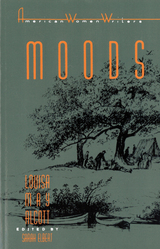
Moods, Louisa May Alcott's first novel was published in 1864, four years before the best-selling Little Women. The novel unconventionally presents a "little woman," a true-hearted abolitionist spinster, and a fallen Cuban beauty, their lives intersecting in Alcott's first major depiction of the "woman problem."
Sylvia Yule, the heroine of Moods, is a passionate tomboy who yearns for adventure. The novel opens as she embarks on a river camping trip with her brother and his two friends, both of whom fall in love with her. These rival suitors, close friends, are modeled on Ralph Waldo Emerson and Henry Daniel Thoreau. Aroused, but still "moody" and inexperienced, Sylvia marries the wrong man. In the rest of the novel, Alcott attempts to resolve the dilemma she has created and leave her readers asking whether, in fact, there is a place for a woman such as Sylvia in a man's world.
In 1882, eighteen years after the original publication, Alcott revised and republished the novel. Her own literary success and the changes she helped forge in women's lives now allowed her heroine to meet, as Alcott said, "a wiser if less romantic fate than in the former edition." This new volume contains the complete text of the 1864 Moods and Alcott's revisions for the 1882 version, along with explanatory notes by the editor. A critical introduction places Moods in the context of Alcott's own literary history and in the larger historical setting of nineteenth-century society and culture.
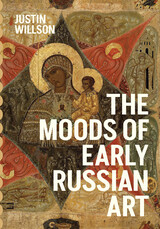
The Moods of Early Russian Art describes an alternative early modernity at the easternmost border of the European cultural sphere, where the Renaissance marked a return not to secular humanism but to the religiosity and art of the Middle Ages. Charting a kind of “Renaissance in reverse,” art historian Justin Willson explores how the value placed on style and virtuosity faded in importance as the Church cultivated miracle-working images during the reigns of Ivan the Great and Ivan the Terrible. Arguing for a broader unity of interests among artistic workshops across the Muscovite landscape—a system of interconnected values that he explains using the language of “moods”—Willson examines icons, illuminated manuscripts, enamelwork, and murals, tracing how the interpretive framework of the age shifted from the “aesthetic” and “literal” moods to the “intoxicated” and “romantic” over the fifteenth and sixteenth centuries.
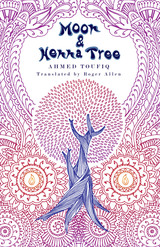
Set in the High Atlas in pre-modern Morocco, Moon and Henna Tree chronicles the rise and fall of a local potentate, Hmmu. Not content with the territory left to him upon his father’s death, Hmmu, under the influence of his scheming advisor, Ibn al-Zara, begins a campaign to acquire those lands that adjoin his, either through marriage or physical force.
Ahmed Toufiq’s subtle investigation of the abuse of power and its effects on those who suffer under its tyranny also provides a unique look at Amazigh (Berber) culture. While most of Toufiq’s contemporaries focus on modern urban Morocco, he provides a fascinating, and accurate, account of the customs and traditions of a large, yet often ignored, segment of the population. Moon and Henna Tree (in the original Arabic) won the Moroccan Book Prize in 1989.
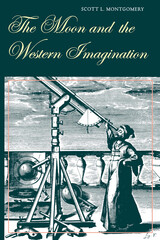
Scott Montgomery has produced a richly detailed analysis of how the Moon has been visualized in Western culture through the ages, revealing the faces it has presented to philosophers, writers, artists, and scientists for nearly three millennia. To do this, he has drawn on a wide array of sources that illustrate mankind's changing concept of the nature and significance of heavenly bodies from classical antiquity to the dawn of modern science.
Montgomery especially focuses on the seventeenth century, when the Moon was first mapped and its features named. From literary explorations such as Francis Godwin's Man in the Moone and Cyrano de Bergerac's L'autre monde to Michael Van Langren's textual lunar map and Giambattista Riccioli's Almagestum novum, he shows how Renaissance man was moved by the lunar orb, how he battled to claim its surface, and how he in turn elevated the Moon to a new level in human awareness. The effect on human imagination has been cumulative: our idea of the Moon, and therefore the planets, is multilayered and complex, having been enriched by associations played out in increasingly complicated harmonies over time. We have shifted the way we think about the lunar face from a "perfect" body to an earthlike one, with corresponding changes in verbal and visual expression.
Ultimately, Montgomery suggests, our concept of the Moon has never wandered too far from the world we know best—the Earth itself. And when we finally establish lunar bases and take up some form of residence on the Moon's surface, we will not be conquering a New World, fresh and mostly unknown, but a much older one, ripe with history.

Moon City Press’ 2026 edition proudly boasts selections by established and up-and-coming writers, including poems, short stories, flash fiction, creative nonfiction, graphic narrative, and translation.
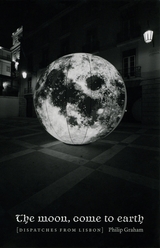
A dispatch from a foreign land, when crafted by an attentive and skilled writer, can be magical, transmitting pleasure, drama, and seductive strangeness.
In The Moon, Come to Earth, Philip Graham offers an expanded edition of a popular series of dispatches originally published on McSweeney’s, an exuberant yet introspective account of a year’s sojourn in Lisbon with his wife and daughter. Casting his attentive gaze on scenes as broad as a citywide arts festival and as small as a single paving stone in a cobbled walk, Graham renders Lisbon from a perspective that varies between wide-eyed and knowing; though he’s unquestionably not a tourist, at the same time he knows he will never be a local. So his lyrical accounts reveal his struggles with (and love of) the Portuguese language, an awkward meeting with Nobel laureate José Saramago, being trapped in a budding soccer riot, and his daughter’s challenging transition to adolescence while attending a Portuguese school—but he also waxes loving about Portugal’s saudade-drenched music, its inventive cuisine, and its vibrant literary culture. And through his humorous, self-deprecating, and wistful explorations, we come to know Graham himself, and his wife and daughter, so that when an unexpected crisis hits his family, we can’t help but ache alongside them.
A thoughtful, finely wrought celebration of the moment-to-moment excitement of diving deep into another culture and confronting one’s secret selves, The Moon, Come to Earth is literary travel writing of a rare intimacy and immediacy.


The Moon in Foil traces the stories of Petra, Natália, Anka, Mika, Juliana, and Jackie as they go out into the world in search of a better life—or maybe just a different one. In post-communist Europe, they have the freedom to study and work in places their parents couldn’t even have visited—Paris, London, Helsinki, and Budapest. But the reality of that “freedom,” they soon discover, is often nothing more than tedious work and poor living conditions. From close looks at the work of a housekeeper at a French hotel, a bartender at an Irish pub, a snowboarding instructor in Slovakia in the winter and an office worker in London in the summer, and a programmer in Helsinki, to explorations of larger topics such as marriage, divorce, and relationships, Zuska Kepplová’s novel is a millennials’ odyssey—a search for the self by the post–Cold War generation.

In a series of moving vignettes, the author begins by describing a particular representation of Water-Moon Kuan Yin, a Buddhist teacher and goddess associated with compassion, who often sits on a precarious overhang or floats on a flimsy petal. Then Kuan Yin steps out of the frame to join the author in the mundane challenges of caring for her father-transferring his health insurance, struggling with a wheelchair van, managing adult diapers, or playing in the fictions of dementia. From perplexed to poignant to funny, the vignettes record the working-class English of a fading but still wise dad, and they find other human versions of Kuan Yin in a doctor who will still make house calls or kind strangers in the street.
The book includes ten illustrations: both classical representations of Kuan Yin and also the author's own drawings, which adapt Kuan Yin in an act of practical spirituality, reading art through life and life through art. Each vignette invites the harried caregiver to take a deep breath and meditate on the trials and joys of caring for an aging parent.

An inheritor of lineages marked by colonial and gendered violence, Farid Matuk approaches the musical capacities of verse not as mere excitation or decoration, but as forms that reclaim pleasure and presence. Entering the sonic constellations of Moon Mirrored Indivisible, the reader finds relief from nesting layers of containment that systems of power impose on our bodies and imaginations. In this hall of historical mirrors, fictions of identity are refracted, reflected, and multiplied into a vast field of possibilities. Matuk’s meditations on place and power offer experiments in self-understanding, moving through expansive conversations between a lyric “I” and others, including poets, the speaker’s partner, ancestors, and the reader, and creating spaces for strange intimacy. Each of the book’s four sections of poems builds on the other to ask how we might form a collective—a people—not founded in orthodoxies of originality but in the mutual work of mirroring one another.

Finalist, 2022 Housatonic Book Awards
Craig Blais’s Moon News, a finalist for the 2021 Miller Williams Poetry Prize, deploys the sonnet form to treat subjects as diverse as Gregor Samsa, SpongeBob SquarePants, and the cosmos. Here the form’s capaciousness is engaged to full effect. Blais, who turned to the sonnet as a method for focusing on the present in the early days of his recovery from alcoholism, confronts personal demons, loss, and the possibility for healing. These aren’t your grandmother’s sonnets—though you might find her pea soup recipe or sex tape in this remarkable second collection.
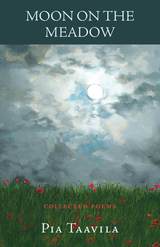
As a child of deaf adults (CODA), Pia Taavila first learned to communicate when her deaf father fingerspelled the names of toys in her crib and her mother showed her the signs for objects in picture books. From this primary visual orientation, in combination with her own innate sense of imagery, Taavila crafted the lush verse featured in Moon on the Meadow: Collected Poems.
Taavila uses the graphic power of her poetry to evoke emotions about all aspects of existence — love, loss of love, family, death, and desire — feelings elicited through a lens attuned to the simple beauty of the natural. Most of the poems in Moon on the Meadow have been published at least once in established journals, testimony to the broad appeal of her passionate outlook on life. Yet, Taavila believes that her experiences as a CODA are essential to her ability to write at all. She never strays far from her home, her family, and the comforts they bring her through her art:
At a wedding, a flautist’s
languid notes lilt on the air.
My mother, who cannot hear,
leans forward, attentive
to the dip and sway of his body.
She signs to me:
It sounds like butterflies
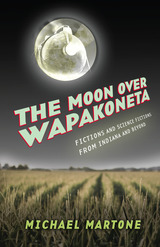
The Moon over Wapakoneta is vintage Michael Martone, the visionary oracle of the American Midwest with the gift for discovering the marvelous in the mundane. In these stories Martone shows us how traveling across time zones from Ohio to Indiana is a form of time travel; how a beer bottle can serve as a kind of telescope, how Amish might power their spaceships with windmills as they travel through space and time. These stories capture the paradox of feeling that one is in the heart of the country while at the same time in the middle of nowhere, of natives who find themselves strangers in their once familiar, but now strange, lands.
On display is a love of obsolete technologies, small-town whimsy, home movies of proms and birthday parties, steam engines and baseball games. If Italo Calvino lived in Indiana rather than Italy, these are the fictions he might have made.

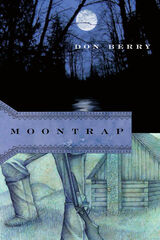
Winner of the Western Writers of America Spur Award for best historical novel, Moontrap is a book of remarkable beauty and power about a man caught between his vivid past and an uncertain future.
The year is 1850, a transitional period in the new Oregon Territory, with settlers and lawmakers working to subdue the untamed region. Johnson Monday, a former mountain man, has been living on a bend of the Willamette River near Oregon City for seven years with his Shoshone Indian wife, struggling to make a place in settled society. One day, Webster T. Webster, a raucous, unrepentant trapper, arrives for an unexpected visit. With his earthy humor and stubborn adherence to the simple life, "Webb" leads Monday through adventures that flirt dangerously close to lawlessness, while helping him to rediscover his moral center. Through defiance, triumph, and tragedy, Moontrap follows Johnson Monday as he realizes that relinquishing the stark honesty of mountain life for the compromises of civilization may be too high a price to pay.
Following Trask in Don Berry's trilogy of novels set in the Oregon Territory, Moontrap offers a richly comic and intensely poignant portrayal of pioneer life.
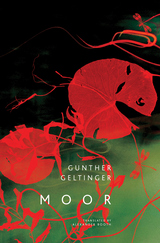
Moor is Dion’s story—a story of escaping the quicksand of loneliness and of the demands we make on love, even as those surrounding us are hurt in their misguided attempts to bear our suffering. Powerfully tuned to the relationship between human and nature, mother and son, Moor is a mysterious and experimental portrait of childhood. Written by up-and-coming German novelist Gunther Geltinger, the novel received critical acclaim in Germany and is now presented in English for the first time by translator Alexander Booth. Evocative and bold, Dion’s story emerges from the forces of nature, his voice rising from the ground beneath the reader’s feet, not soon to be forgotten.


Proceeding from a consideration of the imaginative textual languages of contemporary African-American and West African writers, Holloway asserts the intertextuality of black women's literature across two continents. She argues the subtext of culture as the source of metaphor and language, analyzes narrative structures and linguistic processes, and develops a combined theoretical/critical apparatus and vocabulary for interpreting these writers' works. The cultural sources and spiritual considerations that inhere in these textual languages are discussed within the framework Holloway employs of patterns of revision, (re)membrance, and recursion--all of which are vehicles for expressive modes inscribed at the narrative level. Her critical reading of contemporary black women's writing in the United States and West Africa is unique, radical, and sure to be controversial.
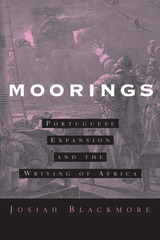
How Africa was perceived in the early modern imaginary
In this first book to study Portuguese texts about Africa, Moorings brings an important but little-known body of European writings to bear on contemporary colonial thought. Images of Africa as monstrous, dangerous, and lush were created in early Portuguese imperial writings and dominated its representation in European literature. Moorings establishes these key works in their proper place: foundational to Western imperial discourse.
Attentive to history as well as the nuances of language, Josiah Blackmore leads readers from the formation of the “Moor” in medieval Iberia to the construction of a full colonial imaginary, as found in the works of two writers: the royal chronicler Gomes Eanes de Zurara and the epic poet Luís de Camões. Blackmore’s original work helps to explain how concepts and myths—such as the “otherness” of Africa and Africans—originated, functioned, and were perpetuated.Delving into the Portuguese imperial experience, Moorings enriches our understanding of historical and literary imagination during a significant period of Western expansion.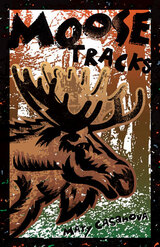
Twelve-year-old Seth wants to prove to his stepfather, the game warden, that he is responsible enough to use his shotgun on his own. Without permission, he takes matters into his own hands and shoots his first rabbit. He is worried about what his father will say when he finds out—and Seth himself is unsure of how he feels about it—but before he can confess, Seth’s life is turned upside down.
In the woods near his house, he sees poachers slaughter a moose cow and injure her calf. Rather than tell his stepfather about the incident, Seth tries to save the calf, but the poachers know who he is and threaten his family. Can he rescue the moose and bring the poachers to justice? He has to try.
In an earlier book, The Chief Plays of Corneille, Dr. Lockert translated the six most famous (but not necessarily the best) tragedies of that dramatist. The present volume makes available to English readers all his other plays, comedies aside, for which high claims have been or could be made. Some recent critics have pronounced some of them superior to everything else of Corneille but the Cid and Polyeucte.
A brief introduction is prefixed to each play, giving examples of the diverse opinions held by representative critics in the last eighty-five years.

Charles Andrew Hofling
Smithsonian-Utah Publications in American Indian Languages
Lyle Campbell and Ives Goddard
Linguistics
This is highly valuable dictionary of the Mopan (Mayan) language. In addition to its many entries, it also provides an introductory grammatical description, as well as general dictionary features such as parts of speech, examples, cross-references, variant forms, homophones, and indexes. The book also contains special sections on orthography and pronunciation unique to this important Mayan language, as well as translations into English and Spanish.
The dictionary has the merits well known from other dictionaries of indigenous languages of the Americas, preserving knowledge systems as they are encoded in vocabulary and providing valuable information for numerous fields, including Mayanists, Mesoamericanists, American Indian scholars, anthropologists, historians, linguists, students of Mayan hieroglyphic writing, and members of modern Mayan communities, among others.
This is the second book in the new Smithsonian-Utah Publications in American Indian Languages (SUPAIL) series, a joint venture of the University of Utah Press and the Smithsonian Institution.
The editors argue that the Spanish record is incomplete, and only the Hopi perspective can balance the story. The Spanish documentary record (and by extension the documentary record of any European or Euro-American colonial power) is biased and distorted, according to the editors, who assert there are enormous silences about Hopi responses to Spanish missionization and colonization. The only hope of correcting those weaknesses is to record and analyze Hopi oral traditions, which have been passed down from generation to generation, and give voice to Hopi values and Hopi social memories of what was a traumatic period in their past.
Spanish abuses during missionization—which the editors address specifically and directly as the sexual exploitation of Hopi women, suppression of Hopi ceremonies, and forced labor of Hopis—drove Hopis to the breaking point, inspiring a Hopi revitalization that led them to participate in the Pueblo Revolt. Those abuses, the revolt, and the resistance that followed remain as open wounds in Hopi society today.
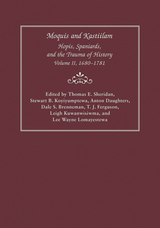
The second in a two-volume series, Moquis and Kastiilam, Volume II, 1680–1781 continues the story of the encounter between the Hopis, who the Spaniards called Moquis, and the Spaniards, who the Hopis called Kastiilam, from the Pueblo Revolt in 1680 through the Spanish expeditions in search of a land route to Alta California until about 1781. By comparing and contrasting Spanish documents with Hopi oral traditions, the editors present a balanced presentation of a shared past. Translations of sixteenth-, seventeenth-, and eighteenth-century documents written by Spanish explorers, colonial officials, and Franciscan missionaries tell the perspectives of the European visitors, and oral traditions recounted by Hopi elders reveal the Indigenous experience.
The editors argue that only the Hopi perspective can balance the story recounted in the Spanish documentary record, which is biased, distorted, and incomplete (as is the documentary record of any European or Euro-American colonial power). The only hope of correcting those weaknesses and the enormous silences about the Hopi responses to Spanish missionization and colonization is to record and analyze Hopi oral traditions, which have been passed down from generation to generation since 1540, and to give voice to Hopi values and social memories of what was a traumatic period in their past.
Volume I documented Spanish abuses during missionization, which the editors address specifically and directly as the sexual exploitation of Hopi women, suppression of Hopi ceremonies, and forced labor of Hopi men and women. These abuses drove Hopis to the breaking point, inspiring a Hopi revitalization that led them to participate in the Pueblo Revolt and to rebuff all subsequent efforts to reestablish Franciscan missions and Spanish control. Volume II portrays the Hopi struggle to remain independent at its most effective—a mixture of diplomacy, negotiation, evasion, and armed resistance. Nonetheless, the abuses of Franciscan missionaries, the bloodshed of the Pueblo Revolt, and the subsequent destruction of the Hopi community of Awat’ovi on Antelope Mesa remain historical traumas that still wound Hopi society today.
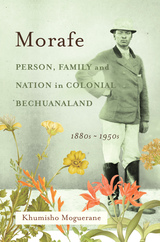
In Morafe, Khumisho Moguerane has written a luminous exploration of two generations of the prominent Molema family. They were “border people” who straddled what would become present-day South Africa and Botswana. The book begins in the 1880s at the frontier of the new British territories of Bechuanaland (North West and Northern Cape provinces) and the Bechuanaland Protectorate (Botswana), where the political boundary between these two territories was negligible and where skin color did not yet necessarily connect with a particular social or political status or affect economic opportunity.
Morafe ends in the 1950s, when the political boundary mattered profoundly, dividing two very different colonial dispensations of racial ordering and classification, and two separate traditions of nationalist politics. With this landmark publication, Moguerane reveals that “the nation” is less “out there,” in public institutions and political struggles, and more “in here,” in the everyday drama of personal and ordinary lives.
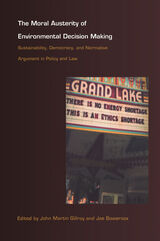
The contributors search for these assumptions and principles in short arguments and debates over the role of science, social justice, instrumental value, and intrinsic value in contemporary environmental policy. In their discussion of moral alternatives to enrich environmental decision making and in their search for a less austere and more robust role for normative discourse in practical policy making, they analyze a series of original case studies that deal with environmental sustainability and natural resources policy including pollution, land use, environmental law, globalism, and public lands. The unique structure of the book—which features the core contributors responding in a discourse format to the central chapters’ essays and debates—helps to highlight the role personal and public values play in democratic decision making generally and in the field of environmental politics specifically.
Contributors. Joe Bowersox, David Brower, Susan Buck, Celia Campbell-Mohn, John Martin Gillroy, Joel Kassiola, Jan Laitos, William Lowry, Bryan Norton, Robert Paehlke, Barry G. Rabe, Mark Sagoff, Anna K. Schwab, Bob Pepperman Taylor, Jonathan Wiener
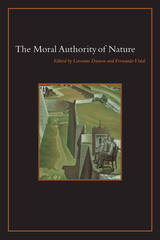
The Moral Authority of Nature offers a wide-ranging account of how people have used nature to think about what counts as good, beautiful, just, or valuable. The eighteen essays cover a diverse array of topics, including the connection of cosmic and human orders in ancient Greece, medieval notions of sexual disorder, early modern contexts for categorizing individuals and judging acts as "against nature," race and the origin of humans, ecological economics, and radical feminism. The essays also range widely in time and place, from archaic Greece to early twentieth-century China, medieval Europe to contemporary America.
Scholars from a wide variety of fields will welcome The Moral Authority of Nature, which provides the first sustained historical survey of its topic.
Contributors:
Danielle Allen, Joan Cadden, Lorraine Daston, Fa-ti Fan, Eckhardt Fuchs, Valentin Groebner, Abigail J. Lustig, Gregg Mitman, Michelle Murphy, Katharine Park, Matt Price, Robert N. Proctor, Helmut Puff, Robert J. Richards, Londa Schiebinger, Laura Slatkin, Julia Adeney Thomas, Fernando Vidal
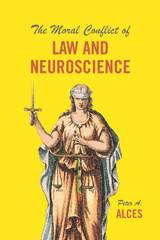
Peter A. Alces considers where and how the law currently fails to appreciate the neuroscientific revelation that humans may in key ways lack normative free will—and therefore moral responsibility. The most accessible setting in which to consider the potential impact of neuroscience is criminal law, as certain aspects of criminal law already reveal the naiveté of most normative reasoning, such as the inconsistent treatment of people with equally disadvantageous cognitive deficits, whether congenital or acquired. But tort and contract law also assume a flawed conception of human agency and responsibility. Alces reveals the internal contradictions of extant legal doctrine and concludes by considering what would be involved in constructing novel legal regimes based on emerging neuroscientific insights.
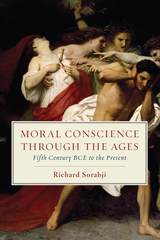
Sorabji examines an impressive breadth of topics: the longing for different kinds of freedom of conscience, the proper limits of freedom itself, protests at conscience’s being ‘terrorized,’ dilemmas of conscience, the value of conscience to human beings, its secularization, its reliability, and ways to improve it. These historical issues are alive today, with fresh concerns about topics such as conscientious objection, the force of conscience, or the balance between freedoms of conscience, religion, and speech. The result is a stunningly comprehensive look at a central component of our moral understanding.
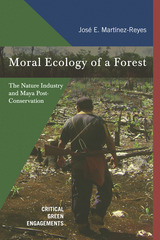
Moral Ecology of a Forest provides an ethnographic account of conservation politics, particularly the conflict between Western conservation and Mayan ontological ecology. The difficult interactions of the Maya of central Quintana Roo, Mexico, for example, or the Mayan communities of the Sain Ka’an Biosphere, demonstrate the clashing interests with Western biodiversity conservation initiatives. The conflicts within the forest of Quintana Roo represent the outcome of nature in this global era, where the forces of land grabbing, conservation promotion and organizations, and capitalism vie for control of forests and land.
Forests pose living questions. In addition to the ever-thrilling biology of interdependent species, forests raise questions in the sphere of political economy, and thus raise cultural and moral questions. The economic aspects focus on the power dynamics and ideological perspectives over who controls, uses, exploits, or preserves those life forms and landscapes. The cultural and moral issues focus on the symbolic meanings, forms of knowledge, and obligations that people of different backgrounds, ethnicities, and classes have constructed in relation to their lands. The Maya Forest of Quintana Roo is a historically disputed place in which these three questions come together.
In the early 1990s, Mongolia began a transition from socialism to a market democracy. In the process, the country became more than ever dependent on international mining revenue. Nearly thirty years later, many of Mongolia’s poor and rural feel that, rather than share in the prosperity the transition was supposed to spread, they have been forgotten.
Moral Economic Transitions in the Mongolian Borderlands analyzes this period of change from the viewpoint of the rural township of Magtaal on the Chinese border. After the end of socialism, the population of this resource-rich area found itself without employment or state institutions yet surrounded by lush nature and mere kilometers from the voracious Chinese market. A two-tiered resource-extractive political-economic system developed. At the same time as large-scale, formal, legally sanctioned conglomerates arrived to extract oil and other resources, local residents grew increasingly dependent on the Chinese-funded informal, illegal cross-border wildlife trade. More than a story about rampant capitalist extraction in the resource frontier, this book intimately details the complex inner worlds, moral ambiguities, and emergent collective politics constructed by individuals who feel caught in political-economic shifts that are largely outside of their control.

Moral electricity—a term coined by American transcendentalists in the 1850s to describe the force of nature that was literacy and education in shaping a greater society. This concept wasn't strictly an American idea, of course, and Ronald Briggs introduces us to one of the greatest examples of this power: the literary scene in Lima, Peru, in the nineteenth century.
As Briggs notes in the introduction to The Moral Electricity of Print, "the ideological glue that holds the American hemisphere together is a hope for the New World as a grand educational project combined with an anxiety about the baleful influence of a politically and morally decadent Old World that dominated literary output through its powerful publishing interests." The very nature of living as a writer and participating in the literary salons of Lima was, by definition, a revolutionary act that gave voice to the formerly colonized and now liberated people. In the actions of this literary community, as men and women worked toward the same educational goals, we see the birth of a truly independent Latin American literature.
Moral Emotions builds upon the philosophical theory of persons begun in Phenomenology and Mysticism and marks a new stage of phenomenology. Author Anthony J. Steinbock finds personhood analyzing key emotions, called moral emotions. Moral Emotions offers a systematic account of the moral emotions, described here as pride, shame, and guilt as emotions of self-givenness; repentance, hope, and despair as emotions of possibility; and trusting, loving, and humility as emotions of otherness.

Expanding his innovative studies of human reason in Metaphors We Live By and The Body in the Mind, Johnson provides the tools for more practical, realistic, and constructive moral reflection.
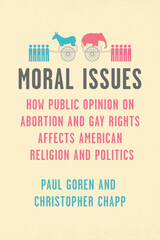
A new perspective on how beliefs about abortion and gay rights reshaped American politics.
Many believe that religious and partisan identities undergird American public opinion. However, when it comes to abortion and gay rights, the reverse may be closer to the truth.
Drawing on wide-ranging evidence, Paul Goren and Christopher Chapp show that views on abortion and gay rights are just as durable and politically impactful—and often more so—than political and religious identities. Goren and Chapp locate the lasting strength of stances on abortion and gay rights in the automatic, visceral emotions that the media has primed since the late 1980s. Moral Issues examines how attitudes toward these moralized issues affect, and can sometimes even disrupt, religious and partisan identities. Indeed, over the last thirty years, these attitudes have accelerated the rise of the religious “nones,” who have no religious affiliation, and promoted moral sorting into the Democratic and Republican parties.
We start with Friedrich Nietzsche, whose writings staged one of the first confrontations with the Christian tradition using the resources of Darwinian thought. The lebensphilosophie, or “life-philosophy,” that arose from his engagement with evolutionary ideas drew responses from other influential thinkers, including Franz Overbeck, Georg Simmel, and Heinrich Rickert. These critics all offered cogent challenges to Nietzsche’s appropriation of the newly transforming biological sciences, his negotiation between science and religion, and his interpretation of the implications of Darwinian thought. They also each proposed alternative ways of making sense of Nietzsche’s unique question concerning the meaning of biological evolution “for life.” At the heart of the discussion were debates about the relation of facts and values, the place of divine purpose in the understanding of nonhuman and human agency, the concept of life, and the question of whether the sciences could offer resources to satisfy the human urge to discover sources of value in biological processes. The Moral Meaning of Nature focuses on the historical background of these questions, exposing the complex ways in which they recur in contemporary philosophical debate.
In this new edition of the classic book on the moral conduct of war, Sidney Axinn provides a full-length treatment of the military conventions from a philosophical point of view. Axinn considers these basic ethical questions within the context of the laws of warfare: Should a good soldier ever disobey a direct military order? Are there restrictions on how we fight a war? What is meant by “military honor,” and does it really affect the contemporary soldier? Is human dignity possible under battlefield conditions?
Axinn answers “yes” to these questions. His objective in A Moral Military is to establish a basic framework for moral military action and to assist in analyzing military professional ethics. He argues for the seriousness of the concept of military honor but limits honorable military activity by a strict interpretation of the notion of war crime.
With revisions and expansions throughout, including a new chapter on torture, A Moral Military is an essential guide on the nature of war during a time when the limits of acceptable behavior are being stretched in new directions.

Few academic disciplines are as contentious as sociology. Sociologists routinely turn on their peers with fierce criticisms not only of their empirical rigor and theoretical clarity but of their character as well. Yet despite the controversy, scholars manage to engage in thorny debates without being censured. How?
In Moral Minefields, Shai M. Dromi and Samuel D. Stabler consider five recent controversial topics in sociology—race and genetics, secularization theory, methodological nationalism, the culture of poverty, and parenting practices—to reveal how moral debates affect the field. Sociologists, they show, tend to respond to moral criticism of scholarly work in one of three ways. While some accept and endorse the criticism, others work out new ways to address these topics that can transcend the criticism, while still others build on the debates to form new, more morally acceptable research.
Moral Minefields addresses one of the most prominent questions in contemporary sociological theory: how can sociology contribute to the development of a virtuous society? Rather than suggesting that sociologists adopt a clear paradigm that can guide their research toward neatly defined moral aims, Dromi and Stabler argue that sociologists already largely possess and employ the repertoires to address questions of moral virtue in their research. The conversation thus is moved away from attempts to theorize the moral goods sociologists should support and toward questions about how sociologists manage the plurality of moral positions that present themselves in their studies. Moral diversity within sociology, they show, fosters disciplinary progress.
Bringing together the thoughts of one of American literature’s sharpest cultural critics, this compendium will open the eyes of a whole new audience to the work of Lionel Trilling. Trilling was a strenuous thinker who was proud to think “too much.” As an intellectual he did not spare his own kind, and though he did not consider himself a rationalist, he was grounded in the world.
This collection features 32 of Trilling’s essays on a range of topics, from Jane Austen to George Orwell and from the Kinsey Report to Lolita. Also included are Trilling’s seminal essays “Art and Neurosis” and “Manners, Morals, and the Novel.” Many of the pieces made their initial appearances in periodicals such as The Partisan Review and Commentary; most were later reprinted in essay collections. This new gathering of his writings demonstrates again Trilling’s patient, thorough style. Considering “the problems of life”—in art, literature, culture, and intellectual life—was, to him, a vital occupation, even if he did not expect to get anything as simple or encouraging as “answers.” The intellectual journey was the true goal.
No matter the subject, Trilling’s arguments come together easily, as if constructing complicated defenses and attacks were singularly simple for his well-honed mind. The more he wrote on a subject and the more intricate his reasoning, the more clear that subject became; his elaboration is all function and no filler. Wrestling with Trilling’s challenging work still yields rewards today, his ideas speaking to issues that transcend decades and even centuries.


This study of G. E. Moore’s work in moral philosophy draws upon a close examination of the early essays that preceded the writing of Principia Ethica in order to ground the author’s view that Moore’s famous "naturalistic fallacy argument" of Principia has been widely misunderstood. At the time of his death in 1986, Robert Peter Sylvester was in the process of preparing this book for publication. That process has been brought to completion by Ray Perkins, Jr., and R. W. Sleeper. Sylvester’s reappraisal of the moral philosophy of G. E. Moore argues that criticism of the work of this major twentieth-century British philosopher has been based on misinterpretation of his unified position. He treats Moore’s ideas about "What is Good?", "What things are Good?" and "What ought we to do?" as forming a coherent system.
To bring this work up to date since the author’s death, the editors have provided a bibliographic essay following each chapter in which recent scholarship is discussed.
Lakoff reveals radically different but remarkably consistent conceptions of morality on both the left and right. Moral worldviews, like most deep ways of understanding the world, are unconscious—part of our “hard-wired” brain circuitry. When confronted with facts that don’t fit our moral worldview, our brains work automatically and unconsciously to ignore or reject these facts, and it takes extraordinary openness and awareness of this phenomenon to pay critical attention to the vast number of facts we are presented with each day. For this new edition, Lakoff has added a new preface and afterword, extending his observations to major ideological conflicts since the book's original publication, from the Affordable Care Act to the wars in Iraq and Afghanistan, the recent financial crisis, and the effects of global warming. One might have hoped such massive changes would bring people together, but the reverse has actually happened; the divide between liberals and conservatives has become stronger and more virulent.
To have any hope of bringing mutual respect to the current social and political divide, we need to clearly understand the problem and make it part of our contemporary public discourse. Moral Politics offers a much-needed wake-up call to both the left and the right.

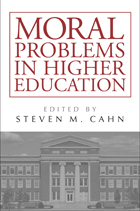
Moral Problems in Higher Education brings together key essays that explore ethical issues in academia. The editor and contributors-all noted philosophers and educators-consider such topics as academic freedom and tenure, free speech on campus, sexual harassment, preferential student admissions, affirmative action in faculty appointments, and the ideal of a politically neutral university. Chapters address possible restrictions on research because of moral concerns, the structure of peer review, telling the truth to colleagues and students, and concerns raised by intercollegiate athletics.
Cahn selects two key readings in each area to offer a readable introductory guide to these critical subjects for students studying academic ethics and higher education policy. In addition to the selections and a general introduction, Cahn provides study questions for use in the classroom.
Contributors include Scott F. Aikin, Derek Bok, William G. Bowen, Myles Brand, Richard T. DeGeorge, Paul D. Eisenberg, Leslie Pickering Francis, Martin P. Golding, Philip Kitcher, Charles R. Lawrence III, David Lewis, Paul J. Olscamp, Nancy Tuana, David Shatz, George Sher, Robert L. Simon, Robert B. Talisse, Stephan Thernstrom, Abigail Thernstrom, Laurence Thomas, Robert Paul Wolff, and the editor.
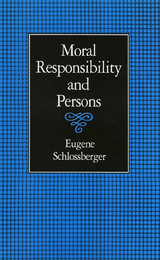
Challenging traditional philosophical views of moral responsibility, Eugene Schlossberger argues that we are responsible not so much for what we do as for who we are. He explores what it means to be a person, concluding that personhood is the sum of beliefs and values—which are by no means entirely within our control. Consequently, the voluntariness of our acts—or even whether we act at all—is irrelevant to the moral evaluation of us as persons. Schlossberger contends that we are to be judged morally on the basis of what we are, our "world-view," rather than what we do.
In Moral Responsibility and Persons Schlossberger disputes various received philosophical positions. His challenging and entertaining account also examines psychology and its view of the nature of personhood, as well as insanity and the "personality" of animals, children, and computers. He explores the validity of emotions we may feel in response to others—especially gratitude and resentment. And finally, Schlossberger tackles the inevitable implications of his position in the area of crime and punishment.
In an argument both compelling and provocative, Marion Smiley demonstrates how attributions of blame—far from being based on an objective process of factual discovery—are instead judgments that we ourselves make on the basis of our own political and social points of view. She argues that our conception of responsibility is a singularly modern one that locates the source of blameworthiness in an individual's free will. After exploring the flaws inherent in this conception, she shows how our judgments of blame evolve out of our configuration of social roles, our conception of communal boundaries, and the distribution of power upon which both are based.
The great strength of Smiley's study lies in the way in which it brings together both rigorous philosophical analysis and an appreciation of the dynamics of social and political practice. By developing a pragmatic conception of moral responsibility, this work illustrates both how moral philosophy can enhance our understanding of social and political practices and why reflection on these practices is necessary to the reconstruction of our moral concepts.
For more than two decades, film theory has been dominated by a model of identification tacitly based on the idea of feeling what the other feels or of imagining oneself to be the other. Building on the theories of affect and identification developed by André Green, Melanie Klein, Donald W. Winnicott, and Silvan Tomkins, Cartwright develops a model of spectatorship that takes into account and provides a way of critically analyzing the dynamics of a different kind of identification, one that is empathetic and highly intersubjective.
A psychiatrist writes a letter to a journal explaining his decision to marry a former patient. Another psychiatrist confides that most of his friends are ex-patients. Both practitioners felt they had to defend their behavior, but psychoanalyst Arnold Goldberg couldn’t pinpoint the reason why. What was wrong about the analysts’ actions?
In Moral Stealth, Goldberg explores and explains that problem of “correct behavior.” He demonstrates that the inflated and official expectations that are part of an analyst’s training—that therapists be universally curious, hopeful, kind, and purposeful, for example—are often of less help than simple empathy amid the ambiguous morality of actual patient interactions. Being a good therapist and being a good person, he argues, are not necessarily the same.
Drawing on case studies from his own practice and from the experiences of others, as well as on philosophers such as John Dewey, Slavoj Žižek, and Jürgen Habermas, Goldberg breaks new ground and leads the way for therapists to understand the relationship between private morality and clinical practice.

Powell locates the origins of constitutional law in the Enlightenment attempt to control the violence of the state by subjecting power to reason. He then traces constitutionalism's rapid evolution into a tradition of rational inquiry centered in the practice of adjudication and embodied in a community of lawyers and judges. Finally, Powell shows how the tradition's nineteenth-century presuppositions about the autonomy and rationality of constitutional argument have been undermined in the twentieth century, within the constitutional community itself, by the acceptance of a positivist and "democratic" understanding of law. Powell shows how the continued willingness of the courts to resolve moral questions by invoking "the Constitution" has thrown the constitutional tradition into an epistemological crisis. He critiques the work of many major theorists—John Hart Ely, Bruce Ackerman, Frank Michaelman, Rogers Smith, Michael Perry, Mark Tushnet, Robert Bork, Sanford Levinson—who, he claims, persist in attempting to resolve the crisis by redefining constitutionalism as American social morality.
With reference to Alasdair MacIntyre's concepts of moral tradition and social practice and John Howard Yoder's theological account of the state, Powell places his analysis of current constitutionalism within a contemporary Christian theological critique of Western liberalism. With certain exceptions, Powell concludes, there are theological grounds in the United States to prefer decision making by elected officials to decision by constitutional courts. Despite the controversial implications for judicial practice and legal argument, Powell ultimately argues that the liberal tradition of rational inquiry--American constitutionalism--be renounced by the Christian community in favor of the majoritarian political process.

READERS
Browse our collection.
PUBLISHERS
See BiblioVault's publisher services.
STUDENT SERVICES
Files for college accessibility offices.
RECENTLY PUBLISHED




UChicago Accessibility Resources
home | accessibility | search | about | contact us
BiblioVault ® 2001 - 2026
The University of Chicago Press