
 A SCHOLARLY BOOK REPOSITORY
136 start with A start with A
Examines three areas in which abductive reasoning is especially important: medicine, science, and law. The reader is introduced to abduction and shown how it has evolved historically into the framework of conventional wisdom in logic. Discussions draw upon recent techniques used in artificial intelligence, particularly in the areas of multi-agent systems and plan recognition, to develop a dialogue model of explanation. Cases of causal explanations in law are analyzed using abductive reasoning, and all the components are finally brought together to build a new account of abductive reasoning.
By clarifying the notion of abduction as a common and significant type of reasoning in everyday argumentation, Abductive Reasoning will be useful to scholars and students in many fields, including argumentation, computing and artificial intelligence, psychology and cognitive science, law, philosophy, linguistics, and speech communication and rhetoric.

How Black Atlantic literature can challenge conventions and redefine literary scholarship
Abolition Time is an invitation to reenvision abolitionist justice through literary studies. Placing critical race theory, queer theory, critical prison studies, and antiprison activism in conversation with an archive of Black Atlantic literatures of slavery, Jess A. Goldberg reveals how literary studies can help undo carceral epistemologies embedded in language and poetics.
Goldberg examines poetry, drama, and novels from the nineteenth century through the twenty-first—such as William Wells Brown’s The Escape, Angelina Weld Grimké’s Rachel, Toni Morrison’s A Mercy, and Claudia Rankine’s Citizen—to consider literature and literary scholarship’s roles in shaping societal paradigms. Focusing on how Black Atlantic literature disrupts the grammar of law and order, they show how these texts propose nonlinear theories of time that imagine a queer relationality characterized by care rather than inheritance, property, or biology.
Abolition Time offers a framework for thinking critically about what is meant by the term justice in the broadest and deepest sense, using close reading to inform the question of abolishing prisons or the police and to think seriously about the most fundamental questions at the heart of the abolitionist movement.

What can abortion and divorce laws in other countries teach Americans about these thorny issues? In this incisive new book, noted legal scholar Mary Ann Glendon looks at the experiences of twenty Western nations, including the United States, and shows how they differ, subtly but profoundly, from one another. Her findings challenge many widely held American beliefs. She reveals, for example, that a compromise on the abortion question is not only possible but typical, even in societies that are deeply divided on the matter. Regarding divorce, the extensive reliance on judicial discretion in the United States is not the best way to achieve fairness in arranging child support, spousal maintenance, or division of property—to judge by the experience of other countries. Glendon's analysis, by searching out alternatives to current U.S. practice, identities new possibilities of reform in these areas. After the late 1960s abortion and divorce became more readily available throughout the West—and most readily in this country—but the approach of American law has been anomalous. Compared with other Western nations, the United States permits less regulation of abortion in the interest of the fetus, provides less public support for maternity and child-rearing, and does less to mitigate the economic hardships of divorce through public assistance or enforcement of private obligations of support.
Glendon looks at these and more profound differences in the light of a powerful new method of legal interpretation. She sees each country's laws as part of a symbol-creating system that yields a distinctive portrait of individuals, human life, and relations between men and women, parents and children, families and larger communities. American law, more than that of other countries, employs a rhetoric of rights, individual liberty, and tolerance for diversity that, unchecked, contributes to the fragmentation of community and its values. Contemporary U.S. family law embodies a narrative about divorce, abortion, and dependency that is probably not the story most Americans would want to tell about these sad and complex matters but that is recognizably related to many of their most cherished ideals.
A comprehensive history of abortion in Renaissance Italy.
In this authoritative history, John Christopoulos provides a provocative and far-reaching account of abortion in sixteenth- and seventeenth-century Italy. His poignant portraits of women who terminated or were forced to terminate pregnancies offer a corrective to longstanding views: he finds that Italians maintained a fundamental ambivalence about abortion. Italians from all levels of society sought, had, and participated in abortions. Early modern Italy was not an absolute anti-abortion culture, an exemplary Catholic society centered on the “traditional family.” Rather, Christopoulos shows, Italians held many views on abortion, and their responses to its practice varied.
Bringing together medical, religious, and legal perspectives alongside a social and cultural history of sexuality, reproduction, and the family, Christopoulos offers a nuanced and convincing account of the meanings Italians ascribed to abortion and shows how prevailing ideas about the practice were spread, modified, and challenged. Christopoulos begins by introducing readers to prevailing ideas about abortion and women’s bodies, describing the widely available purgative medicines and surgeries that various healers and women themselves employed to terminate pregnancies. He then explores how these ideas and practices ran up against and shaped theology, medicine, and law. Catholic understanding of abortion was changing amid religious, legal, and scientific debates concerning the nature of human life, women’s bodies, and sexual politics. Christopoulos examines how ecclesiastical, secular, and medical authorities sought to regulate abortion, and how tribunals investigated and punished its procurers—or did not, even when they could have. Abortion in Early Modern Italy offers a compelling and sensitive study of abortion in a time of dramatic religious, scientific, and social change.

One of the most private decisions a woman can make, abortion is also one of the most contentious topics in American civic life. Protested at rallies and politicized in party platforms, terminating pregnancy is often characterized as a selfish decision by women who put their own interests above those of the fetus. This background of stigma and hostility has stifled women’s willingness to talk about abortion, which in turn distorts public and political discussion. To pry open the silence surrounding this public issue, Sanger distinguishes between abortion privacy, a form of nondisclosure based on a woman’s desire to control personal information, and abortion secrecy, a woman’s defense against the many harms of disclosure.
Laws regulating abortion patients and providers treat abortion not as an acceptable medical decision—let alone a right—but as something disreputable, immoral, and chosen by mistake. Exploiting the emotional power of fetal imagery, laws require women to undergo ultrasound, a practice welcomed in wanted pregnancies but commandeered for use against women with unwanted pregnancies. Sanger takes these prejudicial views of women’s abortion decisions into the twenty-first century by uncovering new connections between abortion law and American culture and politics.
New medical technologies, women’s increasing willingness to talk online and off, and the prospect of tighter judicial reins on state legislatures are shaking up the practice of abortion. As talk becomes more transparent and acceptable, women’s decisions about whether or not to become mothers will be treated more like those of other adults making significant personal choices.

The notion of academic freedom dates back to the creation of universities and has long been understood to be central to their vocation. This freedom has come under attack by different actors throughout its history. In the current context, rising threats to democracy and human liberties, the corporatization of research, concerns about diversity and increased societal polarization, are putting a considerable pressure on its exercise. However, academic freedom is also a concept that suffers from persistent ambiguities associated with the general notion of freedom as well as debates about the function of universities.
This edited collection addresses the question of academic freedom by situating it in its broader global context. More conceptual treatments contribute to an understanding of academic freedom as distinct and separate from, although related to, freedom of expression, or student rights. These conceptual treatments are combined with studies of actual struggles over the scope of academic freedom in specific universities. The contributions come from a broad variety of sites seek to deprovincialize the conversation beyond North America or the English-speaking world.
In this passionately argued overview, a longtime activist-scholar takes readers through the changing landscape of academic freedom. From the aftermath of September 11th to the new frontier of blogging, Robert O'Neil examines the tension between institutional and individual interests. Many cases boil down to a hotly contested question: who has the right to decide what is taught in the classroom?
O'Neil shows how courts increasingly restrict professorial judgment, and how the feeble protection of what is posted on the Internet and written in email makes academics more vulnerable than ever. Even more provocatively, O'Neil argues, the newest threats to academic freedom come not from government, but from the private sector. Corporations increasingly sponsor and control university-based research, while self-appointed watchdogs systematically harass individual teachers on websites and blogs. Most troubling, these threats to academic freedom are nearly immune from legal recourse.
Insisting that new concepts of academic freedom, and new strategies for maintaining it are needed, O'Neil urges academics to work together--and across rigid and simplistic divisions between "left" and "right."
For those who find themselves in a battle for public records, Access with Attitude: An Advocate’s Guide to Freedom of Information in Ohio is an indispensable weapon. First Amendment lawyer David Marburger and investigative journalist Karl Idsvoog have written a simply worded, practical guide on how to take full advantage of Ohio’s so-called Sunshine Laws.
Journalists, law firms, labor unions, private investigators, genealogists, realty companies, banks, insurers—anyone who regularly needs access to publicly held information—will find this comprehensive and contentious guide to be invaluable. Marburger, who drafted many of the provisions that Ohio adopted in its open records law, and coauthor Idsvoog have been fighting for broader access to public records their entire careers. They offer field-tested tips on how to avoid “no,” and advise readers on legal strategies if their requests for information go unmet. Step by step, they show how to avoid delays and make the law work.
Whether you’re a citizen, a nonprofit organization, a journalist, or an attorney going after public records, Access with Attitude is an essential resource.
In the five decades after the Civil War, the United States witnessed a profusion of legal institutions designed to cope with the nation’s exceptionally acute industrial accident crisis. Jurists elaborated the common law of torts. Workingmen’s organizations founded a widespread system of cooperative insurance. Leading employers instituted welfare-capitalist accident relief funds. And social reformers advocated compulsory insurance such as workmen’s compensation.
John Fabian Witt argues that experiments in accident law at the turn of the twentieth century arose out of competing views of the loose network of ideas and institutions that historians call the ideology of free labor. These experiments a century ago shaped twentieth- and twenty-first-century American accident law; they laid the foundations of the American administrative state; and they occasioned a still hotly contested legal transformation from the principles of free labor to the categories of insurance and risk. In this eclectic moment at the beginnings of the modern state, Witt describes American accident law as a contingent set of institutions that might plausibly have developed along a number of historical paths. In turn, he suggests, the making of American accident law is the story of the equally contingent remaking of our accidental republic.
NAGPRA requires museums and federal agencies to return requested Native American cultural items to lineal descendants, culturally affiliated Indian tribes, and Native Hawai’ian organizations. Since the 1990 passage of the act, museums and federal agencies have made more than one million cultural items—and the remains of nearly forty thousand Native Americans—available for repatriation.
Drawing on case studies, personal reflections, historical documents, and statistics, the volume examines NAGPRA and its grassroots, practical application throughout the United States.? Accomplishing NAGPRA will appeal to professionals and academics with an interest in cultural resource management, Indian and human rights law, Indigenous studies, social justice movements, and public policy.

"This is a fascinating and highly original exploration of a familiar, though poorly understood, phenomenon of modern societies in general and totalitarian systems in particular. From the French Revolution to the NKVD, Gestapo, and Stasi, denunciation is analyzed both as a function of political surveillance and as deeply rooted in the social practices of community and the workplace. The book represents a refreshing amalgam of deeply archival research and theoretical rigor."—Norman M. Naimark, Stanford University
Multinational enterprises, or MNEs, can contribute to economic prosperity and social development in the countries where they operate. At the same time, their activities may directly or indirectly cause harm to humans and to the environment. Historically, MNEs have rarely been held accountable for their involvement in human rights abuses and environmental damage. In recent years, however, activists have sought to hold parent companies directly liable for the harm caused by their group’s activities. They have also strategically used litigation to trigger corporate accountability reforms at international, regional, and national levels.
Focusing on Europe, this book evaluates the extent to which litigation against MNEs has been effective in achieving access to justice and corporate accountability, particularly in civil-law countries. It also considers whether ongoing regulatory developments, such as the adoption of mandatory human rights due diligence norms and the negotiations for a business and human rights treaty, can contribute to the realization of access to justice and corporate accountability in the future.
In this book, James Boyd White shows how texts by some of our most important thinkers and writers—including Plato, Shakespeare, Dickinson, Mandela, and Lincoln—answer these questions, not in the abstract, but in the way they wrestle with the claims of the world and self in particular historical and cultural contexts. As they define afresh the institutions or practices for which they claim (or resist) authority, they create authorities of their own, in the very modes of thought and expression they employ. They imagine their world anew and transform the languages that give it meaning.
In so doing, White maintains, these works teach us about how to read and judge claims of authority made by others upon us; how to decide to which institutions and practices we should grant authority; and how to create authorities of our own through our thoughts and arguments. Elegant and accessible, this book will appeal to anyone wanting to better understand one of the primary processes of our social and political lives.
Kervégan begins with Hegel’s term “objective spirit,” the public manifestation of our deepest commitments, the binding norms that shape our existence as subjects and agents. He examines objective spirit in three realms: the notion of right, the theory of society, and the state. In conversation with Tocqueville and other theorists of democracy, whether in the Anglophone world or in Europe, Kervégan shows how Hegel—often associated with grand metaphysical ideas—actually had a specific conception of civil society and the state. In Hegel’s view, public institutions represent the fulfillment of deep subjective needs—and in that sense, demonstrate that the real is the rational, because what surrounds us is the product of our collective mindedness. This groundbreaking analysis will guide the study of Hegel and nineteenth-century political thought for years to come.
Has American democracy outstripped its constitutional accommodations?
Faith in the resilience and adaptability of the US Constitution rests on a long history of finding new ways to make the system work. In The Adaptability Paradox, political scientist Stephen Skowronek examines the rearrangements that regenerated the American government in the past and brings that experience to bear on our current predicament. He shows how a constitution framed in writing some 230 years ago can run into serious difficulties directly related to its long and impressive history of adaptation.
Skowronek connects questions about the Constitution’s adaptability to the challenges of democratization. For most of American history, serial rearrangements of constitutional relationships widened the government’s purview as a national democracy without giving either nationalism or democracy free rein. Skowronek argues that the politics of adaptation shifted fundamentally with the “Rights Revolution” of the 1960s and `70s when American national democracy approached the inclusion of all its citizens on equal footing. Since then, power and authority have been reconfigured in ways that have steadily magnified conflicts over the essentials of good order. Conservatives aim to dismantle a Constitution that progressives are intent on building upon, and the consensus necessary for a constitutional democracy to function effectively has all but evaporated. No longer a socially bound framework for national action, the Constitution has become an abstract matrix of possibilities, a disembodied opportunity structure open to starkly different, mutually unacceptable futures.
Rather than being liberated by this unbound Constitution, the American people now appear entrapped by it. Is it possible that the development of American democracy has exhausted the adaptive capacities of the Constitution? A timely reminder that constitutional democracies do not survive on faith alone, The Adaptability Paradox is a sober appraisal of the unfamiliar ground on which we now tread.
Administering Justice examines the leadership role of chief justices in the American states, including how those duties require chief justices to be part of the broader state political environment. Vining and Wilhelm focus extensively on the power of chief justices as public spokespersons, legislative liaisons, and reform leaders. In contrast to much existing research on chief justices in the states, this study weighs their extrajudicial responsibilities rather than intracourt leadership. By assessing the content of State of the Judiciary remarks delivered over a period of sixty years, Vining and Wilhelm are able to analyze the reform agendas advanced by chief justices and determine what factors influence the likelihood of success. These analyses confirm that chief justices engage with state politics in meaningful ways and that reactions to their proposals are influenced by ideological congruence with other political elites and the scope of their requests. Administering Justice also examines the chief justice position as an institution, provides a collective profile of its occupants, and surveys growing diversity among court leaders.



At a time when legal and social prohibitions on sexual relationships are declining, Americans are still nearly unanimous in their condemnation of adultery. Over 90 percent disapprove of cheating on a spouse. In her comprehensive account of the legal and social consequences of infidelity, Deborah Rhode explores why. She exposes the harms that criminalizing adultery inflicts, and she makes a compelling case for repealing adultery laws and prohibitions on polygamy.
In the twenty-two states where adultery is technically illegal although widely practiced, it can lead to civil lawsuits, job termination, and loss of child custody. It is routinely used to threaten and tarnish public officials and undermine military careers. And running through the history of anti-adultery legislation is a double standard that has repeatedly punished women more severely than men. An “unwritten law” allowing a man to avoid conviction for killing his wife’s lover remained common well into the twentieth century. Murder under these circumstances was considered an act of understandable passion.
Adultery has been called the most creative of sins, and novelists and popular media have lavished attention on sexual infidelity. As a focus of serious study, however, adultery has received short shrift. Rhode combines a comprehensive account of the legal and social consequences of adultery with a forceful argument for halting the state’s policing of fidelity.
American methods of policy implementation and dispute resolution are more adversarial and legalistic when compared with the systems of other economically advanced countries. Americans more often rely on legal threats and lawsuits. American laws are generally more complicated and prescriptive, adjudication more costly, and penalties more severe. In a thoughtful and cogently argued book, Robert Kagan examines the origins and consequences of this system of "adversarial legalism."
Kagan describes the roots of adversarial legalism and the deep connections it has with American political institutions and values. He investigates its social costs as well as the extent to which lawyers perpetuate it. Ranging widely across many legal fields, including criminal law, environmental regulations, tort law, and social insurance programs, he provides comparisons with the legal and regulatory systems of western Europe, Canada, and Japan that point to possible alternatives to the American methods.
Kagan notes that while adversarial legalism has many virtues, its costs and unpredictability often alienate citizens from the law and frustrate the quest for justice. This insightful study deepens our understanding of law and its relationship to politics in America and raises valuable questions about the future of the American legal system.
In the first edition of this groundbreaking book, Robert Kagan explained why America is much more adversarial—likely to rely on legal threats and lawsuits—than other economically advanced countries, with more prescriptive laws, more costly adjudications, and more severe penalties. This updated edition also addresses the rise of the conservative legal movement and anti-statism in the Republican party, which have put in sharp relief the virtues of adversarial legalism in its ability to empower citizens, lawyers, and judges to mount challenges to the arbitrary or unlawful exercise of government authority.
“This is a wonderful piece of work, richly detailed and beautifully written. It is the best, sanest, and most comprehensive evaluation and critique of the American way of law that I have seen. Every serious scholar concerned with justice and efficiency, and every policymaker who is serious about improving the American legal order, should read this trenchant and exciting book.”
—Lawrence Friedman, Stanford University
“A tour de force. It is an elegantly written, consistently insightful analysis and critique of the American emphasis on litigation and punitive sanctions in the policy and administrative process.”
—Charles R. Epp, Law and Society Review
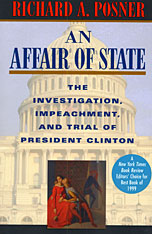
President Bill Clinton’s year of crisis, which began when his affair with Monica Lewinsky hit the front pages in January 1998, engendered a host of important questions of criminal and constitutional law, public and private morality, and political and cultural conflict.
In a book written while the events of the year were unfolding, Richard Posner presents a balanced and scholarly understanding of the crisis that also has the freshness and immediacy of journalism. Posner clarifies the issues and eliminates misunderstandings concerning facts and the law that were relevant to the investigation by Independent Counsel Kenneth Starr and to the impeachment proceeding itself. He explains the legal definitions of obstruction of justice and perjury, which even many lawyers are unfamiliar with. He carefully assesses the conduct of Starr and his prosecutors, including their contacts with the lawyers for Paula Jones and their hardball tactics with Monica Lewinsky and her mother. He compares and contrasts the Clinton affair with Watergate, Iran–Contra, and the impeachment of Andrew Johnson, exploring the subtle relationship between public and private morality. And he examines the place of impeachment in the American constitutional scheme, the pros and cons of impeaching President Clinton, and the major procedural issues raised by both the impeachment in the House and the trial in the Senate. This book, reflecting the breadth of Posner’s experience and expertise, will be the essential foundation for anyone who wants to understand President Clinton’s impeachment ordeal.

Insightful and path-breaking, Affirmative Action and the Stalled Quest for Black Progress examines the accomplishments and limitations of the set-aside programs once at the center of political debates about affirmative action in the United States.

Debunking conventional narratives of Afghanistan as a perennial war zone or marginal frontier, Faiz Ahmed presents a vibrant account of the first Muslim-majority country to gain independence from the British Empire, form a fully sovereign government, and promulgate an original constitution after the fall of the Ottoman Empire.
Far from a landlocked wilderness, turn-of-the-twentieth-century Afghanistan was a magnet for itinerant scholars and emissaries shuttling between Ottoman and British imperial domains. Tracing Afghans’ longstanding but seldom examined scholastic ties to Istanbul, Damascus, and Baghdad, as well as greater Delhi and Lahore, Ahmed vividly describes how the Kabul court recruited jurists to craft a modern state within the interpretive traditions of Islamic law and ethics, or shariʿa, and international legal norms. Beginning with the first Ottoman mission to Kabul in 1877, and culminating with parallel independence struggles in Afghanistan, India, and Turkey after World War I, this rich narrative explores encounters between diverse streams of Muslim thought and politics—from Young Turk lawyers to Pashtun clerics; Ottoman Arab officers to British Raj bureaucrats; and the last caliphs to a remarkable dynasty of Afghan kings and queens.
By unearthing a lost history behind Afghanistan’s independence and first constitution, Ahmed shows how debates today on Islam, governance, and the rule of law have deep roots in a beleaguered land. Based on research in six countries and as many languages, Afghanistan Rising rediscovers a time when Kabul stood proudly for anticolonial coalitions, self-determination, and contested visions of reform in the Global South and Islamicate world.
African Asylum at a Crossroads: Activism, Expert Testimony, and Refugee Rights examines the emerging trend of requests for expert opinions in asylum hearings or refugee status determinations. This is the first book to explore the role of court-based expertise in relation to African asylum cases and the first to establish a rigorous analytical framework for interpreting the effects of this new reliance on expert testimony.
Over the past two decades, courts in Western countries and beyond have begun demanding expert reports tailored to the experience of the individual claimant. As courts increasingly draw upon such testimony in their deliberations, expertise in matters of asylum and refugee status is emerging as an academic area with its own standards, protocols, and guidelines. This deeply thoughtful book explores these developments and their effects on both asylum seekers and the experts whose influence may determine their fate.
Contributors: Iris Berger, Carol Bohmer, John Campbell, Katherine Luongo, E. Ann McDougall, Karen Musalo, Tricia Redeker Hepner, Amy Shuman, Joanna T. Tague, Meredith Terretta, and Charlotte Walker-Said.

An Artforum Best Book of the Year
A Legal Theory Bookworm Book of the Year
“After Nature argues that we will deserve the future only because it will be the one we made. We will live, or die, by our mistakes.” —Christine Smallwood, Harper’s
Nature no longer exists apart from humanity. Henceforth, the world we will inhabit is the one we have made. Geologists have called this new planetary epoch the Anthropocene, the Age of Humans. The geological strata we are now creating record industrial emissions, industrial-scale crop pollens, and the disappearance of species driven to extinction. Climate change is planetary engineering without design. These facts of the Anthropocene are scientific, but its shape and meaning are questions for politics—a politics that does not yet exist. After Nature develops a politics for this post-natural world.
“Dazzling…Purdy hopes that climate change might spur yet another change in how we think about the natural world, but he insists that such a shift will be inescapably political…For a relatively slim volume, this book distills an incredible amount of scholarship—about Americans’ changing attitudes toward the natural world, and about how those attitudes might change in the future.”
—Ross Andersen, The Atlantic

Forty years after the U.S. Supreme Court handed down its decision legalizing abortion, Roe v. Wade continues to make headlines. After Roe: The Lost History of the Abortion Debate cuts through the myths and misunderstandings to present a clear-eyed account of cultural and political responses to the landmark 1973 ruling in the decade that followed. The grassroots activists who shaped the discussion after Roe, Mary Ziegler shows, were far more fluid and diverse than the partisans dominating the debate today.
In the early years after the decision, advocates on either side of the abortion battle sought common ground on issues from pregnancy discrimination to fetal research. Drawing on archives and more than 100 interviews with key participants, Ziegler’s revelations complicate the view that abortion rights proponents were insensitive to larger questions of racial and class injustice, and expose as caricature the idea that abortion opponents were inherently antifeminist. But over time, “pro-abortion” and “anti-abortion” positions hardened into “pro-choice” and “pro-life” categories in response to political pressures and compromises. This increasingly contentious back-and-forth produced the interpretation now taken for granted—that Roe was primarily a ruling on a woman’s right to choose.
Peering beneath the surface of social-movement struggles in the 1970s, After Roe reveals how actors on the left and the right have today made Roe a symbol for a spectrum of fervently held political beliefs.
In the twentieth century, American society has experienced a “rights revolution”: a commitment by the national government to promote a healthful environment, safe products, freedom from discrimination, and other rights unknown to the founding generation. This development has profoundly affected constitutional democracy by skewing the original understanding of checks and balances, federalism, and individual rights. Cass Sunstein tells us how it is possible to interpret and reform this regulatory state regime in a way that will enhance freedom and welfare while remaining faithful to constitutional commitments.
Sunstein vigorously defends government regulation against Reaganite/Thatcherite attacks based on free-market economics and pre–New Deal principles of private right. Focusing on the important interests in clean air and water, a safe workplace, access to the air waves, and protection against discrimination, he shows that regulatory initiatives have proved far superior to an approach that relies solely on private enterprise. Sunstein grants that some regulatory regimes have failed and calls for reforms that would amount to an American perestroika: a restructuring that embraces the use of government to further democratic goals but that insists on the decentralization and productive potential of private markets.
Sunstein also proposes a theory of interpretation that courts and administrative agencies could use to secure constitutional goals and to improve the operation of regulatory programs. From this theory he seeks to develop a set of principles that would synthesize the modern regulatory state with the basic premises of the American constitutional system. Teachers of law, policymakers and political scientists, economists and historians, and a general audience interested in rights, regulation, and government will find this book an essential addition to their libraries.
A New Statesman Book of the Year
A critical analysis of the transformation of constitutionalism from an increasingly irrelevant theory of limited government into the most influential philosophy of governance in the world today.
Constitutionalism is universally commended because it has never been precisely defined. Martin Loughlin argues that it is not some vague amalgam of liberal aspirations but a specific and deeply contentious governing philosophy. An Enlightenment idea that in the nineteenth century became America’s unique contribution to the philosophy of government, constitutionalism was by the mid-twentieth century widely regarded as an anachronism. Advocating separated powers and limited government, it was singularly unsuited to the political challenges of the times. But constitutionalism has since undergone a remarkable transformation, giving the Constitution an unprecedented role in society. Once treated as a practical instrument to regulate government, the Constitution has been raised to the status of civil religion, a symbolic representation of collective unity.
Against Constitutionalism explains why this has happened and its far-reaching consequences. Spearheaded by a “rights revolution” that subjects governmental action to comprehensive review through abstract principles, judges acquire greatly enhanced power as oracles of the regime’s “invisible constitution.” Constitutionalism is refashioned as a theory maintaining that governmental authority rests not on collective will but on adherence to abstract standards of “public reason.” And across the world the variable practices of constitutional government have been reshaped by its precepts.
Constitutionalism, Loughlin argues, now propagates the widespread belief that social progress is advanced not through politics, electoral majorities, and legislative action, but through innovative judicial interpretation. The rise of constitutionalism, commonly conflated with constitutional democracy, actually contributes to its degradation.
Do citizens of a nation such as the United States have a moral duty to obey the law? Do officials, when interpreting the Constitution, have an obligation to follow what that text meant when ratified? To follow precedent? To follow what the Supreme Court today says the Constitution means?
These are questions of political obligation (for citizens) and interpretive obligation (for anyone interpreting the Constitution, often officials). Abner Greene argues that such obligations do not exist. Although citizens should obey some laws entirely, and other laws in some instances, no one has put forth a successful argument that citizens should obey all laws all the time. Greene’s case is not only “against” obligation. It is also “for” an approach he calls “permeable sovereignty”: all of our norms are on equal footing with the state’s laws. Accordingly, the state should accommodate religious, philosophical, family, or tribal norms whenever possible.
Greene shows that questions of interpretive obligation share many qualities with those of political obligation. In rejecting the view that constitutional interpreters must follow either prior or higher sources of constitutional meaning, Greene confronts and turns aside arguments similar to those offered for a moral duty of citizens to obey the law.

From random security checks at airports to the use of risk assessment in sentencing, actuarial methods are being used more than ever to determine whom law enforcement officials target and punish. And with the exception of racial profiling on our highways and streets, most people favor these methods because they believe they’re a more cost-effective way to fight crime.
In Against Prediction, Bernard E. Harcourt challenges this growing reliance on actuarial methods. These prediction tools, he demonstrates, may in fact increase the overall amount of crime in society, depending on the relative responsiveness of the profiled populations to heightened security. They may also aggravate the difficulties that minorities already have obtaining work, education, and a better quality of life—thus perpetuating the pattern of criminal behavior. Ultimately, Harcourt shows how the perceived success of actuarial methods has begun to distort our very conception of just punishment and to obscure alternate visions of social order. In place of the actuarial, he proposes instead a turn to randomization in punishment and policing. The presumption, Harcourt concludes, should be against prediction.
Linked by a persistent inquiry into the nature and identity of “the law,” these essays are informed by the conviction that the conventional representations of law, both in law schools and the courts, cannot be taken at face value—that the law, as commonly conceived, makes no sense. The authors argue that the relentlessly normative prescriptions of American legal thinkers are frequently futile and, indeed, often pernicious. They also argue that the failure to recognize the role that authorship must play in the production of legal thought plagues both the teaching and the practice of American law. Ranging from the institutional to the psychological and metaphysical deficiencies of the American legal system, the depth of criticism offered by Against the Law is unprecedented.
In a departure from the nearly universal legitimating and reformist tendencies of American legal thought, this book will be of interest not only to the legal academics under attack in the book, but also to sociologists, historians, and social theorists. More particularly, it will engage all the American lawyers who suspect that there is something very wrong with the nature and direction of their profession, law students who anticipate becoming part of that profession, and those readers concerned with the status of the American legal system.
Nearly every middle-aged and older worker, at some time during his or her career, will suffer age discrimination in the workplace. Employers too often use early-retirement plans, restructurings, and downsizings to dismiss older workers. Many of these individuals are unwillingly ushered into earlier-than-planned retirements, are denied promotions, or are terminated. The baby-boomer generation now accounts for just under 50 percent of the entire workforce. A vast army of workers now stands ready to contest employer acts of age discrimination.
Attorney Raymond Gregory addresses himself to the millions of workers who think they might be facing age discrimination and traces the history of the federal measures enacted to assist workers in contesting unlawful employer conduct. He explains how the law works and presents actual court cases to demonstrate the ways that workers have challenged their employers. The cases help to illustrate legal principles in real-life experiences and many of the cases relate compelling stories of workers caught up in a web of employer discriminatory conduct. Gregory has eliminated all legal jargon, ensuring that all concepts are clear to his readers. Individuals will turn to this book again and again to obtain authoritative background on this important topic.

The “age of sex,” a term Decker conceptualizes in this carefully researched monograph, refers to the hypothetical moment when a “girl” becomes a “woman” capable of engaging in heterosexual activity and a “boy” becomes a “man” imbued with the right and responsibility to have heterosexual intercourse. Colonial ethnographic studies reduced complex precolonial rites of passage to “puberty rites” fixated on these sexual transformations. The resulting stereotypes influenced, in turn, how colonial and postcolonial court officials decided age-of-consent and other sex-crime cases. Court rituals thus legally transformed girls into women by ruling on their sexual maturity and boys into men by sentencing them to corporal punishment marking their acceptance of sexual responsibilities.
Agent Orange on Trial is a riveting legal drama with all the suspense of a courtroom thriller. One of the Vietnam War’s farthest reaching legacies was the Agent Orange case. In this unprecedented personal injury class action, veterans charge that a valuable herbicide, indiscriminately sprayed on the luxuriant Vietnam jungle a generation ago, has now caused cancers, birth defects, and other devastating health problems. Peter Schuck brilliantly recounts the gigantic confrontation between two million ex-soldiers, the chemical industry, and the federal government. From the first stirrings of the lawyers in 1978 to the court plan in 1985 for distributing a record $200 million settlement, the case, which is now on appeal, has extended the frontiers of our legal system in all directions.
In a book that is as much about innovative ways to look at the law as it is about the social problems arising from modern science, Schuck restages a sprawling, complex drama. The players include dedicated but quarrelsome veterans, a crusading litigator, class action organizers, flamboyant trial lawyers, astute court negotiators, and two federal judges with strikingly different judicial styles. High idealism, self-promotion, Byzantine legal strategies, and judicial creativity combine in a fascinating portrait of a human struggle for justice through law.
The Agent Orange case is the most perplexing and revealing example until now of a new legal genre: the mass toxic tort. Such cases, because of their scale, cost, geographical and temporal dispersion, and causal uncertainty, present extraordinarily difficult challenges to our legal system. They demand new approaches to procedure, evidence, and the definition of substantive legal rights and obligations, as well as new roles for judges, juries, and regulatory agencies. Schuck argues that our legal system must be redesigned if it is to deal effectively with the increasing number of chemical disasters such as the Bhopal accident, ionizing radiation, asbestos, DES, and seepage of toxic wastes. He imaginatively reveals the clash between our desire for simple justice and the technical demands of a complex legal system.
After an introduction covering the nature of elder law, social attitudes toward the elderly, aging and ethnicity, and generational justice, the book includes sections on work, income, and wealth; housing; mental capacity; health care decision making; long-term care; health care finance; family and social issues; and abuse, neglect, victimization, and elderly criminals. It concludes with essays on legal representation and ethical issues. The essays have been edited to make them easily accessible to students and the general reader, and Professor Frolik has supplied introductions to the sections, as well as summaries of issues for which the essays could not be included.
Both comprehensive and engaging, Aging and the Law brings together essays by lawyers, social workers, health care professionals, and policy makers, as well as selected case law and congressional hearings.
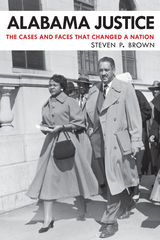
Examines the legacies of eight momentous US Supreme Court decisions that have their origins in Alabama legal disputes
Unknown to many, Alabama has played a remarkable role in a number of Supreme Court rulings that continue to touch the lives of every American. In Alabama Justice: The Cases and Faces That Changed a Nation, Steven P. Brown has identified eight landmark cases that deal with religion, voting rights, libel, gender discrimination, and other issues, all originating from legal disputes in Alabama.
Written in a concise and accessible manner, each case law chapter begins with the circumstances that created the dispute. Brown then provides historical and constitutional background for the issue followed by a review of the path of litigation. Excerpts from the Court’s ruling in the case are also presented, along with a brief account of the aftermath and significance of the decision. The First Amendment (New York Times v. Sullivan), racial redistricting (Gomillion v. Lightfoot), the Equal Protection Clause of the Fourteenth Amendment (Frontiero v. Richardson), and prayer in public schools (Wallace v. Jaffree) are among the pivotal issues stamped indelibly by disputes with their origins in Alabama legal, political, and cultural landscapes. By examining such landmark twentieth-century milestones and eras such as the Scottsboro Boys trial, the Civil Rights movement, and the fight for women’s rights through a legal lens, Brown sheds new and unexpected light on the ways that events in Alabama have shaped the nation.
In addition to his analysis of cases, Brown discusses the three associate Supreme Court justices from Alabama to the Supreme Court: John McKinley, John Archibald Campbell, and Hugo Black. Their cumulative influence on constitutional interpretation, the institution of the Court, and the day-to-day rights and liberties enjoyed by every American is impossible to measure. A closing chapter examines the careers and contributions of these three Alabamians.

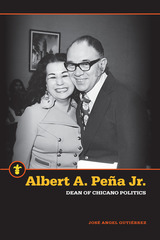
Patricia Williams is a lawyer and a professor of commercial law, the great-great-granddaughter of a slave and a white southern lawyer. The Alchemy of Race and Rights is an eloquent autobiographical essay in which the author reflects on the intersection of race, gender, and class. Using the tools of critical literary and legal theory, she sets out her views of contemporary popular culture and current events, from Howard Beach to homelessness, from Tawana Brawley to the law-school classroom, from civil rights to Oprah Winfrey, from Bernhard Goetz to Mary Beth Whitehead. She also traces the workings of “ordinary racism”—everyday occurrences, casual, unintended, banal perhaps, but mortifying. Taking up the metaphor of alchemy, Williams casts the law as a mythological text in which the powers of commerce and the Constitution, wealth and poverty, sanity and insanity, wage war across complex and overlapping boundaries of discourse. In deliberately transgressing such boundaries, she pursues a path toward racial justice that is, ultimately, transformative.
Williams gets to the roots of racism not by finger-pointing but by much gentler methods. Her book is full of anecdote and witness, vivid characters known and observed, trenchant analysis of the law’s shortcomings. Only by such an inquiry and such patient phenomenology can we understand racism. The book is deeply moving and not so, finally, just because racism is wrong—we all know that. What we don’t know is how to unthink the process that allows racism to persist. This Williams enables us to see. The result is a testament of considerable beauty, a triumph of moral tactfulness. The result, as the title suggests, is magic.

In The Aliites, Spencer Dew traces the history and impact of Ali’s radical fusion of law and faith. Dew uncovers the influence of Ali’s teachings, including the many movements they inspired. As Dew shows, Ali’s teachings demonstrate an implicit yet critical component of the American approach to law: that it should express our highest ideals for society, even if it is rarely perfect in practice. Examining this robustly creative yet largely overlooked lineage of African American religious thought, Dew provides a window onto religion, race, citizenship, and law in America.
All Our Trials explores the organizing, ideas, and influence of those who placed criminalized and marginalized women at the heart of their antiviolence mobilizations. This activism confronted a "tough on crime" political agenda and clashed with the mainstream women’s movement’s strategy of resorting to the criminal legal system as a solution to sexual and domestic violence. Drawing on extensive archival research and first-person narratives, Thuma weaves together the stories of mass defense campaigns, prisoner uprisings, broad-based local coalitions, national gatherings, and radical print cultures that cut through prison walls. In the process, she illuminates a crucial chapter in an unfinished struggle––one that continues in today’s movements against mass incarceration and in support of transformative justice.
How colleges and universities can respond to legal pressures while remaining true to their educational missions.
Not so long ago, colleges and universities had little interaction with the law. In the 1970s, only a few well-heeled universities even employed in-house legal counsel. But now we live in the age of tenure-denial lawsuits, free speech battles, and campus sexual assault investigations. Even athletics rules violations have become a serious legal matter. The pressures of regulation, litigation, and legislation, Louis Guard and Joyce Jacobsen write, have fostered a new era in higher education, and institutions must know how to respond.
For many higher education observers and participants, including most administrators and faculty, the maze of legal mandates and potential risks can seem bewildering. Guard, a general counsel with years of higher education law experience, and Jacobsen, a former college president, map this unfamiliar terrain. All the Campus Lawyers provides a vital, up-to-date assessment of the impact of legal concerns on higher education and helps readers make sense of the most pressing trends and issues, including civil rights; free speech and expression; student life and wellness; admissions, advancement, and community relations; governance and oversight; the higher education business model; and on-campus crises, from cyberattacks to pandemics.
As well as informing about the latest legal and regulatory developments affecting higher education, Guard and Jacobsen offer practical guidance to those in positions of campus authority. There has never been a more crucial time for college and university boards, presidents, inside and outside counsel, and other higher education leaders to know the law and prepare for legal challenges.

Parents of children with disabilities often situate their activism as a means of improving the world for their child. However, some disabled activists perceive parental activism as working against the independence and dignity of people with disabilities. This thorny relationship is at the heart of the groundbreaking Allies and Obstacles.
The authors chronicle parents’ path-breaking advocacy in arenas such as the right to education and to liberty via deinstitutionalization as well as how they engaged in legal and political advocacy. Allies and Obstacles provides a macro analysis of parent activism using a social movement perspective to reveal and analyze the complex—and often tense—relationship of parents to disability rights organizations and activism.
The authors look at organizational and individual narratives using four case studies that focus on intellectual disability, psychiatric diagnoses, autism, and a broad range of physical disabilities including cerebral palsy and muscular dystrophy. These cases explore the specific ways in which activism developed among parents and people with disabilities, as well as the points of alliance and the key points of contestation. Ultimately, Allies and Obstacles develops new insights into disability activism, policy, and the family.
The Muwaṭṭaʾ, written in the eighth century CE by Mālik b. Anas—known as the Imam of Medina—is the first written treatise of Islamic law. The Prophet Muḥammad and his earliest followers immigrated to the city of Medina after they experienced severe persecution in their hometown of Mecca, establishing the first Muslim community in Medina. As the Muslim community rapidly expanded, Medina lost some of its political importance, but retained its position as the leading Muslim center of learning for over one hundred years after the Prophet Muḥammad’s death. Imam Mālik’s Muwaṭṭaʾ provides an unparalleled window into the life of this early Muslim community, and the rituals, laws, and customs they upheld.
This translation is based on the recently published critical edition of the Muwaṭṭaʾ, The Royal Moroccan Edition (2013). With its extensive notes, this edition is intended to make this important early legal text widely accessible to a broad spectrum of readers, including those interested in both legal history and Islamic Studies.
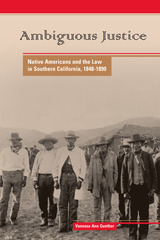
In 1769, Spain took action to solidify control over its northern New World territories by establishing a series of missions and presidios in what is now modern California. To populate these remote establishments, the Spanish crown relied on Franciscan priests, whose role it was to convince the Native Californian population to abandon their traditional religious practices and adopt Catholicism. During their tutelage, the Indians of California would be indoctrinated into Spanish society, where they would learn obedience to the church and crown.
The legal system of Southern California has been used by Anglo populations as a social and demographic tool to control Native Americans. Following the Mexican-American War and the 1849 Gold Rush, as California property values increased and transportation corridors were established, Native Americans remained a sharply declining presence in many communities, and were likely to be charged with crimes. The sentences they received were lighter than those given to Anglo offenders, indicating that the legal system was used as a means of harassment. Additionally, courts chronicled the decline of the once flourishing native populations with each case of drunkenness, assault, or rape that appeared before the bench. Nineteenth-century American society had little sympathy for the plight of Indians or for the destruction of their culture. Many believed that the Indians of Southern California would fade from history because of their inability to adapt to a changing world. While many aspects of their traditional culture have been irreparably lost, the people of southern California are, nevertheless, attempting to recreate the cultures that were challenged by the influx of Europeans and later Americans to their lands.
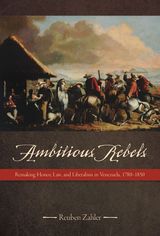
In a highly engaging style, Zahler examines gender and class against the backdrop of Venezuelan institutions and culture during the late colonial period through post-independence (known as the “middle period”). His fine-grained analysis shows that liberal ideals permeated the elite and popular classes to a substantial degree while Venezuelan institutions enjoyed impressive levels of success. Showing remarkable ambition, Venezuela’s leaders aspired to transform a colony that adhered to the king, the church, and tradition into a liberal republic with minimal state intervention, a capitalistic economy, freedom of expression and religion, and an elected, representative government.
Subtle but surprisingly profound changes of a liberal nature occurred, as evidenced by evolving standards of honor, appropriate gender roles, class and race relations, official conduct, courtroom evidence, press coverage, economic behavior, and church-state relations. This analysis of the philosophy of the elites and the daily lives of common men and women reveals in particular the unwritten, unofficial norms that lacked legal sanction but still greatly affected political structures.
Relying on extensive archival resources, Zahler focuses on Venezuela but provides a broader perspective on Latin American history. His examination provides a comprehensive look at intellectual exchange across the Atlantic, comparative conditions throughout the Americas, and the tension between traditional norms and new liberal standards in a postcolonial society.

Alexander Karn analyzes more than a dozen Holocaust commissions—in Germany, Switzerland, France, Poland, Austria, Latvia, Lithuania, and elsewhere—in a comparative framework, situating each in the context of past and present politics, to evaluate their potential for promoting justice and their capacity for bringing the perspectives of rival groups more closely together. Karn also evaluates the media coverage these commissions received and probes their public reception from multiple angles.
Arguing that historical commissions have been underused as a tool for conflict management, Karn develops a program for historical mediation and moral reparation that can deepen democratic commitment and strengthen human rights in both transitional regimes and existing liberal states.
So begins Lawrence Lessig's sweeping indictment of contemporary American institutions and the corruption that besets them. We can all see it—from the selling of Congress to special interests to the corporate capture of the academy. Something is wrong. It’s getting worse.
And it’s our fault. What Lessig shows, brilliantly and persuasively, is that we can’t blame the problems of contemporary American life on bad people, as our discourse all too often tends to do. Rather, he explains, “We have allowed core institutions of America’s economic, social, and political life to become corrupted. Not by evil souls, but by good souls. Not through crime, but through compromise.” Every one of us, every day, making the modest compromises that seem necessary to keep moving along, is contributing to the rot at the core of American civic life. Through case studies of Congress, finance, the academy, the media, and the law, Lessig shows how institutions are drawn away from higher purposes and toward money, power, quick rewards—the first steps to corruption.
Lessig knows that a charge so broad should not be levied lightly, and that our instinct will be to resist it. So he brings copious, damning detail gleaned from years of research, building a case that is all but incontrovertible: America is on the wrong path. If we don’t acknowledge our own part in that, and act now to change it, we will hand our children a less perfect union than we were given. It will be a long struggle. This book represents the first steps.

In American Homicide, Randolph Roth charts changes in the character and incidence of homicide in the U.S. from colonial times to the present. Roth argues that the United States is distinctive in its level of violence among unrelated adults—friends, acquaintances, and strangers. America was extraordinarily homicidal in the mid-seventeenth century, but it became relatively non-homicidal by the mid-eighteenth century, even in the slave South; and by the early nineteenth century, rates in the North and the mountain South were extremely low. But the homicide rate rose substantially among unrelated adults in the slave South after the American Revolution; and it skyrocketed across the United States from the late 1840s through the mid-1870s, while rates in most other Western nations held steady or fell.
That surge—and all subsequent increases in the homicide rate—correlated closely with four distinct phenomena: political instability; a loss of government legitimacy; a loss of fellow-feeling among members of society caused by racial, religious, or political antagonism; and a loss of faith in the social hierarchy. Those four factors, Roth argues, best explain why homicide rates have gone up and down in the United States and in other Western nations over the past four centuries, and why the United States is today the most homicidal affluent nation.

In American Immunity, Hagopian places what he calls the "superpower exemption" in the context of a long-standing tension between international law and U.S. sovereignty. He shows that despite the U.S. role in promulgating universal standards of international law and forming institutions where those standards can be enforced, the United States has repeatedly refused to submit its own citizens and troops to the jurisdiction of international tribunals and failed to uphold international standards of justice in its own courts.
In 2000 Congress attempted to close the jurisdictional gap with passage of the Military Extraterritorial Jurisdiction Act. The effectiveness of that legislation is still in question, however, since it remains unclear how willing civilian American juries will be to convict veterans for conduct in foreign war zones.
Since 1975, when the U.S. government adopted a policy of self-determination for American Indian nations, a large number of the 562 federally recognized nations have seized the opportunity to govern themselves and determine their own economic, political, and cultural futures. As a first and crucial step in this process, many nations are revising constitutions originally developed by the U.S. government to create governmental structures more attuned to native people's unique cultural and political values. These new constitutions and the governing institutions they create are fostering greater governmental stability and accountability, increasing citizen support of government, and providing a firmer foundation for economic and political development.
This book brings together for the first time the writings of tribal reform leaders, academics, and legal practitioners to offer a comprehensive overview of American Indian nations' constitutional reform processes and the rebuilding of native nations. The book is organized in three sections. The first part investigates the historical, cultural, economic, and political motivations behind American Indian nations' recent reform efforts. The second part examines the most significant areas of reform, including criteria for tribal membership/citizenship and the reform of governmental institutions. The book concludes with a discussion of how American Indian nations are navigating the process of reform, including overcoming the politics of reform, maximizing citizen participation, and developing short-term and long-term programs of civic education.
Included are:
-The evolution of federal statutory Indian law and the judicial foundations of federal Indian policy.
-An extensive compilation and analysis of federal and state court decisions.
- Reservation and Indian lands ownership and property interests.
-The parameters of criminal jurisdiction in Indian country.
-Concepts of tribal sovereignty and jurisdiction relating to a number of specific areas, including tribal courts, hunting and fishing, environmental regulation, water rights, gaming, and child welfare.
-Cooperative approaches used by the states and tribes for resolving jurisdictional disputes and promoting better relations.
Thorough, scholarly, and balanced, the American Indian Law Deskbook, Fourth Edition is an invaluable reference for a wide range of people working with Indian tribes, including attorneys, legal scholars, government officials, social workers, state and tribal jurists, and historians. This revised edition includes information from more recent court decisions, federal statutes, administrative regulations, and law reviews.

Emboldened by fear, the sorority sisters investigated. In the driveway next to the kitchen door, they found Emile’s newborn baby girl dead inside a garbage bag. Emile’s crime seemed senseless and left her family and friends with an aching question: what happened?
American Infanticide situates Emile's tragic act in a long intellectual, social, and legal history, uncovering disturbing missing chapters in our national history that undercut myths that have shaped public reactions to so-called monster moms and dumpster babies since the colonial era. Ultimately, the book uncovers how bias and inconsistency dictate how women accused of infant homicide are perceived and punished and sheds new light on how and why our legal responses to infanticide are so deeply misguided.
This is the standard reader in American law and constitutional development. The selections demonstrate that the legal order, once defined by society, helps in molding the various forces of the social life of that society. The essays cover the entire period of the American experience, from the colonies to postindustrial society.
Additions to this enlarged edition include essays by Michael Parrish on the Depression and the New Deal; Abram Chayes on the role of the judge in public law litigation; David Vogel on social regulation; Harry N. Scheiber on doctrinal legacies and institutional innovations in the relation between law and the economy; and Lawrence M. Friedman on American legal history.

This product contains the supplemental listening activities (21 tracks) to support the textbook American Legal English (978-0-472-03206-0), and are available via MP3 download. Running time: 000:36:43.
The American Legal English products were developed to help non-native speakers improve their ability to understand and communicate in English with their legal counterparts around the world. The text is an introduction to basic legal information and the U.S. legal system that addresses the major areas of law and provides actual cases and statutes so that students can become familiar with legal syntax and legal vocabulary.
Law is a profession that requires the ability to read critically, write well, synthesize sources from research, and speak concisely and clearly. American Legal English was developed to help non-native speakers improve their ability to understand and communicate in English with their legal counterparts around the world. The text is an introduction to basic legal information and the U.S. legal system that addresses the major areas of law and provides actual cases and statutes so that students can become familiar with legal syntax and legal vocabulary.
Each chapter addresses a particular area of the law and has three parts:
- Discovering Connections is a warm-up activity that focuses on non-legal concepts that lead into a discussion of the law.
- Legal Listening and Legally Speaking offer the opportunity to practice new vocabulary terms before they are used in context later in the chapter.
- Legal Thumbnail provides a simplified summary of the law with actual statutory and case materials.
In the second edition, the language development activities have been moved to the back of the book and are organized in the categories of writing, reading, oral communication, grammar, and culture.
Supplemental listening activities (21 tracks) are available via an audio CD (978-0-472-00325-9) or MP3 download (978-0-472-00360-0) is available for use in conjunction with this textbook. Running time: 000:40:02.

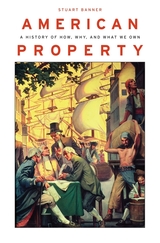
In America, we are eager to claim ownership: our homes, our ideas, our organs, even our own celebrity. But beneath our nation’s proprietary longing looms a troublesome question: what does it mean to own something? More simply: what is property?
The question is at the heart of many contemporary controversies, including disputes over who owns everything from genetic material to indigenous culture to music and film on the Internet. To decide if and when genes or culture or digits are a kind of property that can be possessed, we must grapple with the nature of property itself. How does it originate? What purposes does it serve? Is it a natural right or one created by law?
Accessible and mercifully free of legal jargon, American Property reveals the perpetual challenge of answering these questions, as new forms of property have emerged in response to technological and cultural change, and as ideas about the appropriate scope of government regulation have shifted. This first comprehensive history of property in the United States is a masterly guided tour through a contested human institution that touches all aspects of our lives and desires.
Stuart Banner shows that property exists to serve a broad set of purposes, constantly in flux, that render the idea of property itself inconstant. Despite our ideals of ownership, property has always been a means toward other ends. What property signifies and what property is, we come to see, has consistently changed to match the world we want to acquire.
As in previous editions, McCloskey's original text remains unchanged. He argues that the Court's strength has always been its sensitivity to the changing political scene, as well as its reluctance to stray too far from the main currents of public sentiment. Levinson's two new chapters show how McCloskey's approach continues to illuminate recent developments, such as the Court's seeming return to its pre-1937 role as "umpire" of the federal system. It is in Bush v. Gore, however, where the implications of McCloskey's interpretation stand out most clearly.
The best and most concise account of the Supreme Court and its place in American politics, McCloskey's wonderfully readable book is an essential guide to its past, present, and future prospects of this institution.
As in the second edition, McCloskey's original text remains unchanged. In his historical interpretation, he argues that the strength of the Court has always been its sensitivity to the changing political scene, as well as its reluctance to stray too far from the main currents of public sentiments. In two new chapters, Levinson discusses the Court's more recent role, especially during the 1960s, as protector of the civil rights and liberties of minorities. He updates as well the Court's continuing role as monitor of the welfare state, looking at the litigation following the 1996 changes in welfare policy by Congress and the President. Also covered in this new edition are the recent Court decisions on federalism, which perhaps portend an enhanced role for the court as the "umpire" of the federal system; the clash between Congress and the Court over the scope of the required accommodation by government of religious conduct; and the Court's role in the impeachment of President Clinton.
Wonderfully readable and concisely written, McCloskey's book is an essential guide to the past, present, and future prospects of America's highest court.
Celebrating its fiftieth anniversary, Robert McCloskey’s classic work on the Supreme Court’s role in constructing the U.S. Constitution has introduced generations of students to the workings of our nation’s highest court. For this new fifth edition, Sanford Levinson extends McCloskey’s magisterial treatment to address the Court’s most recent decisions.
As in prior editions, McCloskey’s original text remains unchanged. In his historical interpretation, he argues that the strength of the Court has always been its sensitivity to the changing political scene, as well as its reluctance to stray too far from the main currents of public sentiments. In two revised chapters, Levinson shows how McCloskey’s approach continues to illuminate developments since 2005, including the Court’s decisions in cases arising out of the War on Terror, which range from issues of civil liberty to tests of executive power. He also discusses the Court’s skepticism regarding campaign finance regulation; its affirmation of the right to bear arms; and the increasingly important nomination and confirmation process of Supreme Court justices, including that of the first Hispanic justice, Sonia Sotomayor.
The best and most concise account of the Supreme Court and its place in American politics, McCloskey's wonderfully readable book is an essential guide to the past, present, and future prospects of this institution.
As in prior editions, McCloskey’s original text remains unchanged. In his historical interpretation, he argues that the strength of the Court has always been its sensitivity to the changing political scene, as well as its reluctance to stray too far from the main currents of public sentiment. In this new edition, Sanford Levinson extends McCloskey’s magisterial treatment to address developments since the 2010 election, including the Supreme Court’s decisions regarding the Defense of Marriage Act, the Affordable Care Act, and gay marriage.
The best and most concise account of the Supreme Court and its place in American politics, McCloskey's wonderfully readable book is an essential guide to the past, present, and future prospects of this institution.

For more than fifty years, Robert G. McCloskey’s classic work on the Supreme Court’s role in constructing the US Constitution has introduced generations of students to the workings of our nation’s highest court.
As in prior editions, McCloskey’s original text remains unchanged. In his historical interpretation, he argues that the strength of the Court has always been its sensitivity to the changing political scene, as well as its reluctance to stray too far from the main currents of public sentiment. In this new edition, Sanford Levinson extends McCloskey’s magisterial treatment to address developments since the 2010 election, including the Supreme Court’s decisions regarding the Defense of Marriage Act, the Affordable Care Act, and gay marriage.
The best and most concise account of the Supreme Court and its place in American politics, McCloskey's wonderfully readable book is an essential guide to the past, present, and future prospects of this institution.
Anthony Gregory challenges such simplifications, offering a nuanced history and analysis of these difficult issues. He highlights the complexity of the relationship between the gathering of intelligence for national security and countervailing efforts to safeguard individual privacy. The Fourth Amendment prohibiting unreasonable searches and seizures offers no panacea, he finds, in combating assaults on privacy—whether by the NSA, the FBI, local police, or more mundane administrative agencies. Given the growth of technology, together with the ambiguities and practical problems of enforcing the Fourth Amendment, advocates for privacy protections need to work on multiple policy fronts.
“This fascinating review of the shifts and accretions of American law and culture is filled with historical surprises and twenty-first-century shocks, so beneficial in an era of gross American ahistoricality and cultural acquiescence to the technological state. Every flag-waving patriot, every dissenter, every judge and police officer, every small-town mayor and every president should read America Surveillance. We have work to do!”—Lt. Col. Karen U. Kwiatkowski, (Ret.), former Senior Operations Staff Officer, Office of the Director, National Security Agency
An American Travesty is the first scholarly book in half a century to analyze the justice system’s response to sexual misconduct by children and adolescents in the United States. Writing with a refreshing dose of common sense, Franklin E. Zimring discusses our society's failure to consider the developmental status of adolescent sex offenders. Too often, he argues, the American legal system ignores age and developmental status when adjudicating young sexual offenders, in many cases responding as they would to an adult.
“An opinionated, articulate, and forceful critique of current politics and practices. . . . I would recommend this book for anyone interested in rethinking the fundamental questions of how our courts and systems should respond to these cases.”—Law and Politics Book Review
“One of the most important new books in the field of juvenile justice. . . . Zimring offers a thoughtful, research-based analysis of what went wrong with legal policy development.”—Barry Krisberg, President, National Council on Crime and Delinquency

The U.S. Constitution opens by proclaiming the sovereignty of all citizens: “We the People.” Robert Tsai’s gripping history of alternative constitutions invites readers into the circle of those who have rejected this ringing assertion—the defiant groups that refused to accept the Constitution’s definition of who “the people” are and how their authority should be exercised.
America’s Forgotten Constitutions is the story of America as told by dissenters: squatters, Native Americans, abolitionists, socialists, internationalists, and racial nationalists. Beginning in the nineteenth century, Tsai chronicles eight episodes in which discontented citizens took the extraordinary step of drafting a new constitution. He examines the alternative Americas envisioned by John Brown (who dreamed of a republic purged of slavery), Robert Barnwell Rhett (the Confederate “father of secession”), and Etienne Cabet (a French socialist who founded a utopian society in Illinois). Other dreamers include the University of Chicago academics who created a world constitution for the nuclear age; the Republic of New Afrika, which demanded a separate country carved from the Deep South; and the contemporary Aryan movement, which plans to liberate America from multiculturalism and feminism.
Countering those who treat constitutional law as a single tradition, Tsai argues that the ratification of the Constitution did not quell debate but kindled further conflicts over basic questions of power and community. He explains how the tradition mutated over time, inspiring generations and disrupting the best-laid plans for simplicity and order. Idealists on both the left and right will benefit from reading these cautionary tales.
"Has all the tension of the best true crime stories . . . This is journalism at its best."
--Library Journal
"A compelling argument against capital punishment. . . . Examining politicians, judges (including Supreme Court Justices), prosecutors, defense attorneys and the condemned themselves, the author makes an effective case that, despite new laws, execution is no less a lottery than it has always been."
--Publishers Weekly
"In a fine and important book, Von Drehle writes elegantly and powerfully. . . . Anyone certain of their opinion about the death penalty ought to read this book."
-- Booklist
"An extremely well-informed and richly insightful book of great value to students of the death penalty as well as intelligent general readers with a serious interest in the subject, Among the Lowest of the Dead is also exciting reading. The book is an ideal guide for new generations of readers who want to form knowledgeable judgments in the continuing--and recently accelerating--controversies about capital punishment."
--Anthony Amsterdam, New York University
"Among the Lowest of the Dead is a powerfully written and meticulously researched book that makes an invaluable contribution to the growing public dialogue about capital punishment in America. It's one of those rare books that bridges the gap between mass audiences and scholarly disciplines, the latter including sociology, political science, criminology and journalism. The book is required reading in my Investigative Journalism classes--and my students love it!"
--David Protess, Northwestern University
"Among The Lowest of the Dead deserves a permanent place in the literature as literature, and is most relevant to today's death penalty debate as we moderate advocates and abolitionists search for common ground."
--Robert Blecker, New York Law School
David Von Drehle is Senior Writer, The Washington Post and author of Triangle: The Fire that Changed America.
For most Americans, the Revolution’s main achievement is summed up by the phrase “life, liberty, and the pursuit of happiness.” Yet far from a straightforward attempt to be free of Old World laws and customs, the American founding was also a bid for inclusion in the community of nations as it existed in 1776. America aspired to diplomatic recognition under international law and the authority to become a colonizing power itself.
As Eliga Gould shows in this reappraisal of American history, the Revolution was an international transformation of the first importance. To conform to the public law of Europe’s imperial powers, Americans crafted a union nearly as centralized as the one they had overthrown, endured taxes heavier than any they had faced as British colonists, and remained entangled with European Atlantic empires long after the Revolution ended.
No factor weighed more heavily on Americans than the legally plural Atlantic where they hoped to build their empire. Gould follows the region’s transfiguration from a fluid periphery with its own rules and norms to a place where people of all descriptions were expected to abide by the laws of Western Europe—“civilized” laws that precluded neither slavery nor the dispossession of Native Americans.
The ancient Greeks invented written law. Yet, in contrast to later societies in which law became a professional discipline, the Greeks treated laws as components of social and political history, reflecting the daily realities of managing society. To understand Greek law, then, requires looking into extant legal, forensic, and historical texts for evidence of the law in action. From such study has arisen the field of ancient Greek law as a scholarly discipline within classical studies, a field that has come into its own since the 1970s.
This edited volume charts new directions for the study of Greek law in the twenty-first century through contributions from eleven leading scholars. The essays in the book’s first section reassess some of the central debates in the field by looking at questions about the role of law in society, the notion of “contracts,” feuding and revenge in the court system, and legal protections for slaves engaged in commerce. The second section breaks new ground by redefining substantive areas of law such as administrative law and sacred law, as well as by examining sources such as Hellenistic inscriptions that have been comparatively neglected in recent scholarship. The third section evaluates the potential of methodological approaches to the study of Greek law, including comparative studies with other cultures and with modern legal theory. The volume ends with an essay that explores pedagogy and the relevance of teaching Greek law in the twenty-first century.
Essays cover topics such as using collective sanctions to enforce legal norms; the Greek elite’s marriage strategies for amassing financial resources essential for a public career; defenses against murder charges under Athenian criminal law, particularly in cases where the victim put his own life in peril; the interplay between Roman law and provincial institutions in regulating water rights; the Severan-age Greek author Aelian’s notions of justice and their influence on late-classical Roman jurisprudence; Roman jurists’ approach to the contract of mandate in balancing the changing needs of society against respect for upper-class concepts of duty and reciprocity; whether the Roman legal authorities developed the law exclusively to serve the Roman elite’s interests or to meet the needs of the Roman Empire’s broader population as well; and an analysis of the Senatus Consultum Claudianum in the Code of Justinian demonstrating how the late Roman government adapted classical law to address marriage between free women and men classified as coloni bound to their land.
In addition to volume editors Dennis P. Kehoe and Thomas A. J. McGinn, contributors include Adriaan Lanni, Michael Leese, David Phillips, Cynthia Bannon, Lauren Caldwell, Charles Pazdernik, and Clifford Ando.
Animal law has become a topic of growing importance internationally, with animal welfare and animal rights often assuming center stage in contemporary debates about the legal status of animals. While nonspecialists routinely decontextualize ancient texts to support or deny rights to animals, experts in fields such as classics, biblical studies, Assyriology, Egyptology, rabbinics, and late antique Christianity have only just begun to engage the topic of animals and the law in their respective areas. This volume consists of original studies by scholars from a range of Mediterranean and West Asian fields on a variety of topics at the intersection of animals and the law in antiquity. Contributors include Rozenn Bailleul-LeSuer, Beth Berkowitz, Andrew McGowan, F. S. Naiden, Saul M. Olyan, Seth Richardson, Jordan D. Rosenblum, Andreas Schüle, Miira Tuominen, and Daniel Ullucci. The volume is essential reading for scholars and students of both the ancient world and contemporary law.
"Pain is pain, irrespective of the race, sex, or species of the victim," states William Kunstler in his foreword. This moral concern for the suffering of animals and their legal status is the basis for Gary L. Francione's profound book, which asks, Why has the law failed to protect animals from exploitation?
Francione argues that the current legal standard of animal welfare does not and cannot establish fights for animals. As long as they are viewed as property, animals will be subject to suffering for the social and economic benefit of human beings.
Exploring every facet of this heated issue, Francione discusses the history of the treatment of animals, anticruelty statutes, vivisection, the Federal Animal Welfare Act, and specific cases such as the controversial injury of anaesthetized baboons at the University of Pennsylvania. He thoroughly documents the paradoxical gap between our professed concern with humane treatment of animals and the overriding practice of abuse permitted by U.S. law.

The book covers many topics: the economics of drug production, the policies to reduce consumption and decrease supply during the Plan Colombia, the effects of the drug problem on Colombia's international relations, the prevention of money laundering, the connection between drug trafficking and paramilitary politics, and strategies against organized crime. Beyond the diversity in topics, there is a common thread running through all the chapters: the need to analyze objectively what works and what does not, based on empirical evidence. Presented here for the first time to an English-speaking audience, this book is a contribution to a debate that urgently needs to transcend ideology and preconceived opinions.
This one-volume edition presents the essence of the other side of that crucial dialogue. It can be read as a genuine counterpart to the Federalist Papers; as an original source companion to Storing's brilliant essay What the Anti-Federalists Were For (volume I of The Complete Anti-Federalist, available as a separate paperback); or as a guide to exploring the full range of Anti-Federalist writing. The Anti-Federalist makes a fundamental source of our political heritage accessible to everyone.
“Eminently readable, and anybody who cares about the future of American democracy in these perilous times can only hope that it will be widely read and carefully considered.”
—James Pope, Washington Post
“Fishkin and Forbath’s accessible work serves as both history lesson and political playbook, offering the Left an underutilized—and perhaps counterintuitive—tool in the present-day fight against social and economic injustice: the Constitution.”
—Benjamin Morse, Jacobin
“Aims to recover the Constitution’s pivotal role in shaping claims of justice and equality…in engaging, imaginative prose that makes even the present court’s capture by the ideological right a compelling platform for a revived social-democratic constitutional politics.”
—New Republic
Oligarchy is a threat to the American republic. When too much economic and political power is concentrated in too few hands, we risk losing the “republican form of government” the Constitution requires. Today, courts enforce the Constitution as if it had almost nothing to say about this threat. But as this revolutionary retelling of constitutional history shows, a commitment to prevent oligarchy once stood at the center of a robust tradition in American political and constitutional thought.
Joseph Fishkin and William Forbath demonstrate that reformers, legislators, and even judges working in this “democracy-of-opportunity” tradition understood that the Constitution imposes a duty on legislatures to thwart oligarchy and promote a broad distribution of wealth and political power. These ideas led Jacksonians to fight special economic privileges for the few, Populists to try to break up monopoly power, and Progressives to battle for the constitutional right to form a union.
But today, as we enter a new Gilded Age, this tradition in progressive American economic and political thought lies dormant. The Anti-Oligarchy Constitution begins the work of recovering it and exploring its profound implications for our deeply unequal society and badly damaged democracy.
Winner, Friends of the Dallas Public Library Award from the Texas Institute of Letters, 2003
Antiphon was a fifth-century Athenian intellectual (ca. 480-411 BCE) who created the profession of speechwriting while serving as an influential and highly sought-out adviser to litigants in the Athenian courts. Three of his speeches are preserved, together with three sets of Tetralogies (four hypothetical paired speeches), whose authenticity is sometimes doubted. Fragments also survive of intellectual treatises on subjects including justice, law, and nature (physis), which are often attributed to a separate Antiphon the Sophist. Were these two Antiphons really one and the same individual, endowed with a wide-ranging mind ready to tackle most of the diverse intellectual interests of his day?
Through an analysis of all these writings, this book convincingly argues that they were composed by a single individual, Antiphon the Athenian. Michael Gagarin sets close readings of individual works within a wider discussion of the fifth-century Athenian intellectual climate and the philosophical ferment known as the sophistic movement. This enables him to demonstrate the overall coherence of Antiphon's interests and writings and to show how he was a pivotal figure between the sophists and the Attic orators of the fourth century. In addition, Gagarin's argument allows us to reassess the work of the sophists as a whole, so that they can now be seen as primarily interested in logos (speech, argument) and as precursors of fourth-century rhetoric, rather than in their usual role as foils for Plato.
After thirty years, the debate over antitrust's ideology has quieted. Most now agree that the protection of consumer welfare should be the only goal of antitrust laws. Execution, however, is another matter. The rules of antitrust remain unfocused, insufficiently precise, and excessively complex. The problem of poorly designed rules is severe, because in the short run rules weigh much more heavily than principles. At bottom, antitrust is a defensible enterprise only if it can make the microeconomy work better, after accounting for the considerable costs of operating the system.
The Antitrust Enterprise is the first authoritative and compact exposition of antitrust law since Robert Bork's classic The Antitrust Paradox was published more than thirty years ago. It confronts not only the problems of poorly designed, overly complex, and inconsistent antitrust rules but also the current disarray of antitrust's rule of reason, offering a coherent and workable set of solutions. The result is an antitrust policy that is faithful to the consumer welfare principle but that is also more readily manageable by the federal courts and other antitrust tribunals.
READERS
Browse our collection.
PUBLISHERS
See BiblioVault's publisher services.
STUDENT SERVICES
Files for college accessibility offices.
RECENTLY PUBLISHED


UChicago Accessibility Resources
home | accessibility | search | about | contact us
BiblioVault ® 2001 - 2025
The University of Chicago Press